
Redefining Investor Relations
Joined July 2022
- Tweets 581
- Following 116
- Followers 4,564
- Likes 719
161 Photos and videos






Pinned Tweet

19 Apr 2023
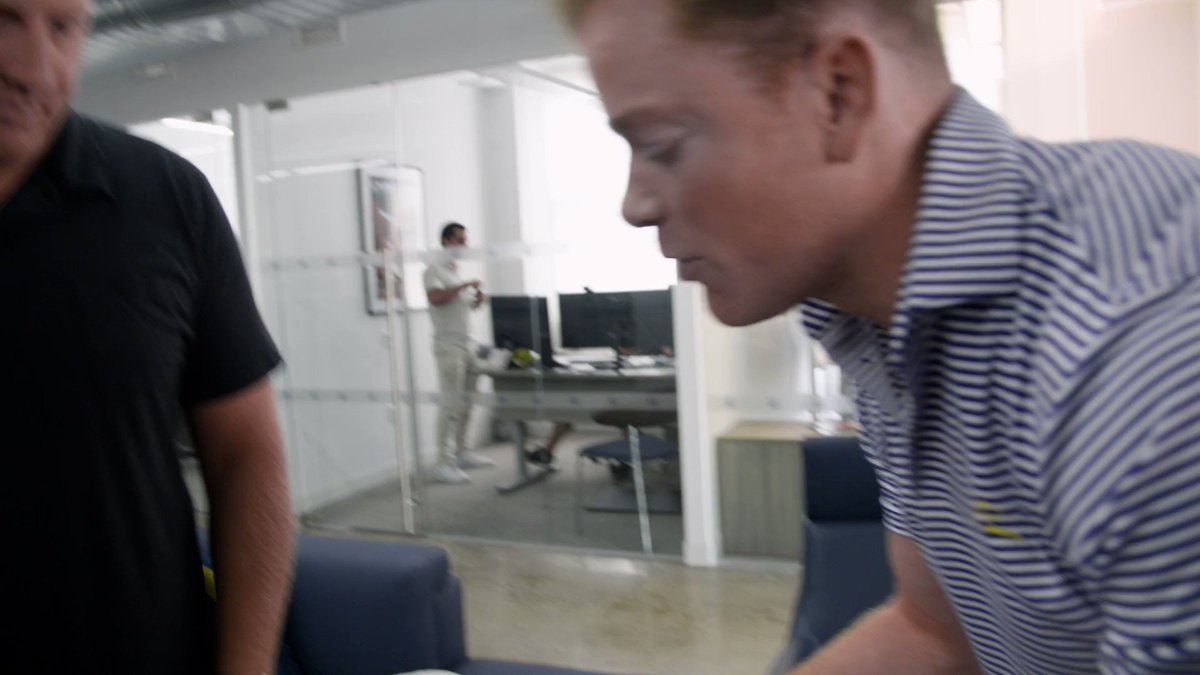
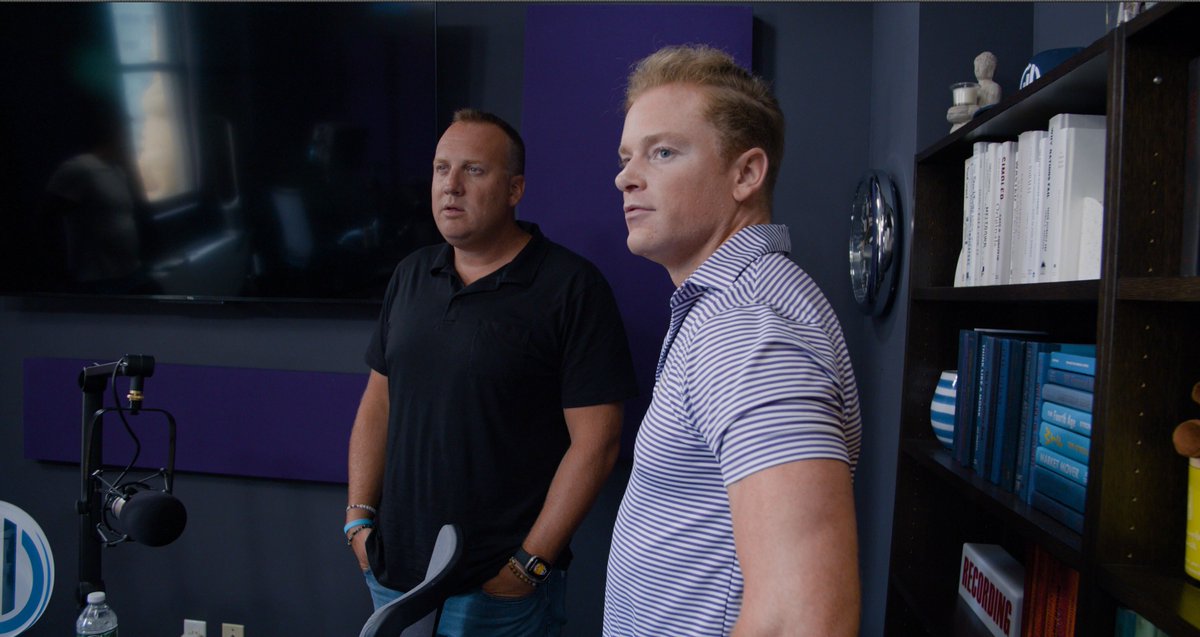
Check out our behind-the-scenes interview with Tony Wehner, @DaveandBusters COO, and @itsmarkmoran as they tour the D&B HQ outside Dallas, Texas
2
7
19
58,302
Equity Animal retweeted

22 May 2024
Brainworms are a helluva thing
21 May 2024

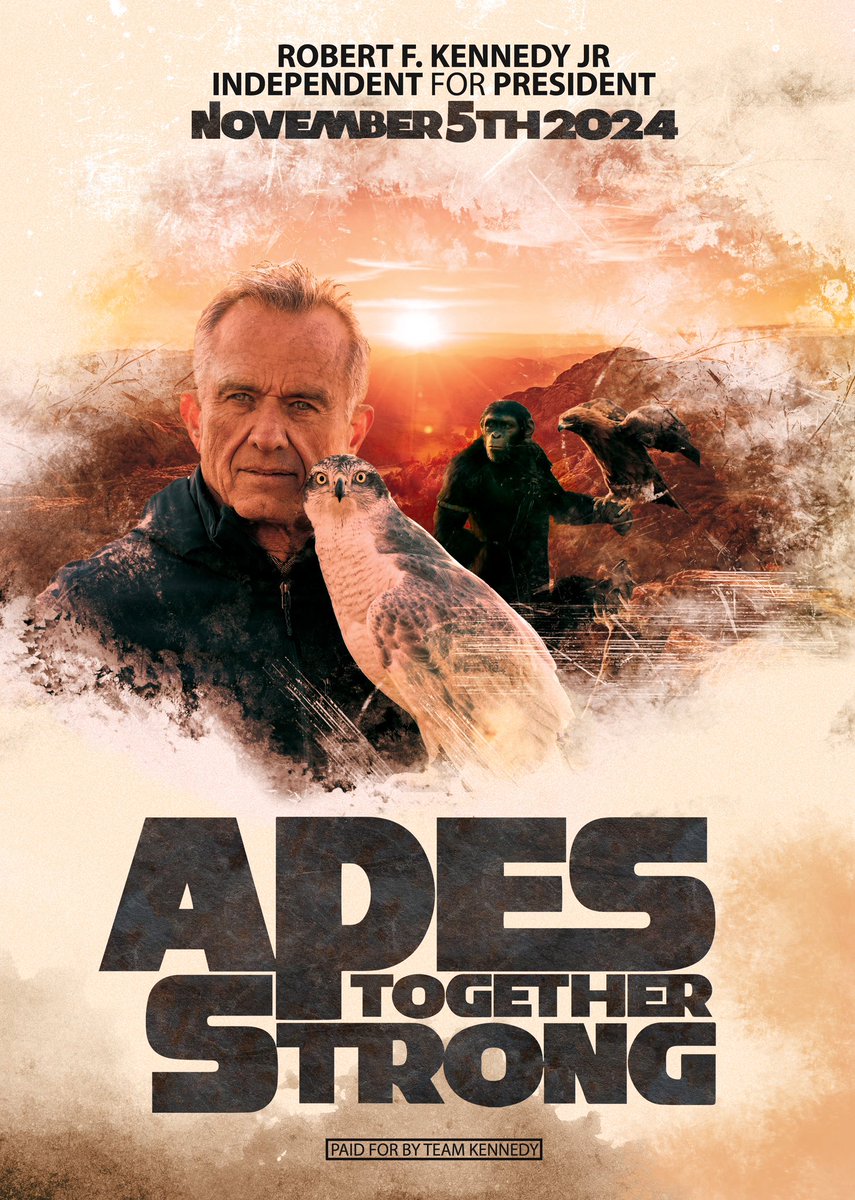
I’m very aware of what the average retail investor has been saying about the need for greater transparency in our markets, stronger regulatory oversight and tougher penalties for market manipulation and criminal behavior. My administration will support the Ape retail rebellion and enact aggressive Wall Street reforms.
To match action with words, I just invested $24,000 in GameStop from the fees I earned from suing Monsanto for their knowingly poisoning our soil and causing cancer. I love the idea of making Monsanto support $GME and the Apes. We need a free and fair market. Let’s punish predatory short selling to the moon. By the way, I ride with you and I’m not leaving.
#ApesNotLeaving #ApesTogetherStrong #GME #AMC @TheRoaringKitty @StockRetail @KatStryker111 @Cancelcloco @BossBlunts1 @LanceKhazei @PeterRHann1 @Human_Augustus
8
6
69
26,627
Equity Animal retweeted

12 Apr 2024
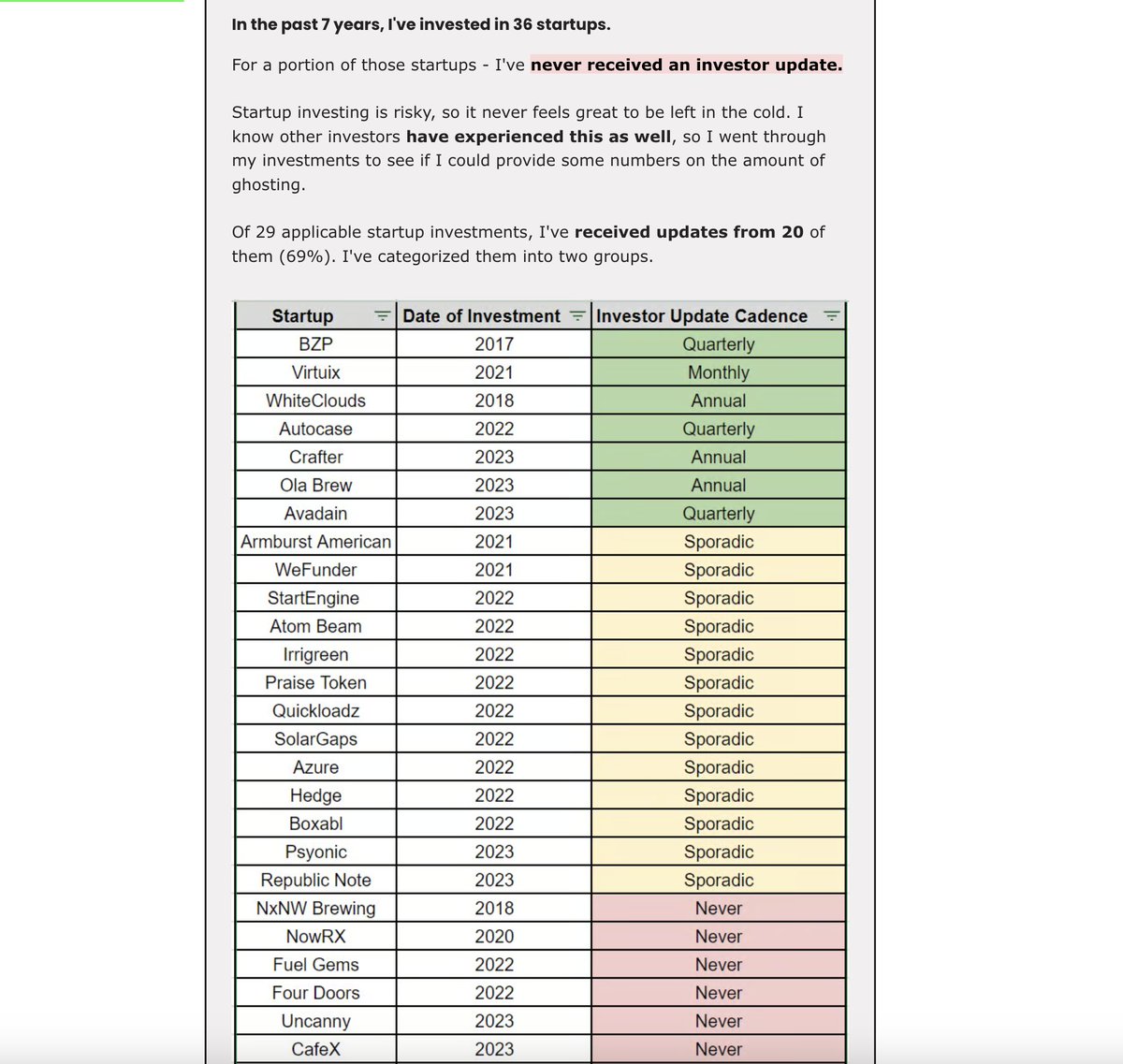
Imagine investing in a company and never getting a update?
Wild chart from @Crowdscale1 - crowdfunding needs to step up it's IR game cc @EquityAnimal
1
2
2,377
Equity Animal retweeted

6 Mar 2024
The Rise and Fall of BlackBerry: How the Pioneer of Smartphones Lost Its Edge tickerhistory.com/2024/03/06…
2
13
8,277
31 Jan 2024
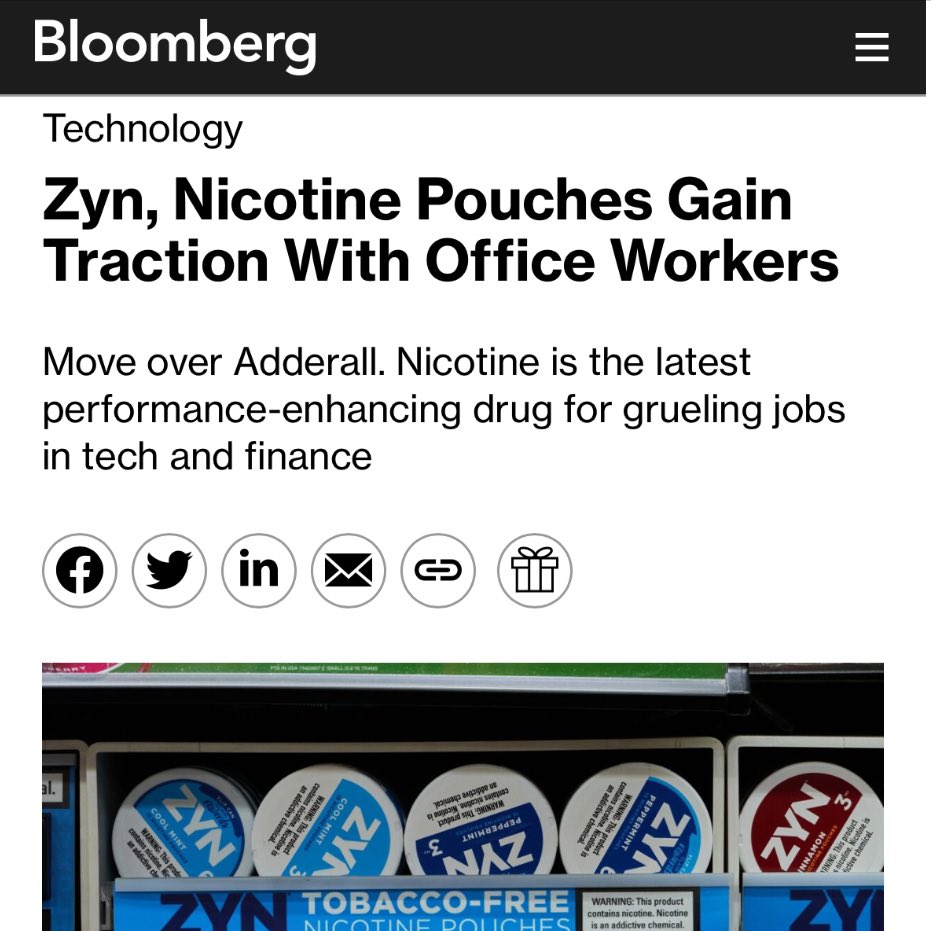
“Whenever Mark Moran @itsmarkmoran chief executive officer of the investor relations firm Equity Animal, is about to perform a boring task, he has a ritual. He pops a Zyn nicotine pouch into his mouth.” - @Priyasideas / @business
1
17
5,569
Equity Animal retweeted
3 Nov 2023
In the early 2000s, CollegeHumor exploded onto college campuses across the country. The site, filled with comedic sketches, articles, and images, was gaining traction among university students and internet surfers.
It was amidst this environment that @Vimeo $VMEO was conceived by Jake Lodwick and Zach Klein, two of CollegeHumor's co-founders.
Initially, Vimeo was imagined as a personal video sharing service, a space where users could share short clips without the constraints of mainstream platforms. While most credit YouTube for allowing consumers to view and share videos seamlessly on the internet, Vimeo was actually the first platform to offer embedded videos.
However, as time progressed, the potential of Vimeo being a social video sharing site stalled, and YouTube was acquired by Google in 2006, making it hard to penetrate the market further without a large backer or access to capital.
This sparked a shift at Vimeo in terms of the business model and how consumers interacted with the platform. Vimeo distinguished itself from competitors with an ad-free model, emphasis on quality, and tools that catered to video professionals creating and hosting content.
This distinct positioning attracted a different kind of audience—filmmakers, artists, and content creators seeking a more curated environment to showcase and host their work.
Soon after, Connected Ventures, the company behind CollegeHumor and Vimeo, was acquired by online media giant InterActiveCorp $IAC for an undisclosed amount. Vimeo now had the financial backing, recruiting power and prestige to expand its software to the masses.
Beyond product, Vimeo nurtured a strong sense of community. The site became a haven for indie filmmakers, animators, and artists, launching features like "Staff Picks" which highlighted the best short films on the internet and offered creators a coveted spotlight.
Vimeo also launched a paid subscription tier and began to offer additional weekly uploads, unlimited HD videos, and priority encoding, among other features to entice power users to begin paying for the platform.
Over the next decade, YouTube continued to eat market share in the video sharing space from Vimeo, prompting another shift to the business model and the company.
Shifting away from acting as just a video discovery platform, Vimeo launched Vimeo On Demand in 2013, allowing creators to sell their works directly to their audiences. This direct-to-fan distribution model further empowered creators, providing them with more control over their content and monetization methods. The company also gave filmmakers a $10,000 advance to make and sell movies on the platform.
The plan was to drum up support from the Vimeo community to create content for the platform and operate the site as a Netflix-like independent content studio, driven by their most loyal fans. In just four years though, the company realized that Netflix had a first-mover advantage and access to seemingly unlimited capital.
They cut their losses and continued to go deeper with creators and independent filmmakers by launching a business tier subscription in 2016 followed by an enterprise tier soon after.
The model transformed Vimeo from a content studio and subscription revenue mix to a pure SaaS business serving independent content creators all the way up to Fortune 500 brands (and even the White House) to edit, stream, host, and share video content.
In 2019, Glenn Schiffman, IAC’s Chief Financial Officer said that Vimeo’s enterprise product was the fastest-growing segment from a revenue perspective.
That same year, Vimeo acquired Magisto, an AI video creation software for $200M. Magisto brought over 100M users to the Vimeo platform and furthered its mission to arm small businesses and creators with tools to produce and edit content.
During the pandemic, Vimeo grew like wildfire. The site added 25M users in seven months, cracking 200M users in November 2020. Paid subscribers increased from 1.2M in March 2020 to 1.6M prior to going public in May 2021.
After discovering that the subscription model could serve all types of users in a cohesive way, the company decided to go public in a spinoff from IAC.
During the heart of the pandemic, IAC raised $150M in anticipation of a spin-off on the Nasdaq at a $2.75B valuation. Over the next year, IAC raised an additional $300M in January 2021, nearly doubling Vimeo’s valuation to $5B. The company then went public on May 25, 2021, under the ticker symbol $VMEO.
Vimeo’s performance in the public markets has been seen as mediocre so far. Their growth strategy of expanding their enterprise business has come at a cost of increased headcount and a decrease in operating margins.
After a rocky 2021 debut in which the stock fell -68%, 2022 saw revenues grow by 41% (yoy) and a second consecutive quarter of positive adjusted EBITA and free cash flow.
In 2023 the company announced an expansion of their AI-powered creation suite that includes a script generator, teleprompter, and text-based video editor. The move aims to increase the use of the platform and empower smaller creators to streamline their operations while keeping costs low.
Anjali Sud, Vimeo’s CEO for the past six years, departed from her position in July. To take her place, Vimeo named Adam Gross @adam_g an interim CEO. Coming from the enterprise SaaS space, Gross seems to be a good fit for the job previously working at Dropbox and Salesforce.
Looking ahead, Vimeo's growth trajectory as a public company is anchored on strategic innovation and expansion of services.
With video content continuing to be a dominant form of media consumption online, Vimeo’s future growth will hinge on its ability to innovate in video technology, expand its services to new markets, and maintain a competitive edge in a highly dynamic sector.
The company's investments in areas such as artificial intelligence, machine learning for video editing, and expanding its live streaming capabilities signal a commitment to staying at the forefront of video technology.
2
9
35
33,425
9 Aug 2023
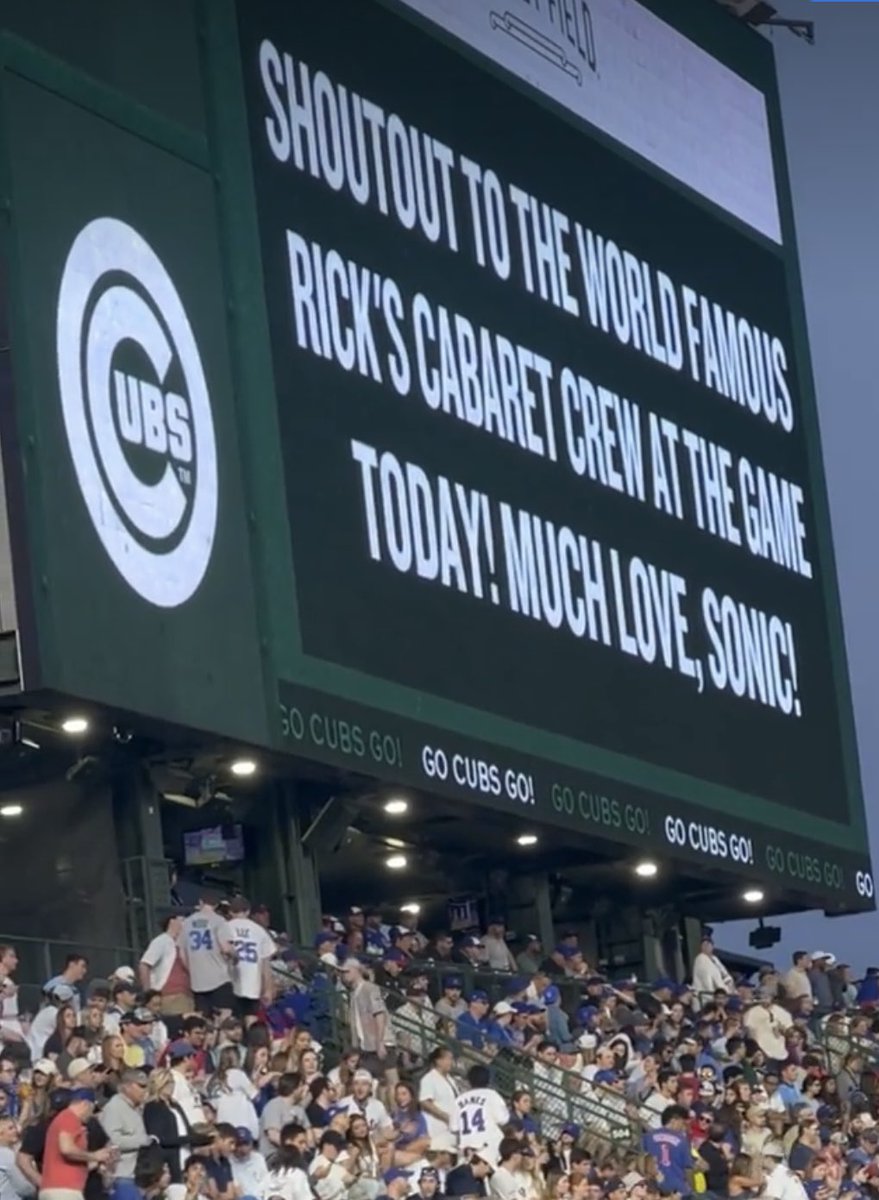
Want to ask an anonymous question to RCI Hospitality $RICK management?
swiy.co/RCIQuestionForm
2
2,306