
Standards and Ethics Editor, and former editor-in- chief, of @AFP. Author. Lecturer at Hong Kong University and HK Baptist University. Public speaker.
Joined April 2009
- Tweets 5,715
- Following 3,842
- Followers 4,691
- Likes 18,018
470 Photos and videos

Pinned Tweet

Jun 4
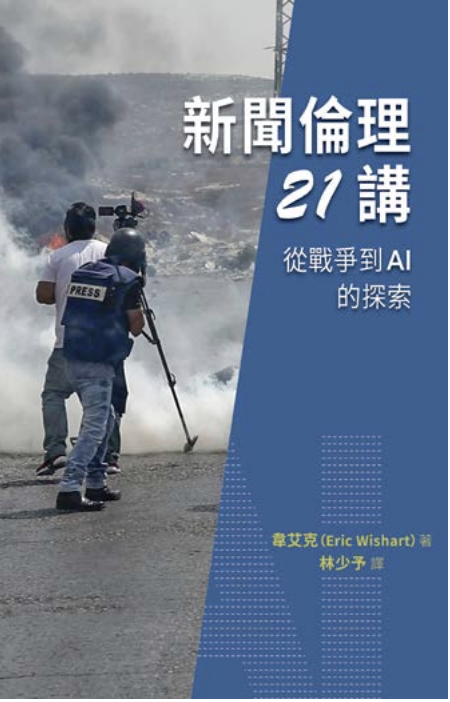
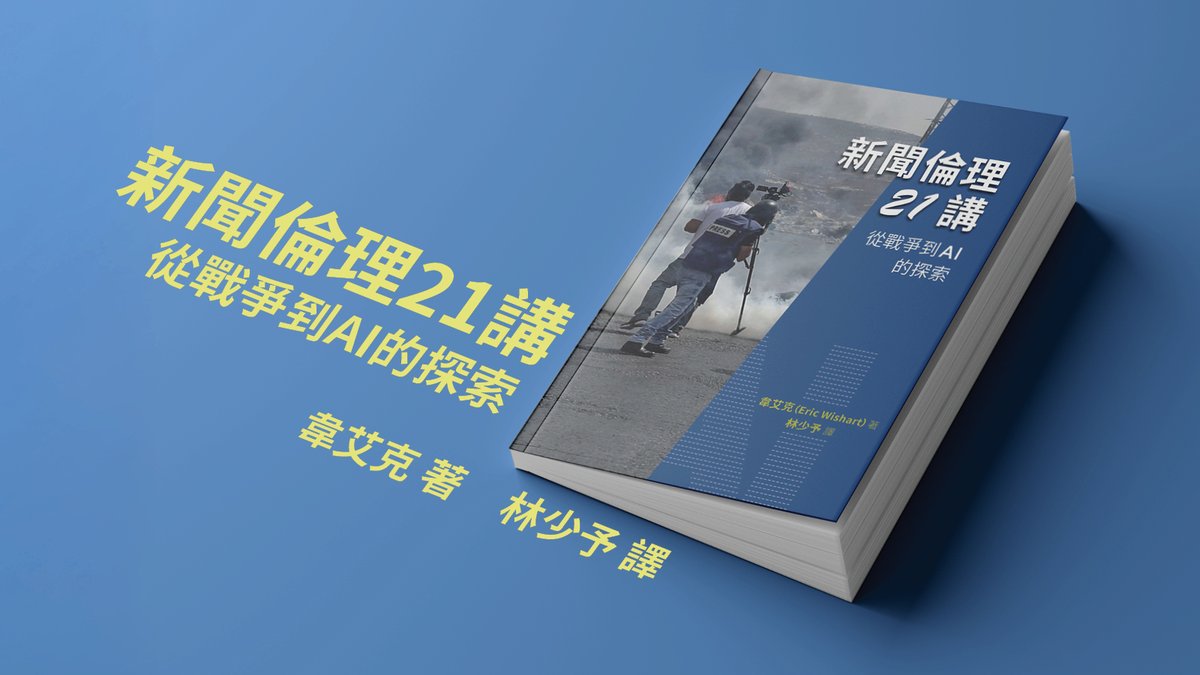
Delighted to announce that my book on journalism ethics has been published in Chinese. A big thank you to the team at Hong Kong University Press for all the support.
@alvinllum @hkfp @rthk_news @HKJA_Official @HKUPress

📖作者韋艾克以自身50多年的採訪經驗,以及在法新社擔任標準和倫理編輯時的見聞作為基礎,從21類新聞領域加以討論,為學生、記者和資訊消費者提供一本簡單易明的指南。
👉HKUP書店有售|網店八折優惠碼 20CP2026 至2026/6/29 🔗 shorturl.at/LJ3pA
1
187
Jun 4
1
108
Jun 4
"A significant number of staffers agree that '60 Minutes' needs some change... But Weiss has not made this case publicly in much detail. And Pelley’s words carry a lot of weight": @brianstelter's take on @CBS
edition.cnn.com/2026/06/03/m…
6
6
26
6,615
Eric Wishart retweeted

Jun 3
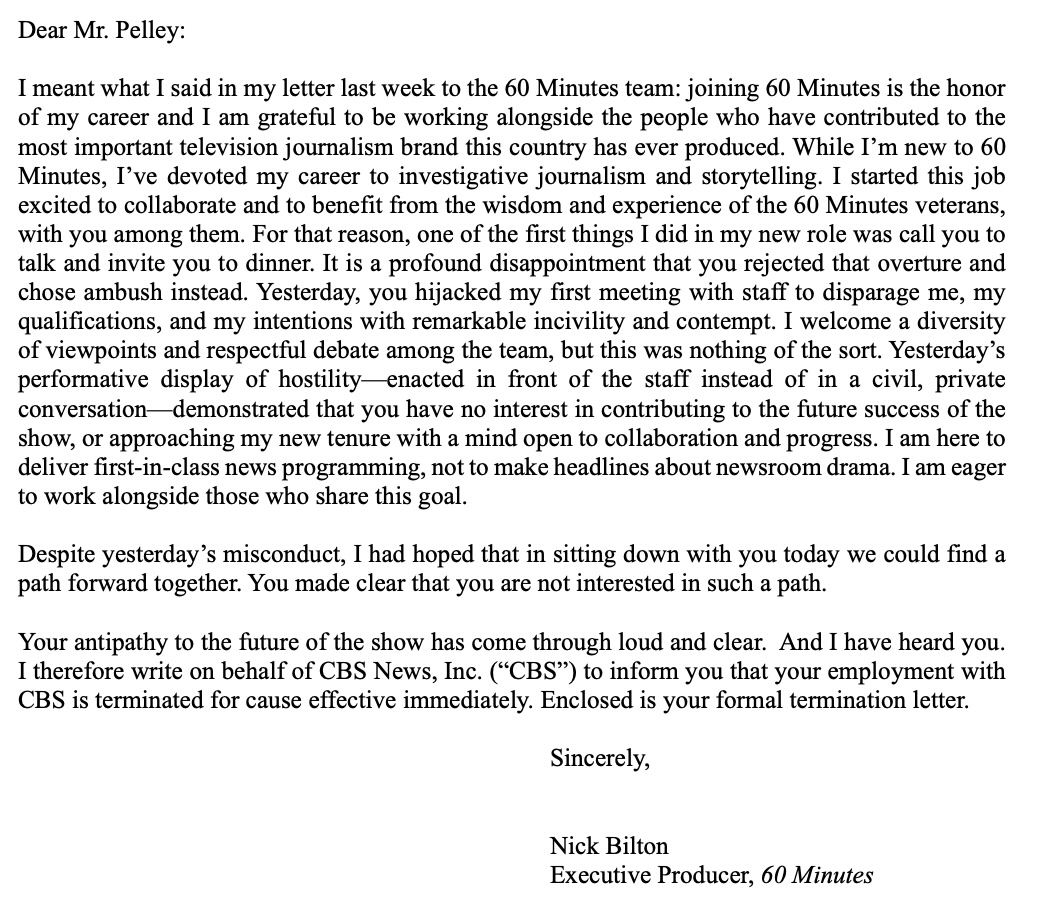
#BREAK: CBS NEWS has terminated Scott Pelley's contract.
3,503
4,996
25,632
7,112,520
May 29
My book about journalism ethics is being published in Chinese - thanks to the team at @HKUPress for all the support.
@AFP
📖作者韋艾克以自身50多年的採訪經驗,以及在法新社擔任標準和倫理編輯時的見聞作為基礎,從21類新聞領域加以討論,為學生、記者和資訊消費者提供一本簡單易明的指南。
👉HKUP書店有售|網店八折優惠碼 20CP2026 至2026/6/29 🔗 shorturl.at/LJ3pA
72
May 26
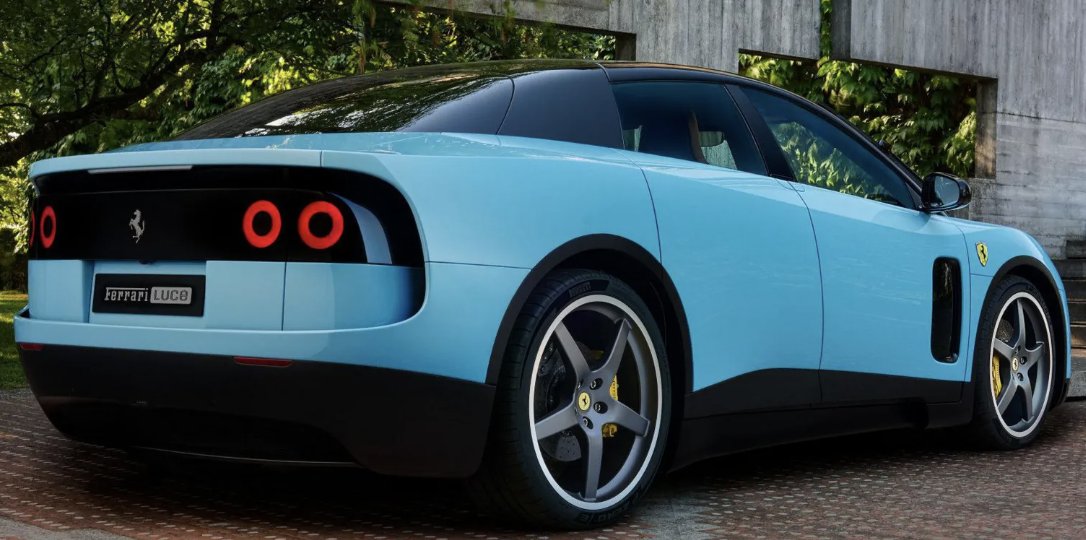
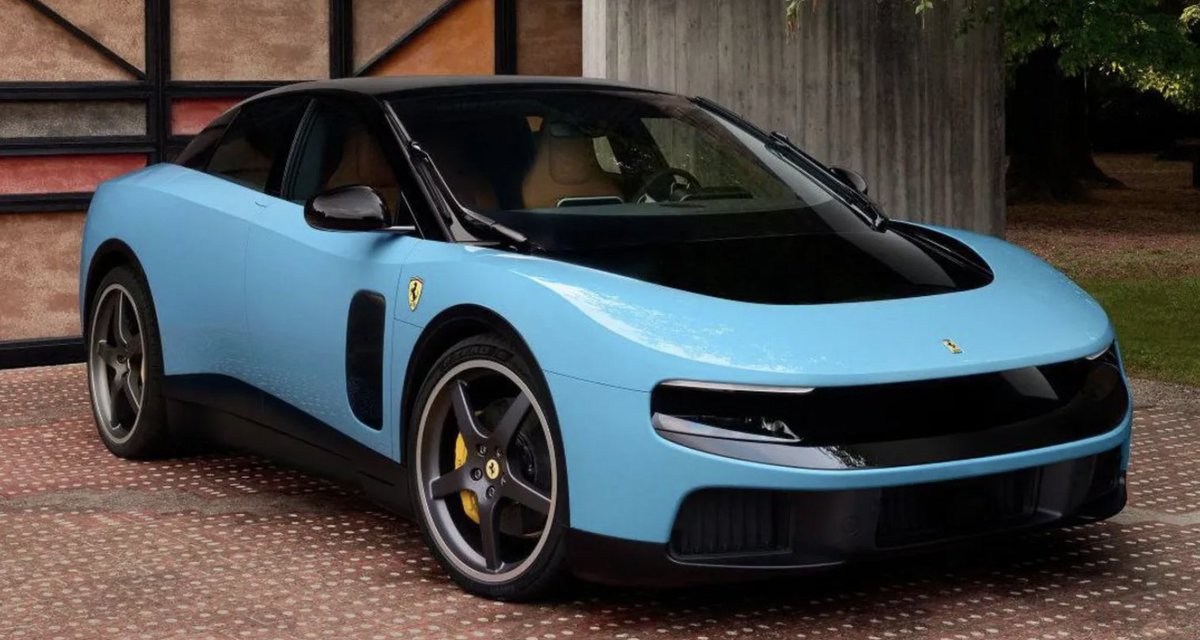
At Ferrari, the times are definitely changing. The 1962-64 GTO vs the newly unveiled, all-electric Luce.
1
84
Eric Wishart retweeted

May 25
🇭🇰 Climbers scramble for glory at Hong Kong bun festival
At the stroke of midnight on Cheung Chau island, athletes speed-climb their way to the top of a 14-metre-high tower covered in plastic steamed buns as part of the annual bun festival. The winner must scale the tower and collect the most buns, all within a three minute time frame
2
22
70
26,552
May 24
A plaintive version of Bob Dylan's "You're Gonna Make Me Lonesome When You Go" sung by Nino van der Stoop of the Netherlands. Dylan, born in Duluth, Minnesota, in 1941, turns 85 today, Sunday 24, May.
#bobdylan @bobdylan
youtu.be/hCgSunnx5CY?si=B2fp…
158
Eric Wishart retweeted

May 22
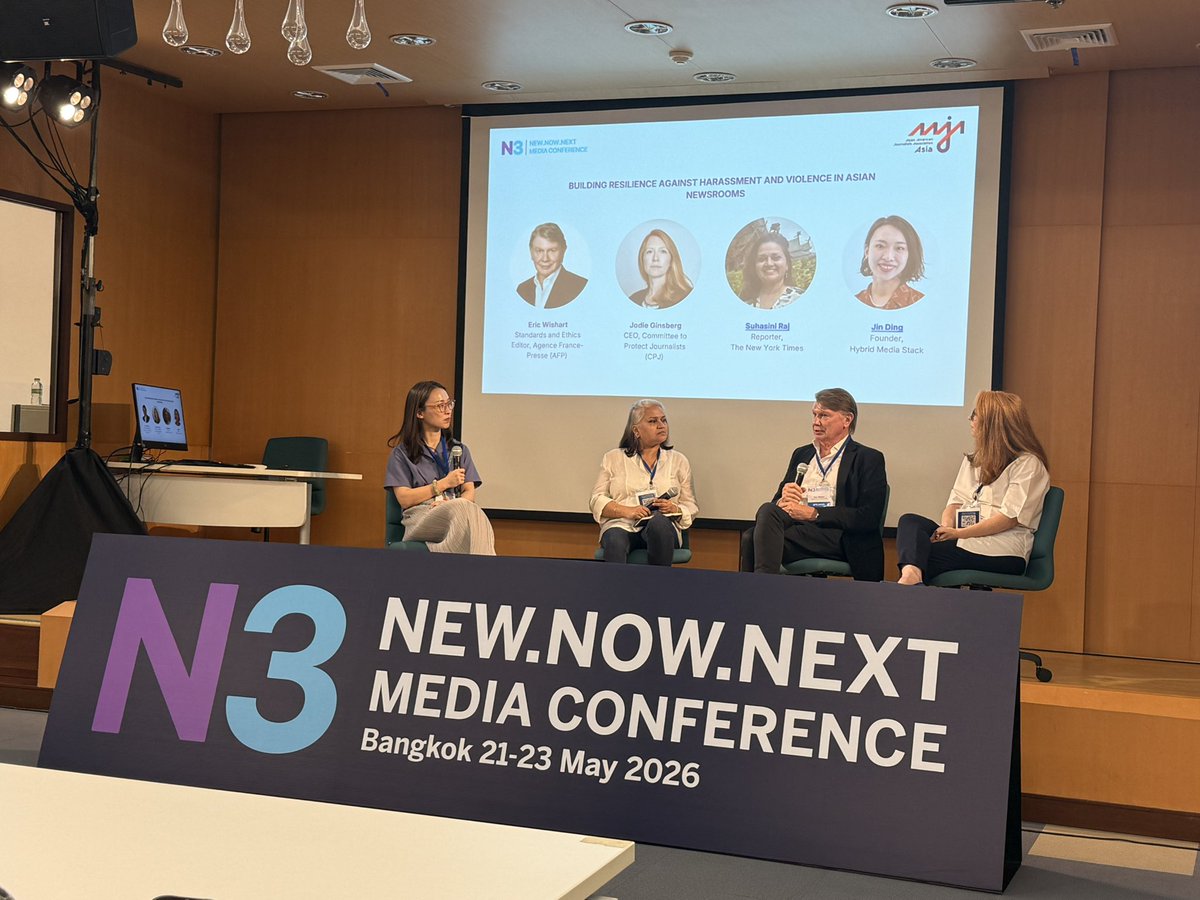
🚨Next panel at #n3con26 here in Bangkok. Harassment and violence against journalists reporting across Asia - and how to be aware, be safer and push back.
With @AFP’s @EricWishart @pressfreedom’s @jodieginsberg and @nytimes’ @suhasiniraj and moderated by @jinkding….
Takeaways and my scrawls of what stood out…..
CPJ:
- solidarity with other journalists is absolutely vital - if journalists know others are working on their behalf it makes a difference on govt but also for journalists themselves;
- vice versa, less vocal support makes it more risky for journalists trying to do their jobs;
- nowadays, journalists need to have hostile environment training for covering protests and online safety, not just for going to war as it was in the past;
- question for all journalists: can you do a risk assessment? Do you know what one is? If not then you can go to the CPJ website, which takes an hour, to raise your awareness on how to raise your safety when you travel, things to bring with you;
- it’s a mistake to now think risk happens only in war zones - journalists increasingly at risk reporting in their own cities - protests, weather events, investigative journalism and your digital security, online harassment getting worse - enabled from the top denigrating journalists which then get taken up by organized groups or random people on the internet;
- very easy to harass journalists on the internet now - easy to find - and carries risks mentally, physically, psychotically, rape threats, threats to family, deep fakes to discredit;
- more than 50% of female journalists receive online harassment;
- we can all do a better job standing up for each other when we see our peers getting harassed and attacked - better allies to each other;
- major problem is foreign agent laws in countries that can be used to suppress journalism;
- major issues in summary: bad anti-press laws being made in name of national security, govt co-opting regulators, increased polarisation within countries, platforms letting people loose in terms of hate speech
In India:
- there’s an air of uncertainty about who is going to protect you, ombudsmen are ‘toothless’;
- no financial or institutional support for journalist to push back against lawsuits to report freely, fairly…
but climate is changing and seeing more independent outlets support ongoing work;
- there’s a disconnect with Indian legacy media and support, for example in the 2018 MeToo movement most cases disappeared, very few editors taken to court;
- still need to see Indian media up their game in training for security, totally missing in some outlets; ex. In Kashmir, some journalists with no flak jackets; has faced stone throwing
AFP:
- Journalists can be/are subject to harassment from bosses
- Quick poll of attendees here: more people say they face online harassment more than physical harassment - because we’re all plugged in
3
4
367
May 21
Looking forward to attending the @aaja Asia's annual conference in Bangkok, including hosting a fireside chat with CPJ CEO Jodie Ginsberg. The conference is always a great networking event and chance to meet Asia's youngest and brightest journalists.
n3con.com/2026/program/#agen…
2
100
May 16
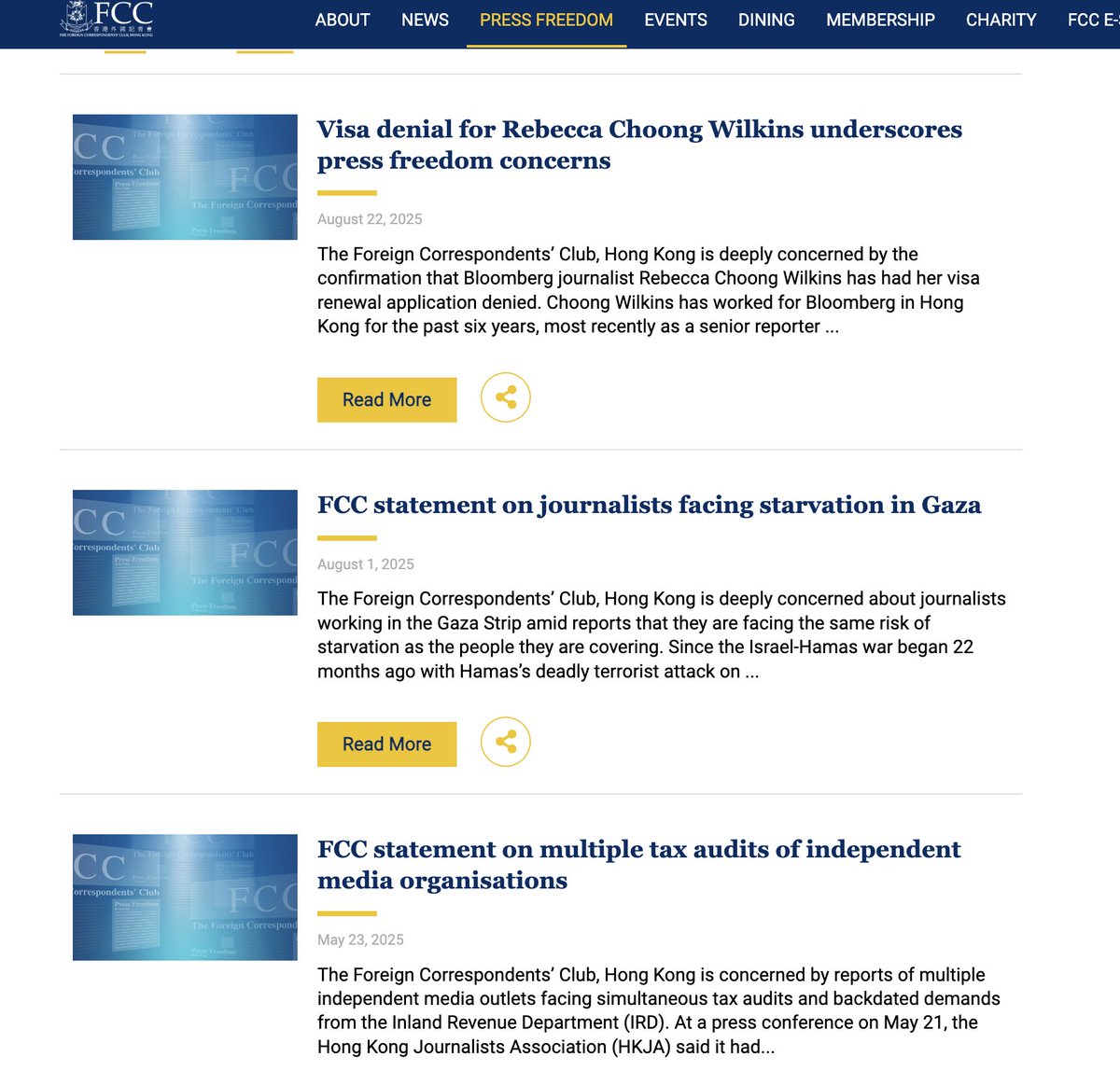
“Press freedom remains engrained in Hong Kong law, but as is apparent from the results of our survey, the sentiment for working journalists in the city has been in flux,” said FCC President Morgan Davis.
hongkongfp.com/2026/05/15/tw…
6
8
1,071
May 15
Journalists are not propagandists, and their role is to tell neither "good" nor bad stories, but to seek and tell the truth.
hongkongfp.com/2026/05/15/co…
2
7
763
Eric Wishart retweeted

May 12
French President #EmmanuelMacron interrupts a speaker and takes the microphone to call for silence from the audience at the Africa Forward summit in Nairobi, while speakers he describes as "super inspired" are speaking on stage.
📹AFP
7
22
8,210
May 5
Hong Kong has appointed ex-police officer John Tse as its head of PR. Tse became a familiar face in Hong Kong when he led the police force's daily news conferences during the 2019 protests.
@hkfp @tomgrundy #HongKong
hongkongfp.com/2026/05/05/fo…
12
13
2,166
May 3
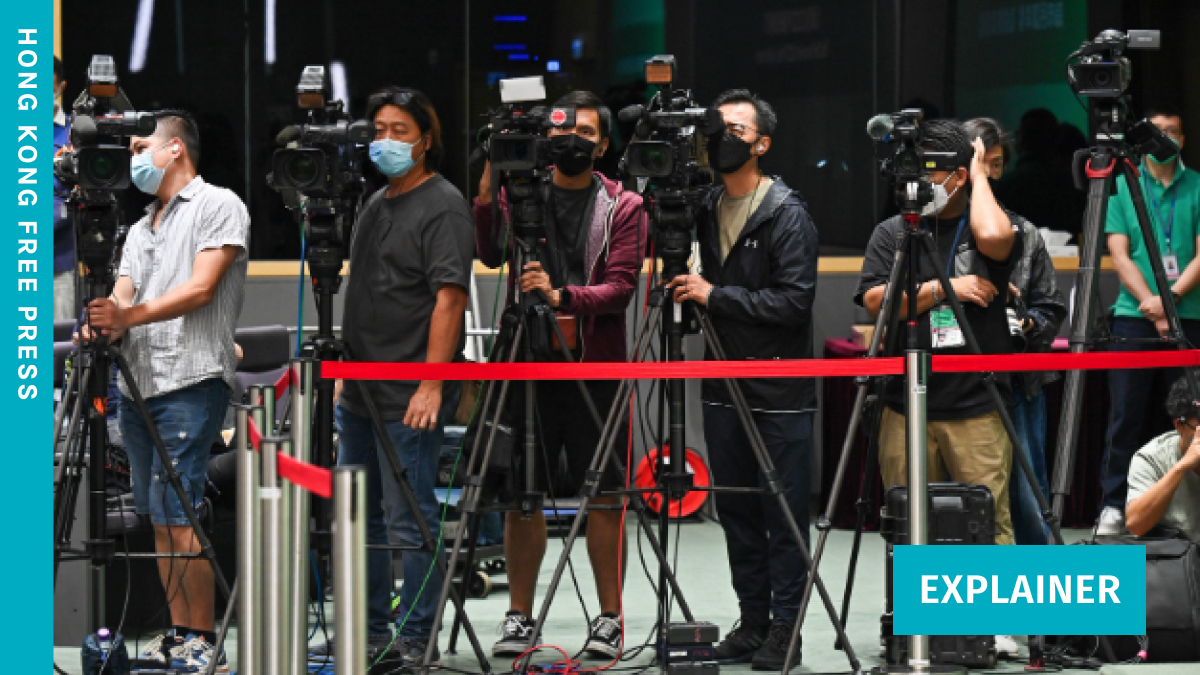
On World Press Freedom Day, a reminder of how the media climate has changed in #HongKong since the national security law was introduced.
@hkfp @tomgrundy

Timeline: Press freedom in Hong Kong under the national security law
🔗 In full: hongkongfp.com/2026/05/03/ex…
1
229
May 3
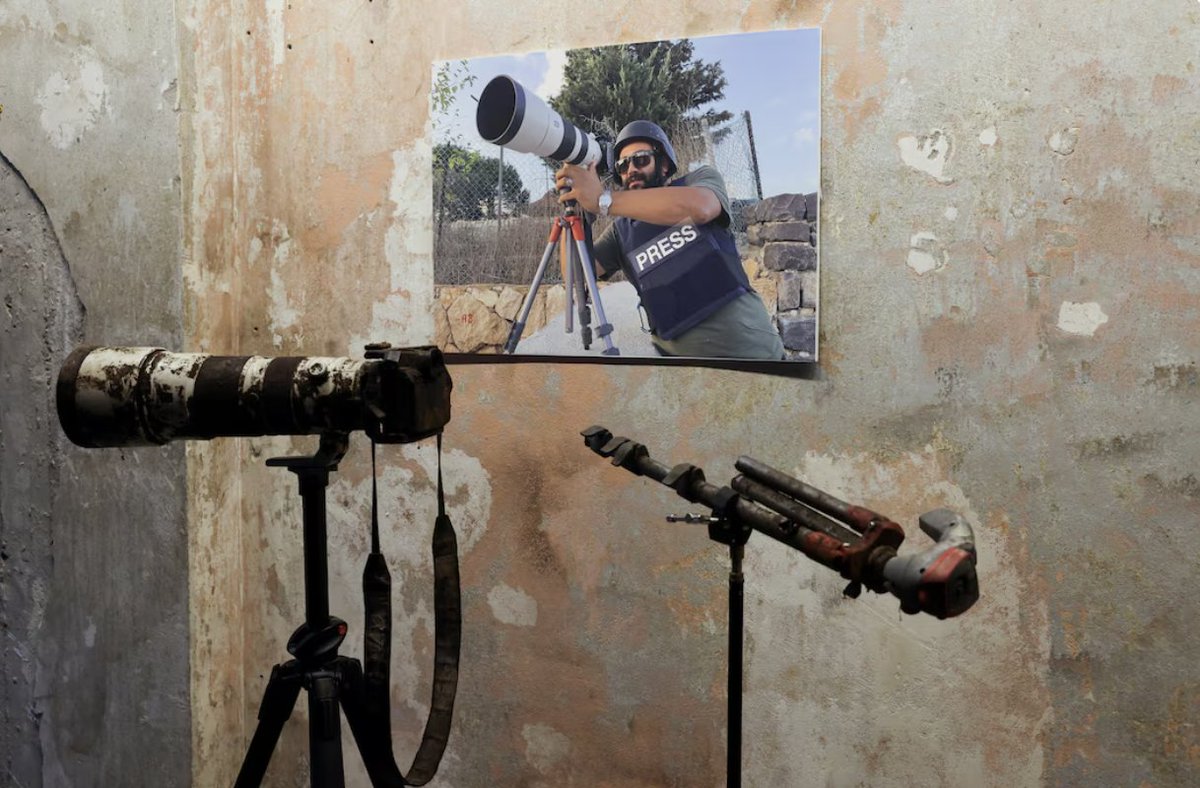
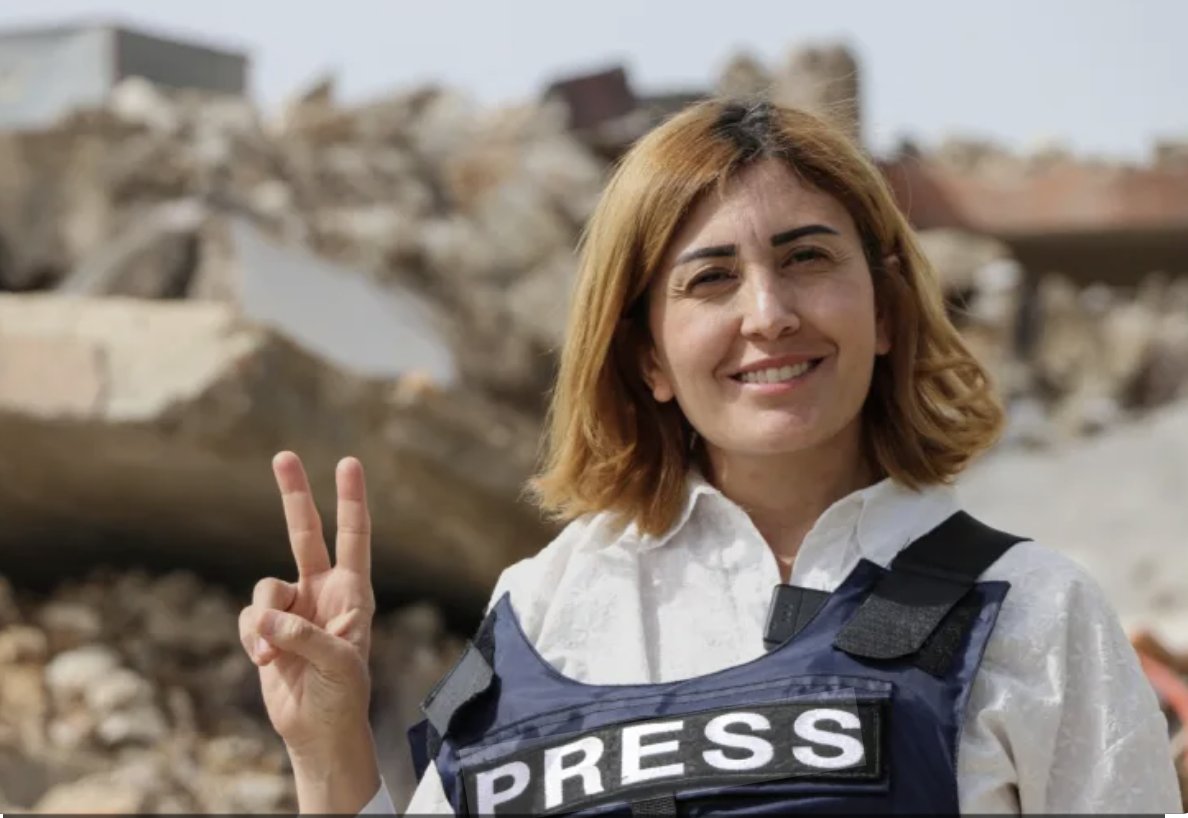
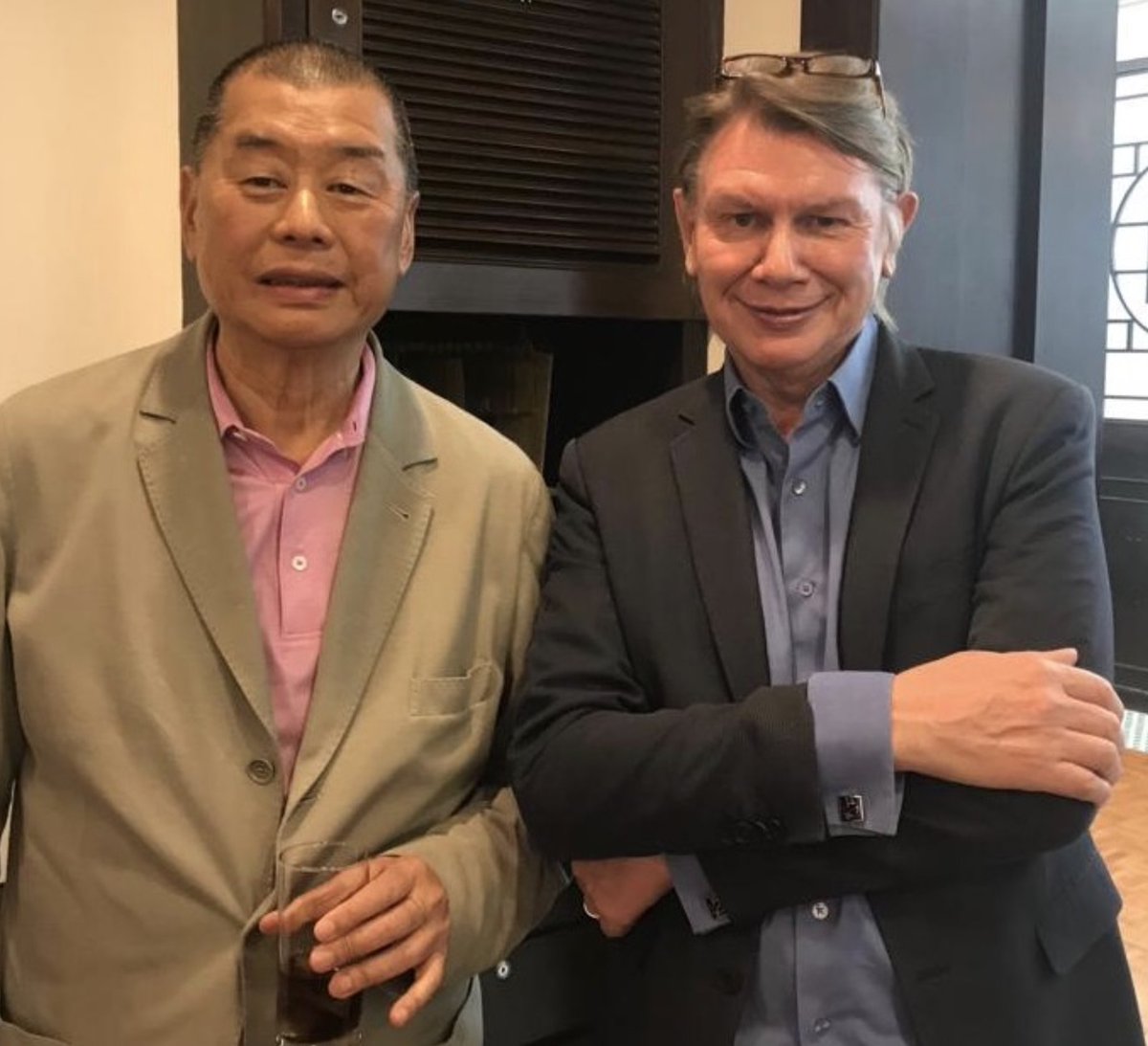
On World Press Freedom Day, let's always remember that journalism is not a crime, and should not be a death sentence.

1
2
5
160
Apr 26
AFP White House correspondents @dannyctkemp and @AureliaEndAFP describe the chaotic scenes as a shooter attacked the WHCA dinner. @whca @AFP
barrons.com/news/loud-bangs-…
93
Apr 23
Literally, appeasement. And the topic is the future of the planet.
france24.com/en/live-news/20…
47
Apr 12
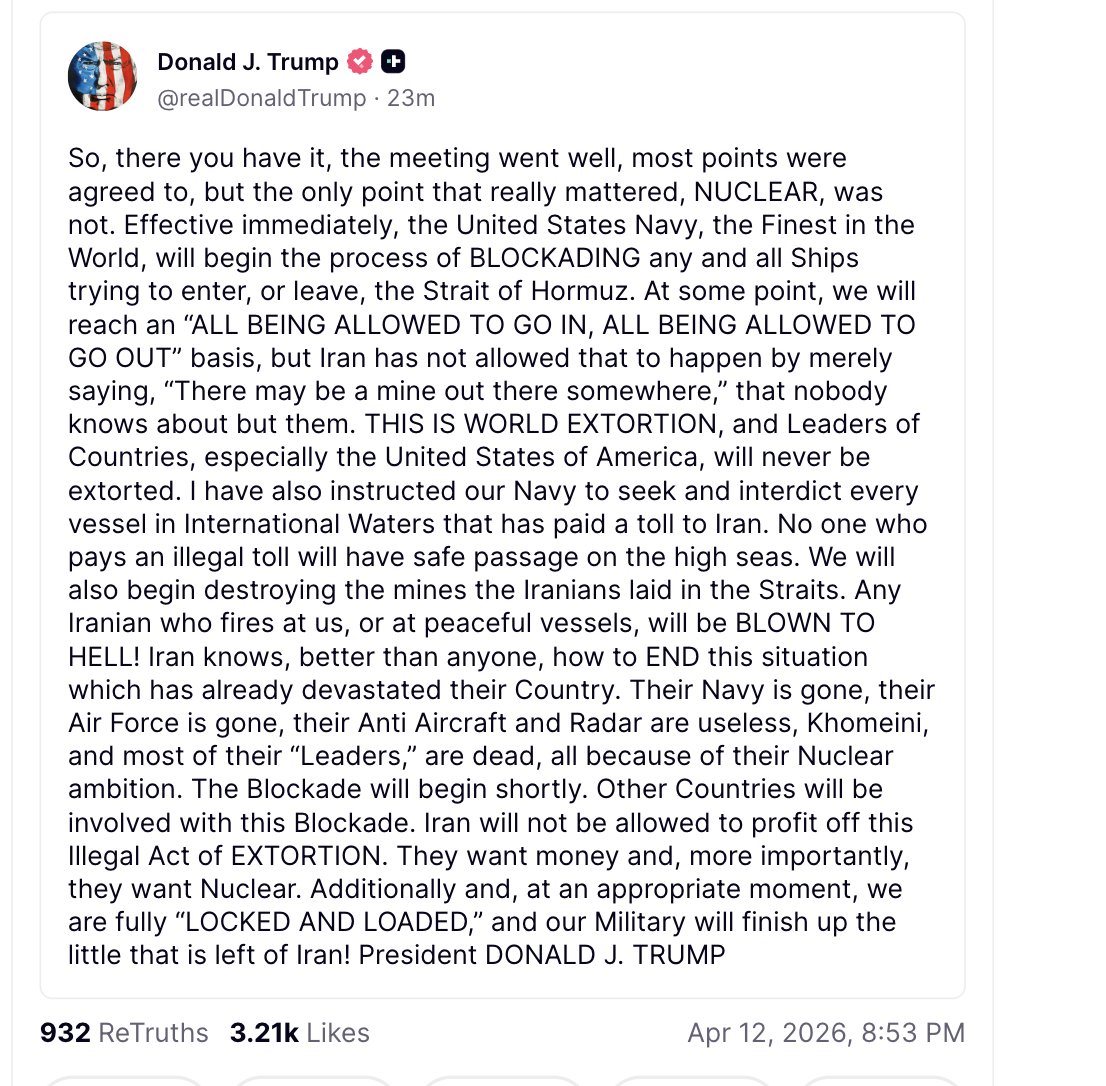
Donald Trump just announced the United States is going to blockade the Strait of Hormuz.
1
85
Apr 8
Good news: American journalist @shellykittleson has been released by Iraq's armed group Kataeb Hezbollah, a week after she was kidnapped in Baghdad.
france24.com/en/live-news/20…
1
91