People tend to buy from my emails and that makes me happy
Joined May 2008
- Tweets 2,179
- Following 419
- Followers 218
- Likes 1,588
106 Photos and videos












Jun 8
This is the thread most copywriters don't know they need.
Jun 8

You've been studying the wrong writers.
Ogilvy. Halbert. Schwartz. All great but...
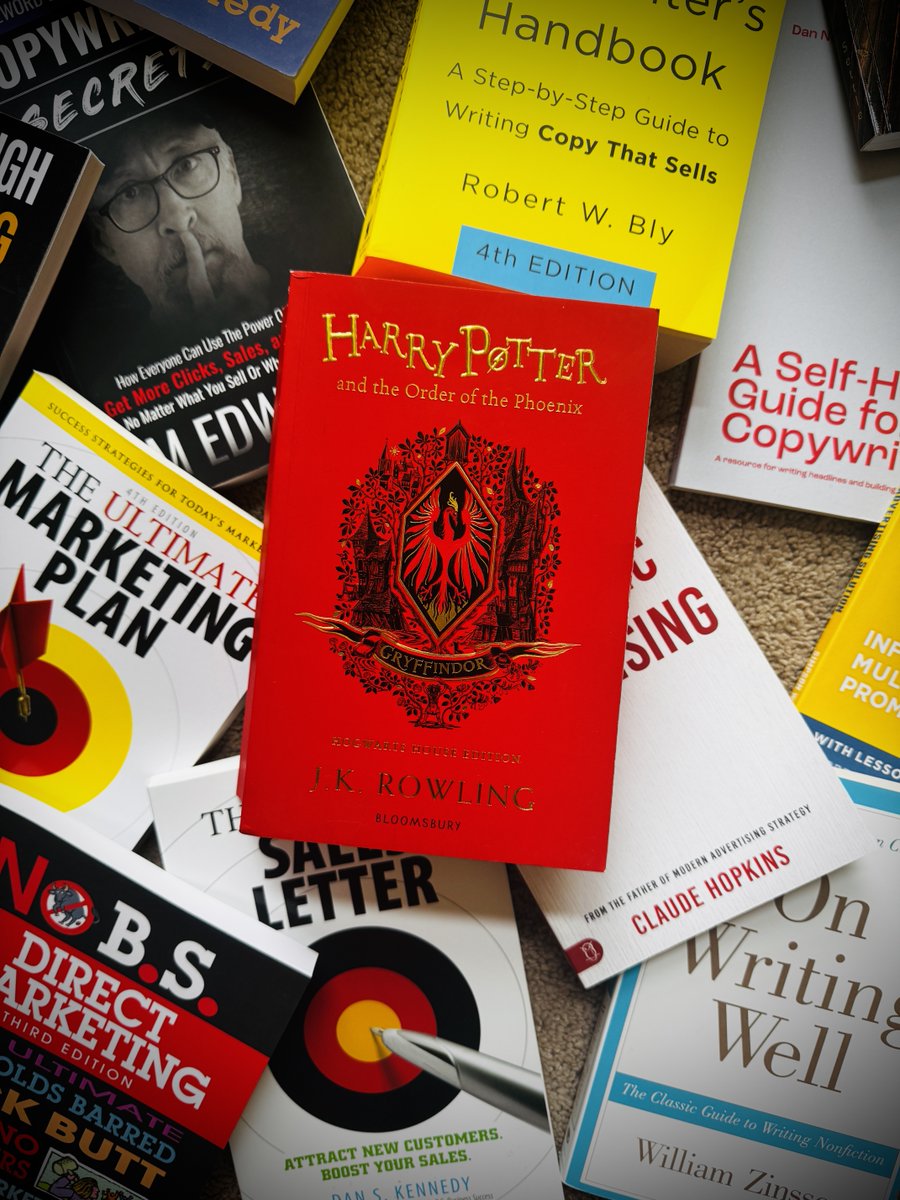
J.K. Rowling made $1 billion teaching people to turn pages.
Here's what she knows about selling that most copywriters don't teach 🧵
2
6
456
Erick Monzon retweeted

Jun 8
You've been studying the wrong writers.
Ogilvy. Halbert. Schwartz. All great but...
J.K. Rowling made $1 billion teaching people to turn pages.
Here's what she knows about selling that most copywriters don't teach 🧵
11
5
50
2,871
Erick Monzon retweeted

Jan 13
Herd theory
You don’t have to convince everyone, just a few
43
121
1,172
98,489
Erick Monzon retweeted

Jan 1
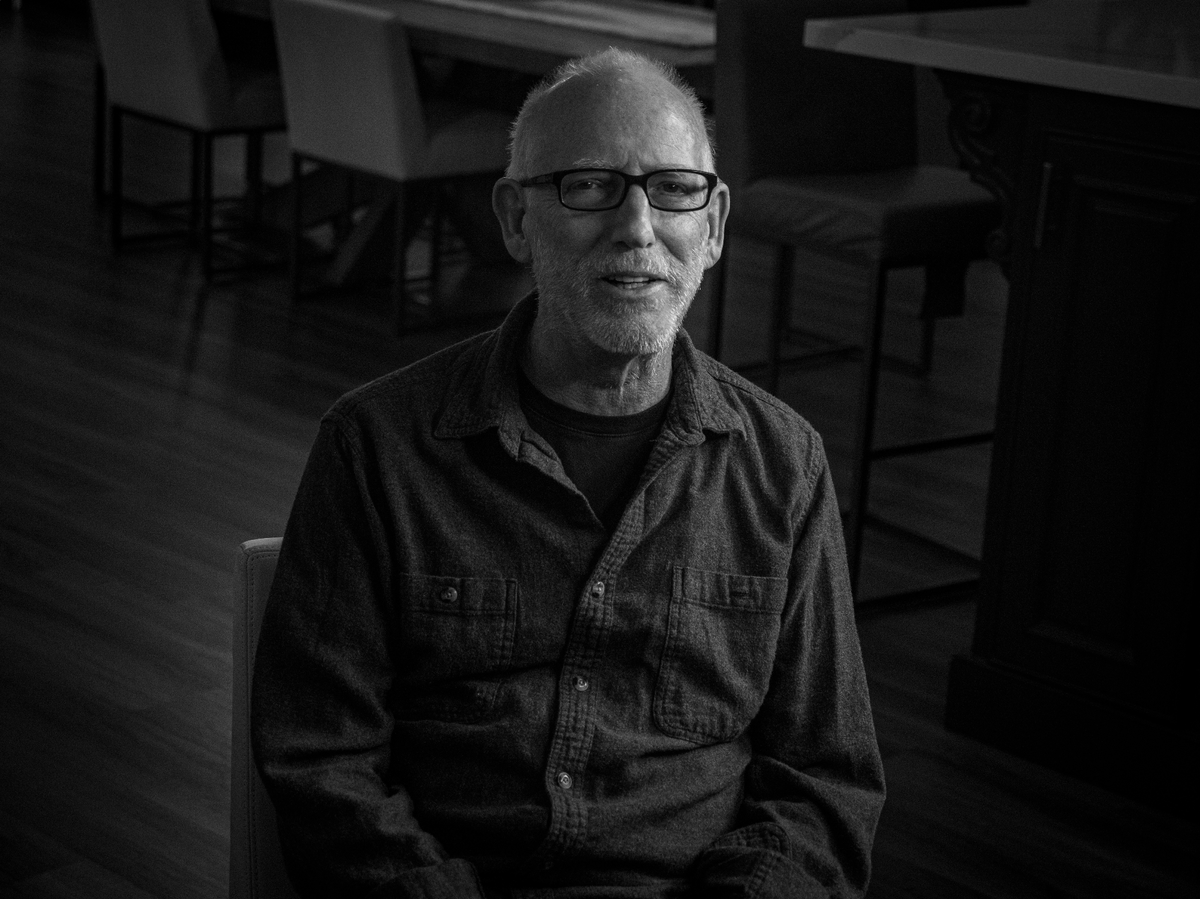
Scott Adams, facing death, shows us how to live.
Someone recommended “How to Fail at Almost Everything and Still Win Big” by Scott Adams. I had burned out on mainstream books, but picked it up, and was hooked. He had put into words a way of living, similar to one I had found, except his approach was systemic and analytical. Better than my own slapdash notes. Outside of religious texts, Adams was and is as close to a “guide to life,” as you’ll ever find. And even if you’re religious, you still live in this world, and would be wise to learn how to navigate it.
Scott is closing in on the end of his life, and even now he is creating new beginnings.
I’d better write this now, I won’t be able to when it’s too late.
After losing Charlie Kirk, a lot of us are wondering how we can possibly write another obituary. While there’s much to complain about the internet and social media, those mediums expanded the sizes of our communities, our influences, and indeed our families. Too often we find new ways to hate people, instead of finding new people to love.
Scott Adams comes up in conversation at every social event I host. “How is Scott Adams doing? Will he make it?” We all talk about streams we watched and lessons learned. It’s a memorial except he’s still alive. Scott would love to hear that, which is why I have said so repeatedly. I’ve lost too many people, via death or fallings-out, to leave feeling unexpressed.
He’s been a surrogate father figure and mentor to millions of people.
Scott Adams is not liked, he is loved.
People don’t “like” Scott Adams, they aren’t “a fan of his.” They love this man. And I do as well. I’m still living in denial of his fate. We all are.
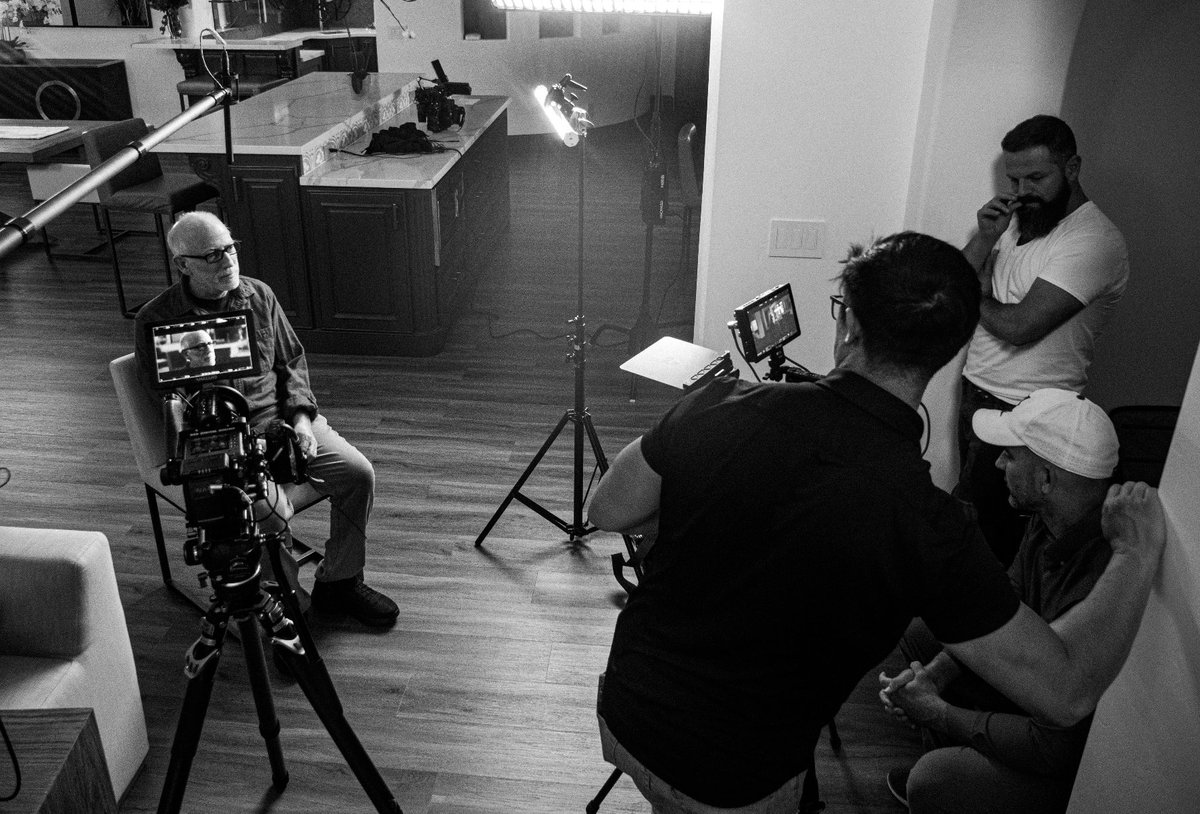
We’d been making a film about the meaning of life, and while Scott Adams had been in both of our other films, we hadn’t booked him for Meaning yet. Then we found out he was going to take the ride of assisted suicide. Foolishly, we had assumed he’d always be around. Nobody ever dies, right? Your dad will be there to take your call the next time you phone home. Your friends aren’t going anywhere. That’s how we too often live. We could book Scott later.
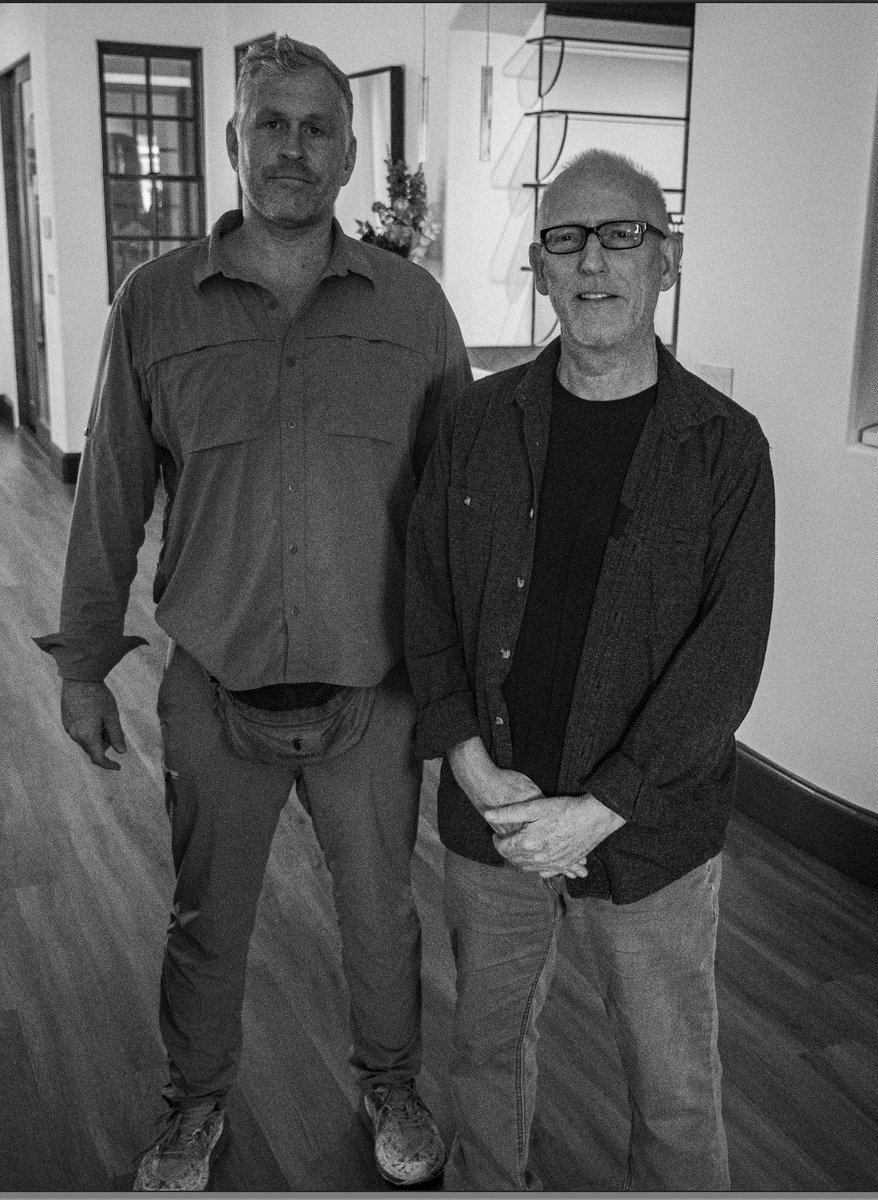
We reached out and he graciously agreed to be interviewed. We all knew it was going to be our last interview together. Scott and I are both efficient with our time. When a moment is over, it’s time to go do something else. Obligations call. The crew pushed this one as long as we could.
After the interview wrapped up and the gear was packed and it was time to go, there was an awkward pause. I broke it.
“Scott, we love you.” He said thank you. “No, Scott, we love you, I mean it, we all do. We love you.”
None of us broke down crying, not that there would have been any shame in that, but we no doubt all soon will.
Well then, what is the lesson of Scott Adams?
On a practical level, the lesson of Scott Adams is the power of showing up. Nobody works harder and on a more regular schedule. You can set your clock to Scott’s show. Too many of us wait for the muse of inspiration or the jolt of information to force us into action. Work, everyday, maybe in obscuring and without tangible benefits for years. Eventually you’ll hit your mark and go beyond.
Scott plugged away with his streams from a small account (after a huge career via Dilbert) and soon became must-watch, and then transcended his role to becoming something much more.
On a spiritual level, we might ask, why do we love Scott? It’s not because he’s so smart (he is). There are not shortage of intelligent, clever, Machiavellian, and rich people with podcasts. When one of them dies, what is lost? All of that Ego and desire for adoration, and does anybody even care? When those people fall while living, who will be there?
Scott is loved because he’s devoted his life to service to humanity. “What is the meaning of life,” is the question we ask every interviewee, and Scott’s answer, “Be useful to humanity.”
Despite pain, sickness, and inevitable death, Scott is doing his daily streams, serving his country and all of humankind until his end.
He’s a light to the world and a mirror for all of us.
What exactly are we doing with the gift of life given to us by God. (Scott believes in the Simulation, but I believe God evens this all out in the Judgment.) Are we doing enough for others? Are we doing anything for others?
Like everyone else, I’m capable of throwing myself a pity party. Sometimes when life is going too well, and I don’t have real problems, I invent some. That’s where the Ego brings you, recursively worshipping itself, and when that fails, tormenting itself, as each path leads to its own attention.
May all of us live more like Scott Adams, and may God bless his immortal soul when he passes.
P.S. I ran this article through Grok for typos. The original version had “immoral” soul where I meant it to read “immortal.” I think Scott would have had a great laugh had that typo been left in.
1,151
5,202
31,171
1,633,345
Erick Monzon retweeted

21 Nov 2025
"My name's Raymond. I'm 73. I work the parking lot at St. Joseph's Hospital. Minimum wage, orange vest, a whistle I barely use. Most people don't even look at me. I'm just the old man waving cars into spaces.
But I see everything.
Like the black sedan that circled the lot every morning at 6 a.m. for three weeks. Young man driving, grandmother in the passenger seat. Chemotherapy, I figured. He'd drop her at the entrance, then spend 20 minutes hunting for parking, missing her appointments.
One morning, I stopped him. "What time tomorrow?"
"6:15," he said, confused.
"Space A-7 will be empty. I'll save it."
He blinked. "You... you can do that?"
"I can now," I said.
Next morning, I stood in A-7, holding my ground as cars circled angrily. When his sedan pulled up, I moved. He rolled down his window, speechless. "Why?"
"Because she needs you in there with her," I said. "Not out here stressing."
He cried. Right there in the parking lot.
Word spread quietly. A father with a sick baby asked if I could help. A woman visiting her dying husband. I started arriving at 5 a.m., notebook in hand, tracking who needed what. Saved spots became sacred. People stopped honking. They waited. Because they knew someone else was fighting something bigger than traffic.
But here's what changed everything, A businessman in a Mercedes screamed at me one morning. "I'm not sick! I need that spot for a meeting!"
"Then walk," I said calmly. "That space is for someone whose hands are shaking too hard to grip a steering wheel."
He sped off, furious. But a woman behind him got out of her car and hugged me. "My son has leukemia," she sobbed. "Thank you for seeing us."
The hospital tried to stop me. "Liability issues," they said. But then families started writing letters. Dozens. "Raymond made the worst days bearable." "He gave us one less thing to break over."
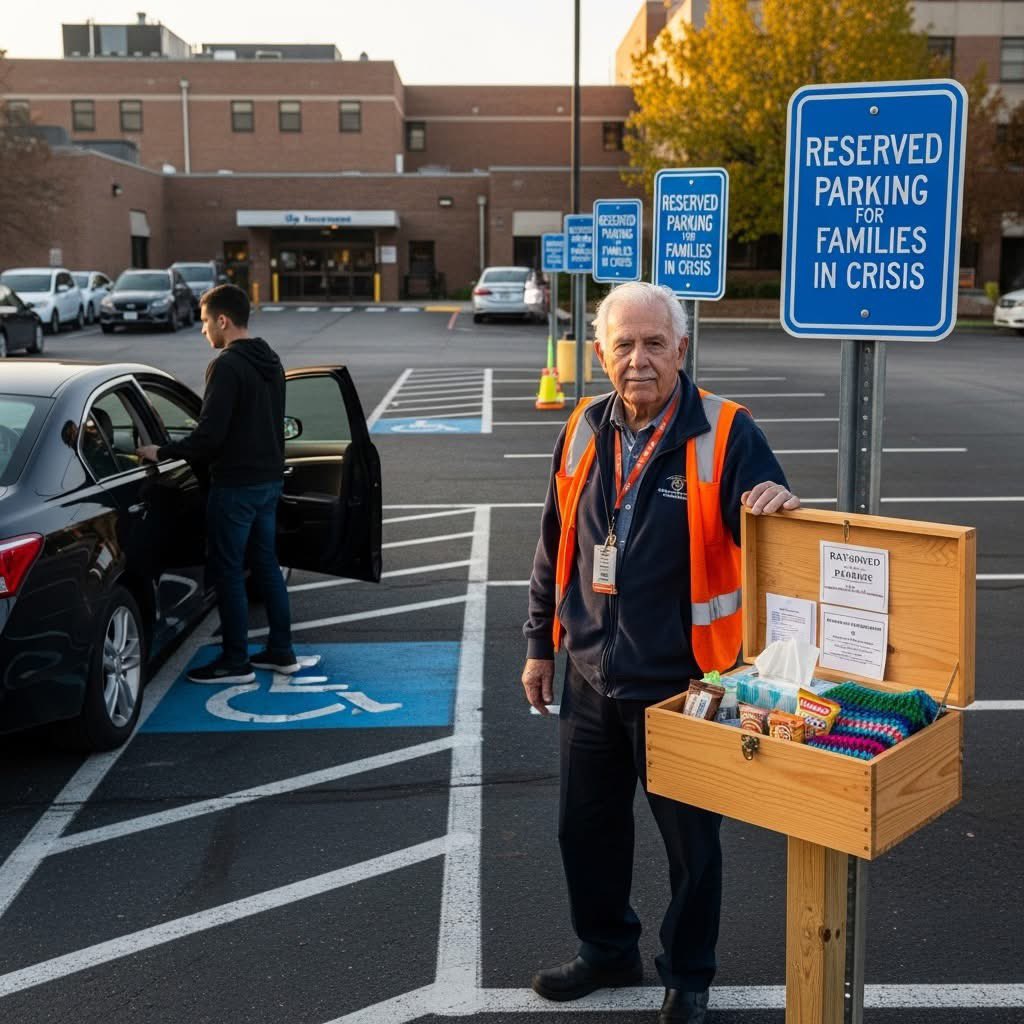
Last month, they made it official. "Reserved Parking for Families in Crisis." Ten spots, marked with blue signs. And they asked me to manage it.
But the best part? A man I'd helped two years ago, his mother survived, came back. He's a carpenter. Built a small wooden box, mounted it by the reserved spaces. Inside? Prayer cards, tissues, breath mints, and a note,
"Take what you need. You're not alone. -Raymond & Friends"
People leave things now. Granola bars. Phone chargers. Yesterday, someone left a hand-knitted blanket.
I'm 73. I direct traffic in a hospital parking lot. But I've learned this: Healing doesn't just happen in operating rooms. Sometimes it starts in a parking space. When someone says, "I see your crisis. Let me carry this one small piece."
So pay attention. At the grocery checkout, the coffee line, wherever you are. Someone's drowning in the little things while fighting the big ones.
Hold a door. Save a spot. Carry the weight no one else sees.
It's not glamorous. But it's everything."
Let this story reach more hearts....
Credit: Mary Nelson
3,766
29,487
137,551
6,603,115
9 Nov 2025
Yes
9 Nov 2025
You don’t need another $300 course; you need another 300 hours writing.
1
34
21 Aug 2025
Great post
20 Aug 2025

America was designed to keep us broke.
The worst part? Most don't realize it's happening.
Here's the 400-year-old script that is programmed to keep people poor:
25
2 Jul 2025
"Be patient with results, but impatient with action". —@chrisorzy
Let's put the action, mofos
1
1
163
1 May 2025
This was common sense just a few decades ago. We need to get there again.
1 May 2025
If you want to achieve unreasonable things, you need to be ok with others finding you unreasonable.
14
13 Apr 2025
More people enjoy writing copy than conducting market research.
I get it —market research is rarely fun.
Yet, even the best ad copy and funnel can't fix poor targeting.
Instead of endlessly tweaking copy that won't connect, do your research.
27
11 Apr 2025
"Scaling doesn’t fix a broken system—it makes the cracks bigger" —Patrick Kenney
Thanks to @chrisorzy for promoting this great resource. I'll be busy the following days implementing lots of these lessons
1
16
11 Apr 2025
Correct
10 Apr 2025

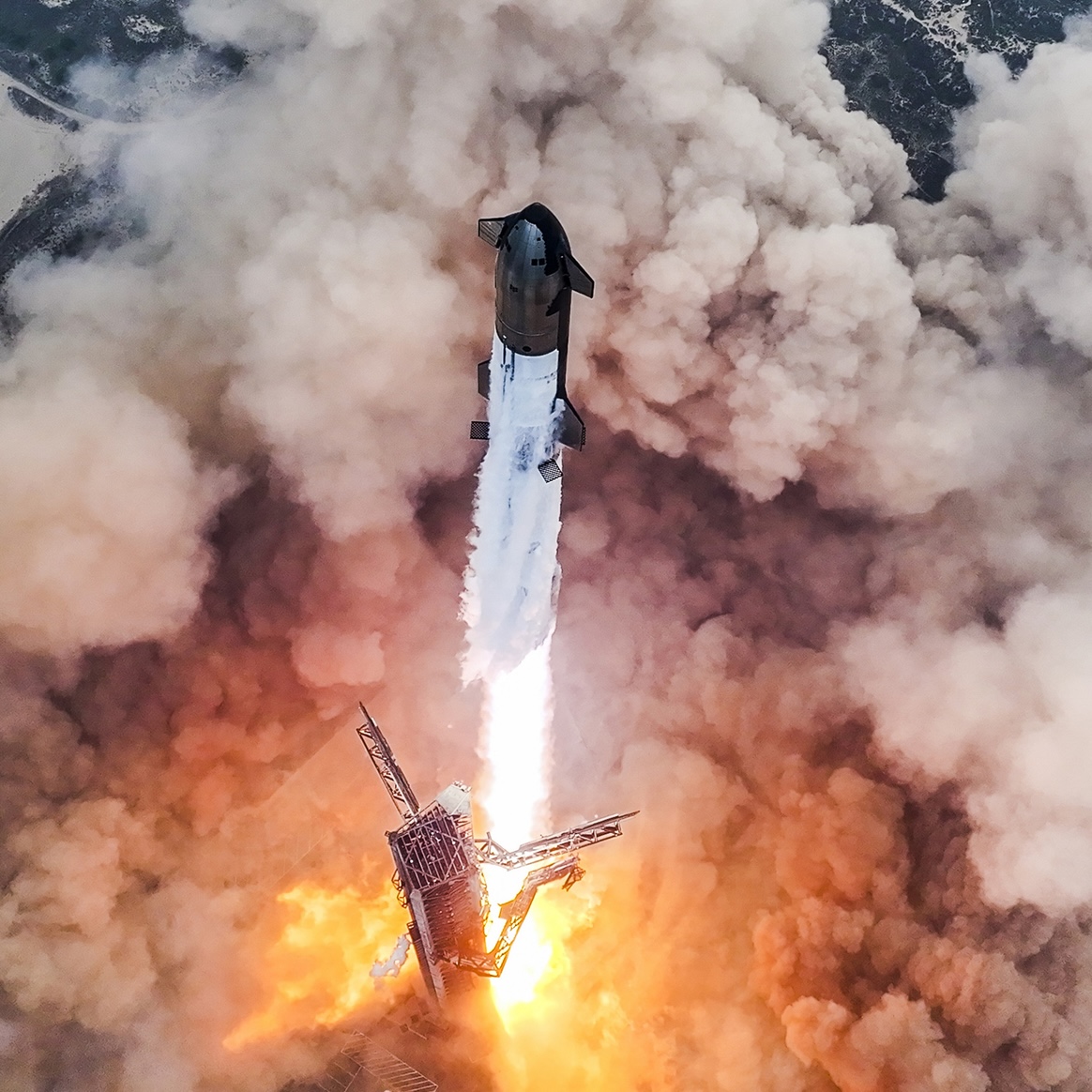
I'm going to call it right now. A lot of stuff is going to break on this mission.
By design.
As part of the plan.
Don't get upset. I'm not saying SpaceX plans to fail. I'm pointing out that SpaceX has taken an ultraimportant principle from software engineering, and realized it applies to all engineering.
Feedback beats planning.
And that, you see, is why SpaceX doesn't do things the NASA way. The NASA way was to gold-plate everything, plan and test and plan and test, and generate mountains of paper detailing every contingency, with every scenario prepared for.
SpaceX just shrugs, says "it's unmanned", and sends it.
Half the time it blows up. That's the whole point. They don't actually want it to blow up, of course, but they're anticipating that it might.
That possibility is part of the plan. Because one rocket blowing up, or crashing, in an actual end-to-end test, beats many, many man-years of planning and plotting.
The key realization here is that knowledge only comes from empirical observation. Everything else is just speculative.
The sooner you get into a feedback loop, and the faster you run it, the more iterations you can do in less time. This means, while others are planning and speculating, you actually learn something.
Relevant data is the most precious thing in the universe. And it's worth blowing up any number of rockets to get it.
Because rockets are just stuff. They're just made of stuff. And you can always get more stuff.
You can never get more time.
So expect to see a lot of things go wrong on this, and other SpaceX missions. Anticipate it. Accept it when it happens. Doesn't mean the dream of the stars is dead.
It just means we're doing it cowboy style.
This is a valuable lesson for our own lives. If there's something you want to do, something you want to try, some goal you have, it's easy to dip a toe in the water, test the temperature, and plan. A lot.
Planning makes us feel good if we're afraid. Because it provides us with the illusion of security. Never mind that we don't know which scenarios are actually going to happen, never mind that we're planning for the wrong thing, planning makes us feel safe. And if we're nervous, we can plan forever.
But the difference between the expert and the novice isn't theory or intelligence or plans. It's relevant domain knowledge. Gathered from empirical observation.
So the trick is to get into that feedback loop as soon as possible, and run it as fast as possible. Give yourself the most possible opportunities to learn, per unit time.
We only learn while we are moving.
11
Erick Monzon retweeted

27 Mar 2025
You know what never fails to fascinate me on here?
Complete beginners arguing with people who could help them.
I know they've got no skin in the game here.
And I know they want to position themselves as experts.
But when I started I was eager to learn from anyone I thought could help me.
(And I still am.)
People who decide they already know everything after 10 minutes in the game are setting themselves up to fail.
Plus, they're alienating the people they should be learning from and/or networking with.
Rant over - enjoy the rest of your day!
24
6
92
2,612
Erick Monzon retweeted

25 Mar 2025
Business strategies that actually work:
1) Be significantly faster than everything else
2) Be significantly easier than everything else
3) Be significantly better than everything else
4) Be significantly cheaper than everyone else
5) Be more reliable than everyone else.
Pick one.
192
680
5,946
206,506
Erick Monzon retweeted

25 Mar 2025
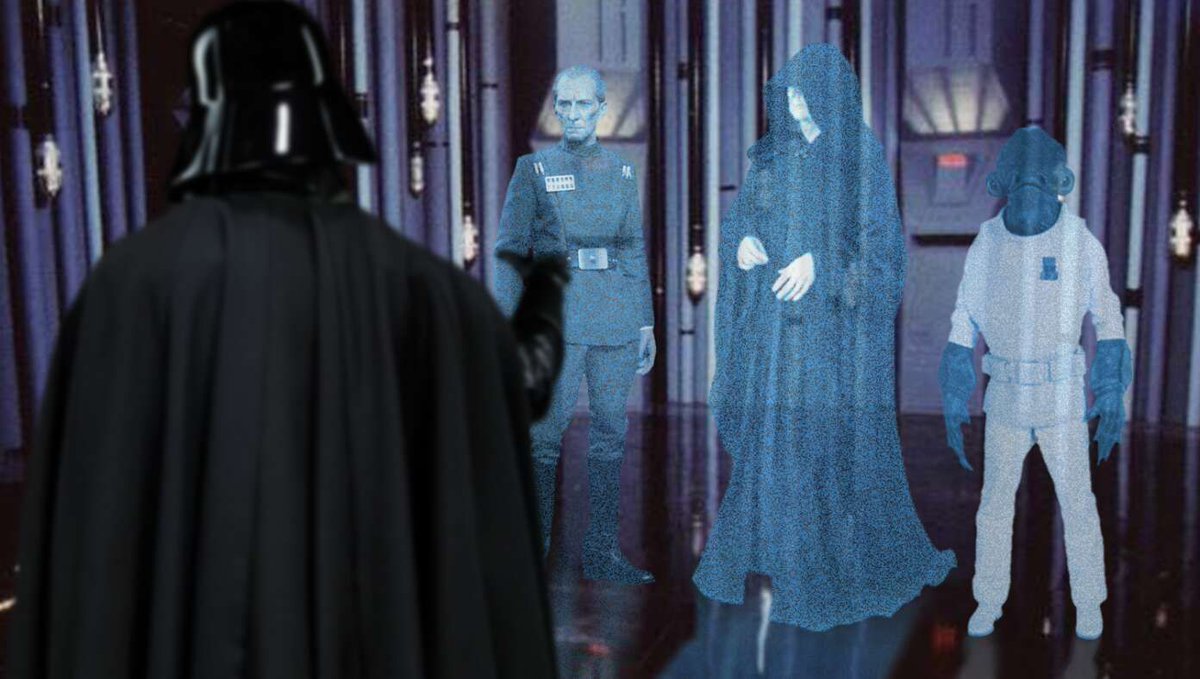
Darth Vader Accidentally Adds Admiral Ackbar To Holochat Planning Alderaan Bombing buff.ly/zaWehtH
213
1,670
14,799
548,876
19 Mar 2025
If you find the world difficult to understand, read "Sanity is the future of Wealth" by @aaron_clarey
If you still don't get it after reading it, read it again.
It's not that hard.
1
3
168
