
Pablo Escobar | Unanalyzed Variant| Jameson & Nshima| Manchester United| Nshima Connoisseur
Joined June 2010
- Tweets 48,519
- Following 14,297
- Followers 47,696
- Likes 60,348
8,101 Photos and videos




Pinned Tweet

15 Sep 2021
David never pushed his CV to anyone but God mentioned him to Samuel who went to look for him. May God mention you to people who will take you to your next level.
58
321
1,506
Pennywise??

But guys why do you want a president with a hairline like that?
1
202
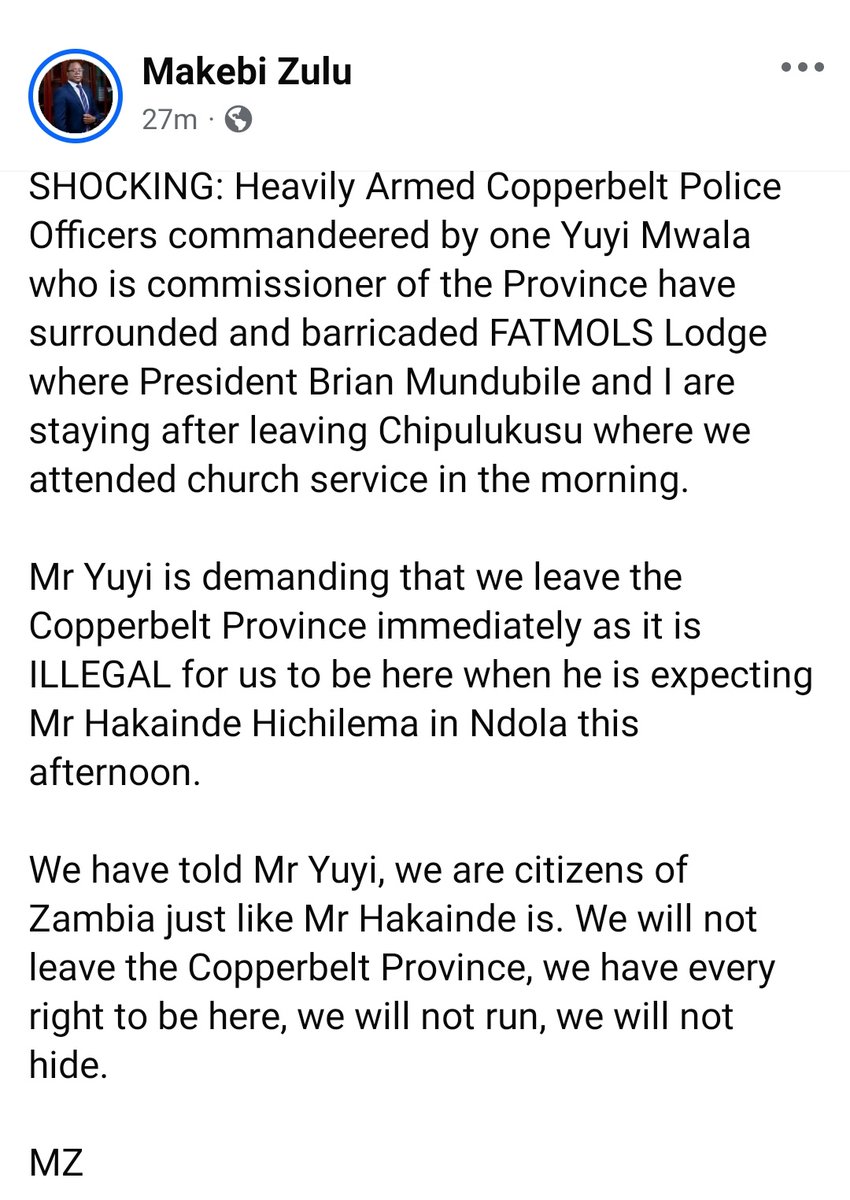
There’s that video of ECL at the airport saying that the president and opposition leaders cannot be in the same place and needs enhanced security. Life comes at you fast hey

No HH is not an ordinary citizen of Zambia, you are not the same, he is the president of Zambia and you are not. In this campaign period u can't be in the same area to avoid confusions. Even your boss who is in the mortuary in south never allowed HH to be in the same area as him.
2
181
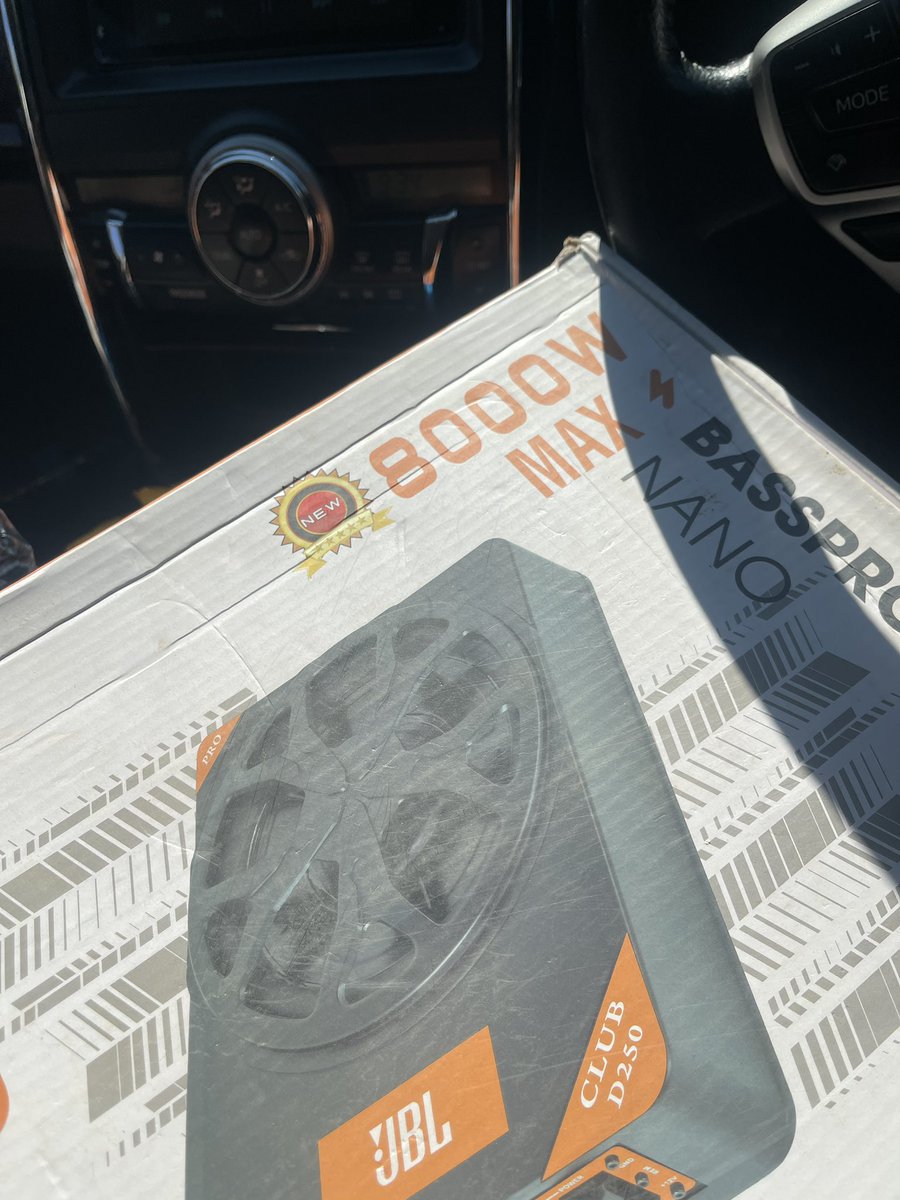
When I’m done with my project car 🚘 it will be 🔥 🙆🏽🙆🏽🙆🏽 next offset rims and a body wrap

1
7
749

Cousin skeeter Say’s retweeted

Trusted and tested 🙌🤗
1
4
494
Jun 12
And when it’s your turn to be the hammer 🔨, hit hard because when you were the nail nobody showed you mercy.
140
Cousin skeeter Say’s retweeted

Jun 11
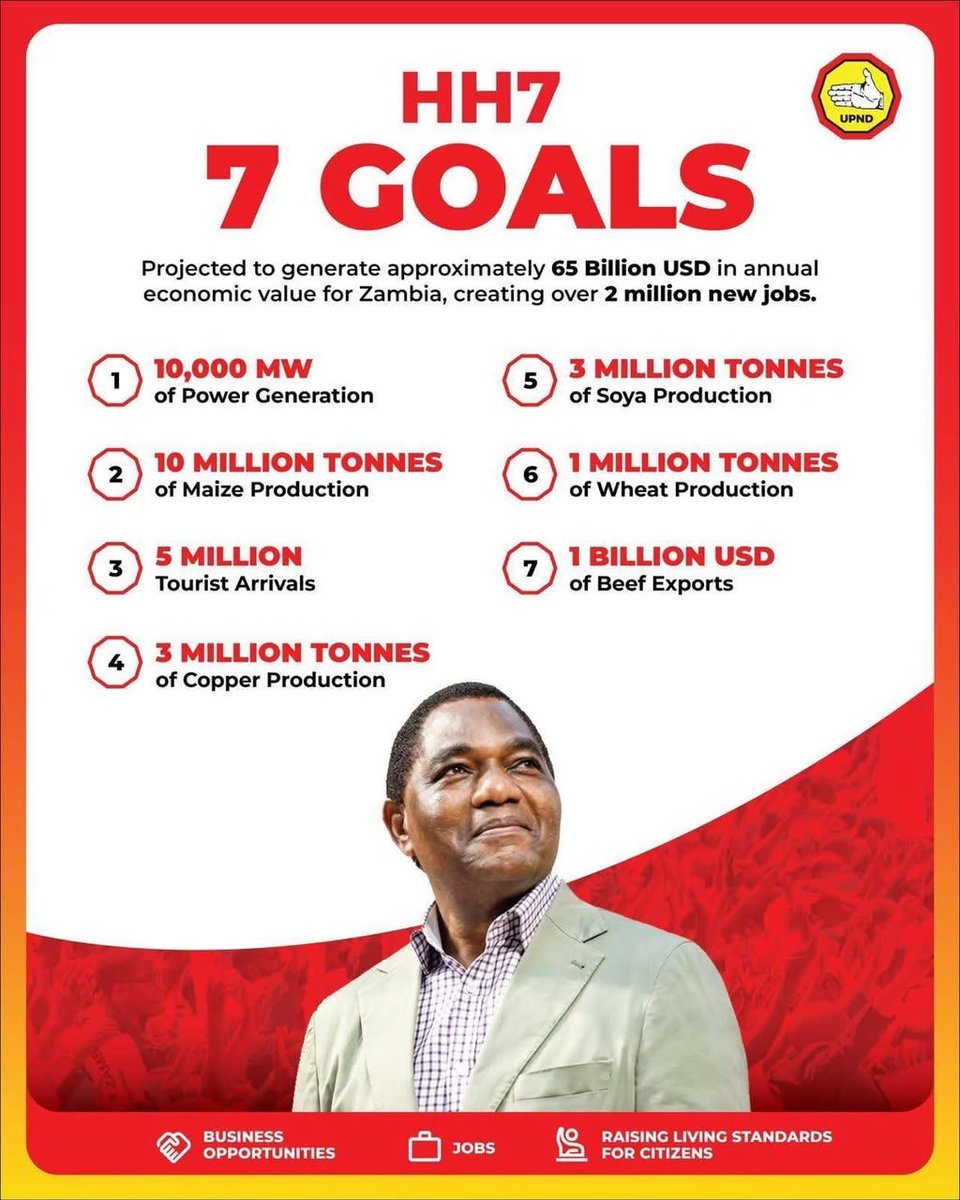
We’re going to double the size of Zambia’s economy, ease the cost of living, and work with the private sector to employ millions of our citizens. Find out exactly how we’re going to do it, and read the full manifesto at upnd.co.zm
80
117
500
26,303
Jun 11
🙌
Jun 11

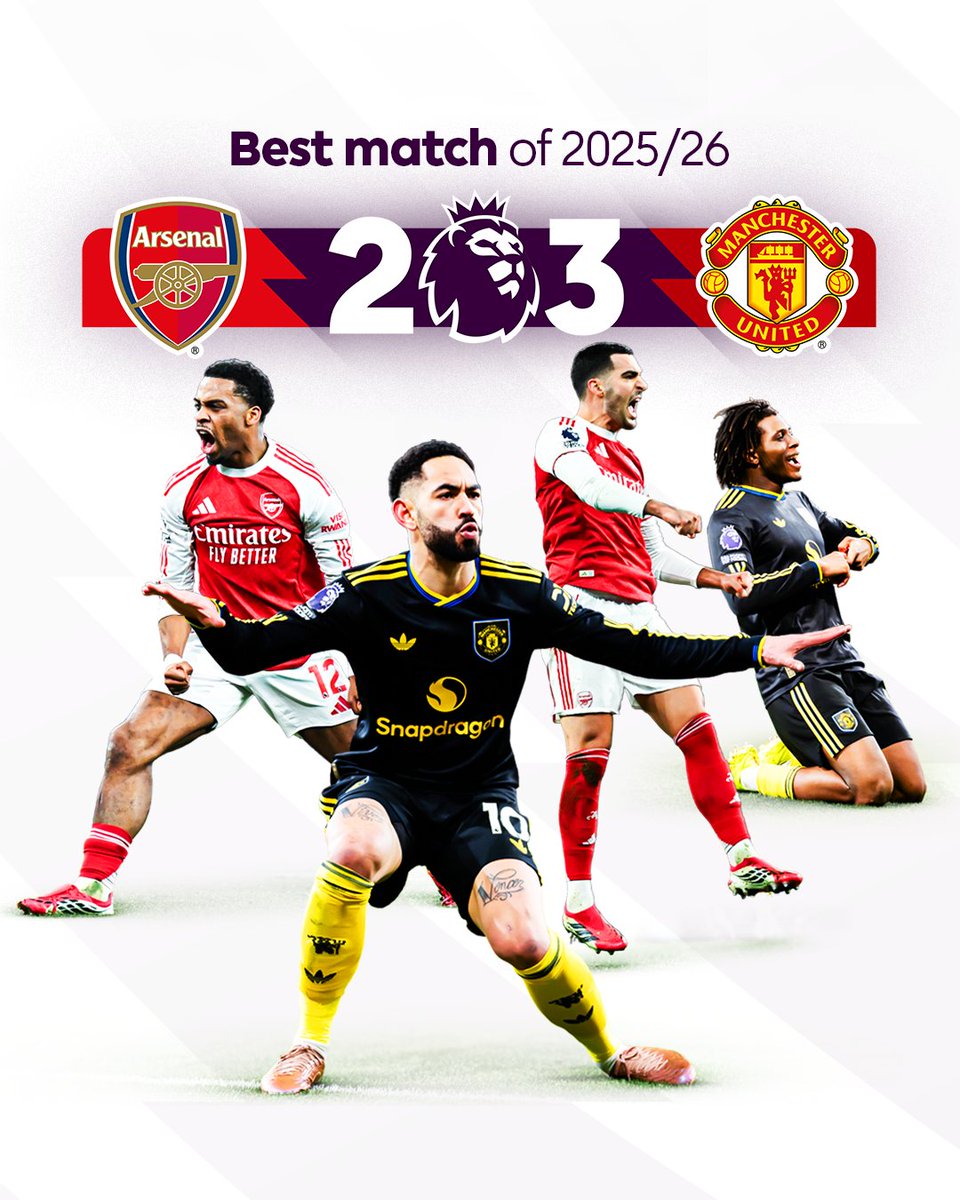
The best match from the 2025/26 season, as voted by YOU 🫵
🔴@Arsenal 2-3 @ManUtd ⚫️
preml.ge/tdxmtrwr
2
125
Cousin skeeter Say’s retweeted

Jun 11
"Pembela first, mulumendo. You had 10 years; we've had 4 years and 10 months. Look at what we've achieved." - President HH
8
7
91
8,200
Jun 11
It’s charity Banda who called him names at AKM house 😂😂😂
Jun 11

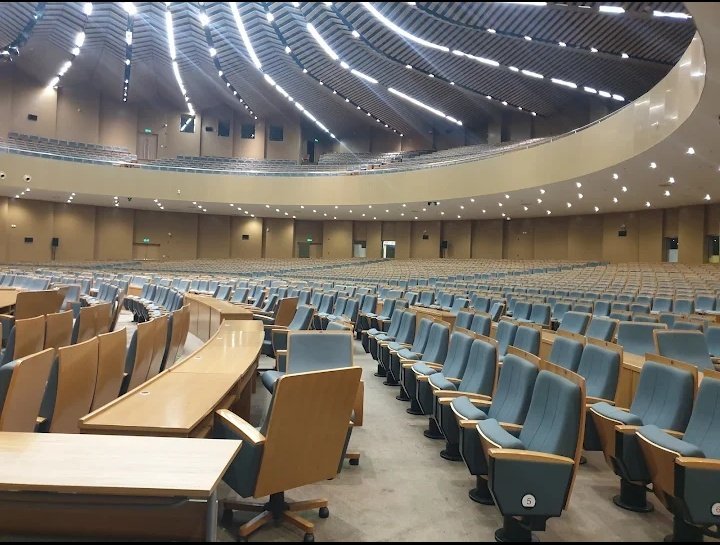
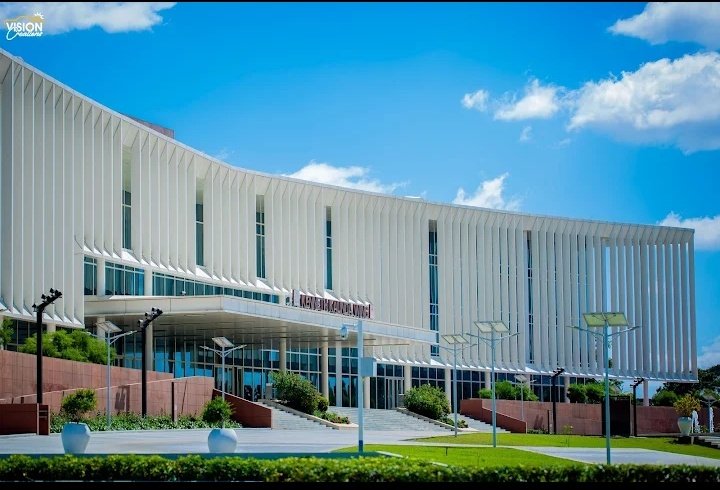
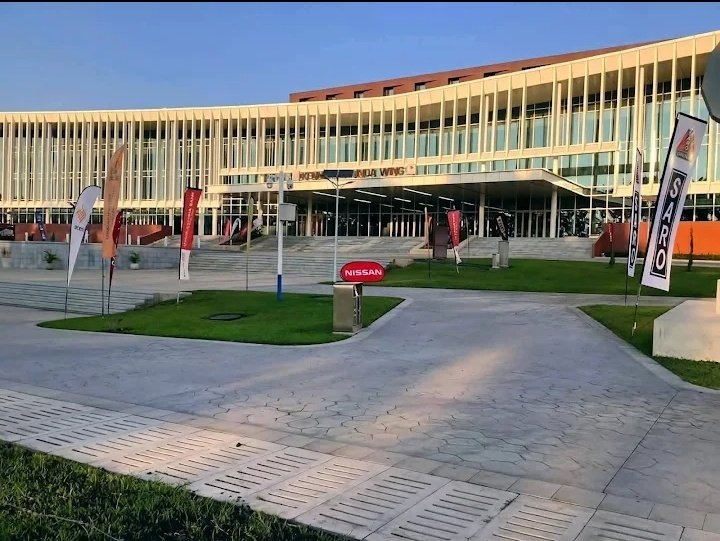
Thanks Dr Edgar Chagwa Lungu for building us Mulungushi International Conference which those who called you names are using now. We'll remain grateful to your works because we don't need to explain to anyone or spend the entire day trying to tell what you did for ZAMBIA.
4
1,182
Jun 11
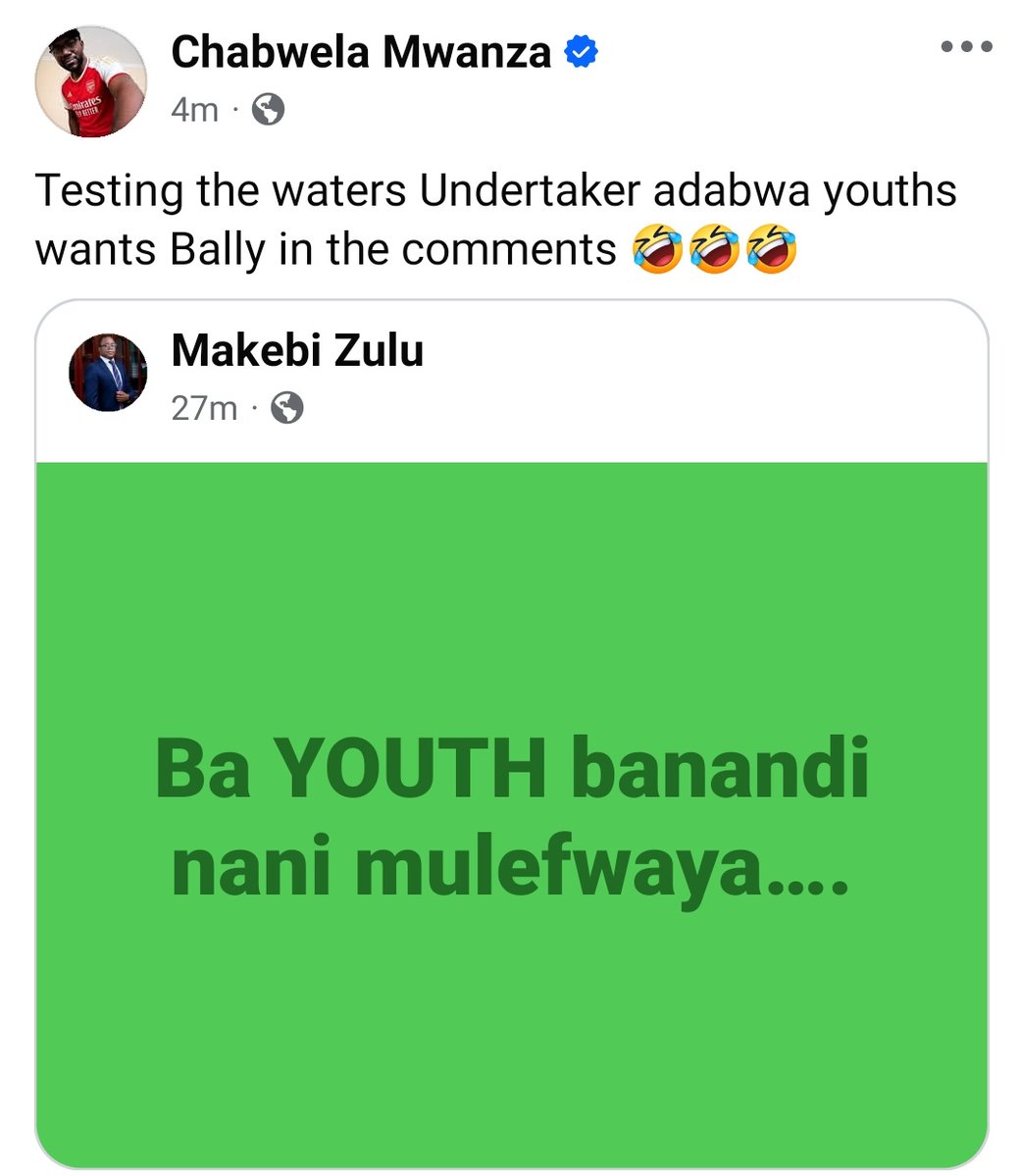
Someone in the comment section called man dem penny wise 😂😂😂 and now I can’t unsee it 😂😂
52
Jun 11
One lad said; let’s vote today so that you cry chalimo 😂😂😂
3
22
2,011
Jun 11
Tizakumana
Jun 11

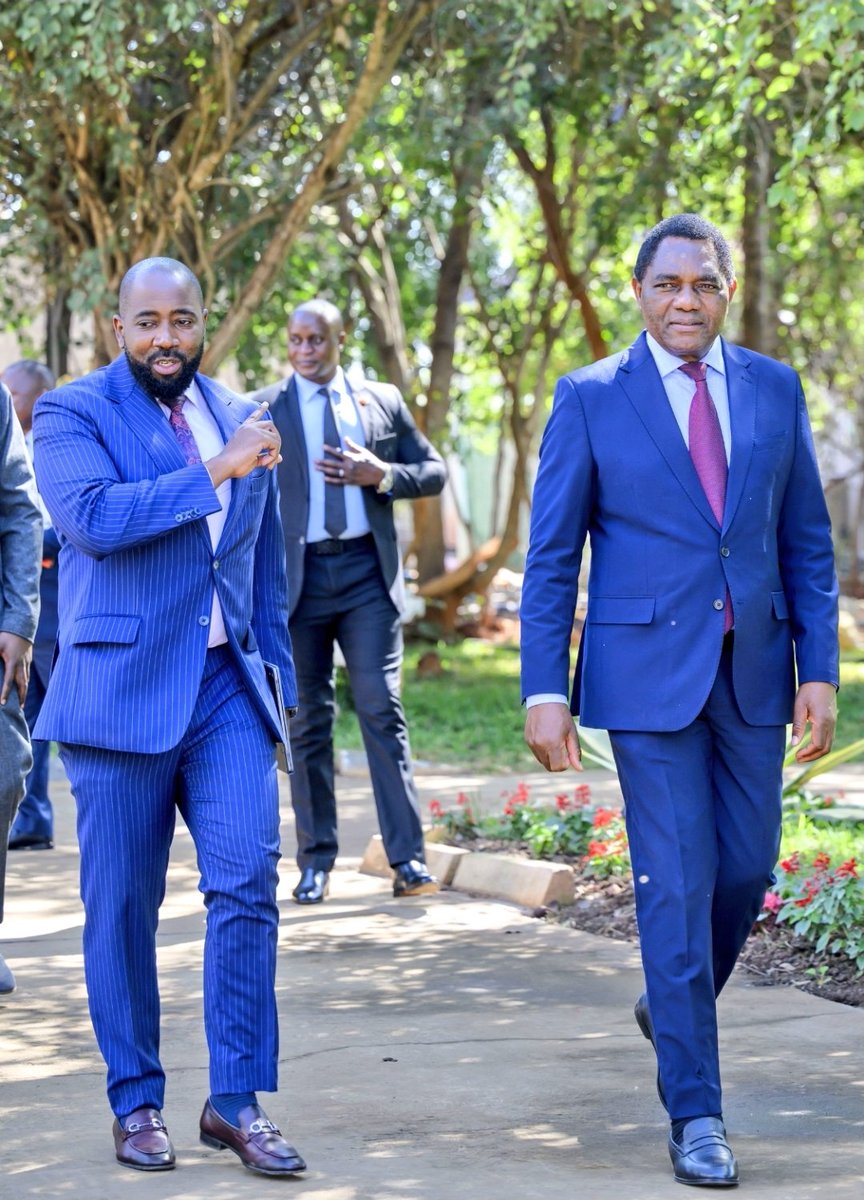
Today's UPND Manifesto launch for 2026-2031 will outline the programme for the next phase of the New Dawn. What is key, is picking up from debt restructuring and restoring economic stability to generating rapid growth that will bring real prosperity to ALL our citizens.
Let me give you one leakage: 10-10-5-3-3-1-1. This is the key to generating an additional $65 Billion USD in economic value from:
10 Gigawatts of Power generation
10 Million tonnes of Maize production
5 Million Tourist arrivals
3 Million tonnes of Copper production
3 Million tonnes of Soya Bean production
1 Million tonnes of Wheat production
1 Billion USD of Beef exports
We're on the right track but there's more work to do. Let's all work hard to achieve Bally's 10-10-5-3-3-1-1 goals and make Zambia great together!
192
Cousin skeeter Say’s retweeted

Jun 11
Today's UPND Manifesto launch for 2026-2031 will outline the programme for the next phase of the New Dawn. What is key, is picking up from debt restructuring and restoring economic stability to generating rapid growth that will bring real prosperity to ALL our citizens.
Let me give you one leakage: 10-10-5-3-3-1-1. This is the key to generating an additional $65 Billion USD in economic value from:
10 Gigawatts of Power generation
10 Million tonnes of Maize production
5 Million Tourist arrivals
3 Million tonnes of Copper production
3 Million tonnes of Soya Bean production
1 Million tonnes of Wheat production
1 Billion USD of Beef exports
We're on the right track but there's more work to do. Let's all work hard to achieve Bally's 10-10-5-3-3-1-1 goals and make Zambia great together!
8
17
109
2,940
Cousin skeeter Say’s retweeted

Some Patriotic Front supporters have a habit. When they cannot win on substance, they reach for someone else's words and bend them into an argument that person never made. This is not the first time it has happened to Canary Compass. It has happened on roughly three occasions on Facebook, all traceable to one name I will not dignify publicly.
The method comes in two grades. At best, they take a comment and graft it onto a position you do not hold. At worst, they splice two separate things you said into one sentence you never wrote. That is precisely why this platform now carries a disclaimer on third-party use. The behaviour earned it.
I have stayed quiet until now, because shining a light on this kind of thing tends to dignify it. But the misreading here is wrong enough to correct. Whether it is desperation or a genuine failure of comprehension I cannot say. If it is the latter, the remedy is a return to basic English.
So I reiterate. Canary Compass is not a political platform. It does not choose sides. That objectivity is what lets it say two hard things plainly.
The period from 2011 to 2021 was one of Zambia's worst economic stretches, a lost decade, with the damage heaviest between 2015 and 2021. Then, between 2021 and 2026, outcomes turned broadly positive and GDP growth has been real and measurable.
Read this slowly. I never said the number is fake. The growth is real. I said it has not diffused, and that is a different claim entirely.
Diffusion and household outcomes are the same thing seen from two ends. Diffusion is growth travelling outward from the national figure through firms, wages, and credit. The household outcome is what arrives when that journey completes. So when I said growth has not diffused, I was saying exactly what I said earlier about household outcomes. The growth left the top and never reached the family.
That is why the two comments do not contradict. They are one measurement taken twice. A figure can be accurate nationally and absent from the kitchen on the same day. Splicing them into "he says growth is fake" is not a discovery. It is a failure of reading.
So judge growth by where it lands. Until the farmer, the miller, and the transporter can turn effort into wealth they keep and pass on, the headline stays a headline.
2
11
34
3,046
Cousin skeeter Say’s retweeted

Jun 10
We must verify before posting here.
UPND was founded in 1998 by Anderson Mazoka as a serious opposition alternative with concrete economic and social proposals.
After Mazoka’s passing in 2006, Hakainde Hichilema took leadership and contested every presidential election: 2006, 2008 (by-election), 2011, 2015 (by-election) and 2016, steadily building the party over 15 years.
When Michael Sata’s PF won in 2011, the former ruling MMD fragmented.
Many of its members joined PF, but several influential figures moved to UPND.
This helped position UPND as the strongest and most organised opposition by the time of the 2021 election.
The 2021 victory was not mainly a “sympathy vote.”
It resulted from:
1. Deep public frustration with the PF government’s economic mismanagement (record debt, default, inflation, unemployment, and rising cost of living).
2. Governance issues, including corruption allegations and democratic backsliding.
3. UPND’s consistent messaging on economic competence, rule of law, and anti-corruption.
4. Strong voter mobilisation, especially among youth, with 70% turnout and a clear 59% landslide for Hichilema.
Voters chose change after years of accumulated problems under the incumbent, a common pattern in African democracies, not sympathy for an event from 15 years earlier.
Constructive criticism of the current government is healthy, but let’s base the discussion on accurate history rather than dismissing the 2021 mandate as mere sympathy.

One of the reasons the Zambian people gave the UPND a chance was a vote of sympathy, and that sentiment helped usher them into power, even though many did not necessarily see them as the better option at the time.With that in mind, one would not be
4
2
23
2,462