
AI Solutions are Human Solutions. Data rights are human rights. Social problems are data problems.
Joined March 2020
- Tweets 2,366
- Following 450
- Followers 2,576
- Likes 964
396 Photos and videos




Jan 11
Check out the Strawberry Problem of 2024, and why it is still relevant today.

What the Strawberry Problem Teaches Us About Trusting AI
In 2024, the internet fixated on a strange mistake. An AI was asked how many R’s were in the word “strawberry.” It got the answer wrong. Screenshots went viral. People laughed. Others panicked. Many saw it as proof that AI was broken.
But the strawberry mistake wasn’t really about spelling. It was about expectations.
We tend to treat AI like a search engine with a brain. Ask a question, get the truth. But AI doesn’t retrieve facts. It predicts language based on patterns from the past. Most of the time, that works. Sometimes, especially with short or unusual questions, it fails.
I tested another word: “Rappler.” I asked how many T’s were in it. There are none. Yet several AI systems confidently said there were one, two, or even three. Some explained where the T’s appeared. Some cited sources. All of it was wrong.
This behavior has a name: hallucination.
Hallucinations happen when a system doesn’t have enough context. Instead of saying “I don’t know,” it guesses. And because it’s trained to sound helpful, that guess often comes wrapped in confidence.
That’s the real risk. Not that AI makes mistakes, but that it makes them smoothly.
AI is not a source of truth. It’s a tool for working with information, summarizing, simplifying, reorganizing ideas. It performs poorly when treated like an authority.
This matters most in education. Many students will encounter AI through search results and summaries. Telling them to use newer versions won’t solve the issue. Even the latest systems still hallucinate.
The strawberry problem isn’t a punchline. It’s a reminder. Intelligence isn’t one skill, and confidence isn’t accuracy. AI is already part of everyday life. So are its errors. The real challenge is learning how to live with both.
1
1
127
2 Nov 2025
Deconstructing heroism was necessary. It cleared the ground. But if we stop there, we end up mistaking rubble for wisdom.
Read more:
gmanetwork.com/news/lifestyl…
2
1
343
29 Oct 2025
In our current landscape… where AI fabricates truths and corruption eats through our institutions… and at the same time corruption scandals and false prophets dominate the media… the hunger for new narratives is palpable. People don’t need more ironic mirrors showing how broken we are. They need stories that restore the courage to fix what’s broken.
financialadviser.ph/deconstr…
1
1
83
Data and AI Ethics PH retweeted

11 Jul 2025
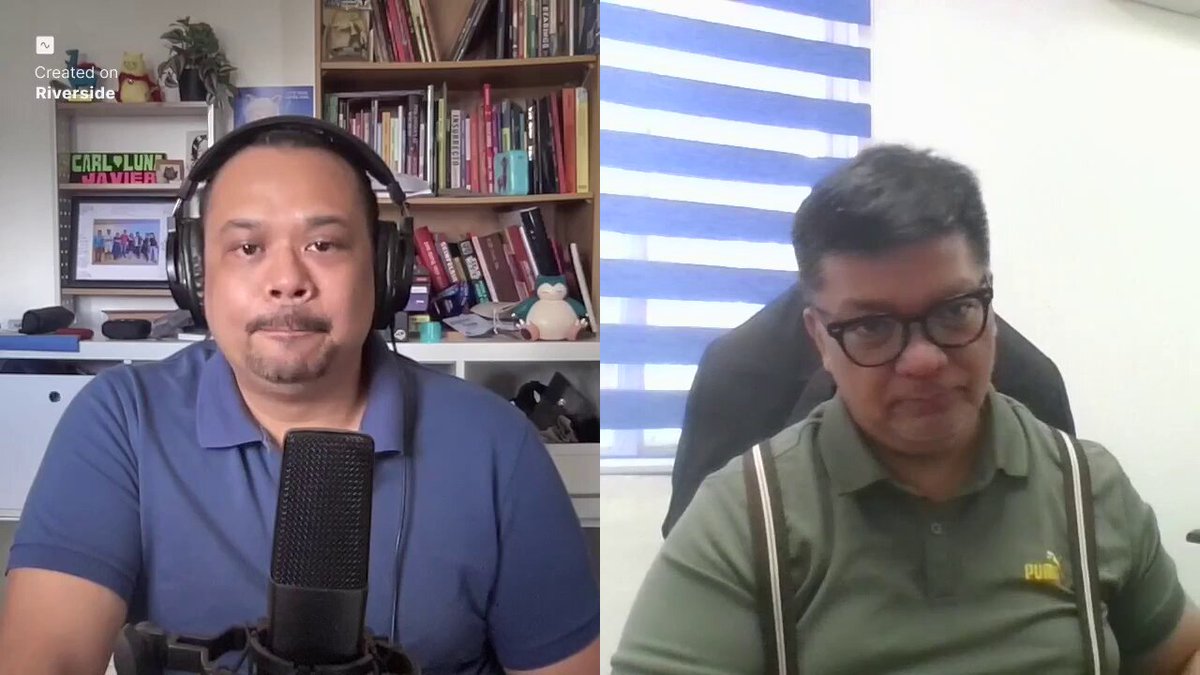
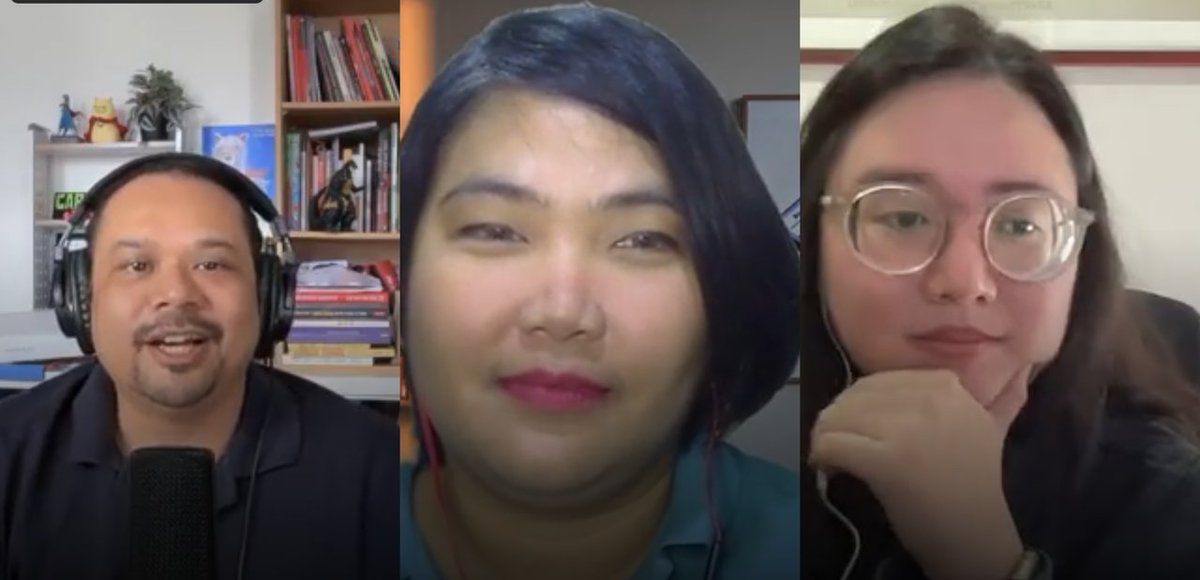
Big thanks to @carljavier of @EthicsPh for hosting Noemi Mejia & me to dissect Sen. Pia Cayetano’s AI Bill. Progress! But real impact needs more stakeholder voices. 🎧 Listen weigh in: creators.spotify.com/pod/pro…
#AI #AIRegulation #AIPolicy #AIEthics #EthicalAI #ResponsibleAI
1
1
2
318
11 Jul 2025
Clarifying the Cayetano AI bill. Listen here:
11 Jul 2025

Big thanks to @carljavier of @EthicsPh for hosting Noemi Mejia & me to dissect Sen. Pia Cayetano’s AI Bill. Progress! But real impact needs more stakeholder voices. 🎧 Listen weigh in: creators.spotify.com/pod/pro…
#AI #AIRegulation #AIPolicy #AIEthics #EthicalAI #ResponsibleAI
1
149
3 Jul 2025
“If digital is just a channel, we’ve already lost the plot.”
In 2021, Dominic Ligot & Peachy Pacquing lit up the Ethics PH podcast with a call to reframe ethics, creativity, and leadership for the digital age.
🔥 Reflection is a leadership skill, not an afterthought
📌 Creativity is connection, not decoration
✅ Education must go beyond tools to values
We urgently need AI teachers, not just AI tools... and policy that keeps up with cultural shifts.
🎧 youtube.com/watch?v=mv4HUB2U…
1
1
2
441
2 Jul 2025
Science lost to Viber. We need to teach digital fluency like we teach reading and math.
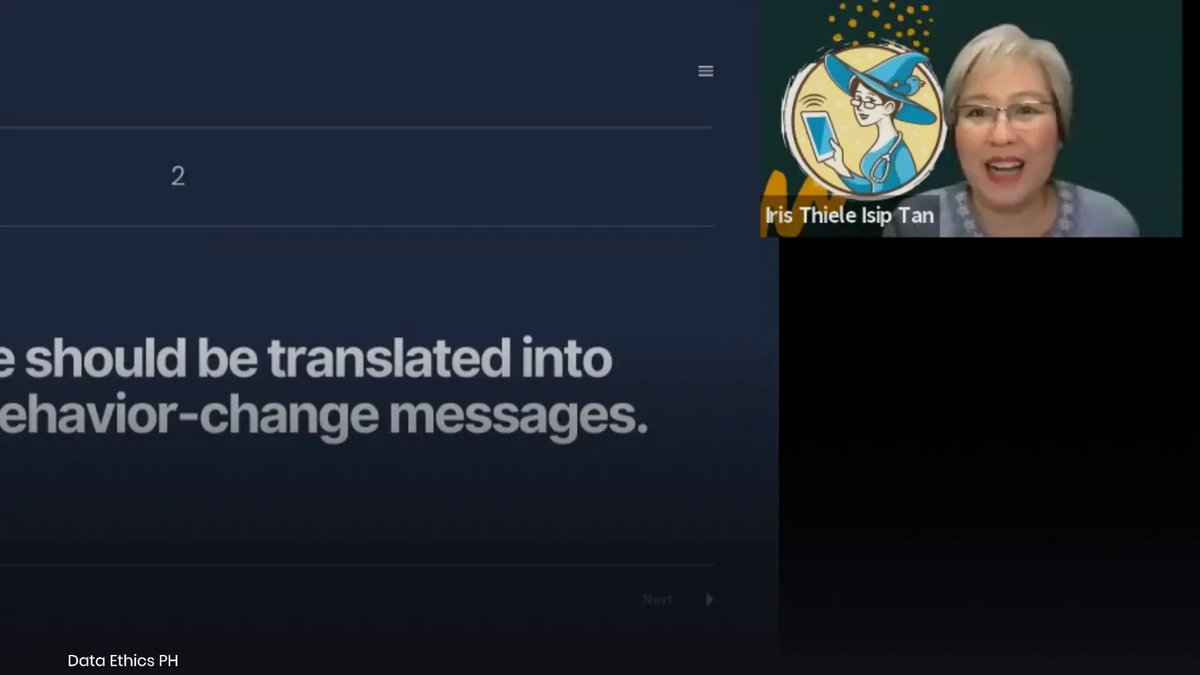
Back in 2021, we interviewed Dr. Iris Isip-Tan, the @endocrine_witch. She was battling not just COVID-19, but the tsunami of misinformation on private chats and Facebook. She wasn’t just educating about health... she was educating about how to learn and who to trust in a digital world.
Insights:
✅ The disease moved fast; science moved slower.
📌 Explaining complex ideas simply isn’t dumbing down... it’s public service.
🔥 Education must include digital discernment and communication empathy.
We must embed AI and media literacy into education policy... every worker, teacher, and citizen needs upskilling in AI, not just to use it but to defend against its misuse. If the next infodemic is algorithmically generated, our best defense is a digitally fluent public.
🎥 Watch the full discussion: youtube.com/watch?v=xZoiPya2…
1
1
1
222
29 Jun 2025
So we're teaching AI in schools... but not teaching students their rights?
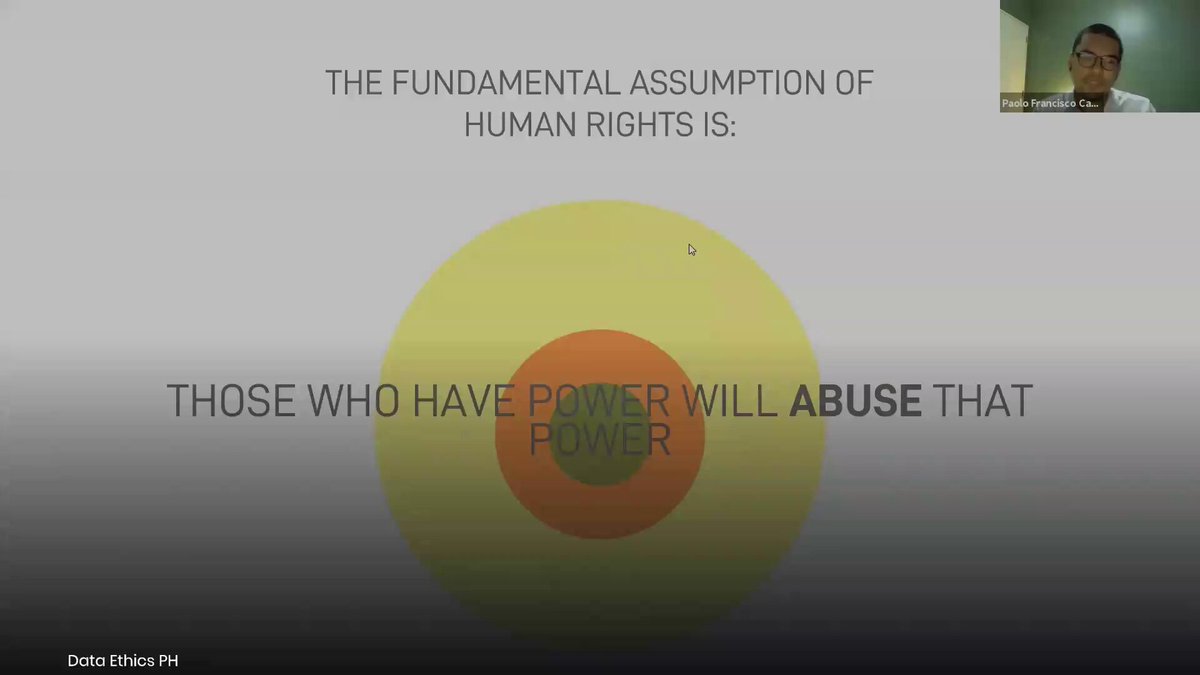
When Dominic Ligot talked to Paco Camacho during the pandemic, the real lesson wasn’t about tech. It was about how fast civil liberties are sidelined when crisis meets convenience. Digital tools were supposed to save lives, but without checks, they quietly redrew the lines between authority and consent.
📌 Privacy isn't a technical feature... it’s a human right
🔥 Emergencies accelerate tech... and sideline oversight
📌 Consent only matters when power is balanced
Educators and policymakers, it’s no longer optional to teach ethics alongside STEM. Students must be fluent not just in how AI works, but how it affects them... their rights, their power, their future.
✅ Education: Push for AI literacy and rights-based digital curricula
✅ Ethics: Demand an AI Bill of Rights as part of school policy standards
🎥 Full conversation: youtube.com/watch?v=HUePQqHN…
1
133
28 Jun 2025
Can teaching transparency be as impactful as teaching literacy?
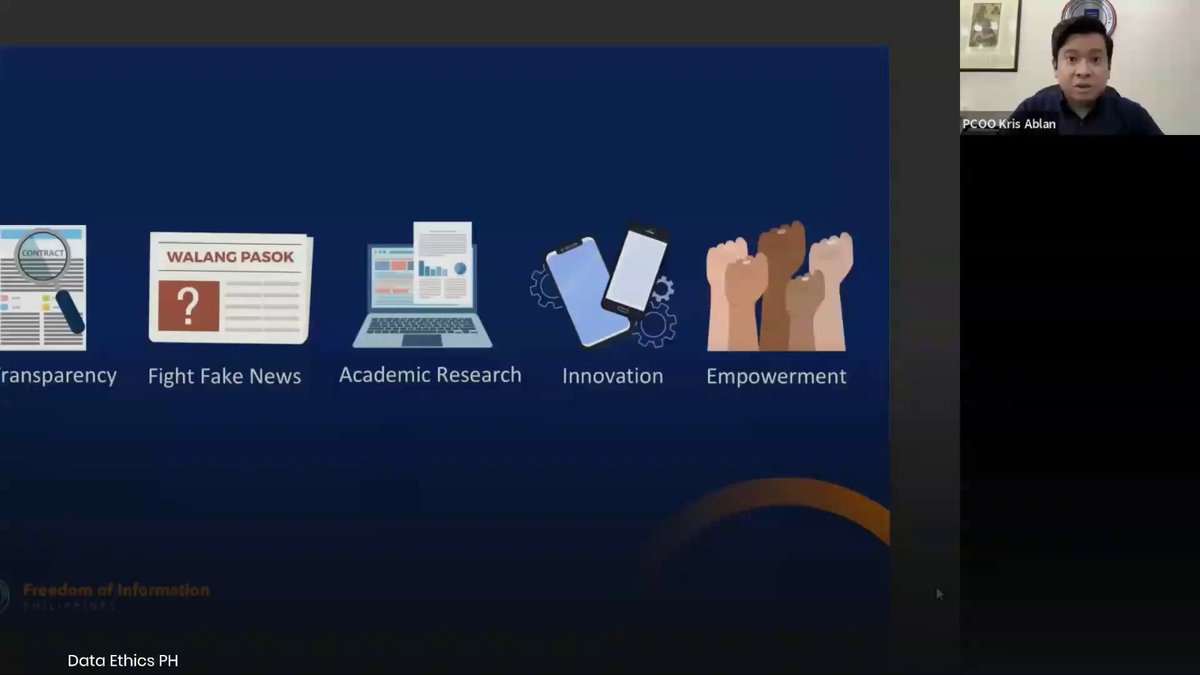
In this featured throwback from 2021, Kris Ablan walks us through the development of the Freedom of Information (FOI) program, distinguishing it from open data, and spotlighting its role in strengthening civic education and institutional accountability.
The key takeaway? FOI isn’t just about access... it’s about empowering informed citizens. Students, researchers, and civil society groups can now work with verified data directly from government sources... enabling better research, advocacy, and policy reform.
This reflects a larger trend in public governance: open knowledge ecosystems, where data fuels evidence-based decision-making and counters the surge of misinformation.
If you're shaping minds or policies, FOI deserves a place in your curriculum and strategy.
▶️ Watch the full conversation: youtube.com/watch?v=tg2FhB1i…
81
28 Jun 2025
Are our institutions teaching the skills needed to defend against digital financial crime?
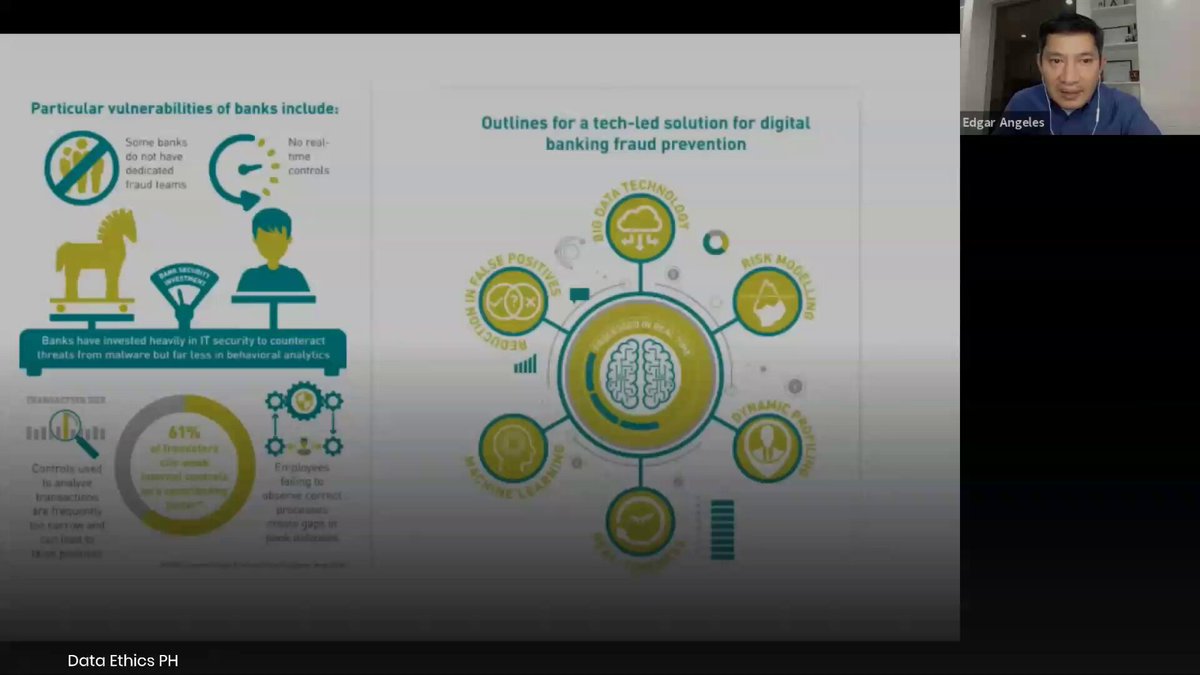
In this throwback episode, Edgar Angeles, a thought leader in data-driven fraud detection, breaks down how cybercrime has evolvedand why both education and policy are playing catch-up.
🎓 As most of life and business moved online during the pandemic, so did crime. With fraud gangs composed of banking-savvy members, and 47% of global orgs reporting incidents, the lines between finance, cybersecurity, and education are blurring fast.
📈 This underscores a key trend: a widening skills gap in cyber resilience, especially in policy-making circles and educational institutions that train the future workforce.
Educators and policy makershow are you preparing the next generation to deal with threats they can’t see but are very real? Edgar Angeles shares what needs to shift, urgently.
🎥 Full episode: youtube.com/watch?v=5wKr1geg…
75
28 Jun 2025
Can changing one woman’s access to tech change a whole system?
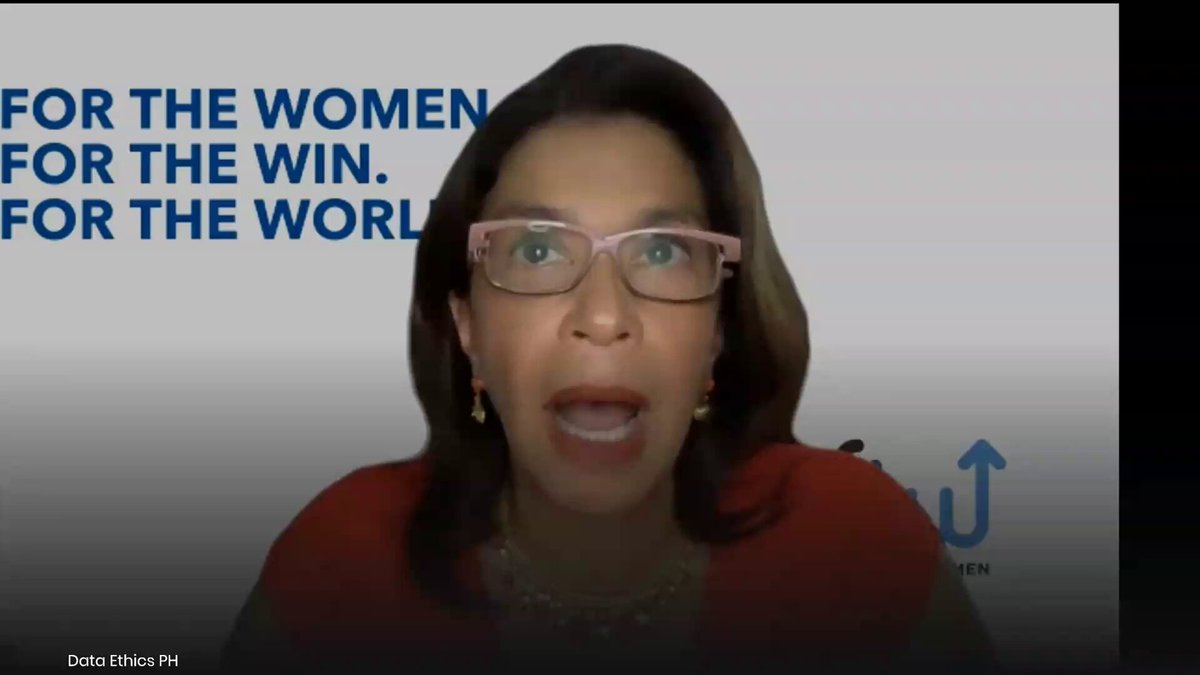
🔁 Throwing it back to our 2021 episode of Ethics PH, where we spoke with Cara Wilson, founder of FTW (For the Women). She shared how targeted education in data science is opening doors for Filipina women... and what it takes to create scalable, inclusive STEM pathways. Cara talks about confidence, contextual access, and why education can be a tool for economic mobility.
Today, this conversation still echoes in policy circles. Equity in STEM isn’t just about curriculum... it’s about visibility, mentorship, and designing systems that women can enter and thrive in.
📊 The trend continues: data education programs built for women, by women, are proving effective in reshaping tech ecosystems.
🧩 Want to build programs that make measurable impact in gender and tech? This throwback episode offers a clear starting point.
Watch the full conversation: youtube.com/watch?v=aodgX2Nr…
145
27 Jun 2025
In 2020, as the world shifted, so did the way we thought about ethics in data and AI. Valerie Dela Cruz’s story isn’t just inspiring... it’s instructive for policy makers.
From navigating gendered expectations to building a career around ethical decision-making in STEM fields, Valerie offers insights relevant to today’s governance conversations.
As we prepare to relaunch the Data & AI Ethics PH Podcast, we’re bringing back this important episode. Let's remember what sparked the conversation... and how policy can keep pace with lived realities.
Full talk: youtube.com/watch?v=LeWx-noz…
#PolicyForEthics #TechGovernance #STEMPolicy #AIandSociety #DataEthicsPH
1
115
25 Jun 2025
👩⚖️ Policy and purpose must go hand in hand.
As we relaunch the Data & AI Ethics PH Podcast, we're highlighting past insights that remain highly relevant for today’s policy conversations... like this one with Cat Cortes from the Open Data Charter.
We unpack what “open by default” really means, and how to ensure data policies safeguard rights while enabling urgent public good... from emergency response to equity and climate action.
📻 Replay this important dialogue as we prepare for new discussions on how data ethics shape tomorrow’s governance.
#PolicyInnovation #DataGovernance #OpenData #PublicSectorEthics #DigitalPolicy
61
24 Jun 2025
🛠️ Ethical Innovation Starts With Policy
As we prepare to relaunch the Data & AI Ethics PH Podcast, we’re taking a moment to look back at key insights from our early episodes.
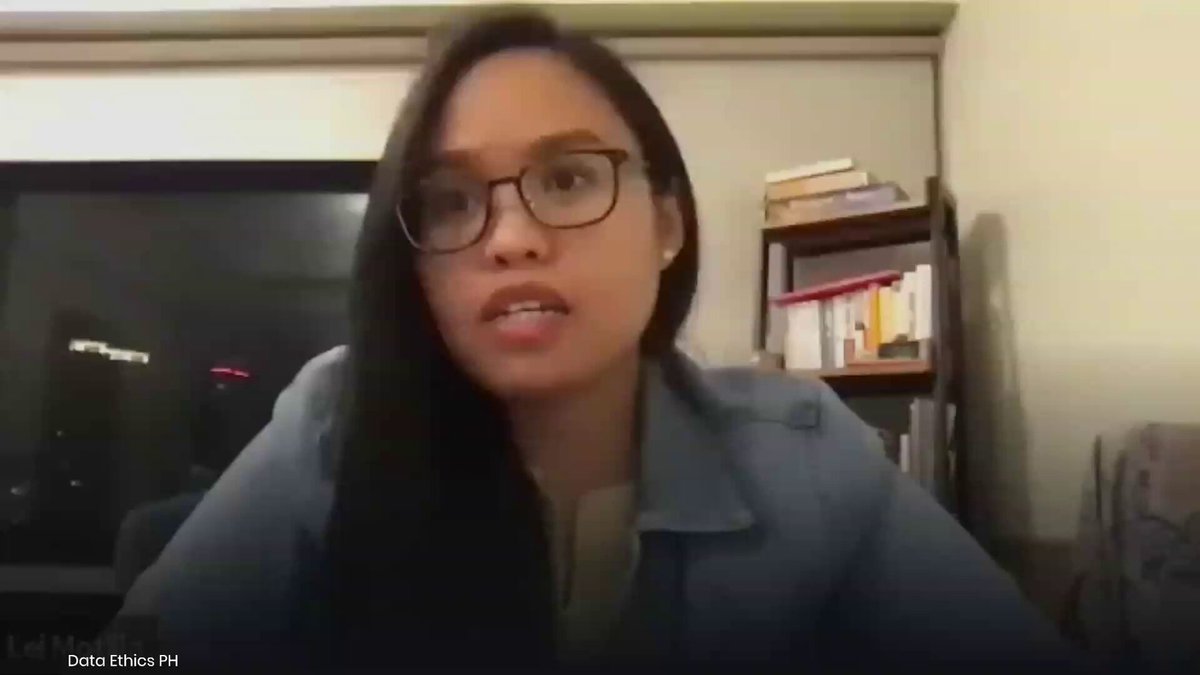
🎙️ Featuring Lei Motilla of AI4GOV, this conversation is a must-hear for anyone in policymaking and public service. From applying chatbots in social programs to confronting systemic corruption, she breaks down how tech innovation must be grounded in structural reform... not Silicon Valley speed.
👂Listen to this throwback and gear up for our upcoming season focused on ethical governance and responsible AI.
Full talk: youtube.com/watch?v=7QEt0v61…
#PolicyMatters #AI4PublicService #EthicalInnovation #DigitalGovernance #DataEthicsPH
70
23 Jun 2025
📢 As we gear up to relaunch the Data & AI Ethics PH podcast, we’re re-sharing past episodes that delve into critical policy implications of AI systems.
In this throwback from 2021 featuring Xavier Puspus, we explored:
📍 Why accountability in AI is non-negotiable
📍 How biased data leads to unfair outcomes
📍 What role transparency plays in ethical AI
As data-driven decision-making becomes embedded in public services, policy makers must stay ahead of the curve. These conversations offer crucial context for informed AI regulation and governance.
▶️ Follow the page and tune in... new episodes are coming soon.
Full talk: youtube.com/watch?v=OVWRZABD…
#AIpolicy #DataEthics #ResponsibleTech #AIgovernance #PHpolicy
1
2
509
22 Jun 2025
📢 POLICY MATTERS: Ethical Technology Begins with Ethical Thinking
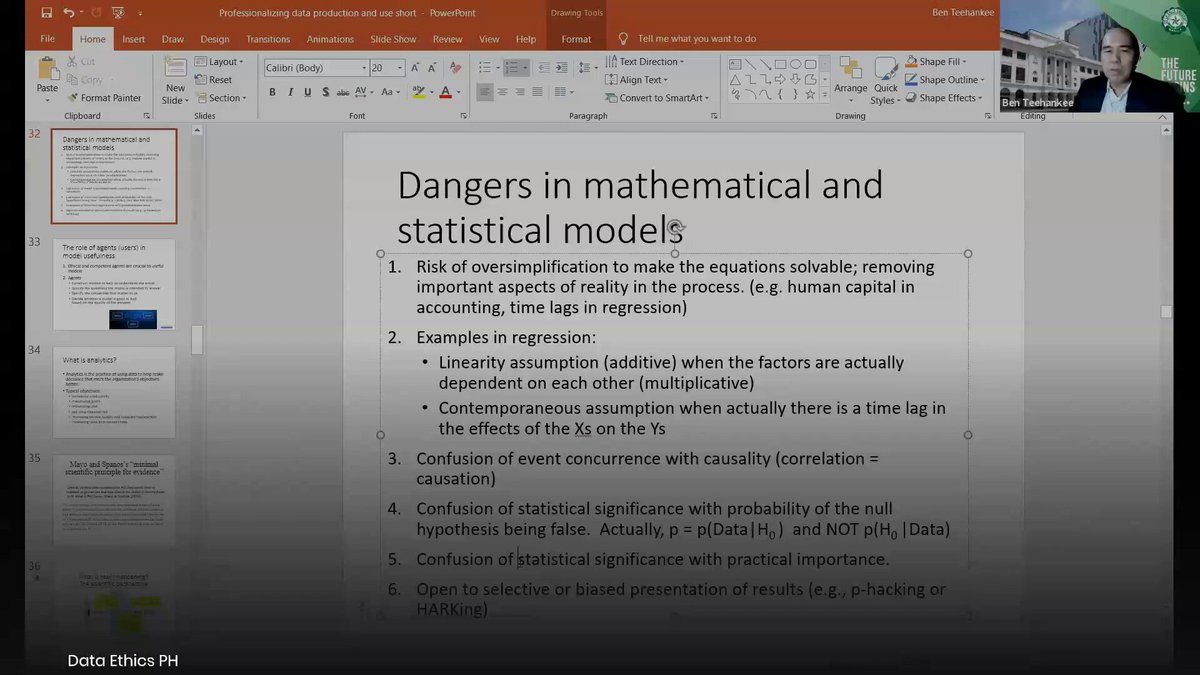
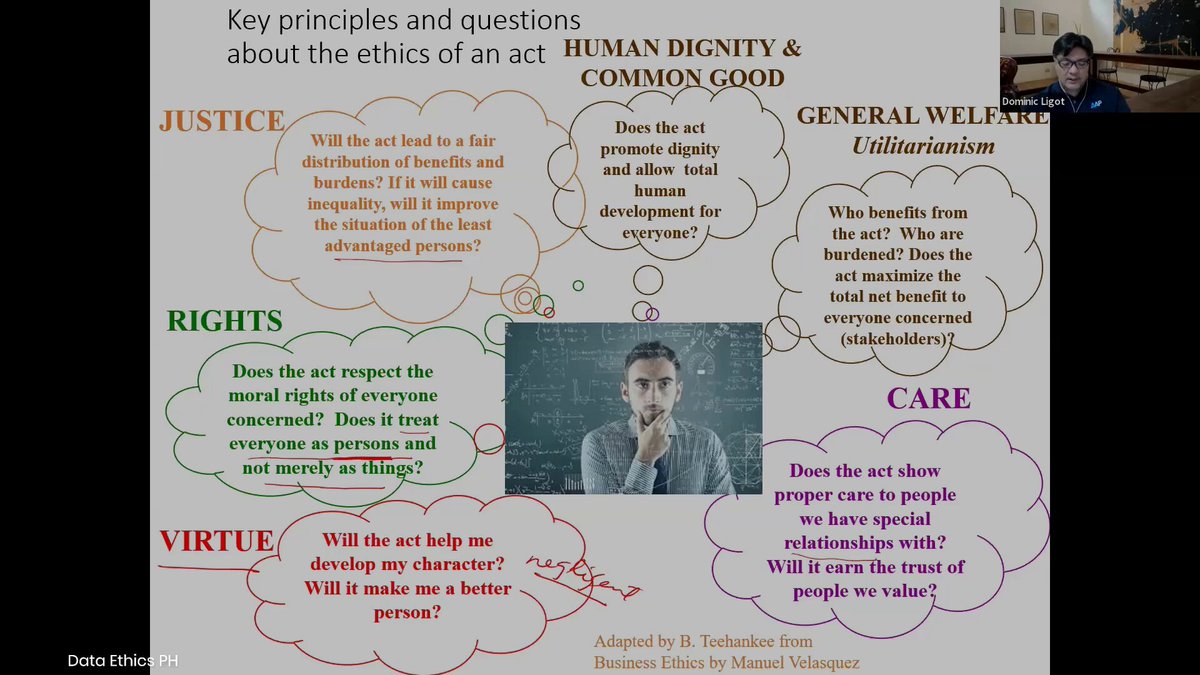
In 2021, Data & AI Ethics PH launched critical discussions with leaders like Prof. Ben Teehankee... exploring how ethics must guide tech and data policy.
From misleading uses of data to the lack of ethical training in tech professionals, this throwback episode highlights what policy makers need to know:
⚖️ Tools ≠ the world ... and our duty is to the world.
📊 Statistical significance ≠ societal importance.
👥 Ethics must be baked into the professionalization of data roles.
As we gear up for new episodes, we’re re-airing this essential conversation. Catch up before the next wave of policy challenges hits.
🎧 Listen in. Lead with insight.
Full talk: youtube.com/watch?v=Cq_0m_3I…
#EthicalTechPolicy #DataGovernance #AIRegulation #BenTeehankee #DataEthicsPH
1
487
21 Jun 2025
🎙️ A Must-Hear for Policy Leaders
As we prepare to launch new content on the Data & AI Ethics PH Podcast, we’re re-releasing our early episodes... including powerful discussions about data accountability, government transparency, and the urgent need for digital literacy in public institutions.
In a time when tools outpace regulations, ethics must lead the way. As one guest said: “Our duty is to the world.”
📢 Whether you write, enforce, or advise on policy... this is for you.
#PolicyAndTech #DigitalEthics #DataGovernance #PhilippinesPolicy #TechForAccountability #AIAndPolicy
1
516
21 Jun 2025
📢 Attention Policy Makers and Public Servants 📢
Data is no longer just a tool... it’s a human rights issue.
In 2020, Data and AI Ethics PH started as a platform to examine the intersection of data, power, and policy. As we prepare to launch new episodes, we're re-releasing our original series... timely and still deeply relevant:
🗂️ What happens when cases are tracked without transparency?
📉 How do information asymmetries shape public outcomes?
🧩 What frameworks are missing in today's AI governance?
If you're working on digital regulation, AI policy, or public data systems... these are conversations you won’t want to miss.
🎧 Subscribe now and join us in building an ethical digital future. #AIRegulation #PublicPolicy #EthicalTech #DataJustice
3
481
21 Jun 2025
🧭 Policymaking in the age of algorithms requires more than regulation... it requires understanding.
As we relaunch the Data & AI Ethics PH Podcast, we’re re-sharing throwback episodes that delve into urgent questions we first explored in 2020:
👩🏫 Are our teachers prepared to educate on data science?
⚖️ Who ensures accountability when AI makes decisions?
📜 Should data professionals be licensed like doctors or lawyers?
These conversations matter now more than ever as we navigate how data and AI intersect with education, public health, and civil rights.
🎙️ Tune in, reflect, and join the dialogue on shaping ethical AI policies that work for the people.
#PolicyForAI #DigitalGovernance #TechRegulation #AIethics #DataEthicsPH
1
390
19 Jun 2025
AI is no longer just about tech... it’s political.
In a recent convo with Carl and Doc, they explored how AI hype distracts from critical issues: declining creative labor, underfunded schools, and growing inequity.
#AIethics #AGI #FutureOfWork
Full chat: youtube.com/watch?v=oDWDXKCP…
1
576