
11m
For decades, India's biggest challenge was population growth. Governments promoted smaller families, fertility rates fell, and the fear of a population explosion dominated public policy.
Now, for the first time in India's history, the country's fertility rate has fallen below the replacement level of 2.1 children per woman.
What does that actually mean?
In this explainer, we break down India's changing fertility trends, why fewer Indians are having children, and how education, urbanisation, rising costs, women's workforce participation, healthcare improvements, and changing lifestyles have transformed family planning across the country.
We also examine the economic consequences of an aging population, the future of India's demographic dividend, regional differences between northern and southern states, the politics of population and delimitation, and what governments are beginning to do in response.
Watch till the end to understand one of the most important demographic shifts shaping India's future: youtu.be/CNJyNKqzrZs?si=Cci_…
Subscribe to DeKoder for more explainers.
#IndiaPopulation #FertilityRate #Demographics #IndianEconomy #PopulationGrowth #PopulationCrisis #BirthRate #PopulationDecline #DemographicDividend #PublicPolicy #IndiaExplained #DeKoder
1
101

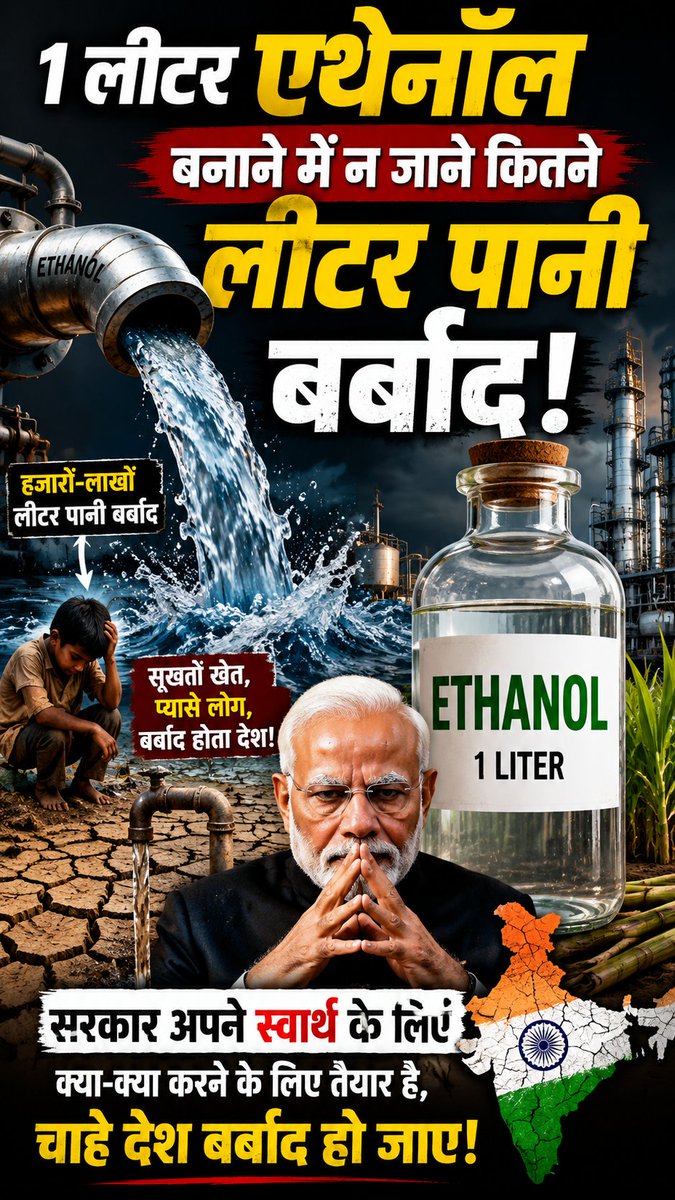
1 लीटर एथेनॉल बनाने में कितने लीटर पानी की आवश्यकता होती है? जब देश के कई हिस्से जल संकट, सूखे खेतों और गिरते भूजल स्तर से जूझ रहे हैं, तब यह सवाल और भी महत्वपूर्ण हो जाता है।
क्या ऊर्जा सुरक्षा और पर्यावरणीय संतुलन के बीच सही संतुलन बनाया जा रहा है? इस विषय पर पारदर्शी चर्चा और वैज्ञानिक तथ्यों के आधार पर नीति मूल्यांकन होना चाहिए।
आपकी राय क्या है?
#Ethanol #WaterCrisis #SaveWater #GroundWater #WaterConservation #India #EnergyPolicy #Environment #ClimateChange #PublicPolicy #JalSankat #जलसंकट #पानी_बचाओ #एथेनॉल #भारत
21m
For decades, India's biggest challenge was population growth. Governments promoted smaller families, fertility rates fell, and the fear of a population explosion dominated public policy.
Now, for the first time in India's history, the country's fertility rate has fallen below the replacement level of 2.1 children per woman.
What does that actually mean?
In this explainer, we break down India's changing fertility trends, why fewer Indians are having children, and how education, urbanisation, rising costs, women's workforce participation, healthcare improvements, and changing lifestyles have transformed family planning across the country.
We also examine the economic consequences of an aging population, the future of India's demographic dividend, regional differences between northern and southern states, the politics of population and delimitation, and what governments are beginning to do in response.
Watch till the end to understand one of the most important demographic shifts shaping India's future.
Subscribe to DeKoder for more explainers.
#IndiaPopulation #FertilityRate #Demographics #IndianEconomy #PopulationGrowth #PopulationCrisis #BirthRate #PopulationDecline #DemographicDividend #PublicPolicy #IndiaExplained #DeKoder
1
2
168

A government-appointed panel examining demographic changes in India has been asked to prioritise border districts.
Home Minister Amit Shah has directed the committee to study population shifts, migration patterns, and settlement trends through field visits across border regions, metropolitan cities, and industrial hubs.
The panel will also recommend policy measures related to illegal immigration, border management, and demographic challenges that may affect national security and social stability.
The findings could play an important role in shaping future migration and population policies in India.
Read the full story: theslate.net/post/amit-shah-…
#India #AmitShah #BorderDistricts #Migration #NationalSecurity #Demographics #PublicPolicy
3

وزیراعظم شہباز شریف نے بجٹ میں وعدے وفا کردیے: عطا تارڑ
#SouthToday #ShehbazSharif #AttaTarar #Budget2026 #PakistanBudget #BreakingNews #PakistanNews #UrduNews #CurrentAffairs #Government #PoliticalNews #FinanceNews #EconomicPolicy #PublicWelfare #ReliefBudget #TaxRelief #Development #LatestNews #NewsUpdate #TrendingNews #HeadlineNews #NationalPolitics #PakistanEconomy #FiscalPolicy #SouthAsiaNews #NewsAlert #PakistanUpdates #BudgetSpeech #CoalitionGovernment #publicpolicy

1

Last day to apply for the Master's Program in Public Policy at the Kautilya School of Public Policy, Hyderabad.
Apply now: apply.kspp.edu.in/
Application Deadline: 14th June 2026
#KautilyaSchoolOfPublicPolicy #MPP #PublicPolicy #Admissions #Hyderabad #KSPP

34

A 35-page memo. Fifty years of consequences. Workers are still living the result today.
#PowellMemo #TheFifthEstate #CorporatePower #Workers #Labour #Politics #Economics #Capitalism #Media #PublicPolicy #Democracy #History #Australia #Power #FollowTheMoney

4
28

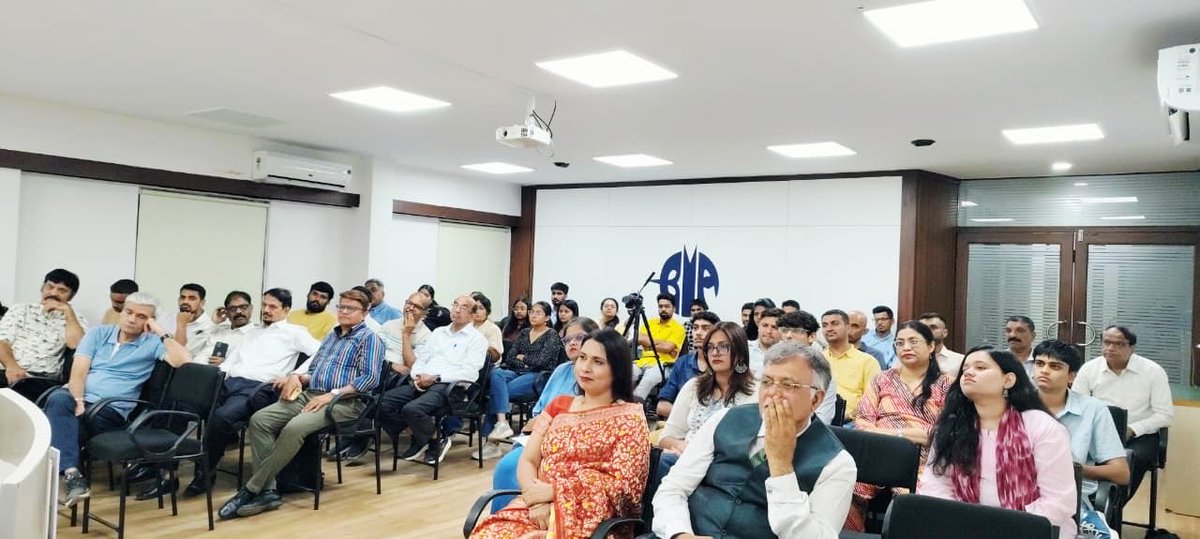
Had an enriching interaction at BMA on the theme “Redefining Social Responsibility.”
Social responsibility is not merely a corporate mandate or an occasional act of charity. It is a mindset, one that combines ethics, leadership, compassion, and collective action.
The future will be shaped by those who ask not “What can society do for me?” but “What responsibility do I hold towards society?”
Grateful to everyone who joined the conversation.
#RedefiningSocialResponsibility #Leadership #SocialImpact #YouthLeadership #PublicPolicy #CSR #BMA #DrJigarInamdar



18

कोळसा वायूकरणामुळे पोलाद उद्योगाला कच्च्या मालाची सुरक्षितता मिळेल; पण त्याचवेळी कार्बन उत्सर्जनाचं ओझंही वाढू शकतं. संतुलित धोरण हाच खरा मार्ग! 🏗️🌱
वाचा सविस्तर विश्लेषण!
or-f.org/39013
#CoalGasification #SteelIndustry #Decarbonization #GreenSteel #EnergySecurity #NetZero #ClimateAction #Sustainability #EnergyTransition #PublicPolicy
20

A visionary voice who shaped India's discourse on population policy and social development. On the death anniversary of Sripati Chandrasekhar, we remember his contributions as a distinguished demographer, economist, sociologist and public servant. His research and policy advocacy left a lasting impact on discussions surrounding family planning and national development. His intellectual legacy continues to inspire scholars and policymakers across generations.
#SripatiChandrasekhar #DeathAnniversary #IndianScholar #PublicPolicy #Demography #SocialDevelopment #India

1
1
11

GOVERNANCE FIRST: BENGAL MINISTERS UNDERGO ADMINISTRATIVE TRAINING
West Bengal Chief Minister Suvendu Adhikari conducted a special administrative orientation for ministers at NSATI, Salt Lake, focusing on governance procedures, financial management and decision-making.
Key Highlights
• Emphasis on timely movement of government files
• Training on financial rules and public expenditure procedures
• Guidance on tendering and procurement norms
• Clarity on Cabinet approvals and departmental powers
• Briefing on legislative and administrative processes
• Focus on accountability and efficient governance
Why It Matters
The initiative aims to strengthen administrative capacity and ensure smoother functioning of government departments across West Bengal.
Source: Times of India (Published: 14 June 2026)
#WestBengal #GoodGovernance #PublicPolicy #BengalLeap
2
9
178

Now accepting nominations to fill 3 seats on our Board! Consider self-nominating by 22 June if you have: Professional excellence in the #tech, #publicpolicy, #finance, #legal, or #nonprofit sectors strategic #governance & corporate-level decision making. arin.net/blog/2026/06/10/nom…
67

वाढत्या उष्णतेमुळे शहरांत गरीब-श्रीमंत दरी वाढतेय! कष्टकऱ्यांसाठी हक्काची सावली अन् 'थंडाव्याचा अधिकार' मिळणे हाच खरा हवामान न्याय आहे. 🌞🏙️
वाचा सविस्तर विश्लेषण!
or-f.org/39028
#ClimateJustice #UrbanHeat #ExtremeHeat #LabourRights #InclusiveCities #PublicPolicy
4

Illinois AG's office silent on voter registration sent to non-citizens. Agency policy choice, but Governor responsible for policy. Constitutional Foundations: bit.ly/4oZNaB0 #Illinois #VoterRegistration #ElectionLaw #PublicPolicy @BobFiorettiChi @RepMaryMiller
1
1
2
85

🎙️ IndiaCSR Opinion
FCRA Amendment Bill: Expanding State Control Over Civil Society?
🔗 indiacsr.in/fcra-amendment-b…
#IndiaCSR #FCRA #CivilSociety #NGOs #PublicPolicy #Governance

11

10h
In the 21st century, governance is increasingly about reflexes rather than resources. The ability to detect shocks early and respond quickly may matter more than the size of budgets or stockpiles: Ashish Kumar Singh or-f.org/39147 #Governance #PublicPolicy
134

The Global Structure Network Limited is redefining how consumers build capability, establishing the architecture through which their everyday decisions translate directly into long‑term economic value.
theglobalstructurenetwork.co…
#EconomicPolicy #FinancialRegulation #PublicPolicy #InstitutionalEconomics #PoliticalEconomy #MarketStructure #SystemicRisk #FinancialStability #Liquidity #GlobalFinance #FinancialInfrastructure #EconomicResearch #Economy #Finance #Investing #CapitalMarkets #GlobalEconomy #Geopolitics #AIinFinance #DigitalTransformation #FutureOfFinance #FinancialMarkets #Macroeconomics #BusinessNews #Innovation #Leadership #Technology #CapitalEnvironmentTheory #EnvironmentalCapitalism #CapitalArchitecture #CapitalEnvironmentIndex
#Economy #Finance #Investing #CapitalMarkets
#GlobalEconomy #Geopolitics #AIinFinance
#DigitalTransformation #FutureOfFinance #FinancialMarkets #Macroeconomics #BusinessNews
#Innovation #Leadership #Technology
3
The Global Structure Network Limited is redefining how consumers build capability, establishing the architecture through which their everyday decisions translate directly into long‑term economic value.
theglobalstructurenetwork.co…
#CapitalEnvironmentTheory #EnvironmentalCapitalism #CapitalArchitecture #CapitalEnvironmentIndex #Economy #Finance #Investing #CapitalMarkets #GlobalEconomy #Geopolitics #AIinFinance #DigitalTransformation #FutureOfFinance #FinancialMarkets #Macroeconomics #BusinessNews #Innovation #Leadership #Technology #EconomicPolicy #FinancialRegulation #PublicPolicy #InstitutionalEconomics #PoliticalEconomy #MarketStructure #SystemicRisk #FinancialStability #Liquidity #GlobalFinance #FinancialInfrastructure #EconomicResearch #LondonFinance #FinancialCentres
3

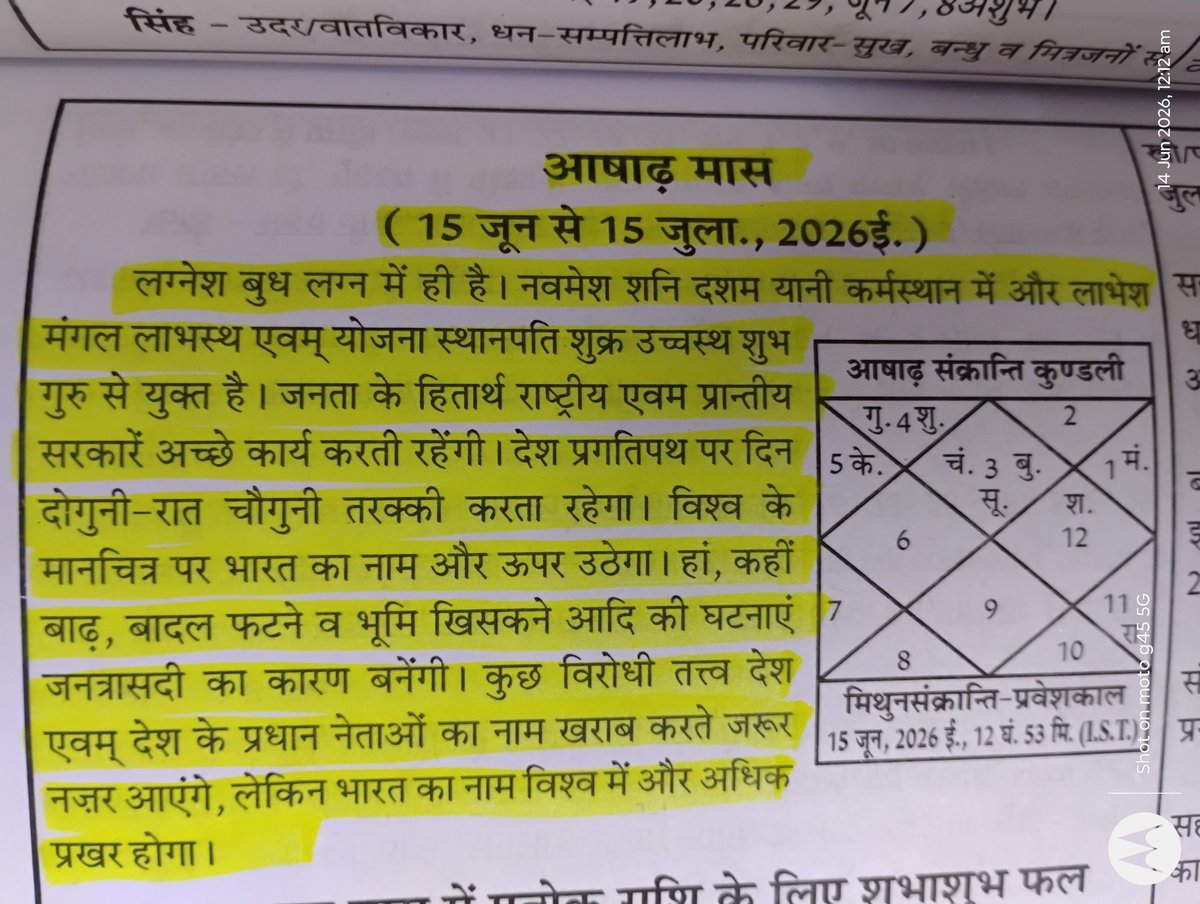
A traditional Vedic astrological forecast for Aashadh Maas (15 June–15 July 2026) suggests a broadly positive phase for India. Strong planetary combinations indicate effective governance, welfare-oriented policies, and enhanced global recognition for the nation. India may continue to strengthen its international standing while remaining alert on national security matters.
The period also carries cautionary signals. Certain regions could witness heavy rainfall, storms, cloudbursts, and natural calamities. Political controversies or developments involving prominent leaders may attract public attention. Despite these challenges, the overall outlook remains optimistic, with India's reputation, influence, and prestige expected to grow on the world stage.
#India #IndianEconomy #IndiaRising #NewIndia #AatmanirbharBharat #ViksitBharat #IndianPolitics #Governance #GlobalIndia #Geopolitics #EconomicGrowth #Infrastructure #Development #Leadership #PublicPolicy #NationalSecurity #Monsoon2026 #ClimateWatch #WeatherAlert #DisasterManagement #EmergingMarkets #StockMarketIndia #Bharat #TrendingNow #IndiaFirst
18