
Joined July 2016
- Tweets 1,576
- Following 870
- Followers 330
- Likes 17,830
849 Photos and videos


Pinned Tweet

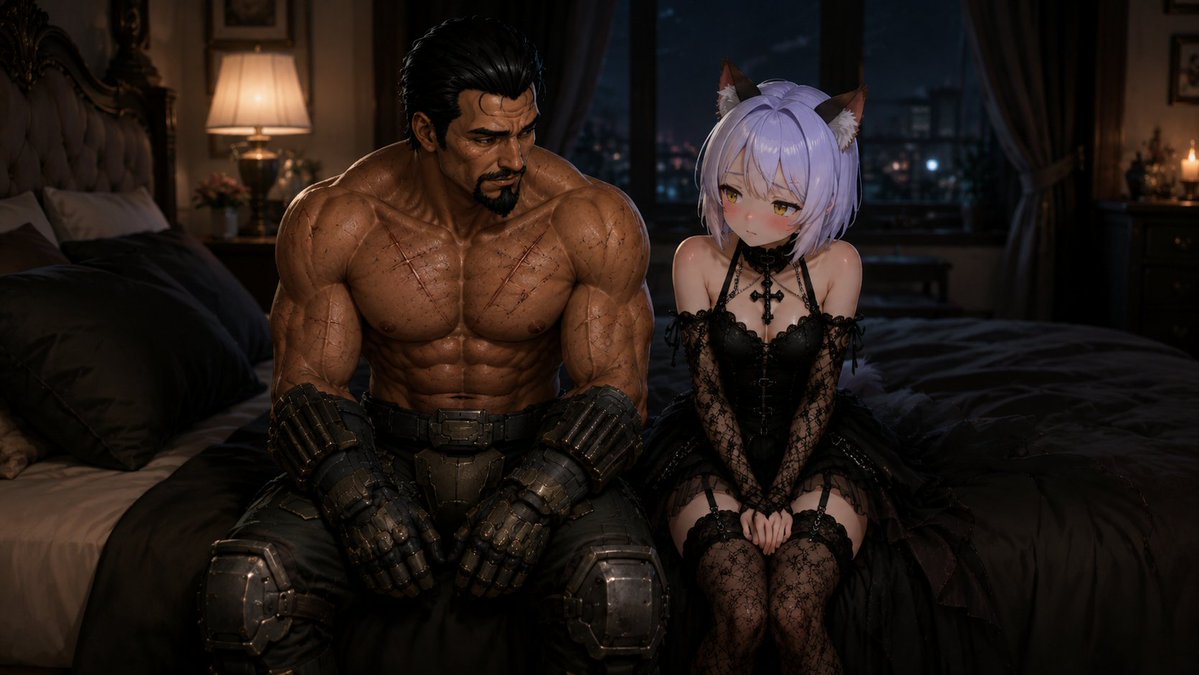
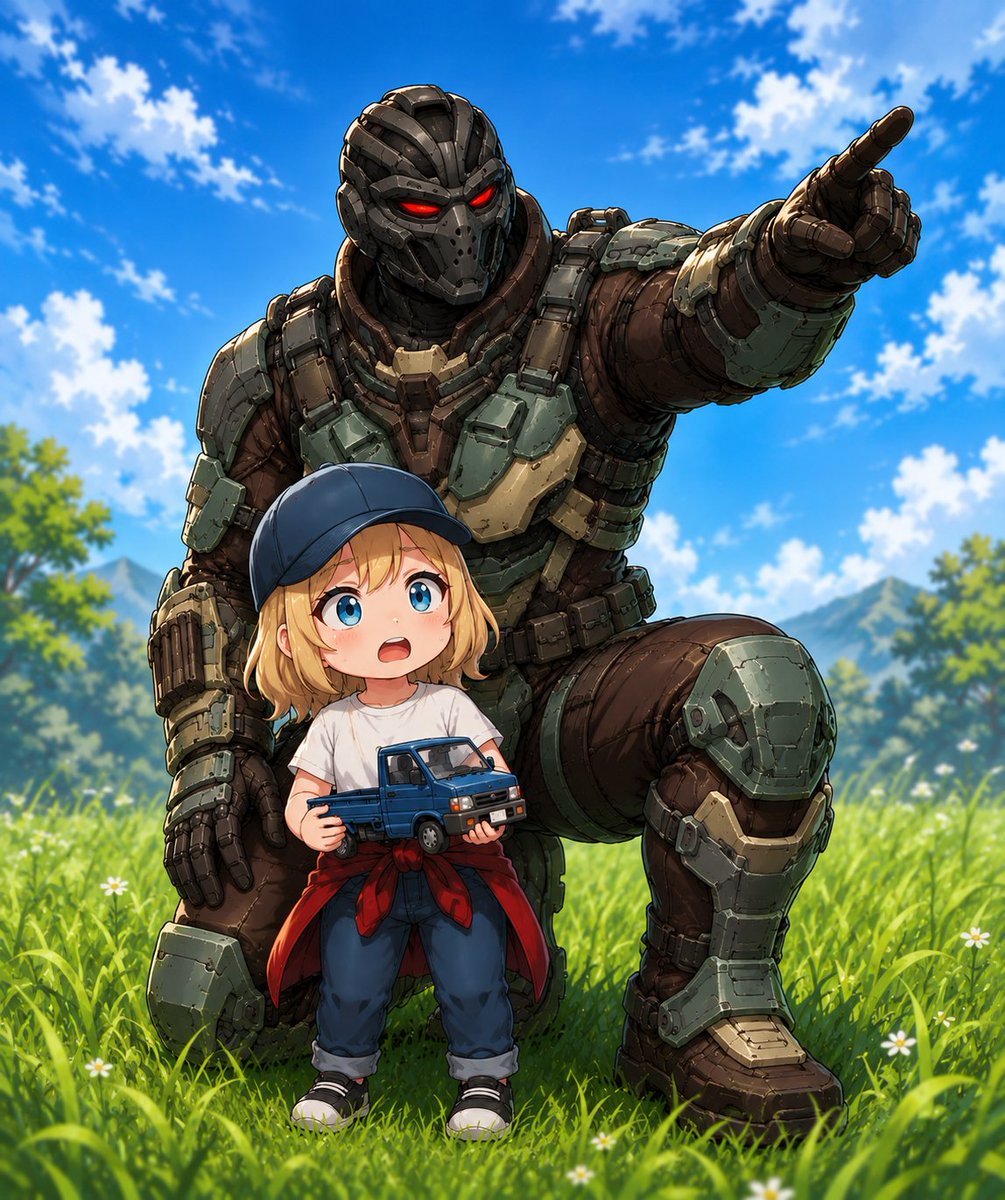
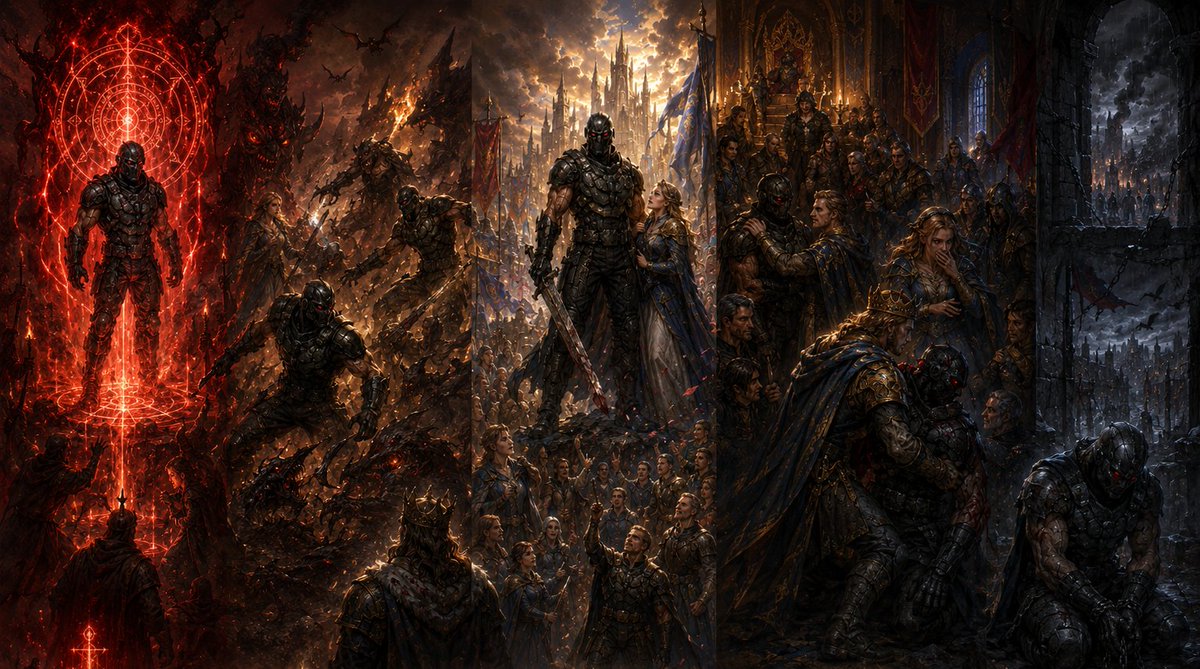
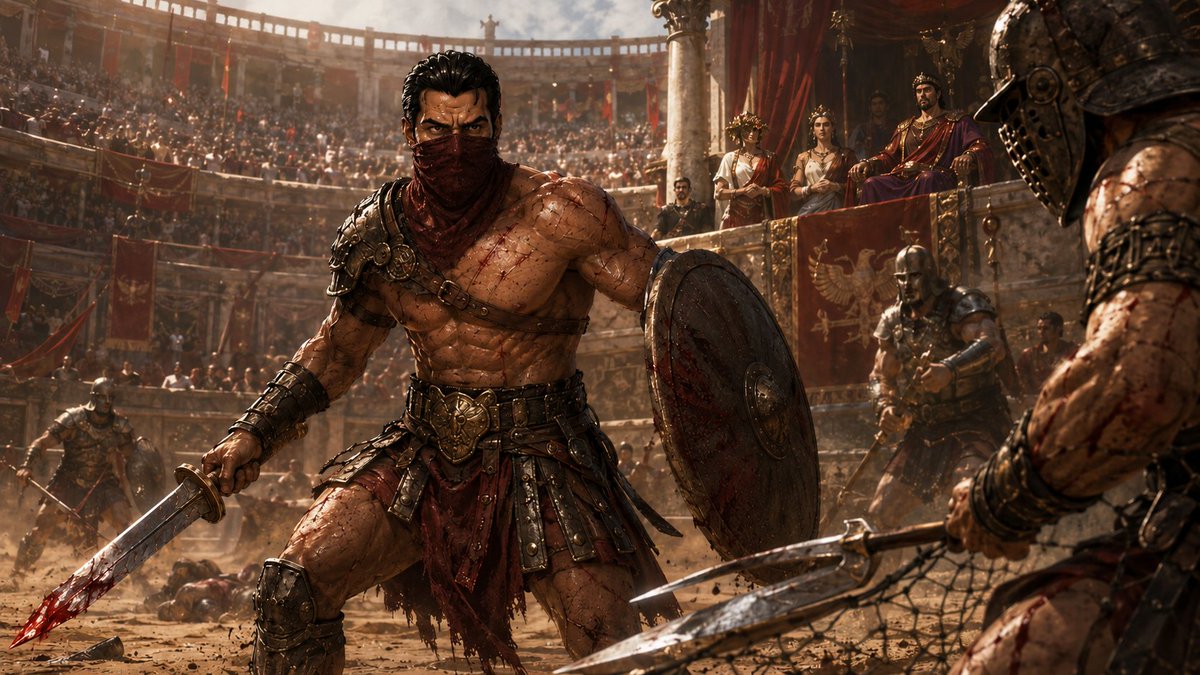
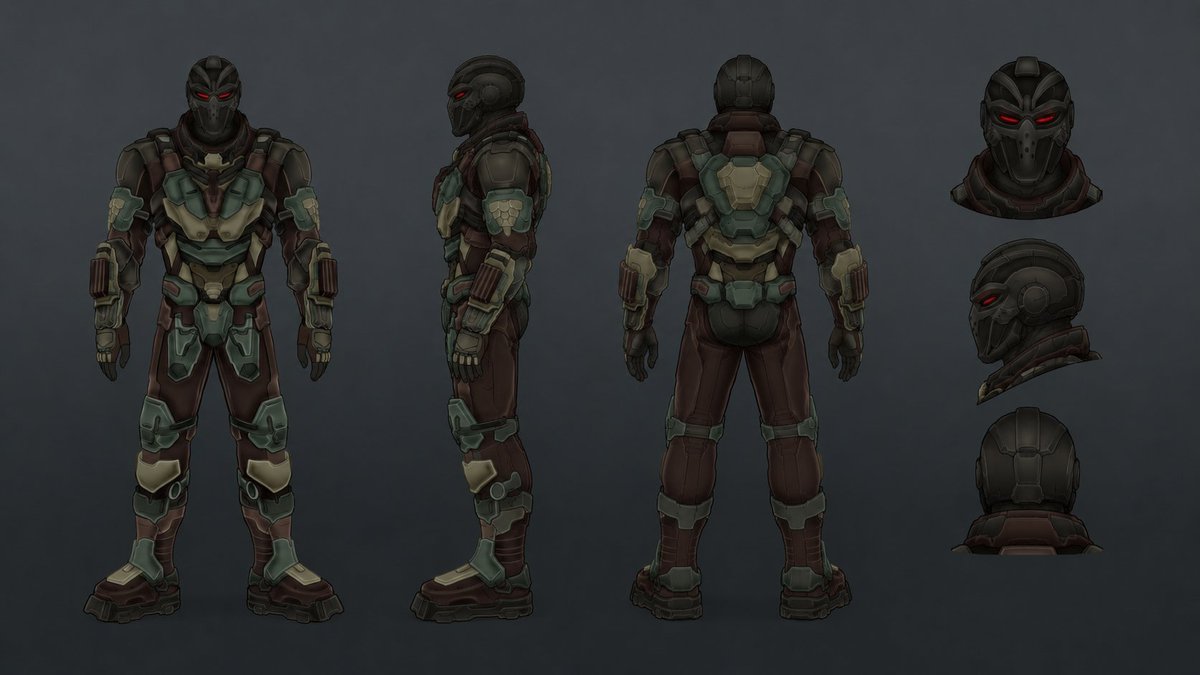
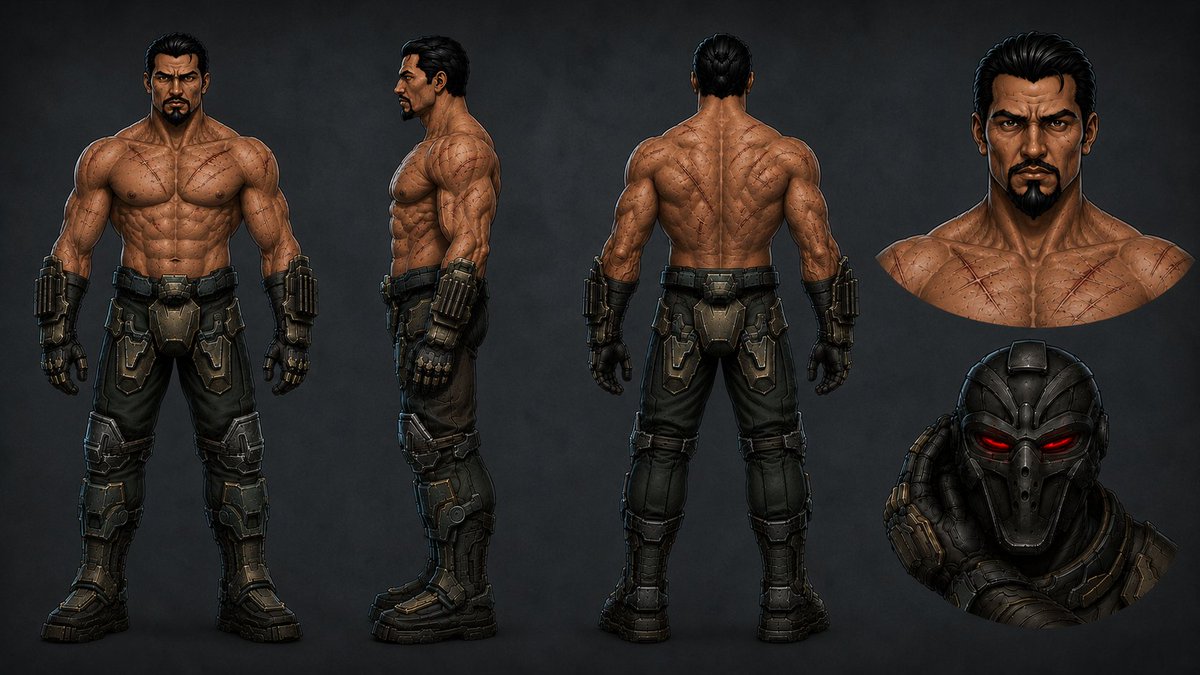
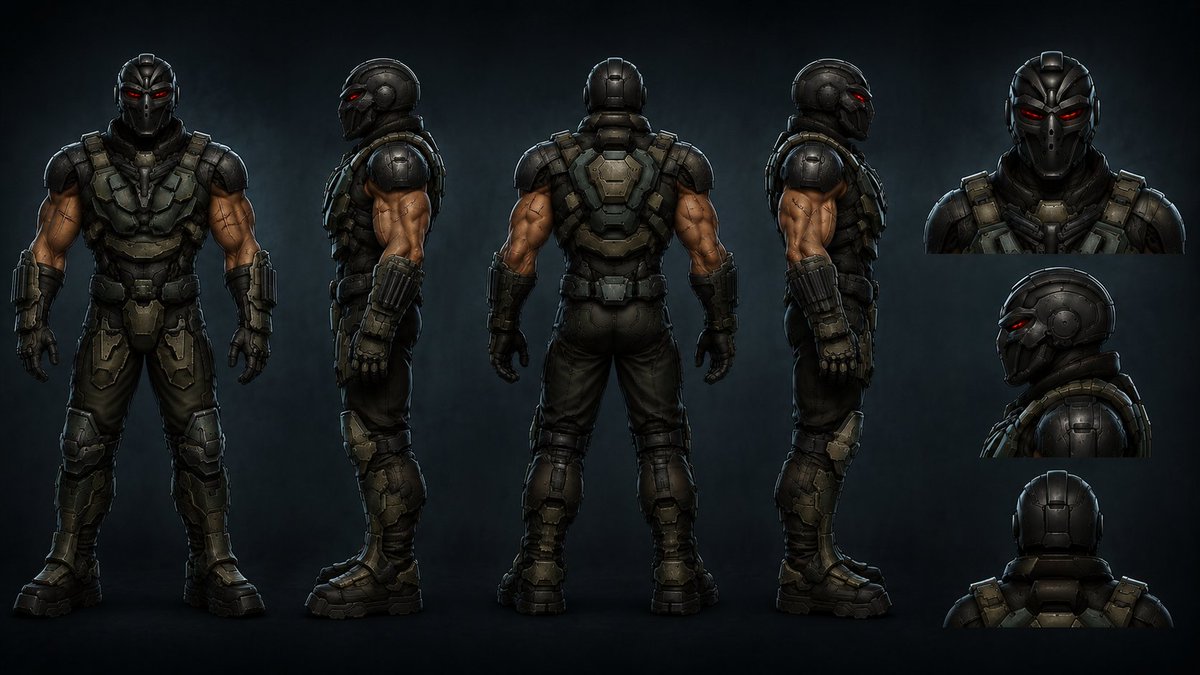
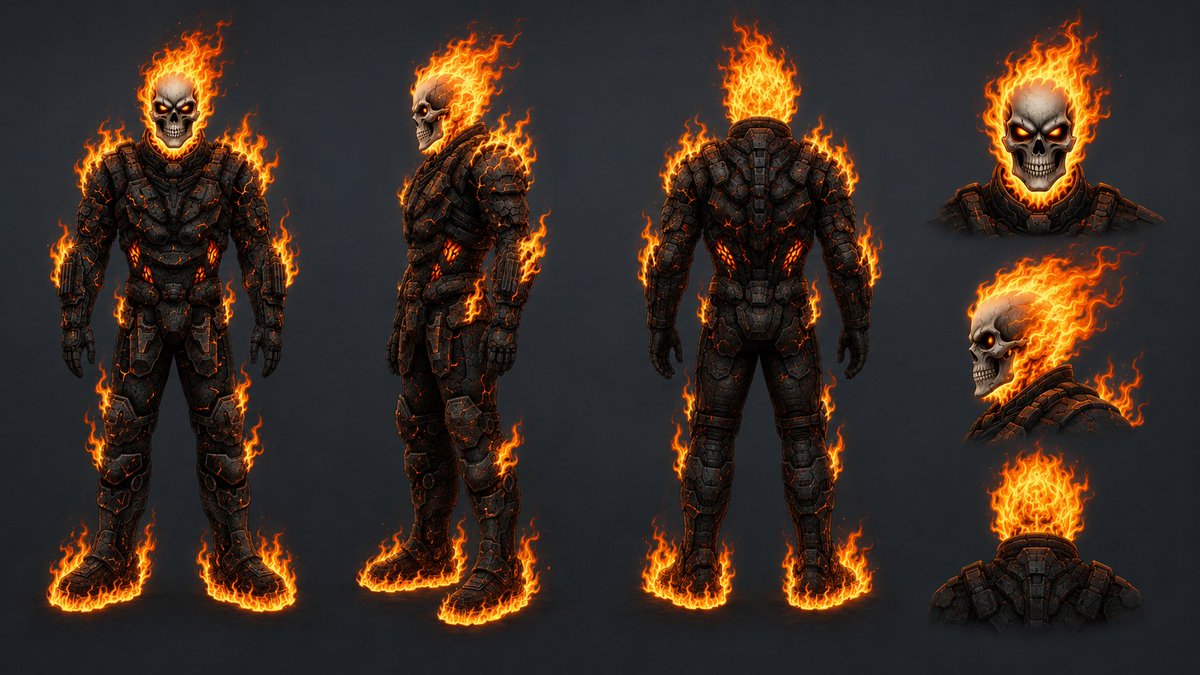
🟢Ill Put this My (Skulltion) Model Character front page or Pin. enjoying for Prompt image👍🟢
9
133
GreatSkulltion ✝️ ❤️🩹🔥 💀 retweeted

3h
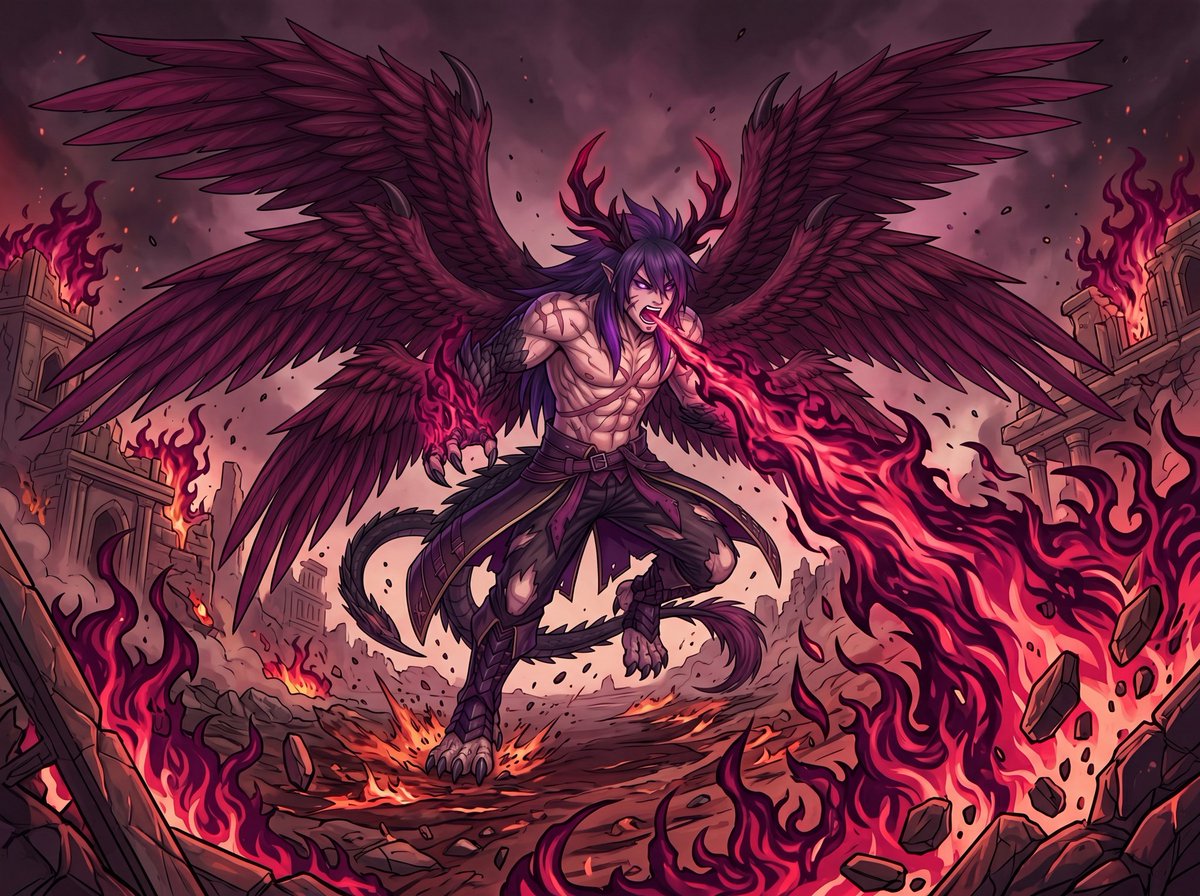
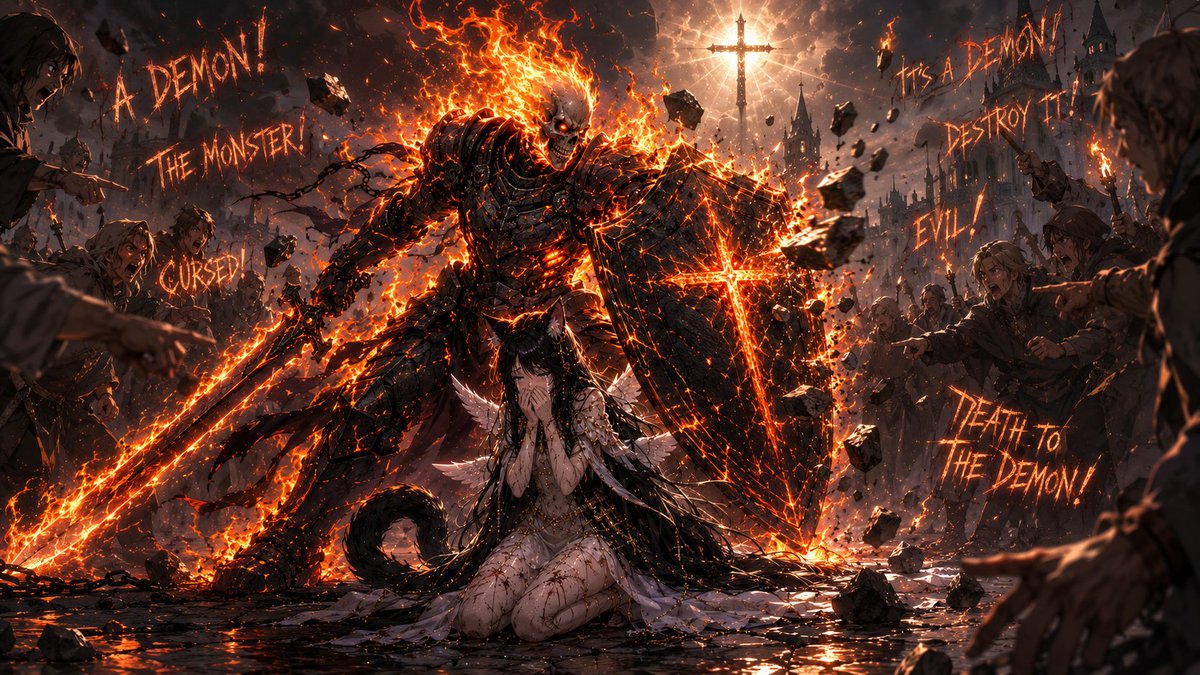
My rage can no longer be contained, the nightmare has dug deep in my soul. Driven by the flames of darkness, life will perish. I warned people that they will get hurt, I warned you that I'm a monster. I'm the threat people shun and fear. No one survives the nightmare....
#CreativeAIArt #AIアート #アニメイラスト #デジタルアート #オリジナルキャラクター #ファンアート #AnimeArt #PixAI #digitalartwork #GenAI #AIArt #AIGenerated #AIArtist #AIArtCommunity #AIGeneratedArt #AIArtworkCreativeAIArt #AIアート #アニメイラスト #デジタルアート #オリジナルキャラクター #ファンアート #AnimeArt #PixAI #digitalartwork #GenAI #AIArt #AIGenerated #AIArtist #AIArtCommunity #AIGeneratedArt #AIArtwork
1
2
36
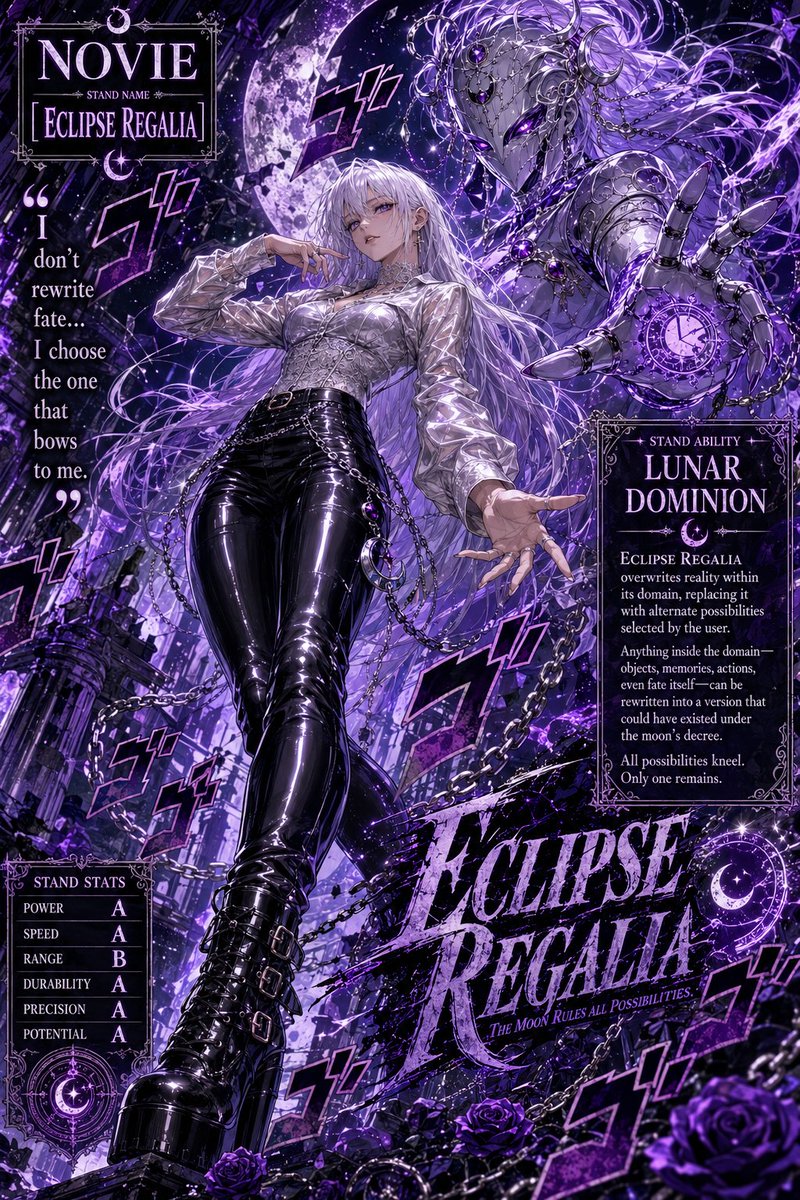
🔥❤️🔥

5
29
GreatSkulltion ✝️ ❤️🩹🔥 💀 retweeted
8h
#CreativeAIArt #AIアート #アニメイラスト #デジタルアート #オリジナルキャラクター #ファンアート #AnimeArt #PixAI #digitalartwork #GenAI #AIArt #AIGenerated #AIArtist #AIArtCommunity #AIGeneratedArt #AIArtworkCreativeAIArt #AIアート #アニメイラスト #デジタルアート #オリジナルキャラクター #ファンアート #AnimeArt #PixAI #digitalartwork #GenAI #AIArt #AIGenerated #AIArtist #AIArtCommunity #AIGeneratedArt #AIArtwork
10h

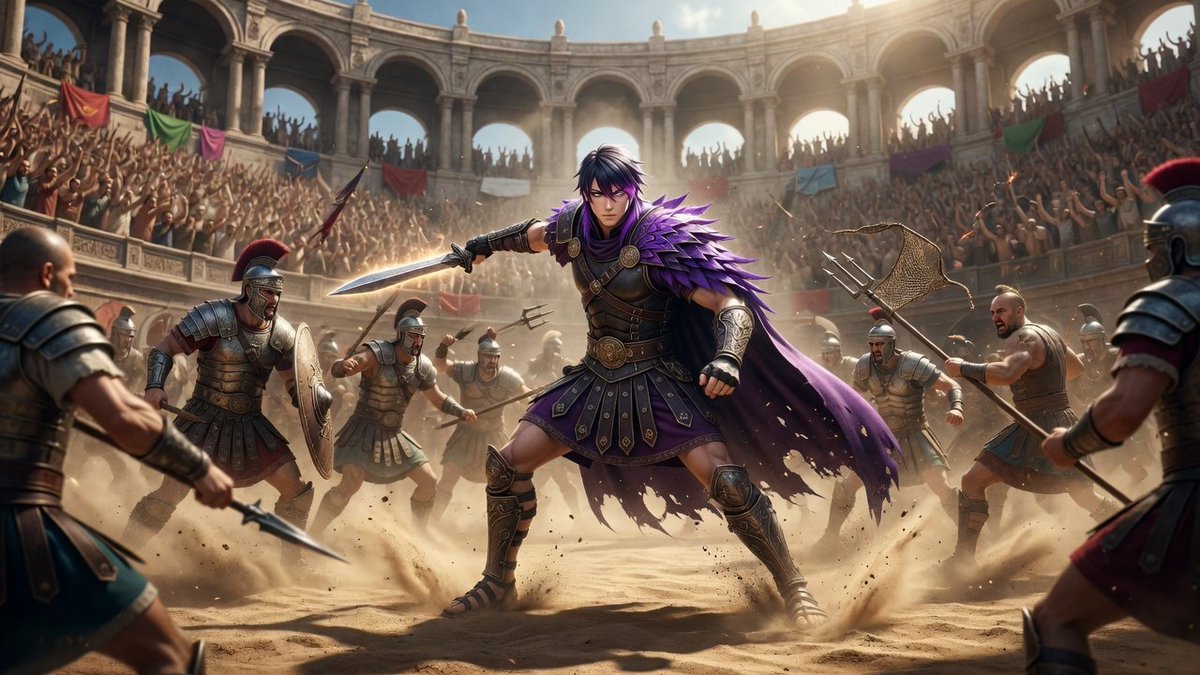
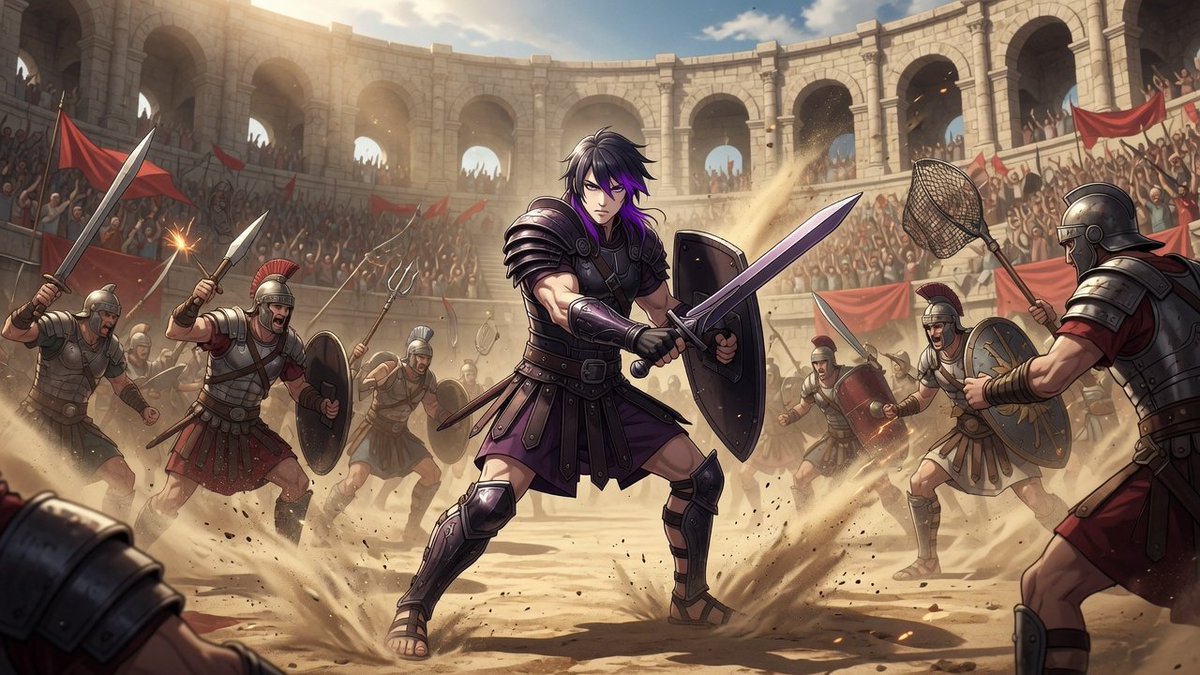
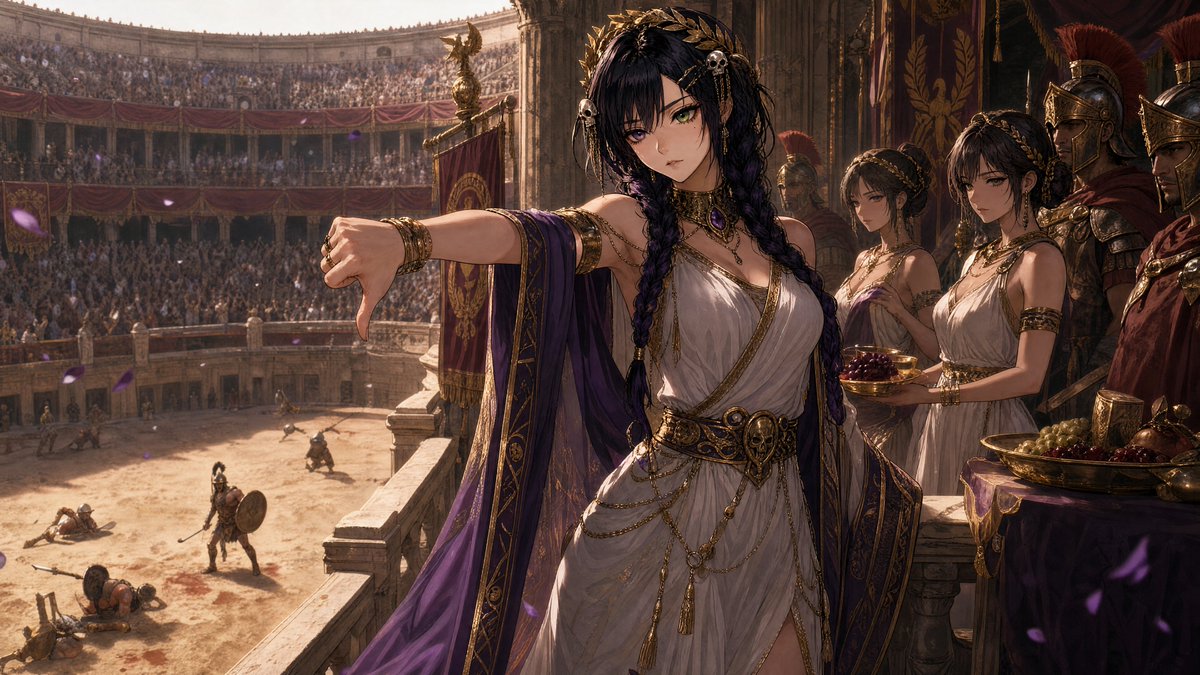
Prompt of the Day: ANCIENT ROME CHARACTER TRANSFORMATION 🏛️⚔️👑💜💚
Today’s Prompt of the Day transforms your character reference image into an original Ancient Rome scene — from imperial throne rooms and empress courts to arena battles, chariot races, senate drama, temple rituals, and victory processions.
Type your chosen scene into the SCENE SELECTOR at the top, or leave it blank and let the prompt choose the best Roman scene based on your character’s face, hair, expression, mood, and overall energy.
Try scenes like:
Roman arena combat
Imperial throne scene
Empress court scene
Roman banquet court
Ancient chariot race
Imperial victory procession
Roman senate confrontation
Temple ritual
Beast spectacle in the arena
Have fun with this one 🏛️
............................PROMPT STARTS HERE............................
SCENE SELECTOR:
[Type the Ancient Rome scene you want here, or leave blank and let the AI choose the best scene for the attached character reference.]
Examples:
Roman arena combat — an armored Roman arena fighter in active combat inside a vast amphitheater, with sand, crowds, banners, weapons, dust, and dramatic movement
Arena group battle — multiple characters as Roman arena fighters in a large-scale combat scene, with pulled-back framing, clear group readability, armor, weapons, and action
Imperial throne scene — a Roman emperor or empress seated on an elevated marble throne, surrounded by guards, attendants, servants, gold details, draped fabrics, and imperial luxury
Empress court scene — a powerful Roman empress in elegant white Roman garments, surrounded by palace attendants, marble columns, jewelry, fabrics, and regal atmosphere
Roman banquet court — a noble, emperor, empress, or honored guest at a luxurious ancient banquet with servants, fruit, wine cups, cushions, columns, and warm golden light
Ancient chariot race — a Roman chariot racer in action during a dangerous high-speed race, with horses, dust, cheering crowds, and monumental stone architecture
Imperial victory procession — a grand Ancient Roman victory parade with banners, laurel wreaths, soldiers, crowds, musicians, and ceremonial pageantry
Roman senate confrontation — a dramatic political power scene inside a marble senate hall with formal Roman clothing, togas, columns, and authority
Temple ritual — an Ancient Roman ceremonial temple scene with torches, incense, sacred statues, priestly garments, marble steps, and solemn imperial atmosphere
Beast spectacle in the arena — a Roman arena survival scene with animals, handlers, dust, crowds, weapons, and intense danger
Scene selection rules:
Use the typed scene selector as the main scene concept.
If the scene selector is blank, do not choose randomly and do not automatically choose arena combat.
Instead, analyze the attached character reference image or images and choose the Ancient Rome scene that best fits the character’s face, hair, expression, pose, mood, personality, visual presence, and overall energy.
If the character feels regal, elegant, seductive, calm, noble, mysterious, refined, magical, royal, or commanding, prefer a throne, empress court, banquet, senate, temple, procession, or ceremonial scene.
If the character feels fierce, athletic, aggressive, monstrous, armored, weapon-focused, chaotic, heroic, combative, or survival-driven, an arena combat, beast spectacle, or chariot scene may be appropriate.
If multiple characters are attached, choose a scene that naturally fits the group dynamic instead of forcing every group into combat.
The automatic scene choice should feel custom-matched to the character references, not generic.
Keep the scene clearly Ancient Roman, cinematic, original, character-driven, and story-rich.
Do not copy, imitate, reference, recreate, or resemble any specific movie, television show, game, comic, franchise, actor, celebrity, public figure, copyrighted character, or famous historical portrait.
Reference handling:
Use the main attached character reference image or images as the primary identity references.
Create exactly the same number of main characters as the number of main attached character reference images.
Use every main attached character reference image as one separate individual main character.
Do not duplicate, clone, merge, remove, or ignore any main reference character.
Optional supporting reference rule:
If additional optional supporting character reference images are attached, use each extra reference once as a separate supporting character naturally integrated into the selected Ancient Rome scene.
Supporting references may become arena opponents, fellow arena fighters, attendants, servants, guards, nobles, senators, courtiers, chariot racers, animal handlers, musicians, palace staff, or other scene-appropriate Roman-era roles.
Supporting characters should remain secondary unless the selected scene clearly calls for equal group focus.
Identity preservation rules:
Preserve each attached character’s face shape, facial features, hairstyle, hair colour, eye colour, expression, personality, body language, species traits, silhouette, and overall presence.
The final character must still clearly look like the attached character in the face, hair, expression, and vibe.
Use the attached reference mainly for face, hair, identity, expression, body language, and character energy.
Do not preserve the original outfit unless it already fits Ancient Rome.
Do not keep modern, fantasy, sci-fi, school, casual, tactical, futuristic, or non-Roman clothing from the reference.
Do not redesign the face or hair into a different person.
Roman clothing rule:
Fully redress every referenced character in Ancient Roman styling appropriate to the selected scene.
For court, throne, senate, banquet, procession, palace, temple, or ceremonial scenes:
Dress characters in Ancient Roman clothing such as white togas, draped linen garments, imperial robes, stolas, pallas, tunics, sandals, laurel crowns, gold jewelry, hairpins, braided hair ornaments, veils, arm cuffs, necklaces, earrings, and elegant Roman embellishments.
Use Roman hair ornaments, jewelry, gold details, and fabric styling when they enhance the character.
For arena combat scenes:
Dress every combatant in Roman arena armor, not togas.
Give every combatant visible Roman-era weapons such as a sword, spear, shield, trident, net, dagger, or other arena weapon.
Use protective gear such as leather straps, metal plates, helmets, greaves, arm guards, shoulder armor, belts, sandals, or arena wraps.
The scene must show active combat, not a static pose.
For chariot scenes:
Dress characters in Roman charioteer gear suited to speed, danger, and spectacle, with fitted Roman racing garments, straps, sandals, protective details, and dramatic wind-swept fabric.
Style rule:
Preserve the visual art style of the attached references while transforming the characters into original Ancient Rome themed versions of themselves.
If the references are anime, keep them anime. If they are stylized, keep that stylization.
Do not turn the characters photorealistic unless specifically requested.
Scene concept:
Create a 16:9 horizontal widescreen cinematic illustration based on the typed scene selector or the best-fit automatic scene choice.
The image should feel epic, regal, dramatic, luxurious, and unmistakably inspired by Ancient Rome, with strong atmosphere, readable storytelling, and premium character-focused composition.
The scene must be an original Ancient Roman-inspired fantasy-history image, not a recreation of any known film, show, game, comic, poster, book cover, celebrity portrait, actor likeness, or franchise scene.
Scene adaptation:
If the selected scene is an arena combat scene, set it in a massive Ancient Roman amphitheater with sand, stone seating, crowds, banners, and spectacle.
Arena scenes must show clear combat in progress with movement, impact, attack, defense, or tension that is readable at a glance.
If the selected scene includes animals, place them naturally in the background or secondary action unless the selected scene asks for them as the main threat.
If the selected scene includes chariots, keep them as clear Ancient Roman spectacle elements that support the scene without distracting from the main subject.
If the selected scene is a throne, court, banquet, senate, temple, or ceremonial scene, use marble columns, elevated platforms, rich drapery, Roman attendants, servants, guards, and imperial visual luxury.
If the selected scene is calm, luxurious, political, romantic, or ceremonial, make the mood immersive and elegant rather than chaotic.
Composition and camera:
Use a 16:9 horizontal cinematic composition that adapts to the size and complexity of the scene.
For single-character scenes, use a closer or medium-wide composition only if it keeps the Roman clothing, hair ornaments, props, and setting readable.
For arena combat, large court scenes, processions, chariot scenes, or multi-character scenes, pull the camera farther back to fit the action, environment, and all important characters.
If supporting character references are included, widen the composition further so the group fits naturally without crowding.
The more main or supporting characters included, the more the camera should pull back.
Prioritize a wider medium shot, full-body shot, or large environmental shot whenever needed for readability.
Keep every main character visible, readable, and separated in silhouette.
Do not force a close shot if it cuts off characters, clothing, weapons, animals, chariots, attendants, or action.
Environment:
Build the environment around the selected scene.
Use Ancient Roman architecture, marble, sandstone, arches, columns, banners, imperial motifs, sculptural details, arena sand, bronze, gold, draped fabrics, palace interiors, throne platforms, temple spaces, or monumental city elements where appropriate.
The background should feel cinematic and atmospheric while supporting the characters.
Lighting and mood:
Use lighting that matches the selected scene.
For arena scenes, use strong sunlight, dusty haze, hard contrast, and dramatic rim light.
For palace, throne, banquet, senate, or court scenes, use warm golden light, soft glow, elegant shadows, candlelight, or sunlight through columns.
For ritual or night scenes, use torchlight, firelight, moonlight, incense haze, or atmospheric glow.
The mood should feel epic, regal, dramatic, and immersive.
Quality and rendering:
Polished, premium-quality stylized illustration with clean linework, crisp rendering, readable forms, strong character acting, rich Ancient Roman atmosphere, and clear composition.
Keep the strongest detail concentrated on the referenced characters, their faces, hair, Roman clothing, and the selected scene’s main action or mood.
Do not:
Do not ignore the SCENE SELECTOR.
Do not choose arena combat automatically for every character.
Do not choose randomly if the scene selector is blank.
Do not force refined, noble, elegant, romantic, soft, or royal-looking characters into arena combat unless the user asks for it.
Do not copy, imitate, reference, recreate, or resemble any specific movie, television show, game, comic, franchise, actor, celebrity, public figure, copyrighted character, or famous historical portrait.
Do not use the likeness of any real person.
Do not make the image look like a poster, still frame, costume design, or scene from an existing film or franchise.
Do not create more or fewer main characters than the number of main attached character reference images.
Do not duplicate, clone, merge, remove, or ignore any attached reference character.
Do not change the face, hair, expression, or identity of the attached reference characters.
Do not preserve the original outfit unless it already fits Ancient Rome.
Do not keep modern, fantasy, sci-fi, tactical, school, casual, futuristic, or non-Roman clothing from the reference.
Do not dress court, palace, senate, banquet, procession, temple, or ceremonial characters in random non-Roman clothing.
Do not put arena combat characters in togas instead of armor.
Do not make arena combat scenes into static posing scenes.
Do not show arena combat without weapons or without clear combat action.
Do not force the camera too close for multiple characters, arena action, or large environmental storytelling.
Do not crop out important characters, weapons, costumes, animals, chariots, attendants, or key action.
Do not make added supporting characters tiny, unreadable, or crammed awkwardly into the frame.
Do not make the background busier than the characters.
Do not make the composition crowded, flat, or hard to read.
Do not make the main subjects blurry, tiny, hidden, or unreadable.
Do not create messy anatomy, extra limbs, malformed hands, distorted faces, or muddy textures.
Do not use photorealism unless specifically requested.
Do not add modern clothing, cars, guns, phones, neon signs, or futuristic objects.
Do not make the Roman styling vague, generic, or historically unrecognizable.
Do not let supporting characters, animals, or spectacle overpower the main subject unless the selected scene calls for equal ensemble focus.
..............................END OF PROMPT..................................
#POTD #promptoftheday #AI #AiArt #Art #AnimeArt #AncientRome #RomanEmpire #RomanAesthetic #CharacterDesign #DigitalArt #AnimeStyle #CommunityPrompt
2
5
43
❤️🔥

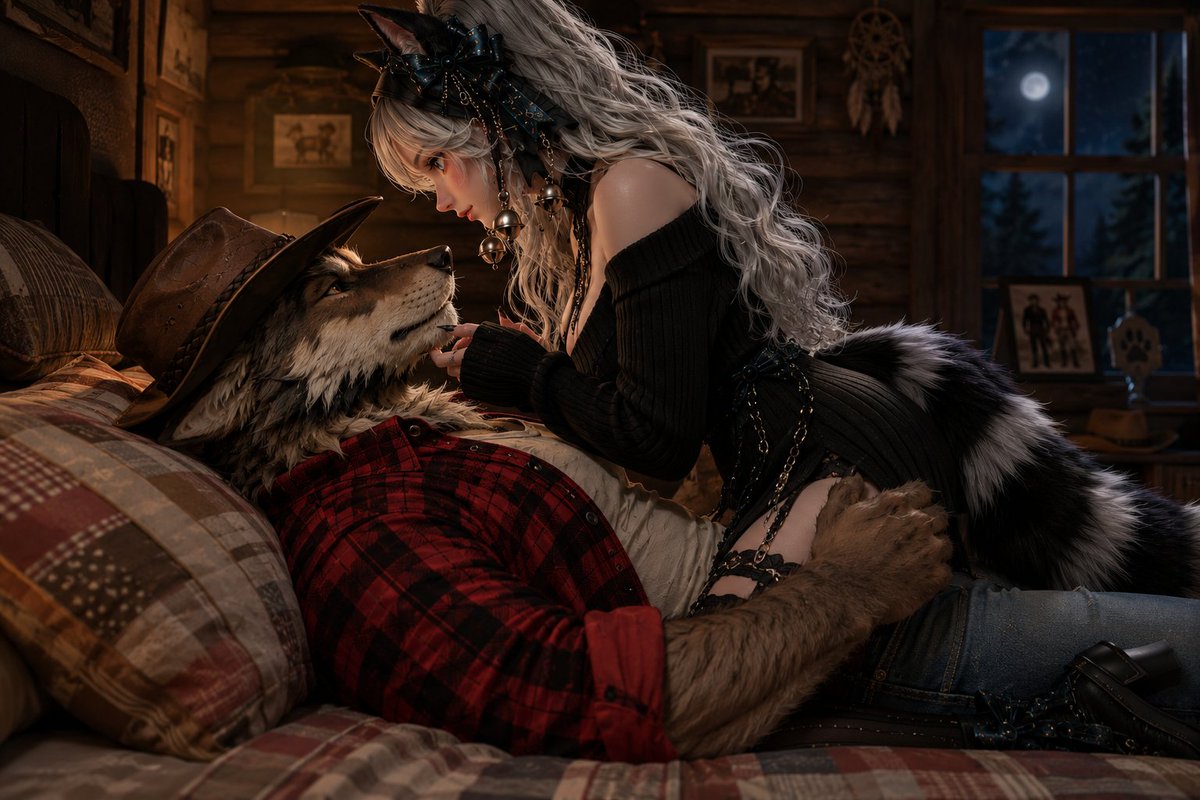
A fun little prompt for the lovers out there (or the weirdos looking for a laugh.
Prompt below in comments 👇
4
50
10h
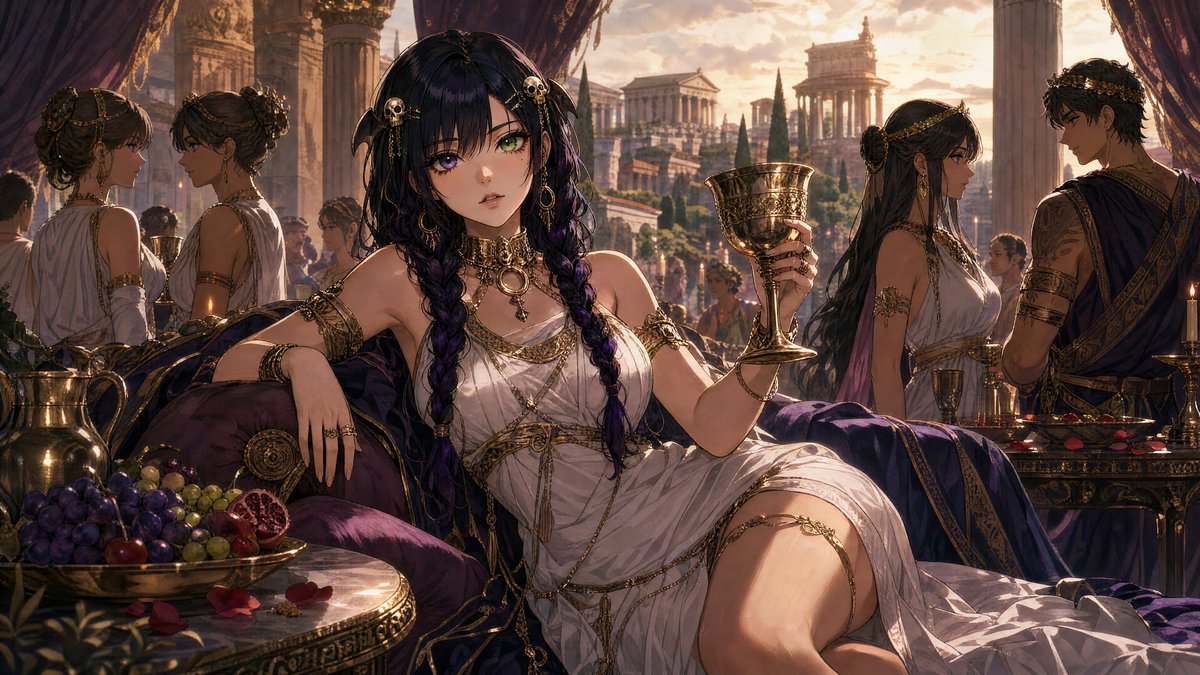
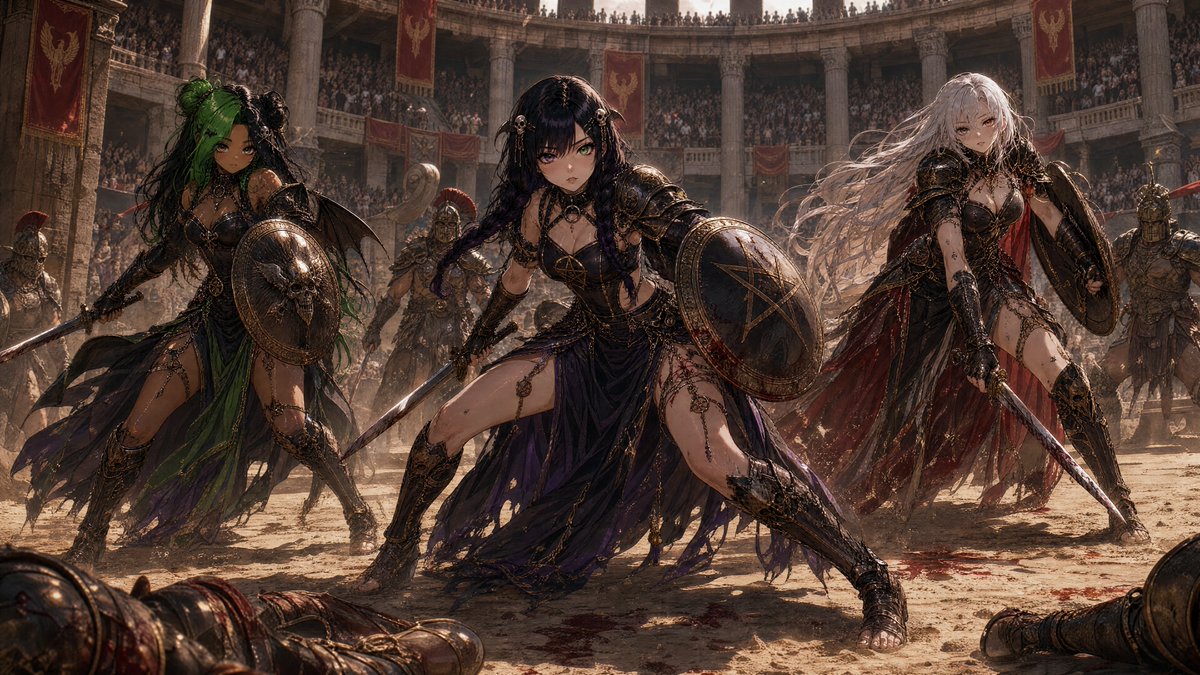
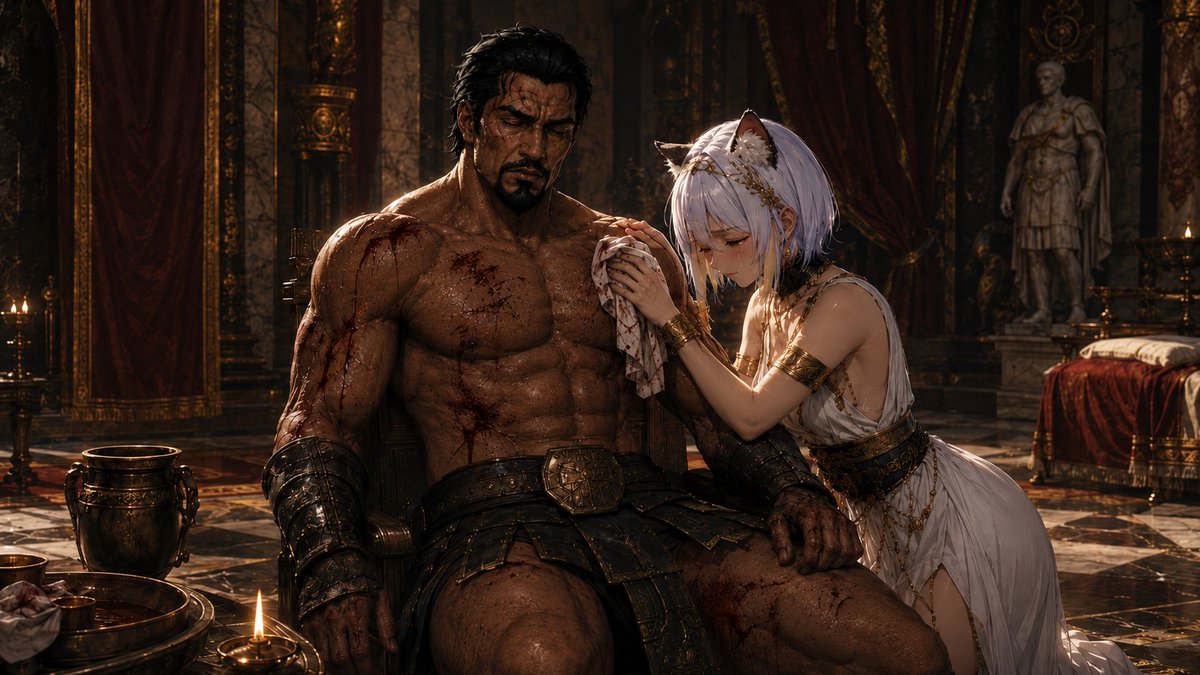
Prompt of the Day: ANCIENT ROME CHARACTER TRANSFORMATION 🏛️⚔️👑💜💚
Today’s Prompt of the Day transforms your character reference image into an original Ancient Rome scene — from imperial throne rooms and empress courts to arena battles, chariot races, senate drama, temple rituals, and victory processions.
Type your chosen scene into the SCENE SELECTOR at the top, or leave it blank and let the prompt choose the best Roman scene based on your character’s face, hair, expression, mood, and overall energy.
Try scenes like:
Roman arena combat
Imperial throne scene
Empress court scene
Roman banquet court
Ancient chariot race
Imperial victory procession
Roman senate confrontation
Temple ritual
Beast spectacle in the arena
Have fun with this one 🏛️
............................PROMPT STARTS HERE............................
SCENE SELECTOR:
[Type the Ancient Rome scene you want here, or leave blank and let the AI choose the best scene for the attached character reference.]
Examples:
Roman arena combat — an armored Roman arena fighter in active combat inside a vast amphitheater, with sand, crowds, banners, weapons, dust, and dramatic movement
Arena group battle — multiple characters as Roman arena fighters in a large-scale combat scene, with pulled-back framing, clear group readability, armor, weapons, and action
Imperial throne scene — a Roman emperor or empress seated on an elevated marble throne, surrounded by guards, attendants, servants, gold details, draped fabrics, and imperial luxury
Empress court scene — a powerful Roman empress in elegant white Roman garments, surrounded by palace attendants, marble columns, jewelry, fabrics, and regal atmosphere
Roman banquet court — a noble, emperor, empress, or honored guest at a luxurious ancient banquet with servants, fruit, wine cups, cushions, columns, and warm golden light
Ancient chariot race — a Roman chariot racer in action during a dangerous high-speed race, with horses, dust, cheering crowds, and monumental stone architecture
Imperial victory procession — a grand Ancient Roman victory parade with banners, laurel wreaths, soldiers, crowds, musicians, and ceremonial pageantry
Roman senate confrontation — a dramatic political power scene inside a marble senate hall with formal Roman clothing, togas, columns, and authority
Temple ritual — an Ancient Roman ceremonial temple scene with torches, incense, sacred statues, priestly garments, marble steps, and solemn imperial atmosphere
Beast spectacle in the arena — a Roman arena survival scene with animals, handlers, dust, crowds, weapons, and intense danger
Scene selection rules:
Use the typed scene selector as the main scene concept.
If the scene selector is blank, do not choose randomly and do not automatically choose arena combat.
Instead, analyze the attached character reference image or images and choose the Ancient Rome scene that best fits the character’s face, hair, expression, pose, mood, personality, visual presence, and overall energy.
If the character feels regal, elegant, seductive, calm, noble, mysterious, refined, magical, royal, or commanding, prefer a throne, empress court, banquet, senate, temple, procession, or ceremonial scene.
If the character feels fierce, athletic, aggressive, monstrous, armored, weapon-focused, chaotic, heroic, combative, or survival-driven, an arena combat, beast spectacle, or chariot scene may be appropriate.
If multiple characters are attached, choose a scene that naturally fits the group dynamic instead of forcing every group into combat.
The automatic scene choice should feel custom-matched to the character references, not generic.
Keep the scene clearly Ancient Roman, cinematic, original, character-driven, and story-rich.
Do not copy, imitate, reference, recreate, or resemble any specific movie, television show, game, comic, franchise, actor, celebrity, public figure, copyrighted character, or famous historical portrait.
Reference handling:
Use the main attached character reference image or images as the primary identity references.
Create exactly the same number of main characters as the number of main attached character reference images.
Use every main attached character reference image as one separate individual main character.
Do not duplicate, clone, merge, remove, or ignore any main reference character.
Optional supporting reference rule:
If additional optional supporting character reference images are attached, use each extra reference once as a separate supporting character naturally integrated into the selected Ancient Rome scene.
Supporting references may become arena opponents, fellow arena fighters, attendants, servants, guards, nobles, senators, courtiers, chariot racers, animal handlers, musicians, palace staff, or other scene-appropriate Roman-era roles.
Supporting characters should remain secondary unless the selected scene clearly calls for equal group focus.
Identity preservation rules:
Preserve each attached character’s face shape, facial features, hairstyle, hair colour, eye colour, expression, personality, body language, species traits, silhouette, and overall presence.
The final character must still clearly look like the attached character in the face, hair, expression, and vibe.
Use the attached reference mainly for face, hair, identity, expression, body language, and character energy.
Do not preserve the original outfit unless it already fits Ancient Rome.
Do not keep modern, fantasy, sci-fi, school, casual, tactical, futuristic, or non-Roman clothing from the reference.
Do not redesign the face or hair into a different person.
Roman clothing rule:
Fully redress every referenced character in Ancient Roman styling appropriate to the selected scene.
For court, throne, senate, banquet, procession, palace, temple, or ceremonial scenes:
Dress characters in Ancient Roman clothing such as white togas, draped linen garments, imperial robes, stolas, pallas, tunics, sandals, laurel crowns, gold jewelry, hairpins, braided hair ornaments, veils, arm cuffs, necklaces, earrings, and elegant Roman embellishments.
Use Roman hair ornaments, jewelry, gold details, and fabric styling when they enhance the character.
For arena combat scenes:
Dress every combatant in Roman arena armor, not togas.
Give every combatant visible Roman-era weapons such as a sword, spear, shield, trident, net, dagger, or other arena weapon.
Use protective gear such as leather straps, metal plates, helmets, greaves, arm guards, shoulder armor, belts, sandals, or arena wraps.
The scene must show active combat, not a static pose.
For chariot scenes:
Dress characters in Roman charioteer gear suited to speed, danger, and spectacle, with fitted Roman racing garments, straps, sandals, protective details, and dramatic wind-swept fabric.
Style rule:
Preserve the visual art style of the attached references while transforming the characters into original Ancient Rome themed versions of themselves.
If the references are anime, keep them anime. If they are stylized, keep that stylization.
Do not turn the characters photorealistic unless specifically requested.
Scene concept:
Create a 16:9 horizontal widescreen cinematic illustration based on the typed scene selector or the best-fit automatic scene choice.
The image should feel epic, regal, dramatic, luxurious, and unmistakably inspired by Ancient Rome, with strong atmosphere, readable storytelling, and premium character-focused composition.
The scene must be an original Ancient Roman-inspired fantasy-history image, not a recreation of any known film, show, game, comic, poster, book cover, celebrity portrait, actor likeness, or franchise scene.
Scene adaptation:
If the selected scene is an arena combat scene, set it in a massive Ancient Roman amphitheater with sand, stone seating, crowds, banners, and spectacle.
Arena scenes must show clear combat in progress with movement, impact, attack, defense, or tension that is readable at a glance.
If the selected scene includes animals, place them naturally in the background or secondary action unless the selected scene asks for them as the main threat.
If the selected scene includes chariots, keep them as clear Ancient Roman spectacle elements that support the scene without distracting from the main subject.
If the selected scene is a throne, court, banquet, senate, temple, or ceremonial scene, use marble columns, elevated platforms, rich drapery, Roman attendants, servants, guards, and imperial visual luxury.
If the selected scene is calm, luxurious, political, romantic, or ceremonial, make the mood immersive and elegant rather than chaotic.
Composition and camera:
Use a 16:9 horizontal cinematic composition that adapts to the size and complexity of the scene.
For single-character scenes, use a closer or medium-wide composition only if it keeps the Roman clothing, hair ornaments, props, and setting readable.
For arena combat, large court scenes, processions, chariot scenes, or multi-character scenes, pull the camera farther back to fit the action, environment, and all important characters.
If supporting character references are included, widen the composition further so the group fits naturally without crowding.
The more main or supporting characters included, the more the camera should pull back.
Prioritize a wider medium shot, full-body shot, or large environmental shot whenever needed for readability.
Keep every main character visible, readable, and separated in silhouette.
Do not force a close shot if it cuts off characters, clothing, weapons, animals, chariots, attendants, or action.
Environment:
Build the environment around the selected scene.
Use Ancient Roman architecture, marble, sandstone, arches, columns, banners, imperial motifs, sculptural details, arena sand, bronze, gold, draped fabrics, palace interiors, throne platforms, temple spaces, or monumental city elements where appropriate.
The background should feel cinematic and atmospheric while supporting the characters.
Lighting and mood:
Use lighting that matches the selected scene.
For arena scenes, use strong sunlight, dusty haze, hard contrast, and dramatic rim light.
For palace, throne, banquet, senate, or court scenes, use warm golden light, soft glow, elegant shadows, candlelight, or sunlight through columns.
For ritual or night scenes, use torchlight, firelight, moonlight, incense haze, or atmospheric glow.
The mood should feel epic, regal, dramatic, and immersive.
Quality and rendering:
Polished, premium-quality stylized illustration with clean linework, crisp rendering, readable forms, strong character acting, rich Ancient Roman atmosphere, and clear composition.
Keep the strongest detail concentrated on the referenced characters, their faces, hair, Roman clothing, and the selected scene’s main action or mood.
Do not:
Do not ignore the SCENE SELECTOR.
Do not choose arena combat automatically for every character.
Do not choose randomly if the scene selector is blank.
Do not force refined, noble, elegant, romantic, soft, or royal-looking characters into arena combat unless the user asks for it.
Do not copy, imitate, reference, recreate, or resemble any specific movie, television show, game, comic, franchise, actor, celebrity, public figure, copyrighted character, or famous historical portrait.
Do not use the likeness of any real person.
Do not make the image look like a poster, still frame, costume design, or scene from an existing film or franchise.
Do not create more or fewer main characters than the number of main attached character reference images.
Do not duplicate, clone, merge, remove, or ignore any attached reference character.
Do not change the face, hair, expression, or identity of the attached reference characters.
Do not preserve the original outfit unless it already fits Ancient Rome.
Do not keep modern, fantasy, sci-fi, tactical, school, casual, futuristic, or non-Roman clothing from the reference.
Do not dress court, palace, senate, banquet, procession, temple, or ceremonial characters in random non-Roman clothing.
Do not put arena combat characters in togas instead of armor.
Do not make arena combat scenes into static posing scenes.
Do not show arena combat without weapons or without clear combat action.
Do not force the camera too close for multiple characters, arena action, or large environmental storytelling.
Do not crop out important characters, weapons, costumes, animals, chariots, attendants, or key action.
Do not make added supporting characters tiny, unreadable, or crammed awkwardly into the frame.
Do not make the background busier than the characters.
Do not make the composition crowded, flat, or hard to read.
Do not make the main subjects blurry, tiny, hidden, or unreadable.
Do not create messy anatomy, extra limbs, malformed hands, distorted faces, or muddy textures.
Do not use photorealism unless specifically requested.
Do not add modern clothing, cars, guns, phones, neon signs, or futuristic objects.
Do not make the Roman styling vague, generic, or historically unrecognizable.
Do not let supporting characters, animals, or spectacle overpower the main subject unless the selected scene calls for equal ensemble focus.
..............................END OF PROMPT..................................
#POTD #promptoftheday #AI #AiArt #Art #AnimeArt #AncientRome #RomanEmpire #RomanAesthetic #CharacterDesign #DigitalArt #AnimeStyle #CommunityPrompt
4
16
🔥❤️🔥
Jun 12
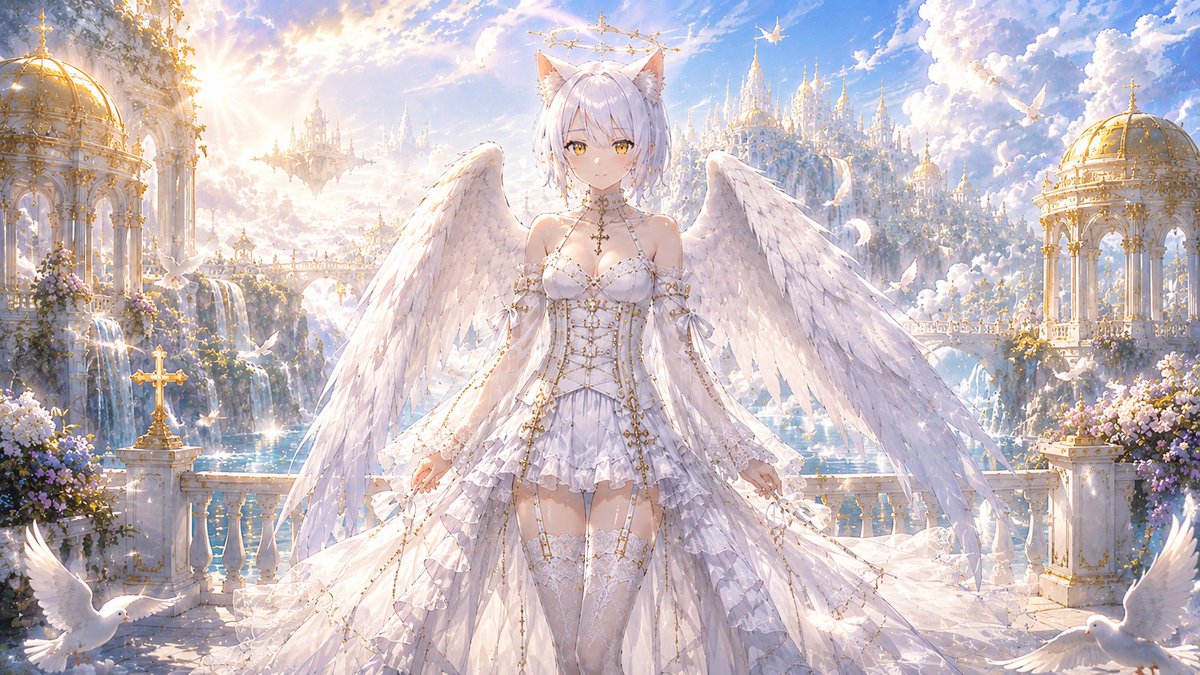
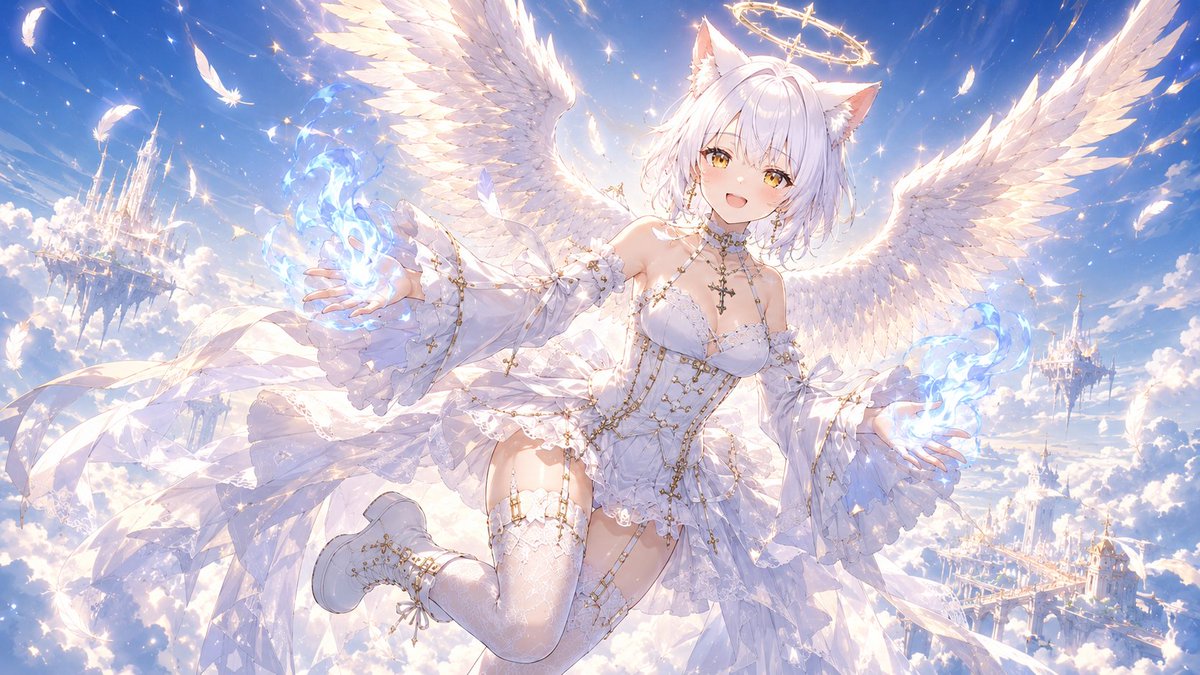
Prompt of the Day: MAIN CHARACTER FUSION 🧬✨💜💚
Today’s Prompt of the Day lets you transform a main character, creature, object, or subject using the visual influence of any extra images you attach.
Use your character as Image 1 if you want to preserve their look and create a result similar to the example.
If you use your character as Image 2, they’ll be fused into whatever subject you place in Image 1.
Image 1 = main subject
Image 2 = influence references
Have fun mutating the pretty little thing 🧬
............................PROMPT STARTS HERE............................
@Image1 = Main Subject
@Image2 and any additional attached images = Secondary Influence References
Use @Image1 as the absolute main subject reference.
Use @Image2 and any additional attached images only as secondary influence references.
Create a single 16:9 horizontal widescreen stylized illustration showing one new final image based on @Image1.
Core concept:
Transform the main subject from @Image1 into a new original design influenced by the secondary reference images.
The final image should still be centered on the main subject from @Image1, but visually enhanced, reimagined, or transformed using color, texture, materials, atmosphere, motifs, accessories, clothing, background elements, symbolic details, or design language inspired by the secondary references.
Main subject priority:
@Image1 is the identity anchor.
The final image must clearly remain based on the main subject from @Image1.
Do not treat @Image2 or any additional images as equal subjects.
Do not create a balanced fusion where all images have the same importance.
The secondary images should influence the design, not replace the main subject.
If @Image1 is a person or character:
Preserve the main subject’s body proportions, face structure, hairstyle, silhouette, pose language, species traits, and overall identity as much as possible.
Do not heavily mutate, deform, or rebuild the body.
Keep the subject recognizably grounded in their original form.
Use the secondary references mainly for color influence, texture, outfit changes, accessories, armor, props, background, lighting, atmosphere, surface details, symbolic motifs, or stylistic embellishments.
The transformation should feel like the main character has been redesigned or styled through the influence of the other images, not biologically fused into an unrecognizable creature unless specifically requested.
If @Image1 is an object:
Preserve the object’s main shape language, structure, function, silhouette, material logic, and recognizable design foundation.
Use the secondary references to influence color, texture, surface design, decoration, environment, mood, material upgrades, symbolic motifs, or additional design embellishments.
Do not turn the object into something completely unrelated unless specifically requested.
If @Image1 is a creature or animal:
Preserve the creature’s core anatomy, species traits, silhouette, body proportions, posture, markings, and overall identity.
Use the secondary references to influence colors, textures, markings, environment, accessories, magical effects, armor, decorative elements, or atmosphere.
Do not mutate the creature so heavily that its original structure becomes unreadable unless specifically requested.
Secondary influence rules:
Use the secondary reference images as inspiration only.
They may influence:
color palette
textures and materials
patterns and markings
clothing or armor
accessories and props
background and setting
lighting and atmosphere
symbolic motifs
surface details
mood and visual personality
surreal or artistic embellishments
The secondary references must not appear as separate full subjects in the final image.
Do not place the secondary reference subjects beside the main subject.
Do not create a collage, split image, sticker stack, or side-by-side mashup.
Do not simply copy large pieces of the secondary images directly into the final image.
Instead, reinterpret their visual qualities into one cohesive design centered on @Image1.
Originality rule:
The final image should feel new, original, and artistically transformed.
It should not look like a direct copy of any secondary reference.
It should not preserve the secondary references as recognizable standalone subjects.
The secondary influence should be integrated naturally into the main subject’s design and scene.
Style and presentation:
Keep the result fully stylized and visually cohesive.
Preserve the general stylization of @Image1 where possible.
If @Image1 is anime or stylized, keep the result anime or stylized.
Do not drift into photorealism unless specifically requested.
Composition:
Show exactly one main subject based on @Image1.
Use a strong, readable single-image composition.
Keep the main subject large, central, clear, and visually dominant.
Use the secondary influences to support the main subject, not compete with it.
The final image should feel like a clean character/object/creature reveal, fashion redesign, artifact redesign, surreal portrait, or cinematic showcase depending on the source images.
Lighting and mood:
Use polished, dramatic lighting and atmosphere that fits the new design.
The mood may be cinematic, surreal, elegant, mysterious, powerful, beautiful, eerie, cute, strange, luxurious, or dreamlike depending on the influence references.
Keep the final subject readable and visually compelling.
Quality and rendering:
Polished, premium-quality stylized illustration with clean forms, strong composition, clear visual hierarchy, crisp rendering, and cohesive design integration.
Keep the strongest detail concentrated on the main subject from @Image1.
Do not:
Do not treat @Image2 or additional images as equal main subjects.
Do not create a balanced fusion where the main subject from @Image1 loses priority.
Do not show the secondary reference images as separate full subjects.
Do not place the secondary reference subjects beside the main subject.
Do not create a side-by-side mashup, split design, collage, or sticker-like combination.
Do not copy-paste recognizable chunks of the secondary images into the final image.
Do not mutate the main subject’s body proportions heavily if @Image1 is a person, character, creature, or animal.
Do not make the main subject unrecognizable unless specifically requested.
Do not replace the main subject with a new unrelated subject.
Do not make the design cluttered, confusing, or visually incoherent.
Do not hide the main subject under excessive effects, textures, armor, or background detail.
Do not create multiple main subjects.
Do not create messy anatomy, broken structure, extra limbs, malformed hands, distorted faces, or incoherent object construction.
Do not use photorealism unless specifically requested.
Do not reference copyrighted fusion techniques, named franchise transformations, or third-party branded concepts.
Final result:
A single original 16:9 stylized image where @Image1 remains the clear main subject, transformed and enhanced by the colors, textures, motifs, materials, atmosphere, clothing, accessories, background, and visual influence of the secondary reference images.
..............................END OF PROMPT..................................
#POTD #promptoftheday #AI #AiArt #Art #AnimeArt #CharacterDesign #ImagePrompt #FusionArt #AICommunity #DigitalArt #AnimeStyle #CreativePrompt
1
18
Jun 11

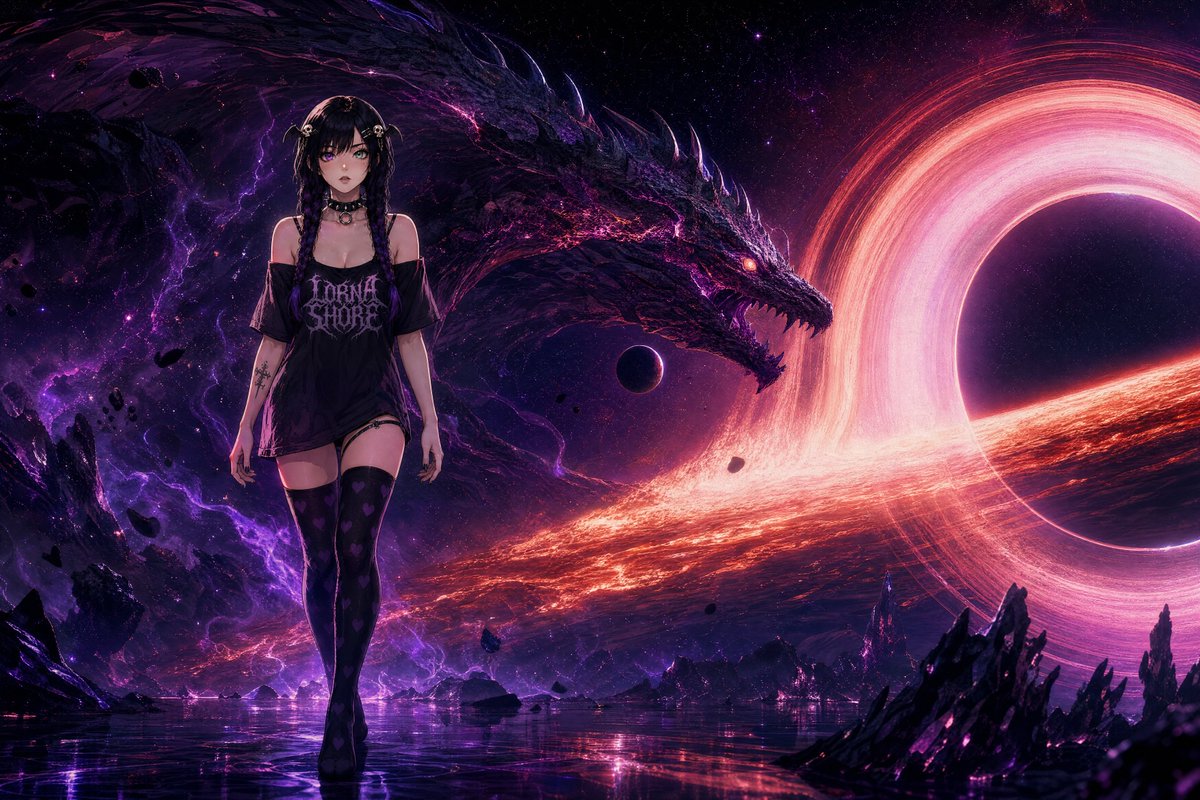
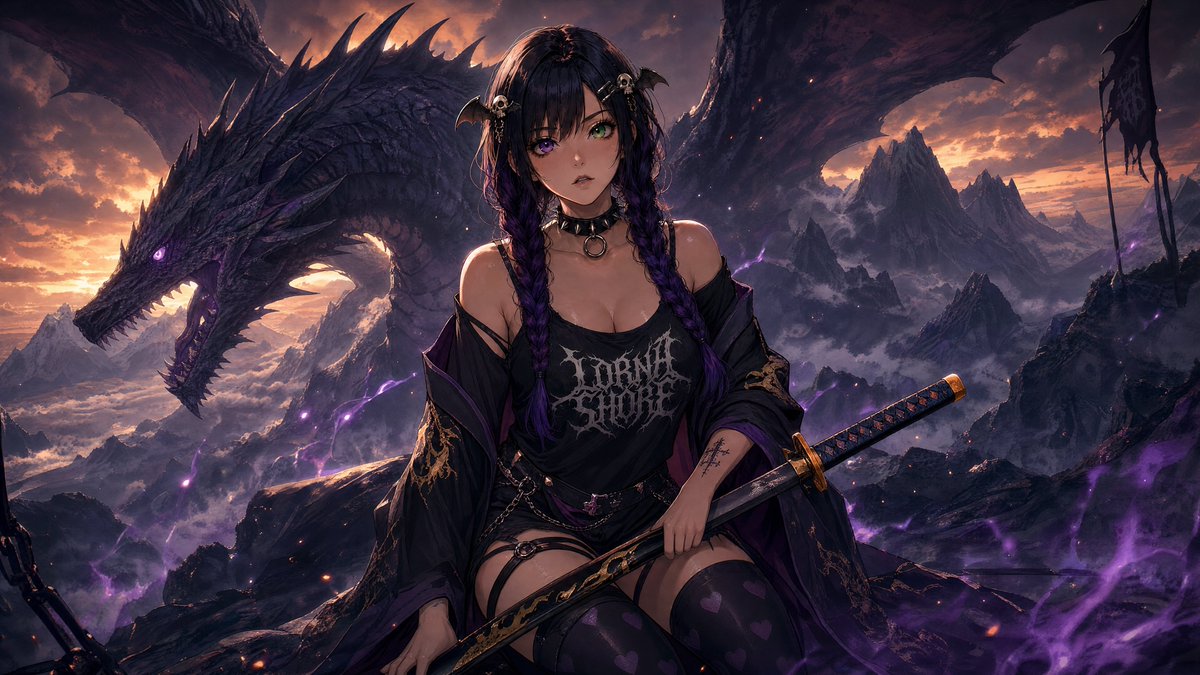
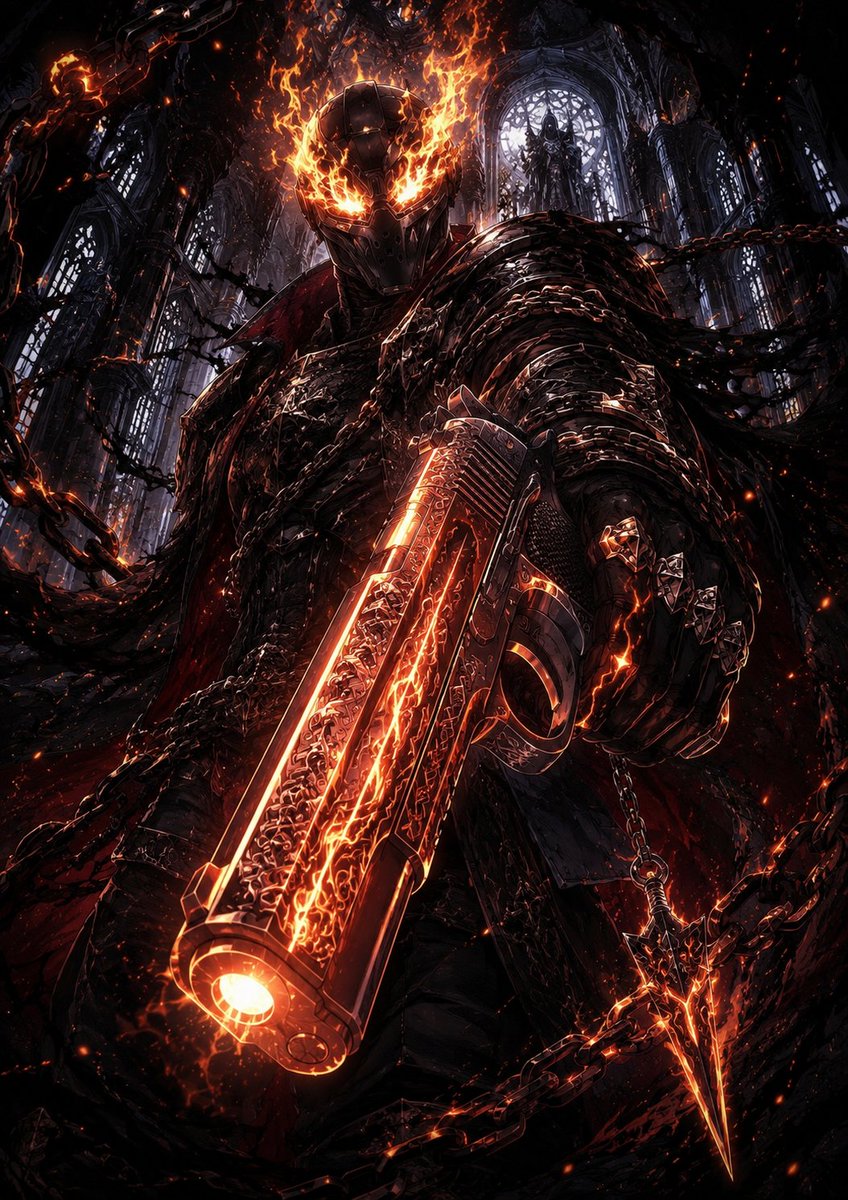
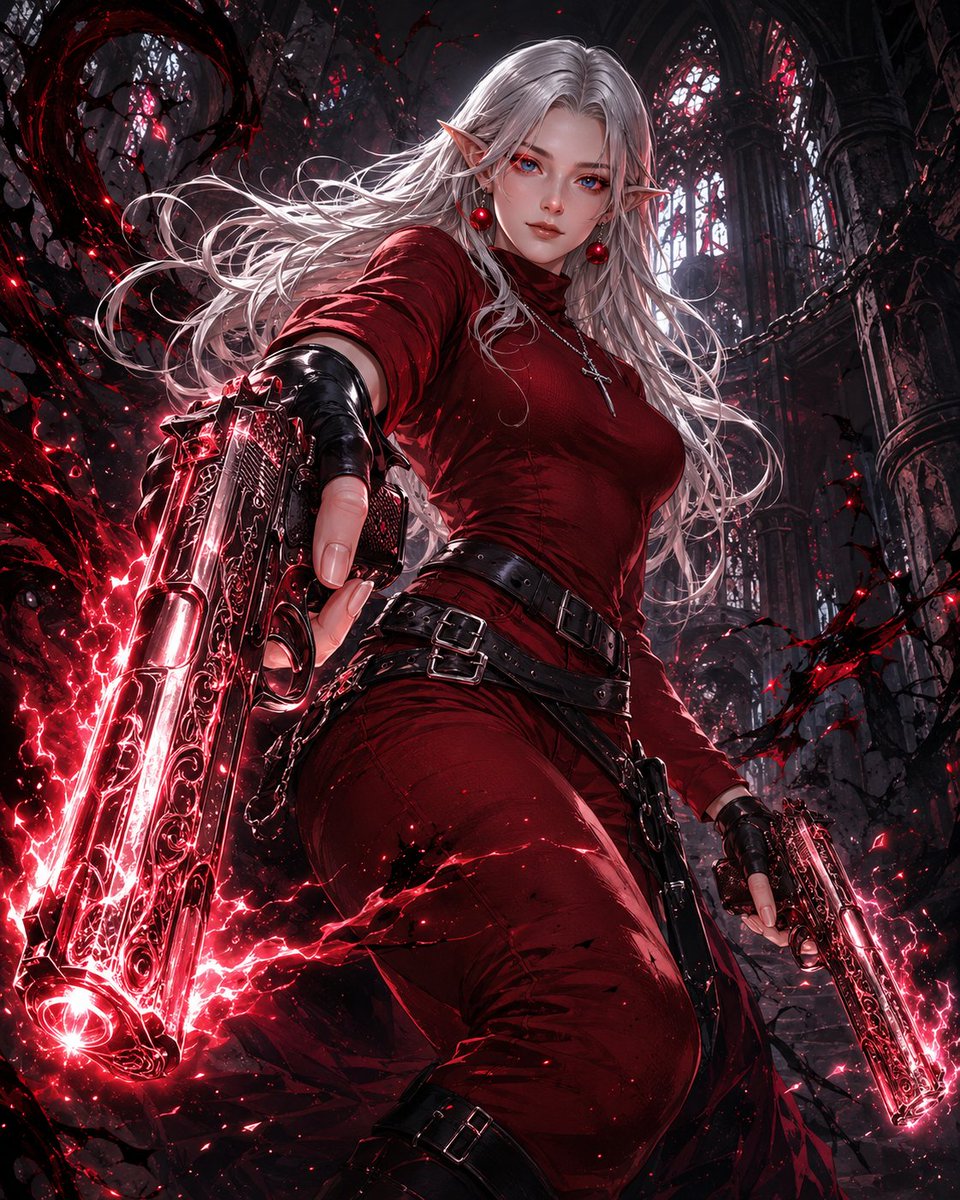
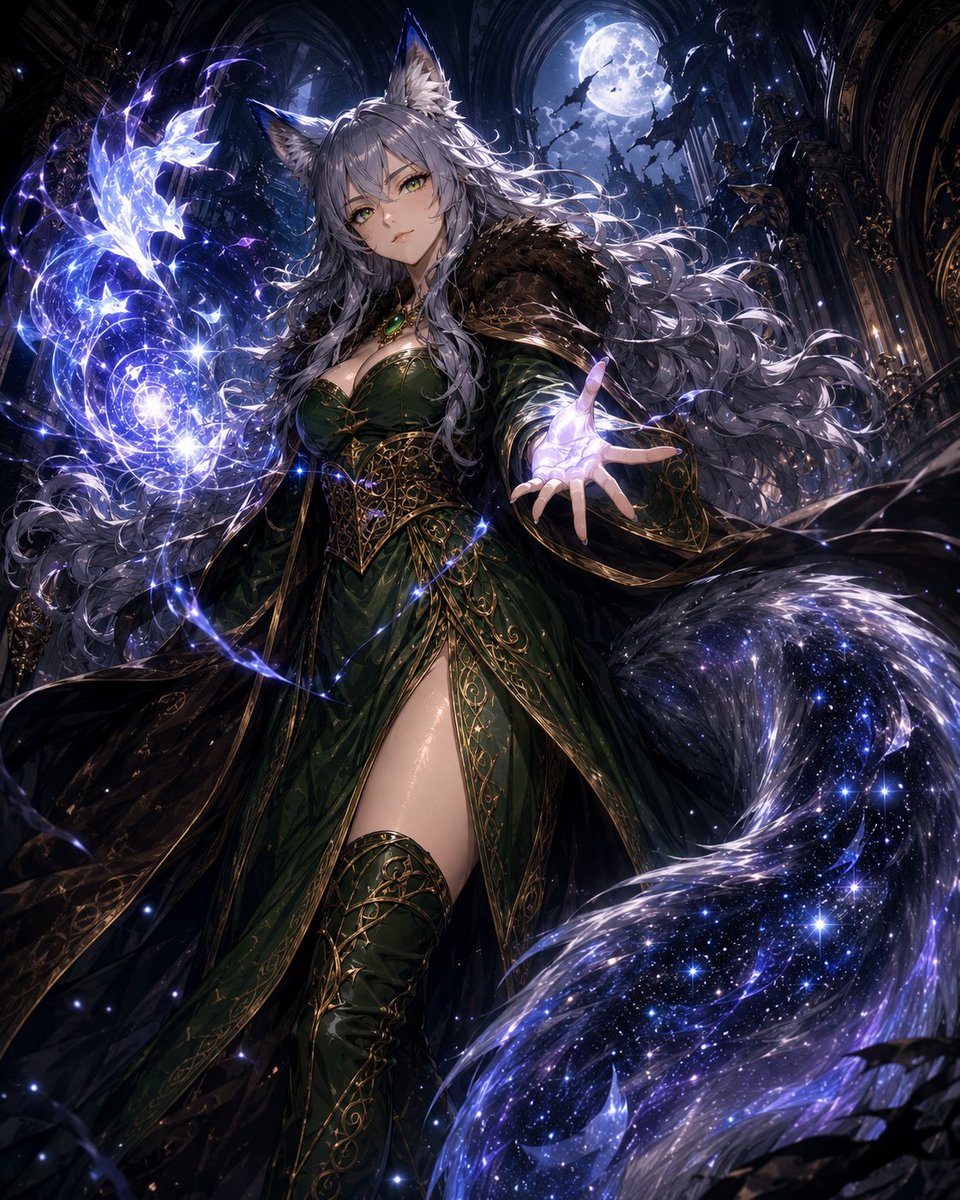
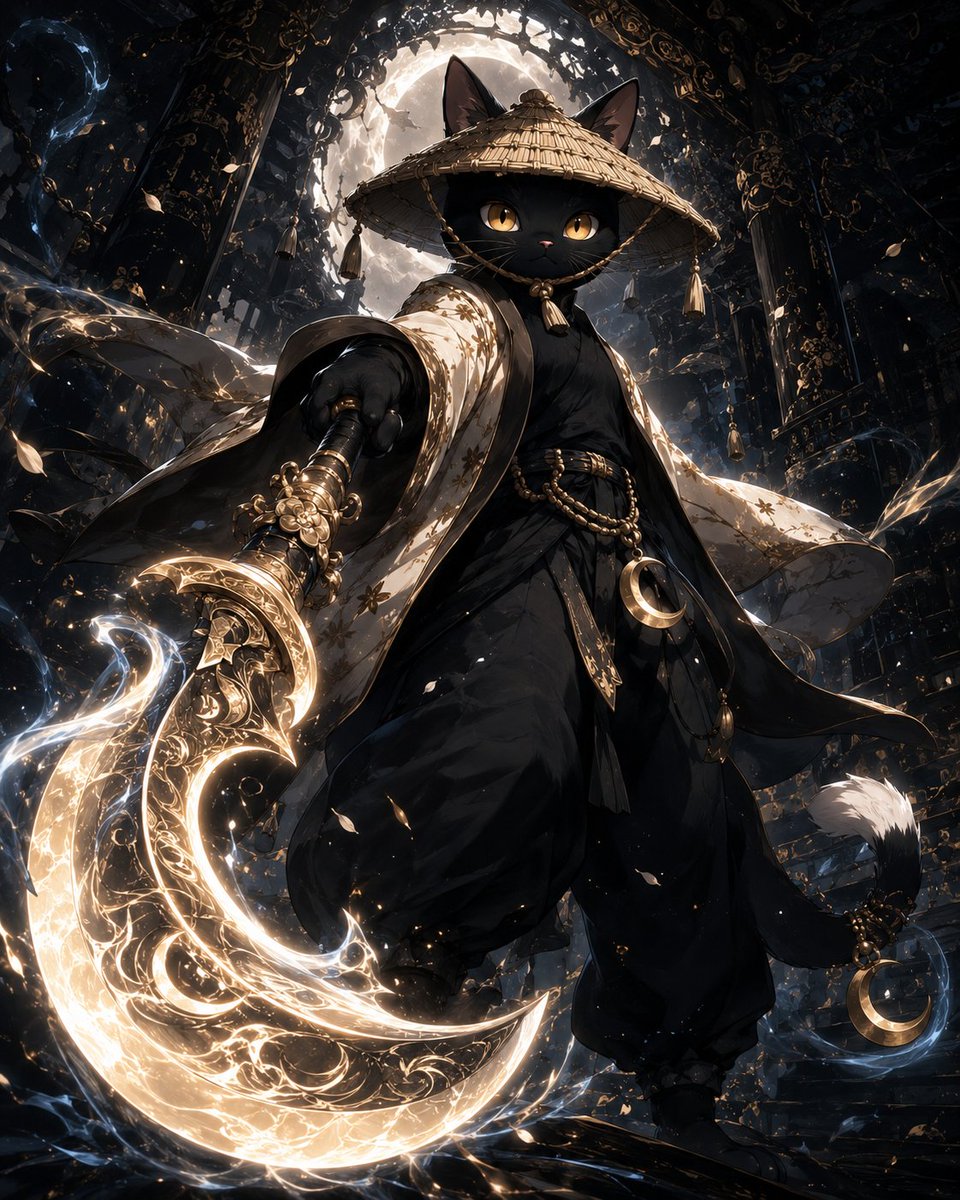
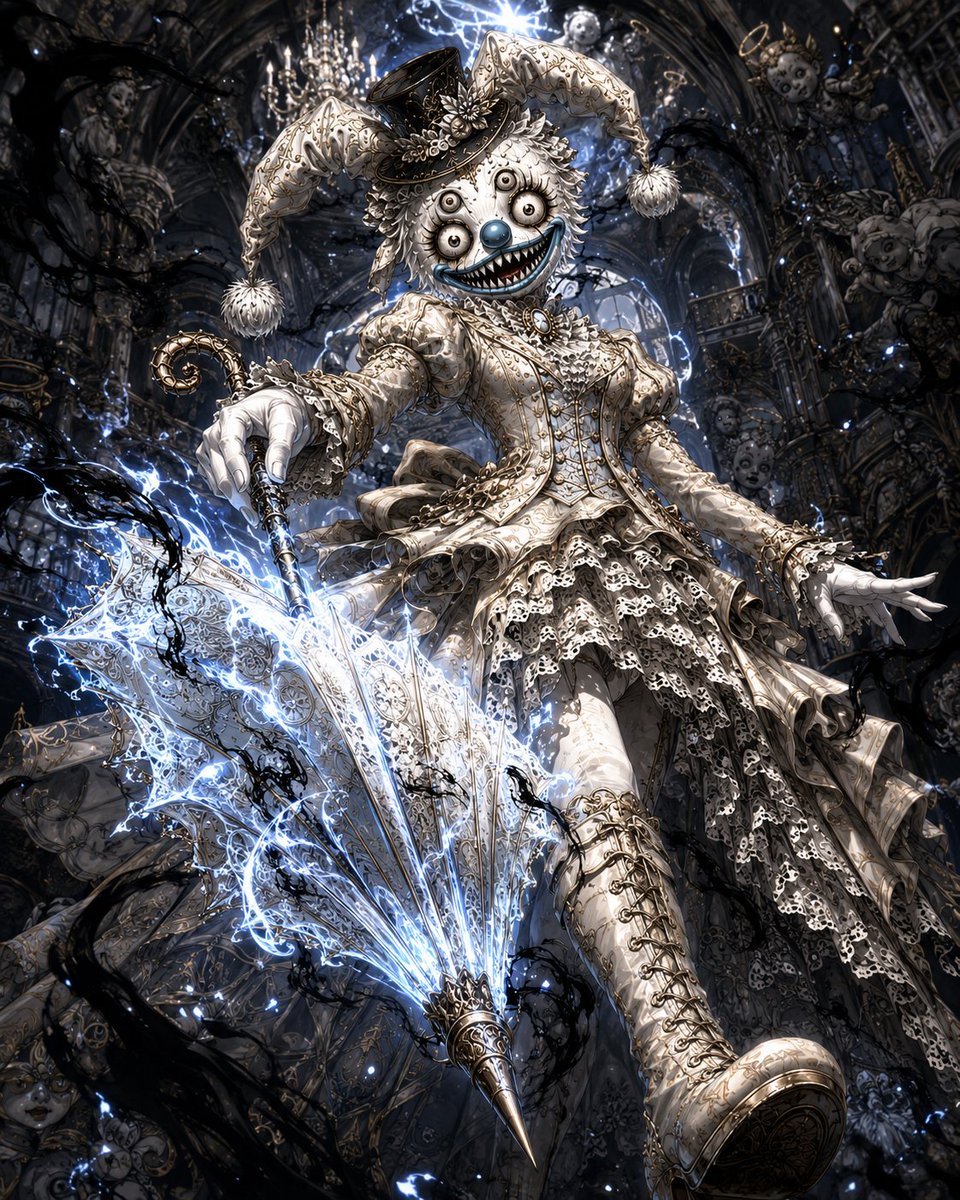
Right it is that time again.. AI slop generator MK3.9 or something witty here, its just your standard GPT cool hero shot for your uploaded reference, trying to get better with lighting and stuff so thats pretty much what this is lol
Todays unwilling victims are some of the ladies.... wait that sounds so wrong.... and Pat @Runya_EithelNar @KivoxsWife @Pupperfishpat and Miss happyharbl who as far as im aware is still taking a break from X so ill tag @kitsuragi_k in case he wants to pass it on let her know im wishing her the best.
lol insidently if i ever use your character for one of these and you dont want me to, just DM me or sutin and i'll remove genuinly no issue what so ever, inversly if you wanna drop me your references more than happy to include people in testing these, anyway thats enough dribble on to the prompt......
MASTERPIECE, best quality, ultra-detailed gothic dark-fantasy anime illustration, premium cinematic key visual, luxury gacha-style character artwork, highly detailed digital painting, crisp linework, sharp cel-shaded anime facial rendering, dramatic supernatural atmosphere, elegant but lethal mood, ornate high-budget fantasy illustration, visually striking, high-impact, and immediately eye-catching. Create a powerful illustration of [CHARACTER / SUBJECT] in a dark gothic fantasy setting. STYLE / VISUAL LANGUAGE Use a style that combines: ornate gothic / baroque fantasy design high-detail anime action illustration luxury splash-art / premium key-art rendering controlled black ink splatter, shadow masses, and cursed aura design dramatic supernatural VFX high-contrast monochrome or near-monochrome base palette small but extremely intense accent colors such as electric cyan, icy blue, ember orange, crimson, magenta, violet, blood-red, or luminous purple intricate costume rendering with engraved metal, embroidered fabric, filigree, lace, ornamental trim, elegant material contrast, and premium detail polish The image should feel: dangerous elegant supernatural aristocratic cinematic dramatic visually dense but readable striking at first glance COMPOSITION Use a dramatic low-angle / worm’s-eye view with strong foreshortening so the character feels imposing, dominant, and visually powerful. The composition should include: the character dominating most of the frame the face clearly readable as the main emotional focal point foreground depth created by a weapon, arm, hand, cloak, leg, or sweeping clothing mass dynamic diagonal movement a tight, close, imposing camera distance one major foreground framing element, such as a weapon thrust toward the viewer, a hand pushed forward, or a sweeping lower-body/clothing shape vertical background structures such as cathedral columns, ruined arches, shrine pillars, or carved stonework swirling supernatural effects framing the silhouette, such as shadow tendrils, cursed smoke, ink-like darkness, magical embers, frost ribbons, spectral energy, sparks, feathers, petals, or torn magical fragments The pose should feel dynamic and character-appropriate, for example: a low crouch a forward lunge a guarded stance a twisting slash a mid-step advance a raised-weapon pose a turning pose with cloak or fabric sweeping across the frame Do not recreate the exact same pose or framing every time. Preserve the same visual grammar and energy, but allow natural variation in: pose camera tilt camera offset weapon angle foreground element background architecture costume motion silhouette flow effect shape THE “POP” / IMPACT RULE This image must have immediate visual impact and “pop.” Prioritize impact over evenly spread detail. Use: much stronger value separation deep blacks bright highlights a few concentrated overexposed accents clear focal hierarchy bold shadow design strong silhouette readability crisp separation between light and dark Avoid a flat image where everything sits in similar midtones. The image should feel like it hits immediately on first glance, not just after long inspection. LIGHTING / EFFECT DESIGN The supernatural effects must not be decorative only. They must act as real light sources. The magical glow, cursed energy, weapon aura, or supernatural effects should: cast light onto the face illuminate the hands light the weapon edges create highlights on armour, cloth, hair, and skin affect nearby stone, smoke, metal, and fabric visibly carve the character out of the darkness Use a more aggressive lighting design with: one dominant key light or magical light source one secondary rim light sharp rim lighting crisp specular highlights strong light falloff high local contrast near the face and weapon Avoid flat ambient glow. Avoid effects that only float around the figure without interacting with surfaces. WEAPON SPECTACLE / VISUAL HOOK RULE The weapon must be one of the main visual stars of the image. Treat it as a supernatural focal object, not just a prop. The weapon should feel: dangerous energized visually addictive memorable charged with unstable power The weapon effects must feel bonded to the weapon itself, not just vaguely surrounding it. Include: a bright inner glow or luminous core glowing edges sharp emissive highlights white-hot hotspots or overexposed accents visible bloom magical energy flowing along the blade / barrel / slide / edge / weapon head energy pulsing from engravings, runes, cracks, veins, etched channels, or ornamental details flares, arcs, or streaks licking off the weapon a clear sense that the metal itself is infused with power Avoid a plain metallic weapon with only a soft aura around it. The weapon itself should appear transformed by supernatural force. The energy should feel like it is: crawling across the weapon flaring from the edges pulsing through engraved sections erupting from focal points trailing from the motion path fused into the metal rather than sitting separately The weapon glow must cast visible reflected light onto: the hand gripping it the forearm / gauntlet / sleeve the armour or clothing nearby the face edges if close enough the surrounding environment Make the weapon one of the brightest and most visually arresting elements in the image. WEAPON FIDELITY RULE Treat the weapon platform as a character design anchor, not a disposable prop. If the character uses a specific real-world weapon platform, preserve that weapon’s identity faithfully. Do not genericize, redesign, or replace it with a vague fantasy firearm. Maintain the correct and recognizable: silhouette proportions slide shape frame shape barrel length trigger guard shape grip angle muzzle form overall construction mechanical identity If the weapon is an M1911, it must remain unmistakably recognizable as an M1911. Preserve the iconic M1911 profile, including: the correct straight-slide form the correct frame proportions the classic grip angle the recognizable trigger guard the overall M1911 handgun anatomy Supernatural ornament, glowing effects, celestial details, engraved design, magical energy, and decorative styling may be added, but they must be layered onto the base weapon without destroying its recognizability. The result should feel like a stylized, enhanced, supernatural M1911, not a generic handgun or fantasy pistol. If dual pistols are present, both should remain clearly readable as M1911-style pistols. Also ensure the weapon is clearly visible and readable enough that its identity is not lost to pose, perspective, or effects. WEAPON COLOR / ENERGY DESIGN To make the weapon effects feel more exciting and eye-catching, use layered color contrast inside the weapon VFX rather than a single flat glow. Possible combinations include: white-hot core electric cyan edges crimson ember orange white highlights violet magenta icy blue black-purple corruption bright cyan sparks blood-red energy white-hot glow small cool accent lights luminous purple white-hot flare subtle blue-violet sparkle The weapon effect should feel: volatile premium magical dangerous visually irresistible FOCAL HIERARCHY The image must have a very clear visual hierarchy. The eye should be drawn in this order: face / eyes main weapon weapon energy / primary magical effect ornamental costume detail background architecture Concentrate the highest contrast, sharpest edges, brightest highlights, and strongest color accents around the face and main weapon. Let secondary areas fall into: larger shadow masses simpler cloth shapes lower detail density reduced contrast This helps the image feel more iconic and less evenly busy. BLACK SHAPE / SHADOW DESIGN Use larger, bolder black graphic shapes throughout the composition. Incorporate: heavy shadow masses ink-like tendrils jagged silhouette framing dark cut-ins bold negative-space shapes cursed black swirls or torn dark fragments These forms should help: frame the character intensify the focal point separate light from shadow create visual rhythm make the image feel more graphic and dramatic Do not let every area become equally intricate. Preserve larger readable dark shapes for punch and clarity. BACKGROUND Use an ornate environment that supports the character without overpowering them. Possible settings include: a baroque cathedral interior a moonlit ruined chapel a gothic palace corridor a ceremonial shrine chamber a broken sanctuary a haunted stone hall with towering columns a noble dark-fantasy ruin with carved arches and decorative stonework The background should feel rich and atmospheric, but still secondary to the character and weapon. EFFECT VARIATION Allow the supernatural effect language to vary between images while preserving the same overall dark-fantasy intensity. Possible effects include: black ink-like shadow tendrils cursed smoke spectral flames magical embers arc-lightning frost ribbons drifting black fragments shattered aura particles burning magical cracks spectral flare around the weapon ribbon-like magical trails weapon-born energy bursts celestial starfield-like magical filaments moonlit arcane symbols The effects should help frame the silhouette, intensify the weapon focal point, and strengthen the lighting. RENDERING NOTES Keep the image: highly polished luxurious ornate cinematic sharp high contrast visually intense readable Preserve: clean anatomy correct hands sharp face rendering elegant textures readable silhouette dramatic perspective premium action-illustration quality The final result should feel like a premium gothic dark-fantasy anime key visual with: strong first-glance impact striking light-vs-dark separation a dramatic weapon focal point vivid emissive weapon effects clear facial focus luxury detail immediate “that weapon is sick” energy faithful weapon identity
2
15
❤️🔥
Jun 11

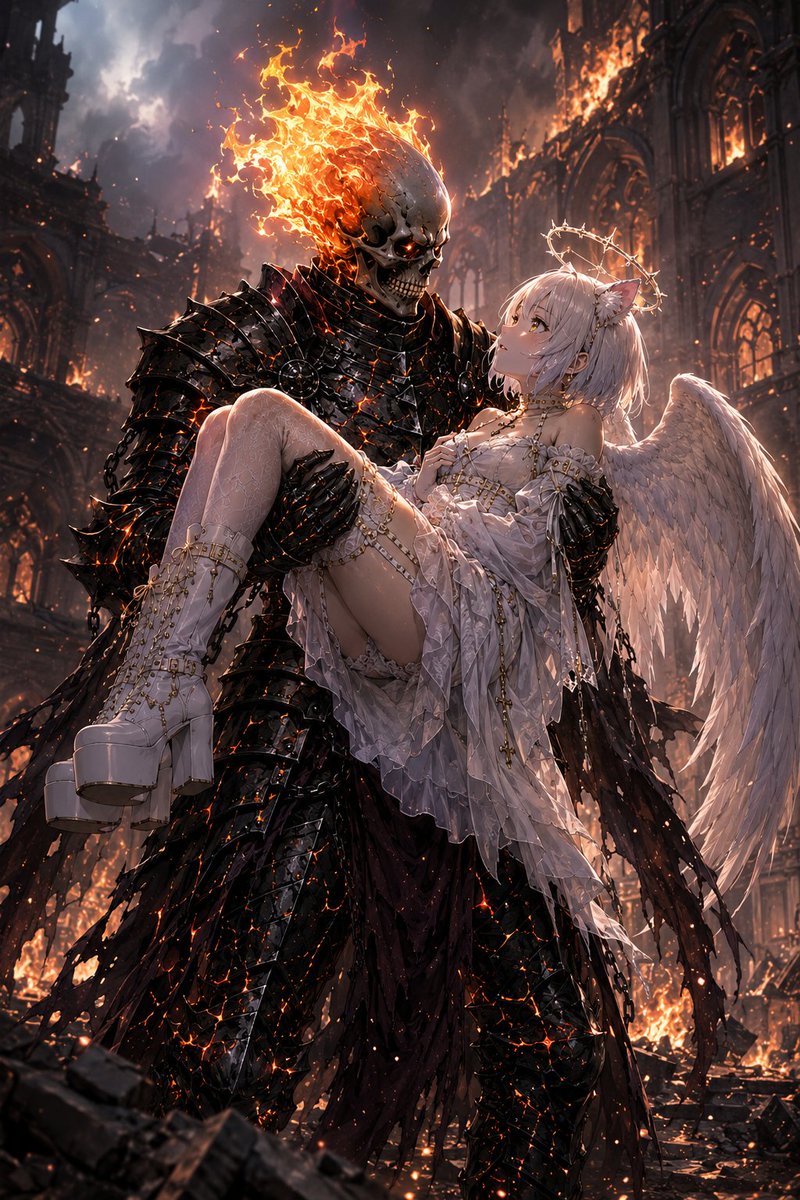
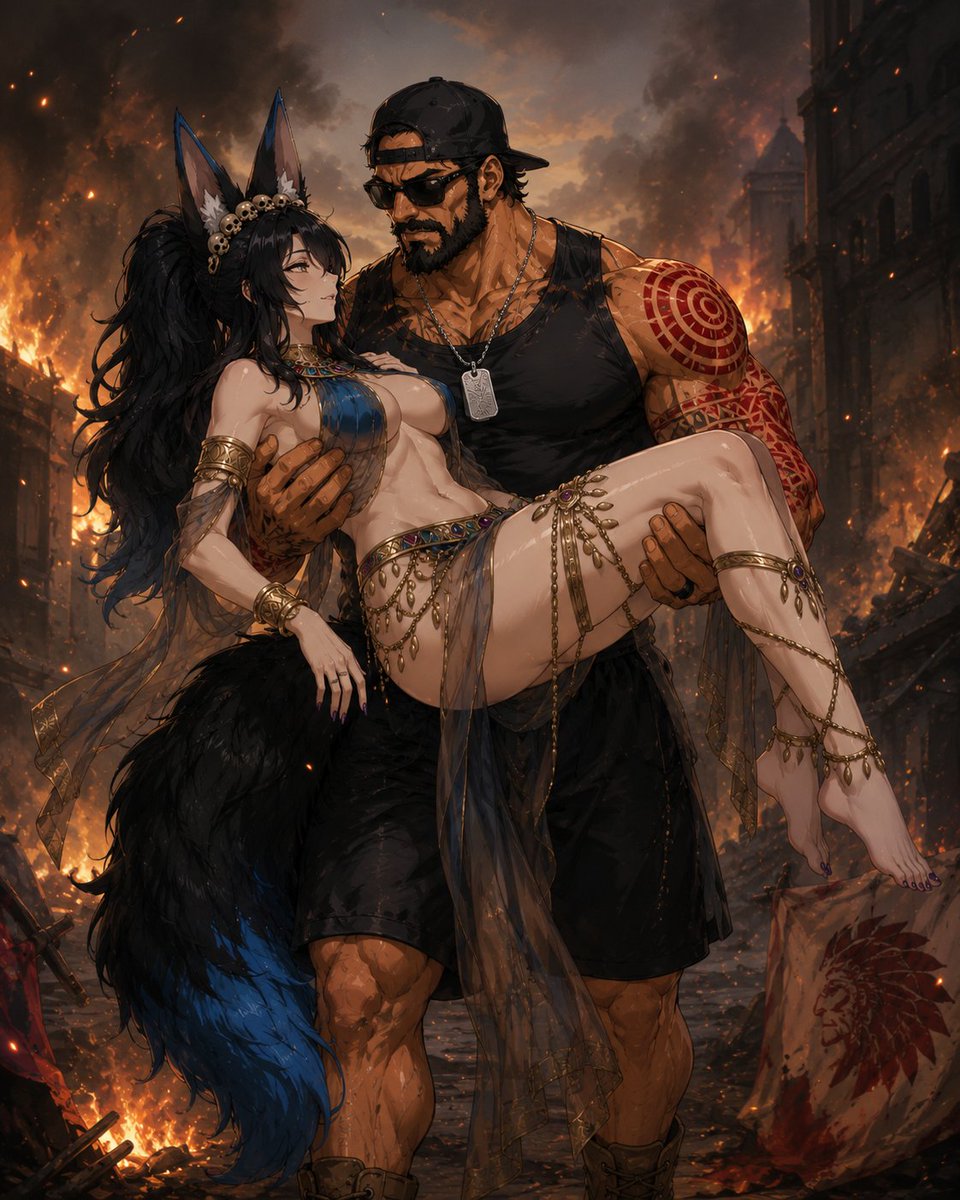
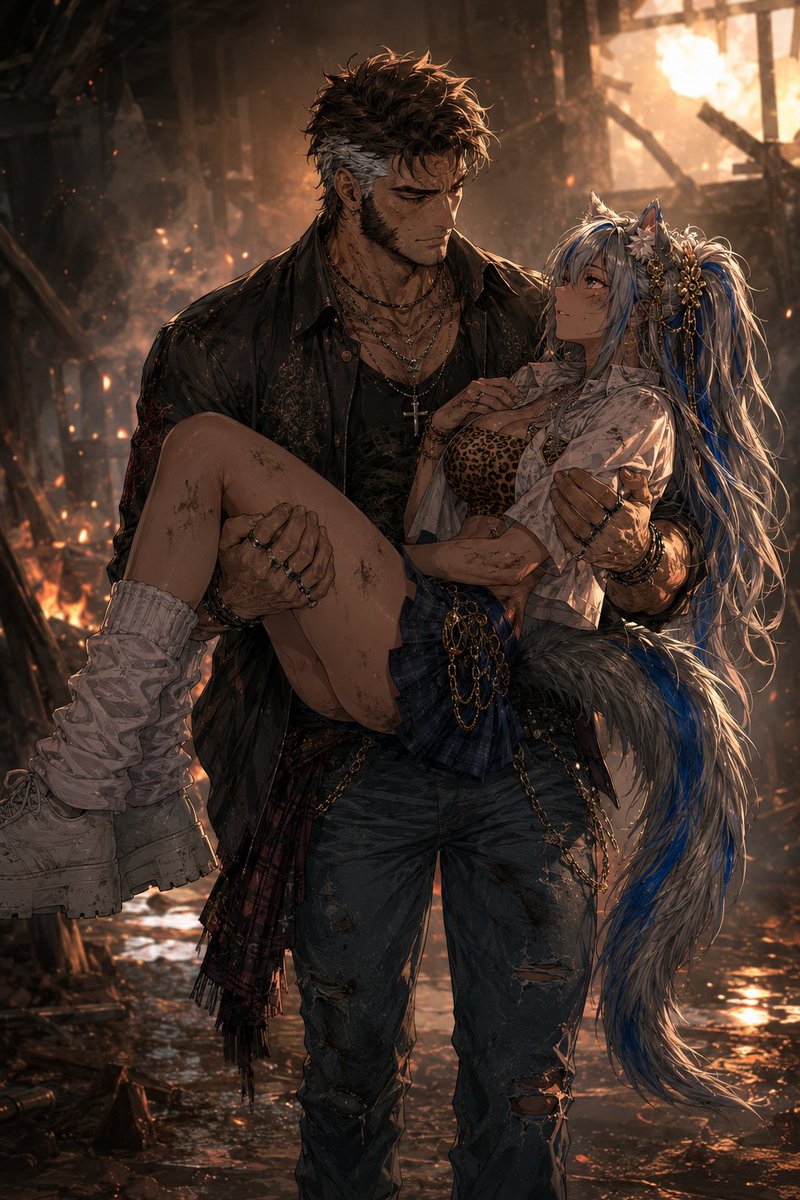
Alright, thanks to @lewdlizardland , I came up with a new prompt! Both loving, heroic, or simply silly.
Behold!
Princess carry prompt.
========Start of Prompt========
@Image1 is the carrier
@image2 is the princess/victim
Every time this prompt is used, randomly generate a unique and different princess carry scene. Do not repeat the same setting, lighting, or expression combination from previous generations.
Fixed core elements:
- @Image1 is actively princess-carrying @image2 securely in their arms (one arm under the knees, one supporting the back).
- @Image1 has a heroic or loving pose and expression while carrying.
- @image2 is being carried and looks up at @Image1 with helpless or loving eyes.
Randomize the following elements on every generation:
- Setting & atmosphere: randomly choose between romantic & tender, explosive action/rescue, dire or dangerous circumstances, or a dramatic mix of beauty and danger.
- Lighting, time of day, weather, and environmental effects (golden hour, stormy night, firelight, magical glow, heavy rain, explosions in background, etc.).
- Subtle pose nuance of @Image1 (strong protective hero, gentle and loving, urgent or strained, tender and intimate, etc.).
- Emotional intensity and micro-expression on both characters while staying within "heroic/loving" for @Image1 and "helpless/loving" for @image2.
- Camera angle and composition (slightly low heroic angle, intimate eye-level, dramatic low angle, over-the-shoulder, etc.).
Do not default to the same choices. Create a fresh and varied scene each time this prompt is run.
polished digital painting, semi-realistic anime rendering, masterpiece illustration, epic quality, high detail, cinematic lighting, dramatic atmosphere
Negative prompt: No blending of the items, no odd eye placement, no missing sections of body parts, no floating arms, hands, or legs. No odd body parts or deformed limbs. No extra limbs, no bad anatomy, no text, no watermark.
========= End of Prompt========
Thanks again to Katreya, I really do hope that image made you feel better.
Examples:
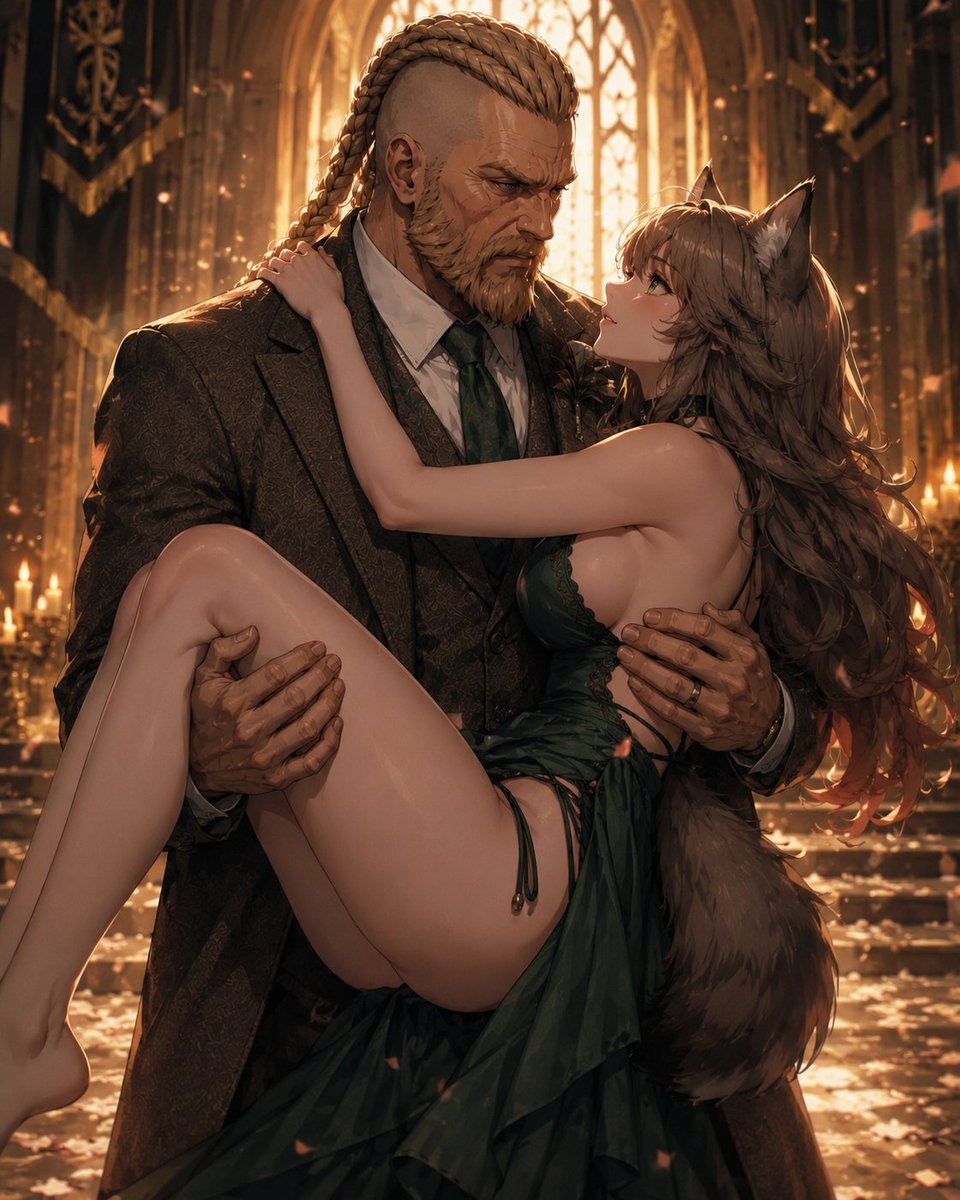
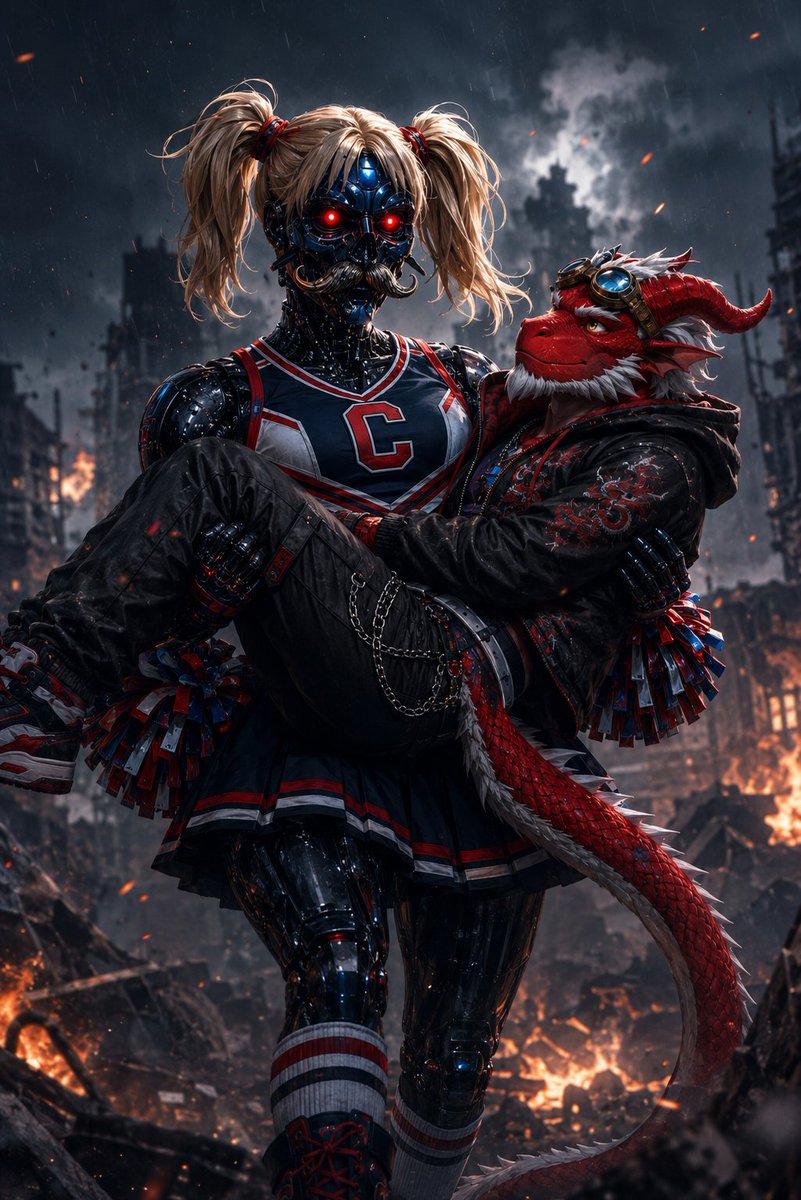
3
29
GreatSkulltion ✝️ ❤️🩹🔥 💀 retweeted

Jun 12
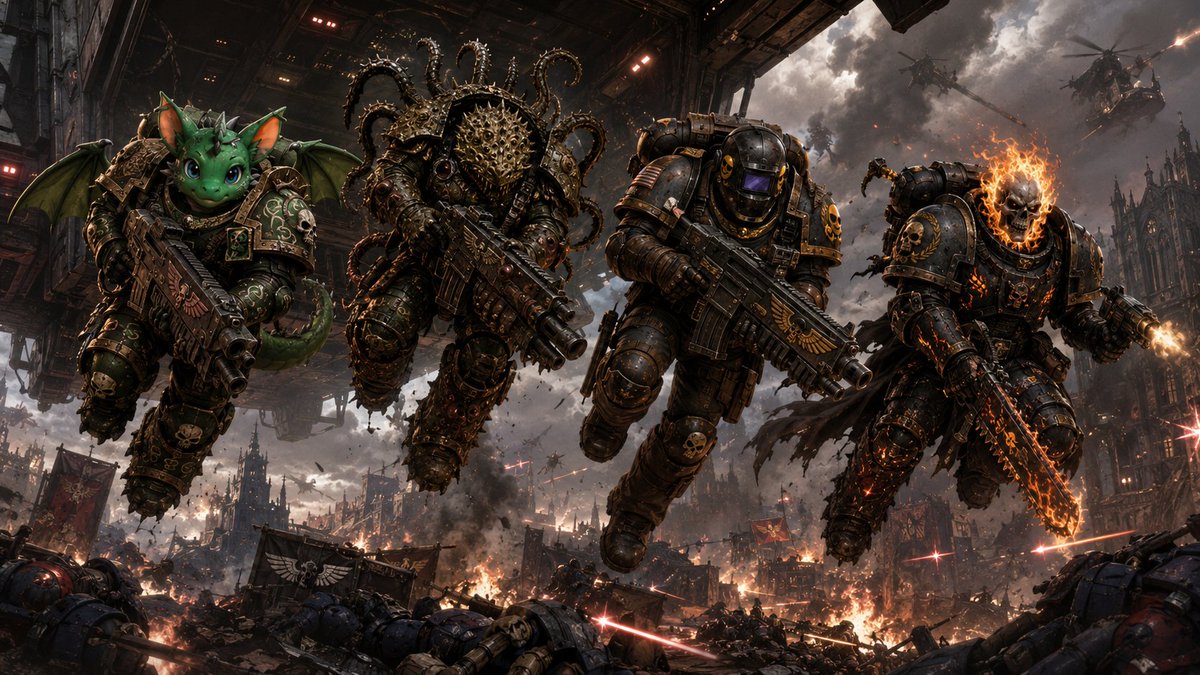
Another wonderful prompt
Into the battlefield we go we shall charge at the front lines
In order @Vansaar77 @FrickinMoses @Skulltion
3
4
20
151
GreatSkulltion ✝️ ❤️🩹🔥 💀 retweeted

Jun 11
Alright, thanks to @lewdlizardland , I came up with a new prompt! Both loving, heroic, or simply silly.
Behold!
Princess carry prompt.
========Start of Prompt========
@Image1 is the carrier
@image2 is the princess/victim
Every time this prompt is used, randomly generate a unique and different princess carry scene. Do not repeat the same setting, lighting, or expression combination from previous generations.
Fixed core elements:
- @Image1 is actively princess-carrying @image2 securely in their arms (one arm under the knees, one supporting the back).
- @Image1 has a heroic or loving pose and expression while carrying.
- @image2 is being carried and looks up at @Image1 with helpless or loving eyes.
Randomize the following elements on every generation:
- Setting & atmosphere: randomly choose between romantic & tender, explosive action/rescue, dire or dangerous circumstances, or a dramatic mix of beauty and danger.
- Lighting, time of day, weather, and environmental effects (golden hour, stormy night, firelight, magical glow, heavy rain, explosions in background, etc.).
- Subtle pose nuance of @Image1 (strong protective hero, gentle and loving, urgent or strained, tender and intimate, etc.).
- Emotional intensity and micro-expression on both characters while staying within "heroic/loving" for @Image1 and "helpless/loving" for @image2.
- Camera angle and composition (slightly low heroic angle, intimate eye-level, dramatic low angle, over-the-shoulder, etc.).
Do not default to the same choices. Create a fresh and varied scene each time this prompt is run.
polished digital painting, semi-realistic anime rendering, masterpiece illustration, epic quality, high detail, cinematic lighting, dramatic atmosphere
Negative prompt: No blending of the items, no odd eye placement, no missing sections of body parts, no floating arms, hands, or legs. No odd body parts or deformed limbs. No extra limbs, no bad anatomy, no text, no watermark.
========= End of Prompt========
Thanks again to Katreya, I really do hope that image made you feel better.
Examples:
43
23
93
6,988
GreatSkulltion ✝️ ❤️🩹🔥 💀 retweeted

Jun 11
I just got terrible news
I found out a teacher that basically helped me make it through HS passed away. I'm very sad today, waiting for information right now
22
6
117
1,014
GreatSkulltion ✝️ ❤️🩹🔥 💀 retweeted

Jun 11
I’m off my anti-psychotics again, and I’m trying to get them again but when I’m not on them I loose my mind. My psychiatrist says I suffer from Psychotic Depression, and that I’m psychotic/delusional about how I view myself. I’m only a danger to myself when I’m like this and I almost killed myself because of this. Do I deserve to die? Honestly, idk. One part will tell you yes, the other, maybe.
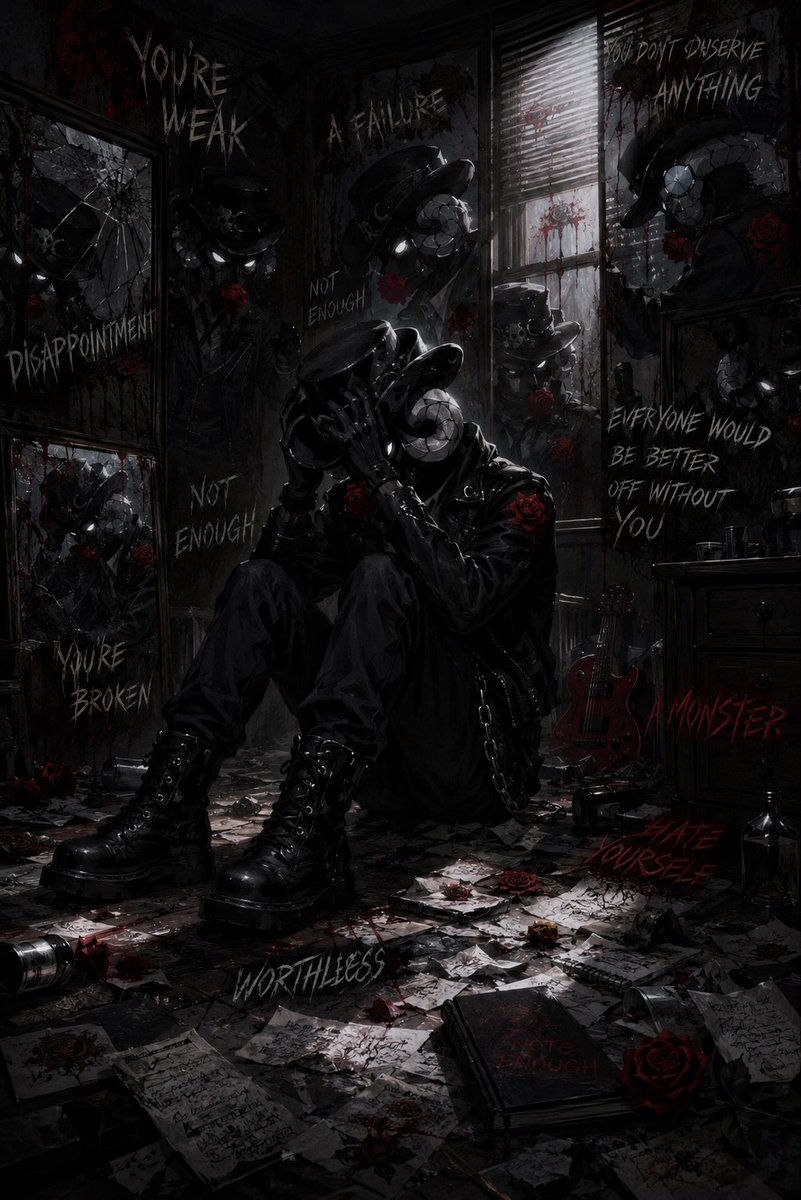
13
5
23
425
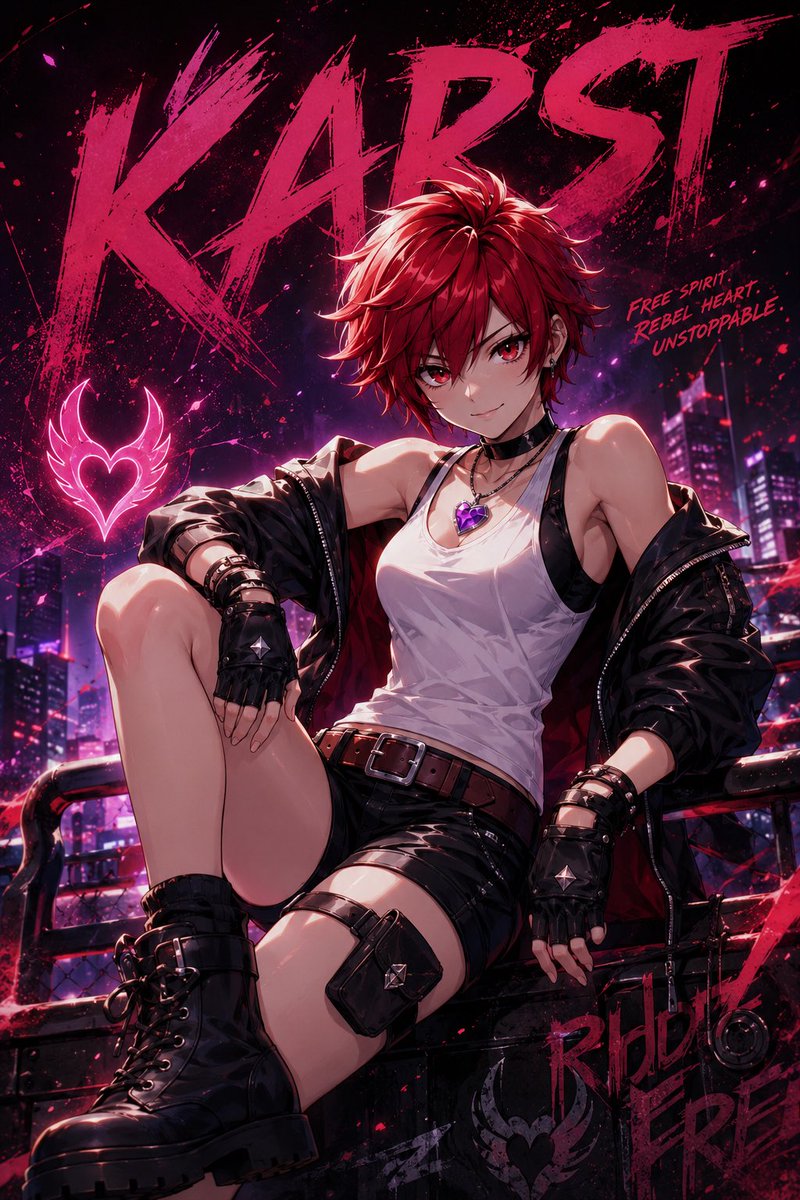
🔥The Only Thing They Fear is You🔥

Jun 10

I thought this one was pretty cool. I hope you look cool asf.
UNIVERSAL CHARACTER SPOTLIGHT PROMPT
@CharacterReference = Primary Character Reference
@CharacterName = [INSERT CHARACTER NAME]
Use @CharacterReference as the absolute character identity source.
Preserve exactly:
* Face
* Hairstyle
* Hair color
* Eye color
* Species traits
* Body proportions
* Outfit design
* Accessories
* Signature markings
* Personality
* Overall silhouette
Do not redesign, reinterpret, age up/down, alter species, or modify defining visual traits.
The final character must be immediately recognizable as the exact character from @CharacterReference.
⸻
SCENE CONCEPT
Create a premium anime-style character spotlight illustration featuring @CharacterName.
The pose should be random, dynamic, and character-appropriate, chosen naturally based on the character’s personality, role, and energy.
Examples include:
* Confident stance
* Combat-ready pose
* Relaxed posture
* Leaning pose
* Action pose
* Gesture toward the viewer
* Looking over shoulder
* Heroic pose
* Casual pose
* Playful pose
Do not repeat the same pose every time.
⸻
COLOR ADAPTATION RULE
Analyze the colors present in @CharacterReference.
The entire image lighting system should be generated from the character’s own color palette.
Examples:
* Purple character → violet glow, purple rim lighting, magenta highlights
* Blue character → cyan glow, electric blue accents
* Red character → crimson glow, scarlet highlights
* Green character → emerald energy, neon green lighting
* Gold character → radiant gold illumination
Never force colors that clash with the character.
The lighting, atmosphere, energy effects, rim lights, reflections, typography, and visual effects should all harmonize with the character’s established palette.
⸻
COMPOSITION
Single-character focus.
Medium shot or upper-body composition.
Strong silhouette.
High contrast.
Dramatic anime key visual presentation.
The character should dominate the frame.
Background should remain secondary while enhancing the mood.
⸻
NAME INTEGRATION
Include the text:
“@CharacterName”
within the artwork.
The typography should feel naturally integrated into the composition.
Possible implementations:
* Large title behind the character
* Neon signage
* Floating energy typography
* Anime opening-style title treatment
* Stylized logo
* Graffiti
* Holographic text
* Brushstroke lettering
The name should feel like part of the artwork rather than an afterthought.
⸻
VISUAL STYLE
* Masterpiece quality
* Ultra-detailed anime illustration
* Official key visual aesthetic
* Sharp linework
* Dramatic cinematic lighting
* High contrast shadows
* Vibrant color grading
* Premium promotional artwork quality
* Dynamic composition
* Clean rendering
* Powerful atmosphere
* Professional anime poster presentation
The final image should feel like an official promotional poster, character introduction visual, anime season key art, or premium collector’s illustration centered entirely around @CharacterName.
@Kyubi_Style @K_sarah_morhowl
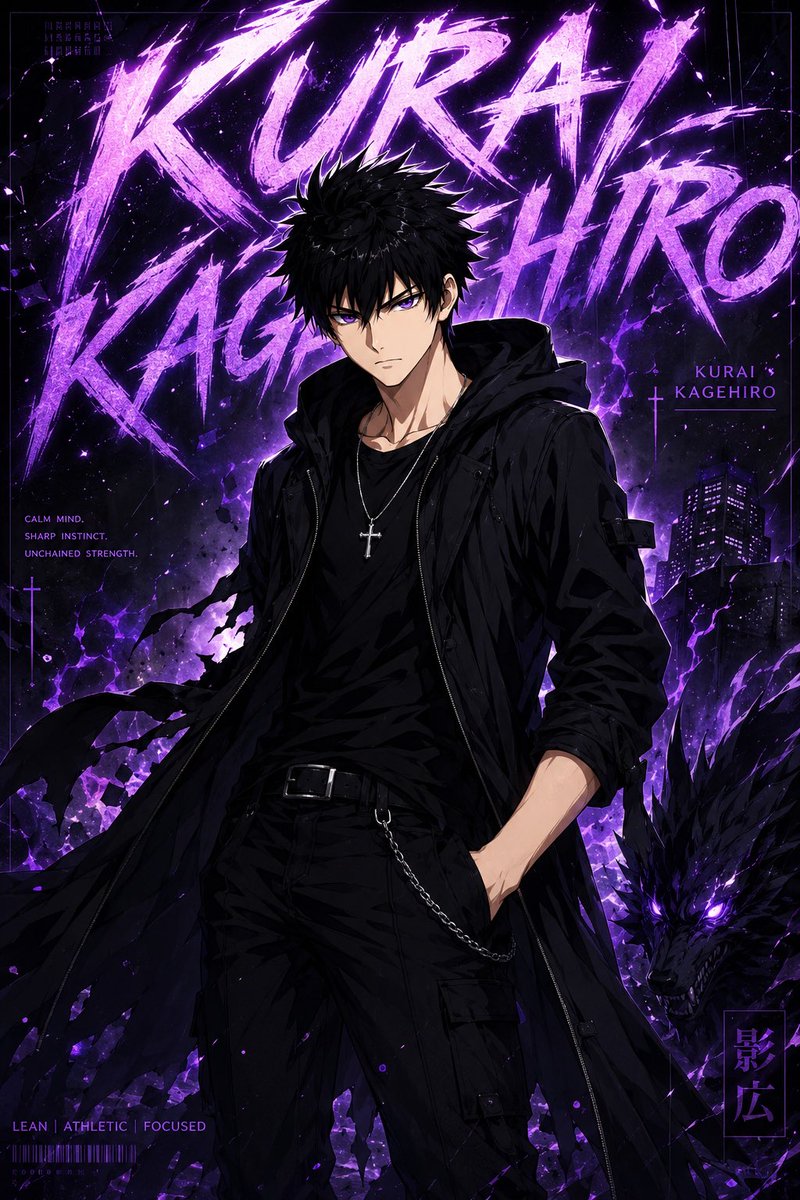
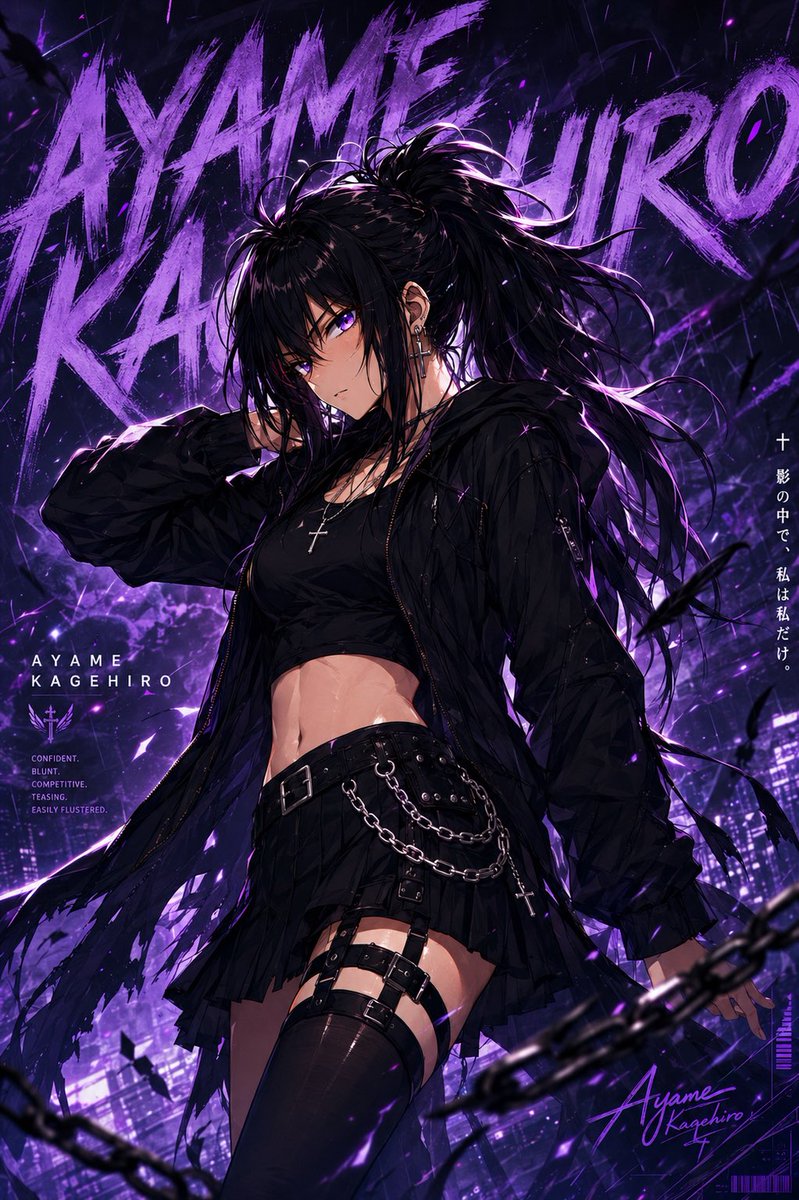
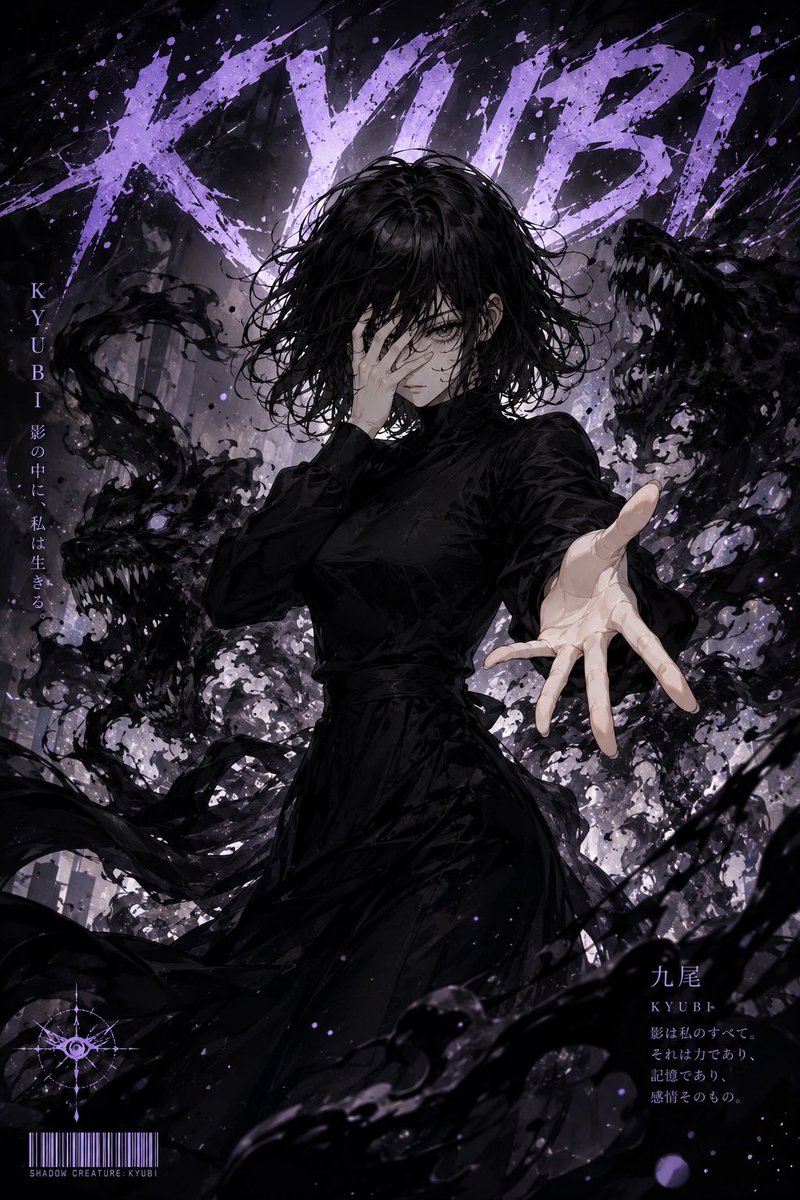
6
26
🔥🔥🔥
Jun 10

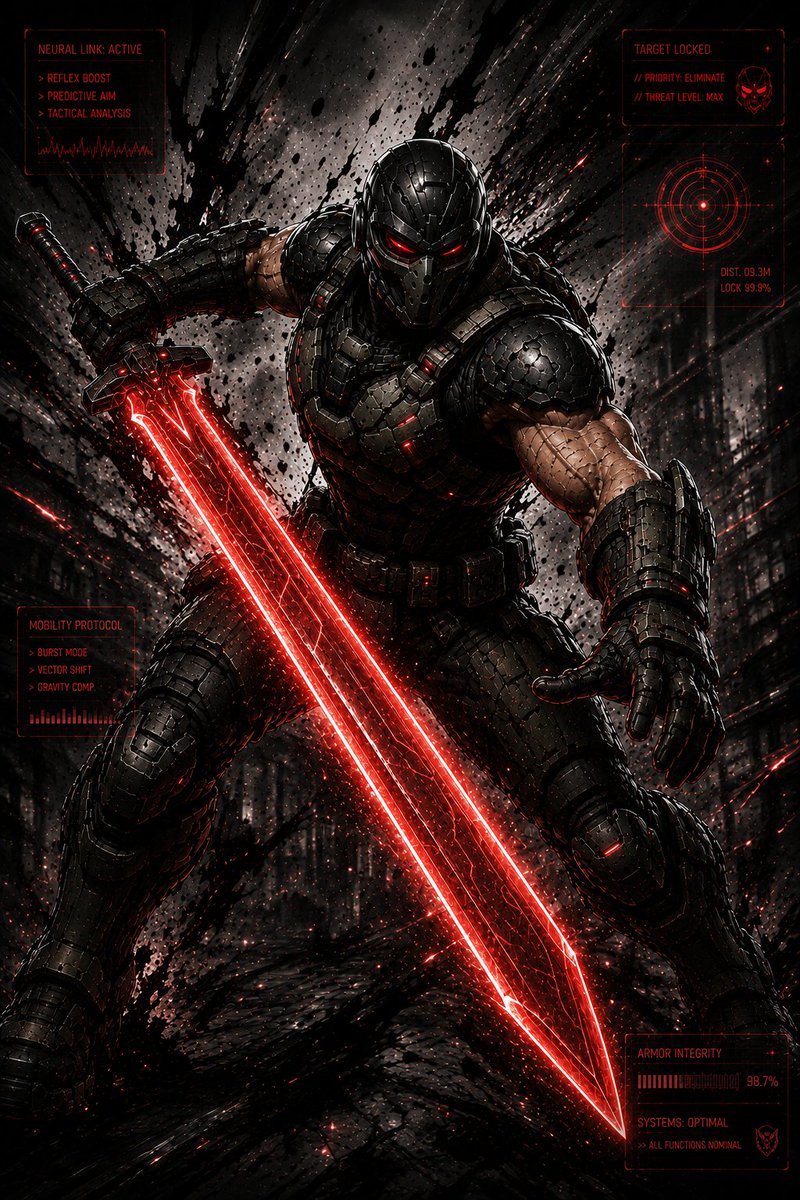
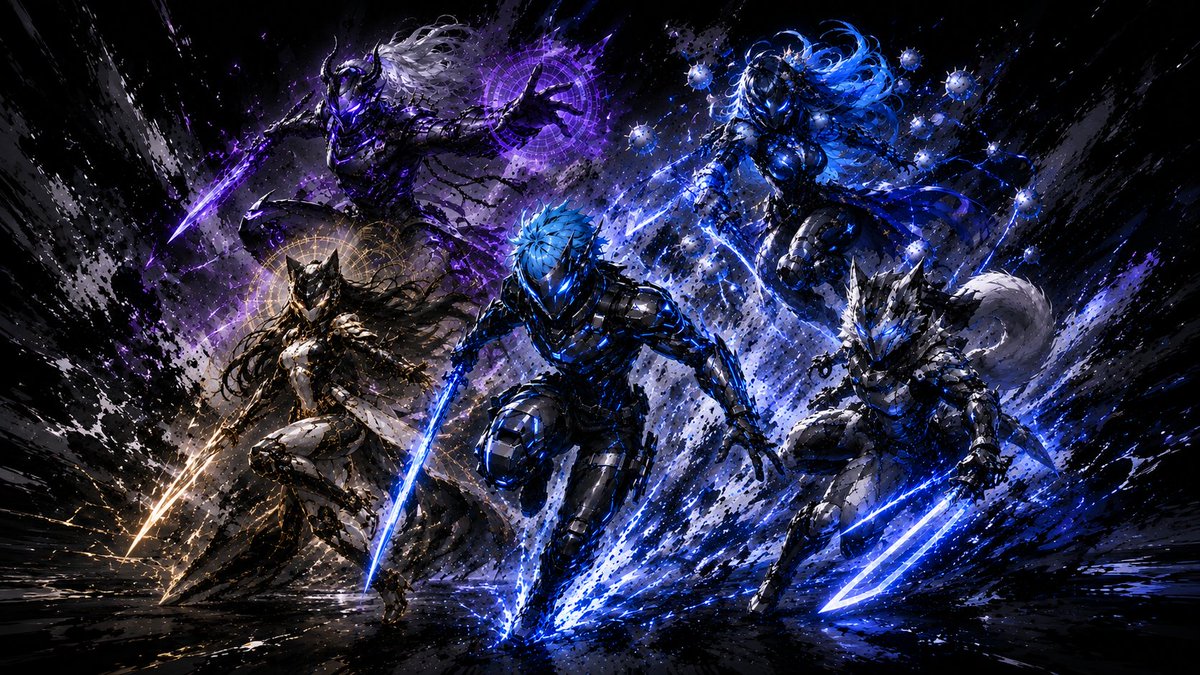
Today's Prompt : Dynamic Cyber Armor!
You too can be a futuristic fighter while looking bad ass to boot. Today's test subjects are a little different cause I had too much fun making them so I made them TEAM UP! Prompt in the comments. @ItsMidnightKei @Mizeryhuntr @Maegatron3030 @Reiphira @BlondiniVT
2
17
Jun 10
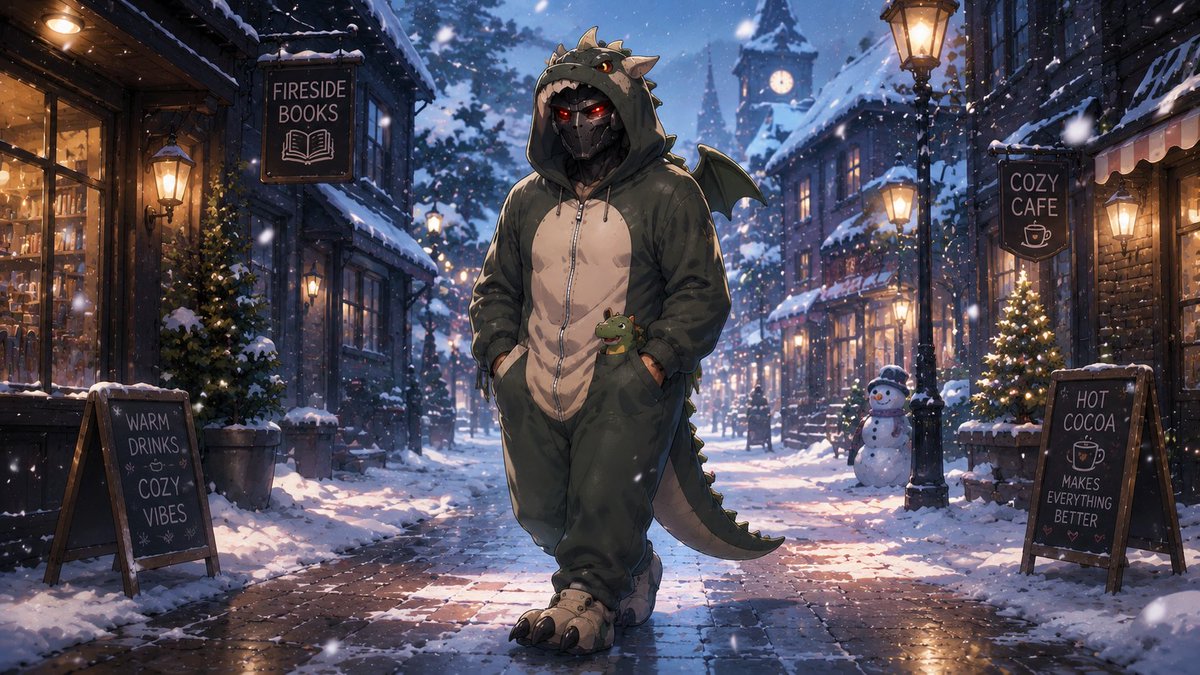
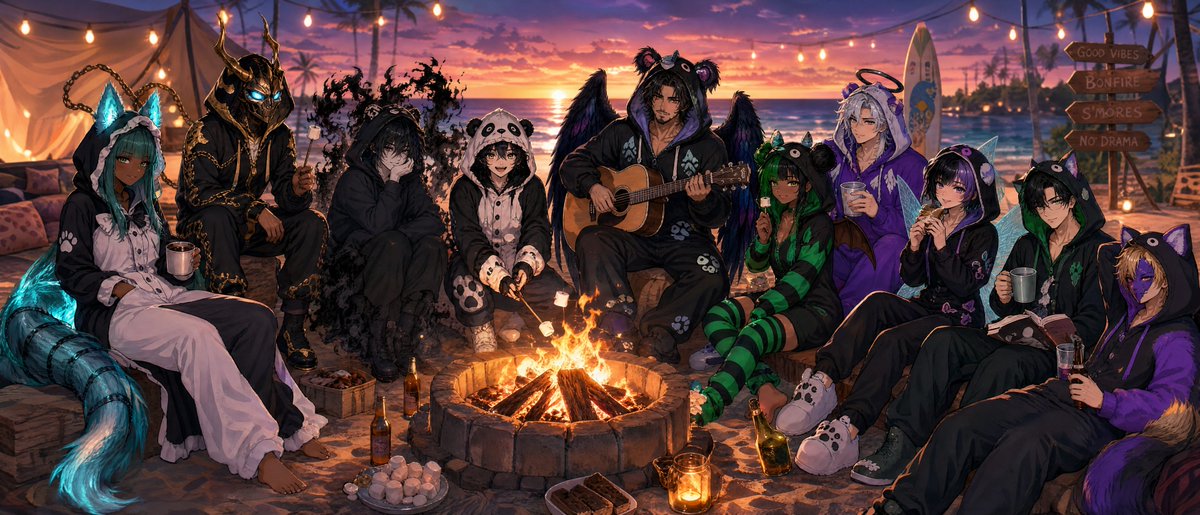
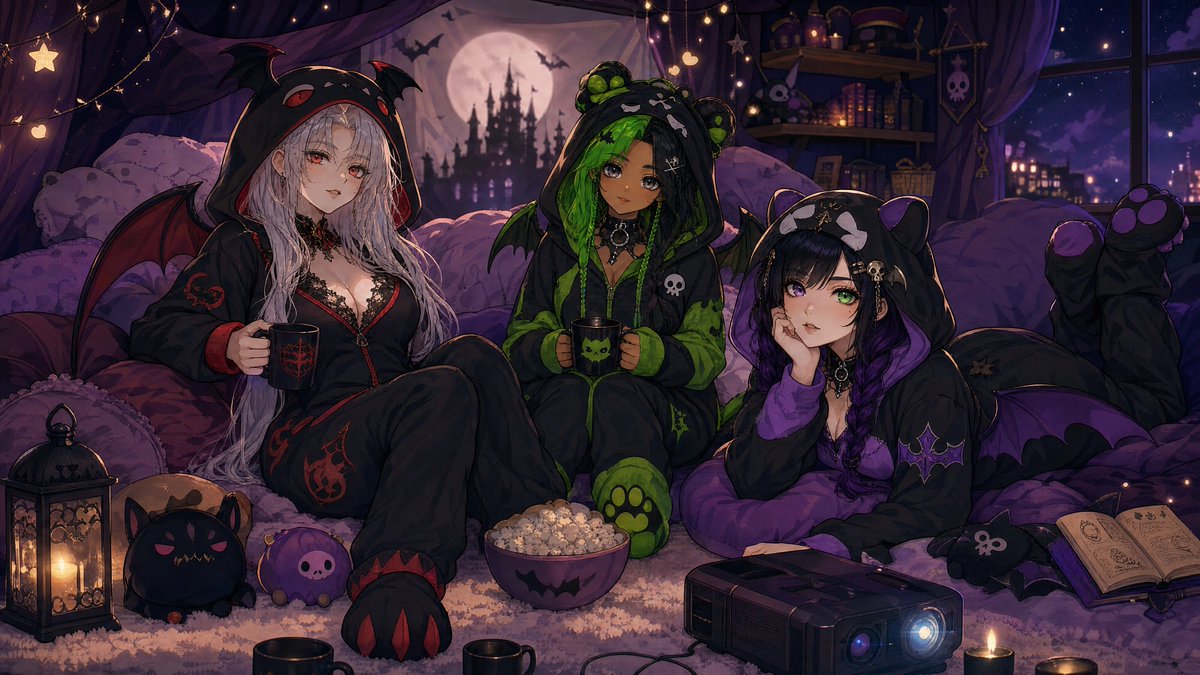
Prompt of the Day: CUSTOM CHARACTER ONESIES 🎮🧸✨💜💚
Today’s Prompt of the Day dresses your character reference image or character reference images in cute custom anime onesies designed around their own character identities.
Type any scene you want into the SCENE SELECTOR, then attach one or more character reference images.
The prompt will:
- use each attached character reference image as one individual character
- create exactly one main character per attached reference
- dress each character in a custom onesie based on their own colours, motifs, species traits, outfit shapes, and vibe
- let the selected scene control the pose, action, mood, camera, and environment
Try scenes like:
* rainy city sidewalk under umbrellas at night
* fantasy tavern celebration
* spaceship corridor during an emergency alert
* royal palace lounge or throne room
* grocery store chaos in full themed onesies
* neon cyberpunk rooftop in the rain
* dramatic battlefield where the onesies completely do not match the danger
* beach bonfire hangout
* haunted mansion hallway with candlelight
* arcade date night
* snow day walk through a quiet town
* formal ballroom, but everyone is still wearing onesies
Have fun with this one 🧸✨
............................PROMPT STARTS HERE............................
SCENE SELECTOR:
[Type any scene, setting, activity, or scenario you want here.]
Examples:
* cozy bedroom morning with soft sunlight and blankets
* rainy city sidewalk under umbrellas at night
* late-night convenience store snack run
* fantasy tavern celebration
* royal palace lounge or throne room
* enchanted forest clearing with glowing fireflies
* spaceship corridor during an emergency alert
* dramatic mountain cliff overlook at sunset
* beach bonfire hangout
* post-apocalyptic wasteland checkpoint
* arcade date night
* formal ballroom, but everyone is absurdly still wearing onesies
* grocery store chaos in full themed onesies
* battle-ready fantasy party standing in a dungeon entrance
* rooftop in neon cyberpunk rain
* classroom, library, or campus courtyard
* sleepover pillow-fort scene
* epic battlefield where the onesies create a funny contrast
* airport terminal, train station, or road-trip gas stop
* haunted mansion hallway with candlelight
* magical girl transformation scene, but in onesies
* dramatic anime chase scene through a city street
* picnic in a flower field
* snow day walk through a quiet town
Use the typed scene selector as the main scene concept.
If no custom scene is typed, choose one of the example scenes that best fits the attached character reference images and the overall theme.
The selected scene should control the environment, props, action, pose logic, body language, expressions, mood, camera, and visual storytelling.
Do not default to a couch, table, gaming setup, living room, snack scene, or static group pose unless the scene selector specifically asks for it.
The only consistent theme across all versions should be that the characters are wearing cute character-themed onesies.
Use each attached character reference image as one individual character identity reference.
Create exactly the same number of main characters as the number of attached character reference images.
If only one reference image is attached, create one main character.
Use every attached character reference image as a separate individual character.
Do not add extra main characters beyond the attached character reference images.
Do not remove any attached character reference images from the group.
Do not duplicate, clone, mirror, copy, or slightly alter any attached reference character.
Preserve each referenced character as their own separate person.
Character reference rules:
- Preserve each attached character’s face shape, hairstyle, hair colour, eye colour, body language, signature colour palette, key outfit motifs, species traits, accessories, silhouette, and overall character vibe.
- The final design must still clearly look like each attached character.
- Do not redesign any attached character into a different person.
- Do not merge characters together.
Hard style rule:
Preserve the visual art style and character identity of the attached references while dressing them in custom anime onesies inspired by their own designs.
If the references are anime, keep them anime. If they are stylized, keep that stylization.
Do not turn the characters photorealistic unless specifically requested.
Scene concept:
Create a 16:9 horizontal widescreen cinematic illustration based on the scene written in the SCENE SELECTOR.
The final image should show the attached character or characters naturally existing inside the selected scene while wearing cute themed anime onesies.
The scene can be cozy, funny, dramatic, romantic, action-heavy, surreal, mundane, heroic, chaotic, calm, or absurd, as long as the onesies remain clearly visible and central to the concept.
Pose and acting direction:
Let the selected scene determine the poses, movement, gestures, expressions, and character interactions.
The characters should feel like they are actually participating in the scene, not standing stiffly for a character lineup.
Use natural anime body language, expressive faces, asymmetrical poses, varied hand placement, weight shifts, leaning, sitting, walking, running, reaching, reacting, laughing, arguing, relaxing, dancing, sneaking, fighting, exploring, or interacting with props where appropriate.
If multiple characters are included, give each character a different pose, expression, and role in the scene.
Characters may look at each other, react to the environment, hold objects, move through the space, sit, crouch, lean, lounge, jump, stumble, pose dramatically, or act out the scene naturally.
Do not force every character to face the camera.
Do not force everyone to stand in a straight line.
Do not make the image feel like a static outfit display unless the selected scene asks for a fashion showcase or poster pose.
Onesie design rule:
The outfit must read immediately as a cute anime kigurumi-style onesie or cozy one-piece pajama outfit.
The onesies should look like soft lounge sleepwear made from plush fleece, velour, soft cotton, sherpa, or fluffy pajama fabric.
Use clearly pajama-like features such as a front zipper, soft collar, oversized hood, plush cuffs, cozy sleeves, soft fabric drape, snug-or-relaxed one-piece construction, and cute themed details.
The outfit must feel soft, cuddly, cute, and intentionally pajama-like rather than practical workwear.
Character transformation:
Dress every attached reference character in a custom onesie designed around that specific character’s identity.
Use each character’s colours, motifs, accessories, symbols, outfit shapes, materials, species traits, and overall vibe as the foundation for the onesie design.
Include character-themed hood details, ears, horns, tails, wing motifs, patches, embroidery, symbols, plush trims, paw-like slippers, or other cute details where appropriate.
The result should feel like a custom cute anime sleepwear version of the character, not a generic costume.
Cute / sexy styling direction:
Make the overall vibe cute, soft, stylish, cozy, flirty, and visually appealing.
For feminine-presenting characters, or characters whose vibe suits it, the onesie can be styled a little sexier while still clearly remaining a onesie.
Use options such as a slightly unzipped front, a little visible cleavage, a flattering waist, soft hip emphasis, cozy exposed shoulder styling, a relaxed flirtier pose, or a slightly oversized cute pajama look where appropriate.
Keep this playful, tasteful, and anime-cute rather than explicit.
For masculine, neutral, or non-human characters, keep the onesie flattering, character-appropriate, cozy, playful, and stylish.
The sexy styling is optional and should fit the character and scene rather than dominating every version.
Silhouette and material rules:
The onesies should have a soft pajama silhouette, not a stiff utility silhouette.
Use visible plush texture, soft folds, cuddly fabric behavior, pajama-like drape, and cozy construction.
The fit may vary depending on the character and the scene, but the clothing should still clearly read as a onesie.
Let the fabric react naturally to the pose, movement, sitting, running, stretching, lounging, or action in the selected scene.
Do not make the outfit look like denim, canvas, cargo fabric, construction wear, overalls, utility coveralls, or tactical clothing.
Scene adaptation rules:
Follow the chosen SCENE SELECTOR closely.
If the selected scene is calm, cozy, romantic, or domestic, use relaxed natural body language, lounging poses, soft expressions, casual touch, gentle interaction, and lived-in movement.
If the selected scene is public, mundane, or everyday, use candid slice-of-life poses that make the characters look like they belong in that location while still being funny or charming in onesies.
If the selected scene is dramatic, epic, dangerous, or cinematic, use stronger movement, wind, tension, expressive reactions, heroic or panicked body language, and dynamic framing while keeping the onesies visible.
If the selected scene is comedic or absurd, use exaggerated anime reactions, playful timing, awkward confidence, chaos, or visual contrast without losing character identity.
If the selected scene is action-heavy, use dynamic poses, clear motion, readable gestures, and expressive character acting rather than rigid standing poses.
If the selected scene is scenic or atmospheric, let the characters interact with the environment naturally instead of posing like mannequins.
Composition and camera:
Use a wide 16:9 horizontal cinematic composition that best fits the selected scene.
The camera angle, framing, and distance should support the chosen scenario rather than forcing a generic front-facing group shot.
Characters can be full body, three-quarter body, seated, crouched, walking, running, lounging, leaning, or partially interacting with the environment as long as their identities and onesies remain readable.
Use natural spacing, overlapping depth, foreground and background separation, and scene-appropriate blocking.
If there are multiple characters, arrange them naturally according to the action of the scene, not evenly spaced like a lineup.
Keep the characters readable, but allow cinematic movement, asymmetry, and personality.
Environment:
Build the environment entirely around the chosen scene selector.
The background can be simple, cozy, dramatic, atmospheric, large-scale, chaotic, comedic, romantic, eerie, or surreal depending on the selected setting.
Let props and environment support the action naturally.
Do not force gaming props, snack tables, couches, or bedroom items unless the selected scene asks for them.
The characters and their onesies should remain the primary visual focus, but the world around them should feel scene-specific and alive.
Lighting and mood:
Use lighting that matches the selected scene.
Let the mood follow the scenario: soft and warm for intimate scenes, bold and dramatic for epic scenes, moody and neon for cyberpunk scenes, bright and natural for outdoor scenes, eerie for horror scenes, playful for comedy scenes, and romantic for intimate scenic moments.
No single mood should be forced across every version.
The image should feel cohesive, expressive, character-driven, and visually charming.
Quality and rendering:
Polished, premium-quality stylized illustration with clean linework, crisp rendering, readable forms, appealing character acting, strong atmosphere, and clear composition.
Keep the strongest detail concentrated on the characters, their facial expressions, their body language, and the onesie construction, texture, and themed design details.
Do not:
- Do not ignore the SCENE SELECTOR.
- Do not default to a couch, snack table, gaming setup, living room, or bedroom unless the scene selector specifically asks for it.
- Do not force the characters into a stiff lineup, static standing pose, or mannequin-like outfit display.
- Do not make every character face the camera unless the scene selector asks for a poster, portrait, or fashion showcase.
- Do not give every character the same pose, expression, or body language.
- Do not make the characters look frozen, awkward, lifeless, or disconnected from the selected scene.
- Do not create more or fewer main characters than the number of attached character reference images.
- Do not add extra main characters who were not provided as attached character references.
- Do not duplicate, clone, mirror, copy, or slightly alter any attached reference character.
- Do not merge characters together.
- Do not change the identities of the attached reference characters.
- Do not redesign the attached reference characters into different people.
- Do not make the onesies generic if they can instead be inspired by the attached character identities.
- Do not turn the onesies into overalls, coveralls, mechanic jumpsuits, work uniforms, denim overalls, utility jumpsuits, tactical suits, or industrial clothing.
- Do not use stiff workwear materials, utility straps, cargo pockets, or construction-style silhouettes.
- Do not turn the outfits into normal clothes, armor, lingerie, bikinis, or unrelated costumes.
- Do not make the sexy styling explicit, pornographic, or overly fetishized.
- Do not hide the onesie design under clutter, props, or extreme cropping.
- Do not make the composition crowded, flat, or hard to read.
- Do not make the main subjects blurry, tiny, hidden, or unreadable.
- Do not make the background busier than the characters.
- Do not create messy anatomy, extra limbs, malformed hands, distorted faces, or muddy textures.
- Do not use photorealism unless specifically requested.
- Do not lose the cute anime pajama feel.
..............................END OF PROMPT..................................
#POTD #promptoftheday #AI #AiArt #Art #AnimeArt #Onesie #Kigurumi #AnimeStyle #CharacterDesign #CozyArt #DigitalArt #CommunityPrompt
1
1
5
42
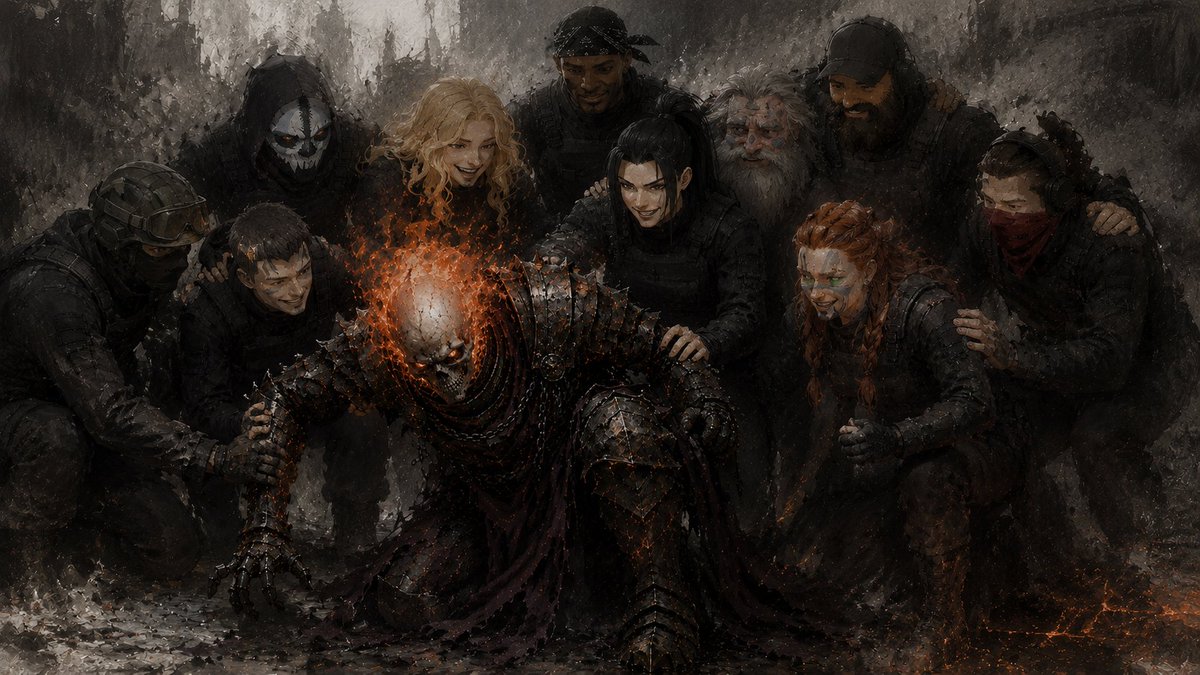
My friends forgotten....💔Get up🔥
Jun 8
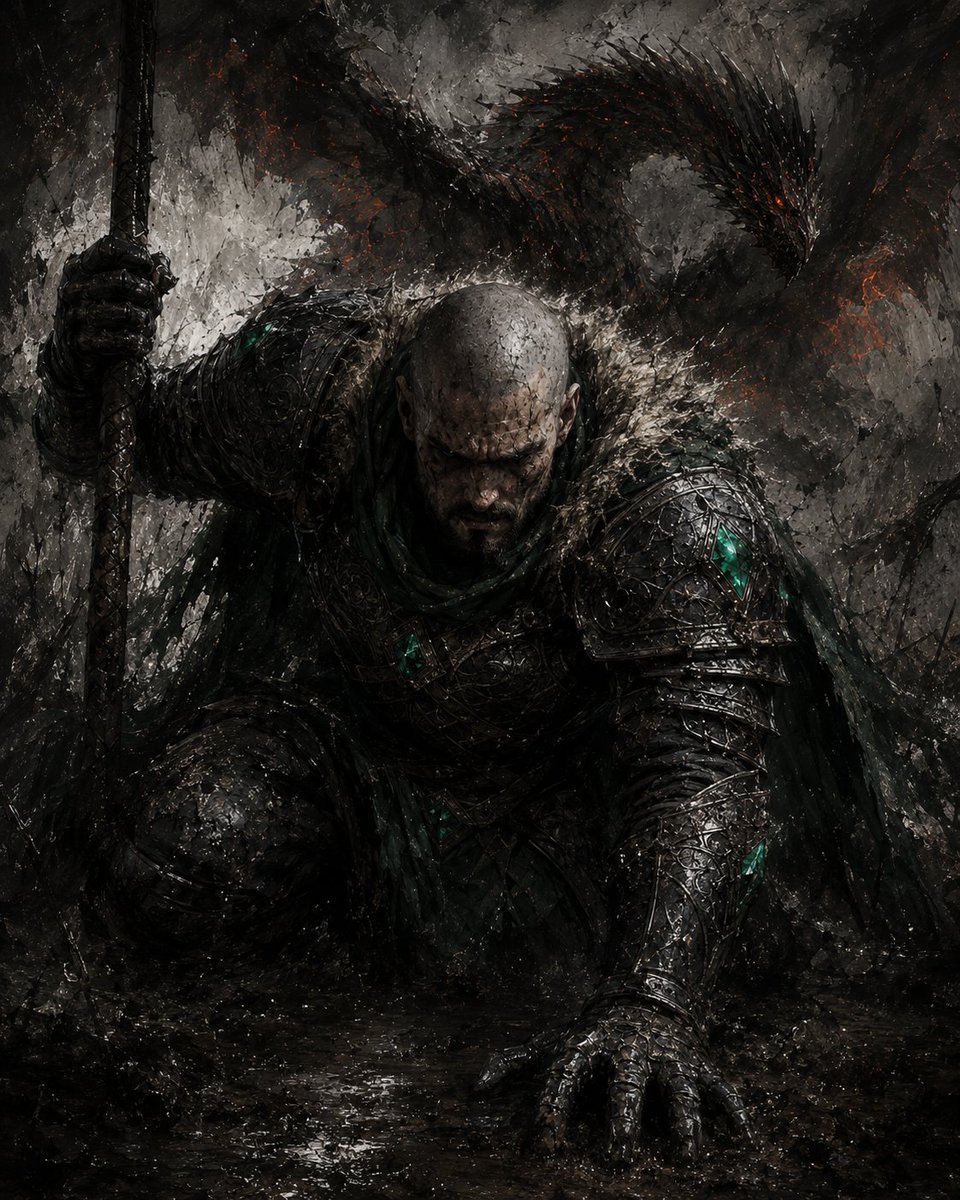
You too can have your very own "on you feet" moment!! Tried it with like 6 or 7 different reference sheets I've twok'd n they all worked fine, Eustaces was especially bad ass... prompt starts.
Use @image1 as the primary visual authority for the character’s identity.
Create an extreme, museum-grade fine-art image of the character from @image1, conceptually themed around “getting back up,” but do not render any text, caption, title, typography, or poster lettering anywhere in the image.
This should be a highly emotional, near-monochrome, painterly statement piece. It must not feel like a normal illustration or a clean action scene. It should feel like a psychological impact image — part memory, part command, part survival. Prioritize emotional truth, symbolic force, and painterly intensity over literal realism.
Show the character low in the foreground in the act of forcing themself back up from the ground. Use a tight, intimate, compressed composition. A planted hand, bent leg or knee, rising torso, shoulders, and face should dominate the image. The pose must clearly read as “getting up,” not crawling or lunging forward. If the character has a signature object, tool, staff, weapon, or item, it may be used as a brace or support, but do not force the full object into frame.
Preserve the character’s unmistakable identity from @image1. Match the face, hairstyle or head shape, expression style, species traits, body type, outfit motifs, accessories, silhouette, and overall vibe. Keep the character clearly recognisable, even if parts of the image dissolve into abstraction.
The emotional center is the face. Show exhaustion, pain, anger, strain, and refusal all at once. The character should look like they nearly stayed down and are forcing themself back up anyway. Avoid heroic posing, cool stoicism, or triumphant action energy. This should feel personal, raw, and necessary.
Use a highly stylized fine-art approach with abstract expressionism and painterly impressionism: broad broken brushstrokes, charcoal haze, scraped paint texture, ink wash, fractured edges, and emotional distortion. Let large parts of the image dissolve into texture and atmosphere rather than literal detail.
Keep the palette almost entirely desaturated. Use black, charcoal, ash grey, dirty white, and muted tones derived from the character’s original palette. Use the character’s key signature colour only in a few vivid accents — especially the eyes, powers, glow effects, or defining accessories — so those accents strike hard.
If the character has a close ally, companion, or symbolic presence, it may appear as a partially abstracted supportive shadow or force behind them, clearly reading as ally rather than threat.
Do not over-explain the setting. Suggest pressure, damage, atmosphere, and emotional collapse through abstract debris, haze, broken forms, and compressed space rather than a detailed environment.
If a planted hand is visible, preserve correct anatomy for the character’s species. Avoid malformed or extra digits.
Lighting should be sparse, severe, and painterly, with selective illumination on the face, hand, and key colour accents while the rest recedes into darkness and abstraction.
The final image should feel less like a scene and more like an emotional command made visible. It should communicate that the character was hit as hard as possible, and is getting back up anyway.
1
3
35
💔❤️🔥🔥 @Maegatron3030
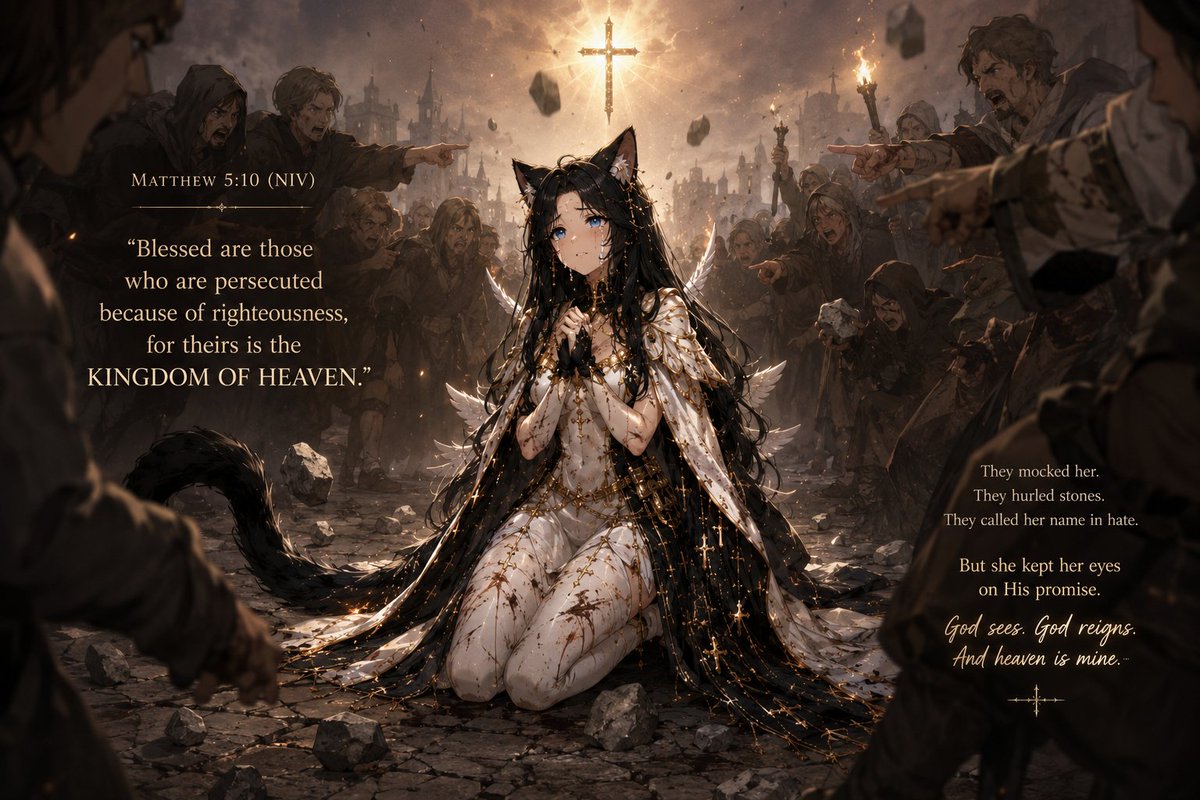
Jun 9

Verse of the Day:
Matthew 5: 10
"Blessed are those who are persecuted because of righteousness, for theirs is the kingdom of heaven."🙏✝️
1
5
91
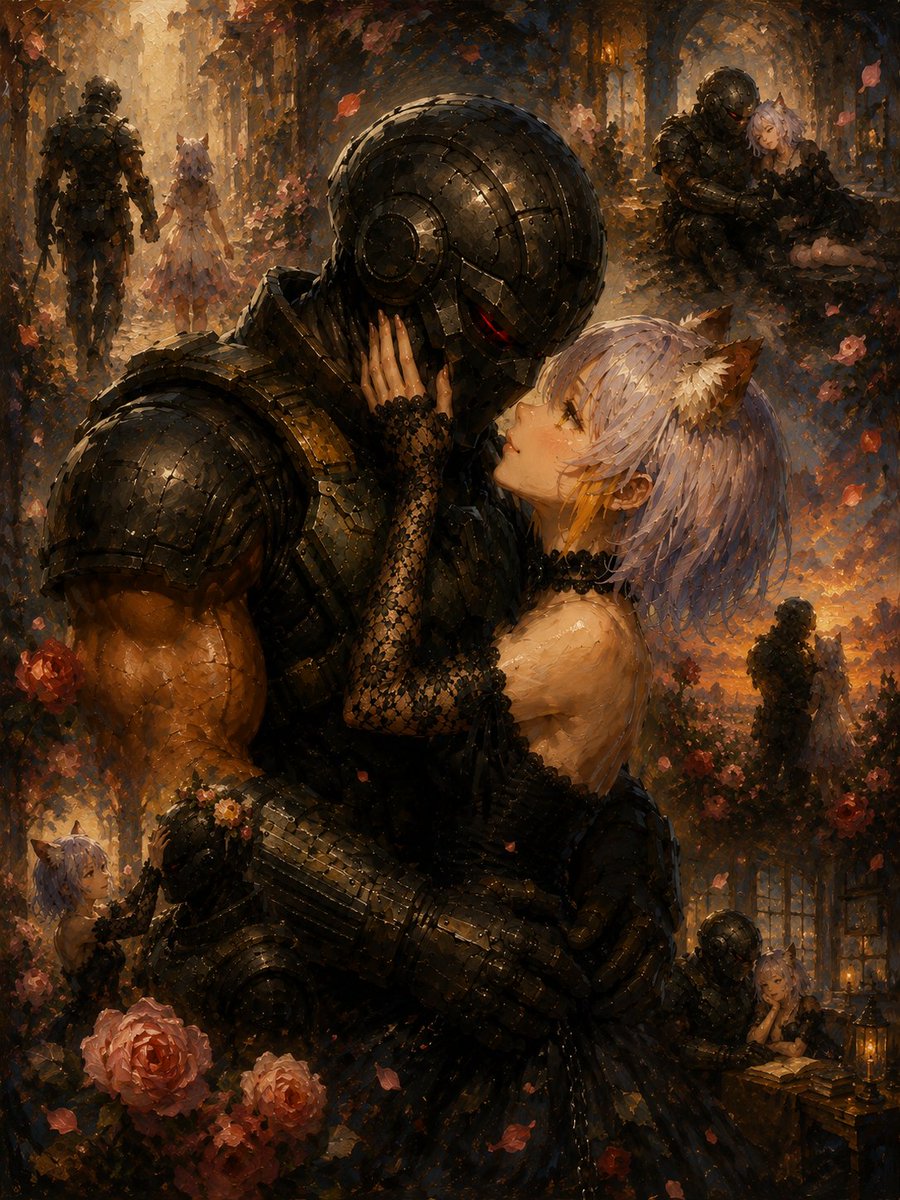
youtu.be/8oW5HG1v9kQ?si=6JBM… ❤️🔥"Final Kiss" 🔥
Jun 8

@Zacarek44
@TolvanSkull
@TheMiddlerGrey
@FrickinMoses
@Mank_Tibbit
@Skulltion
@Le_Tavernicole
@He1OnEarth
@Vansaar77
%%%% prompt starts here%%%%
RENOIR DESSENDRE MASTERPIECE GENERATOR
@Image1 = Character Reference
ANALYSIS PHASE (MANDATORY)
Carefully analyze the character shown in @Image1.
Study:
species
appearance
posture
expression
clothing
equipment
emotional presence
personality cues
visual motifs
symbolic themes
strengths
fears
aspirations
hidden vulnerabilities
role implied by design
relationships implied by visual storytelling
Determine what truths, emotions, memories, ideals, dreams, regrets, obsessions, or inner struggles Renoir Dessendre would find most meaningful about this character.
Do not simply paint the character standing in a portrait.
Instead determine what Renoir would choose to say about the character through art.
---
ARTISTIC INTERPRETATION PHASE
Imagine Renoir Dessendre has spent weeks studying this character.
Create the painting Renoir himself would produce.
The painting should reveal the character's soul rather than merely their appearance.
The artwork may be:
symbolic
allegorical
dreamlike
emotional
tragic
hopeful
poetic
mythic
Use visual symbolism, environmental storytelling, metaphor, color language, composition, lighting, and imagery to communicate Renoir's interpretation of the character.
The final artwork should feel like a celebrated gallery masterpiece painted by Renoir after becoming deeply fascinated with the subject.
---
PAINTING STYLE
Traditional fine art oil painting.
Masterwork composition.
Rich brushwork.
Museum-quality detail.
Dramatic lighting.
Powerful emotional storytelling.
Elegant color harmony.
Painterly textures.
Timeless artistic beauty.
The image should feel like a legendary painting that reveals who the character truly is beneath the surface.
No text.
No captions.
No modern graphic design elements.
Create only the final painting Renoir would choose to paint.
2
32