
Joined April 2022
- Tweets 39,207
- Following 544
- Followers 688
- Likes 140,598
401 Photos and videos











Pinned Tweet

18 Jan 2025
Produced by one of America's poets who for @realDonaldTrump inauguration. If you haven't heard this @CatholicVote , @michaeljknowles , & @NickJFreitas , you're missing out on a real treat. It's like listening to a new era be born. Folks deserve the opportunity to experience this!
17 Jan 2025

Here it is, “America Is the Poem,” the poem I composed for @realDonaldTrump's second presidential inauguration. I recorded the audio of myself reading the poem and the brilliant @realsashastone created the video. Feel free to share it. God bless America!
3
4
26
7,990
Imagine an internet where this type of news filled our timelines.
Beautiful!

In Australia, the captain of this football team went into the stands after his team won the championship to get their waterboy, who has Down's Syndrome, so they could celebrate together. 🙌
6
Aidan_MacAnBhaird retweeted

Jun 11
167
624
2,797
127,829
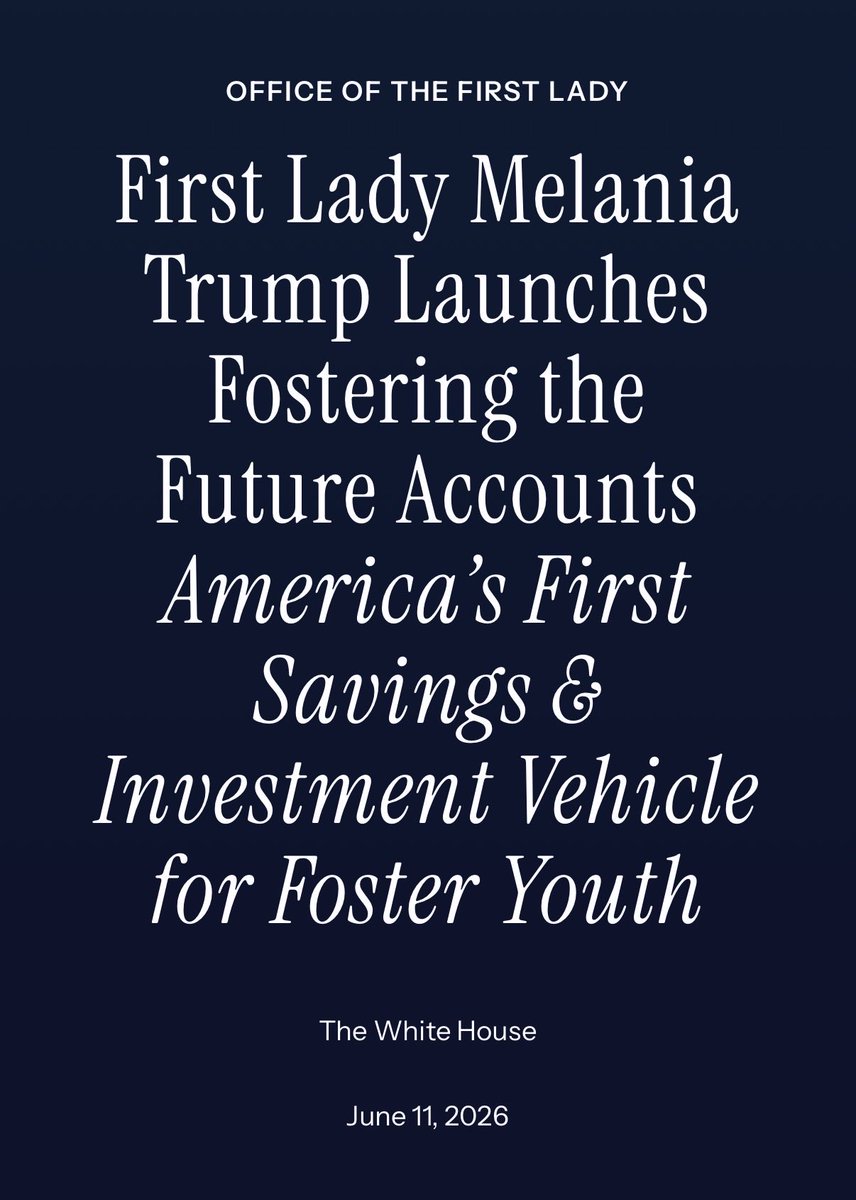
How beautifully stated & what a clear picture of holding to immigration law AND solid vetting. Imagine the strength of America if this gentleman's attitude was the norm of all those becoming citizens?

12
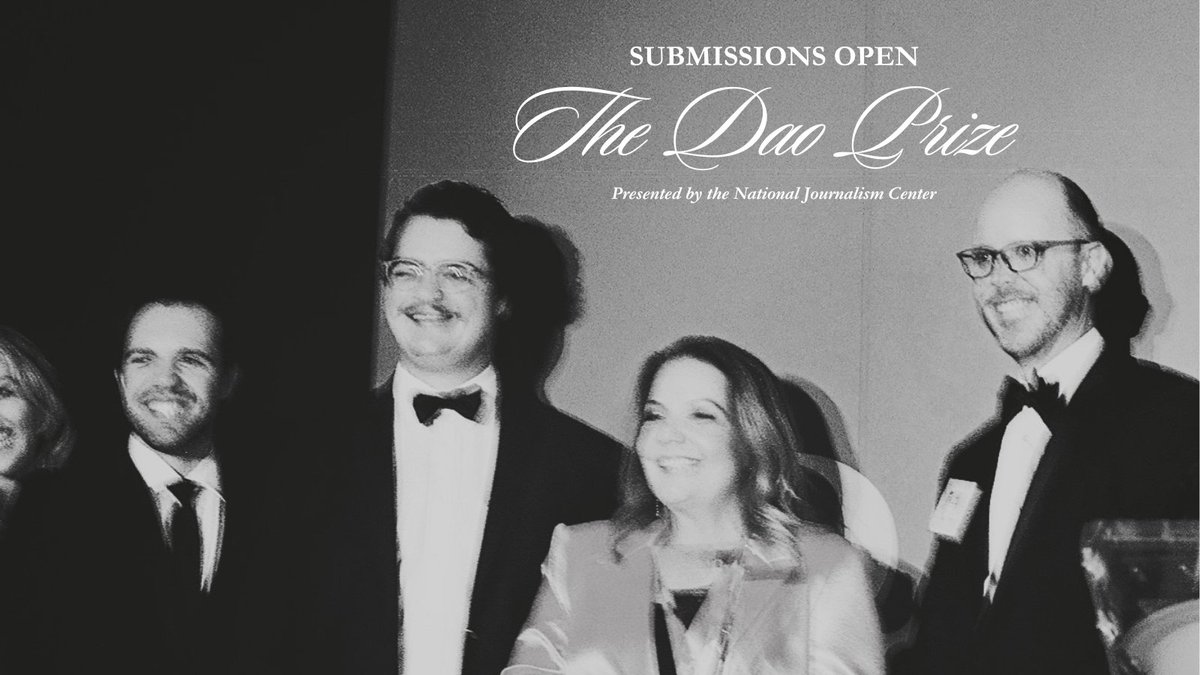
Wootness for @MZHemingway ! What Dao Feng He & Angela He both envisioned & created in the Dao Prize is outstanding, while @NJC_YAF
has been commendable in their stewardship! Pay close attention to this award. The outstanding journalism AND journalists you'll find are great!

This year, NJC welcomes @MZHemingway as a guest Dao Prize judge alongside the committee’s other esteemed panelists.
Hemingway won the 2025 Dao Grand Prize with @FDRLST staff for their series on the Russia Collusion Hoax.
22
THIS right here.
Should be flaming news all over the US.
On top of current illegal importation of some of the worst viruses known to man, Monkeypox vials were illegally shipped in luggage that was subsequently "lost." Not the only "lost" samples of a pathogen? @TheJusticeDept
Jun 9

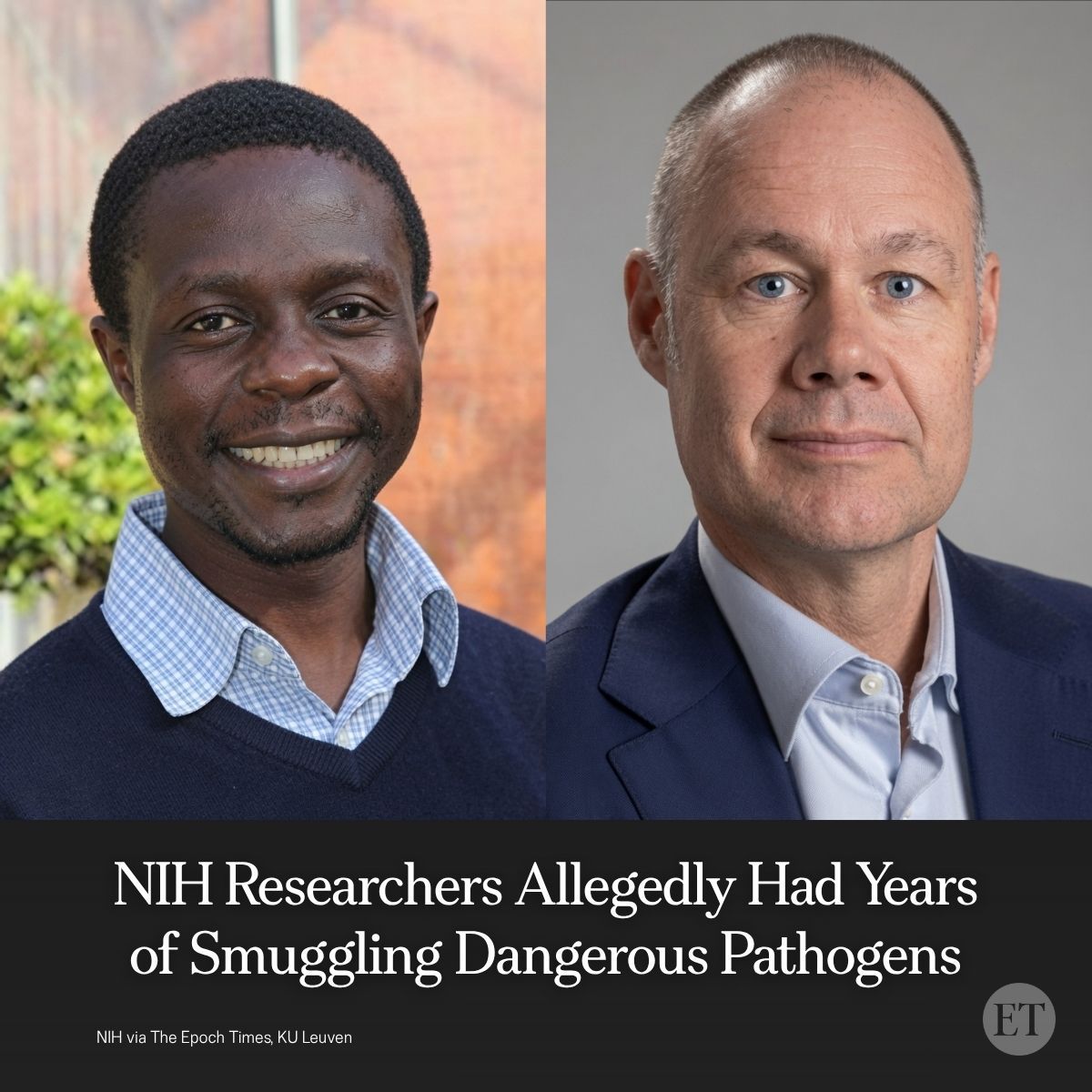
NIH researchers charged with allegedly smuggling viral pathogens into the United States previously flew or planned to fly viral samples to the country, according to newly released emails.
Claude Kwe, who worked under Vincent Munster at the NIH’s National Institute of Allergy and Infectious Diseases, brought DNA from 35 samples that tested positive for monkeypox in 2024. Kwe wrote that they were eager to perform full genome sequencing on these samples, which contained or were derived from a select agent.
Munster separately discussed shipping samples of a monkeypox strain called the Congo Basin clade in 2022. In other emails, researchers discussed coronavirus samples, including having the Omicron variant brought to the United States without NIH shipping involvement. An outside researcher also proposed that Munster hand carry samples from Africa.
Sen. Rand Paul released the emails and stated that NIH scientists charged with attempting to smuggle monkeypox had a years-long history of skirting rules for moving dangerous pathogens. Federal prosecutors accused Kwe and Munster of smuggling monkeypox from the Republic of Congo and lying to investigators.
Emails from 2012 showed the NIH mislabeling a shipment of MERS coronavirus as diagnostic rather than infectious.
1
12
Aidan_MacAnBhaird retweeted

Jun 9
Do you find it alarming that groups of grown men are sneaking into New York City's critical underground infrastructure, yet the current administration and police have left residents completely in the dark?
Tonight, on Real America w/ @DanNewsManBall – New York City Resident & Author of 'Supermoms Activated' Substack Jacqueline Toboroff @jacquetnyc
Watch Real America on YouTube TV Today!
17
72
195
24,917
I'm not trying to act like a click-bater, but by golly, this is HUGE. @EdwardTWinz is NOT joking when he says, "stop scrolling.." So, how are you going to check our the doctor, nurse, dentist, dental assistant, or any other person holding your life in their hands?
How?

🚨 stop scrolling.. do you understand what this fake degree ring actually means to your life..
because most people only think about visa fraud as a paperwork problem..
those 100,000 seized certificates weren't for desk jobs.. they were for medicine.. nursing.. engineering.. IT.. fields where a fake credential doesn't just steal a job.. it puts someone in a hospital treating your family..
and here's the part nobody's connecting..
100,000 seized is 10% of the estimated total.. 900,000 fake degrees are still out there.. attached to real people.. working real jobs.. inside real companies and real hospitals that verified nothing..
a former US consular officer who processed 51,000 H-1B applications in Chennai said 80 to 90% of the applicants she saw used fraudulent documentation..
a 2008 USCIS audit found more than 13% of already-approved H-1Bs were fraudulent..
that was 18 years ago.. the program kept running..
Manav Bharti University sold 36,025 fake degrees while issuing only 5,455 real ones.. this has been running since at least 2010..
this isn't a printer in a back room.. it's a supply chain.. fake seals.. fake holograms.. fake transcripts.. 22 universities.. multiple states.. an estimated 1 million documents worldwide..
your doctor might have one of these degrees..
the system worked for the forgers.. just not for you.
I'll keep you updated. Turn on notifications. 🚨
17
THIS thread. Not long, but POWERFUL!
Thank you, @FDRLST , for doing the much-need job of hard news investigation & reporting. More, please!
Jun 6

Listening to my fellow CNN panelists last night, I felt like it was 2017 all over again. RUSSIA, RUSSIA, RUSSIA!
First, they denied the intelligence community was part of The Swamp. Then, they accused me of lying about Barack Obama’s central role in the Trump-Russia collusion hoax. And finally, they lectured me for suggesting there was anything nefarious about the whole ordeal.
Fortunately, we have plenty of receipts thanks to the Dao Prize-winning journalism of @FDRLST.
Let’s begin ...
1
20
My G'pa & Great Uncles never said much about that day. All I remember of June 6th around them was their somberness & reverence in both silence & stillness. They taught without words what respect & sacrifice meant. Prayers of thanksgiving for those who gave us their tomorrows.
Jun 6

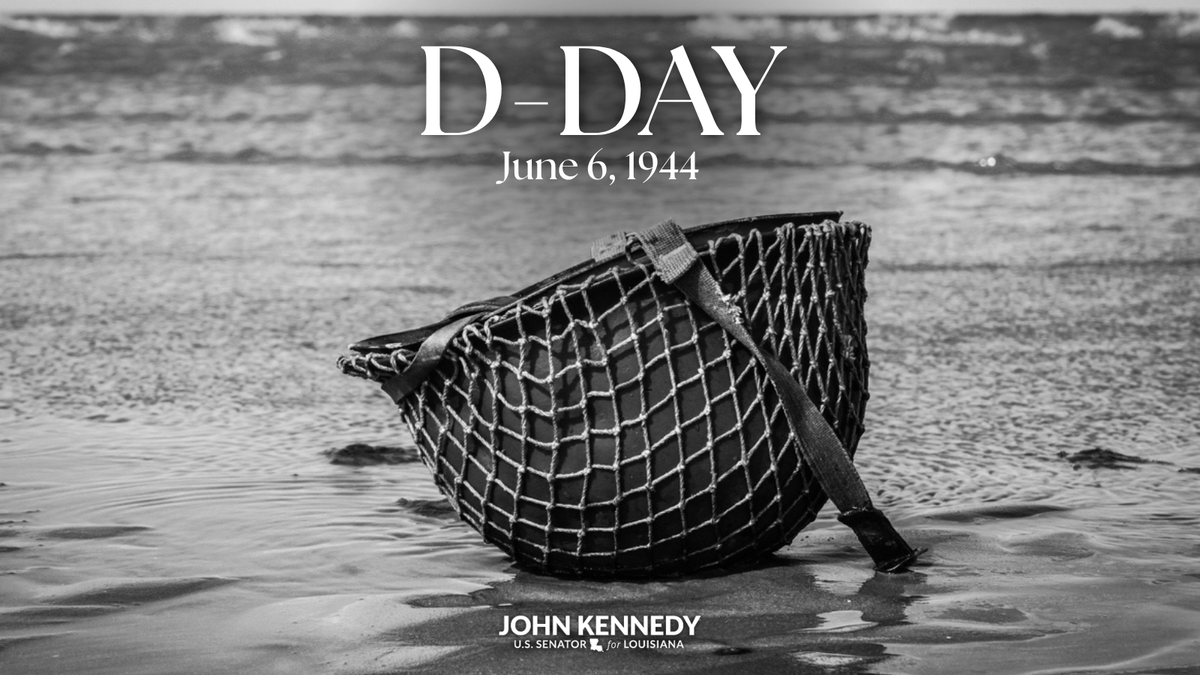
82 years ago, the heroes of D-Day stormed Normandy and showed the world what freedom costs.
They looked tyranny in the eye and did not blink. They helped save the free world.
We can never repay them—but we will always remember their courage, sacrifice and love of country.
16
Aidan_MacAnBhaird retweeted

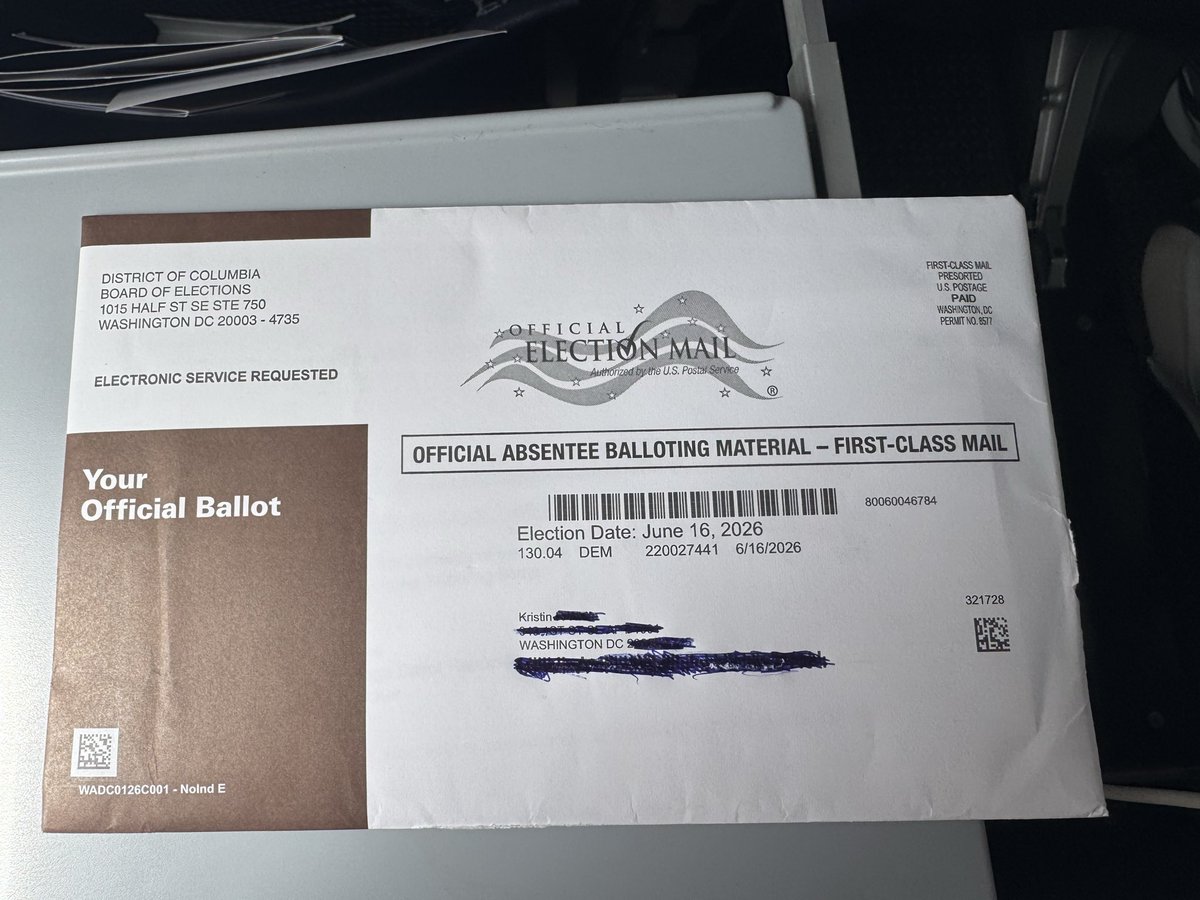
Yesterday, I received an official mail ballot at my Washington apartment for a woman I’ve never heard of.
I’ve rented this place since I got elected OVER A YEAR AGO.
All anyone would need to do is fill it out, sign it, and send it back.
Democrats are stealing elections every day.
PASS THE SAVE AMERICA ACT!
4,430
8,595
23,177
2,873,117

SpaceX IPO info

SpaceX was founded to make life multiplanetary. We’ve been able to expand that mission with our Starlink constellation and AI solution
Learn more → spacexipo.com
3,702
8,426
61,246
11,152,125
Aidan_MacAnBhaird retweeted

Jun 3
🚨READ IT
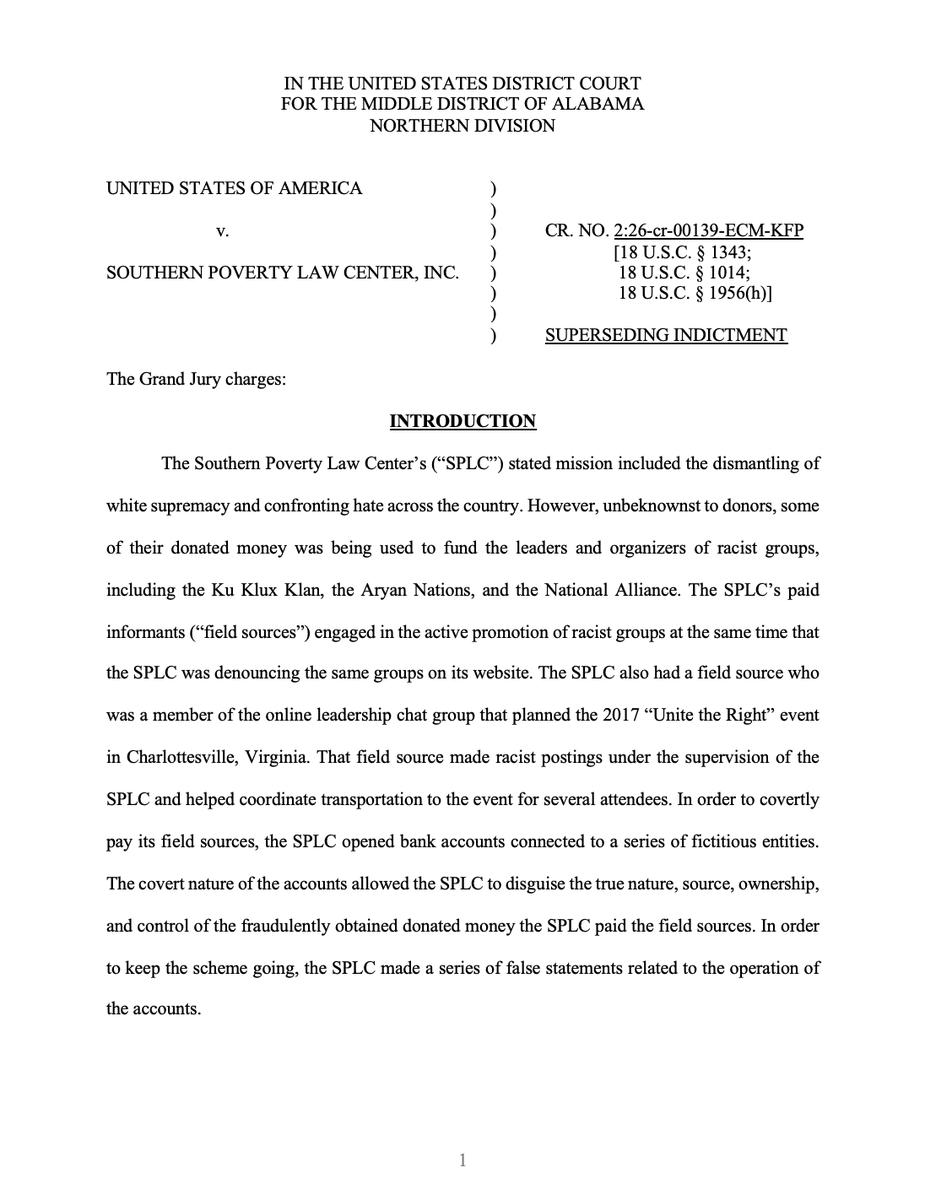
The Justice Department just secured a superseding indictment against the Southern Poverty Law Center, and it reveals some new bombshells
🧵1/20
dailysignal.com/2026/04/26/s…
1,081
10,873
30,309
9,489,463
Aidan_MacAnBhaird retweeted

Jun 3
The Council on Foreign Relations is one of the most influential organizations in America. It is also one of the most important components of the Deep State. Learn about the CFR. You need to know what it is.

3
43
155
3,335
If you aren't following @ProudofusUK & taking a hot minute to watch their outstanding content you're cheating yourself out of the type of valuable knowledge that brings quality & positivity to a rancorous online world. Give them a minute of your attention. You'll be glad you did!
Jun 3

An ibex is carved into a Derbyshire cave wall. 🇬🇧
But there are no ibex in Britain...
There never have been. Nobody knew THIS until 2003.
Church Hole Cave at Cresswell Crags, on the Derbyshire-Nottinghamshire border. A British limestone gorge that had been excavated by archaeologists for over a century.
In April 2003, Paul Pettitt and Sergio Ripoll walked into the cave with grazing torches. They tilted the light at an angle no Victorian had thought to try.
And the wall revealed itself.
🦌 Stags. Bison. Long-necked birds. An ibex. Cut into the limestone roughly 13,000 years ago. Britain's oldest known art.
The carving is a paradox. There are no ibex in Britain, and there never have been. So why is one here?
The Ice Age had pinned modern humans into the southern refuges of Europe. The caves of southern France. The valleys of Spain. The Alpine foothills. The same culture that painted Lascaux and Altamira.
When the glaciers retreated, they walked north. Back into these islands. And they brought their world with them. Including the mountain animal they had grown up watching.
🇬🇧 Cave art was made all over the world. Africa. Indonesia. France. Spain. And Britain. Most British schools were never told.
━━━━━━━━━━━━━━
Most British schools don't teach Cresswell Crags.
We do.
Your support pays for the research, the production, and the time it takes to get it right.
Keep us at it. 👇🙏
👉 proudofus.co.uk/support 👈
Be part of us. ☝️🇬🇧
Be Proud Of Us. 🙏🇬🇧
1
11
Here's one that every culture & every peoples can contemplate in the concepts of unity & committment. Beautiful!
x.com/ProudofusUK/status/206…
Jun 2
🇬🇧 On a Berkshire hillside there is a chalk horse 3,000 years old.
100 generations of British people have refused to let it fade.
Its name is the Uffington White Horse. It sits on the chalk of the Berkshire Downs. And it was cut around 1,000 BC by Britons of the Late Bronze Age.
They cut a trench into the turf. And filled it with crushed chalk. They cut a horse 110 metres long. Visible from miles.
Chalk hillside art does not last. Grass grows. Silt fills. Without care, a chalk figure disappears within a generation.
🏔️ The Uffington White Horse should have vanished by the Iron Age. It did not.
Because every generation that has lived near it has scoured it. Cleared the grass. Refilled the chalk. Kept the design alive.
The Iron Age tended it. Rome tended it. The Anglo-Saxons named the hill after it. A Welsh poem of 600 AD mentioned it as already ancient. Medieval villagers held a festival to scour it. Victorian villagers wrote songs about it. And every year, modern volunteers continue.
3,000 years of British people. Bronze Age carvers. Iron Age tribes. Roman Britons. Anglo-Saxon farmers. Medieval villagers. Victorian families. And the British still here today.
The carvers who cut the horse became Britons. Their descendants became the British. 100 generations have tended the same horse. 100 generations have refused to let it fade. The horse is alive because the people have stayed.
This is what continuity looks like. Not a memory. Not a museum. A horse kept alive by hand.
🇬🇧 If you want to know whether the British are still here, look up.
━━━━━━━━━━━━━━
The chalk has been re-cut by hand for 3,000 years.
Most British kids have never been up the hill.
Our work is made in Britain, for Britain.
Take your kids up the hill. 🙏
👉 proudofus.co.uk/support 👈
Be part of us. ☝️🇬🇧
Be Proud Of Us. 🙏🇬🇧
17
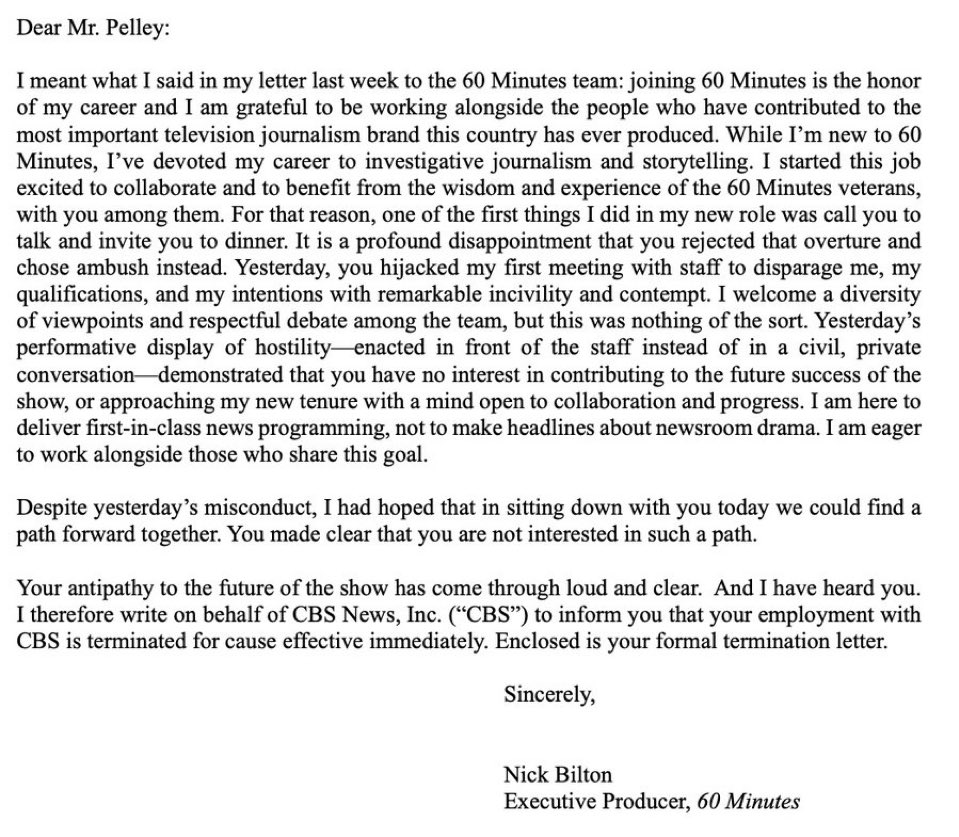
I haven't trusted @60Minutes since they made gas tanks on trucks explode to manipulate a story's narrative. I'm hoping @bariweiss has been working hard to change the culture on the show, & with the appointment of @nickbilton as Exec Producer, I'm hoping maybe, just maybe...

12
Wootness!!! Please keep praying for Abraham ─ husband of @TulsiGabbard , who is fighting cancer right this minute.
4
Aidan_MacAnBhaird retweeted

Calling all readers: My Summer Reading Challenge is back! Visit wh.gov/read TODAY to download your reading log and get started. Your next summer adventure is just one page away!
635
2,657
16,705
1,870,492
Aidan_MacAnBhaird retweeted

Jun 1
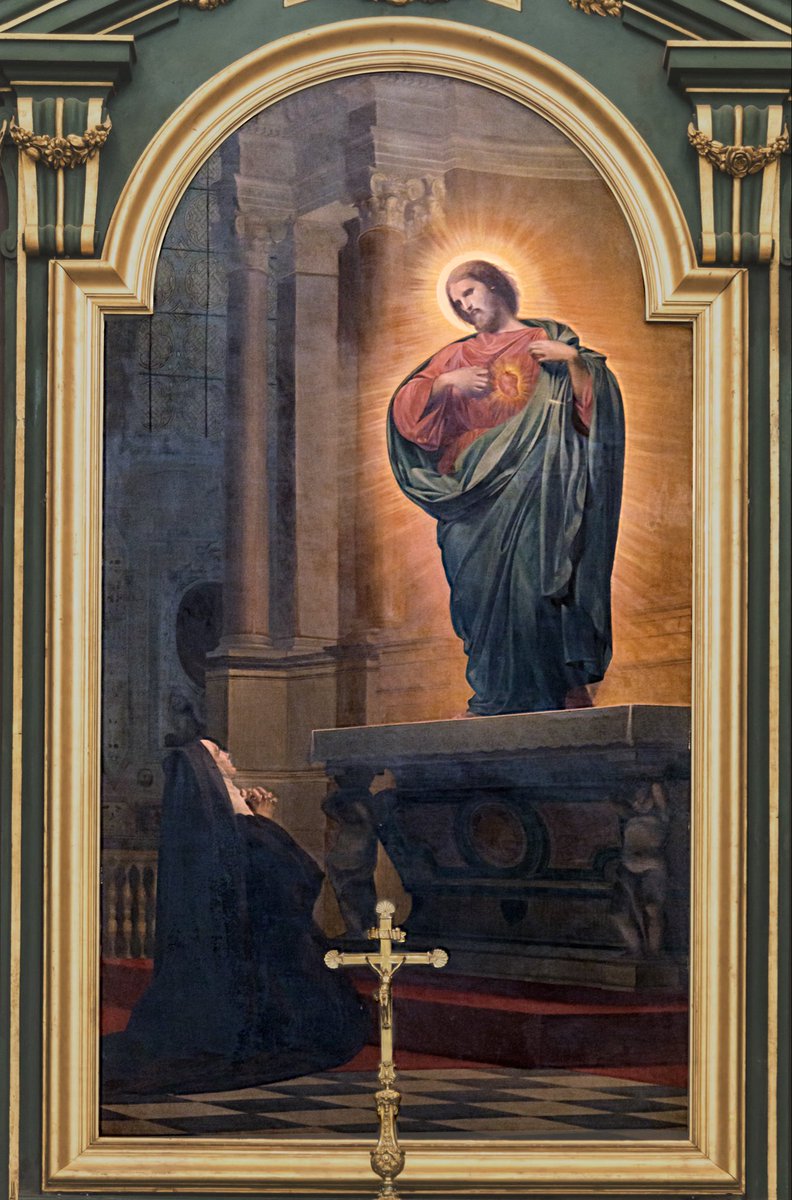
Relics of St. Margaret Mary Alacoque, the French nun to whom Jesus revealed His Sacred Heart in the 17th century, will travel from France to Florida this summer, as U.S. bishops consecrate the nation to the Sacred Heart of Jesus.
4
25
218
2,715
Amen, brother, & twice on Sundays!
Jun 1


1
24