Latest news and updates from the exome and genome sequencing service at the Exeter Genomics Laboratory, Royal Devon University Healthcare NHS Foundation Trust
Joined May 2017
- Tweets 487
- Following 440
- Followers 1,545
- Likes 1,465
20 Photos and videos

ExeterGenomes retweeted

29 May 2025
We are excited to share our new paper out today in Nature Genetics which explores de novo mutations in DNA secondary structure and identifies two novel #diseasegenes
nature.com/articles/s41588-0…
3
18
42
5,465
ExeterGenomes retweeted

24 May 2025
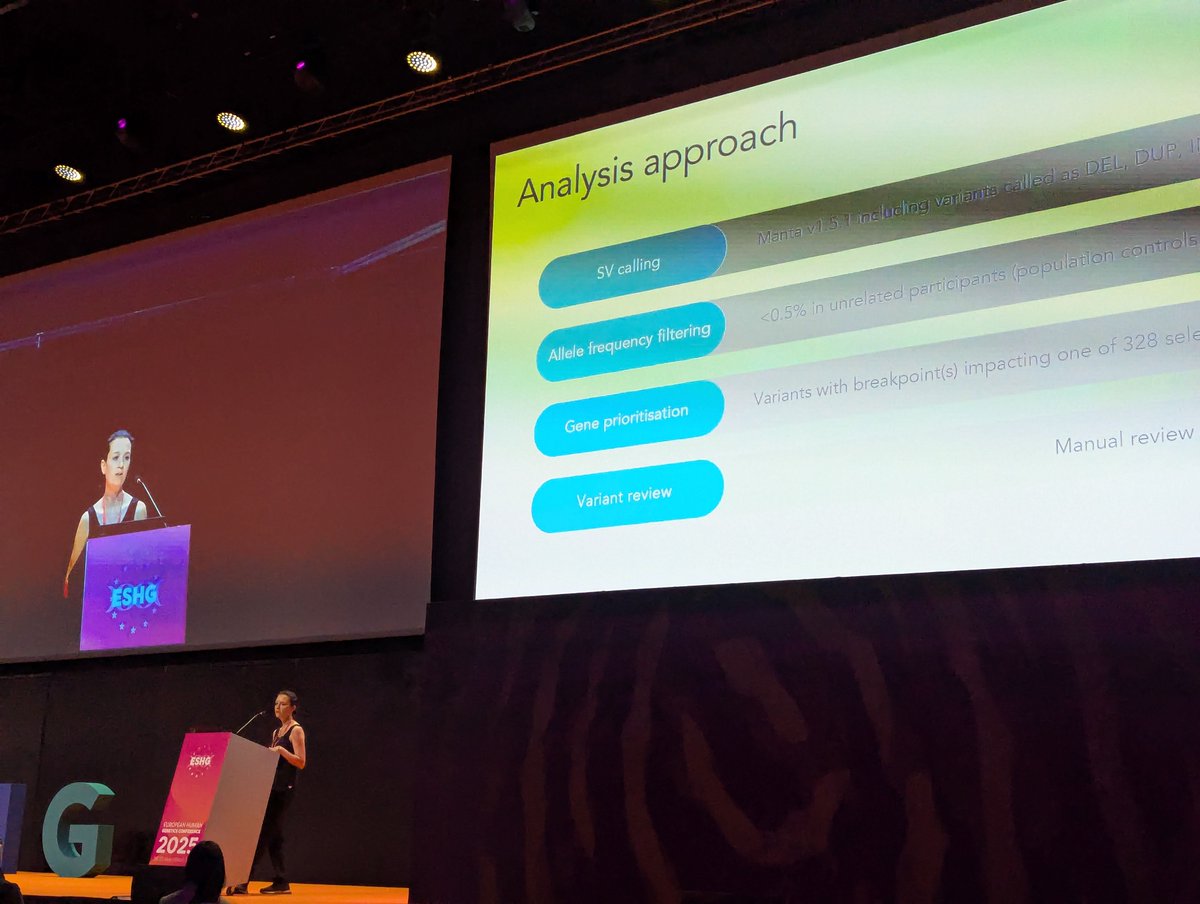
C01.01 First livetweet (yes I'm a bit old school) of #ESHG2025 for me
🔍Diagnosis detective Susie Walker from @GenomicEnglands presenting SV calling from across their short-read WGS cohort highlighting multiple diagnoses not apparent with CNV calling alone
#WGS
1
3
14
756
ExeterGenomes retweeted
24 May 2025
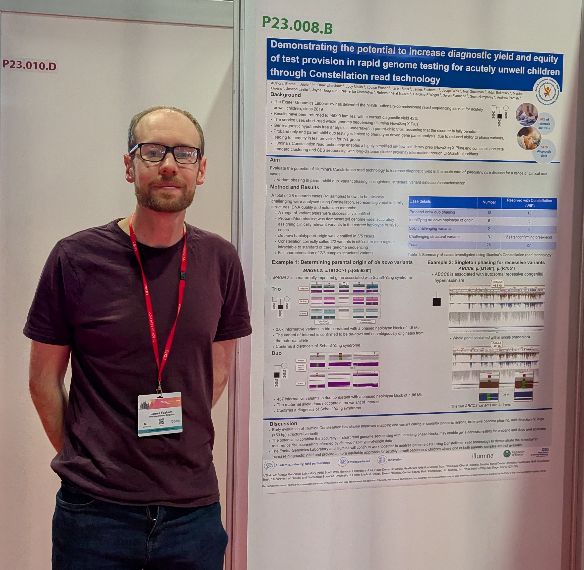
Phasing ✅ Parent of Origin ✅ SV resolution ✅ from *short* read WGS with @illumina Constellation technology
Haven't heard about this yet?
- see P23.008B at #ESHG2025
@ExeterGenomes
@nihrexeterbrc.bsky.social
@exeter.ac.uk
3
16
627
ExeterGenomes retweeted

9 Apr 2025
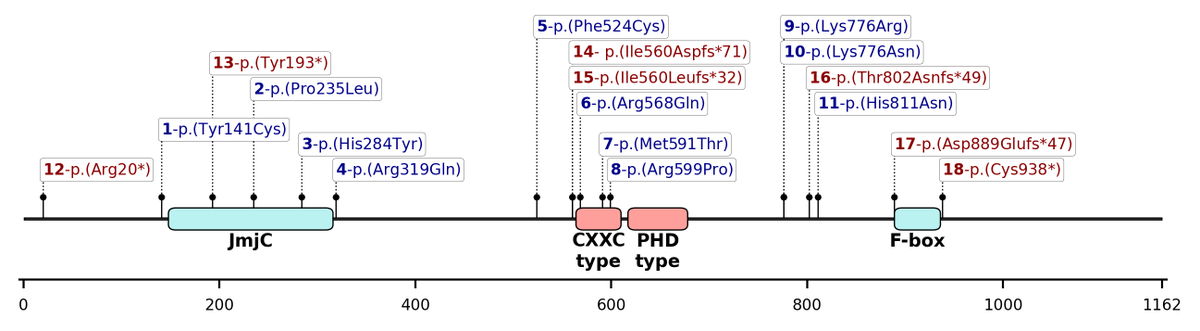
Happy to finally share our latest Mendelian gene discovery work on #KDM2A where de novo variants cause a syndromic neurodevelopmental disorder. A great collaboration incl. lab of Udai Pandey, @Stephan_HolgerD @hcmefford & many more. 👇 #MorbidGene
medrxiv.org/content/10.1101/…
4
18
876
ExeterGenomes retweeted

12 Feb 2025
📢Call for Abstracts - 1st EpiGenrare Conference
📃Please submit before 17thFeb using link below:
forms.office.com/e/GxhFZMf5H…
Event Details:
🗓️26th March 2025, 10:00 - 16:30.
🏨Hyatt Regency, Manchester
🎟️FREE Tickets here:
buytickets.at/rdrukepigenrar…
@RDRUKHub @smbanka @mikeyab6872
1
2
3
236
ExeterGenomes retweeted

25 Feb 2025
We’re pleased to share that registration for the Genomics Training Academy (#NHSgtac) learning environment is now available for professionals in NHS genomic medicine services. Contact your education/training lead to request a registration pack. Learn more: buff.ly/41c5hct

8
14
1,094
ExeterGenomes retweeted

24 Feb 2025
GenROC has been open for almost 2 years. We will close to new participants in 4 days but there is still space so don't miss out....And you have until the end of March to complete questionnaires

3
5
267
ExeterGenomes retweeted

26 Feb 2025
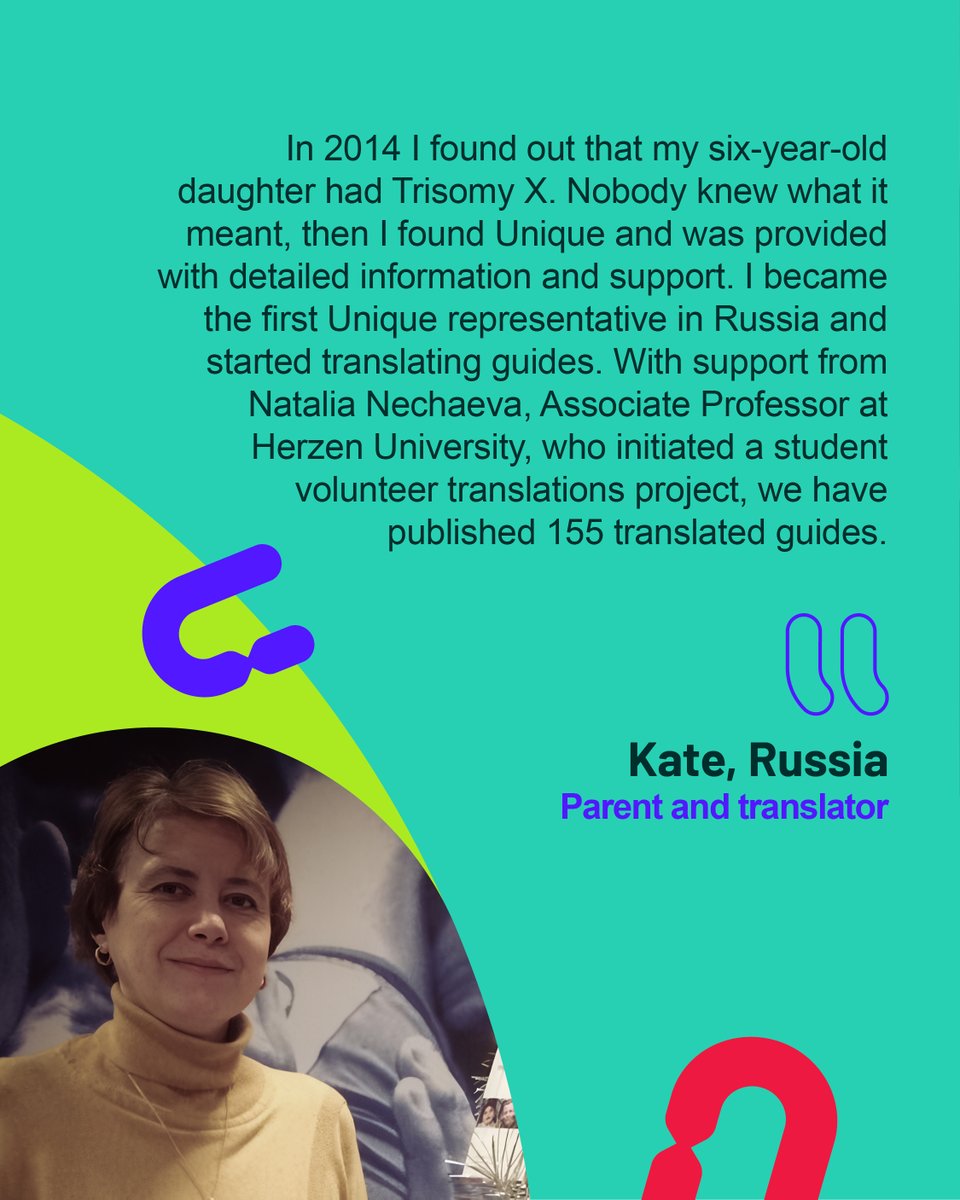
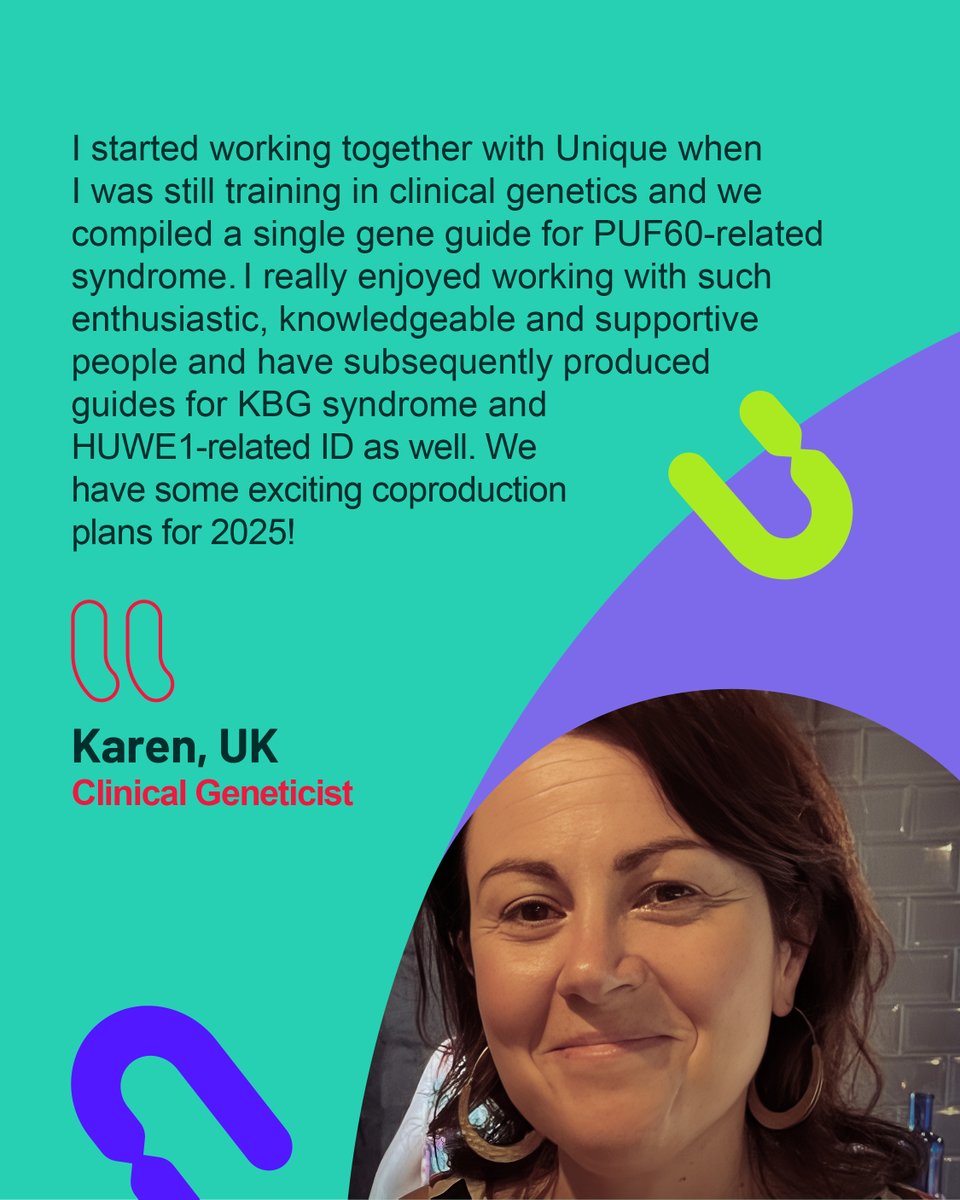
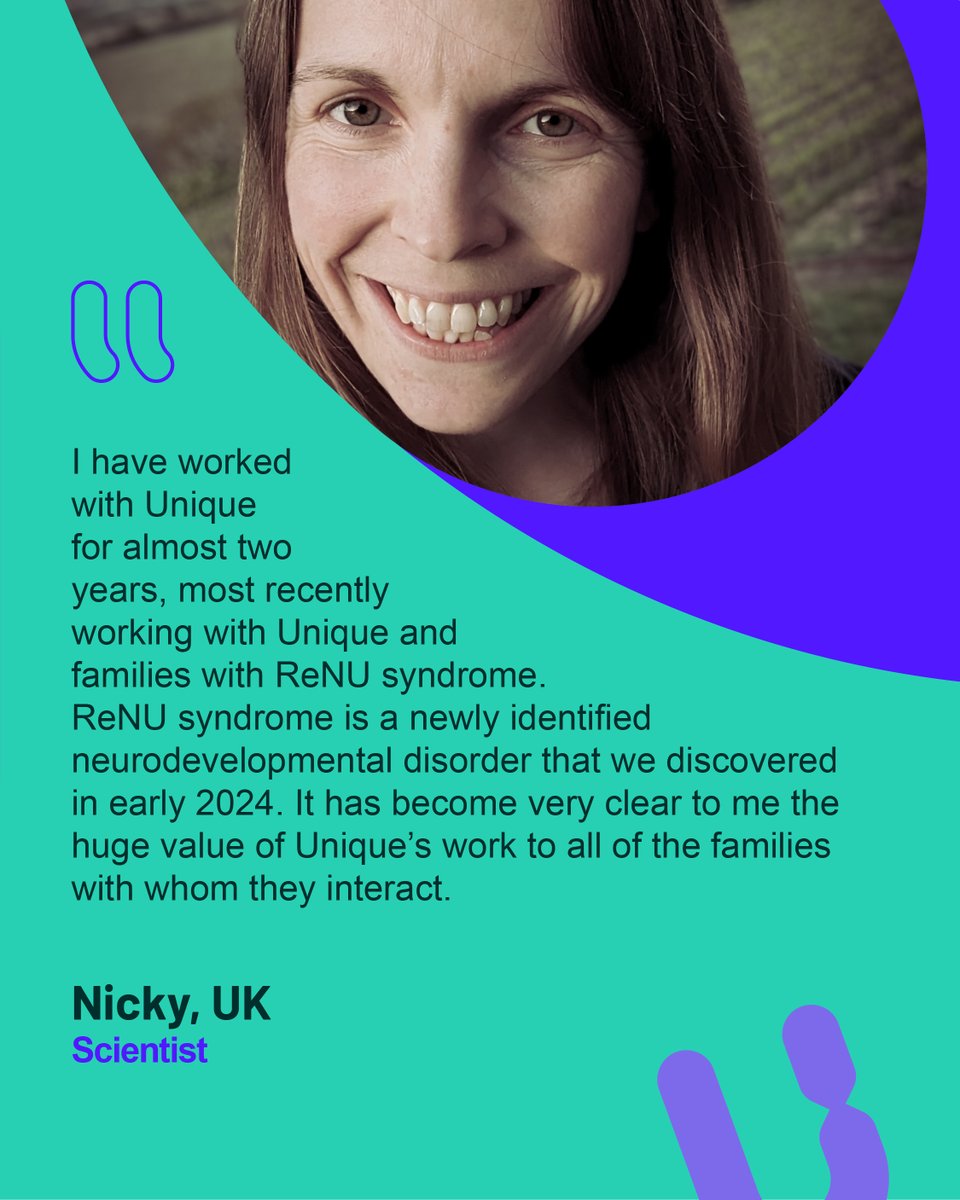
Support, knowledge & community can change lives. Swipe to read heartfelt stories from some of the brilliant scientists, geneticists & doctors we have had the fortune to work with. Our work extends globally, offering resources on rare chromosome and gene disorders.

6
16
385
ExeterGenomes retweeted
19 Feb 2025
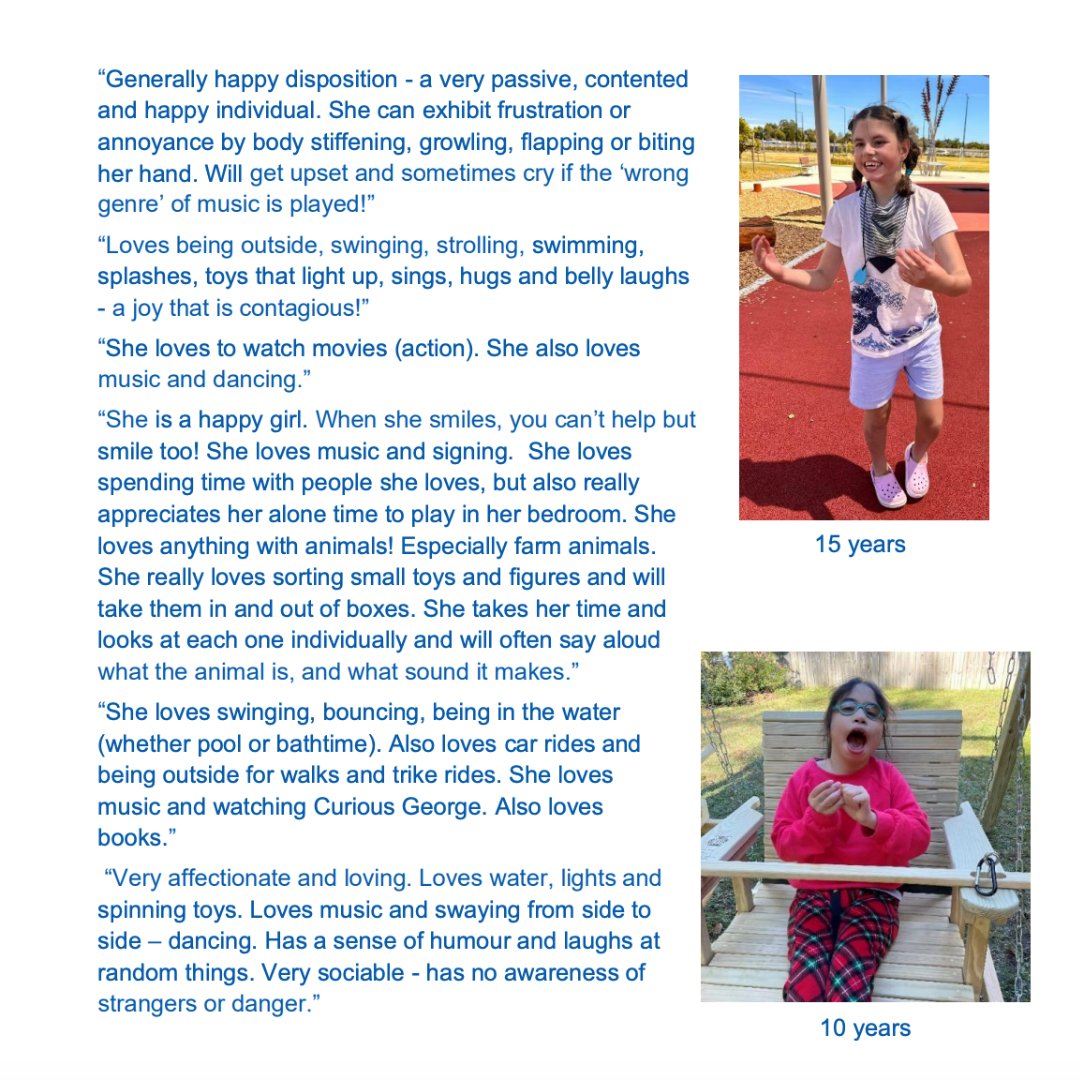
New Guide Available: ReNU syndrome (RNU4-2) 🧬
We're pleased to announce the release of a new guide on ReNU syndrome, a rare genetic condition that was first reported in 2024. Visit bit.ly/ReNUsyndrome to learn more about ReNU syndrome.
#ReNUSyndrome

3
15
403
ExeterGenomes retweeted

11 Feb 2025
On #InternationalDayofWomenandGirlsinScience I want to thank all the women working in healthcare science across the NHS and the world. You make a difference to patients every day by supporting the diagnosis & treatment of diseases and implementing new & innovative technologies.
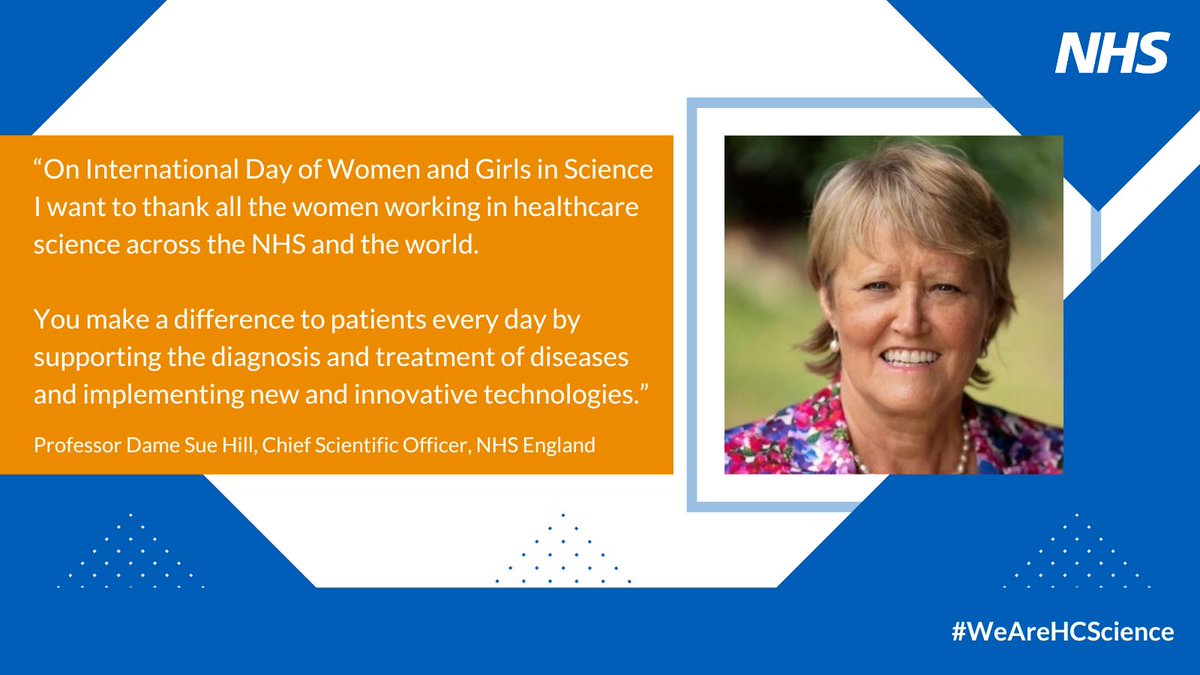
ALT Image of Professor Dame Sue Hill smiling at the camera with the same quote as the main post.
1
6
35
1,222
ExeterGenomes retweeted
30 Jan 2025
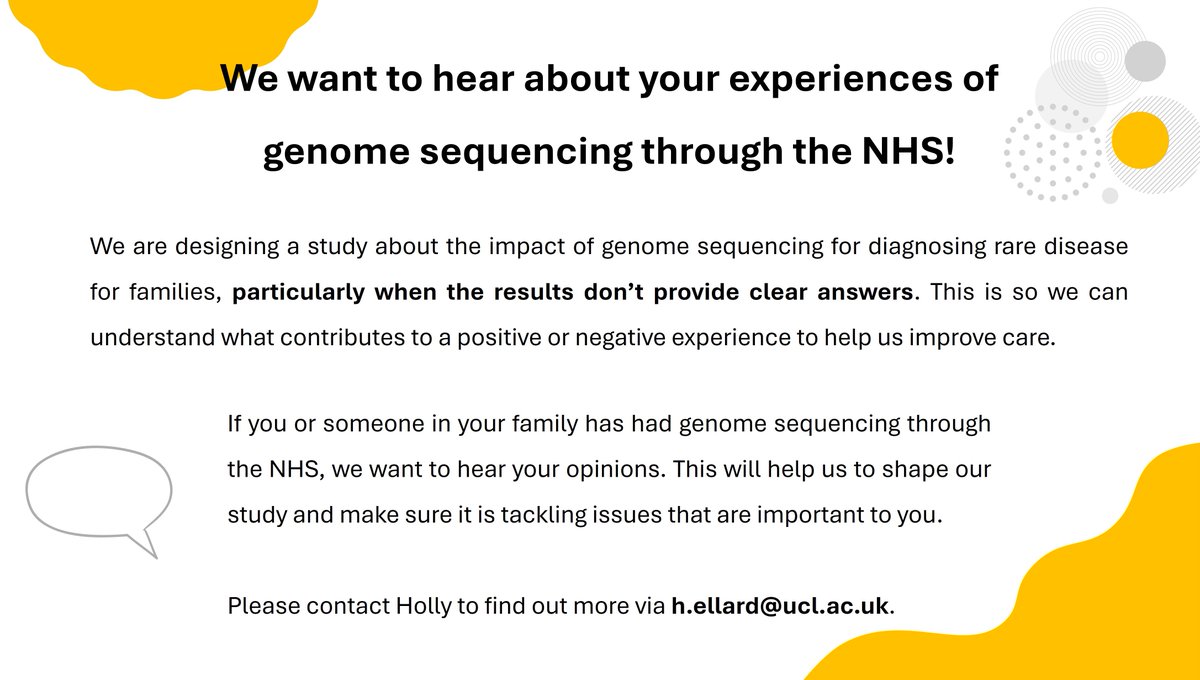
If you or someone in your family has had genome sequencing through the NHS, we want to hear your opinions. This will help us to shape our study and make sure it is tackling issues that are important to you.
Please contact Holly to find out more via h.ellard@ucl.ac.uk
14
11
688
ExeterGenomes retweeted

29 Jan 2025
@ExeterGenomes are celebrating!! The team in Exeter have been delivering diagnoses for children with rare genetic diseases since 2013. Initially as exomes, now thriving as a national rapid genome sequencing service (R14). We've just passed our 9000th family 😮🎉🥳 @SWGLH

1
6
18
821
ExeterGenomes retweeted
23 Dec 2024
As we approach the year's end, I want to say a heartfelt thanks to the NHS healthcare science community and I hope you can take a break over the festive period.
Please know that your contributions are deeply valued and we look forward to 2025 being another groundbreaking year.
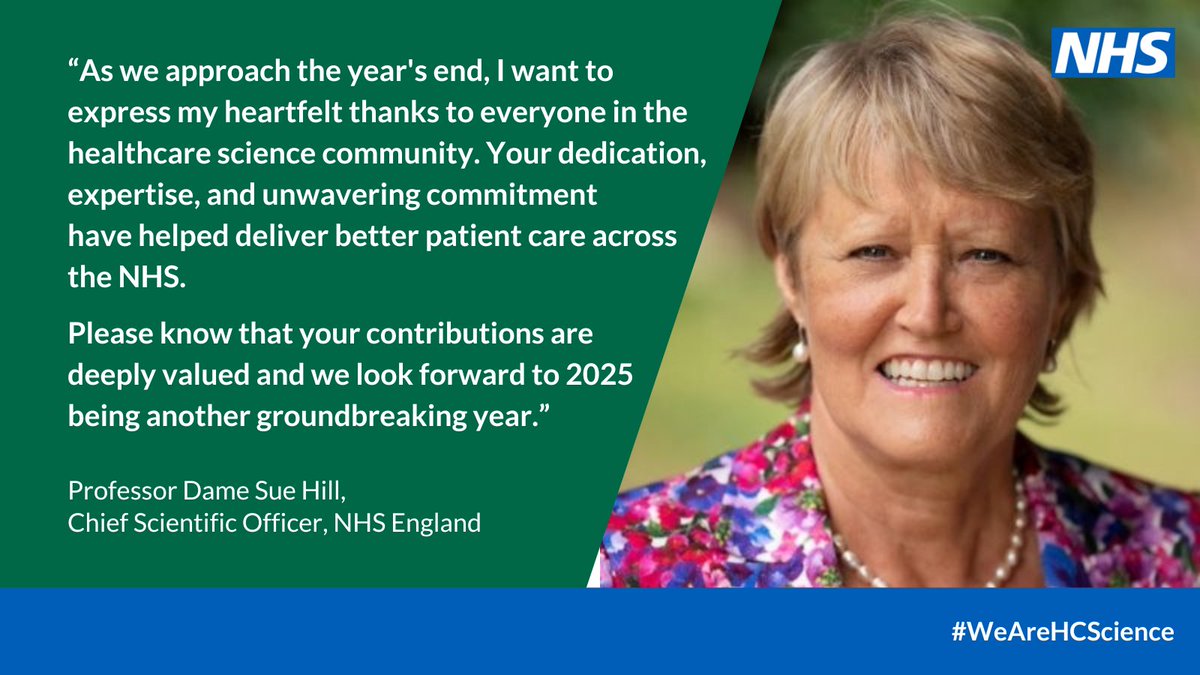
ALT Image of Professor Dame Sue Hill smiling to the camera with the quote from the post as text.
1
13
57
3,365
ExeterGenomes retweeted
13 Dec 2024
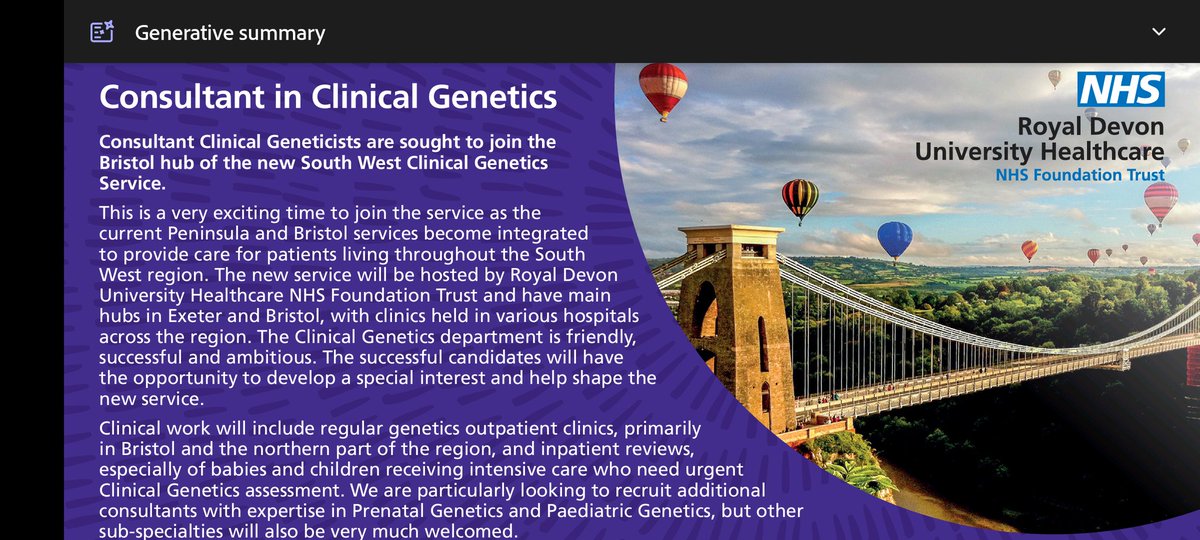
👀 Consultant job advert👇
Come and work with us in the beautiful South West of England.
Home of 🌊🌳and world leading 🧬 (@BristolUni @ExeterBRC @SWGLH and @ExeterGenomes)
Please DM me if interested, Im happy to answer any questions / arrange a meeting with our leads 🙂.
1
10
11
2,062

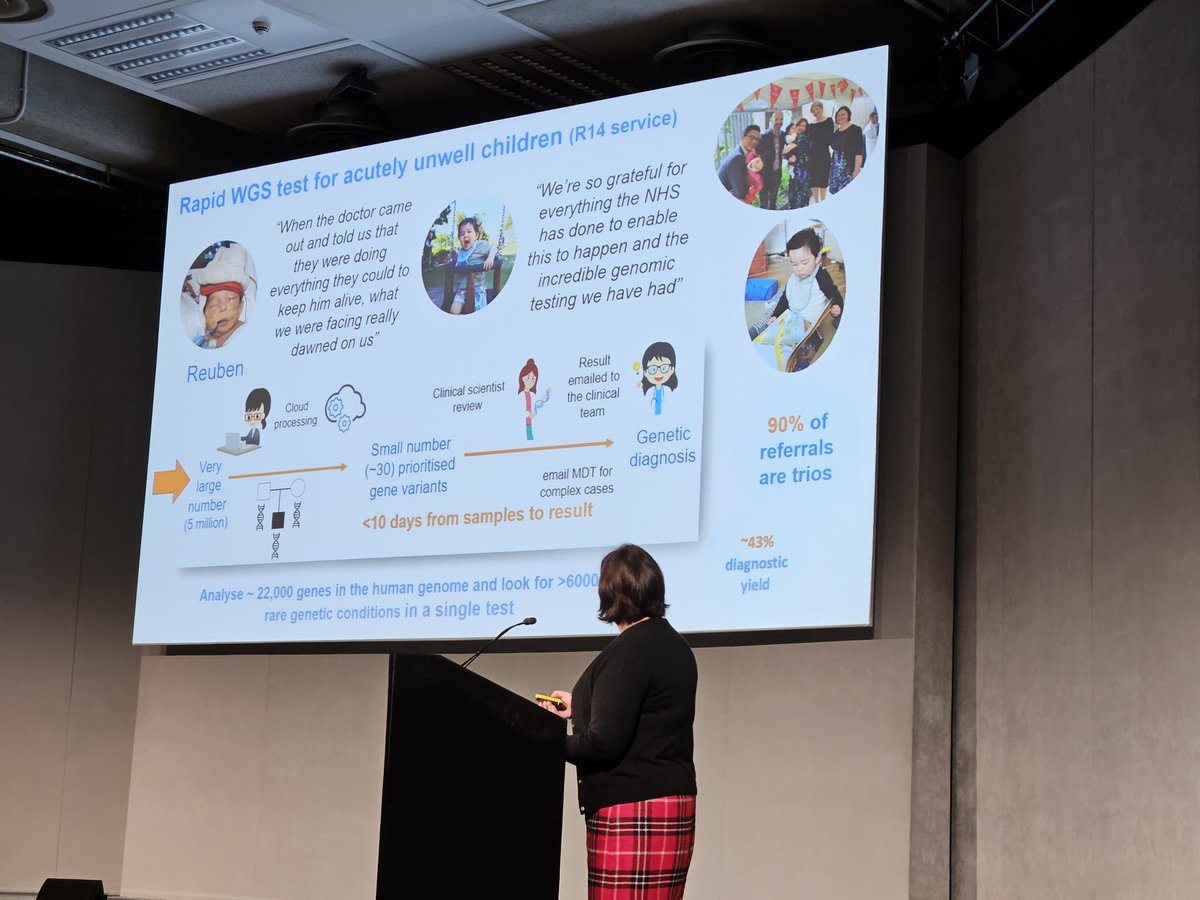
So pleased to see the work of the SW team delivering testing for actuely unwell babies and children highlighted today and the combined work of the RD Network of Excellence which strives to continue improving services through new technology. @SWGenomics @SWGLH @NHSgms
3
10
186
ExeterGenomes retweeted

2 Dec 2024
findaphd.com/phds/project/bi…
🚨New Fully funded PhD opportunity🚨
Examining the role of G-quadruplexes🧬in genetic disorders to discover new diseases and mechanisms
@adam_jackson89
Prof Sue Kimber
6
10
737
ExeterGenomes retweeted

20 Nov 2024
Great to see this work finally out Lindsey!
@yasmintangjx
@MitoMonika
@RDExeter
@EllardSian
@ExeterGenomes
@NEYGenomics
20 Nov 2024

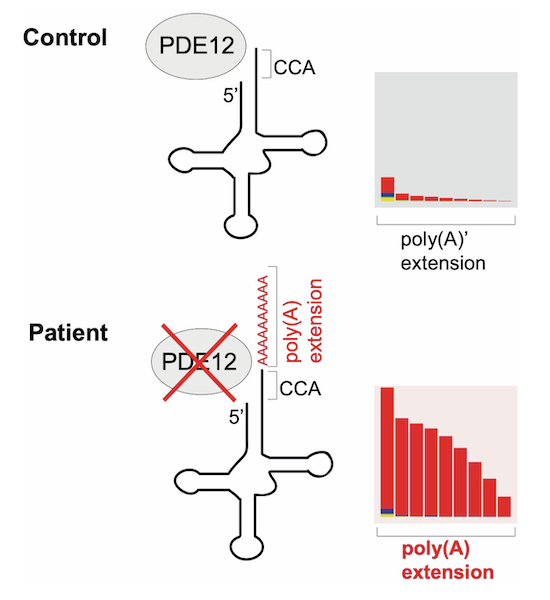
Proud to announce the publication of our latest paper! Huge thanks to all our collaborators for making this work possible. @Mito_gene @taylorlabncl
#Mitochondria #Research #MitochondrialDisease #RareDiseases
embopress.org/doi/full/10.10…
5
9
1,270
ExeterGenomes retweeted

15 Nov 2024
Our report on gaps in genetic services is now available online from our funders @AdelaideHealthF website. Thank you to them for trusting us to deliver. Míle buiochas to @AlanaJWard8 & @DebbyLambert14 for being great co-investigators. Have a read
1
4
16
4,199
ExeterGenomes retweeted

17 Oct 2024
Excited to share our @Nature paper introducing constraint metrics for #mtDNA! Constraint models are powerful tools that were missing for mtDNA—until now. By applying our model to #gnomAD, we reveal which sites in mtDNA are most crucial for health & disease nature.com/articles/s41586-0…
12
57
209
24,369
ExeterGenomes retweeted

8 Oct 2024
This is such a beautiful paper led by @ChristelDepienn and Caroline Nava, further characterising ReNU syndrome (caused by variants in RNU4-2) and also detailing a role for RNU5B-1 in NDD 🧬
Some highlights 🧵1/8
8 Oct 2024

Thrilled to share a new preprint on the role of RNU4-2 and RNU5B-1 variants in neurodevelopmental disorders, now online in MedRxiv. 1/12 🧵medrxiv.org/content/10.1101/…
2
12
48
6,875