
(CEO) - Chief Everything Officer @X | Fren | OG | Adventureneer 🤠 NEW DROP 24.03.24 | art of continuum mechanics | foundation.app/collection/ao…
Joined June 2019
- Tweets 30,737
- Following 4,106
- Followers 4,688
- Likes 69,778
5,691 Photos and videos








Pinned Tweet

24 Mar 2024

15
15
76
6,120

Creators: @NASARoman is launching this summer, and you’re invited!
We're looking for storytellers to join us as our Roman Space Telescope lifts off to help answer some of the biggest questions about our universe. Applications close June 28 at 11:59pm ET: go.nasa.gov/4v5hCge
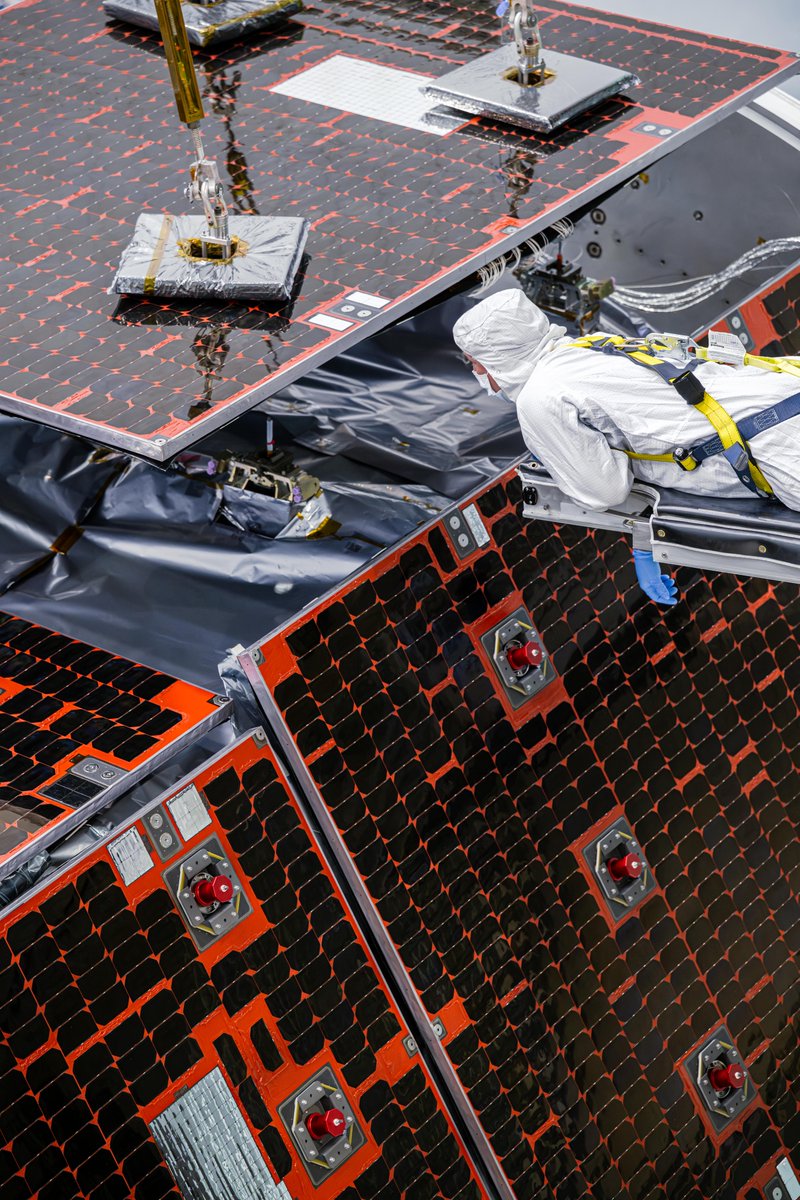
ALT A technician wearing white clean room protective attire installing Nancy Grace Roman Space Telescope's solar array Sun shield — a set of solar panels on the telescope. The panels are dark with red outlines. Credit: NASA
126
278
1,420
168,425

Make our Sun sentient to understand the Universe and extend the light of consciousness to the stars

2,817
2,650
18,895
13,749,633
Dave retweeted

Jun 14
The Dutch are fully invading Dallas as we speak
699
2,978
52,362
6,106,070
Dave retweeted

Jun 12
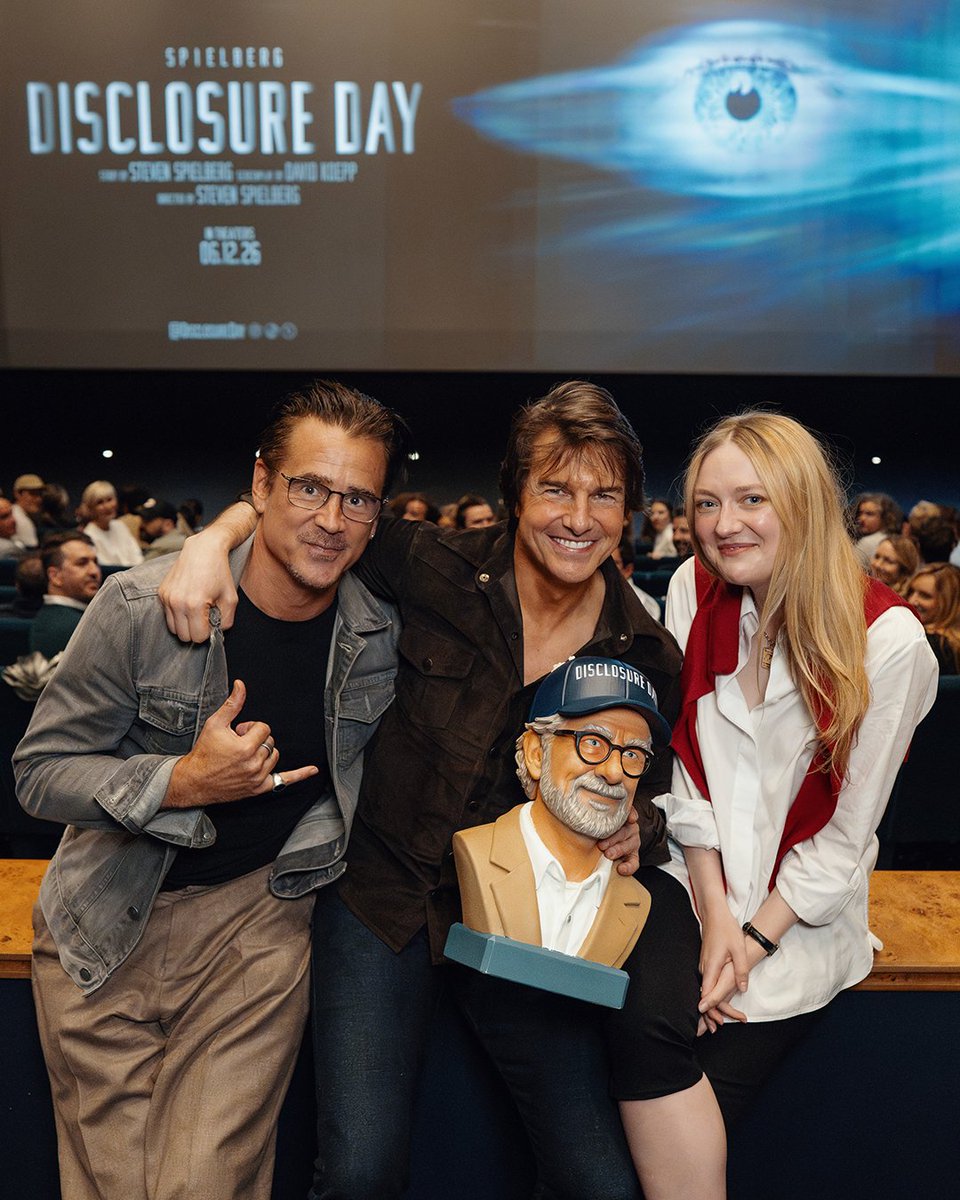
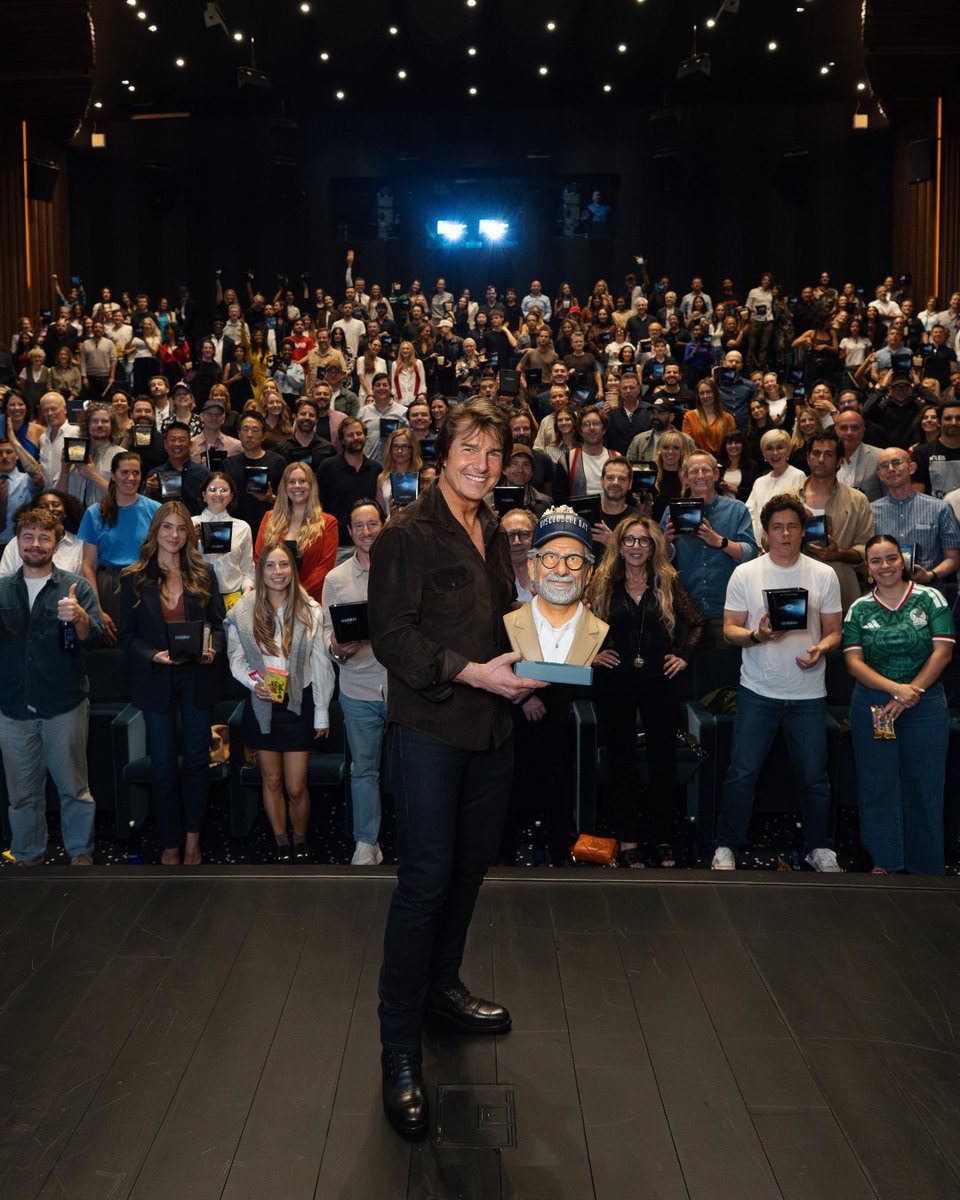
Nothing better than a summer Spielberg movie night in a packed theater with friends!
Steven thank you for all of the hours of joy that you have given us in the cinema!! It has been a great honor and pleasure to have worked with you and to call you my friend.
Congratulations to my dear friend Emily and the entire group of artists that created this movie. You were superb.
We all loved Disclosure Day!!
820
4,934
48,143
1,846,276
Jun 12
RT @GoldmanSachs: SpaceX is redefining industries on Earth and aiming to create new ones beyond it.
On June 11, it successfully priced its…
1,134
🚀🚀🚀🚀🚀🚀🚀🚀🚀🚀🚀🚀🚀🚀
Jun 12

SpaceX is redefining industries on Earth and aiming to create new ones beyond it.
On June 11, it successfully priced its $75B IPO.
Goldman Sachs is honored to have served as lead left bookrunner.
6,357
14,398
116,245
8,889,823
🚀 🚀🚀🚀🚀🚀🚀🚀🚀🚀🚀🚀🚀
Jun 12

Today, @SpaceX (Nasdaq: SPCX) makes its public market debut with a $75Bn offering (pre-greenshoe) at $135 per share, marking the largest IPO in history.
Congratulations to the SpaceX team. We are honored to serve as joint lead bookrunner and sole stabilization agent.
8,744
17,286
138,434
14,115,346
Dave retweeted

Jun 12
542
1,711
6,245
1,423,148
Dave retweeted

My Task Force will be meeting with the White House to discuss providing whistleblowers with permanent immunity protections, so they can safely disclose the TRUTH about secret programs in the government that may know more about the UAP phenomenon than they are telling us.
711
1,716
10,035
244,403

Dave retweeted

This is HUGE news.
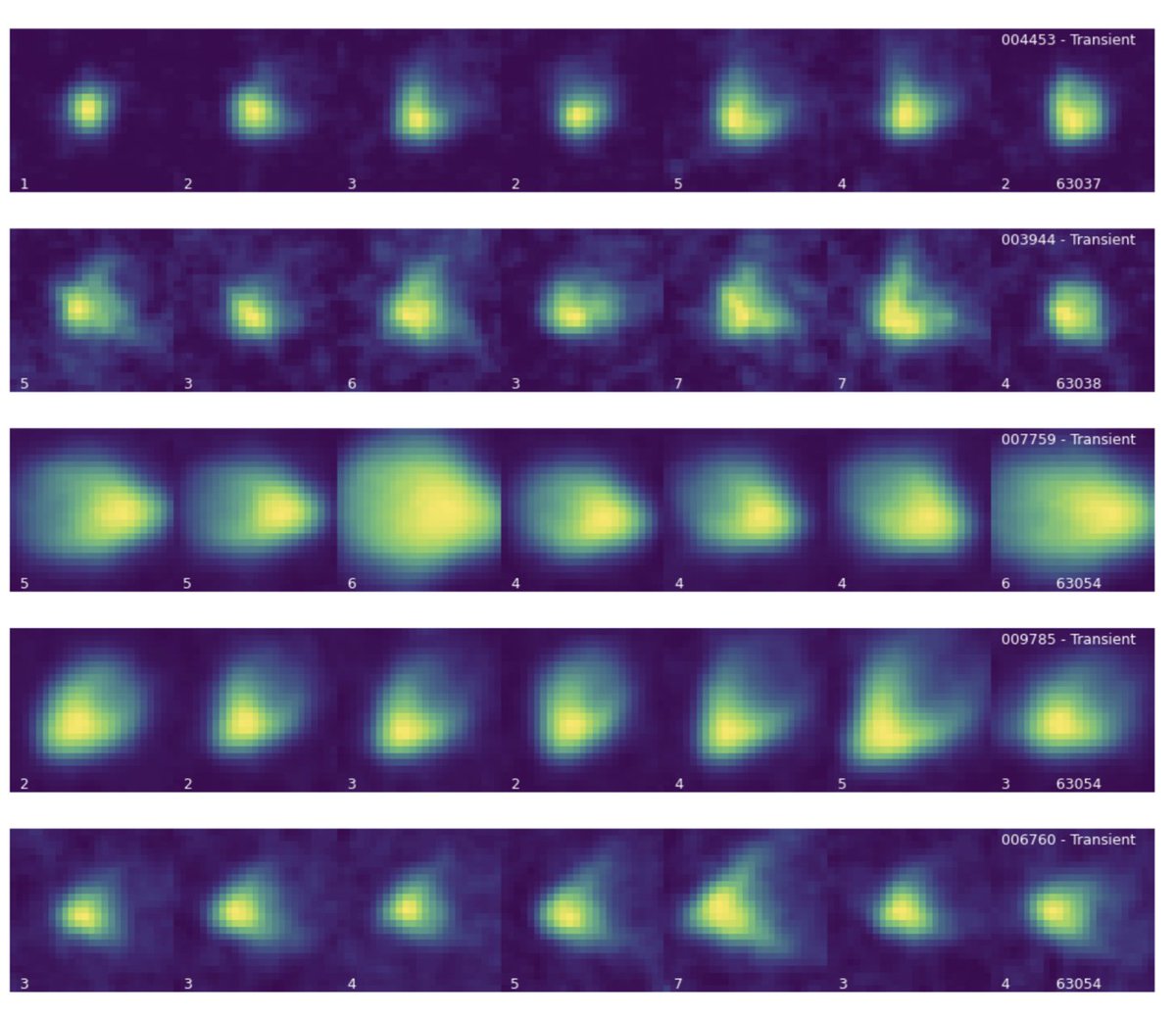
PhD astronomer and former NASA engineer Ivo Busko has single-handedly driven a final nail into the coffin of the contamination-based hypotheses (e.g. plate defects and cosmic rays) proposed to explain the VASCO transients. He did so using one of the most creative approaches in astronomy I have ever seen: by analysing pre-Sputnik photographic plates from a German telescope known to suffer from severe optical distortions (aberrations), he demonstrated that the transients appear on these plates and exhibit the same optical distortions as the stars themselves. They are slightly narrower and sharper than the stars, consistent with brief flashes.
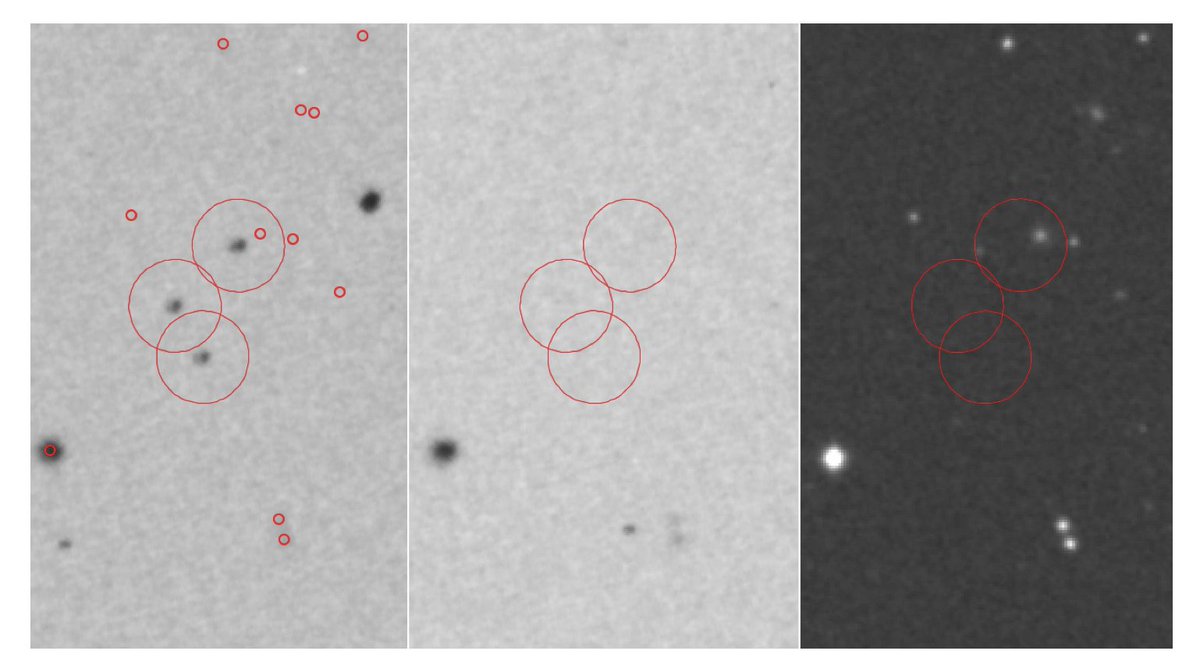
This is a crucial result. It shows that the transient light passed through the telescope optics, meaning the transients originate from real objects producing light, rather than from plate defects or cosmic-ray contamination that hit the plate. Dr Busko has also shown that the transients cluster spatially and are associated with periods close to nuclear tests. See the example of the triple transient with optical comas.
This is the greatest gift. Congratulations, Ivo.
I'm happy beyond belief.
Read Ivo Busko's paper: arxiv.org/pdf/2606.08319
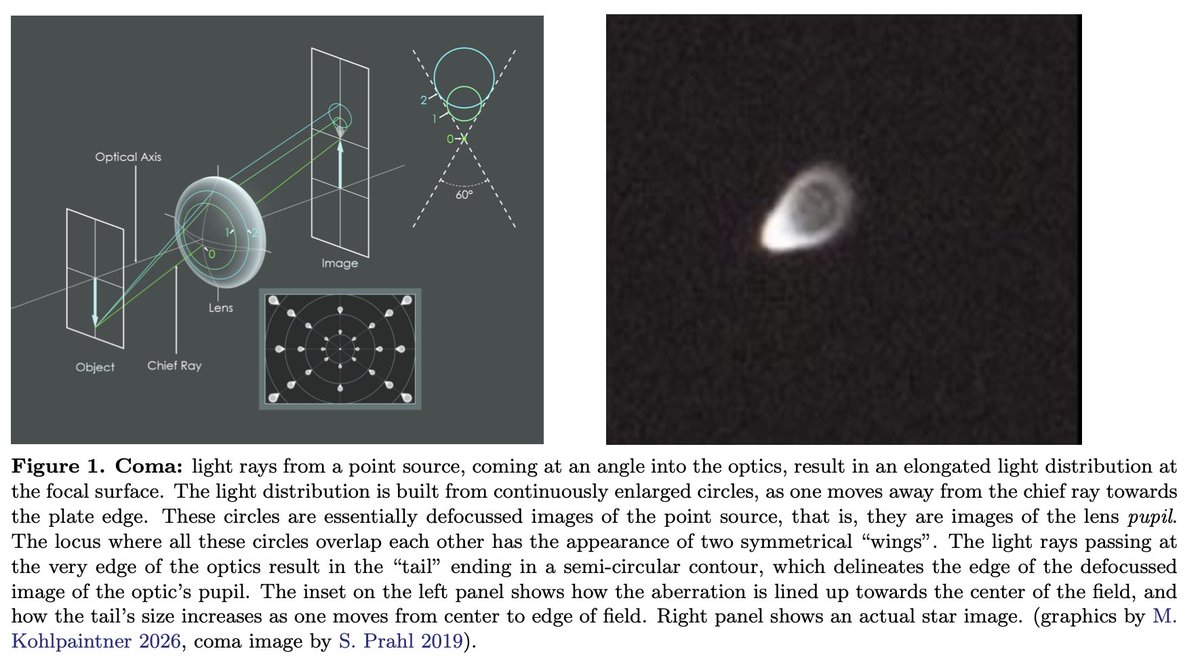
ALT Transients displayed together with some reference stars in their respective neighborhoods.
ALT Triple transient that also has commas.
ALT Dr. Ivo Busko.
180
638
3,139
222,347
Dave retweeted

Jun 9
I am calling on the police to urgently release the details of what happened yesterday on the streets of north Belfast.
Urgently.
1,827
12,399
120,263
2,441,668
Dave retweeted

🚨 𝗕𝗥𝗘𝗔𝗞𝗜𝗡𝗚: Christian Eriksen has collapsed on the pitch during the Denmark vs. Ukraine game.
Prayers for Eriksen. 🙏

2,086
3,310
51,004
3,941,519
Dave retweeted

BREAKING: Anthropic has urged for a global pause in AI development as artificial-intelligence models are nearing capability to improve without human intervention, per WSJ
1,208
1,778
18,329
3,978,533
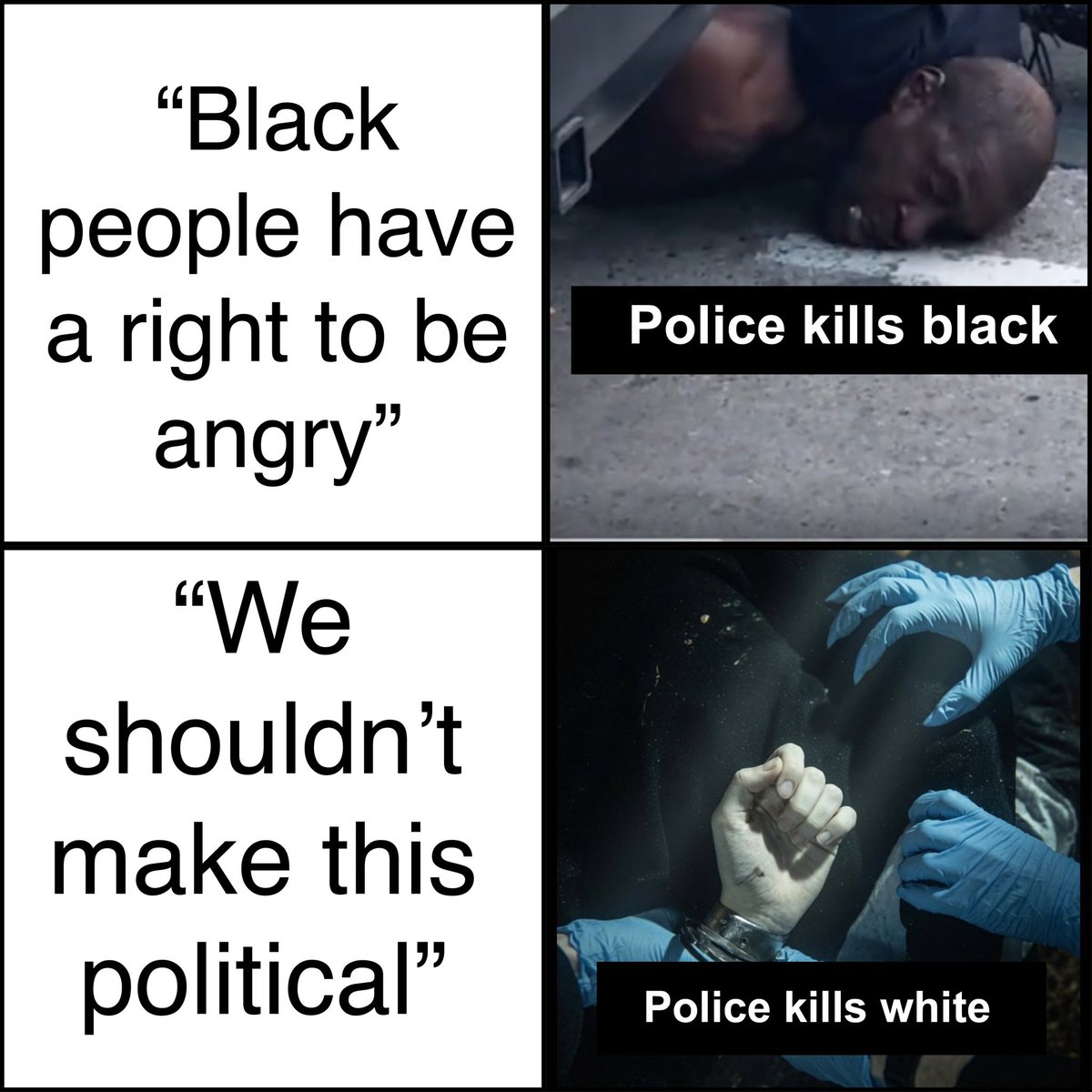
Yes, they did

5,019
44,853
309,401
11,480,967
Dave retweeted

Jun 3
EXKLUSIV in @BILD: Bei einer Veranstaltung im Bundestag warnte Verfassungsschutz-Präsident Sinan Selen hinter verschlossenen Türen vor einer versuchten Unterwanderung des 🇩🇪 Staates durch Islamisten. Teilnehmer waren (positiv) von Selens Deutlichkeit überrascht. Seine Warnung: Islamisten versuchten gezielt, in die deutschen Parteien zu wirken und so den Staat und die Gesellschaft zu verändern.

611
1,836
6,314
283,582
Dave retweeted

May 28
Me using Claude Opus 4.8 to rename a file
1,729
9,365
75,755
44,288,520
😂

5,412
17,995
280,149
39,727,384

Dave retweeted

May 18
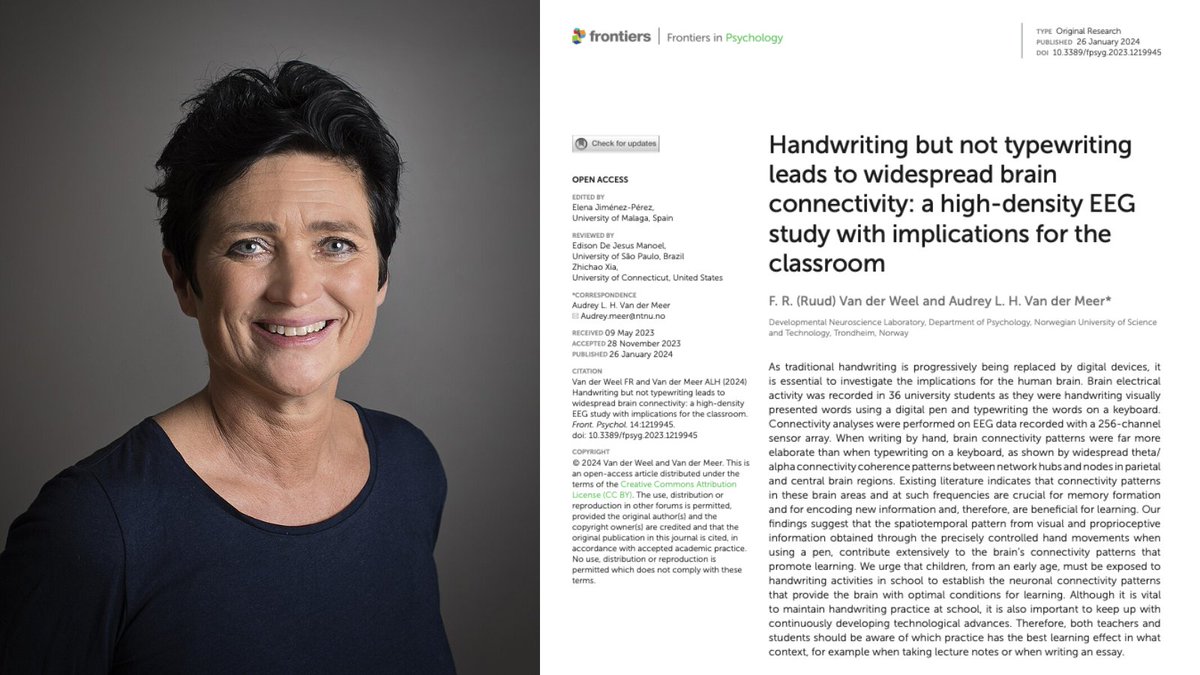
A Norwegian neuroscientist spent 20 years proving that the act of writing by hand changes the human brain in ways typing physically cannot, and almost nobody outside her field has read the paper.
Her name is Audrey van der Meer.
She runs a brain research lab in Trondheim, and the paper that closed the argument was published in 2024 in a journal called Frontiers in Psychology. The finding is brutal enough that it should have changed every classroom on Earth.
The experiment was simple. She recruited 36 university students and put each one in a cap with 256 sensors pressed against their scalp to record brain activity. Words flashed on a screen one at a time.
Sometimes the students wrote the word by hand on a touchscreen using a digital pen, and sometimes they typed the same word on a keyboard. Every neural response was recorded for the full five seconds the word stayed on screen.
Then her team looked at the part of the data most researchers had ignored for years, which is how different parts of the brain were communicating with each other during the task.
When the students wrote by hand, the brain lit up everywhere at once.
The regions responsible for memory, sensory integration, and the encoding of new information were all firing together in a coordinated pattern that spread across the entire cortex. The whole network was awake and connected.
When the same students typed the same word, that pattern collapsed almost completely.
Most of the brain went quiet, and the connections between regions that had been alive seconds earlier were nowhere to be found on the EEG.
Same word, same brain, same person, and two completely different neurological events.
The reason turned out to be something nobody had really paid attention to before her work. Writing by hand is not one motion but a sequence of thousands of tiny micro-movements coordinated with your eyes in real time, where each letter is a different shape that requires the brain to solve a slightly different spatial problem.
Your fingers, wrist, vision, and the parts of your brain that track position in space are all working together to produce one letter, then the next, then the next.
Typing throws all of that away. Every key on a keyboard requires the exact same finger motion regardless of which letter you are pressing, which means the brain has almost nothing to integrate and almost no problem to solve.
Van der Meer said it plainly in her interviews.
Pressing the same key with the same finger over and over does not stimulate the brain in any meaningful way, and she pointed out something that should scare every parent who handed their kid an iPad.
Children who learn to read and write on tablets often cannot tell letters like b and d apart, because they have never physically felt with their bodies what it takes to actually produce those letters on a page.
A decade before her, two researchers at Princeton ran the same fight using a completely different method and ended up at the same answer. Pam Mueller and Daniel Oppenheimer tested 327 students across three experiments, where half took notes on laptops with the internet disabled and half took notes by hand, before testing everyone on what they actually understood from the lectures they had watched.
The handwriting group won by a wide margin on every question that required real understanding rather than surface recall.
The reason was hiding in the transcripts of what the two groups had actually written down.
The laptop students typed almost word for word, capturing more total content but processing almost none of it as they went, while the handwriting students physically could not write fast enough to transcribe a lecture in real time, which forced them to listen carefully, decide what actually mattered, and put it in their own words on the page.
That single act of choosing what to keep was the learning itself, and the keyboard had quietly skipped the choosing and skipped the learning along with it.
Two studies. Two countries. Same answer.
Handwriting makes the brain work. Typing lets it coast.
Every note you have ever typed instead of written went into your brain through a thinner pipe. Every meeting, every book highlight, every idea you captured on your phone instead of on paper was processed at half depth.
You did not forget those things because your memory is bad. You forgot them because typing never woke the part of the brain that would have made them stick.
The fix is the thing your grandmother already knew.
Pick up a pen. Write the thing down. The slower road is the faster one.
2,472
44,652
120,847
10,366,012