
When abuse is alleged, there is always a devastated victim. If true, the person abused; if not, the accused and their family. #falselyaccusedday 9 Sept #FAD
Joined November 2012
- Tweets 19,154
- Following 1,082
- Followers 3,375
- Likes 8,566
254 Photos and videos








Pinned Tweet

21 Nov 2022
FACT
Supporting Victims of Unfounded Allegations of Abuse for over Twenty Years. If you have been falsely accused please take a look at our website & ring our Helpline for help and support.
Website factuk.org
Helpline 0333 335 5827
email:- support@factuk.org
3
39
61
Jun 10
Surely action should be taking against probation officers who sanction recalls that are not justified

"The human impact of the overuse of recall is devastating, as is the pressure high recall numbers place on the prison system. Rarely are the reasons for the recall compelling; sometimes they are absurd." insidetime.org/information/b…
1
4
6
388
Jun 9
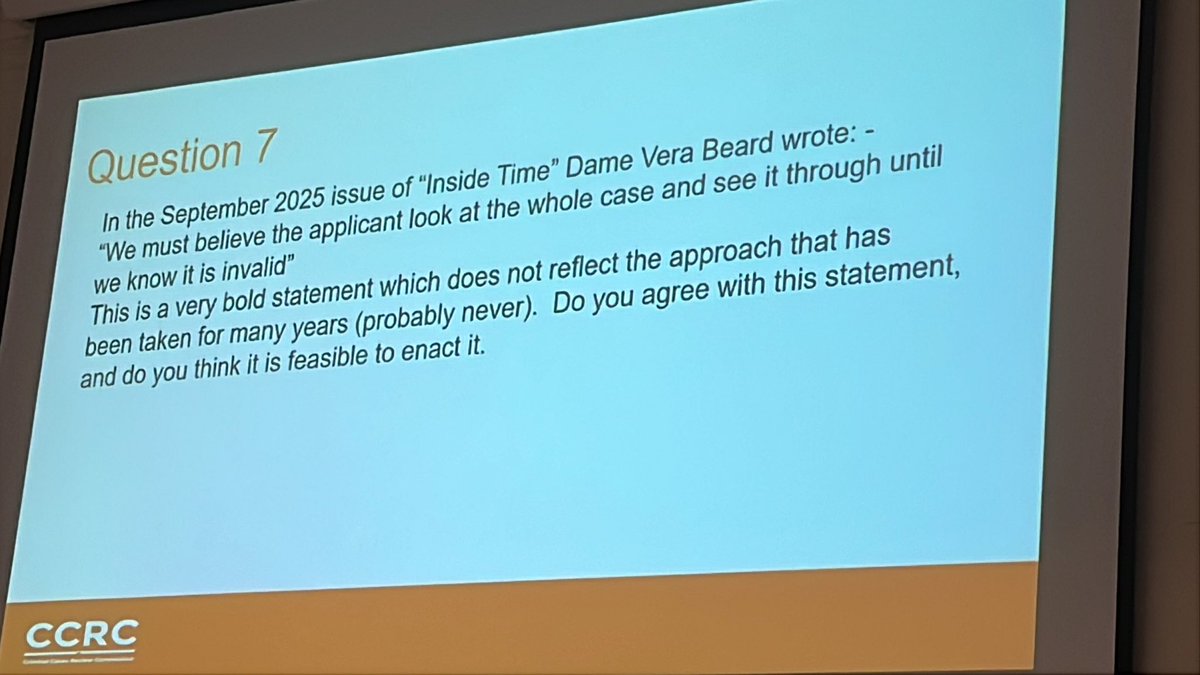
Thoughts on this?
Jun 9

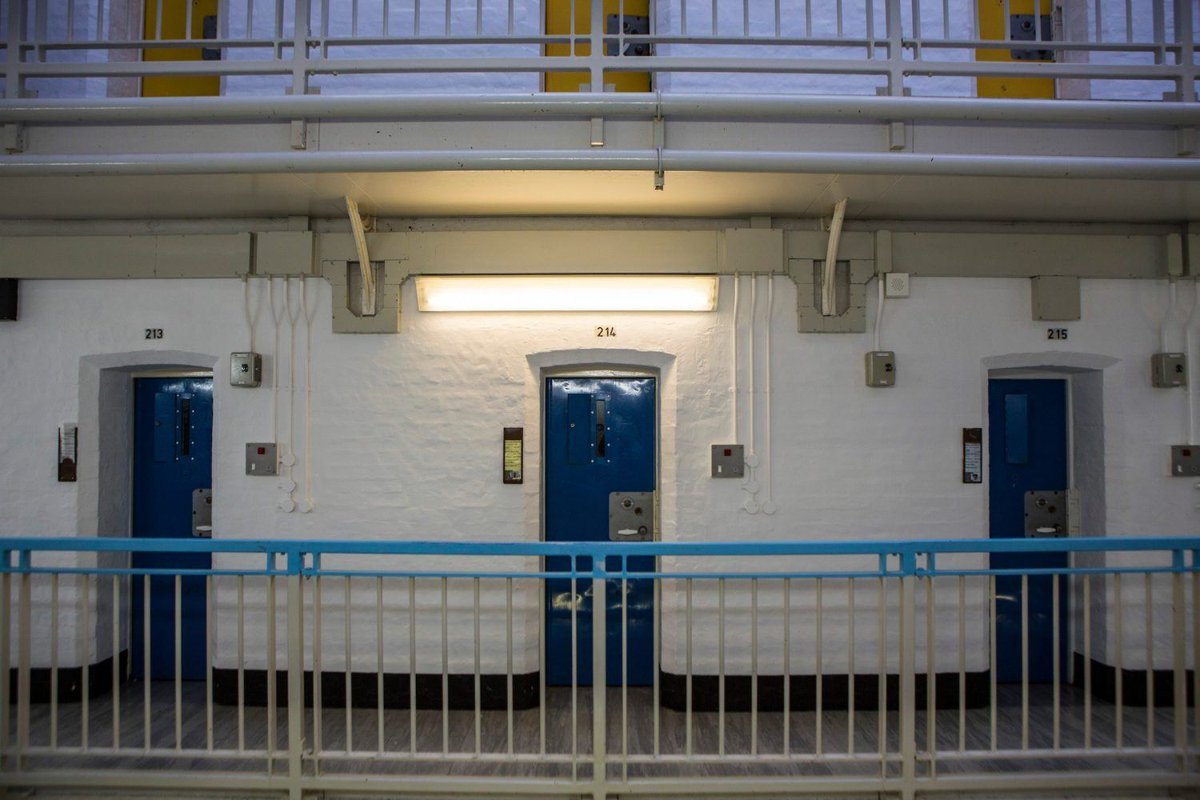
#newsround: Prisoners locked in cells to “improve wellbeing” of staff insidetime.org/newsround/pri…
2
2
3
198
FACT retweeted

Jun 8
The Warehouse Keys That Keeps Getting Lost: Why So Many Magistrates’ Court Cases Collapse on Disclosure
A suspect is interviewed under caution. They give their account - sometimes pointing police towards evidence that could support their innocence or undermine the case against them.
The Officer in the Case (OIC) then compiles the MG6C - the schedule of unused material. Think of it as a warehouse inventory of everything the prosecution won’t be using at trial. By law, anything which might reasonably undermine the prosecution case or assist the defence must be disclosed.
At the plea hearing, the defendant enters a not guilty plea. The court orders the Crown to serve all its evidence and the unused schedule within 28 days.
In reality, that deadline is often treated as optional.
The schedule frequently arrives late - sometimes on the morning of trial - and quite often, not at all.
If the defence wants to inspect items from the warehouse, they serve a defence statement requesting them. The Crown must respond. If they refuse, the defence can make a section 8 CPIA application to the court.
But here’s what happens far too often: the case reaches trial day with the schedule still missing. The Crown applies for an adjournment. The defence oppose it, citing the missed deadlines and chasing correspondence. If the court refuses, the prosecution has no choice but to offer no evidence.
Case dismissed. Defendant walks free. The taxpayer pays for another collapsed trial. The complainant, sitting in witness care, is left wondering why their case simply vanished.
This isn’t a rare disaster - it happens across every Magistrates’ Court in England and Wales, week in, week out. Thousands of trials go down the drain every year due to disclosure failings.
The Attorney General’s Guidelines say disclosure should be completed “in a thinking manner… and not simply as a schedule completing exercise.” In practice, it has become exactly that - a tick-box exercise that is not actioned in time, or at all.
This may not be a single scandal on the scale of the Post Office, but the sheer volume of these failures, day in and day out, makes it one of the most significant ongoing problems in our criminal justice system.
6
25
87
8,127
FACT retweeted

Jun 5
Dr Michael Naughton has recently published a paper on the subject of 'voluntary intoxication' and how the @CPSUK deals with it, p75 here: criticalsocialtheory.com/wp-… - contact @EmpowerInnocent with your own experiences
7
17
387
FACT retweeted

Just when you think the justice system in this country couldn’t get any worse, it proves you wrong.
Andrew Malkinson, an innocent man, spent 17 years in prison for a rape he didn’t commit.
The actual rapist, Paul Quinn, has just been sentenced and is required to serve just 14 years before he can apply for parole.
Let that sink in.
The innocent man lost 17 years of his life.
The guilty man could be out in 14.
This isn’t justice.
It’s absolutely sickening. Do you agree?
theguardian.com/uk-news/2026…
#AndrewMalkinson #JusticeReform
17
120
225
10,104
Jun 5
Wonder how innocent people wrongly convicted will react, if they meet him in prison?

3
2
10
441
Jun 5
Just goes to show how our pathetic police forces are more obsessed with gaining convictions as opposed to uncovering the truth!
Jun 5

Farmer, 20, spent THREE years on bail falsely accused of rape over drunk sex video - before case was dropped when judge saw clip and said woman 'clearly consented' trib.al/LhUaP3V
4
6
226
Jun 5
Following the wave of anger at three teenage rapists avoiding custodial sentences, the question must be asked: Should those who commit serious crimes always be seriously punished and, if so, why are false accusers rarely prosecuted? New FACT blog post. factuk.org/should-life-alter…
5
11
256

FACT retweeted

False allegations take many forms and this one demonstrates the extent to which they are minimised. This wasn’t a hoax, it wasn’t a prank, it was beyond cruel and no-one has taken the effect on Mr Drewniaczyk seriously or, it would seem, held anyone properly accountable. A career ruined ‘for fun’, institutionally sanctioned.
thescottishsun.co.uk/news/16…
1
6
16
342
FACT retweeted
Jun 3
"There are hundreds if not thousands of men in prison who have not had a fair trial. The Criminal Justice system is preoccupied with discussing the woman as a 'victim' before conviction" - @StuartWaiton
"Everyone now knows someone who has been through a false allegation or wrongful conviction" - Marsha Sturgeon
"We were sitting in the prison waiting room and we all started to realise we were saying 'that's what happened to us too'" - Kirsty McDermott, founder of Justice for Innocent Men Scotland
The UK Supreme Court recently ruled that the Scottish Criminal Justice System had been acting unfairly towards defendants in allegations of rape - with legal analysis by @GlasgowAdvocate
Don't Tell The Jury: 274/275 - The Silent Scandal
Watch and share: youtube.com/watch?v=T4BGFGAp…
@EmpowerInnocent @jeffreyketland @PhilMitchell83 @FACTukorg @KHarveyProctor

4
27
57
1,119
FACT retweeted

An excellent interview on @BBCWomansHour with Lady Diana Brittan this morning.
More than a decade after Operation Midland, Diana’s message remains measured, dignified & focused on preventing future injustice: “I have no interest in doing anything for myself, it’s too late for my husband, but I’m very concerned that this never happens again to anyone else.”
She spoke powerfully about the damage false allegations can cause, not only to those accused but to their families and friends, & why the lessons of Operation Midland must never be forgotten.
“You could be in any community, any part of the country, urban, suburban, rural… against whom false allegations are made & with it goes the subsequent trashing of people’s reputations; I just don’t want what happened to me to happen to them.”
That is why we continue to seek recognition that those harmed by malicious false allegations are victims too, & why the lessons of Operation Midland must be fully learned.
Listen to it here: bbc.co.uk/programmes/m002x5g…
@FACTukorg
4
13
391
FACT retweeted

“She was appointed head of HMP Liverpool’s IMB in January 2021, allowing her unsupervised access to the category B prison and her own set of keys”
Appointed by whom? I think we should be told
theguardian.com/society/2026…
4
7
2,504
FACT retweeted

PCOSOs have long been required to take some sort of Sexual Offending Treatment Program course as part of their sentence, sometimes multiple courses just in order to 'progress'
Are embezzlers such as Peter Murrell also required to take Embezzlement Awareness courses?
@theSNP
1
5
10
240
FACT retweeted

May 31
Well well Quelle surprise … NOT. Rewind 30 years to unethical research & unlicensed drug use on vulnerable babies & when it all goes wrong & babies die, blame the mother using MSbP. Well trodden path this one. #lucyletby
dailymail.com/news/article-1…
4
8
408
FACT retweeted
Jun 2
Jeremy Bamber is the only prisoner serving a whole-life order in the UK to have maintained his innocence from the outset
Now, just as Starmer's justice system bans him from talking to the media following New Yorker and other coverage, comes a new C5 documentary
@JeremyVineOn5
Jun 2

Jeremy Bamber: Proof of Innocence - The Missing Phone Call – TX, Monday 8th June - 9pm @channel5_tv
5
11
25
529
FACT retweeted

Chancery Division to be abolished and replaced by a "Business and Property" Division. Ugh, ugh, ugh. judiciary.uk/the-lady-chief-…

6
14
70
6,039

Outrageous double-standard!
Jun 1


9,443
70,144
477,604
27,896,306
Jun 1
RT @Lyn9SA: 🧡💙I'm delighted to announce on our 100-day countdown that we are officially in SCOTLAND 🏴 this year!
I'll be with @franti…
15
FACT retweeted

41 years in jail protesting his innocence, now unable to communicate with the media. Remember, it’s Jeremy Bamber today and could be you tomorrow. Resisting this tyranny is obligatory.
theguardian.com/commentisfre…
1
24
41
2,006