
Professor of Physical Health & Clinical Therapeutics in Psychiatry @KIngsIOPPN. Director of Research & Development @MaudsleyNHS. Views my own
- Tweets 2,816
- Following 3,545
- Followers 2,129
- Likes 15,337















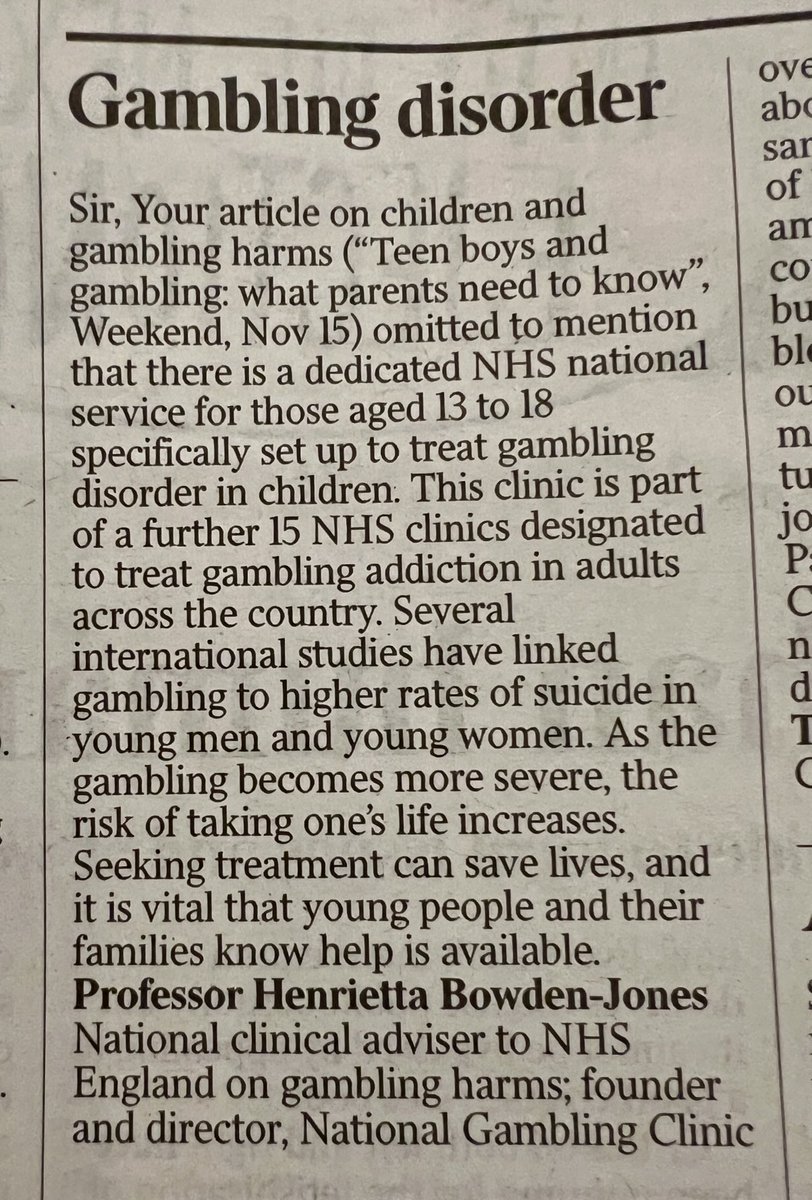


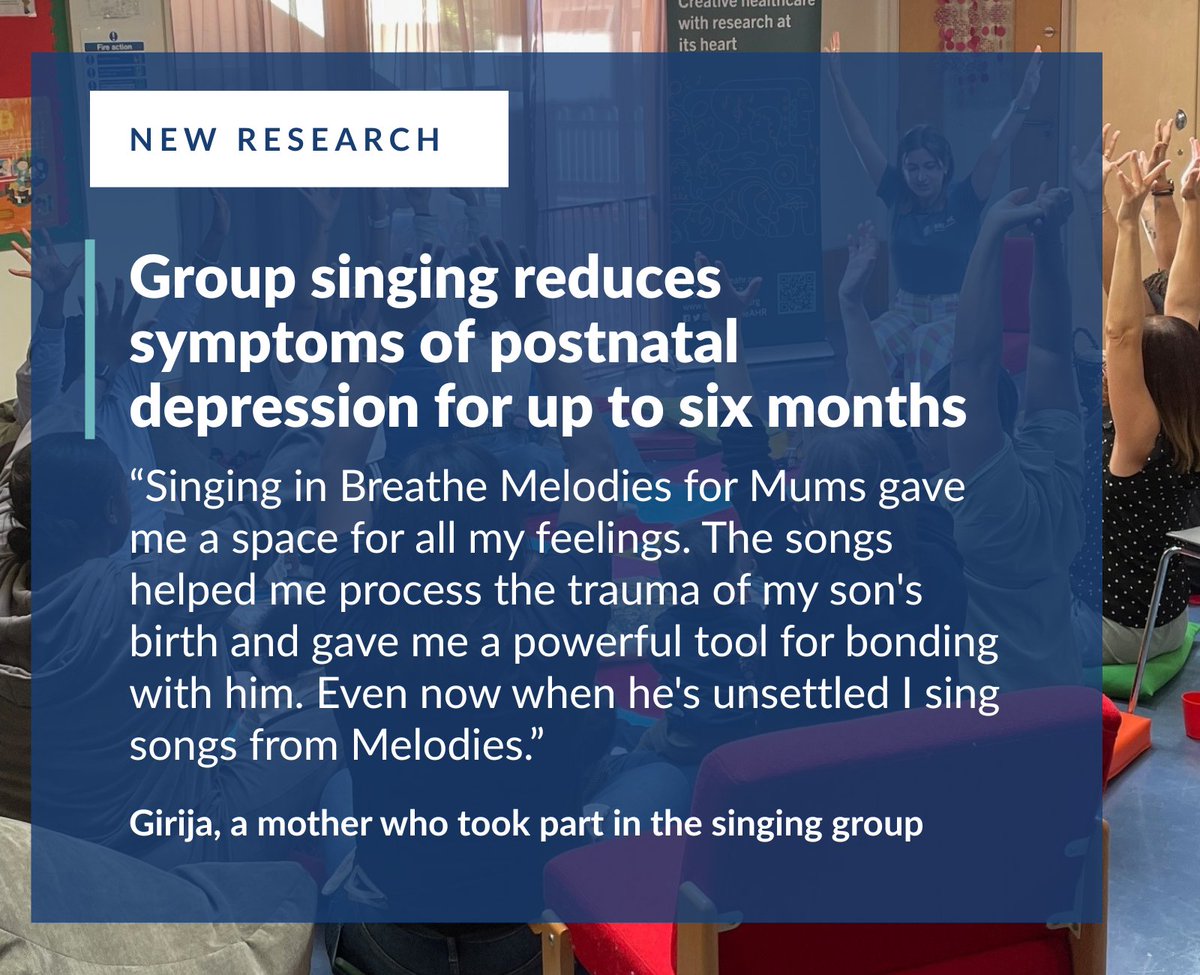
ALT Group singing reduces symptoms of postnatal depression for up to six months .“Singing in Breathe Melodies for Mums gave me a space for all my feelings. The songs helped me process the trauma of my son's birth and gave me a powerful tool for bonding with him. Even now when he's unsettled I sing songs from Melodies.” Girija, a mother who took part in the singing group


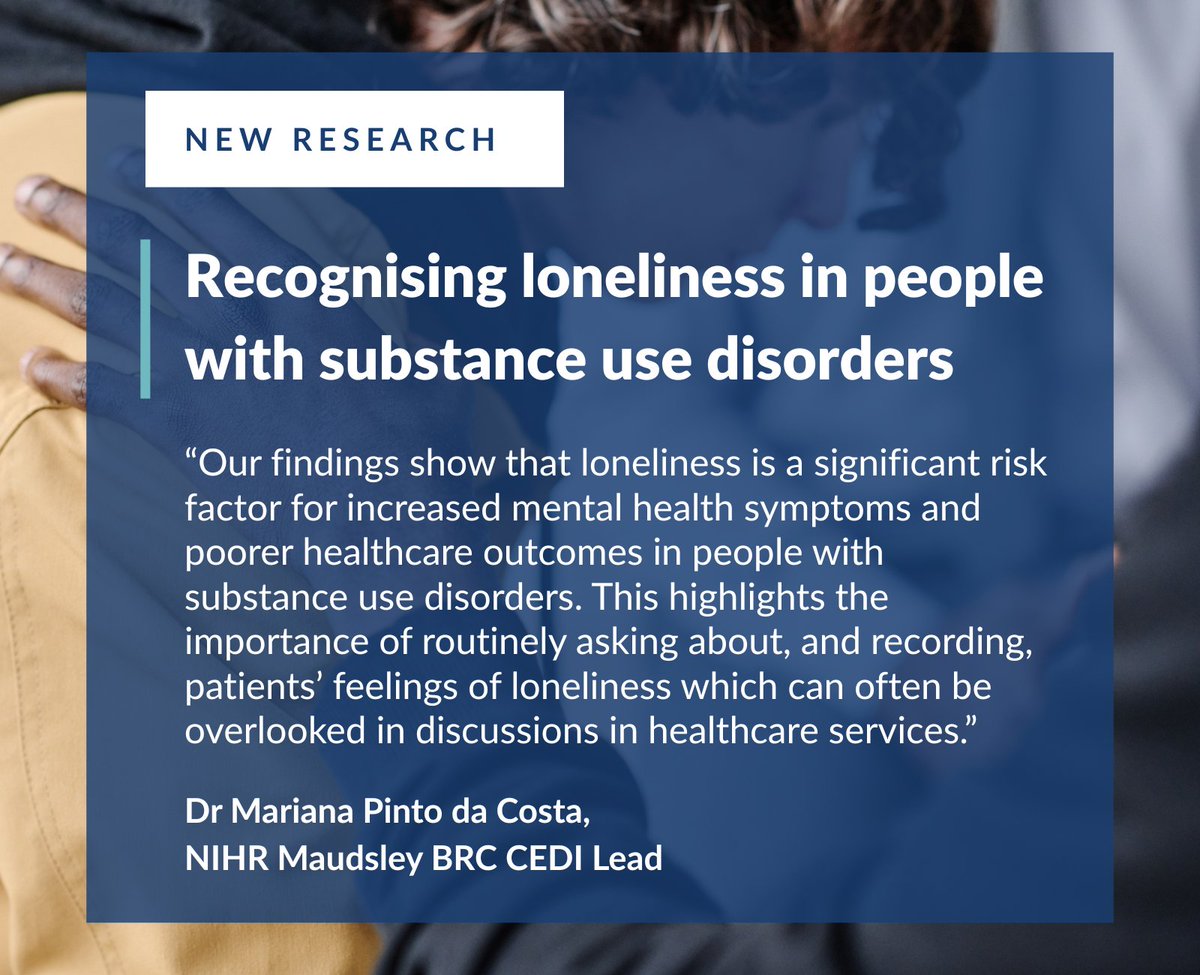
ALT Recognising loneliness in people with substance use disorders “Our findings show that loneliness is a significant risk factor for increased mental health symptoms and poorer healthcare outcomes in people with substance use disorders. This highlights the importance of routinely asking about, and recording, patients’ feelings of loneliness which can often be overlooked in discussions in healthcare services.” Dr Mariana Pinto da Costa, NIHR Maudsley BRC CEDI Lead