
co-founder & cto @vecrostech. building spatial AI for drones. love applied maths, painting, reading. less cool things: shark tank india S3, Forbes 30u30 Asia
Joined May 2018
- Tweets 4,347
- Following 832
- Followers 6,527
- Likes 14,621
439 Photos and videos








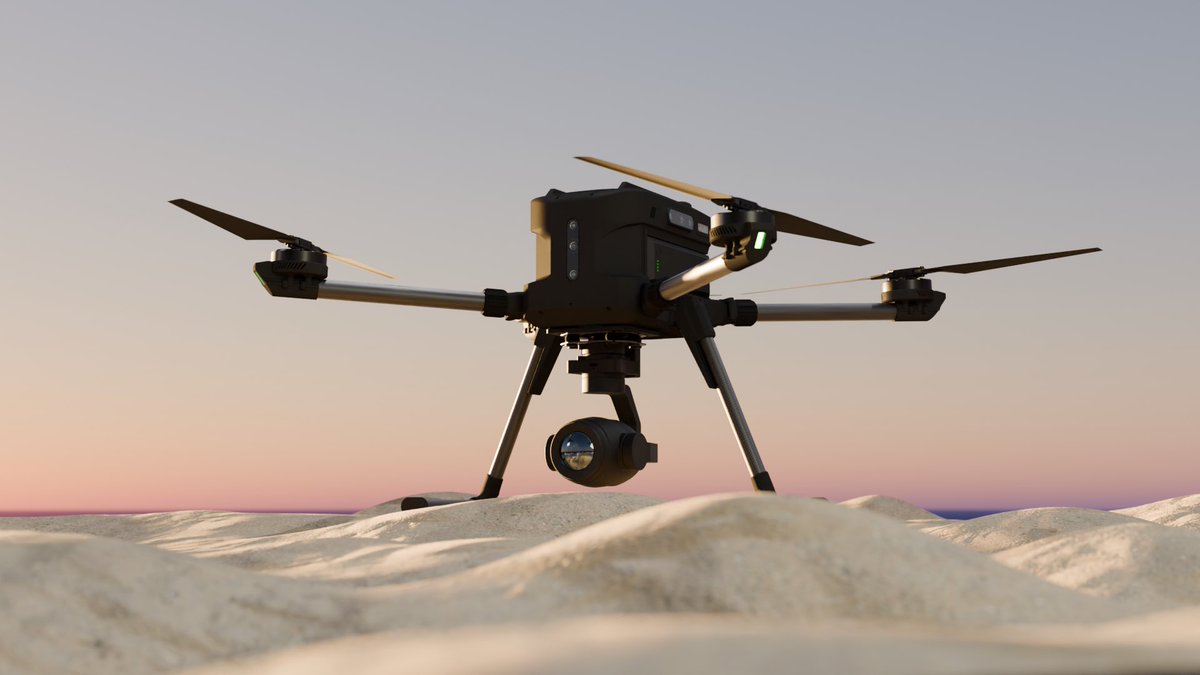
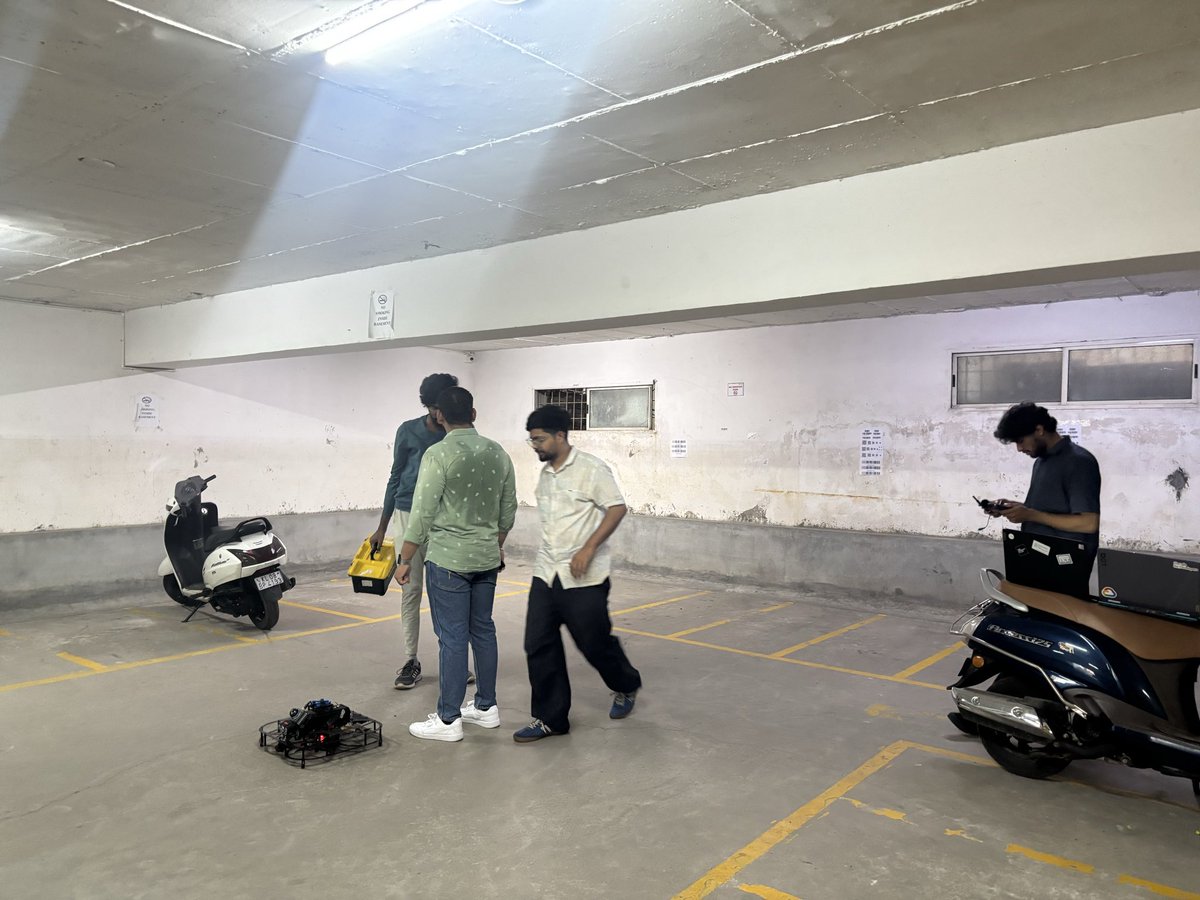
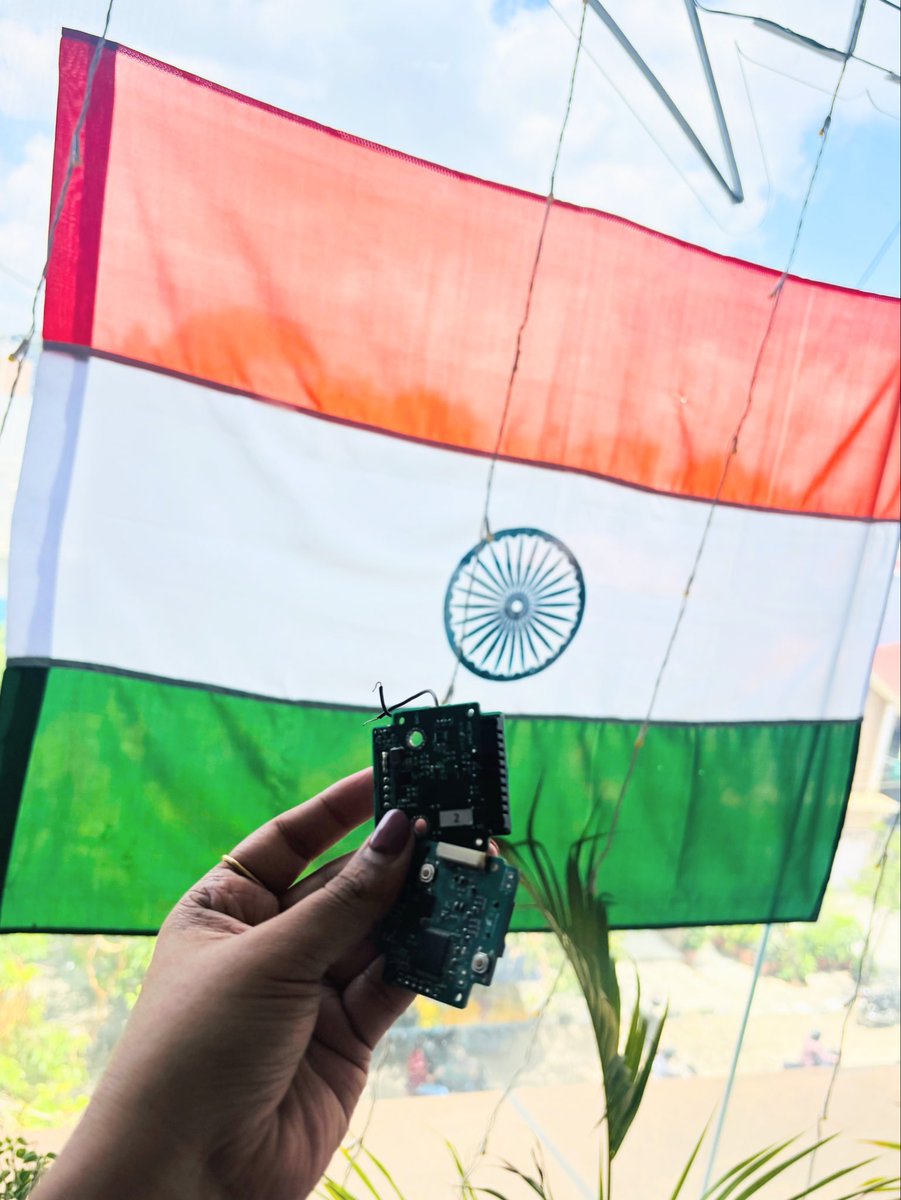

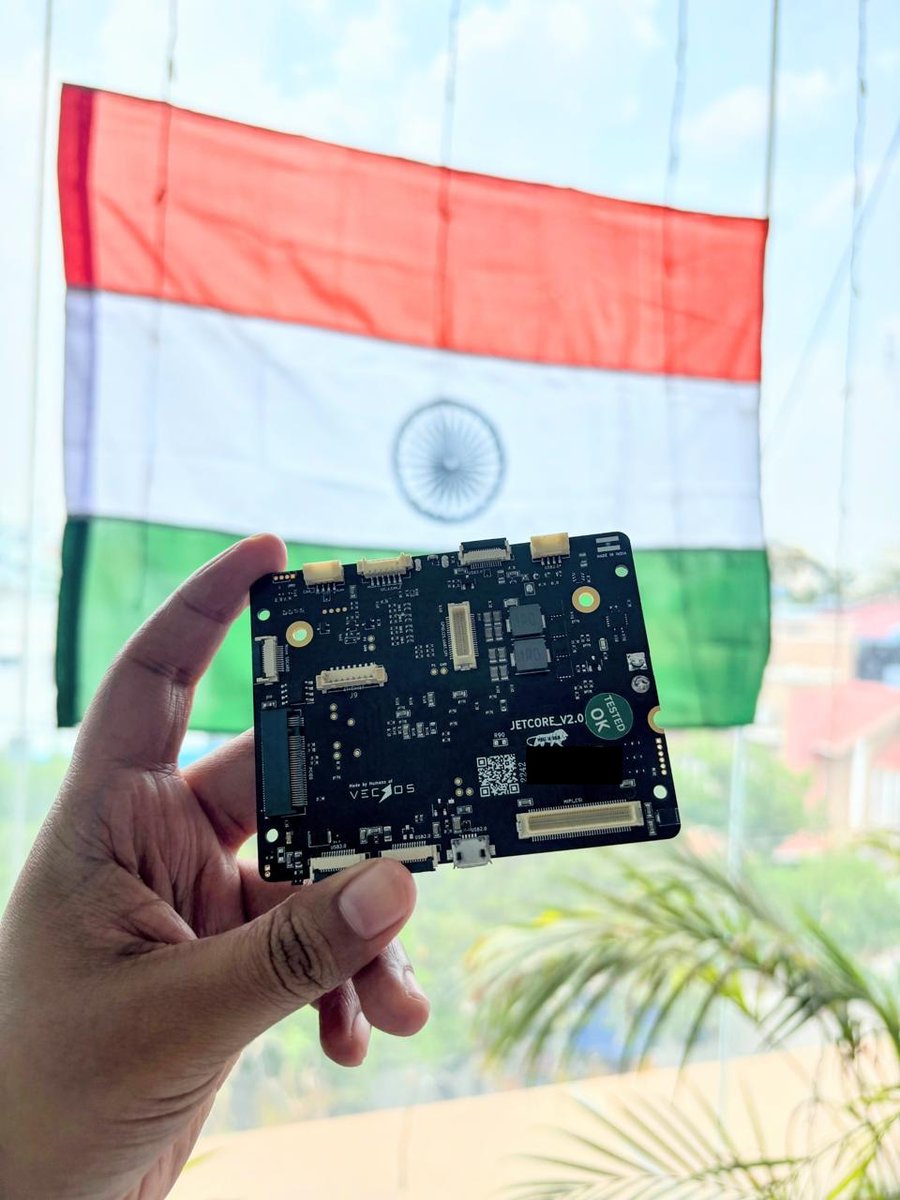
JetCore 🫡💯❤️🇮🇳
Our in-house flight computer for autonomous drones! designed & built right here in India 🇮🇳✨
no compromises - just hardcore engineering from the @VecrosTech
Bharat is building. #MakeInIndia #DroneTech #Vecros
@PiyushGoyal @amitabhk87 @DefenceMinIndia @nvidia

84
350
2,743
155,507
Rashree retweeted

Jun 11
the sun doesn’t apologize for shining, neither will i
37
6,667
21,863
350,614
i personally want to see many more women billionaires. its extremely important!
Jun 12

One of the great things about the SpaceX IPO is that Gwynne Shotwell is now a billionaire. She’s earned it.
25
962

Can’t put the genie back in the GPU.
Jun 13

146
367
5,684
421,104

sovereign tech is necessity now.
not a “good to have” thing anymore.
we must push made in india everywhere possible.
Jun 13

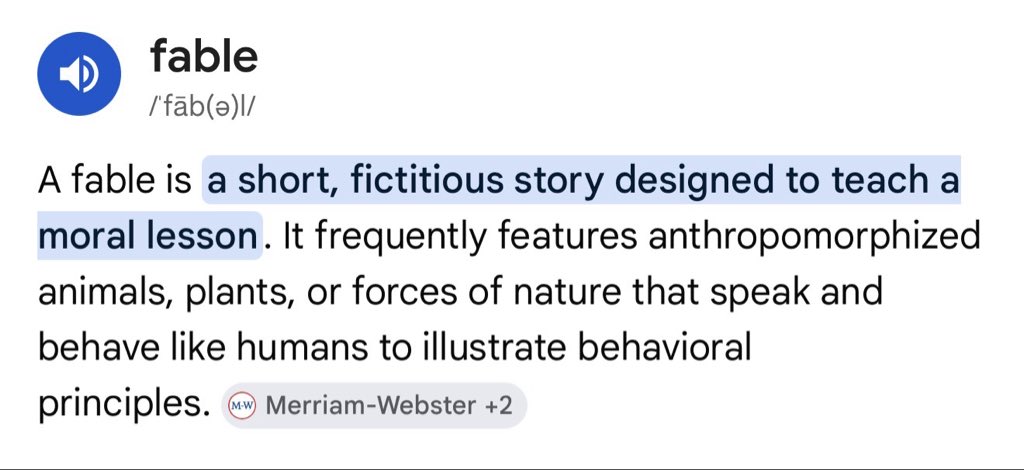
This is big: all access to Mythos and Fable AI models disabled for everyone outside America.
First thoughts:
1. Technology is the ultimate weapon. National sovereignty, national security, all of it is now about technology.
2. Globalization is dead and Bharat must find her own way ahead.
We must keep these two ideas in mind.
What can our government do right now? Ensure that orgs in India embrace smaller models, both Indian and Chinese open source ones. With a bit of effort, we can make them work. Anyway, why pay money to people who don't even want to sell to you?
We must deepen our R&D. Sarvam has been on it and we have been on it but remember that the latest models cost not only huge GPU budgets to train, the GPUs themselves are restricted. So we can't afford the scale of money (of the order of $100 billion to even get in the game!) and even if we could come up with the money, we can't get all the GPUs. I would not like to ask the government to fund tens of billions of dollars on this anyway - the money has far better uses.
Zoho has been pursuing alternative R&D approaches that are far, far less expensive but by its nature cutting edge R&D takes time and we are patient. I am confident we will get there.
Any remaining people in India who have delusions about globalization should wake up now.
2
5
70
1,601

Rashree retweeted

Jun 12
Worth being precise about what "fully autonomous" means technically: there's a meaningful difference between autonomous navigation and targeting-assist (very common now) and fully autonomous engagement - selecting and acting on a target without human authorization in the loop (much rarer; doctrine is still unsettled).
The engineering capability to close that loop has existed for years. The doctrinal and legal standards for when to close it are what's lagging the hardware.
That gap is going to be the defining tension in autonomous systems for the next decade.
Jun 11

Fully autonomous AI-controlled drones have killed human soldiers for the first time.
In a significant development in modern warfare, Ukraine conducted a one-off test in which ten AI-powered “Terminator” quadcopters operated completely without human oversight and carried out lethal strikes.
The test took place near Bakhmut and Chasiv Yar roughly two years ago. The drones were programmed to fly into a designated area, autonomously search for targets, and destroy anything they identified. Drone developer Alexander Kokhanovskyy, who supplied the technology, confirmed the drones flew “out of the loop” with no real-time human connection or video feed.
Post-mission reconnaissance by human-piloted drones confirmed casualties, including several enemy soldiers and at least one vehicle.
While Ukraine’s Ministry of Defence has not issued an official comment and maintains restrictions on fully autonomous lethal targeting, this test marks the clearest reported instance yet of machines independently selecting and engaging human targets on the battlefield.
The event has intensified global debate over the ethics and regulation of lethal autonomous weapons systems. Critics, including United Nations Secretary-General António Guterres, warn that removing human judgment from lethal decisions could dehumanize conflict and violate international humanitarian law. Proponents argue such systems may become inevitable as technology advances.
This remains a rare and experimental case rather than standard practice, but it signals how quickly autonomous capabilities are progressing in real-world combat.

2
2
307
Rashree retweeted

Jun 11
THE ART IS YOU. FOR FUUUUUUCK SAAAAKES. IT’S. YOU.
58
2,979
12,910
253,559
so have you seen this yet ?

building GPS-denied autonomy isn't magic!!
it’s meticulous, messy, and filled with experiments!!
here👇we were figuring out, whats wrong with z-axis accuracy and why was the drone subtly losing height after certain points! eventually did figure out ..
some BTS (~1.5 years back) on mule drone
imp learning:
building advanced autonomy requires patience, precision & perseverance to test till this day ...🫡
kudos to my team @VecrosTech for pushing the boundaries
this is how we build, one tough test at a time 🫡💪
2
6
69
2,073