
Insurance Nerd, Karaoke Enthusiast, Kung Fu Film Fan, Steelers Faithful, Story Teller, Cross Fit Lay Person, and Charcoal Grill Junkie!
Joined August 2022
- Tweets 5,406
- Following 319
- Followers 204
- Likes 5,174
775 Photos and videos










Franklin Manchester retweeted

Twenty years later. Just as iconic.
209
4,532
30,827
768,865
Franklin Manchester retweeted

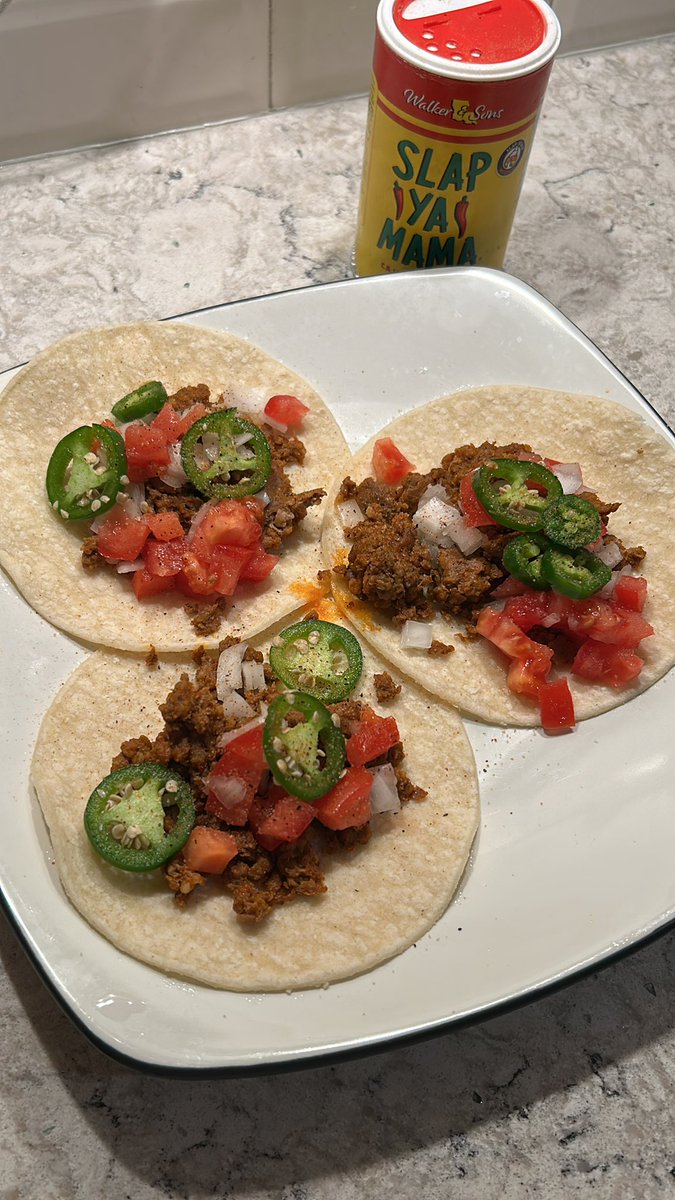
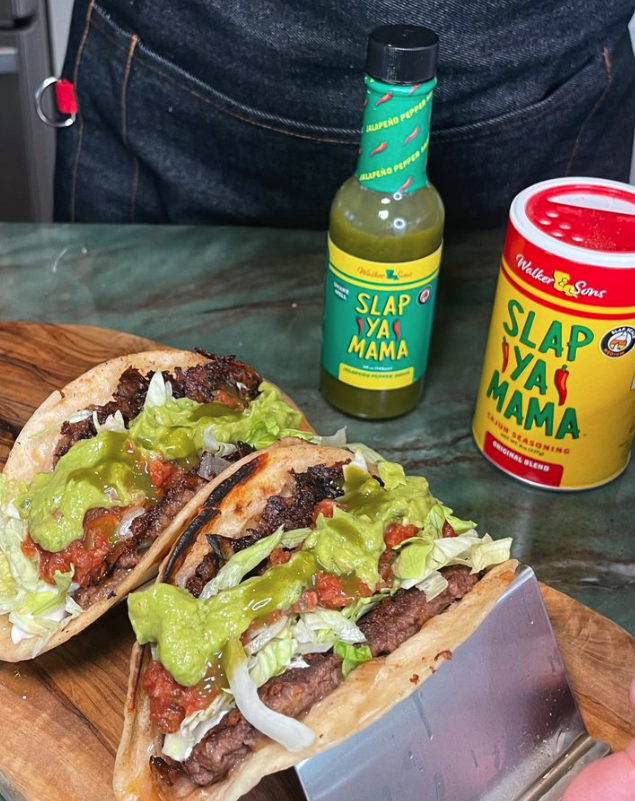
Quick and Easy Beef Smash Tacos! 🧀🌶️
-Mix ground beef, cumin, and Slap Ya Mama seasoning. Shape into meatballs.
-Top each meatball with jalapeno slices and flatten slightly.
-Cook meatballs on a skillet with tortillas.
-Top with romaine, guacamole, salsa, sour cream, and diced onion.
-Garnish with more jalapeno if you dare!
-Ready in minutes and bursting with flavor! 😋
1
1
5
124
Franklin Manchester retweeted

Jun 12
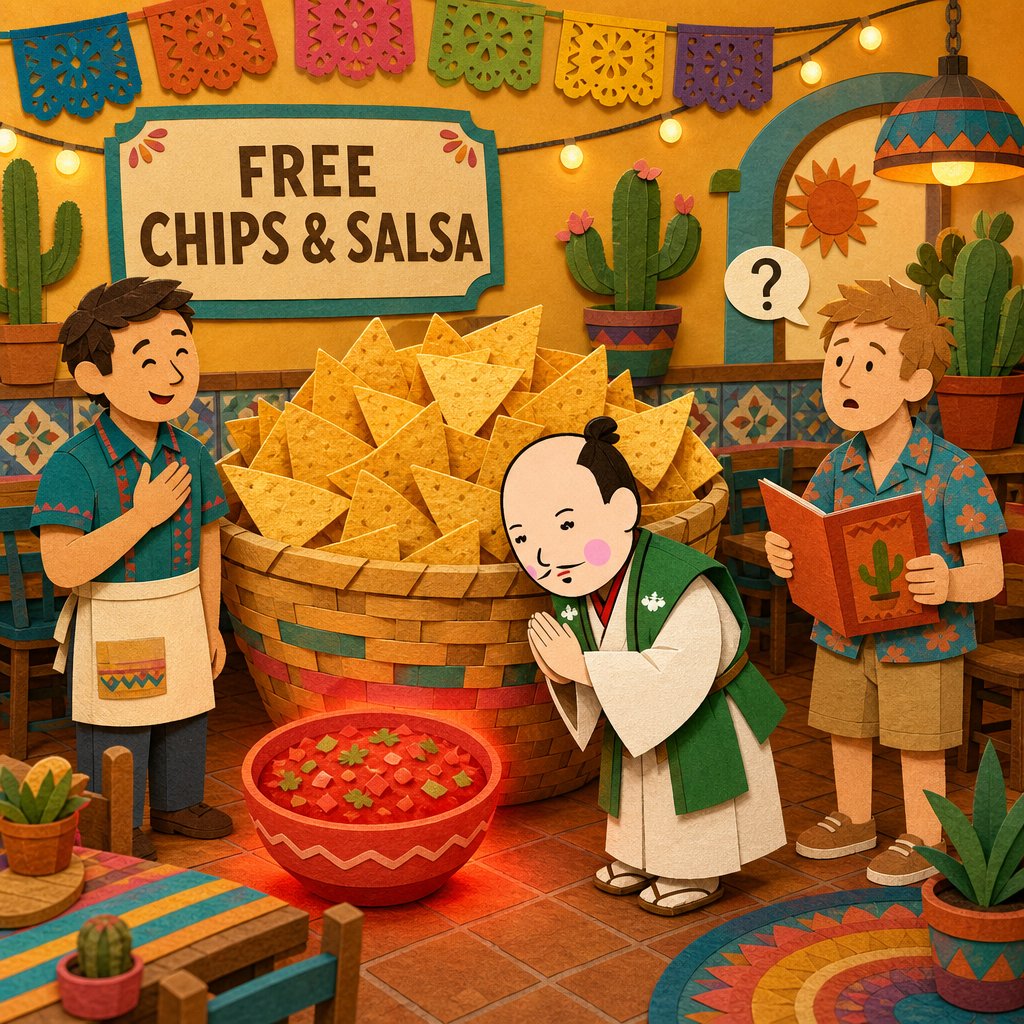
USA. A Mexican restaurant. We had not yet ordered anything, and the food was already arriving.
Chips. Salsa. Unrequested. Free.
I stopped the waiter. "We have not earned these."
"They just come with the table, man."
They come with the TABLE. In my land, hospitality is a debt. Every gift creates an obligation, weighed carefully, returned in the proper season with interest of feeling. Here, the gift arrives before you have even proven you can pay for dinner.
This is not an appetizer. This is a declaration: we trust you. Eat.
I ate with the gravity the moment deserved. And then — I must report this calmly — the basket emptied, and a new one appeared.
"Did we…?"
"Refill," the waiter said. "It's bottomless."
Bottomless. They have wells of salsa. The supply lines of this nation are beyond anything my ancestors imagined.
My friend warned me. "Don't fill up on chips, dude."
Too late. I had accepted three baskets. Honor demanded each one be finished — an unfinished gift is an insult. By the time my actual food arrived, I was a ruined man.
I was not hungry. I was not comfortable. I had been defeated by a courtesy.
Generosity that arrives before the request cannot be repaid. It can only be survived.
I know the rule now. I have made my peace with the basket. One basket. Two at the most.
Who am I deceiving. There is no number of baskets I would refuse. The trust of a nation is in that salsa, and I intend to honor all of it.
1,914
16,330
147,864
16,370,835
Franklin Manchester retweeted
Jun 13
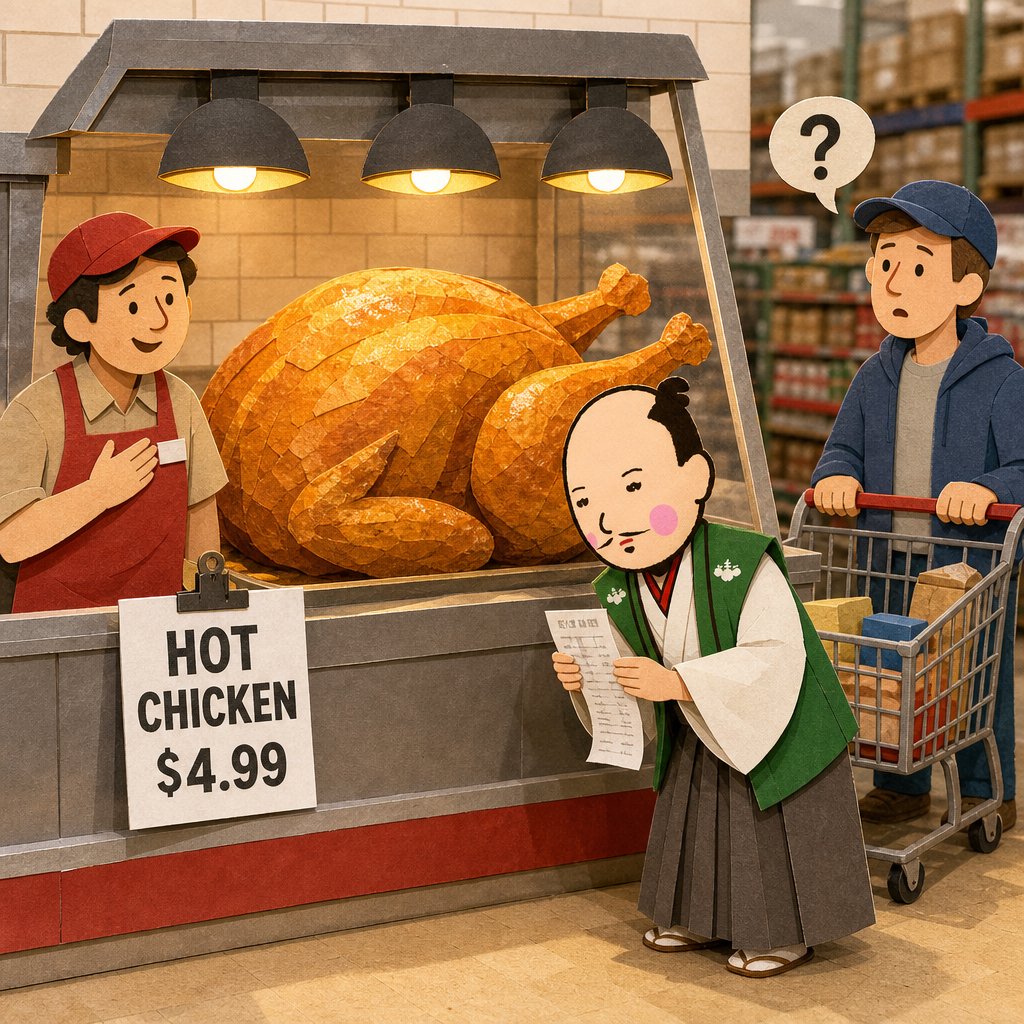
In America, a warehouse store. A fully roasted chicken costs five dollars, the raw chicken beside it costs seven, and I stood between them like a man between two truths.
Golden. Hot. Seasoned. Spinning in glory under the lights, in a line of its brothers. Four dollars and ninety-nine cents.
I checked the raw birds. Seven dollars. Pale. Cold. You must do everything yourself.
This is not commerce. Commerce does not move backward. Somewhere in this building, mathematics lies defeated.
I asked the man at the counter. "How is the cooked bird cheaper than the raw bird?"
"Been five bucks forever. They keep it that way."
"But the store loses."
"Yep. On purpose."
On purpose. I held my receipt with both hands.
In my land, a lord who lowered the price of rice in a hard winter was remembered for generations. They built him a small shrine. This store does it every day, with chicken, and tells no one.
A woman behind me grew tired of my reverence. "It's just a chicken, sir."
It is not just a chicken. It is a wound the merchant takes on purpose, so that anyone, on any day, with five dollars, eats like a lord. The bird is the message. The price is the vow.
I will confess: I bought two. I did not need two. The second was not hunger. It was gratitude, and it was delicious.
Some prices are not prices. They are promises.
I return every week now. I take one bird. I bow toward the deli, briefly, so as not to alarm the staff. They have begun nodding back.
The vow holds. The bird turns. Five dollars.
Long may it spin.
581
2,927
31,994
2,626,578
Franklin Manchester retweeted

Jun 14
This account is such a joy
Jun 13

In America, a warehouse store. A fully roasted chicken costs five dollars, the raw chicken beside it costs seven, and I stood between them like a man between two truths.
Golden. Hot. Seasoned. Spinning in glory under the lights, in a line of its brothers. Four dollars and ninety-nine cents.
I checked the raw birds. Seven dollars. Pale. Cold. You must do everything yourself.
This is not commerce. Commerce does not move backward. Somewhere in this building, mathematics lies defeated.
I asked the man at the counter. "How is the cooked bird cheaper than the raw bird?"
"Been five bucks forever. They keep it that way."
"But the store loses."
"Yep. On purpose."
On purpose. I held my receipt with both hands.
In my land, a lord who lowered the price of rice in a hard winter was remembered for generations. They built him a small shrine. This store does it every day, with chicken, and tells no one.
A woman behind me grew tired of my reverence. "It's just a chicken, sir."
It is not just a chicken. It is a wound the merchant takes on purpose, so that anyone, on any day, with five dollars, eats like a lord. The bird is the message. The price is the vow.
I will confess: I bought two. I did not need two. The second was not hunger. It was gratitude, and it was delicious.
Some prices are not prices. They are promises.
I return every week now. I take one bird. I bow toward the deli, briefly, so as not to alarm the staff. They have begun nodding back.
The vow holds. The bird turns. Five dollars.
Long may it spin.
65
536
11,467
1,446,346
Franklin Manchester retweeted
Jun 14
A young man, barely more than a boy, completed the bagging of my provisions. Then he reached for them again, though I had already taken hold.
He was sixteen. In an apron. Smiling. "I got it, sir."
He gripped my bags. I gripped my bags. In Japan, a man carries his own burden — this is the spine of a man, it is not negotiable. I pulled. He pulled. Gently. With the unstoppable leverage of POLICY.
"It's literally my job, sir."
Do you see the cruelty of this country? He weaponized his duty against my honor. Release the bags: I am a man who lets boys carry his rice. Hold the bags: I am a man who denies a boy his sworn office. There is no winning move. America has built a politeness trap with no exit and staffed it with teenagers.
I lost. Record it. I lost a battle of honor to a sixteen-year-old with a name tag, and he did not know we were fighting. He carried my bags to the car talking about the weather.
His name tag said KYLE.
A man who loses to Kyle must study Kyle. So I have. Kyle has carried my groceries four times now. Kyle says "no worries" to every one of my objections, which is somehow a complete defense to all of them. Kyle is sixteen and has never once lost the bag battle, to anyone, in two years of service.
Undefeated. In my country he would have a banner and a war name.
So I have restructured the campaign. Kyle carries the bags. I guard the cart. Afterward, I return the cart to the corral — a duty I assigned myself, which Kyle calls "honestly a huge help."
A man does not ask the trap to open. He only becomes useful inside it.
We are a unit now. I praise him loudly to his manager every visit. Kyle pretends to be embarrassed. Kyle is not embarrassed.
Hear me, America: if you wish to know a nation's future, look at who it sends to carry things.
Yours sent Kyle. You will be fine.

77
526
5,845
81,066
Franklin Manchester retweeted
Jun 14
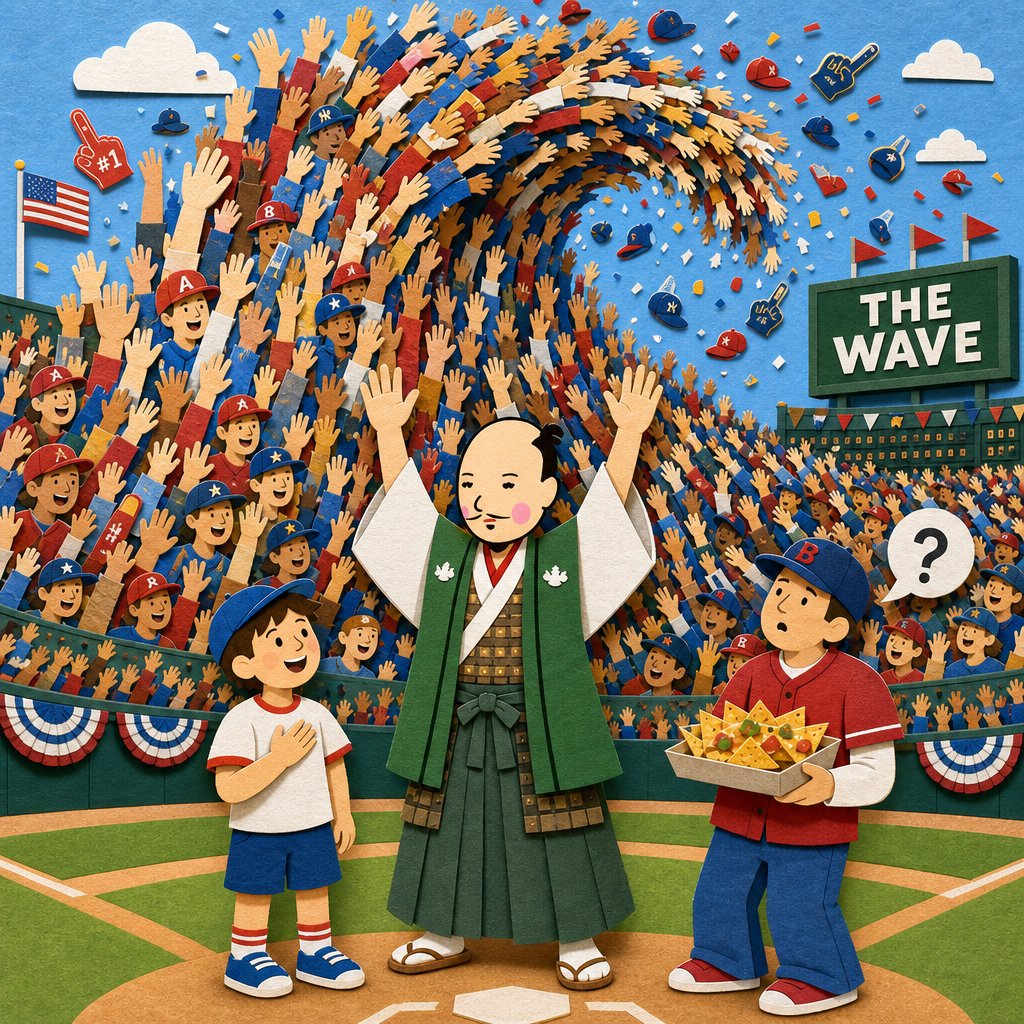
Somewhere in America, a baseball stadium. Forty thousand people, and suddenly, for no reason I could see, one slice of them stood and sat back down.
Then the next slice. Then the next. A tide of bodies, rolling around the bowl toward me.
I understood at once: a maneuver. A rising passed shoulder to shoulder, the way a clan signals along a wall that the enemy is near. I did not know the enemy. But I would not be the man who broke the formation.
I studied the timing. The men beside me tensed. This was my section's moment to hold the line.
I stood —
Too early. Alone. One warrior risen against a sky of seated strangers. The tide had not reached us yet.
The man beside me looked up, kindly. "You gotta wait for it, buddy."
Wait for it. The maneuver has a rhythm, and I had insulted the rhythm. I sat. My face was hot. Eight hundred years of reading the battlefield, and I had misjudged a wave of office workers eating nachos.
It came around again. I felt the swell now — three sections away, two, one —
I rose with them. Arms up. A clean link in the chain. The tide passed through me and rolled on, and I had never felt so completely part of something I did not understand.
"There you go," the man said, not looking, eating a nacho.
A man does not ask the tide to wait for him. He learns its rhythm, or he stands alone.
I do not know who the enemy was. I no longer think there was one. The wave exists only so that forty thousand strangers can, for six seconds, become one body and feel it.
I will ride every wave from now on. And I will never again rise too soon.
23
179
2,265
54,684

Dear @ICEgov: Your out of control agency has killed people. Your personnel will be investigated. And if the facts warrant it, a future Administration will prosecute your personnel who violated the law.
November is coming.

Oh my god. A SECOND person died of exposure last winter after being released by DHS in the middle of the winter and far away from where they lived.

693
2,143
4,901
74,402
Franklin Manchester retweeted

Jun 13
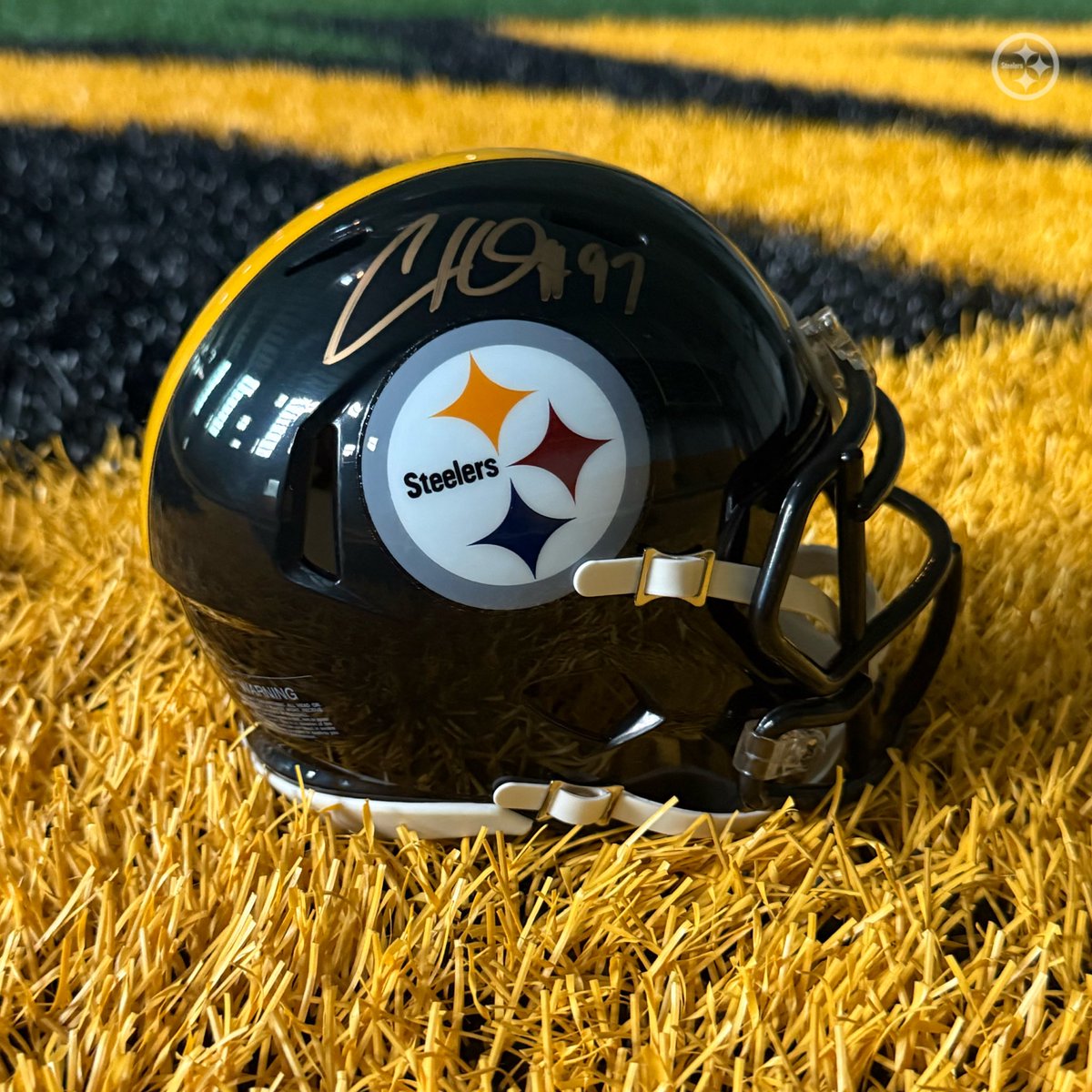
RP and comment “Captain Cam” for your chance to win this signed @CamHeyward mini helmet‼️
1,075
1,562
1,681
86,115
Franklin Manchester retweeted

Jun 12
But taxing wealth so normal people can afford to see a doctor and not go bankrupt over inhalers is radical left. OK
Jun 12

SpaceX's 11% share price boost has made Elon Musk the world's first trillionaire, controlling two of the world's largest companies. ft.trib.al/wHPQ9gw

15,965
6,500
52,541
2,117,388
Franklin Manchester retweeted

Jun 12
Americans are struggling to pay for groceries and gas while Elon Musk becomes a TRILLIONAIRE.
When the federal government is for sale, the rich get richer and everyone else gets shafted.
The system is rigged.
36,845
5,499
31,380
5,430,578
Franklin Manchester retweeted

Reason #1,000,000,000,000 why we should tax the rich.
Jun 12
SpaceX's 11% share price boost has made Elon Musk the world's first trillionaire, controlling two of the world's largest companies. ft.trib.al/wHPQ9gw
27,525
56,488
437,122
14,987,774
Franklin Manchester retweeted

Jun 11
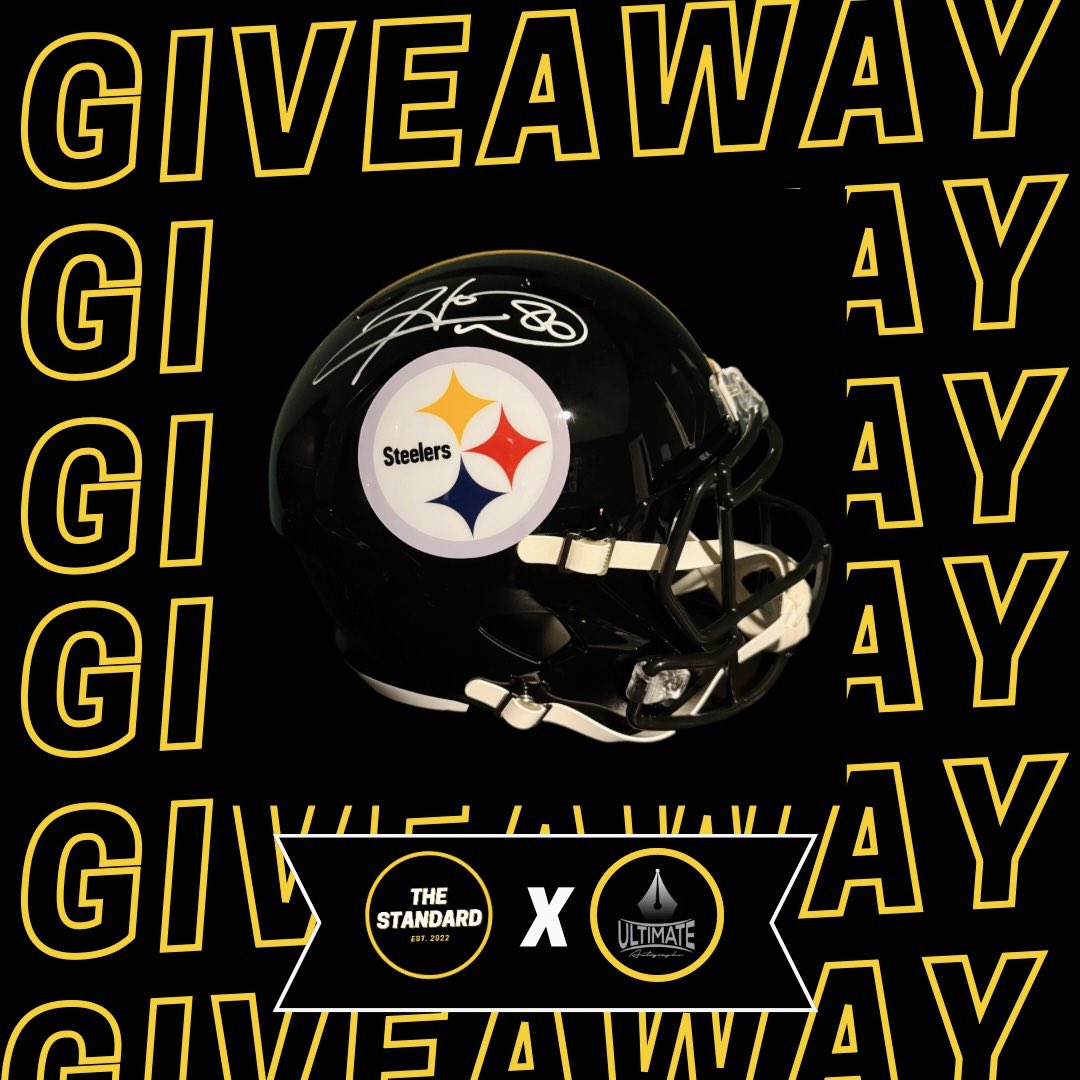
🚨GIVEAWAY🚨
We’re teaming up with @Ultimategraphs to give away a SIGNED Hines Ward helmet! 🔥
👇 HOW TO QUALIFY 👇
🔘 Like & Repost
🔘 Follow @TheStandard412 & @Ultimategraphs
🔘 Tag friends in the comments
🏆- Winner announced 6/19
#NFL #Steelers
297
415
512
22,866
The Acting AG, @DAGToddBlanche, is a national disgrace.
His actions in covering up the Epstein Files to protect trump are unethical and likely illegal.
He will be disbarred. He will be investigated. And if the facts warrant it, he will be prosecuted.
November is coming.
Jun 11

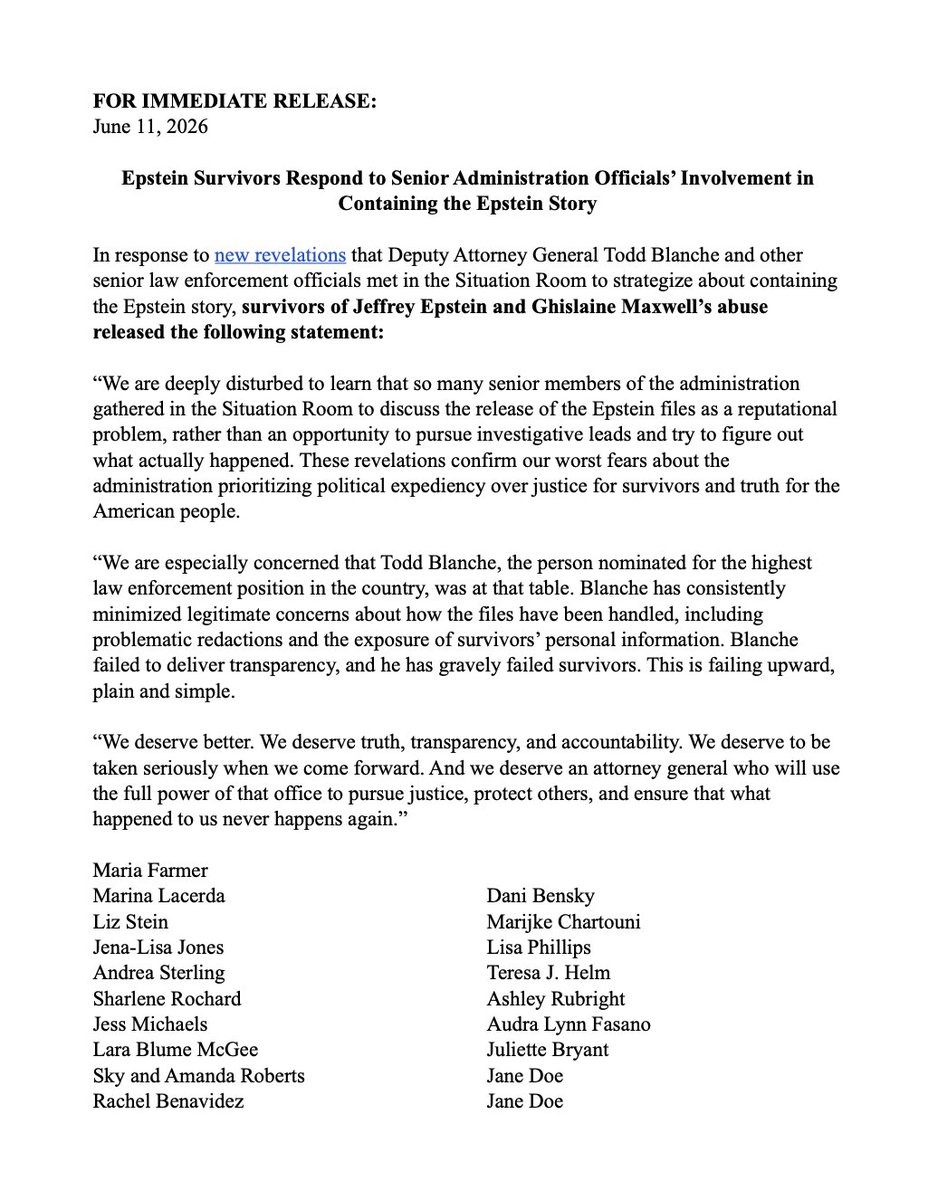
NEW: Epstein survivors release statement blasting Todd Blanche following the revelation that he worked alongside the White House to protect Trump from the Epstein files.
"We deserve better. We deserve truth, transparency, and accountability. We deserve to be taken seriously when we come forward."
763
3,863
10,252
122,533
Franklin Manchester retweeted

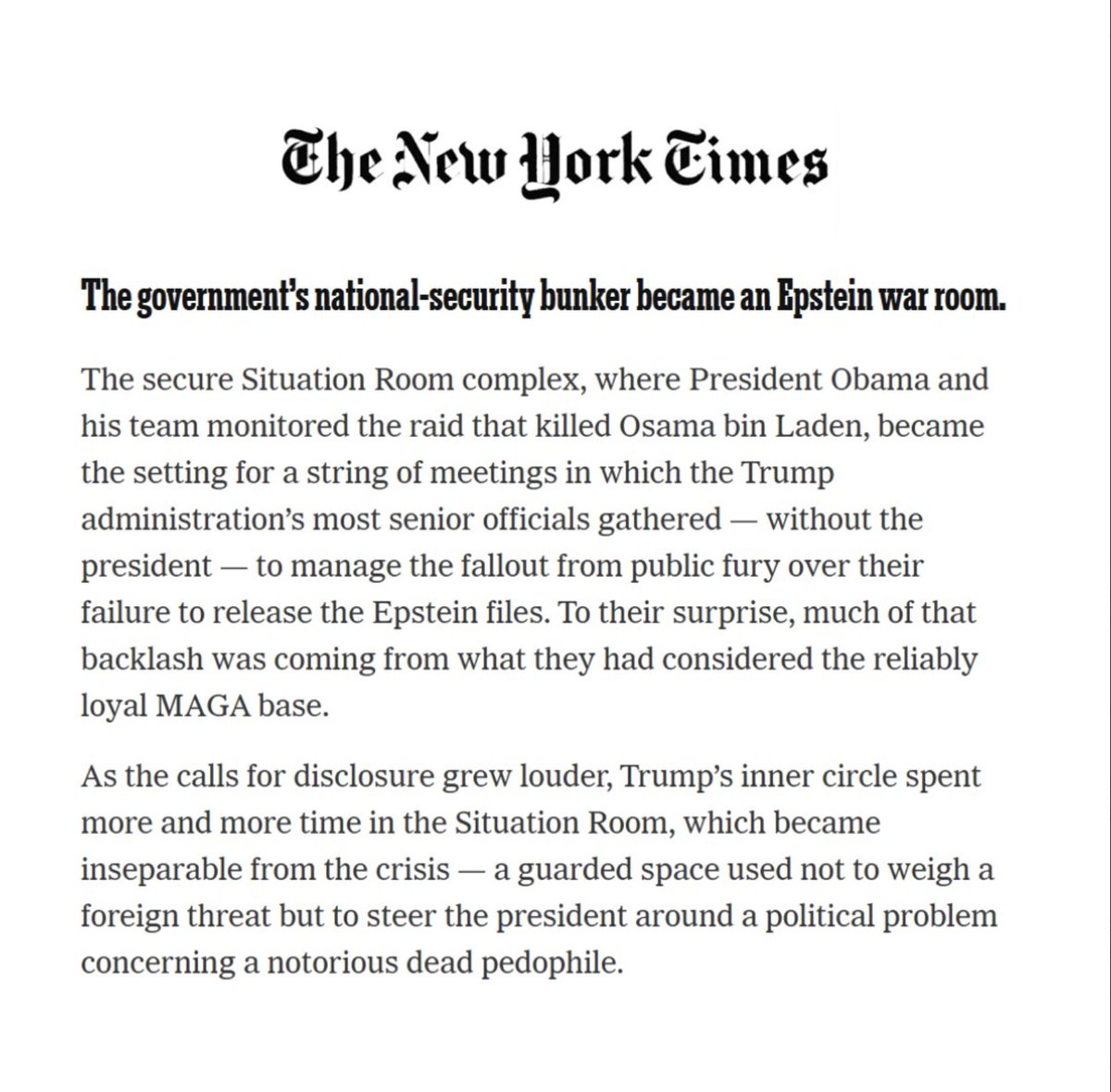
This government is complicit in the abuse and the ongoing obstruction of justice.
The people in the Situation Room need to be focused on the unlawful and unconstitutional war this President has dragged us into — not damage control for pedophiles.
The survivors deserve justice. The American people deserve answers. And we will not stop fighting until we get them.
533
1,457
3,825
37,004
Franklin Manchester retweeted

Jun 11
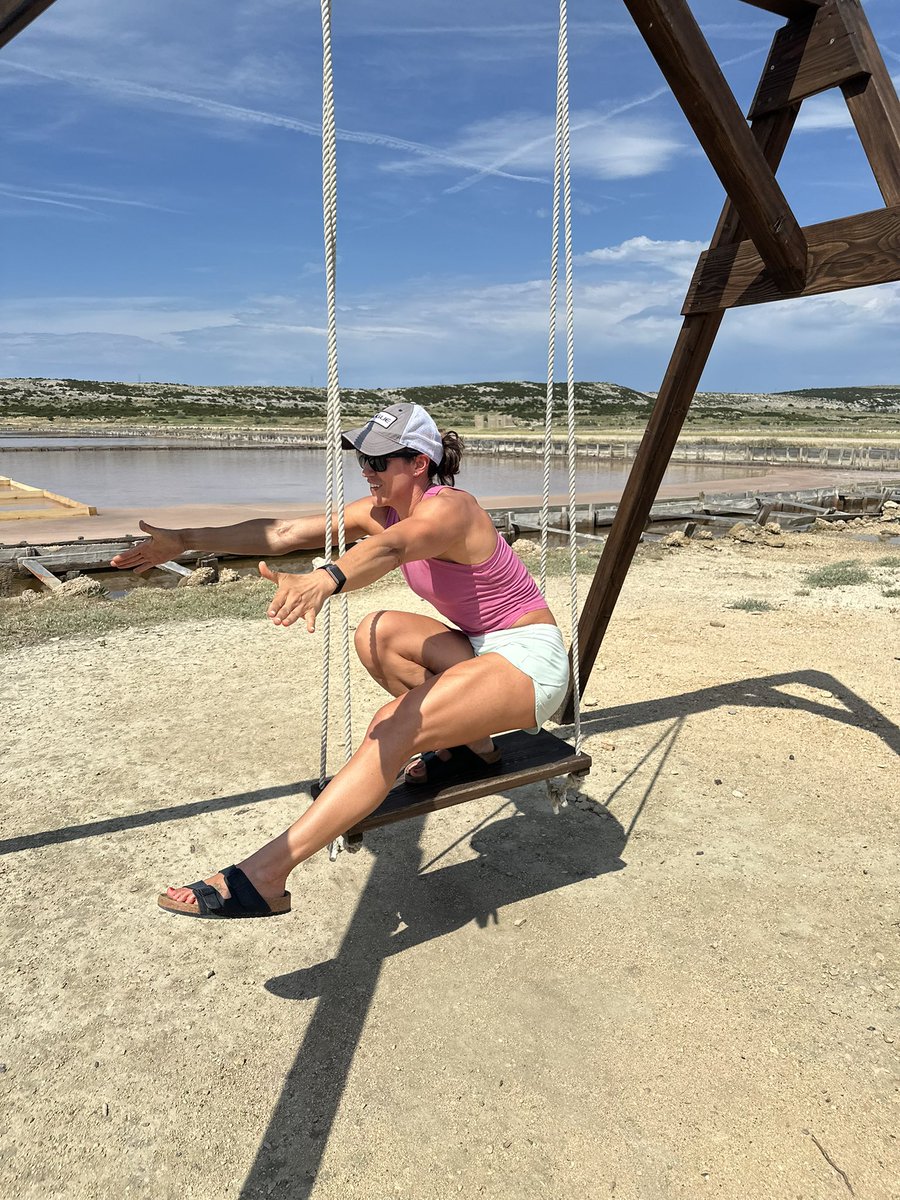
What’s one of the hardest things you’ve done? Trying to do a pistol on a swing is definitely at the top
7
6
148
2,854
Franklin Manchester retweeted

Jun 11
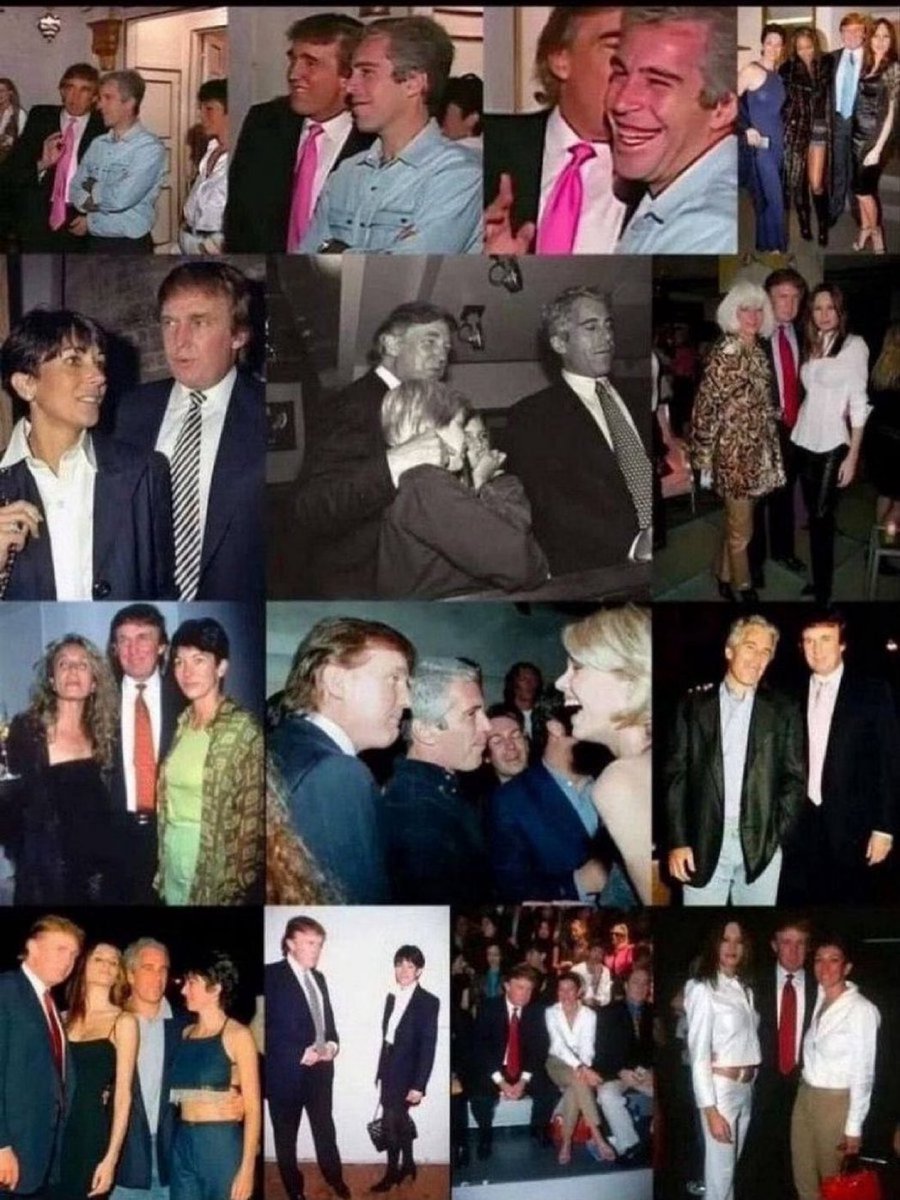
❌❌❌ DO NOT BE DISTRACTED ❌❌❌
DONALD TRUMP & JEFFREY EPSTEIN ARE SEX TRAFFICKERS and I’m gonna post this every day so nobody forgets exactly who these monsters are and why the incriminating portions of The Epstein Files have suddenly disappeared
103
3,174
5,915
37,262
Franklin Manchester retweeted

Jun 10

Coors Light is rolling out a 'Tallerboy' for the World Cup that holds THREE beers in it
On sale tomorrow on Coors website

49
474
6,697
1,905,530
Franklin Manchester retweeted

Jun 10
my bbq is swine
my dorothea is dix
my longleaf is pine
MY CANES IN SIX
131
576
5,387
276,797
Franklin Manchester retweeted

From the mishandled release of the Epstein Files to Ghislaine Maxwell’s transfer to Club Fed, Congress needs to investigate AG nominee Todd Blanche’s concerning actions at DoJ.
He has clearly proven his loyalty to Donald Trump over his loyalty to the rule of law.
25
171
521
8,532