
Corrections reform advocate. I document what institutions deny. Policy, practice, and human impact—receipts included.
Joined December 2025
- Tweets 302
- Following 165
- Followers 47
- Likes 393
77 Photos and videos






Pinned Tweet
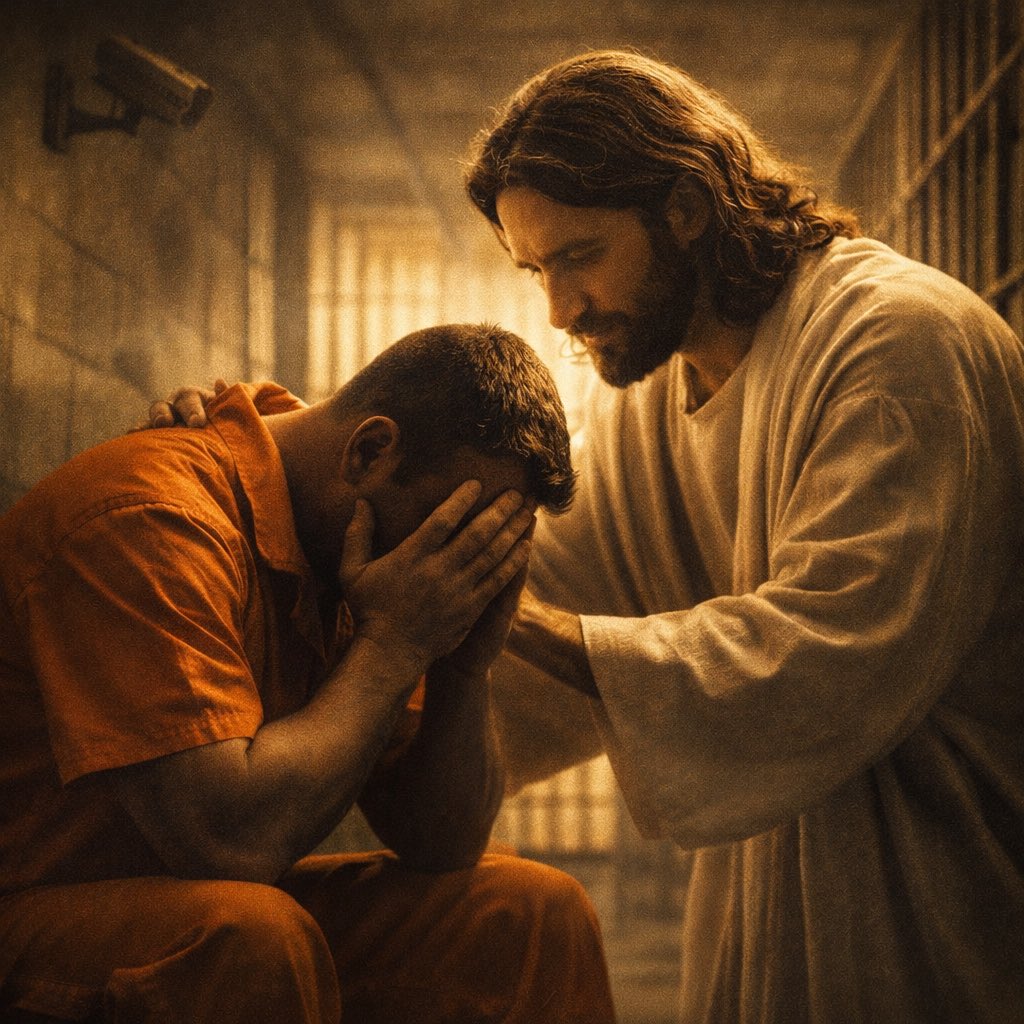
Isaiah 43 was first spoken to people who had lost their freedom.
God didn’t distance Himself from them. He named them.
Jesus didn’t avoid prisoners.
He identified with them.
He was arrested, condemned, and executed as one.
So when Christians dismiss prisoners, we aren’t being careful.
We’re forgetting who Jesus stood with.
If God does not abandon people in confinement,
neither should those who follow Him.
Isaiah 43.
Jesus.
Prisoners.
Still the same Gospel.
#jesus #prisoner
3
272
The part that I can’t get past isn’t even what he said afterward. It’s what happened before the fight.
The guy was literally throwing up on himself at weigh-ins. He wasn’t just stumbling around looking tired or hungover. He looked seriously impaired. I’ve never seen anything like it. People are saying he was on a two-day bender, but whatever the reason, he looked like someone who was physically and mentally not okay.
He was trying to hold it together while vomiting on himself during the weigh-in. That’s not normal. That’s not something we should just laugh off or treat as entertainment.
What I don’t understand is why nobody is talking more about that. If someone shows up in that condition, why are we acting like it’s business as usual? We’re talking about a person who appears to have obvious addiction issues, mental health issues, or both. Normal people don’t party until they look like they’re having a seizure walking into a weigh-in and then throw up on themselves on stage.
And if he was in that condition, why was he cleared to fight? Why was he allowed into the arena? Why was he put in front of cameras, allowed access to the President, and put in a position where everyone knew there was a good chance something was going to happen?
I’m not excusing anything he said or did afterward. I’m just amazed that everyone is focused on the controversy after the fight while barely talking about the condition he appeared to be in before the fight ever started.
That shouldn’t be normal, and we shouldn’t normalize it.
Jun 15

🚨OMG. A fighter just declared “Michelle Obama is a man” on the White House lawn as Joe Rogan chuckles.
Tonight is a DISGRACE to our country, not a celebration.
28
The part that I can’t get past isn’t even what he said afterward. It’s what happened before the fight.
The guy was literally throwing up on himself at weigh-ins. He wasn’t just stumbling around looking tired or hungover. He looked seriously impaired. I’ve never seen anything like it. People are saying he was on a two-day bender, but whatever the reason, he looked like someone who was physically and mentally not okay.
He was trying to hold it together while vomiting on himself during the weigh-in. That’s not normal. That’s not something we should just laugh off or treat as entertainment.
What I don’t understand is why nobody is talking more about that. If someone shows up in that condition, why are we acting like it’s business as usual? We’re talking about a person who appears to have obvious addiction issues, mental health issues, or both. Normal people don’t party until they look like they’re having a seizure walking into a weigh-in and then throw up on themselves on stage.
And if he was in that condition, why was he cleared to fight? Why was he allowed into the arena? Why was he put in front of cameras, allowed access to the President, and put in a position where everyone knew there was a good chance something was going to happen?
I’m not excusing anything he said or did afterward. I’m just amazed that everyone is focused on the controversy after the fight while barely talking about the condition he appeared to be in before the fight ever started.
That shouldn’t be normal, and we shouldn’t normalize it.
Jun 13

Josh Hokit showed up to the weigh-ins "drunk" and threw up on himself 😭
"So what, maybe I was drinking last night. Who wouldn't be. I have a giant black man that wants to knock me out."
19
The part that I can’t get past isn’t even what he said afterward. It’s what happened before the fight.
The guy was literally throwing up on himself at weigh-ins. He wasn’t just stumbling around looking tired or hungover. He looked seriously impaired. I’ve never seen anything like it. People are saying he was on a two-day bender, but whatever the reason, he looked like someone who was physically and mentally not okay.
He was trying to hold it together while vomiting on himself during the weigh-in. That’s not normal. That’s not something we should just laugh off or treat as entertainment.
What I don’t understand is why nobody is talking more about that. If someone shows up in that condition, why are we acting like it’s business as usual? We’re talking about a person who appears to have obvious addiction issues, mental health issues, or both. Normal people don’t party until they look like they’re having a seizure walking into a weigh-in and then throw up on themselves on stage.
And if he was in that condition, why was he cleared to fight? Why was he allowed into the arena? Why was he put in front of cameras, allowed access to the President, and put in a position where everyone knew there was a good chance something was going to happen?
I’m not excusing anything he said or did afterward. I’m just amazed that everyone is focused on the controversy after the fight while barely talking about the condition he appeared to be in before the fight ever started.
That shouldn’t be normal, and we shouldn’t normalize it.
Jun 13
Josh Hokit showed up to the weigh-ins "drunk" and threw up on himself 😭
"So what, maybe I was drinking last night. Who wouldn't be. I have a giant black man that wants to knock me out."
1
14
Utah needs independent oversight of the Utah Department of Corrections because taxpayers are not getting the results they are paying for. Incarceration should reduce recidivism and prepare people to return to their communities safely. Yet reports continue of people waiting years for required programming and treatment, including delays of more than 1,000 days before they can qualify for release. These delays increase costs, extend incarceration, and undermine rehabilitation.
Documented concerns include:
Long waits for required programming and treatment
Delays that keep people incarcerated longer than necessary
Interrupted medical care and medication continuity issues
Limited access to mental health and rehabilitative services
Property loss during housing moves
Fear of retaliation for reporting concerns
Poor living conditions and unresolved grievances
Lack of independent review and accountability
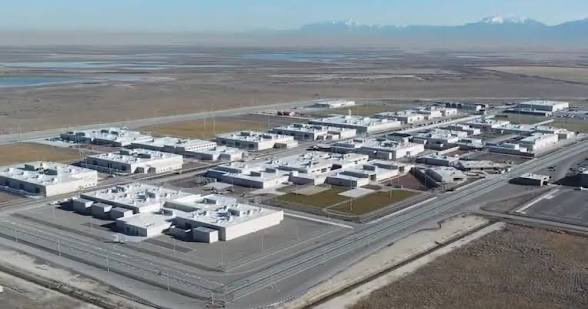
These problems carry major financial costs. Utah has already spent about $1 billion on a new prison and is seeking another $130 million for expansion, while many incarcerated people still cannot access the programs needed to move through the system and return to society. Independent oversight would help ensure resources are used effectively, identify barriers to rehabilitation, and improve public accountability. This is not about making prison more comfortable. It is about making government more effective, reducing unnecessary costs, and ensuring the correctional system fulfills its mission. #utah

Just another not rare day for me.
It is a rare day that I do not have a conversation with a whistleblower in Utah.
It’s been a long election season, and there are many things I know that I cannot say……..yet.
What I will say is this:
We need tighter control environments and ethics rules- at every level of government.
Helping yourself, your family, friends, donors or business associates benefit from your government position- elected, appointed or hired is a violation of the public’s trust.
And based on the hot-line reports currently being provided to my office - I’m not the only one getting very, very sick of it.
auditor.utah.gov/hotline/
6
My soul clings to you;
your right hand upholds •me.
9 But those who seek to destroy my life
shall go down into the depths of the earth;
10 they shall be given over to the power of the sword;
they shall be a portion for jackals.
11 But the king shall rejoice in God;
all who swear by him shall exult,
for the mouths of liars will be stopped. (Psalm 63:8–11, ESV)
3

Jun 14
“You can’t heal what you keep explaining away. Confession starts when the excuses stop.”
One of the things I’ve been thinking about after today’s teaching from Dr. Bryan Hurlbutt is how often we hear the word confession without really understanding what it means.
A lot of us think confession is simply admitting that we did something wrong.
“I lost my temper.”
“I lied.”
“I gossiped.”
“I looked at something I shouldn’t have.”
“I hurt someone’s feelings.”
That’s part of confession, but I don’t think that’s the whole thing.
Real confession is being honest enough to stop defending yourself.
It’s when you stop explaining why what you did wasn’t really that bad.
It’s when you stop blaming your spouse, your childhood, your stress, your boss, your circumstances, or the person who upset you.
It’s when you stop minimizing it, justifying it, or putting a spiritual sounding label on it.
It’s looking at your own heart and asking, “What is really going on here?”
Maybe the problem wasn’t just that you lied. Maybe you were afraid.
Maybe the problem wasn’t just anger. Maybe it was pride.
Maybe the problem wasn’t just gossip. Maybe it was jealousy.
Maybe the problem wasn’t just controlling behavior. Maybe it was fear and a lack of trust.
Maybe the problem wasn’t that you wanted recognition for doing something good. Maybe it was that you needed approval from people more than you wanted to honor God.
That’s what stood out to me about Abraham’s story.
The lie wasn’t really the issue.
The lie was the symptom.
The deeper issue was fear.
Years after the first time he lied about Sarah being his sister, he found himself doing the same thing again because the root issue had never fully been dealt with.
I think that’s why some of us keep tripping over the same sins year after year. We keep confessing the fruit while protecting the root.
Confession is bringing the whole thing into the light.
Not just what you did.
Why you did it.
What you were believing.
What you were afraid of.
What you were trying to control.
What you wanted more than obedience.
That kind of honesty can be uncomfortable, but it’s also where healing begins.
God already knows what’s in our hearts. Confession isn’t informing Him. It’s agreeing with Him.
And when we finally stop defending ourselves long enough to tell the truth, that’s often where grace does its deepest work. #jesus
17
Jun 14
My takeaways on the teaching from Dr. Bryan Hurlbutt on Genesis 20 today:
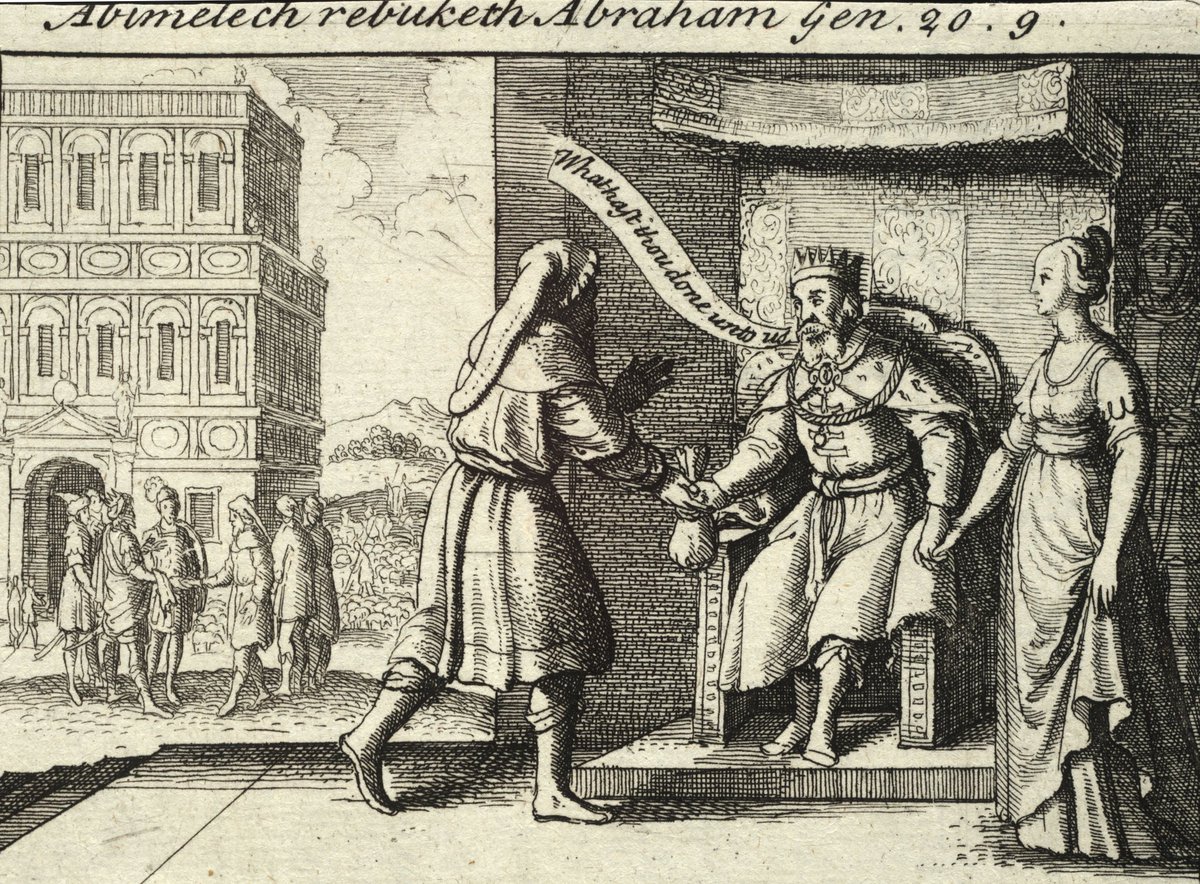
What struck me wasn’t just that Abraham lied about Sarah being his sister. It was that this wasn’t the first time.
Back in Egypt, Abraham did the same thing. He was afraid for his own safety, so he told Sarah to say she was his sister. The consequences weren’t small. Sarah was taken into Pharaoh’s household. Abraham’s fear and self-preservation put his wife in a position where she was violated and abused. Other people suffered because of Abraham’s sin.
Then years later, after walking with God, after seeing miracles, after receiving promises, after growing in faith in so many areas, Abraham finds himself standing in almost the exact same situation and making almost the exact same decision.
I think that’s what hit me.
Sometimes when we read about people in the Bible, we can create some distance between ourselves and them. We see Abraham as Father Abraham, the man of faith. But Genesis 20 reminds us that he was also a man who struggled with the same fears and failures over and over again.
And honestly, so do we.
One of the things I kept thinking about after church was confession. Not confession in the sense of simply admitting we did something wrong, but really being honest about what is actually going on inside of us.
It’s easy to confess the fruit.
“I lost my temper.”
“I lied.”
“I gossiped.”
“I was controlling.”
It’s harder to confess the root.
Why did I lose my temper?
Why did I lie?
Why do I need to control everything?
Why am I so desperate for approval?
Why am I afraid?
Why am I unwilling to trust God with this situation?
Sometimes we spend so much time explaining our behavior that we never really examine it. We call it stress. We call it a personality trait. We call it being passionate. We call it protecting people. We call it being honest. We call it setting boundaries.
Sometimes those things are true.
Sometimes they’re not.
Sometimes underneath all of our explanations is the same root that has been tripping us for years.
What I appreciated about today’s message is that it didn’t minimize Abraham’s sin, but it also didn’t end there. God wasn’t blind to what Abraham had done. He wasn’t pretending nobody got hurt. He wasn’t ignoring the damage.
But He also wasn’t finished with Abraham.
That’s grace.
Not pretending sin isn’t sin.
Not pretending people weren’t hurt.
Not pretending there aren’t consequences.
But meeting us in the middle of our failures and calling us back to Himself anyway.
I think real confession starts when we stop defending ourselves long enough to let God show us the root instead of just the fruit. #truth #jesus
28
Jun 14
The Gospel Is for Repeat Offenders
Abraham lied. Again. The same root tripped him twice. Yet God didn’t abandon him, cancel him, or throw away His promises.
That’s the hope of the gospel.
When you fall, you don’t have to hide from God. You have an Advocate. You have a High Priest. You have a covenant Savior. Feel the conviction, confess honestly, receive mercy, get back up, and keep running with your eyes fixed on Jesus. #faith #Jesus #christiantiktok #prayer
5
Jun 12
and as they sailed he fell asleep. And a windstorm came down on the lake, and they were filling with water and were in danger. 24 And they went and woke him, saying, “Master, Master, we are perishing!” And he awoke and rebuked the wind and the raging waves, and they ceased, and there was a calm. 25 •He said to them, “Where is your faith?” And they were afraid, and they marveled, saying to one another, “Who then is this, that he commands even winds and water, and they obey him?” (Luke 8:23–25, ESV)
21
Jun 12
But the Lord has become my stronghold,
and my God •the rock of my refuge.
23 •He will bring back on them •their iniquity
and wipe them out for their wickedness;
the Lord our God will wipe them out. (Psalm 94:22–23, ESV)
15
Jun 11
I want EVERYONE in the state of Utah to know that Brian Redd is AMAZING and GREAT and so are some of the hardworking and dedicated captains from the UDC like Jared Beers he’s the best! linkedin.com/posts/nadine-sa…
9
Fallout Ministry retweeted

I am more concerned with how Heather O’Rourke really died than I am about how much Steve Spielberg supposedly knows about aliens.

210
1,239
6,352
63,830
4
We have thought on your steadfast love, O God,
in the midst of your temple.
10 As your name, O God,
so your praise reaches to the ends of the earth.
Your right hand is filled with righteousness.
11 Let Mount Zion be glad!
Let the daughters of Judah rejoice
because of your judgments!
12 Walk about Zion•, go around her,
number her towers,
13 consider well •her ramparts,
go through her citadels,
that you may tell •the next generation
14 that this is God,
our God forever and ever.
He will guide us•• forever. (Psalm 48:9–14, ESV)
17
We live in a world that often measures human worth by productivity, intelligence, independence, or achievement. Yet some of the people who most clearly reflect Christ’s love possess none of the qualities our culture celebrates. What if we’ve become so afraid of imperfection that we’re eliminating some of God’s greatest gifts before they’re ever born? #downsyndrome
23
One of the things Dr. Bryan Hurlbutt challenged us with today was the idea that people don’t usually wake up one day and find themselves in a cave.
The cave is usually the result of a long series of small decisions.
That was the part of the story of Lot that really stuck with me.
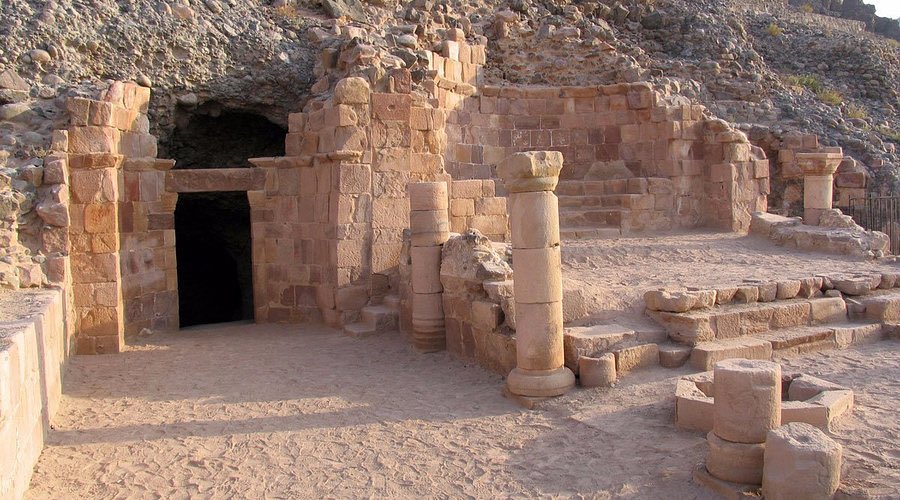
When we meet Lot in Genesis, he’s walking alongside Abraham. He has opportunity, provision, wisdom around him, and every reason to trust God. But over time he keeps moving closer to Sodom. Then he settles there. Then he becomes part of the culture around him. By the time we find him living in a cave at the end of the story, the cave isn’t the beginning of the problem. It’s the outcome of years of compromise.
I think that’s something all of us should stop and think about.
Most of us aren’t making life-changing decisions every day. We’re making small ones. The way we respond to fear. The way we handle disappointment. The things we excuse. The habits we allow. The voices we listen to. The areas where we slowly convince ourselves that a little compromise isn’t a big deal.
The reality is that we’re all becoming something.
What we repeatedly choose today is shaping who we’ll be tomorrow.
Another point that hit me was that our choices rarely affect only us. Lot’s decisions affected his daughters. Their decisions affected future generations. The consequences traveled much farther than anyone could have imagined at the time.
That’s true in our own lives too.
As parents, spouses, friends, leaders, coworkers, and neighbors, we’re constantly influencing the people around us. We may think our private decisions stay private, but they often leave fingerprints on the lives of others.
What I appreciated most about the sermon, though, was that it didn’t end with condemnation.
Even in one of the darkest stories in Scripture, God was still at work. The story that began in a cave eventually leads to Ruth, a Moabite woman who becomes part of the lineage of Jesus. God brought redemption from a place that looked completely broken.
That’s the hope.
Our choices matter. Our compromises matter. Our obedience matters.
But God’s grace is bigger than our worst moments.
Maybe the question isn’t, “How did I end up here?”
Maybe the better question is, “What direction am I heading today?”
Because long before anyone ends up in a cave, they start walking toward one. #jesus #grace
29
This sermon uses the story of Lot and his daughters in Genesis 19:30–38 as a warning about the slow drift of compromise and the devastating consequences that can follow when fear replaces trust in God. Rather than focusing solely on the shocking events in the cave, the message traces the path that led Lot there—from prosperity alongside Abraham, to compromise in Sodom, to isolation, fear, and brokenness.
At the same time, the sermon offers hope. Even in one of the darkest stories in Scripture, God demonstrates that He can bring redemption from places that appear hopeless. The genealogy of Jesus ultimately passes through Ruth the Moabitess, showing that God can transform a “cave” of failure into a place where grace begins a new story.
Key Takeaways
•Spiritual collapse is usually a slow drift, not a sudden event.
•We must be honest about our own role in the choices that shape our lives.
•Fear often drives people into isolation, compromise, and poor decisions.
•Sin never affects only the individual; its consequences spread to families and future generations.
•Our moral compass is formed over time by the choices we repeatedly make.
•Hard circumstances do not remove our responsibility to trust and obey God.
•We cannot solve spiritual problems through sinful methods.
•God always provides a path of faithfulness, even in difficult seasons.
•Repentance begins with personal responsibility rather than blame.
•No situation is beyond God’s ability to redeem.
•The same God who met David in a cave and redeemed the line of Moab through Ruth still meets people in their darkest places today.
#jesus
1
14
O Lord our God, you answered them;
you were a forgiving God to them,
but an avenger of their wrongdoings.
9 Exalt the Lord our God,
and worship at his holy mountain;
for the Lord our God is holy! (Psalm 99:8–9, ESV)
7