
We're farmers fighting for accountability from the government and the largest food and ag corporations.
Joined January 2020
- Tweets 3,481
- Following 437
- Followers 12,659
- Likes 2,672
845 Photos and videos


Pinned Tweet

May 21
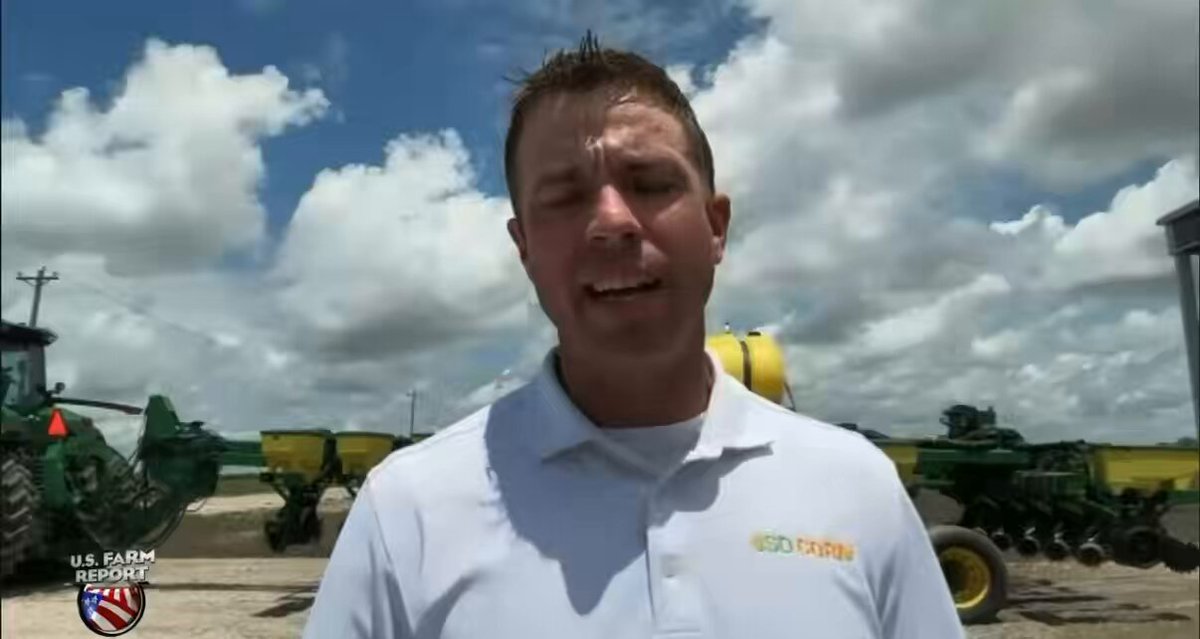
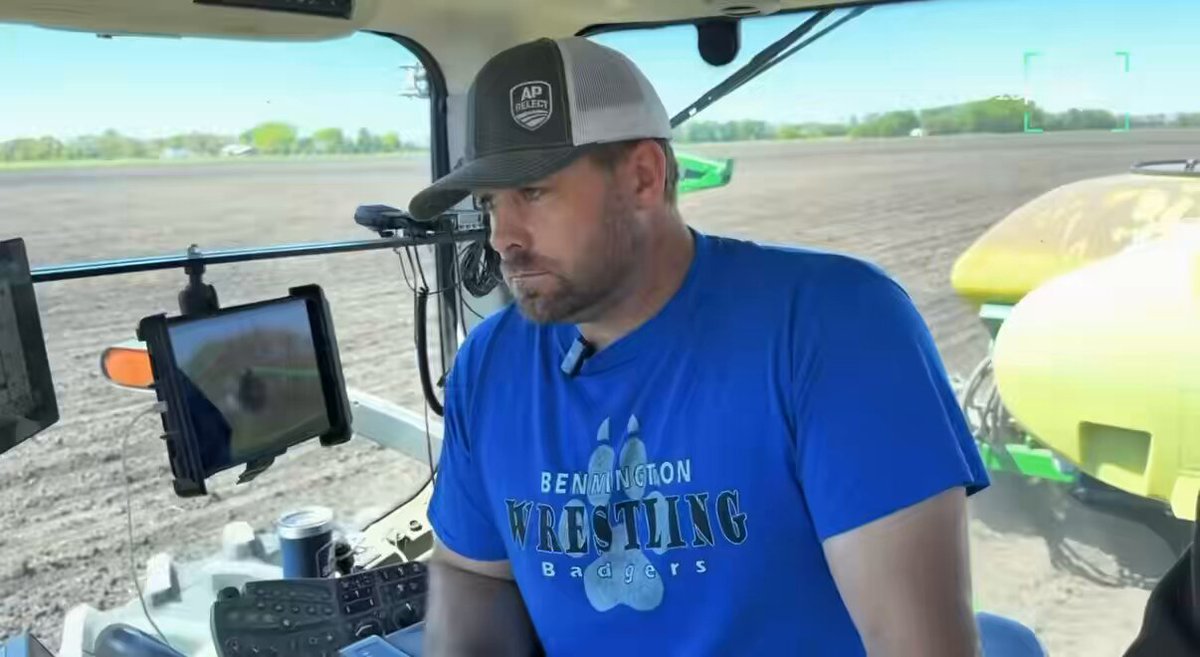
“It’s costing us about $1,500 of cash per day to run 2 tractors.”
Ohio farmer says skyrocketing input costs are hammering American farmers.
“I spent many years buying potash for $90 a ton, and now it’s $670 to $700 a ton.”
“Our big problem is the input costs.”
“I haven’t seen anything this bad since the 1980s.”
269
1,088
2,953
159,595
Jun 12
Nebraska farmer Kevin Fulton quit using all pesticides, chemicals, and synthetic fertilizers in 2002.
And his farm is doing better than ever.
Contrary to what Big Ag will tell you, he makes much more money as an organic, regenerative farmer than he ever did as a conventional farmer.
“The benefits are numerous.”
“Start off with financial benefits.”
“It would be a huge digression, from a financial standpoint, for me to go back to being a conventional farmer.”
Second, his soil health is stronger than ever.
“Our soil health scores have just significantly increased over the years.”
“Soil organic matter [has] gone from 1.5% in most of my conventional fields 25 years ago to over 6.5% in some crop fields now.”
“It’s a win for the farmer.”
“It’s a win for the consumer.”
“And it’s a win for the community, my neighbors, the wildlife, the animals, the entire ecosystem.”
“Because I’m not putting toxic chemicals out there [that] poison in the land.”
Transitioning from conventional farming to regenerative farming across the country cannot happen overnight.
It takes time and money.
But Congress has the power to accelerate the transition, empower family farms, and restore our soil health.
With the 2026 Farm Bill, Congress must decide:
Will they give family farms a lifeline and support this transition?
Or double down on the existing system dominated by pesticide and chemical corporations?
This bill matters more than you think.
Our new blog breaks down why Kevin’s story could become a template for saving independent farmers, restoring soil health, and breaking up Big Ag’s corporate stranglehold on the agriculture industry.
Read it below:🧵
12
128
333
3,799
Jun 12
Kevin Fulton: “The best business decision I ever made was to leave the conventional farming sector.”
We’re calling on Congress to provide the support farmers need to make the transition to regenerative farming that Kevin did.
Read our new blog below to find out what Congress can do and how to make your voice heard: farmaction.us/rethinking-the…
11
24
360
Jun 12
Minnesota Farmers Union is helping train the next generation of butchers while bringing local meat processing back to their communities.
“When we researched it, in all of North America, there were only 7 college programs that were offering that kind of training.”
“About 85% of our meat is produced by the Big 4 producers.”
For decades, consolidation has left farmers with fewer buyers and consumers with fewer choices.
Expanding local processing capacity helps change that.
Farm Action is proud to support efforts that strengthen independent agriculture and challenge corporate concentration in our food system.
@MNFarmersUnion
5
53
134
2,008
Jun 12
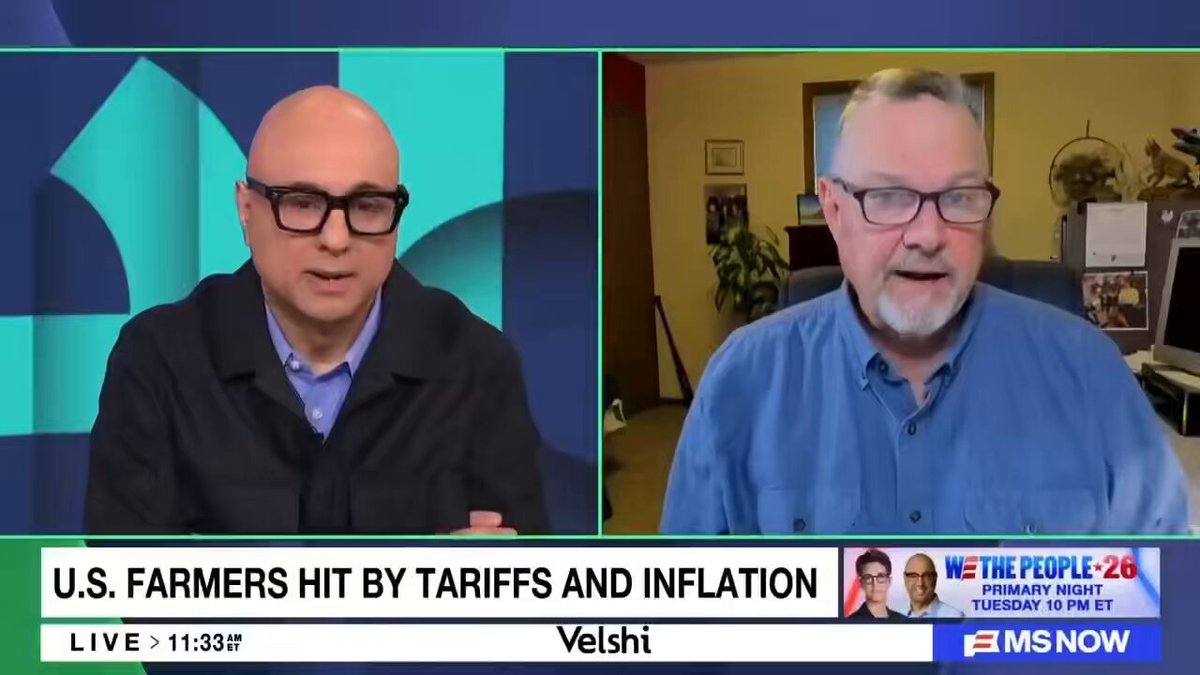
“You’re going to lose your next generation of family farmers.”
“The marketplace is very, very consolidated.”
“And has been for a long, long time.”
“These are tough times for farmers.”
“With the tariffs.”
“Increased input costs.”
“Equipment has gone through the roof.”
“And now with the war in Iran increasing fertilizer and fuel prices.”
Former Senator Jon Tester just delivered a blunt warning that urgently needs to be heard in Washington.
“Young farmers out there… are especially being pounded.”
“We’ve got to put more competition in the marketplace.”
Congress is now debating the 2026 Farm Bill, and it’s a make or break moment for family farms across America.
This bill will determine whether family farms get a lifeline, or we continue down the path of corporate consolidation that has hollowed out rural communities.
There are plenty of steps that Congress can take to empower independent farmers.
Protect California’s Prop 12.
Restore Mandatory Country of Original Labeling.
Break up agricultural monopolies.
Invest in local and regional food systems.
Invest in the tools farmers need to transition to organic, regenerative farming.
We just published a blog series, Rethinking the Farm Bill, breaking down steps that Congress can take and giving you a tool to speak up for farmers’ interests.
Check it out below:🧵
@jontester @MSNOWNews
6
25
63
1,803
Jun 12
The 2026 Farm Bill will decide whether Congress empowers family farms across the country, or doubles down on the corporate monopolies that are hollowing out rural communities.
Read our full blog series on the steps Congress can take to invest in family farms, local and regional food systems, and food security below: farmaction.us/category/rethi…
1
4
6
213
Jun 11
Kevin Fulton doubled his farm’s profits after transitioning away from pesticides and synthetic fertilizers.
How?
As a conventional farmer, he was barely making enough money to keep going for “one more year.”
Big Ag was squeezing him year after year.
“After a while, I was like, this is punishment.”
“I’m not getting ahead.”
“So it was actually financial incentive for me to make changes.”
Today, he no longer pays for chemicals and synthetic fertilizers every year.
Those savings are the key reason why he made the decision to switch to organic, regenerative farming.
And his farm is now doing better than ever.
But it takes time and investment to make the change.
With the 2026 Farm Bill, Congress faces a choice:
They can expand government programs to help farmers transition away from conventional practices.
Including the Environmental Quality Incentives Program Improvement Act in the Farm Bill, for example, would direct federal support to farmers using soil-building practices.
Or they can double down on the current system, where pesticide and fertilizer companies squeeze enormous profits out of independent farmers and our soil health continues to be depleted year by year.
This is a make or break moment for family farms.
Read our full blog sharing Kevin’s story and how Congress can empower millions more farmers to make the transition to organic, regenerative farming:🧵
8
129
284
5,927
Jun 11
“In the 2026 Farm Bill, Congress has a choice.”
“Help more farmers get off the chemical-input treadmill, or give even more power to the pesticide companies that profit from keeping them on it.”
Read our new blog on how Congress can support organic and regenerative farmers below: farmaction.us/rethinking-the…
3
6
17
318
Jun 11
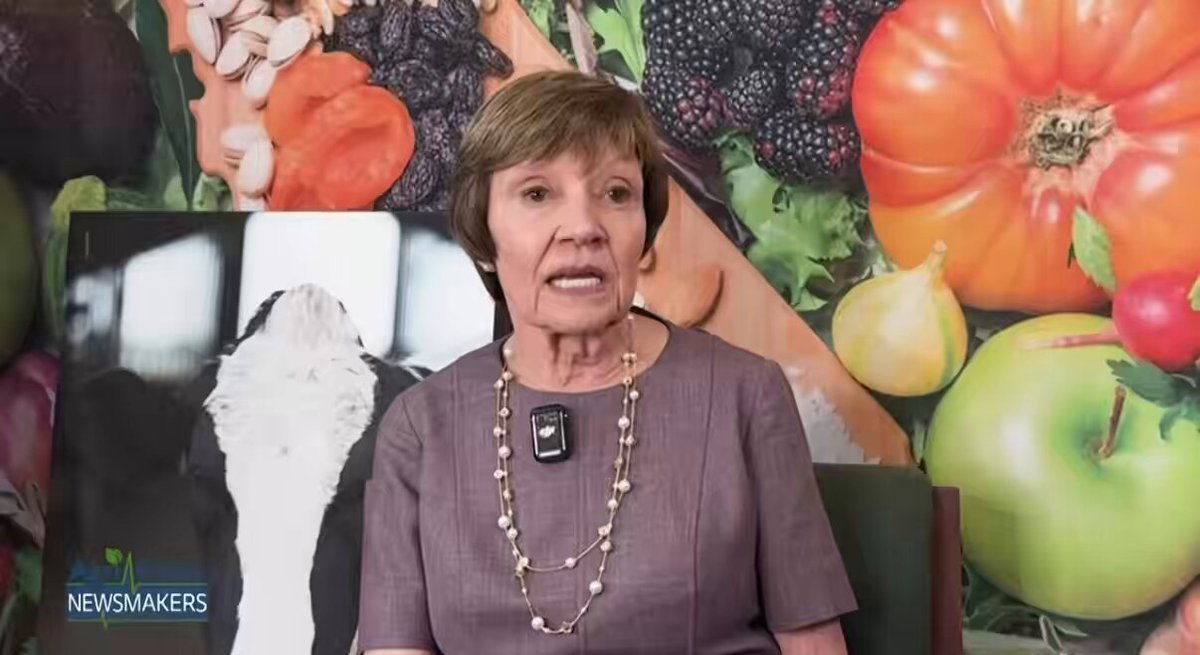
California Ag Secretary Karen Ross: “It (Prop 12) was voted on by the citizens of California… 63% of our voters voted for it.”
“We have not seen supply chain disruptions at all.”
Big Ag spent years warning that Prop 12 would cause chaos in the marketplace.
It didn’t.
The truth is policies like Prop 12 help create a more level playing field for family farmers while giving consumers more choice.
That’s exactly why Big Ag has lobbied so hard against it.
Farm Action is committed to being a voice for family farmers and consumers in the fight against corporate consolidation.
@agripulse @agripulsewest @CDFANews @agsecross
1
12
28
1,137
Jun 10
“The market that we’re dealing with right now, it kind of emulates what we used to live under… 250 years ago, where we were under king control.”
Farmers have had enough.
A free market includes competition, and a handful of companies controlling a market—from the fertilizer going into the ground to the food bought at the store—isn’t free.
It’s time for the government to take action.
@FarmJournal
10
42
100
2,870
Jun 10
Farm Action welcomes the recent steps the FTC has announced to investigate consolidation in the fertilizer industry.
But farmers have heard promises before.
It’s time for action, not another investigation.
farmaction.us/ftc-fertilizer…
1
5
181
Jun 10
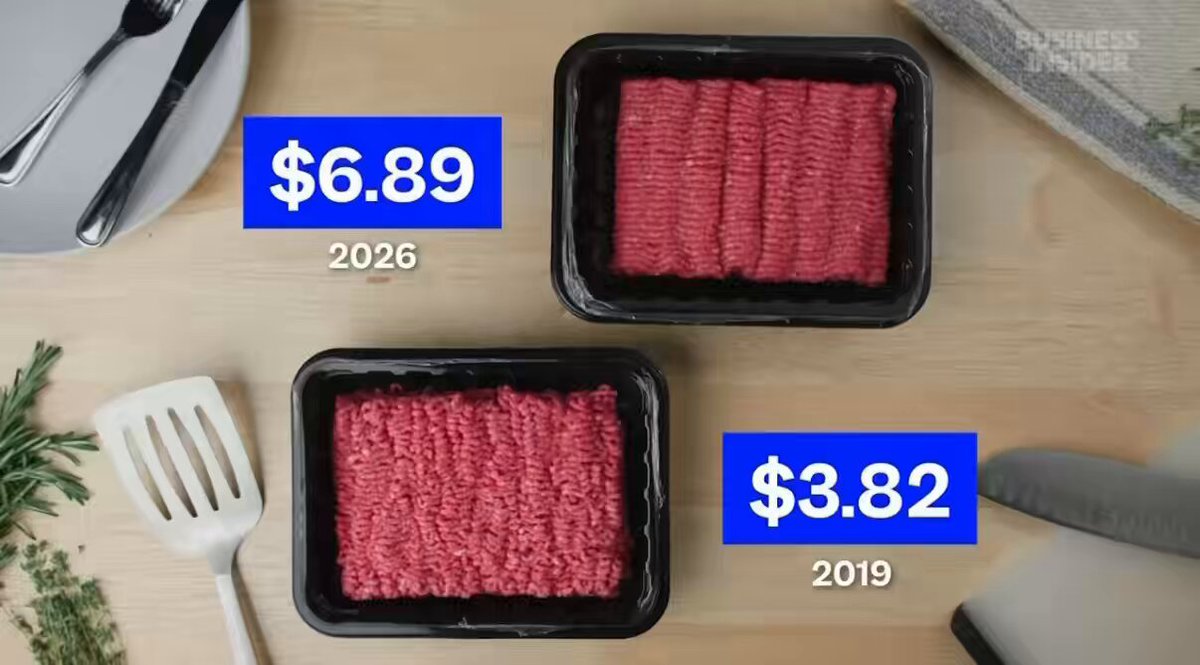
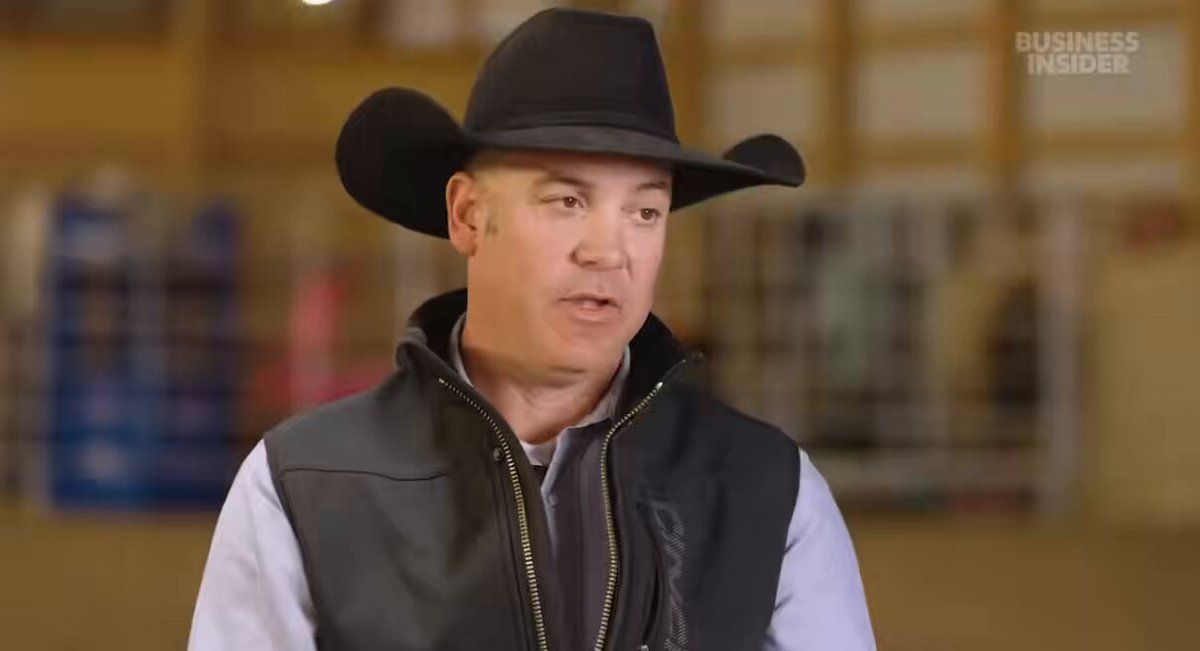
Many Americans assume record beef prices mean record profits for cattle ranchers.
But that's not the case.
As this farmer explains:
“The more them industries consolidate, the easier it is for them to up the price and cut us out.”
The problem isn't the rancher.
It's the middlemen who have consolidated control of the supply chain and can squeeze both producers and consumers at the same time.
Farm Action is fighting to expose these monopolies and restore competition to America's food system.
@BusinessInsider
4
27
67
1,754
Jun 9
“We spent $120,000 in fuel on the farm last year for both equipment and our trucks.”
“This year, that price could be around $200,000.”
Wisconsin farmers are sounding the alarm.
Fuel and fertilizer price spikes are crushing them.
Soybean producer Doug Rebout just warned that even if the Iran war ended today, “it would take at least 6 months before costs could come down.”
“When you put 200 gallons into one tank, that $2 increase is $400 right there.”
Senator Tammy Baldwin just spoke with farmers who warned that they’re being forced to cut costs just to afford fuel and fertilizer.
Countless family farms were already on the brink of bankruptcy before this war.
We’ve been documenting the crushing consequences of market consolidation for years, which has left farmers unable to weather price spikes from crises like the Ukraine war, and now the Iran war.
Farmers cannot afford this.
And resolving this current crisis would not be enough.
The Trump administration must take sweeping action to break up the corporate monopolies that dominate every aspect of the agriculture industry.
Until that happens, every new crisis that arises will put thousands more family farms out of business.
@frediwstv @SenatorBaldwin @PBSWI
2
11
33
1,024
Jun 9
The true consequences of the AI data center boom are devastating for rural America.
Electricity costs are skyrocketing.
Water supplies are squeezed.
Farmland is less affordable and less available.
More family farms will be driven out of business, on top of over 127,000 which have already gone out of business in just the past five years.
Fewer new farmers will go into business.
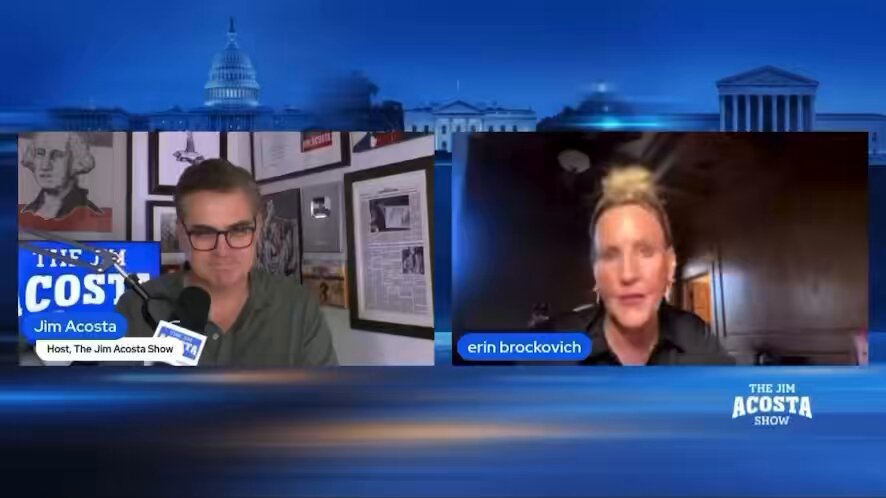
Erin Brockovich is documenting the data center takeover of America in the new map shown in this video, and she suspects that once she’s finished, the total number of data centers will top 7,000.
We’ve already seen the consequences of decades of corporate consolidation in agriculture:
Rural communities have been systematically hollowed out.
Now, the data center boom is only going to accelerate this trend.
We’re calling on local, state and federal officials to pump the brakes on new data center development.
Rural America and family farms cannot afford the consequences.
For the first time in decades, we need to put their interests ahead of corporate power.
Read our full blog on the devastating consequences of the data center boom for rural America below:🧵
@ErinBrockovich @Acosta
4
15
39
1,056
Jun 9
“Until lawmakers act, communities across the country will continue bearing the costs of unchecked data center development—especially in rural areas.”
READ: Data Center Boom Leaves Rural America Shouldering the Costs farmaction.us/data-center-bo…
5
231
Jun 8
“Farmers are going broke and families can’t feed their kids.”
If both the people producing our food and the people buying it are struggling, something is fundamentally broken.
Our food system has been monopolized from seed to plate, allowing middlemen to extract wealth from both farmers and consumers.
Farm Action and Farm Action Fund are fighting to restore competition and put power back where it belongs.
@KimIversenShow @FarmActionFund
4
20
48
910
Jun 8
“Rural America is suffering greater than our metropolitan regions.”
President of Farm Action Fund, Joe Maxwell, shares some startling statistics about the challenges facing rural America.
And explains why the decline of rural communities eventually affects everyone.
“On average, a rural worker makes $2,000 a month less… than a metropolitan worker.”
“Rural grandparents will see more of their grandbabies die before age 1 than their metropolitan cousins.”
“Rural grandkids will lose 3 years of time with their grandparents.”
“In this extraction of wealth that the monopolies have done, they have taken more out of rural America than they have out of the metropolitan region.”
“It starts in rural America.”
“But it does impact everybody that eats.”
“Because we’re gonna raise the food.”
This is why Farm Action and Farm Action Fund are fighting to break the grip of monopolies on our food system and ensure farmers and consumers aren’t left paying the price while a handful of corporations rake in record profits.
@kimiversonshow @FarmActionFund
1
11
39
1,161
Jun 5
The future of American farming depends on who comes next.
Family farmers are aging out, and too many young people see a system that offers hard work with little chance to get ahead.
As one farmer puts it:
“The older generation is like, ‘I can’t do this.’”
“The younger generation is like, ‘I’m not working that hard for no pay.’”
If we don’t make farming viable for young farmers, corporate consolidation will fill the void.
That's why Farm Action is fighting for a food system that can sustain the next generation of farmers.
@BusinessInsider
8
85
230
5,477
Jun 4
“Only 6% of farmers reported that their financial situation improved from last year.”
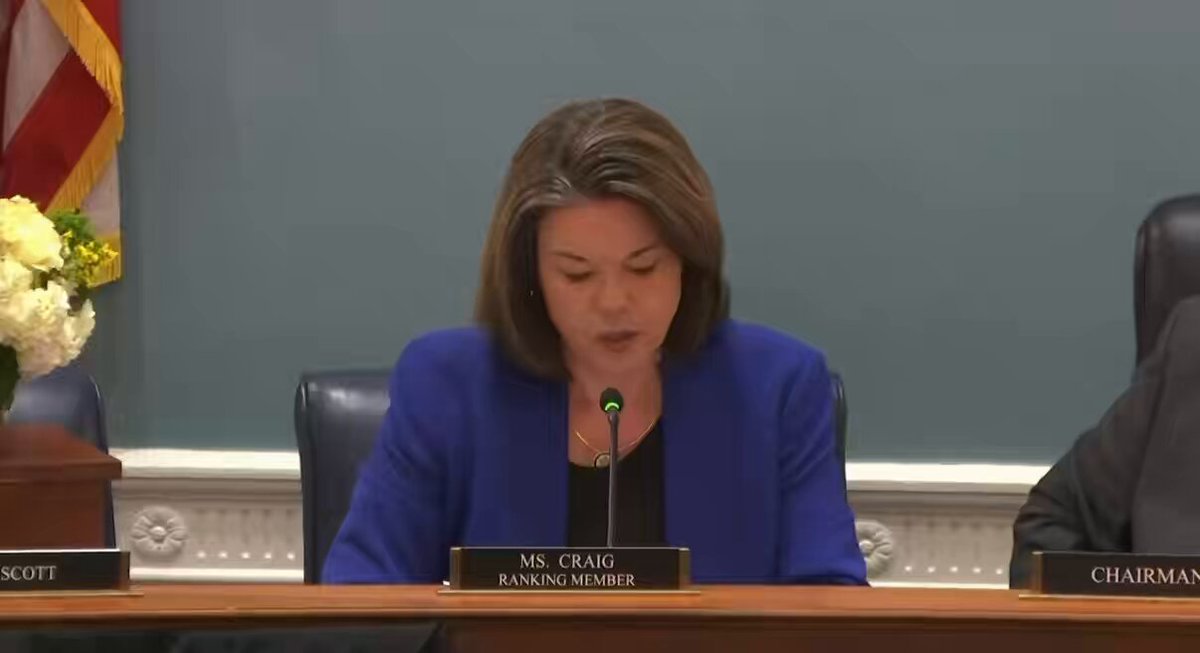
Representative Angie Craig says it’s time the Trump administration recognizes farmers are hurting, and that many of its actions have only made things worse.
“President Trump doubled down on his reckless tariff agenda, destroying critical export markets and driving up costs for all Americans.”
“It cost farmers an estimated $15 billion in lost sales to China last year alone.”
“While American farmers were reeling from the fallout of these tariffs and calling on the administration for relief, President Trump instead gave Argentina $20 billion and handed their ranchers a sweetheart deal, allowing more beef to be imported at the expense of American cattlemen.”
“Farm bankruptcies surged 46% nationwide in Trump’s first year back in office, an astounding 70% in the Midwest.”
Farm Action is committed to fighting for policies that strengthen family farms, create fair and competitive markets, and ensure farmers can earn a living without being squeezed by forces beyond their control.
@RepAngieCraig
7
17
36
1,123
Jun 4
Secretary Rollins was asked whether glyphosate is safe. She said yes.
Then she went straight to Bayer's playbook: hold us accountable and glyphosate will be pulled overnight, devastating the food system.
That's part of Bayer's pressure campaign—not reality. Glyphosate and food production wouldn't disappear overnight if Bayer left the market.

Get a load of this.
Secretary Rollins just said “glyphosate is safe” … really? The cancer-causing chemical that Bayer has literally spent BILLIONS on fighting and settling lawsuits is “safe”?
Thank you @RepMcGovern for holding her feet to the fire on this.
9
18
37
2,828
Jun 4
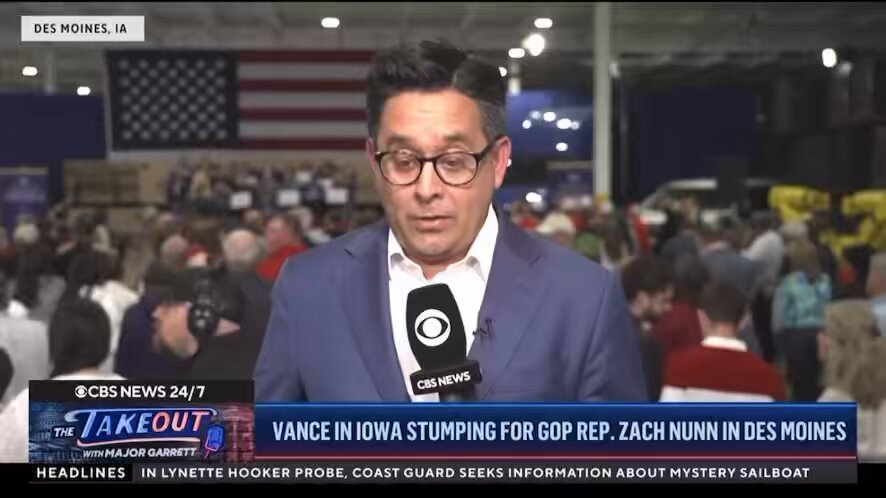
“People are out here hurting.”
“The rhetoric about a golden age of agriculture… doesn’t match the reality of what’s going on on the ground.”
“At all.”
Iowa farmer Aaron Lehman just slammed the Farm Bill.
He says it’s completely out of touch with the challenges farmers are facing right now.
“We’re trying to pass a Farm Bill, but the version that came out of the House does not match the circumstances we’re under.”
“Not for cost.”
“Not for the challenges farmers are facing.”
“Not for the challenges that our consumers are facing.”
“So, pass a Farm Bill that reflects current conditions.”
This is exactly why we’re fighting for a fair Farm Bill.
This bill will decide the fate of countless family farms over the next few years.
More than 127,000 have gone out of business in just the past five years.
We’re fighting to reverse that trend, but we can’t do this alone.
Use the link below to urge Congress to pass a Farm Bill that protects family farmers—not corporations:🧵
@edokeefe @IAfarmersunion @CBSNews
4
12
36
1,251
Jun 4
TAKE ACTION: Tell Congress to Protect Family Farmers, Not Corporations farmaction.us/tell-congress-…
1
7
203