
Farming First is the leading source for the latest insights, news and case studies on agricultural innovation for development.
Joined March 2009
- Tweets 18,225
- Following 6,824
- Followers 65,174
- Likes 2,516
4,667 Photos and videos


Jun 12
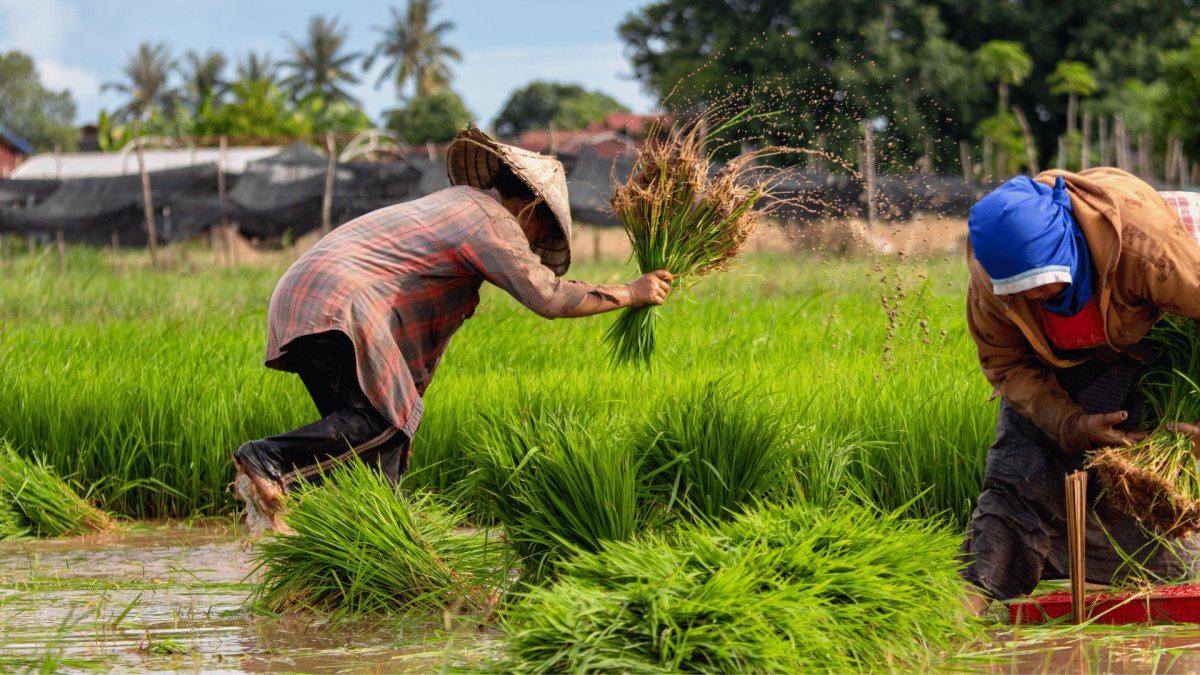
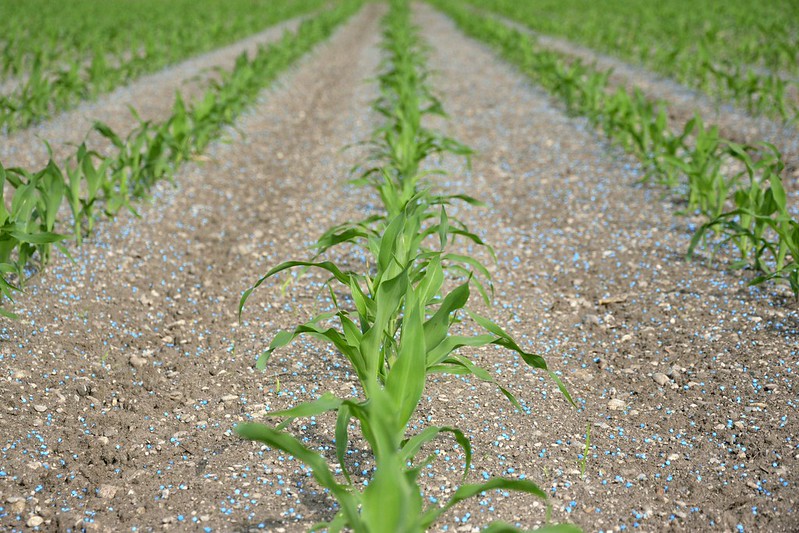
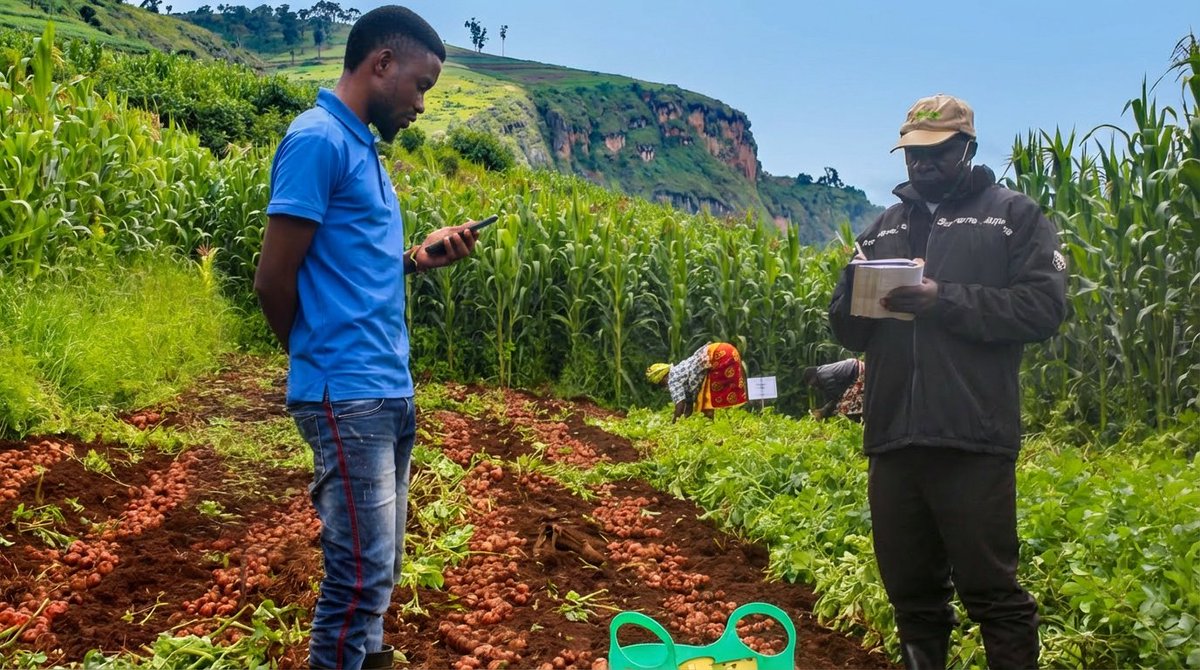
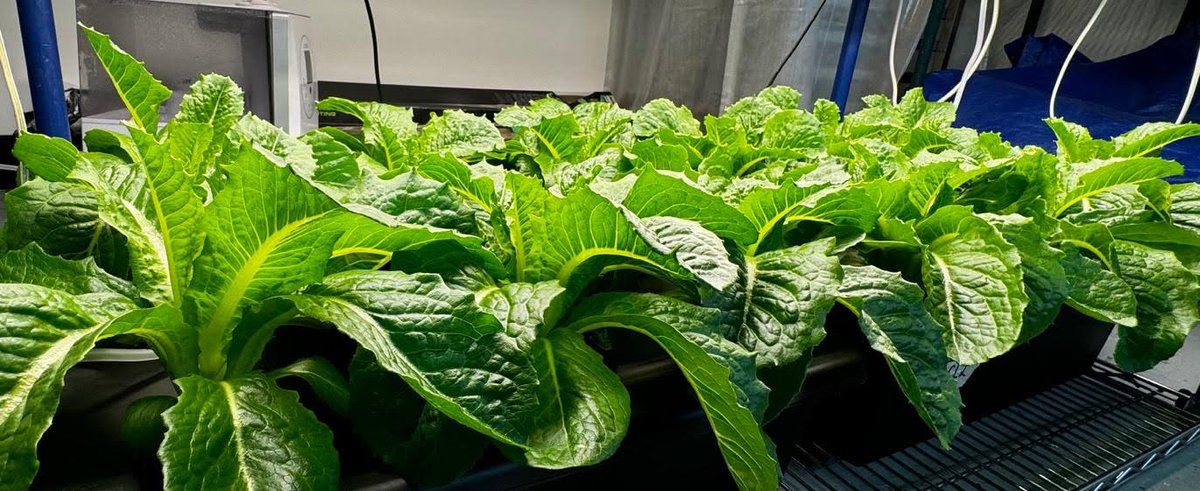
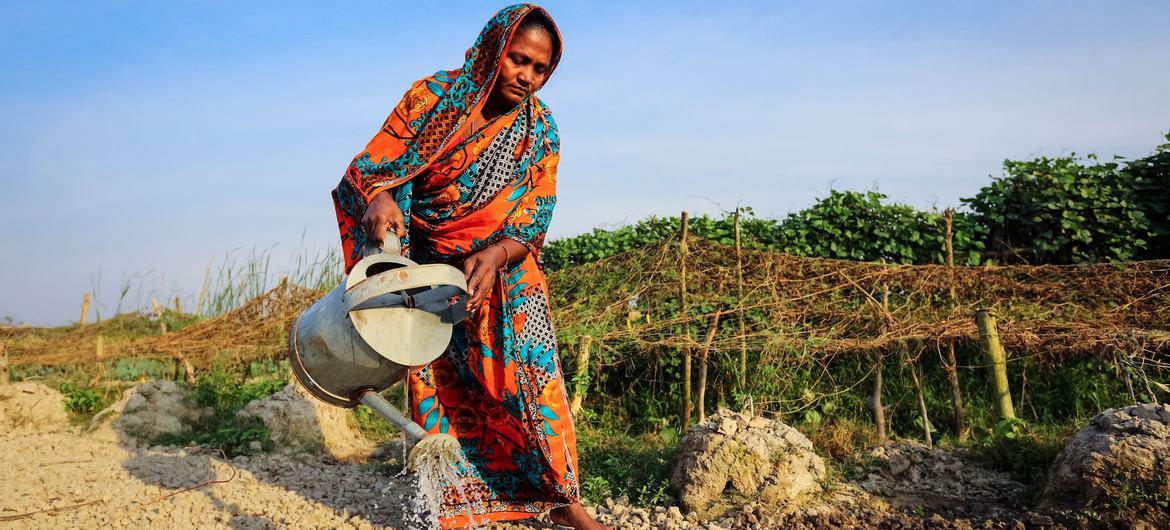
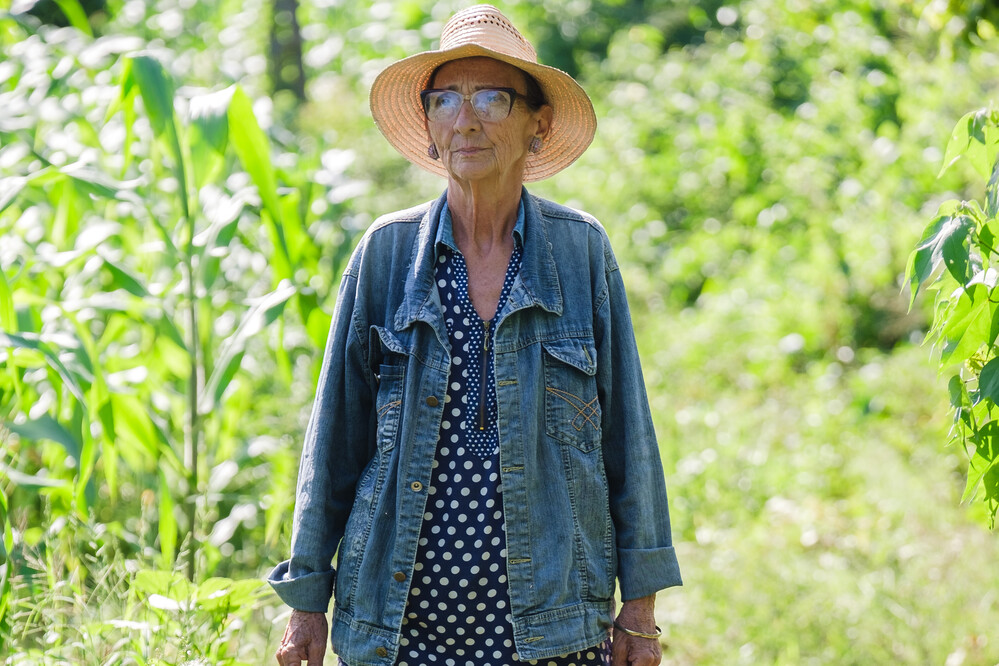
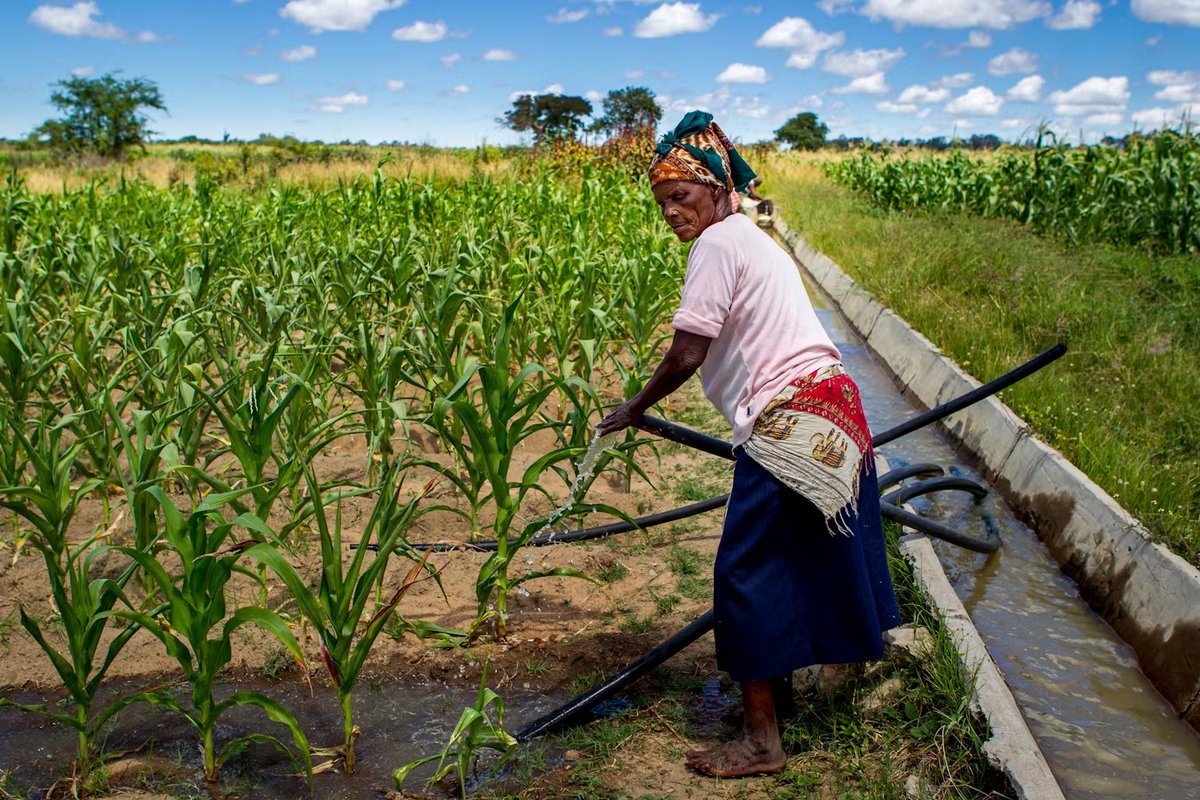
Airtight storage can cut post-harvest grain losses by 85% — the tools to help farmers save far more of their harvest already exist.
Sylvanus Odjo at @CIMMYT and Heike Ostermann from @giz_gmbh on why solving food loss takes more than technology: bit.ly/4bibE2a
2
3
232
Farming First retweeted

Jun 11
Africa needs to create over 15 million jobs annually to keep up with youth employment demand.
The 2026 Inaugural Africa Development Impact Forum (ADIF), organized by @ECA_OFFICIAL, focuses on “Bridging the Implementation Gap: Best Practices and Innovative Solutions for Job Creation in Africa.”
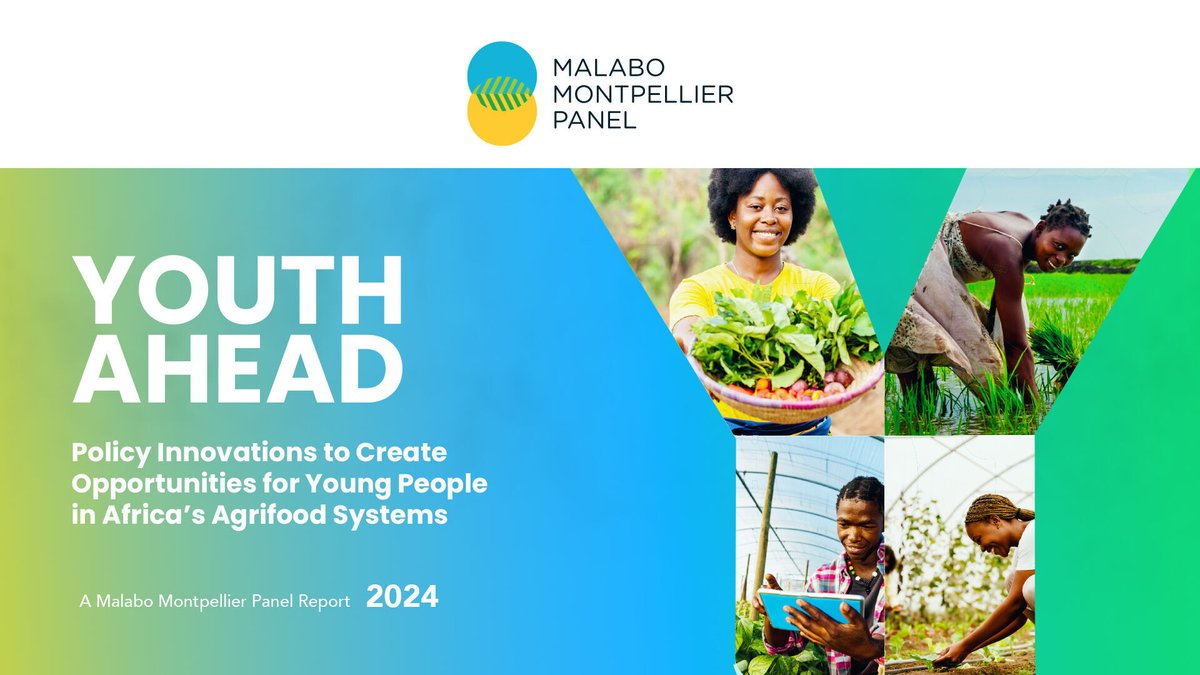
@MaMoPanel #YOUTHAHEAD report demonstrates that Africa's agrifood sector provides an important channel for solving the unemployment and underemployment challenges facing the continent’s youth, and strengthening them will reduce poverty and bolster food security.
As @AKADEMIYA2063’s Dr. @LButake notes, the continent sits atop an enviable reservoir of human capital. Diversifying education and training programs, addressing trade barriers coupled with technology infrastructure, and mainstreaming youth involvement to ensure that they participate in shaping policy design and programmatic interventions will move the needle.
Full piece @farmingfirst: farmingfirst.org/2024/04/you…
Youth Ahead: mamopanel.org/resources/yout…
4
10
258
Jun 11
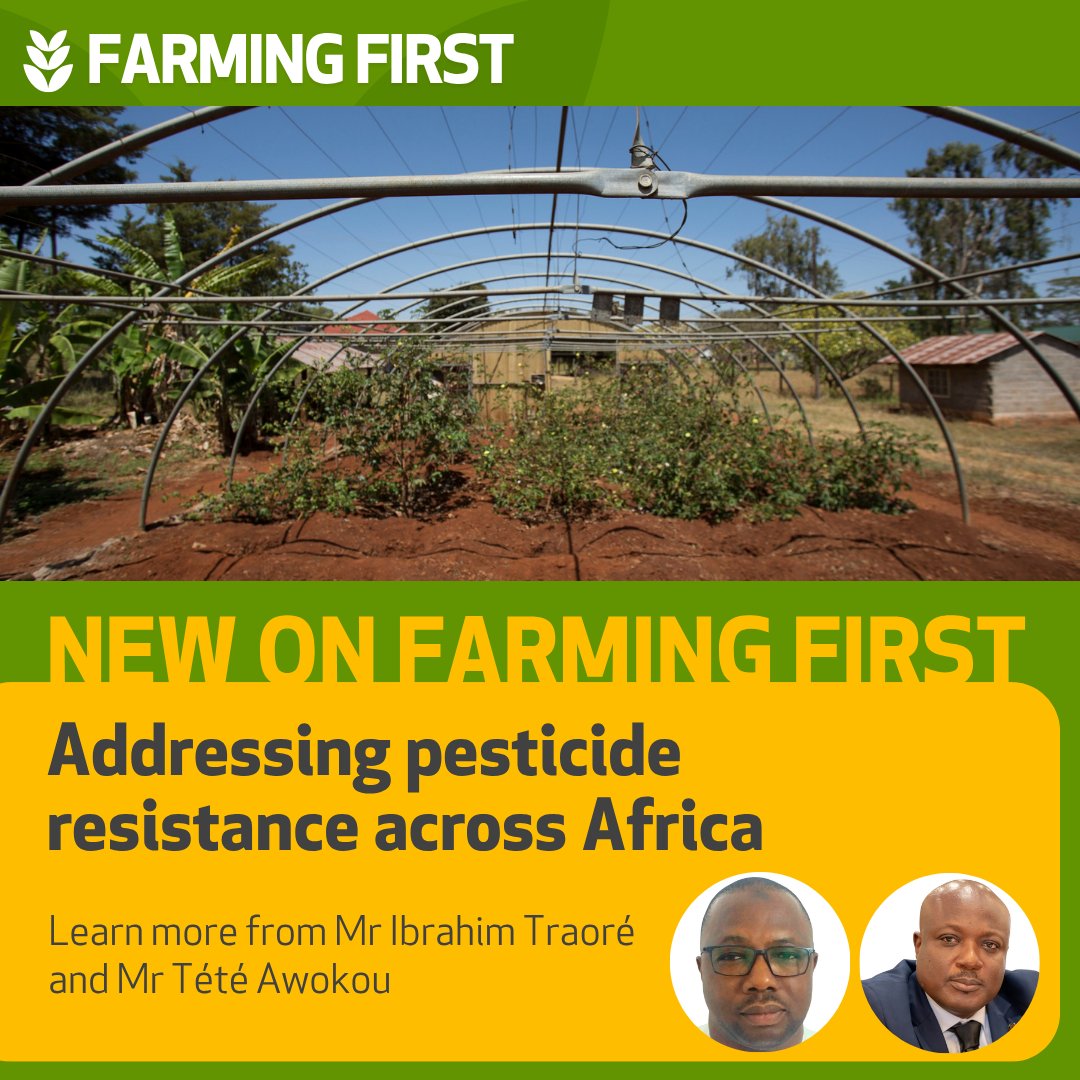
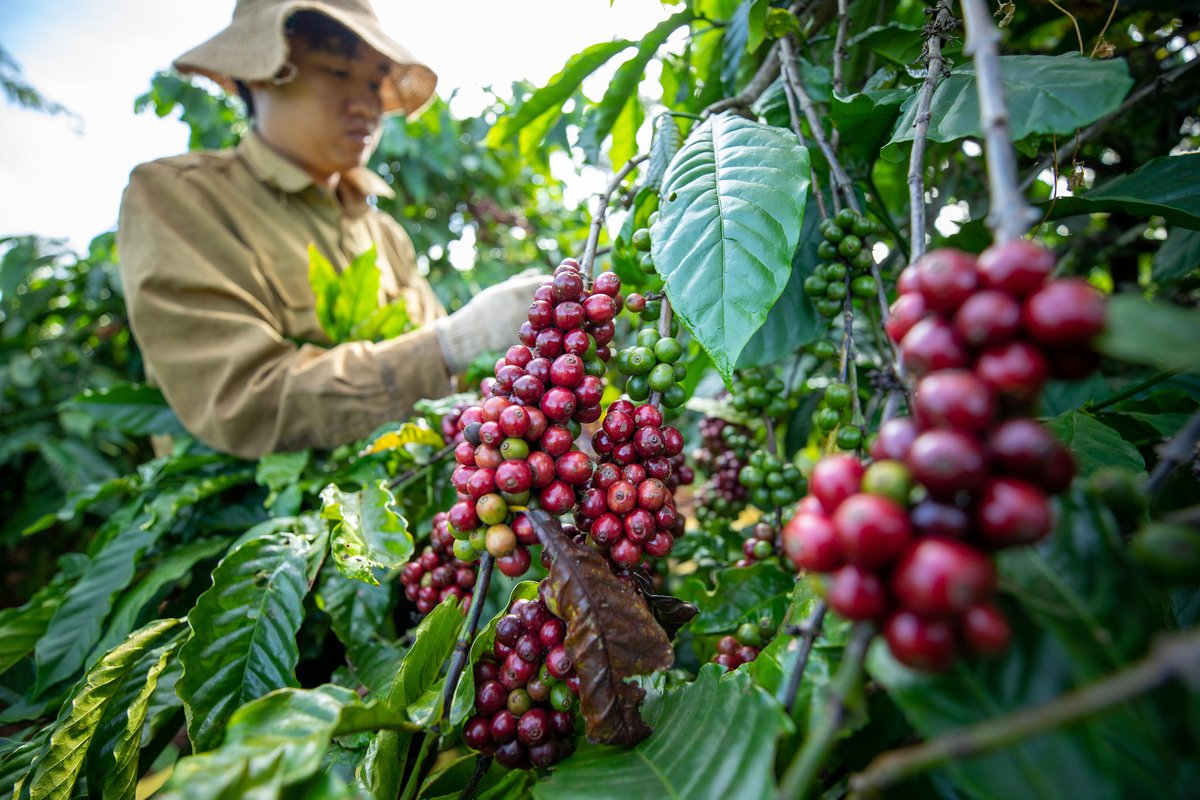
Across West Africa, cotton farmers, regulators and advisors are getting ahead of pesticide resistance before it takes hold.
Ibrahim Traoré of @CroplifeAME and Tété Awokou explore how Mode of Action labelling is helping them do it: bit.ly/4ulywWJ
2
2
126
Farming First retweeted

Jun 10
The #WFO has a new President.
Today in Nairobi, our General Assembly elected Daniel Mwendah M'Mailutha of Kenya for the 2026–2028 term.
#WFO2026 #FarmersInAction #FutureFields @kenaff_farmers
5
12
22
2,497
One teaspoon of healthy soil contains more living organisms than there are people on Earth.
Anna Goodwin and Vinay Menon from @IFDC explain why soil is one of our most powerful tools for food security, climate resilience and biodiversity: bit.ly/44LubCM
2
6
12
652
The digital tools that helped farms navigate pandemic disruption are just as relevant when supply chains are under pressure today.
Matija Zulj of @AGRIVI on what sugarcane farmers in Barbados can teach us about resilience via digital tools 👇
bit.ly/4uqhhUW
1
3
5
184
Farming First retweeted

SAVE THE DATE 📆
Join us for our joint webinar with the @ISTAseedtesting on: "The Importance of ISTA in Strengthening Seed Systems Africa"
📅 Date: Tuesday, 2 June 2026
🔗 Register: register.gotowebinar.com/reg…
Moderators: Dr @andreas_wais of ISTSA and Dr @YacoubaDIALLO1 of AfSTA.

1
6
310
May 28
In a US study testing nine biostimulants across 100 environments, none consistently outperformed control groups.
@ClimEat's Bruce Campbell on why plant nutrition innovation needs stronger oversight to deliver for farmers 👇
bit.ly/46vW8PW
2
290
May 28
Good agricultural decisions depend on transparent, timely and easily accessible information. So the @IFDC's new Agrimarket is bringing real-time market intelligence to farmers and stakeholders across Togo.
Learn more: bit.ly/4f3bi3J
2
2
178
May 12
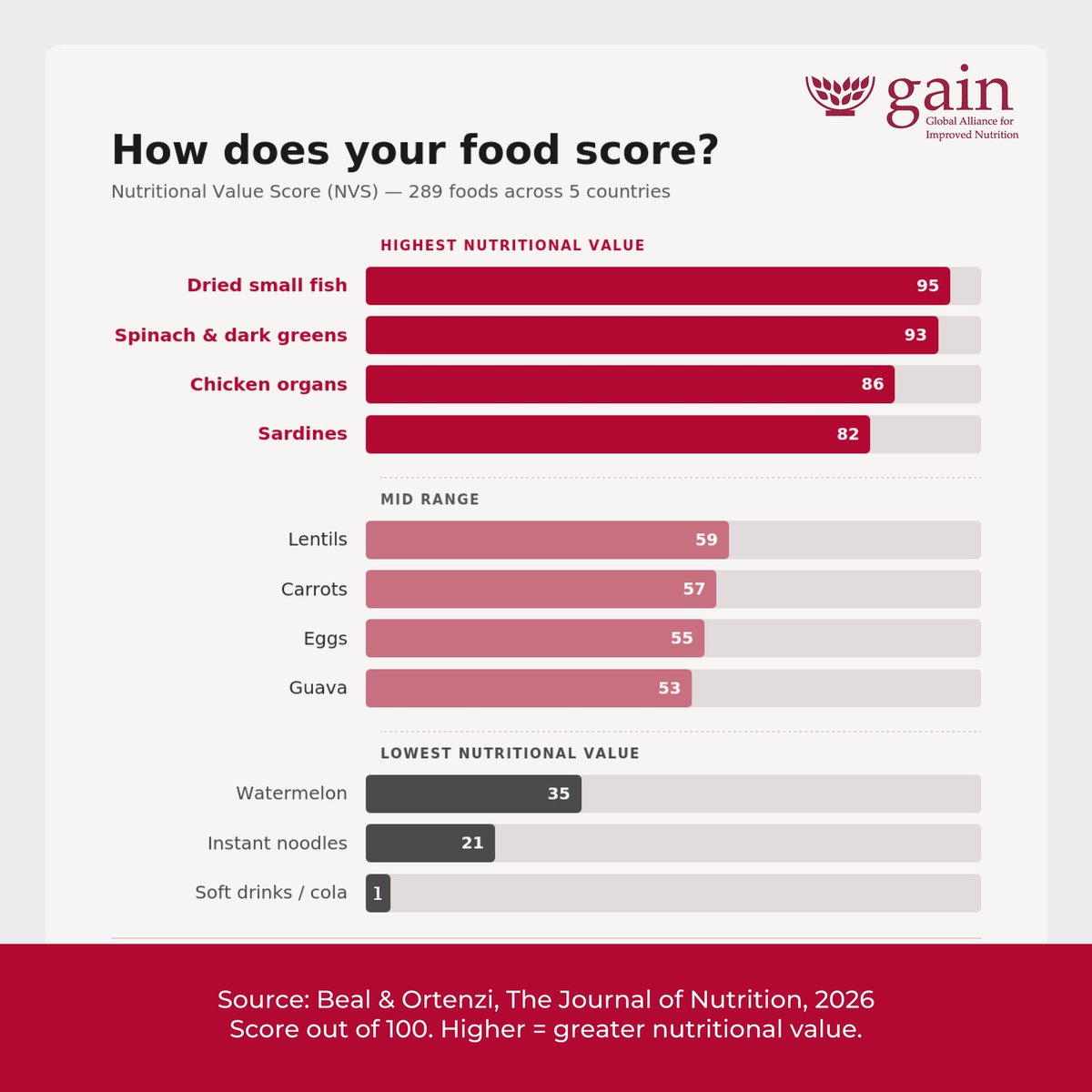
What could farmers grow to meet the world's nutritional needs?
@GAINalliance's new Nutritional Value Score ranks foods by micronutrient density, protein quality and bioavailability.
Read the full report: bit.ly/48NwlmV
1
6
9
473
May 11
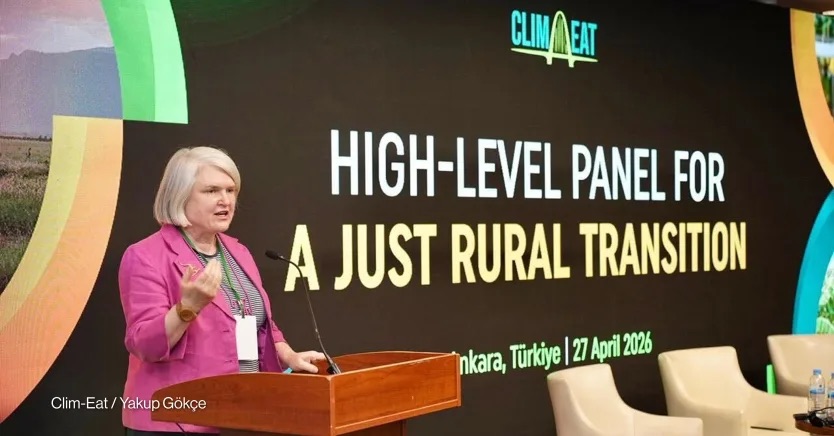
At @ClimEat's recent Just Rural Transition panel, @FANRPAN CEO Dr. Madzivhandila made a case for localised seed systems. With fertiliser supply chains under pressure, regional resilience is becoming a priority.
Read the highlights on @Devex by @taniakaras: bit.ly/4tbzmoD
1
2
2
226
May 11
As fertiliser supply chains come under pressure, diversifying nutrient sources is as much a financial decision as an environmental one.
Patrick Kpai and Mark Lefsrud on how Integrated Nutrient Management (INM) helps farmers stay resilient:
bit.ly/3WBNB88
@mcgillu
1
2
2
208
Knowing the history of crops might be one of the simplest ways to stay connected to the farmers who grow them.
Oscar Castañeda of @Heifer and Eduardo Somarriba from CATIE explain why knowing the story of your meals fosters equitable food systems: bit.ly/4kMQL38
1
5
7
450
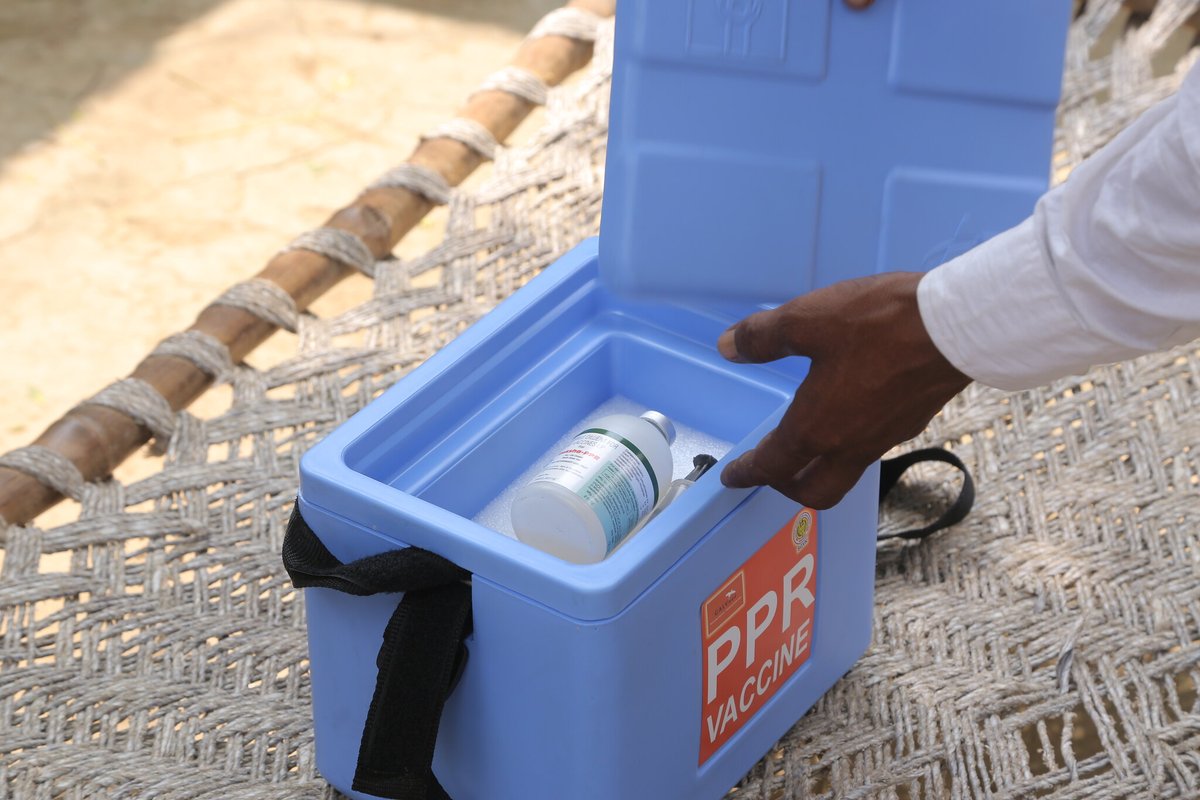
PPR kills up to 70% of infected sheep. For farming families across Africa, a single outbreak can destroy their livelihood overnight.
Learn from @GALVmed's Stephen Wilson and Camilla Benfield on what the next wave of vaccinations must get right: bit.ly/47CDW7E
3
4
217
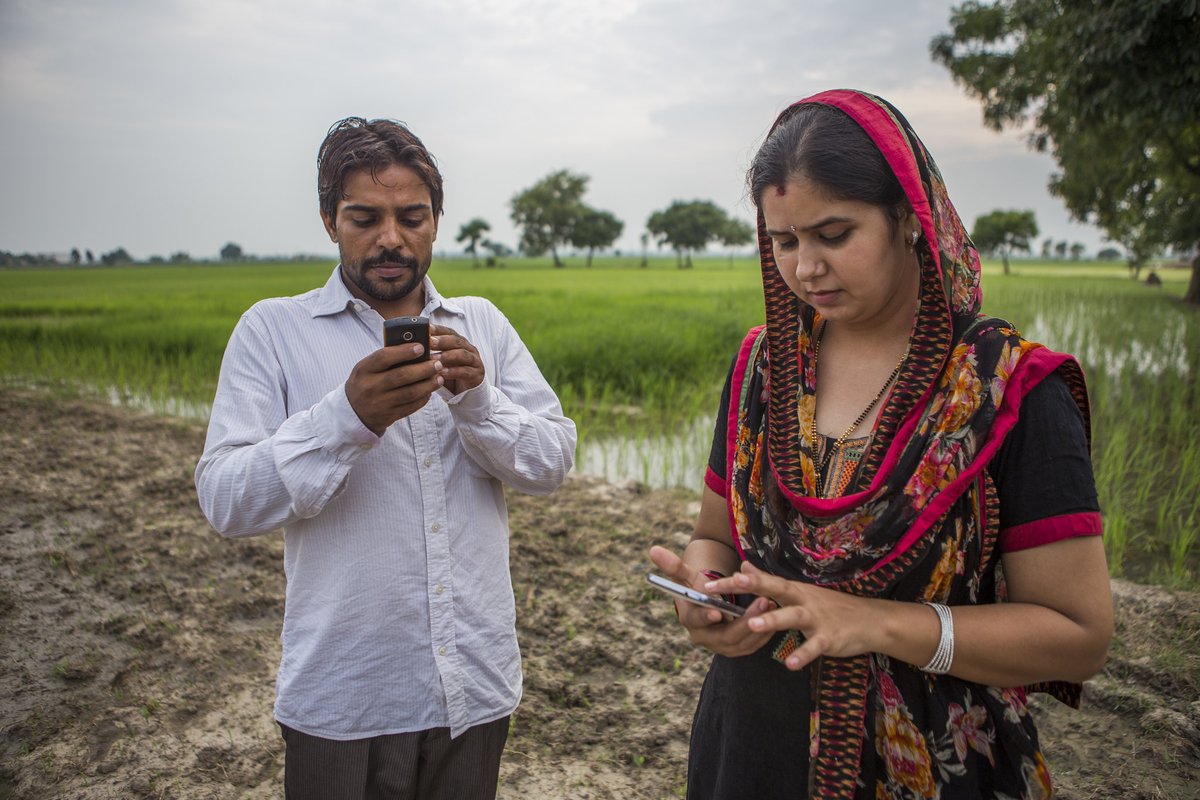
For small-scale farmers, traditional supply chains can be costly and unreliable due to counterfeit inputs, poor bargaining power and information gaps.
Sanjeev Reddy sets out 4 ways digital tools are changing this for farmers in India: bit.ly/4qK9gbP
📸: @CGIAR
1
2
5
218
According to @FAO Chief Economist @MaximoTorero, disruptions in the Strait of Hormuz are already reshaping planting decisions for farmers from India to East Africa.
Read how on @UN News 👇
bit.ly/3QLKCKw
1
3
238
Martha grows crops on Cuba's eastern coastline. When nationwide power outages hit in 2024, she couldn't irrigate.
Now, solar panels from the @IFAD-supported Gibara Verde X Ciento project are keeping her farm going — through outages, droughts and all: bit.ly/3G1999h
1
2
3
201
Apr 30
Irrigation alone won't solve smallholder food security.
But good governance, crop choices and circular systems can transform rural economies.
6 lessons from Mozambique, Tanzania and Zimbabwe on Farming First:
bit.ly/4k5vEZq
1
2
2
210
Apr 29
10 tonnes of empty pesticide containers were processed in Zambia in 2024. For farmers like Makoza Tembo, who spent decades with no safe disposal option, it's a quiet but significant shift.
@CropLifeAME’s Fasil Tadesse explains on Farming First 👇
bit.ly/4uiSbHq
1
2
5
325
Apr 27
The answer is… fewer than 20!
Of 200,000 plant species fit for human consumption, fewer than 20 provide 90% of what we eat.
Isik Ozturk explores on Farming First why that matters for the ecosystems keeping our crops productive.
bit.ly/3E4Ujxs
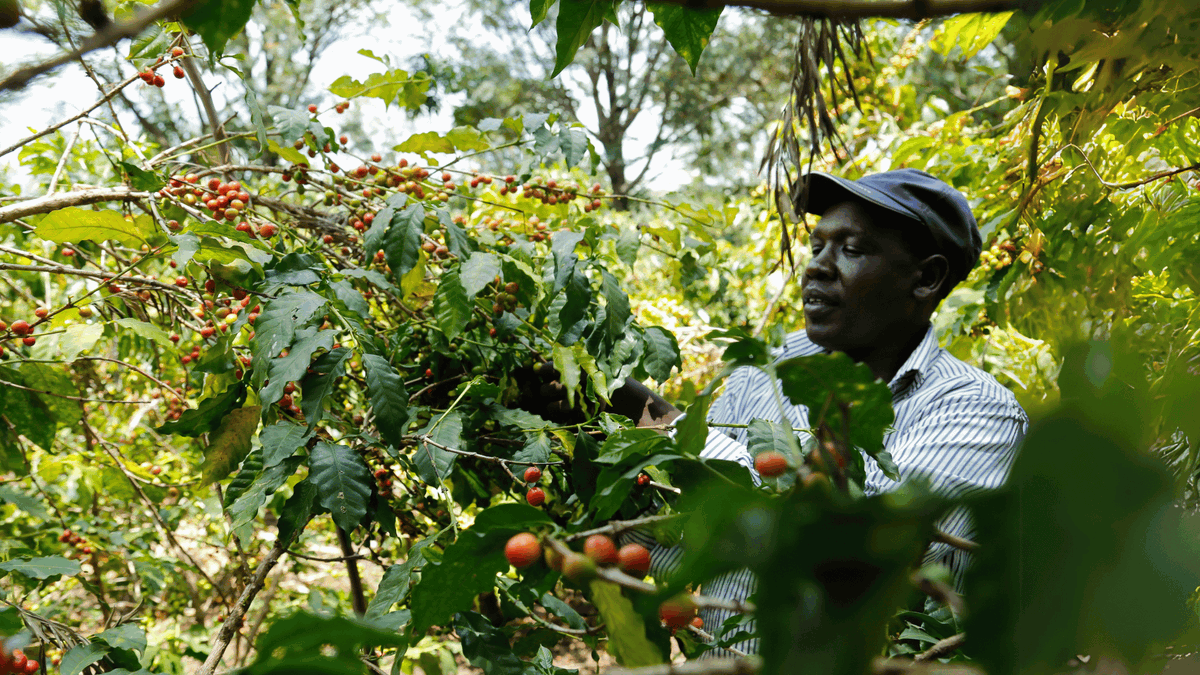
Apr 20

🐝 🌱 TEST YOUR KNOWLEDGE: Biodiversity Quiz!
Over 200,000 plant species are fit for human consumption — but how many do you think provide 90% of the food we eat?
1
6
17
883