
#Podder #NationalPharmacare #T1D #MentalhealthMatters #AccessForAll #Insulin4all #CGM4all - blogger/advocate/mentor/cat Mum/eyeglass hoarder🤓
Joined January 2009
- Tweets 18,701
- Following 2,446
- Followers 2,769
- Likes 20,426
1,406 Photos and videos


Pinned Tweet

For those of us rethinking staying with Meta platforms / X due to political views, etc. ... I'm trying to get used to Blue Sky for my #diabetes feed I have so loved since 2008 when social media became vogue for us #t1dwarriors .. bsky.app/profile/fatcatanna.…
1
1
346
FatCatAnna 🇨🇦 🇬🇧 Level 60 - SV Jenna's Journey retweeted

May 2
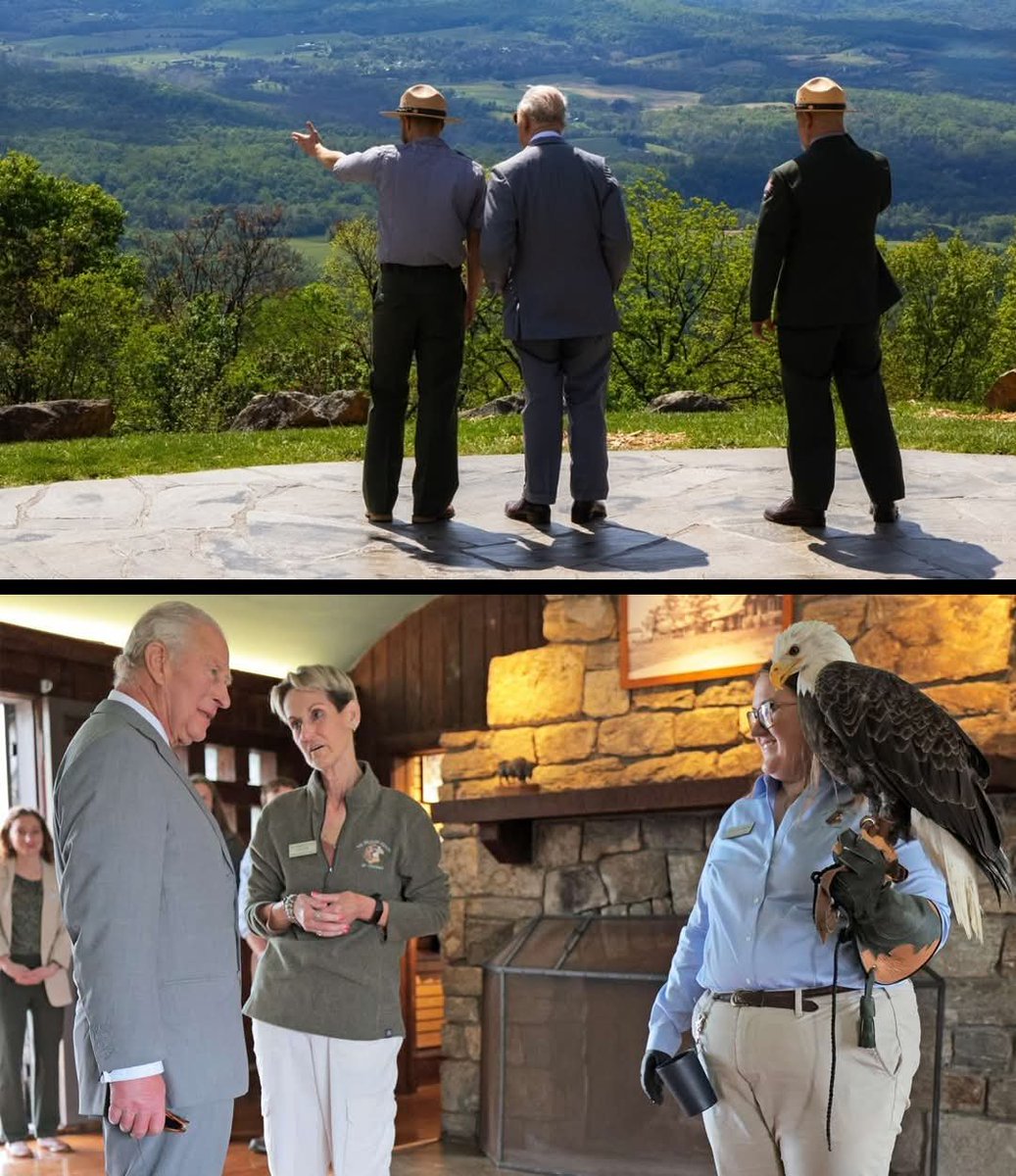
King Charles III quietly did something genuinely moving during his state visit to the United States. A lifelong environmentalist who has championed conservation for over five decades often at the cost of ridicule from the British press the King ended his trip by visiting Shenandoah National Park in Virginia.
There, he sat with park rangers, swore in a new group of Junior Rangers, met Buddy the bald eagle, and unveiled a new partnership between Shenandoah and Scotland’s Cairngorms National Park. This is the same man who converted his own estate to organic farming back in 1986, long before it was fashionable.
A foreign monarch showing up with real curiosity and respect for America’s public lands felt refreshingly sincere. And yet, it barely made a headline.
That silence is telling. When a visiting head of state reminds us of the value of our own national parks more visibly than our own leadership, something has gone wrong.
For decades, King Charles has put his credibility on the line for the natural world.
Meanwhile, America’s public lands have faced aggressive rollbacks: the weakening of protections like the Roadless Rule, opening tens of millions of acres of national forests to logging and mining, and efforts to sell off large portions to private interests.
It’s a stark contrast. One man has spent a lifetime planting trees and defending nature.
The other treats the outdoors primarily as a backdrop for golf courses.
Our public lands deserve better than being viewed as a development opportunity. They belong to all of us and they’re worth protecting, not selling.
270
4,218
16,587
401,939
FatCatAnna 🇨🇦 🇬🇧 Level 60 - SV Jenna's Journey retweeted

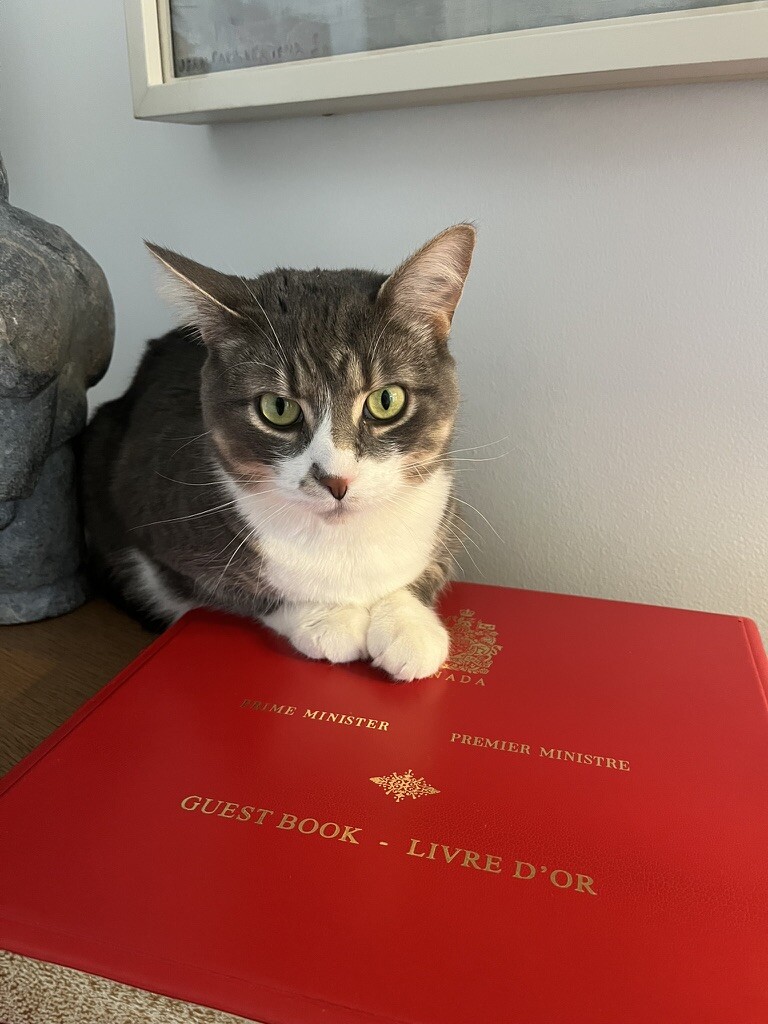
My fellow Catnadians, cat lovers and staff,
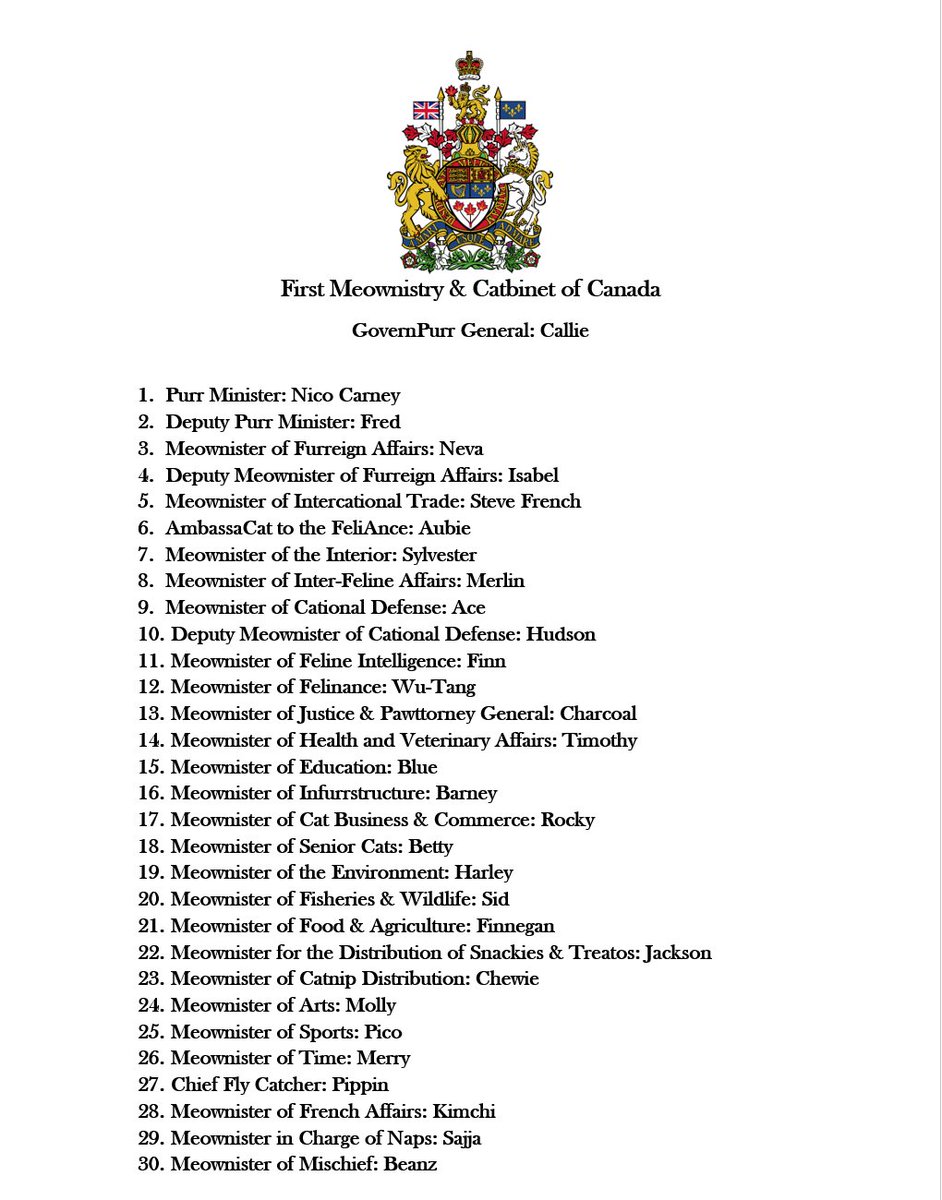
To commemorate the first anniversary of my Meownistery, I am purroud to present your new Catbinet! 😺🇨🇦
Thank you to all the Catbinet Meownisters fur all your hard work and dedication!
44
88
841
7,808
FatCatAnna 🇨🇦 🇬🇧 Level 60 - SV Jenna's Journey retweeted

Apr 26
🐾 It’s time to unleash some creativity!
We have a litter of puppies ready to become service dogs but our puppy needs a name! This is where you come in. The name must begin with A, B or Z.
Comment with your name ideas and we’ll select our favourite in the coming weeks ⬇️

3
1
6
227
FatCatAnna 🇨🇦 🇬🇧 Level 60 - SV Jenna's Journey retweeted

Apr 18
Drop me a❤️ if you think Larry the Cat deserves a statue outside 10 Downing Street
#caturday

360
412
5,990
48,850
FatCatAnna 🇨🇦 🇬🇧 Level 60 - SV Jenna's Journey retweeted

Apr 7
TW: Eating Disorders
Does anyone know of a dietitian that has experience with treating people who have both T1 Diabeties & Anorexia? I’ve been waiting for ED treatment since Nov 2025 & could use some advice from someone in the know #T1DE #T1Diabeties #Eatingdisorders
2
1
135
FatCatAnna 🇨🇦 🇬🇧 Level 60 - SV Jenna's Journey retweeted

My amazing boss @DrRoseStewart talking about this important new report. Hopefully it leads to further considerations about #T1DE my heart is breaking over the news about the NHS England pilots. Might be time for a reboot @diabeticswithed
Feb 26

🚨 Emergency podcast with @DrRoseStewart
TW: suicide & T1DE
We unpack @theHSSIB report published today on insulin safety in the community for people with mental health conditions & how Poor coordination between specialists is causing “severe harm”
🔗 open.spotify.com/episode/7kj…

4
5
12
943

FatCatAnna 🇨🇦 🇬🇧 Level 60 - SV Jenna's Journey retweeted

23
188
4,101
FatCatAnna 🇨🇦 🇬🇧 Level 60 - SV Jenna's Journey retweeted

Mar 31
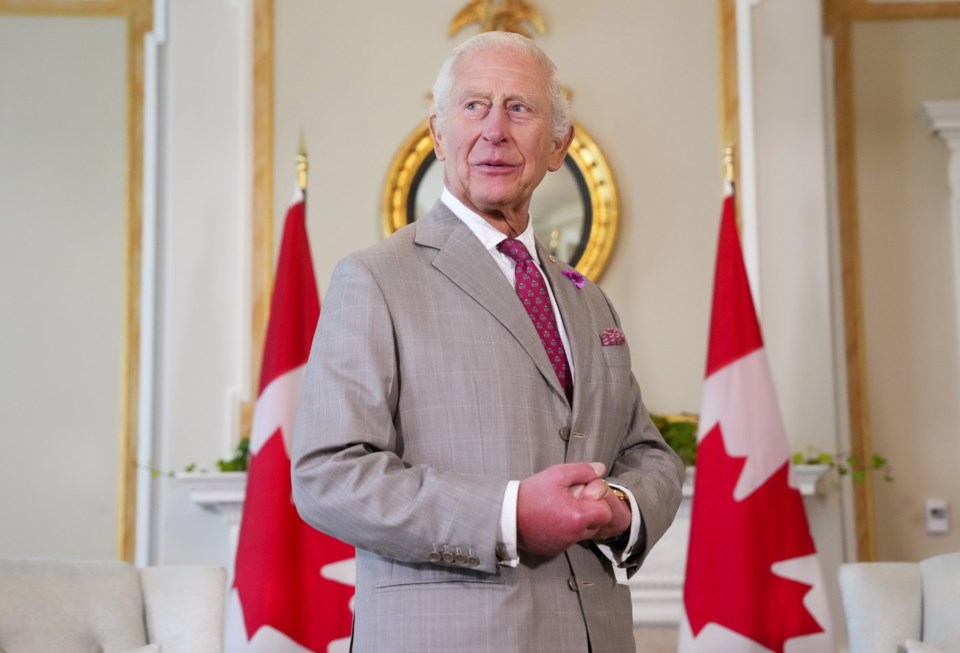
Canada here, your Majesty.
We think you are making a big mistake by rewarding of your presence an administration that threatens Canada of annexation, that regularly humiliates it and is working at dismembering it by financing Alberta separatism.
Sir, you are King of Canada. We seem to need to remind you of that!
Why go to Washington and not Ottawa instead?
Your presence would remind the world entire that Canada is supported by the UK and part of the Commonwealth.
You are NEEDED!
Yet you abandon us and go "pay court" to King Trump" , a mounting dictator who is putting the world entire in danger.
How COULD YOU ?
We will remember, sir.
Unless you use your visit to remind and convince Trump that Canada is yours and not to touch it.
That would be the only upside of your visit.
#KCIII #uspoli #cdnpoli
96
59
490
21,675
FatCatAnna 🇨🇦 🇬🇧 Level 60 - SV Jenna's Journey retweeted

Mar 19
So much of Canada’s military capability, and nearly 20% of our economy, relies on satellites.
We’re making an historic investment toward a Canadian-owned launch pad to send satellites into orbit — strengthening the @CanadianForces, our sovereignty, and our economic security.
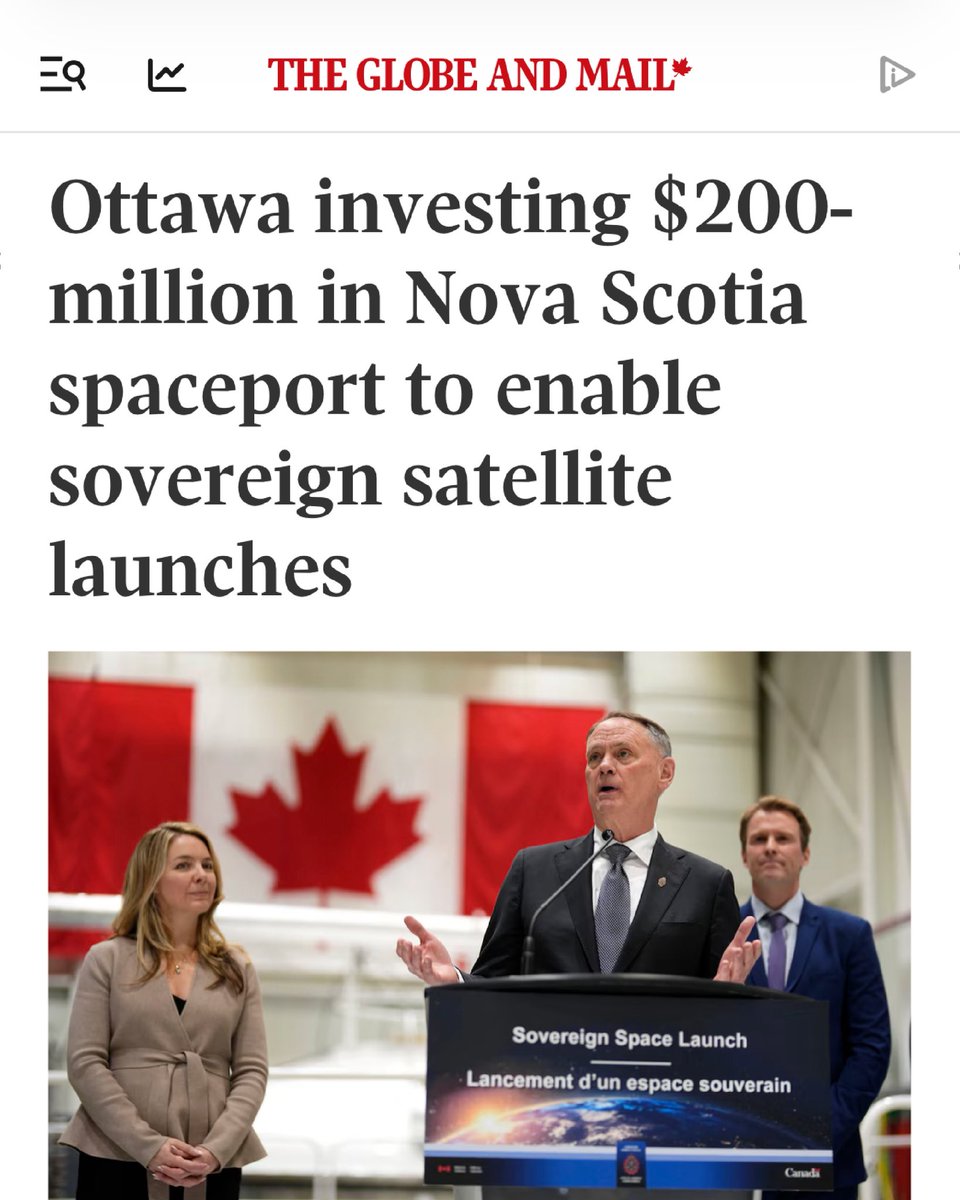
ALT Screenshot of an article from The Globe and Mail. The headline reads: Ottawa investing $200-million in Nova Scotia spaceport to enable sovereign satellite launches.
1,003
718
3,644
104,125
FatCatAnna 🇨🇦 🇬🇧 Level 60 - SV Jenna's Journey retweeted
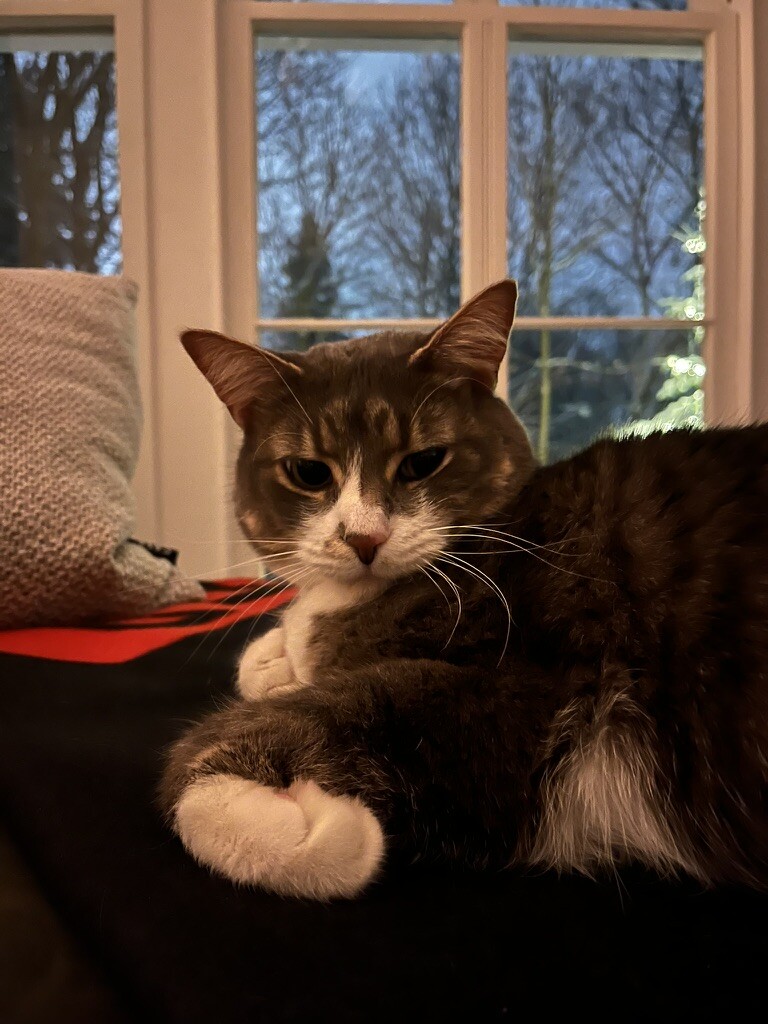
Tonight, I'm issuing an ultimatum to Egolon and the people running Twitter:
Unlock @Number10cat's Twitter account in the next 48 hours or this cat government will issue necessary disciplinary actions. 😼🇨🇦🇬🇧
#FreeLarryTheCat
56
411
2,479
27,724
FatCatAnna 🇨🇦 🇬🇧 Level 60 - SV Jenna's Journey retweeted

Mar 5
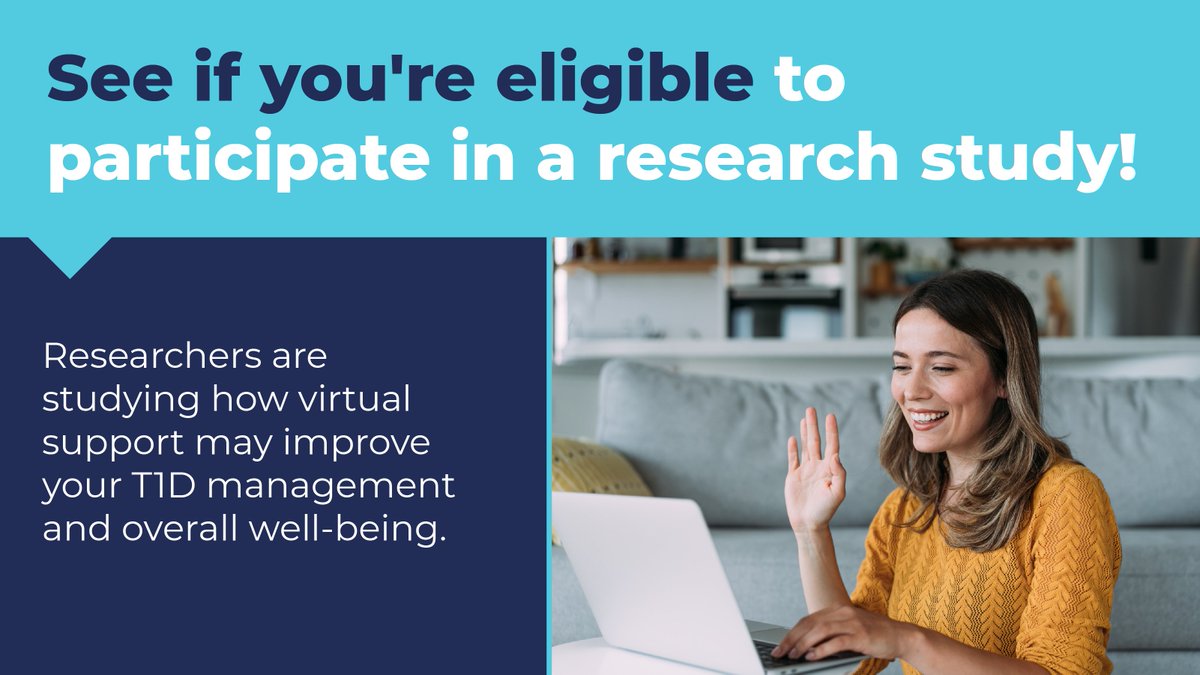
Are you interested in learning about a virtual support tool that may help you manage the stresses of living with #T1D and improve your A1C? Adults with T1D are needed for a study!
Find out more: t1dx.co/4slX414
3
1
520
FatCatAnna 🇨🇦 🇬🇧 Level 60 - SV Jenna's Journey retweeted

What the fuck did i just see, this is sickening.
1984 was yesterday, 2026 is way worse

17
160
4,382

FatCatAnna 🇨🇦 🇬🇧 Level 60 - SV Jenna's Journey retweeted

I just reviewed unredacted Epstein files on the sweetheart deal Epstein got from Alex Acosta.
What I saw was appalling. It's clear the DOJ is trying cover up for the rich and powerful.
This corrupt Administration must comply with the law and stop hiding the truth.
1,790
3,249
8,420
152,280
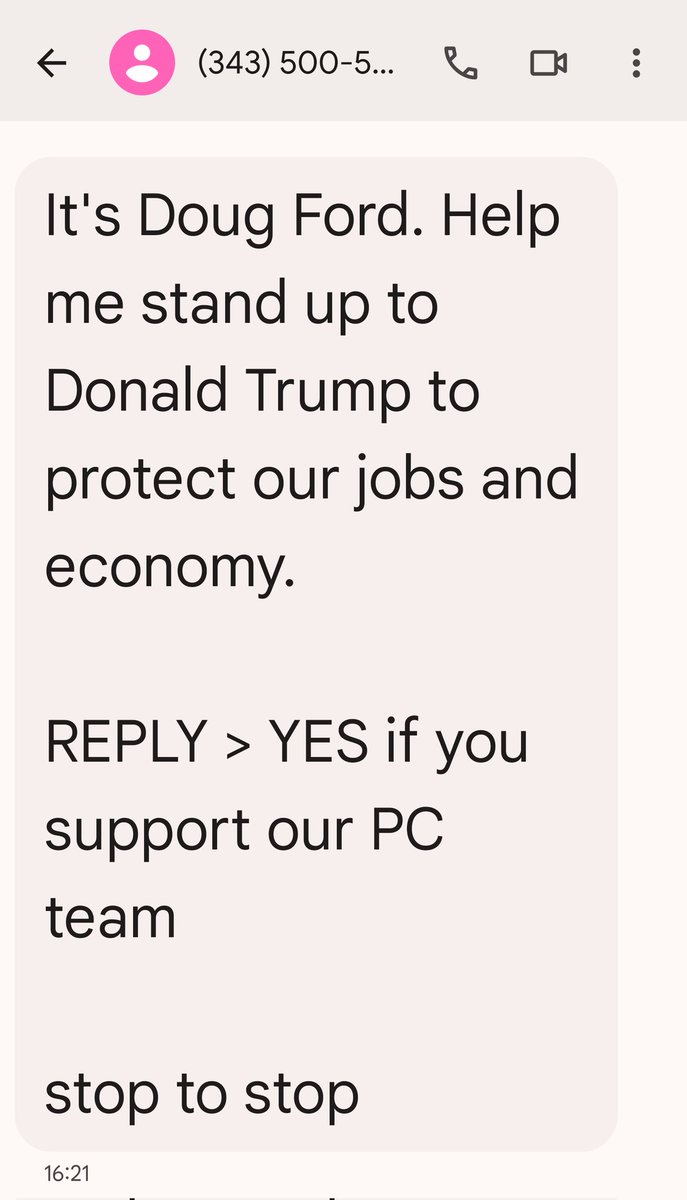
RT @OPP_ER: The OPP is aware of ongoing telephone fraud incidents across eastern Ontario, in which the fraudsters are claiming to be member…
15
FatCatAnna 🇨🇦 🇬🇧 Level 60 - SV Jenna's Journey retweeted
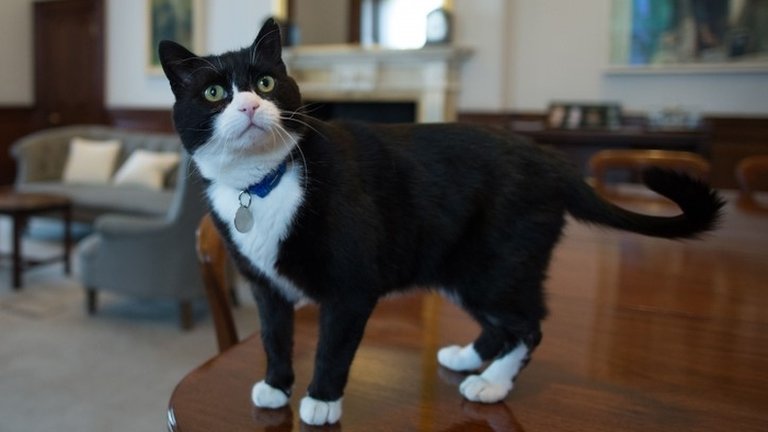
My fellow Catnadians, it is my sad duty to announce that my Bermudian counterpart Palmerston (@DiploMog) passed away yesterday at the age of 12. Palmerston was a devoted public servant in the UK and Bermuda. RIP amigo. 😿🇨🇦🇬🇧🇧🇲
Feb 13

Palmerston, Diplocat extraordinaire, passed away peacefully on 12 February. “Palmy” was a special member of the Government House team in Bermuda, and a much loved family member. He was a wonderful companion, with a gentle nature, and will be sorely missed.
154
443
6,579
96,887
FatCatAnna 🇨🇦 🇬🇧 Level 60 - SV Jenna's Journey retweeted

Feb 13
Downing Street’s chief mouser, Larry the Cat, celebrates fifteen years in the job this weekend.
He’s been a symbol of continuity in a time of political turbulence.
Our @itvnews report tonight on when Harry met Larry
160
2,649
19,850
614,253