Innovation Lead| Neuro Occupational Therapist| Faculty Human Factors |privileged to work in the #NHS| strong believer in culture eats strategy |Views = mine
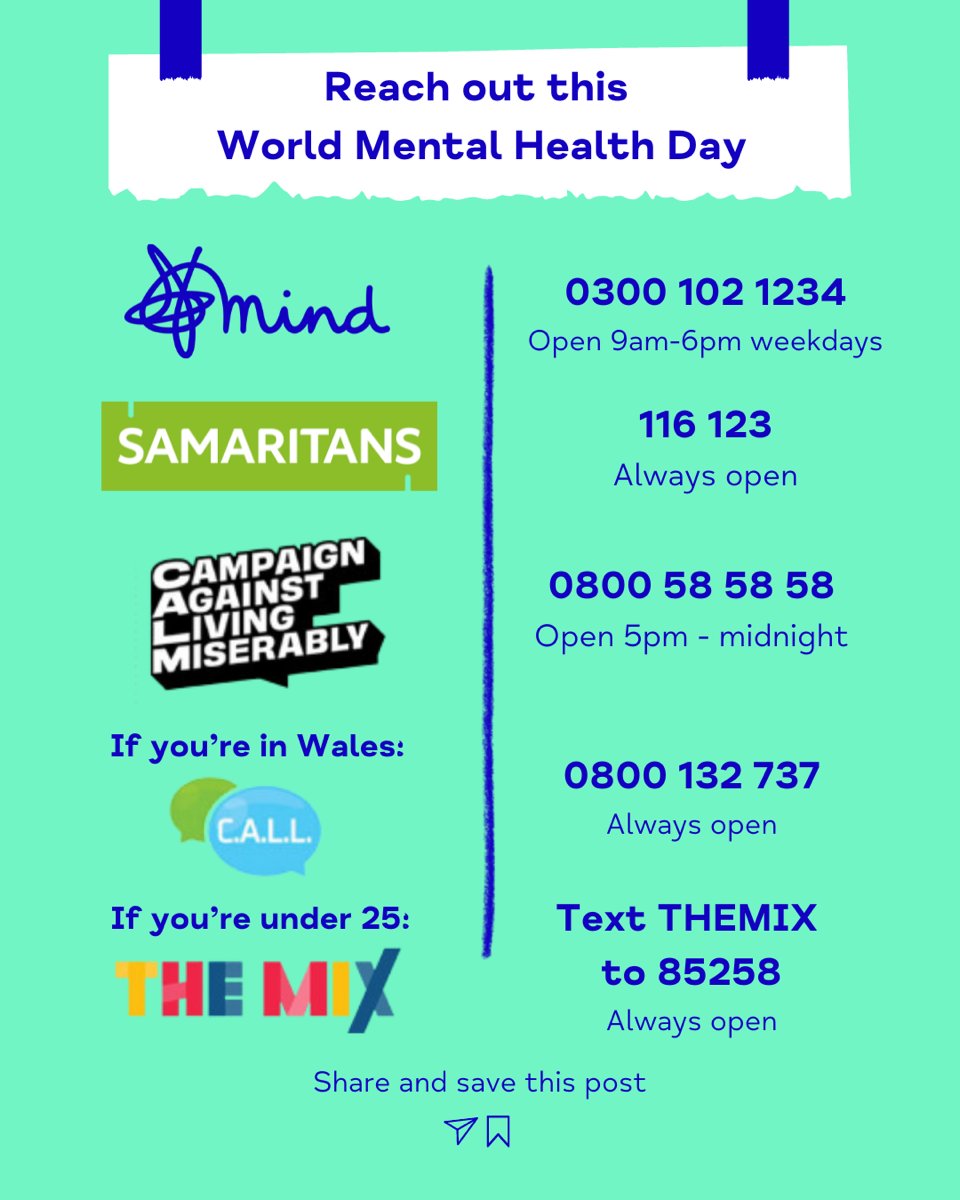
Something free and genuinely useful you could do this World Mental Health Day is to share this information. You never know who might desperately need to see it. #NoMindLeftBehind@MindCharity
ALT Reach out this World Mental Health Day.
MIND: 0300 102 1234
SAMARITANS: 116 123
CAMPAIGN AGAINST LIVING MISERABLY: 0800 58 58 58
For Wales
CALL: 0800 123 737
Under 25
THE MIX: Text THEMIX to 85258
Prof @Kevin_Fong giving the most devastating and moving testimony to the Covid Inquiry of visiting hospital intensive care units at the height of the second wave in late Dec 2020.
The unimaginable scale of death, the trauma, the loss of hope.
Please watch this 2min clip.
I really do worry people have forgotten what Covid-19 was like for NHS staff. I went onto ICU wards and saw it myself. I spoke to staff broken by relentless death.
@Kevin_Fong testimony @covidinquiryuk needs to be heard:
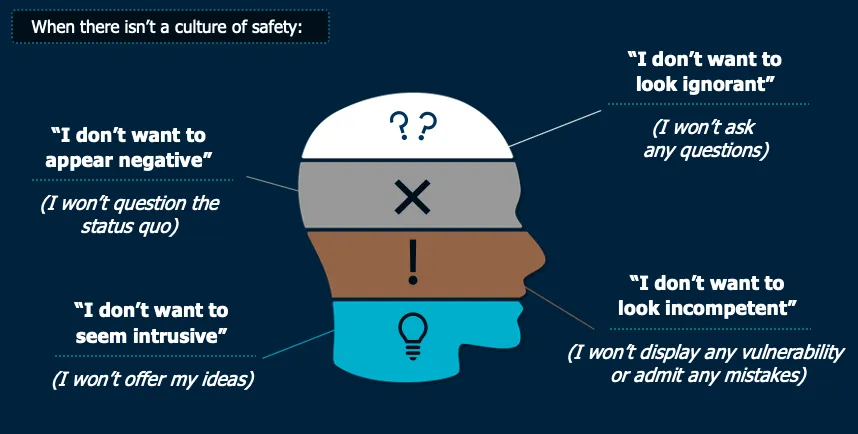
I really like this new article on psychological safety (a belief that we can speak up, take risks & make mistakes without fear of being judged, humiliated or punished) at work. It sets out a series of activities/approaches that all of us can use to build psychological safety in our teams. These include:
- Manual of Me
- Team Charter
- Lifelife
- Activity from Google that ranks sources of anxiety
- 5-word Fridays
- Team temperature check
uxdesign.cc/creating-psychol…. By @ChristinaLai1, via @Elaineking91.
A link to an archived version of the article, in case the above link doesn't work for you: archive.ph/VDr0k
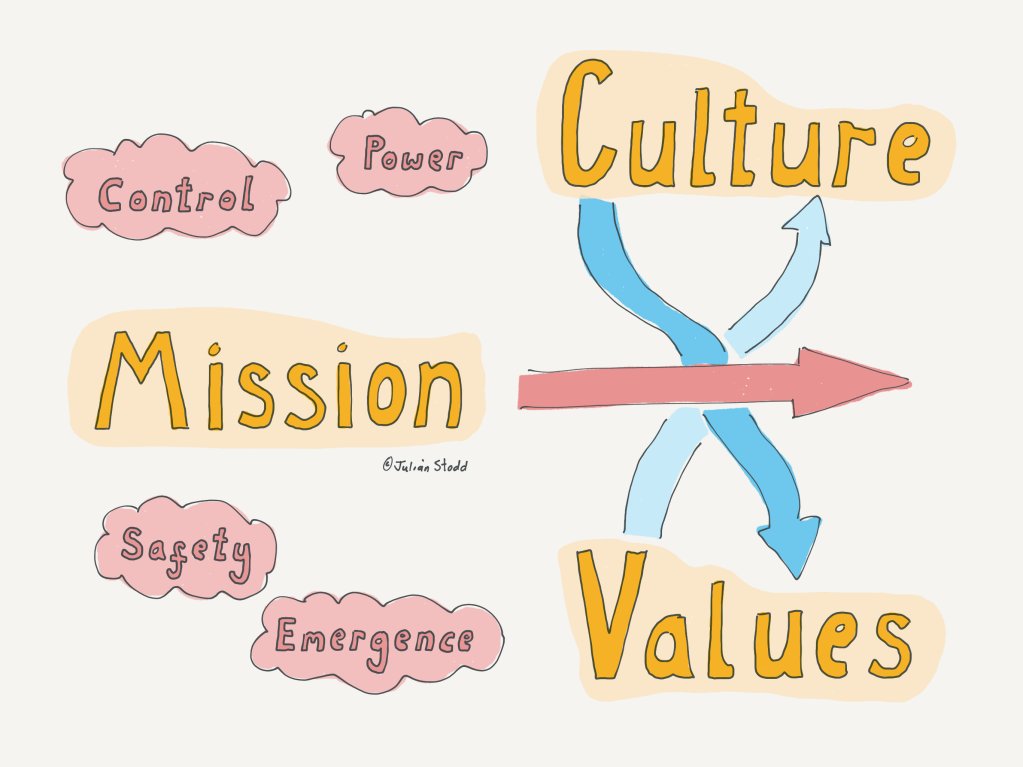
We want to build a strong, positive organisational culture, based on values. Leaders often set out abstract absolute positives as organisational values (integrity, respect, trust etc) but these don't drive the day-to-day decision-making (& therefore the behaviour) of the people at work. Therefore, they have no impact on the actual culture.
@ErinMeyerINSEAD has undertaken research on organisational culture for two decades & suggests six actions for making values-based culture come alive:
1) Build your culture based on real-world dilemmas: identify the tough dilemmas that people routinely face and clearly state how they should be resolved, in line with the stated values.
2) Move your culture from abstraction to action: “dilemma-test” your values to determine if they are actionable enough to be useful in real decision-making situations.
3) Paint your culture in full colour: articulate your desired culture using concrete, colourful images to get the values to stick.
4) Recruit people whose values fit: “bad” behaviour is contagious.
5) Let culture drive strategy: identify your strategic objective & use dilemmas so people understand what decisions they should be making to move the organisation in the right direction.
6) Don’t be a “values” purist: Identify dilemmas in which your stated values do not apply.
hbr.org/2024/07/build-a-corp…
Graphic by @julianstodd
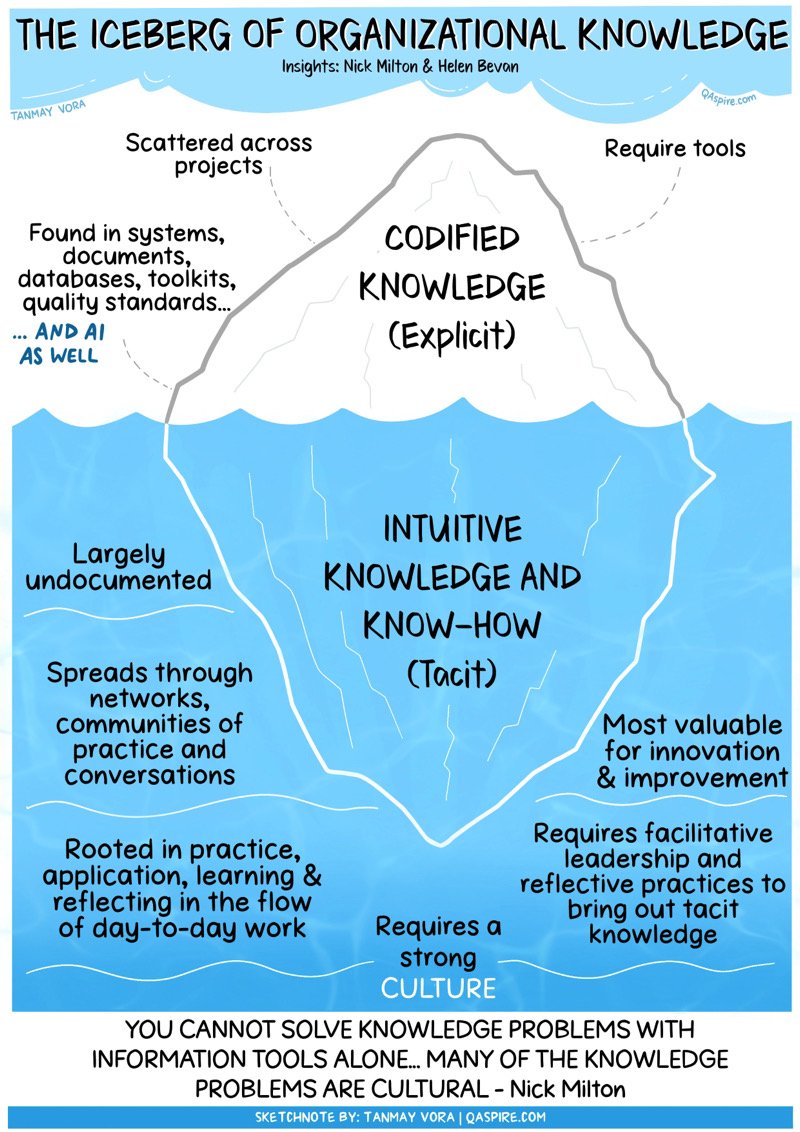
So much of our focus in trying to spread improvements is in "explicit" knowledge: toolkits, good practice databases, standardised pathways etc. Most of the content that AI repurposes from online resources is explicit knowledge.
Yet the biggest opportunities are in "tacit" knowledge: the practical "know-how" rooted in people, their experiences, insights & judgements. Unlocking tacit knowledge is how organisations break past their internal barriers to innovate & improve.
Thanks @tnvora for a striking new version of the explicit/tacit iceberg picture. Tanmay has also written an excellent blog on how to unlock tacit knowledge: qaspire.com/the-iceberg-of-o…
So many arguments about teaching styles but at the end of the day, when a 17yo lad spends his wages from his washing up job and turns up at the school he left 7 years ago because he’s heard you’re retiring, your style, whatever it is, was enough 🥹
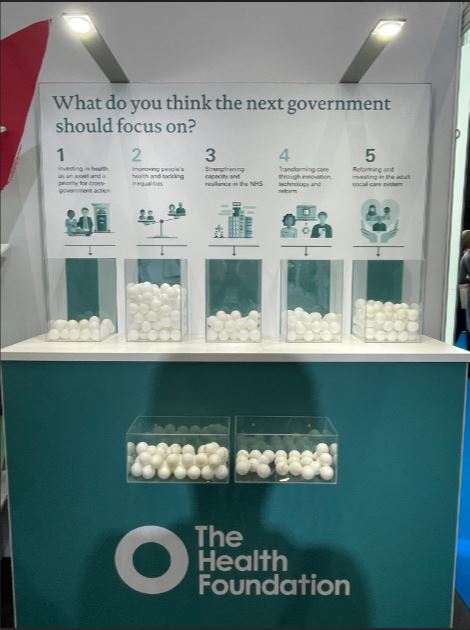
People who voted so far believe that improving people’s health and tackling inequalities should be the next government’s priority following the #GeneralElection.
What do you think? If you’re at #NHSConfedExpo, let us know by casting your vote at stand A9.
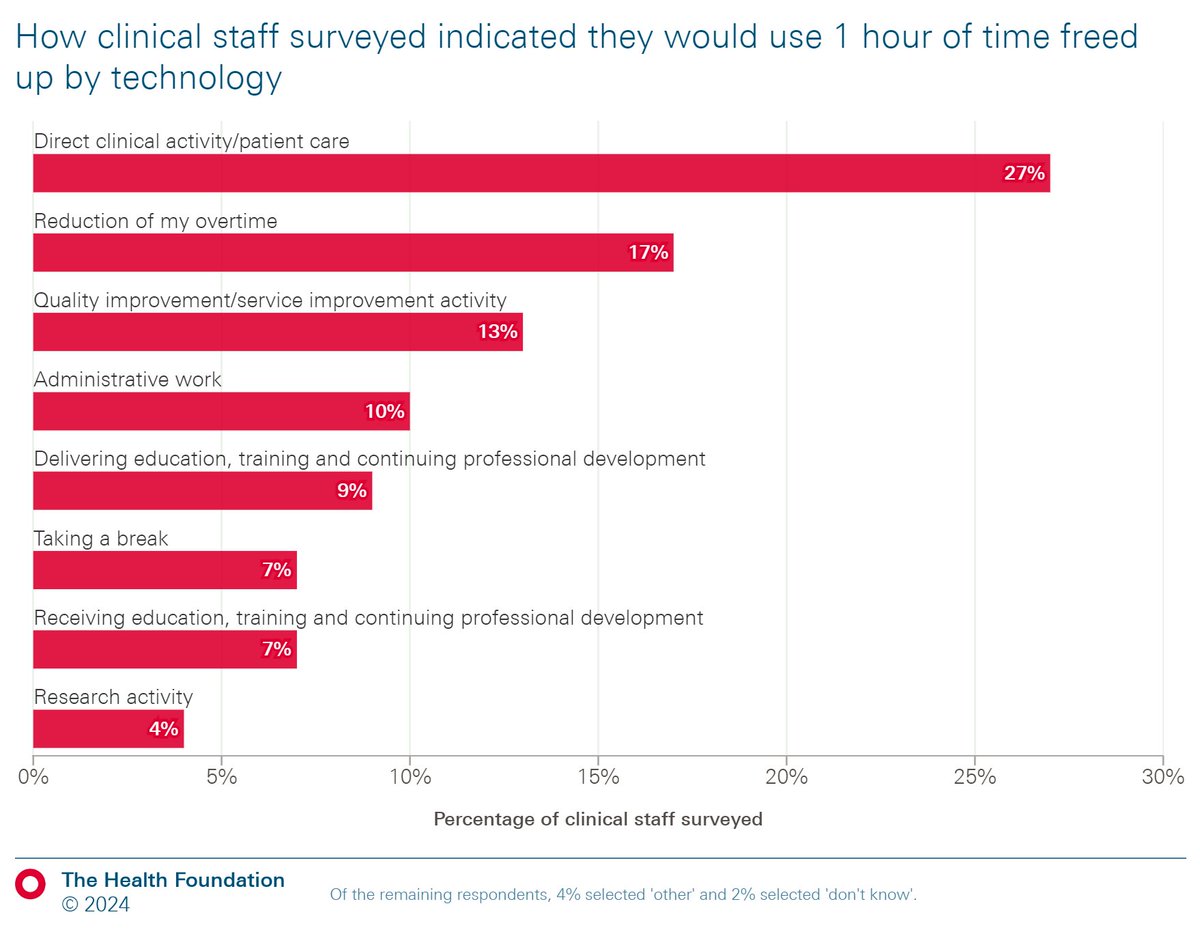
Time freed up by tech may not translate into equivalent amounts of extra time for patient care.
When we asked clinicians how they'd use 1 hour of freed-up time, 27% allocated it to patient care. How else might it be used?
Read more ⬇️
health.org.uk/publications/l…
ALT A bar chart showing how clinical staff surveyed indicated they would use 1 hour of time freed up by technology. 27% of clinical staff used the extra hour on direct clinical activity and patient care.
Other clinical staff used the extra hour on other tasks such as reduction of overtime, quality improvement, admin work, delivering education, training and professional development, taking a break, receiving education, training and continuing professional development and research activity.
As you watch the Aurora this evening, it’s worth reflecting that you’re getting a rare direct glimpse of the power of Nature. Those charged particles causing the atmosphere to glow came from a sunspot complex 17 times the diameter of Earth and traveled across 90 million miles at a million miles an hour. Without our magnetic field to protect us, our atmosphere would have been lost to space long ago. Those colours in the sky are Nature reminding us that we’re very lucky to be here amidst the violence. And perhaps therefore also reminding us not to shite it all up :-)
1/6 Published today Addressing health inequalities across Allied health professional services: a guide for AHP system leaders.
Co-produced with Chief AHPs
gov.uk/government/publicatio…@AHPs4PH@WeAHPs@OHID
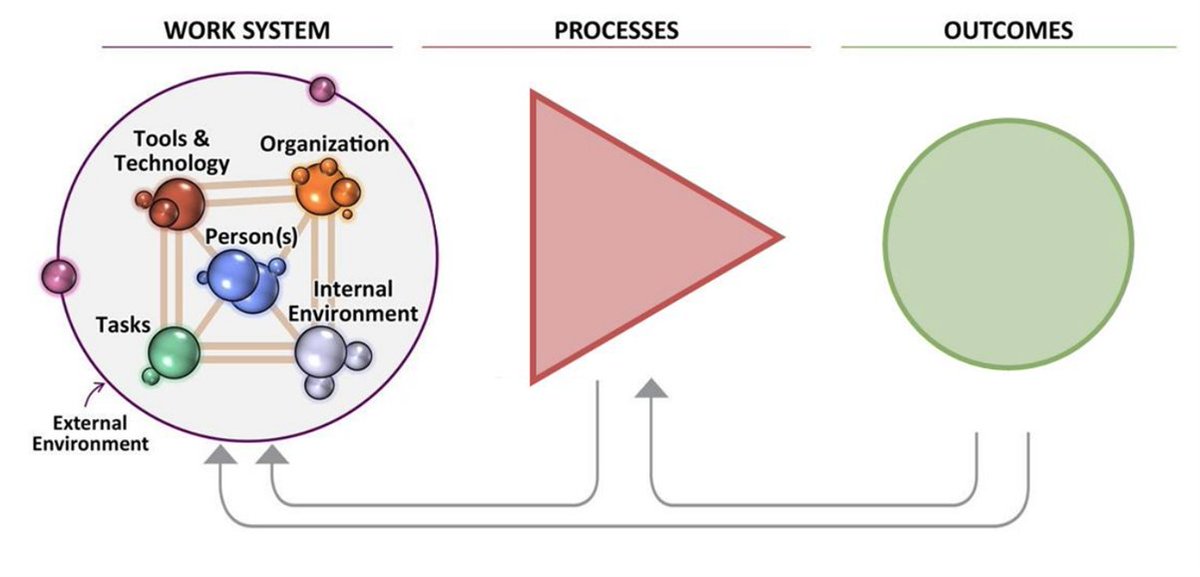
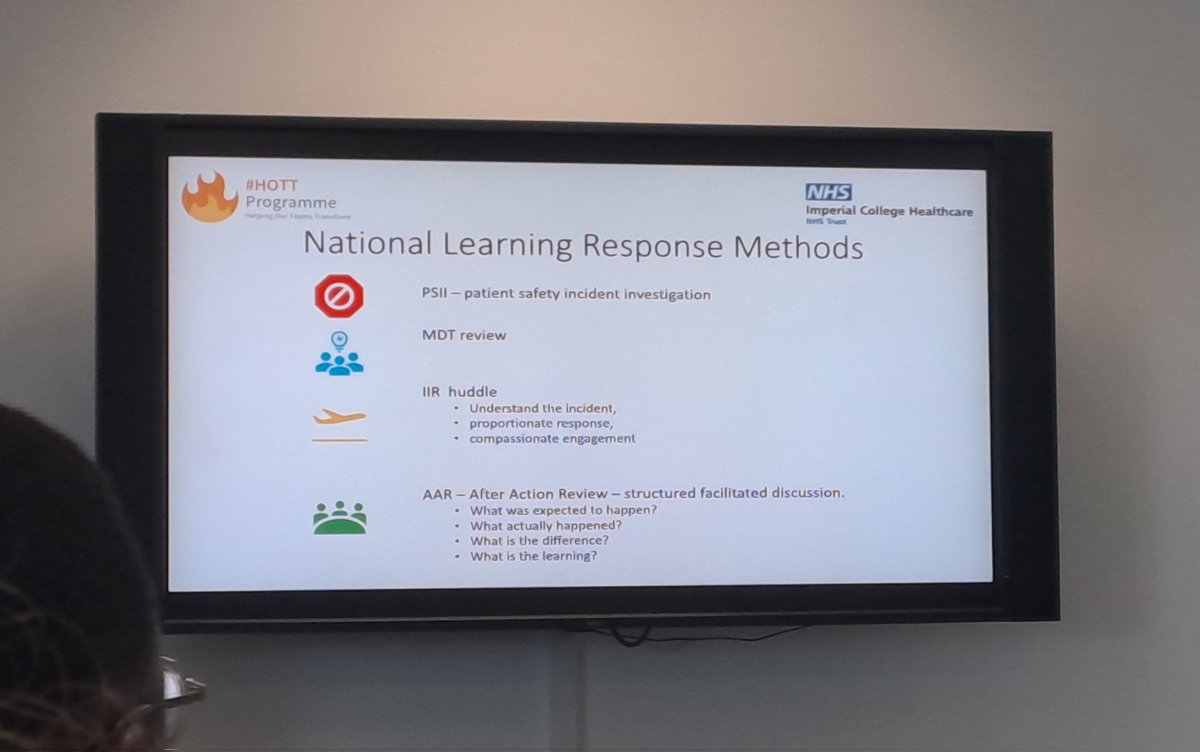
The Patient Safety Incident Response Framework (PSIRF) promotes a range of system-based approaches for learning from patient safety incidents. SEIPS is one of those approaches. Join us on 17th May for an introduction to SEIPs and how to apply it eventbrite.co.uk/e/introduct…
A new report calls for a radical overhaul of the system that provides mental health and wellbeing support for children and young people and warns that around a fifth of this population may have a mental health condition @CfYoungLives@ChildoftheNort1bmj.com/content/385/bmj.q958…
Important public focus in the last fortnight on ADHD (attention deficit hyperactivity disorder). @NHSEngland board discussion on March 28th. @NuffieldTrust work released this week: nuffieldtrust.org.uk/news-it…. And lots of media coverage including @BBCr4today. New🧵1/x
An insightful read ;counter argument to ‘productivity in the NHS is low despite additional capacity’ The ‘stuff’ described in the four S’s is what we don’t talk about enough #counting#legacy#COVID19bmj.com/content/385/bmj-2023…
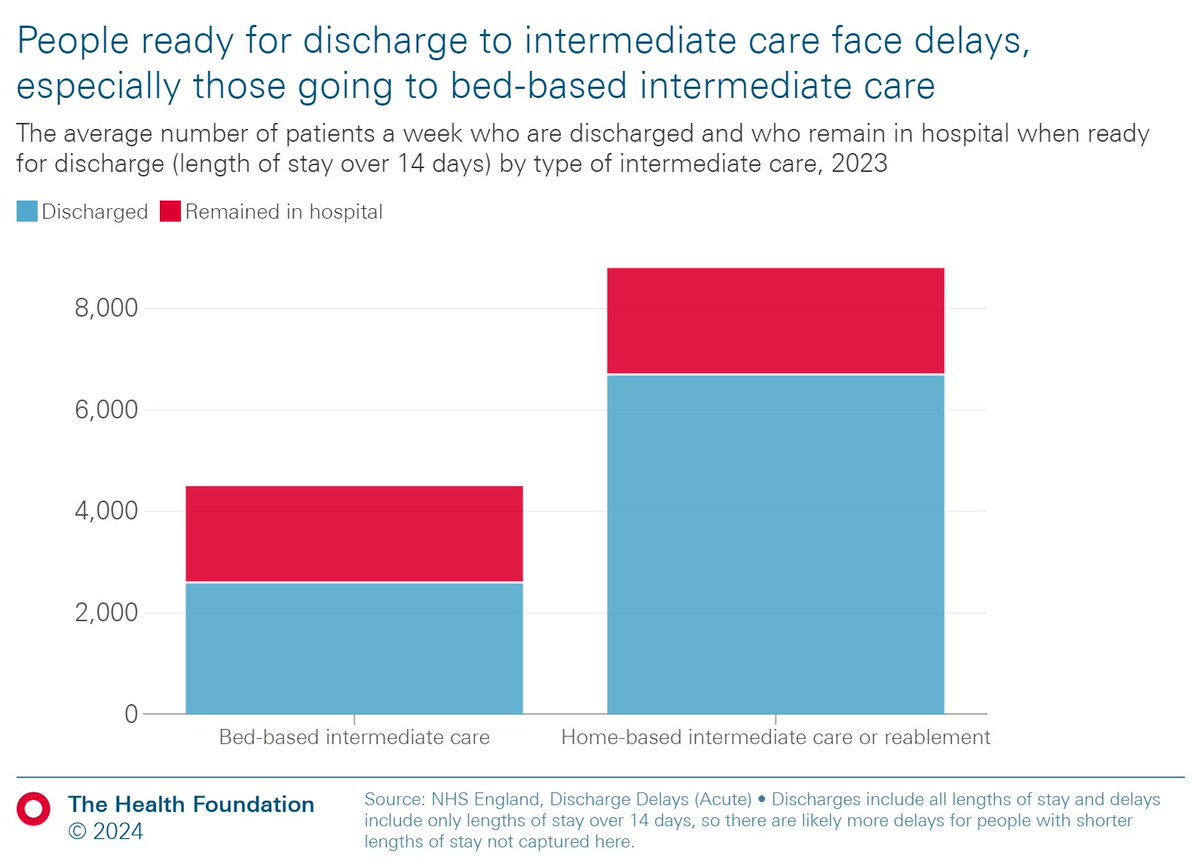
Patients often experience delays in the intermediate care pathway.
In 2023, at least 1 in 4 people expecting home-based intermediate care and nearly half of those intended for bed-based intermediate care experienced delayed discharges from hospital ⬇️
health.org.uk/publications/l…
ALT A bar chart of the average number of patients a week who are discharged and who remain in hospital when ready for discharge (length of stay over 14 days) by type of intermediate car, 2023 showing people ready to discharge to intermediate care face delays, especially those going to bed-based intermediate care.