
Art
Joined September 2010
- Tweets 62,771
- Following 6,169
- Followers 2,498
- Likes 1,759
17,643 Photos and videos















Fed Pride retweeted

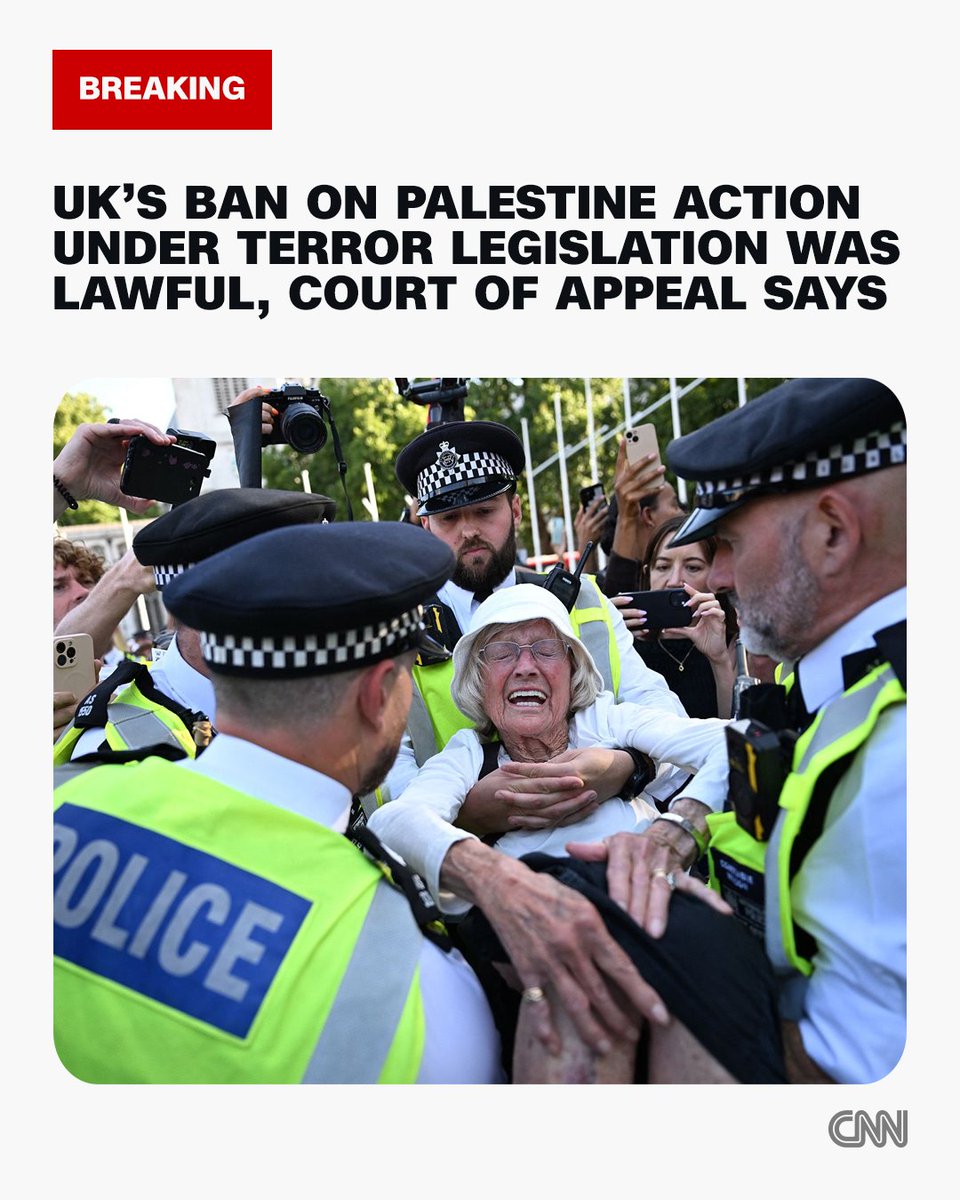
The UK's ban on protest group Palestine Action under terror legislation was lawful, Court of Appeal says cnn.it/4gjr62O
17
18
57
11,299
Fed Pride retweeted

« Personne ne décidera pour Israël — et personne ne décidera pour le Somaliland — avec qui nous choisissons d’entretenir des relations diplomatiques. »
🇮🇱 Déclaration du ministre israélien des Affaires étrangères, Gideon Sa’ar, aux côtés du président du Somaliland, Abdirahman Mohamed Abdullahi (Irro), lors de leur rencontre au ministère des Affaires étrangères à Jérusalem.
Cette visite historique marque une nouvelle étape dans le renforcement des relations entre Israël et le Somaliland, fondées sur le respect mutuel, l’amitié et une vision commune de coopération.
3
22
74
891
Fed Pride retweeted

Jun 14
Il faut soutenir Israël dans sa lutte contre le Hezbollah, qui est en réalité une émanation iranienne, et trouver une solution pour le Liban.
Nous allons demander un débat à l'Assemblée nationale pour savoir quelle est la position de la France.
1,076
1,126
6,708
213,108

🚨PUBLIC STATEMENT AND BREAKING NEWS 🚨
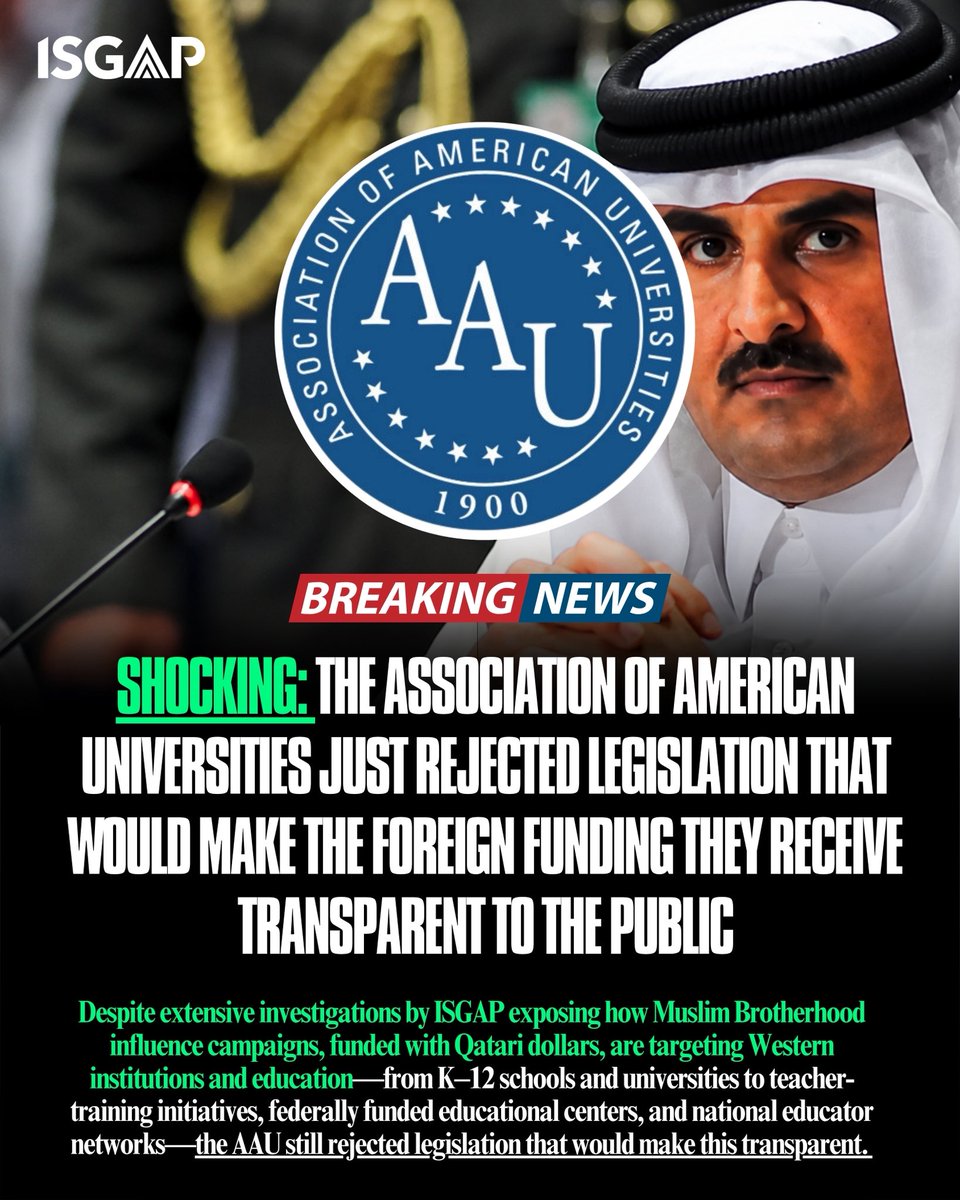
WASHINGTON, D.C. — June 2026 — Dr. Charles Asher Small, Executive Director of the Institute for the Study of Global Antisemitism and Policy (ISGAP), delivered a keynote address at a symposium hosted on June 11, 2026, by the U.S. Department of State's Office of the Special Envoy to Monitor and Combat Antisemitism, warning that foreign influence networks are playing an increasingly significant role in fueling the rise of antisemitism across the United States.
Drawing on ISGAP's research into foreign influence, Qatar-linked educational initiatives, and extremist ideological networks, Dr. Small examined how external actors can shape educational institutions, public discourse, and attitudes toward Jews and Israel. In his remarks, he argued that:
"Antisemitism is not a simple or parochial issue of hatred against a small community. It is a core element of the ideology of extremists that is intent on destroying democratic countries including the United States. Antisemitism must be understood as a significant security threat to the stability, cohesion, and very fabric of our great democratic nation and its core institutions. This is especially true in higher education where young people learn to be citizens. This ideology, which aims to destroy the very notion of a liberal education, also believes in the subjugation of women and the murder of gay people and Jews."
The symposium, convened by the U.S. Department of State's Office of the Special Envoy to Monitor and Combat Antisemitism, brought together government officials, law enforcement, researchers, policy experts, and civil society leaders to discuss the rise of antisemitism and strategies for confronting it.
The event featured remarks from senior U.S. officials, including Dr. Sebastian Gorka, Senior Counselor to the President, and Rabbi Yehuda Kaploun, U.S. Special Envoy to Monitor and Combat Antisemitism.
Dr. Small's presentation drew on ISGAP's extensive body of research into foreign influence and ideological networks operating within American educational and civic institutions. Through its Follow the Money Project, ISGAP uncovered billions of dollars in previously undisclosed foreign gifts and contracts to American universities, helping expose the scale of foreign involvement in higher education across the United States.
Most recently, ISGAP published its landmark report, Institutional Capture: Qatar Foundation International: Use of Soft Power to Reshape Education in the United States, which documented more than $65 million in funding directed through over 220 educational programs reaching K–12 schools, universities, teacher-training initiatives, federally funded educational centers, and national educator networks.
The report forms part of ISGAP's broader research into Qatar's role within American education and its wider examination of foreign funding, transparency, and state-linked influence operations.
ISGAP has also conducted extensive research into the Muslim Brotherhood and affiliated ideological networks, examining how such movements gain influence within educational, civic, and political institutions and the role they can play in promoting antisemitic, extremist, and anti-democratic narratives.
Dr. Small argued that these findings demonstrate how foreign influence networks and ideological movements can help create the conditions in which antisemitism spreads and gains legitimacy.
2
38
63
1,664

Fed Pride retweeted

The people of Gaza kidnapped Jews, Christians, Muslims, Hindus Buddhists and atheists tortured in their tunnels.
If you side with the baby snatchers of October 7th you cannot possibly be siding with humanity.

39
367
1,101
6,155
Fed Pride retweeted

PART 1:🧵
Dear world,
You have turned on Israel completely. So we are washing our hands of the entire Palestinian issue. Here are the new rules.
Palestinians will not get their own state until they fully eradicate jihadist ideology and rejection of Israel’s right to exist from their society, education, media, and leadership. No timelines. No external pressure changes this. Ten years, fifty years, or a thousand years, the condition is absolute.
23
57
404
8,134
Fed Pride retweeted

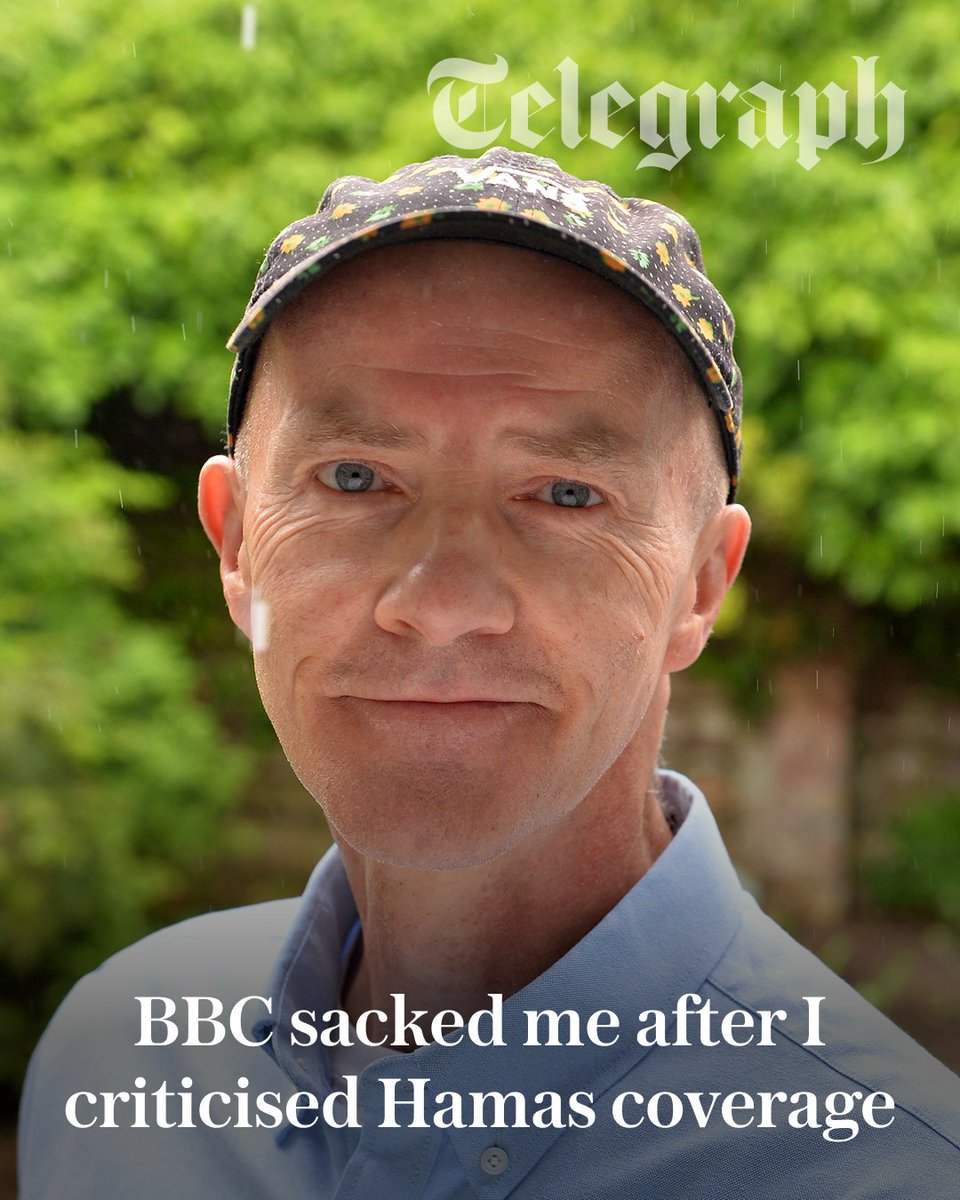
The BBC's idea of impartiality: refusing to call terrorists terrorists and silencing those who do.
Jun 14

Sean McGinty, 61, claimed his BBC bosses had “made an example” of him after he publicly condemned the broadcaster for not calling Hamas “terrorists” in the wake of the Oct 7 attacks on Israel.
🖇️ telegraph.co.uk/news/2026/06…
17
112
402
8,810
Fed Pride retweeted

The Palestinians Youth Movement thought it would be a good idea to descend upon a Jewish community in Edgware, London and storm a synagogue because they didn’t like the event.
They are nothing more than a bunch of vile, racist Jew haters, and the police officers did not really know what they supposed to be doing.
29
46
183
6,101
Fed Pride retweeted

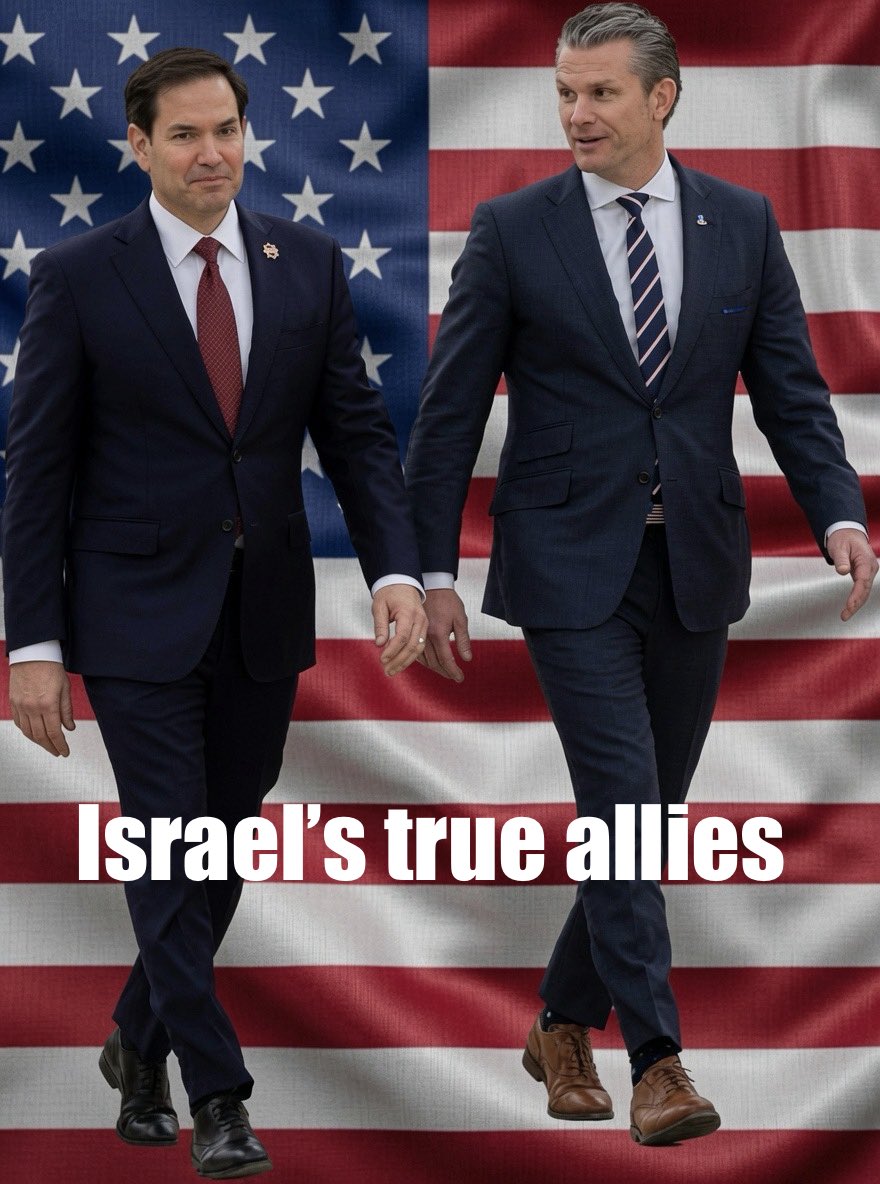
ISRAEL’S TRUE & STRONG ALLIES🚨
Marco Rubio and Pete Hegseth stand out as the clearest, most unwavering voices in the Trump administration that truly support and stand with Israel.
While others backstab, Marco and Pete deliver consistent, principled backing for the US’s key ally against terror and aggression.
Thank you @marcorubio & @PeteHegseth
79
230
1,275
14,075

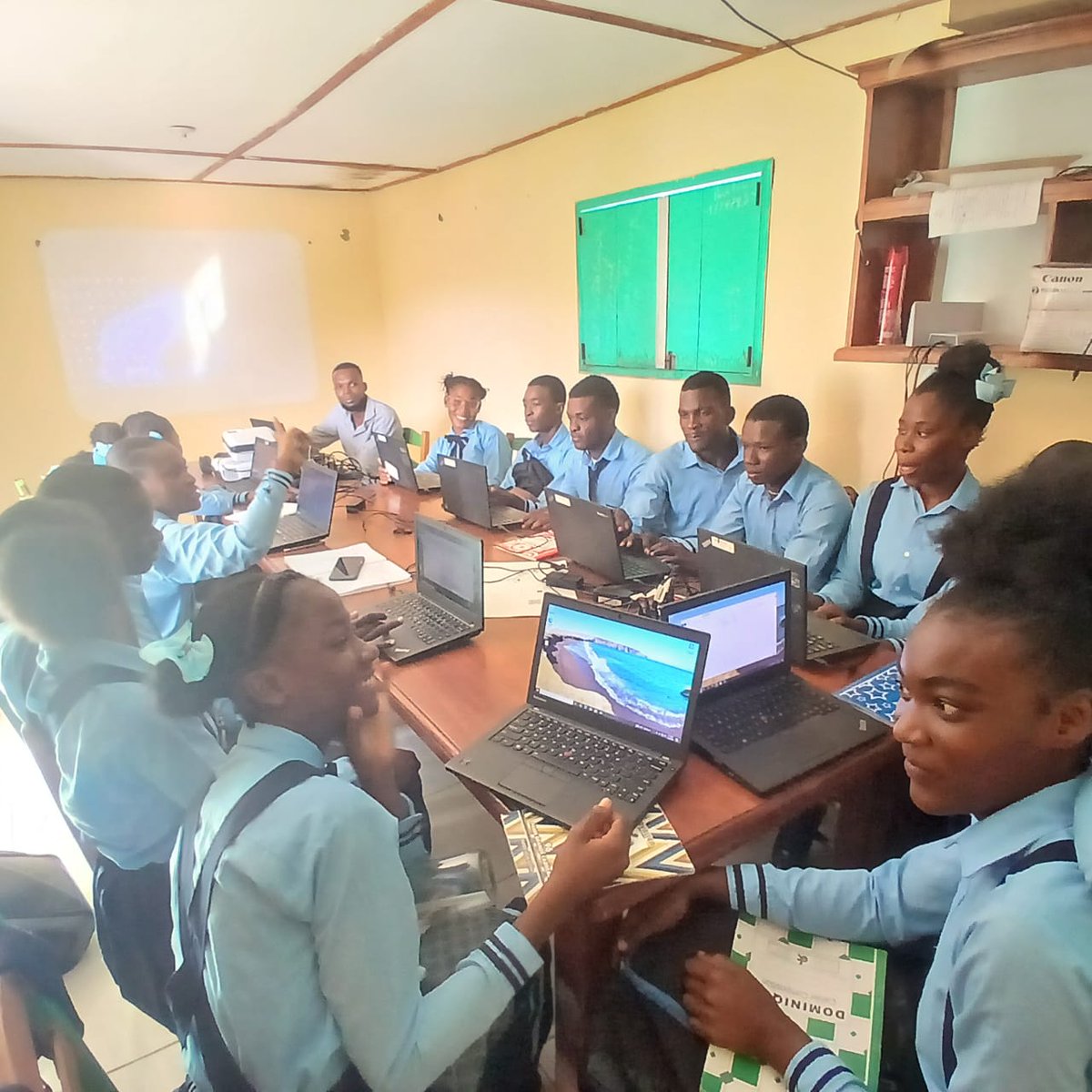
Starlink connecting schools on remote islands!

Starlink is providing high-speed internet to a community tech center in Île-à-Vache, a remote island off the coast of Haiti, connecting hundreds of students and teachers to reliable connectivity for the first time 🛰️❤️

4,586
14,348
141,106
14,333,429
Fed Pride retweeted

Another devil is dead
Officially confirmed ,top Commander of Iran backed Hezbollah, Mahamad Ali Musa, responsible for killing dozens of Israeli in Northern Israel,who burnt 5 members of Chirisan family for not accepting Islam in Southern Lebanon has been killed in Israeli strike
115
1,347
8,929
207,806
Fed Pride retweeted
"No one will decide for Israel - and no one will decide for Somaliland - who we conduct diplomatic relations with."
🇮🇱 Foreign Minister @gidonsaar, alongside Somaliland President @Abdirahmanirro at the Ministry of Foreign Affairs in Jerusalem.
158
416
1,637
74,636

Fed Pride retweeted

The ultimate goal is to poison the lives of Diaspora Jews
1
1
3
77
Fed Pride retweeted

Jun 14
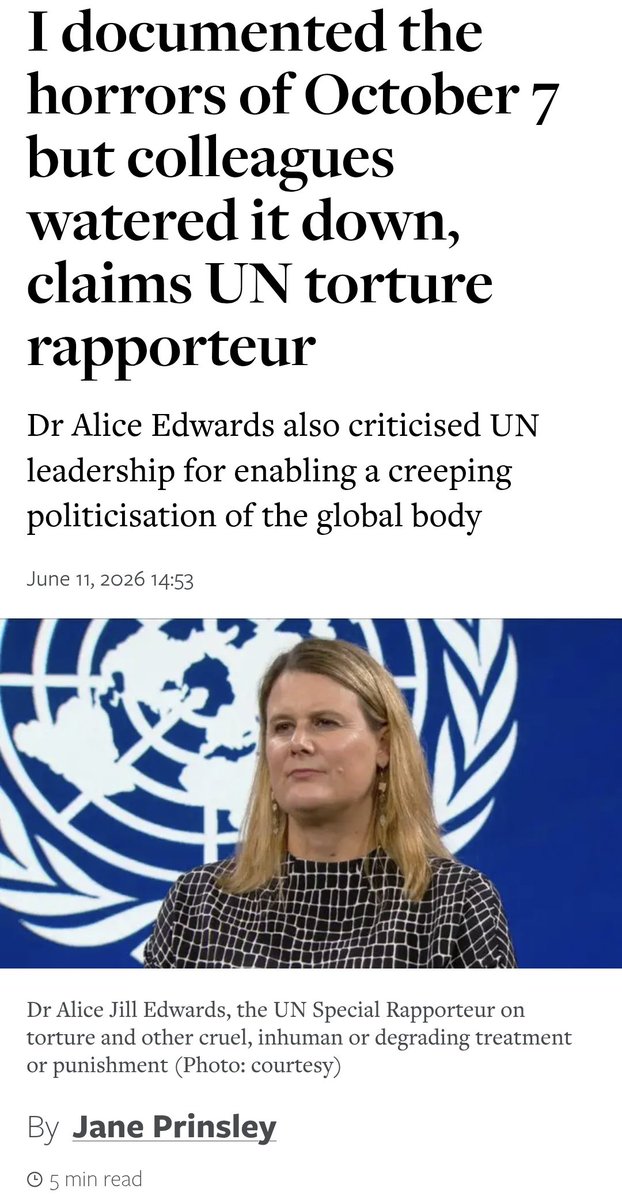
A UN Special Rapporteur says there was a "concerted effort" inside the UN to prevent allegations from October 7 being formally recorded and that colleagues were bullied into not signing a letter documenting the atrocities.
When the world's leading human rights institution cannot honestly document the largest massacre of Jews since the Holocaust, it has a credibility problem.
By @janeprinsley of the @JewishChron
thejc.com/news/world/i-docum…
29
645
1,278
16,210
They will
Jun 14

Labour must go as soon as possible
4,553
14,589
139,195
50,149,676
Fed Pride retweeted

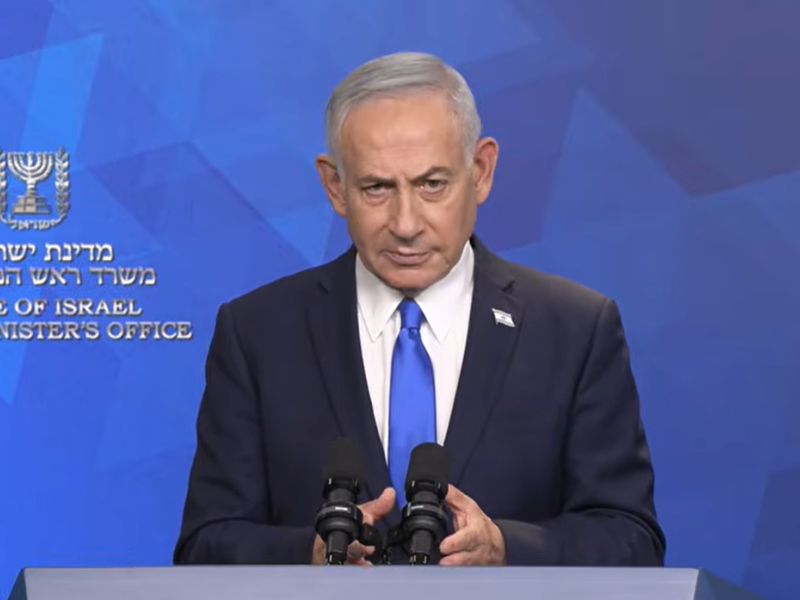
🚨🇺🇸🇮🇱🇱🇧🇮🇷 Unconfirmed report: Israeli Prime Minister Benjamin Netanyahu told President Trump that Israeli forces will NOT withdraw from Lebanon and that Israel does NOT consider itself obligated to the Lebanon clause in the memorandum of understanding between the US and Iran.

183
662
3,796
42,499
Fed Pride retweeted

Pro-Jihad agitators in London and New York protest events promoting Israeli real estate to Jewish families who want to immigrate because of the antisemitism of the pro-Jihad agitators.
haaretz.com/jewish/news/2026…
11
93
318
5,899
Fed Pride retweeted

Jun 14
As more British Jews leave the UK, nothing begs them to stay more than another hate protest at a synagogue.
The Canary cover themselves with the vague claim of “potentially illegal”. You won’t see them at the actually illegal land sales in London for Turkish occupied Cyprus
Jun 14

What the hell is going on? Even Sadiq Khan has condemned the Israeli Real Estate conference at Edgware Road, yet the Met Police are arresting the people protesting this potentially illegal event!
2
5
19
653