Fernando Gont is Security Researcher and Consultant. He specializes in the field of communications protocols security. Maradonian.
Joined July 2011
- Tweets 4,210
- Following 1,872
- Followers 1,577
- Likes 2,539
543 Photos and videos

Pinned Tweet

11 Mar 2025
Maradona ha sido la oportunidad para mucha gente que no logró trascender en nada,de poder canalizar su frustración (venenosamente,y desde el sofá de su casa), pretendiendo dar cátedra sobre como hacer lo que jamás hicieron,y cómo manejar situaciones en las que jamás estuvieron
2
865
Fernando Gont retweeted

Jun 14
The World Cup is completely unwatchable with the FIFA ad breaks designed as "hydration breaks".
Infantino has to be removed as FIFA president.
It's a total farce.
104
694
6,494
51,184
Fernando Gont retweeted

Jun 15
Part 2. During Canada's first World Cup game, a Telemundo commentator stopped his broadcast to say something you almost never hear in live sports: "We are one of the only networks in the world to NOT show ads during the World Cup cooling breaks. We prefer the old school way. We should be able to see what the players do. We show fans, people enjoying, not the corporate direction of football."
A broadcaster calling out the industry he works in, on live television. It happened.
Telemundo and Fox have the same rights to this tournament, covering the same 104 matches. When the referee stops play at the 22-minute mark, Fox goes dark and runs full-screen commercials. Telemundo stays on the field. Their senior vice president of sports content told Sports Business Journal before the tournament that the network had no plans to use any of the advertising inventory, keeping viewers on replays and whatever the coaches were shouting to players on the sideline.
Across the rest of the planet, the experience is different. FIFA president Gianni Infantino estimates 6 billion people are watching this World Cup. Most of them are not in the United States. The BBC in the UK cannot run ads at all, as a public broadcaster funded by annual license fees with no ad model whatsoever. ITV, the UK's main commercial channel, explored split-screen ads during breaks but pulled back because UK regulator Ofcom caps total advertising minutes per hour. Running break ads would just shrink the regular commercial slots rather than create new ones.
If you're watching Fox, you saw the commercial. If you're one of the other five and a half billion people watching this tournament, you watched the same match without one.
The outrage over the hydration break feels like a global story. The audience that actually experienced it is a much smaller slice of the planet than it looks like from the US.
3
13
42
15,175
Fernando Gont retweeted

May 24
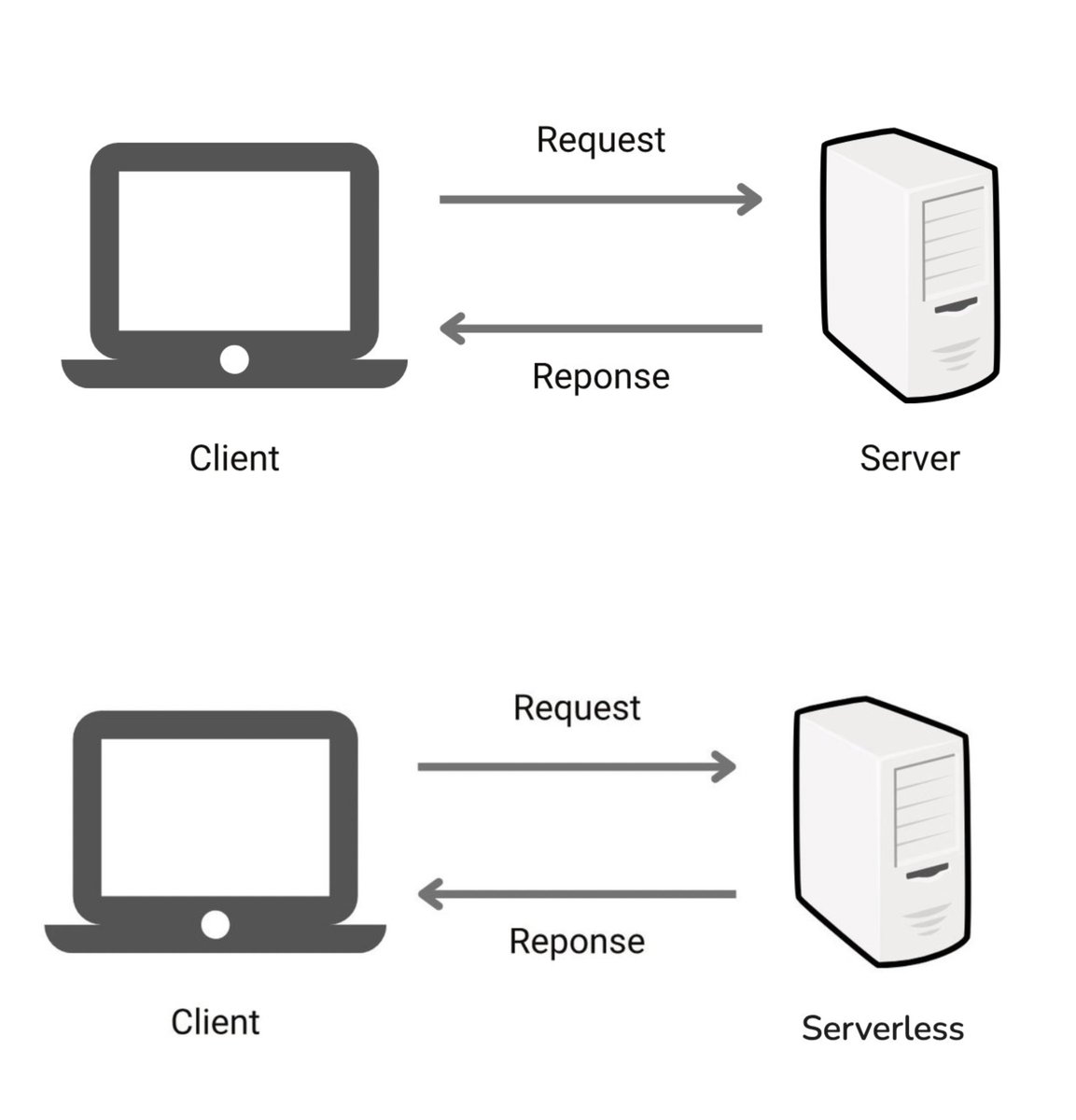
serverVsServerless
10
42
458
14,836
Fernando Gont retweeted

Apr 19
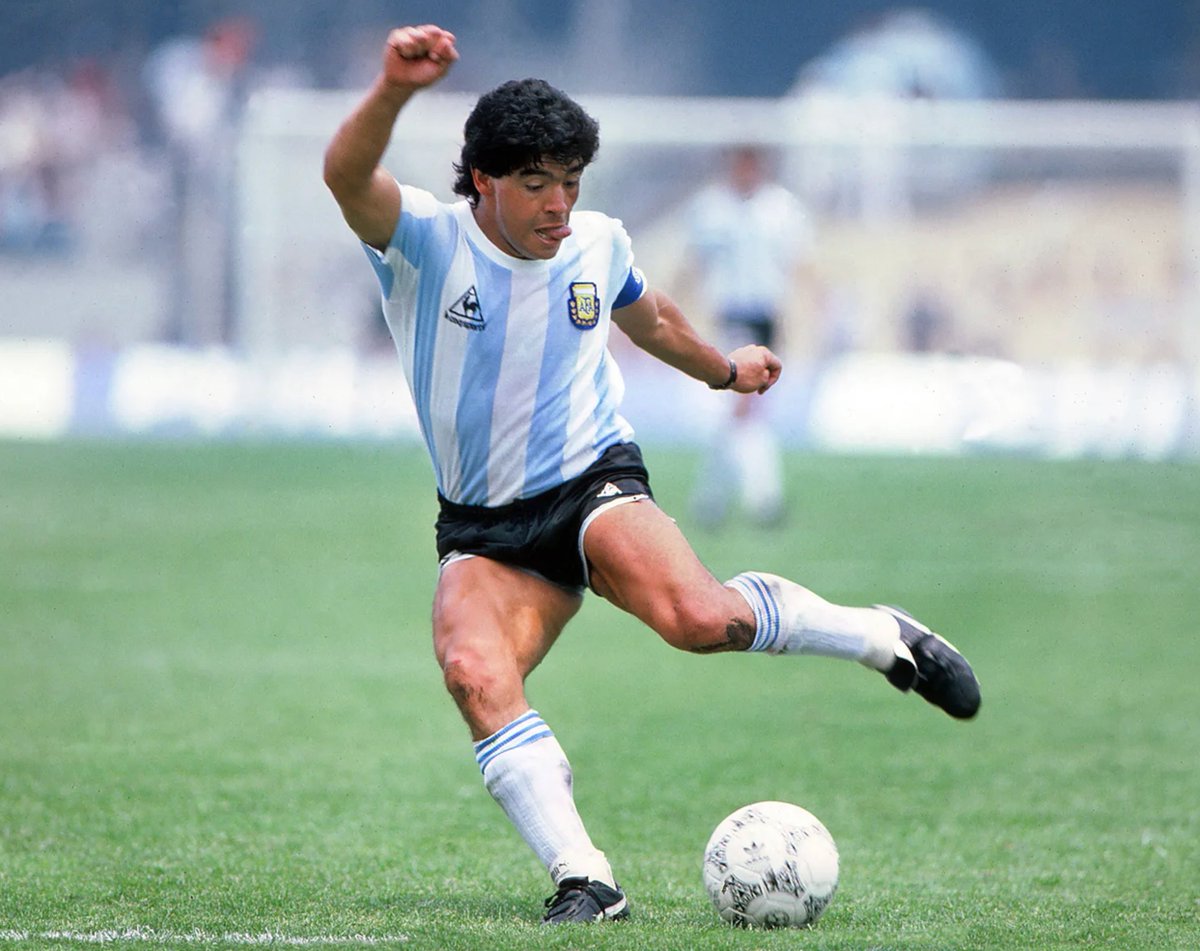
La entrada en calor más famosa de la historia, cumple hoy 37 años
11
567
4,827
106,411
Fernando Gont retweeted

Mar 11
Lo sumamos al buscador?

139
1,191
9,794
503,966
Fernando Gont retweeted

Mar 12
"No al fachismo"
En su show en Buenos Aires, Tom Morello, fundador de Rage Against the Machine, exhibió ese cartel en su guitarra, tocó con una remera de Abuelas de Plaza de Mayo y lució una gorra con la inscripción "Fate no se cierra".
125
638
5,463
197,365
Fernando Gont retweeted

30 Nov 2025
es indispensable escuchar siempre lo que dice @LombaCaruso porque según lo que él diga, todo será al revés.
62
129
1,215
30,630
28 Nov 2025
Hay gente que todavia cree q el Diego es solo futbol. No entendieron absolutamente nada de nada. facebook.com/share/v/1aVDbgr…
1
1
197
Fernando Gont retweeted

21 Nov 2025
Last week the @FFmpeg account began taunting security researchers. Foolish thing to do, as it ignores the asymmetry of their attack surface vs ours.
So as an exercise I found a stack-based buffer overflow on software that he wrote. Took me ~20 mins to find it. Thread 🧵(1/5)

37
18
402
151,614
23 Nov 2025
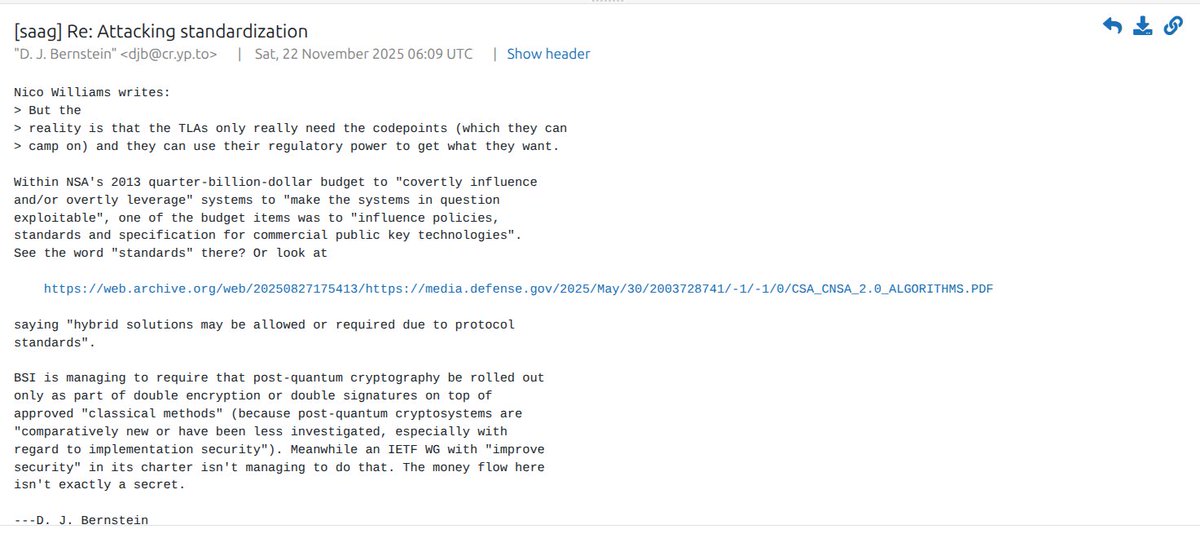
Attacking Protocol Standardization.
Interesting thread on the IETF SAAG mailing list: mailarchive.ietf.org/arch/ms…
1
2
191
13 Nov 2025
6man wg still discussing IPv6 extension headers: mailarchive.ietf.org/arch/ms… . @Enno_Insinuator will probably "enjoy" the thread :-)
1
3
386
Fernando Gont retweeted

7 Nov 2025
Gennaio 1985,Diego,su invito del compagno Puzone (ma contro la volontà del presidente del Napoli e pagando di tasca sua l’assicurazione),porta la squadra sul campo dei dilettanti ad Acerra per raccogliere fondi da destinare a un bambino malato.
17
71
664
32,783
Fernando Gont retweeted

30 Oct 2025
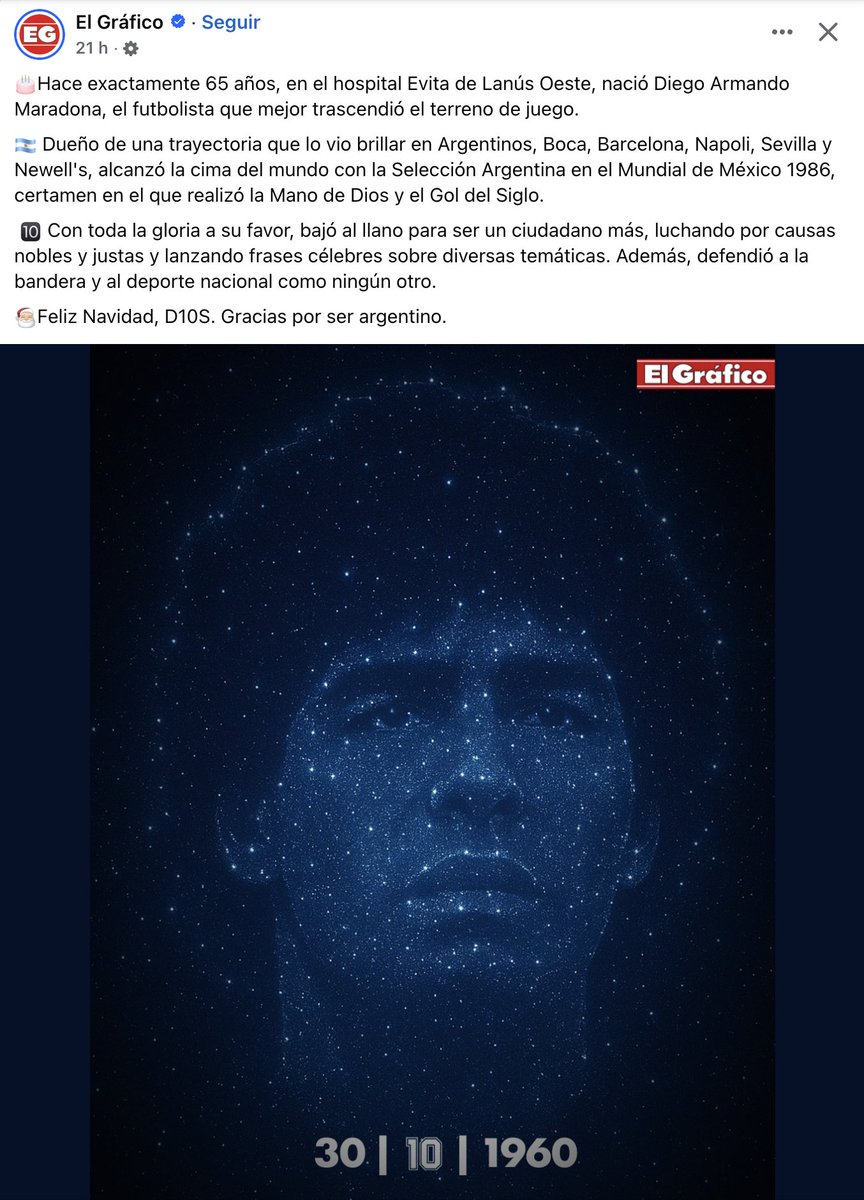
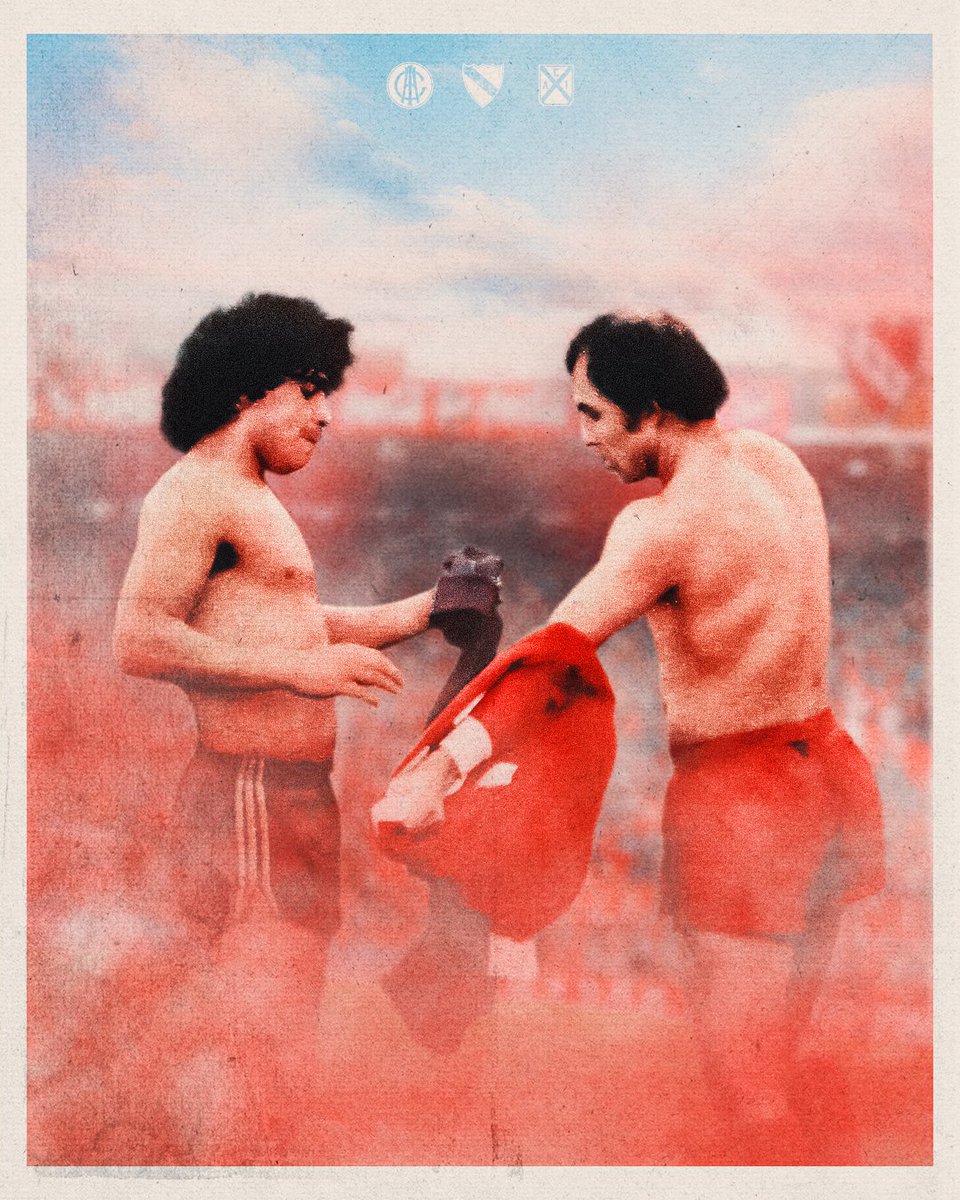
Con el respeto mutuo y el cariño de siempre.
Feliz cumpleaños, Diego ♥️
#TodoRojo 🔴
16
747
5,345
216,146