
Fitness blogging pioneer (18 years) exploring crypto, NFTs & AI. $NAT
Joined March 2011
- Tweets 18,437
- Following 7,101
- Followers 8,418
- Likes 78,840
5,934 Photos and videos





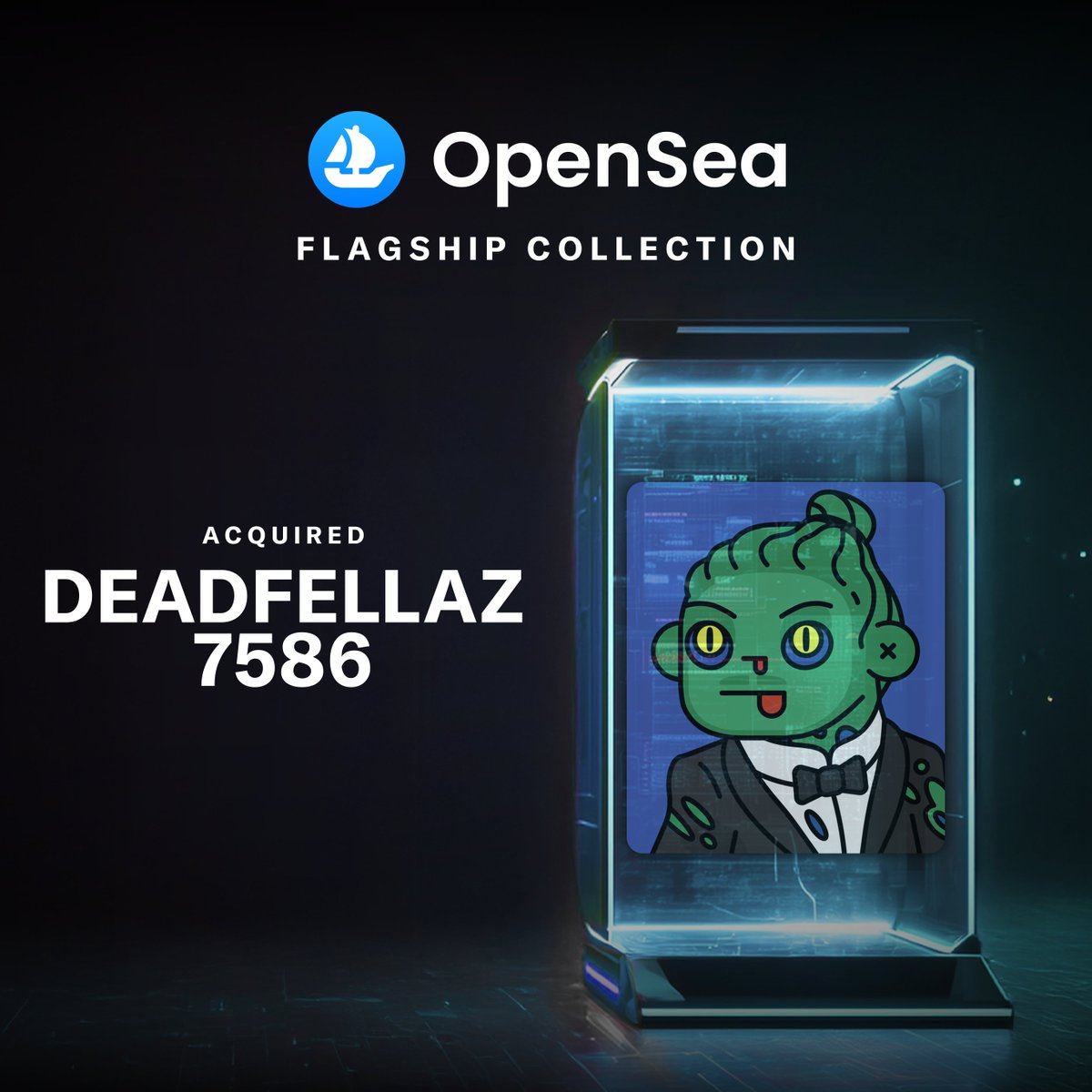
Joining OpenSea's Flagship Collection…
@Deadfellaz by DFZ Labs — 9,999 genderless undead PFPs on Ethereum, with every trait graded Fresh, Damaged, or Rotten.
More below 👇
55
51
280
28,198

May 15
If you are into AI video/animation stuff, I highly recommend following this guy.

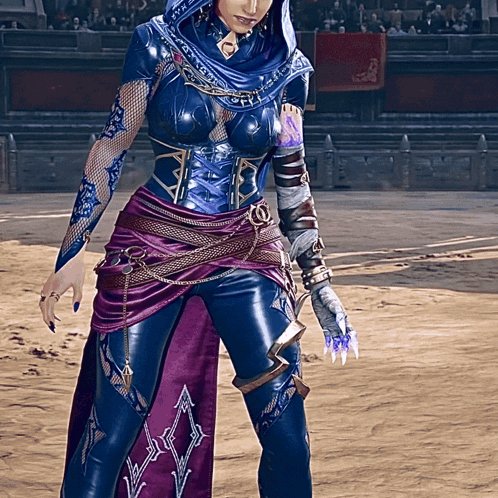
Here's another take on the vintage Gothic paperback cover girl made with @Kling_ai - does it do a better job at maintaining the hand-painted vibe?
1
1
6
172
Rusty Moore retweeted

Apr 30
Call us what you like..
"The Lovable of Web3."
"The Virtuals of Solana."
Eitherway, we move.
We're developing our own category and we are accelerating!!
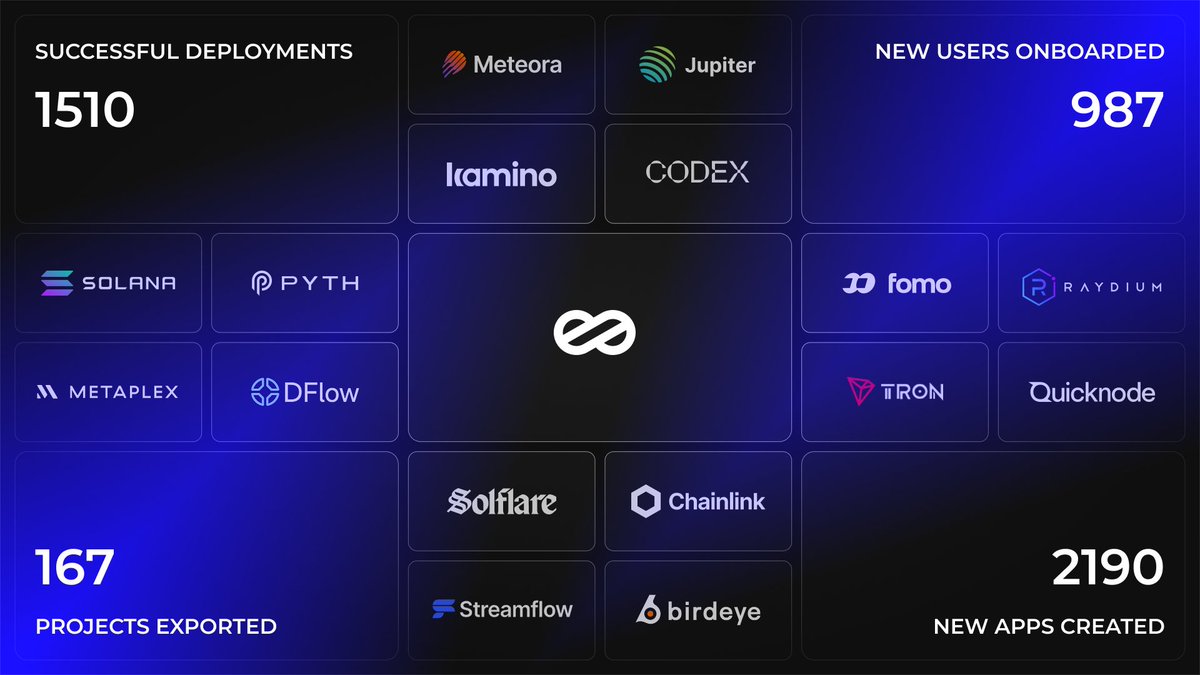
30 day metrics;
987 new users.
2190 new apps.
1510 successful deployments.
We couldn't have done it without our core infrastructure, the best standard in Web3!
44
58
294
703,994

Rusty Moore retweeted

Apr 21
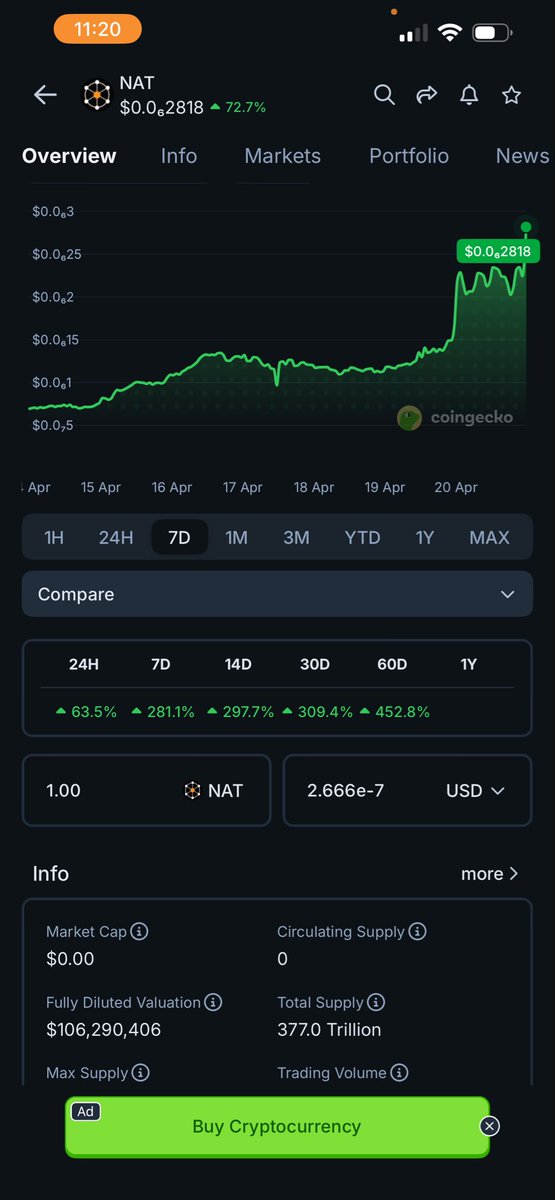
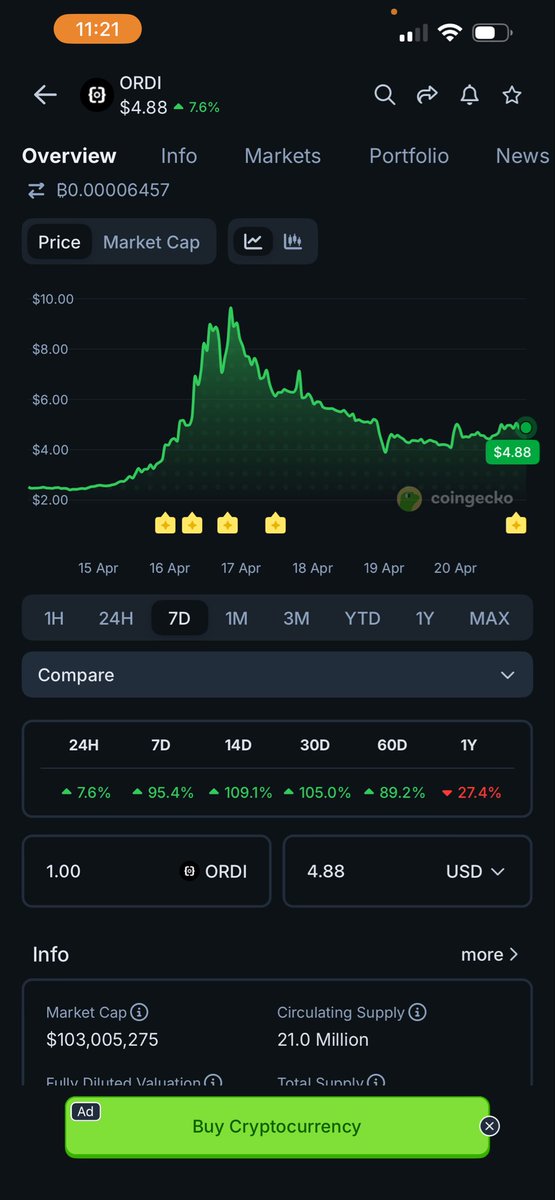
Blasted past 100M and flipped Ordi at the same time making NAT Bitcoins #1 token
Words can’t express how grateful I am for everyone who contributed to make this a reality
The $DMT-NAT community is the best in all of crypto
We’re still early keep that in mind
NAT helps solve one of the biggest hidden problems in all of crypto
If you still don’t know what that is, I recommend reading the natpaper at natgmi.com
Even though price is important don’t let it distract from the ultimate goals we have to securing Bitcoin from its declining subsidy issues
Mark this as an official start to DMTs journey to cleansing this space from all the toxic mishandlings of the arbitrary era
WE NAT FINISHED YET!
30
87
275
13,780

NAT is going to be distributed in a same way as Bitcoin is getting distributed. Buying NAT now is buying Bitcoin in 2010 - 2011.
SpiderPool co-mining BTC $NAT makes the "Second Subsidy" physical reality. The global hashrate is migrating.
Front-run the hash. 🔥⚓️

$NAT has officially graduated from theory into reality.
For the first time in Bitcoin’s history, a 2nd subsidy token is being distributed to PoW mining pool participants securing the network.
Why this is such a big deal and how it catalyzed an entire resurgence in Bitcoin ecosystem activity not seen since 2023👇
Why NAT Just Started The Bitcoin Ecosystem Resurgence! SpiderPool NAT Dashboard OFFICIAL!
@natgmi is back in motion, and in this episode we focus on one of the clearest signals yet that the market is starting to understand why. We break down @SpiderPool_com’s decision to roll out $NAT as a co-mining reward on Bitcoin blocks, which means miners can earn both Bitcoin and $NAT from the same hash rate without changing their core setup. On the surface that sounds like a simple product update, but the larger implication is much bigger. Once one mining pool starts offering a second source of rewards, the competitive pressure on every other pool begins to change.
The conversation starts with price action, because $NAT has been climbing hard and the market cap is pushing toward a level that looked ambitious only days ago. But we make it clear that the more important story is not short-term upside. What matters is that infrastructure players inside the Bitcoin mining ecosystem are beginning to treat $NAT as something real enough to integrate. @SpiderPool_com’s announcement is framed as an early sign that @natgmi is moving beyond theory and entering the stage where miners, pools, and market participants all have to think more seriously about its role.
From there, we zoom out to the deeper reason $NAT exists in the first place. As we explain the Bitcoin security budget problem in plain terms. As the block subsidy keeps falling every four years, Bitcoin increasingly depends on price appreciation to maintain the same security level. The issue is that no asset can keep doubling forever at the rate required to offset that decline. At the same time, miners now face rising competition from AI and other energy-hungry industries that can often pay more for power. $NAT is presented here not as a speculative add-on, but as a second subsidy that can help strengthen miner economics over time.
@SpiderPool_com’s move matters because incentive systems change behavior. If miners can earn more by pointing their hash rate toward a pool that pays both $BTC and $NAT, then other pools eventually have to respond or risk losing participation. That is why this episode treats the integration as a strategic shift rather than a niche announcement. We also explore how miner behavior, pool competition, and token demand could all start feeding into one another if adoption continues.
What starts to come into view here is a different way of measuring value in crypto. A lot of assets can borrow attention for a cycle, but very few sit close to a problem the market cannot avoid forever. $NAT keeps circling back to one of those problems. That is part of why moments like this feel heavier than a typical token update. The market may still be early in understanding it, but the direction of attention is becoming harder to ignore.
There is also something revealing about where this conversation is happening. Not in abstract white papers alone, and not just in price charts, but inside the actual incentives miners respond to. Once that layer begins to shift, the story around $NAT stops feeling theoretical. It starts to look like one of those ideas the market can ignore for a while, but not indefinitely, especially if it keeps proving useful in the one place that matters most.
7
47
140
6,660
Apr 11
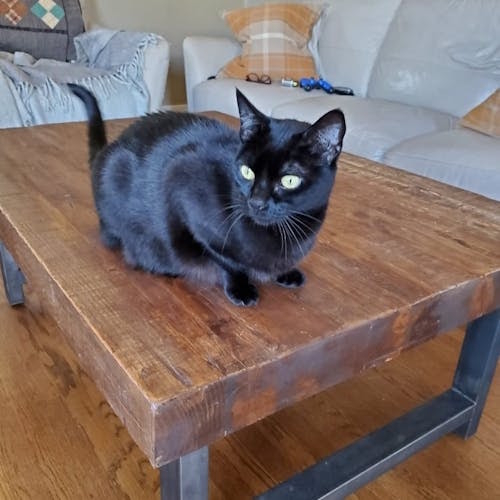
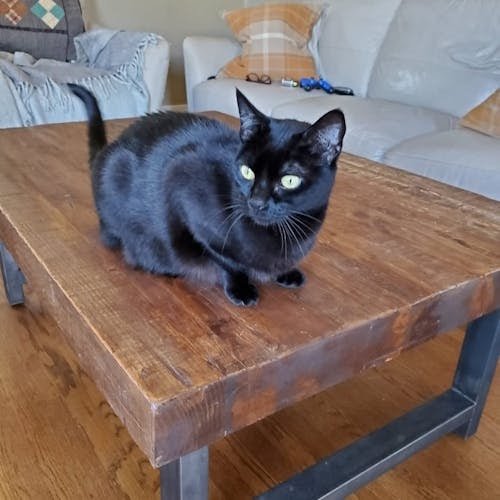
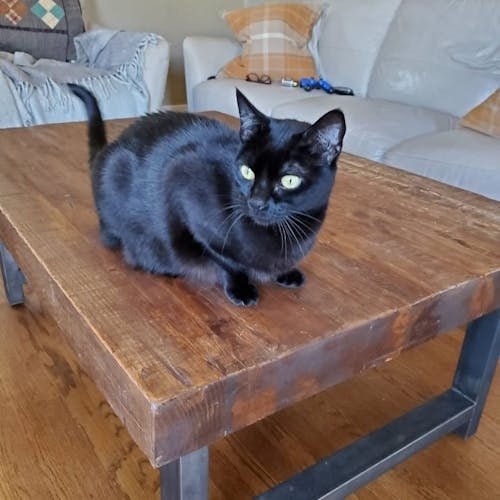
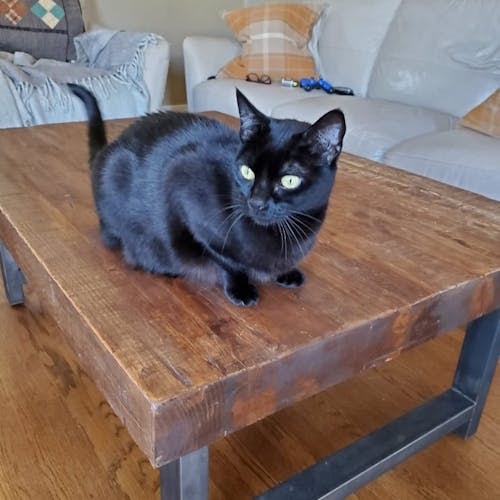
Today is National Pet Day. Here's a picture of Violet that my cat sitter took while I was on vacation. She's reminding her who's in charge of the house.

1
62
Rusty Moore retweeted

Our whole mission of building a billion dollar AI company using vibe coding agents is largely pinned on this thesis being the correct solution to the NFT industry problem
If we are correct, then we can say a 7 man team built a billion dollar app using the lean AI approach

5
25
1,228
Rusty Moore retweeted

Apr 8
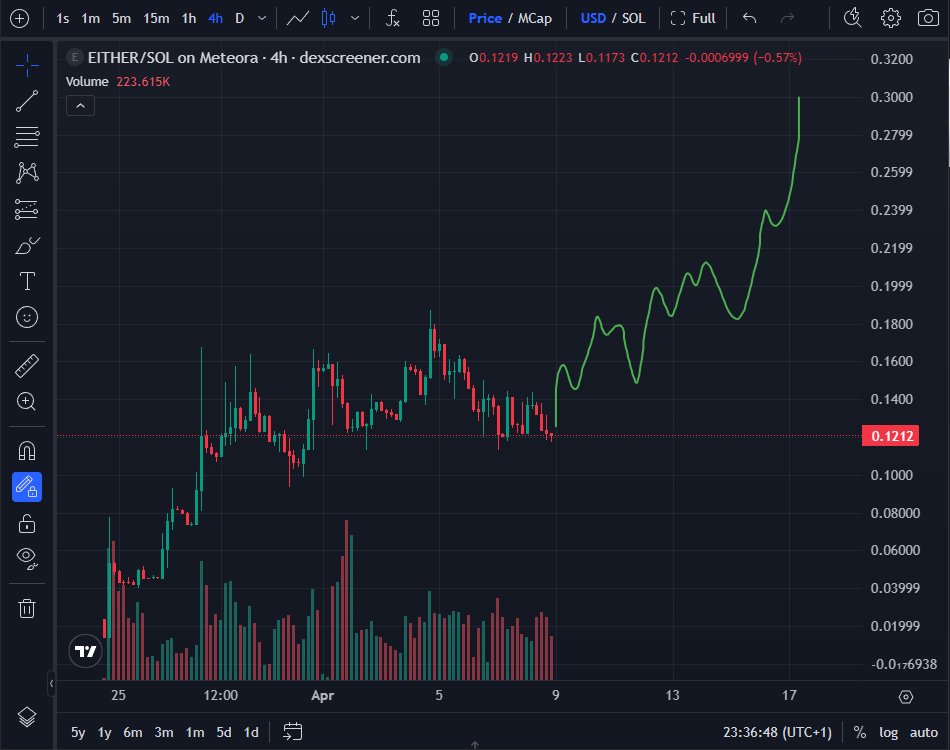
New $either highs coming to a chart near you soon.
@EitherwayAI has the potential to be the end-game no code deployment platform for normies.
18
18
57
5,549
Apr 5
The automatic Japanese translation on X has been so fun. I'm going to try these this week.
Apr 4

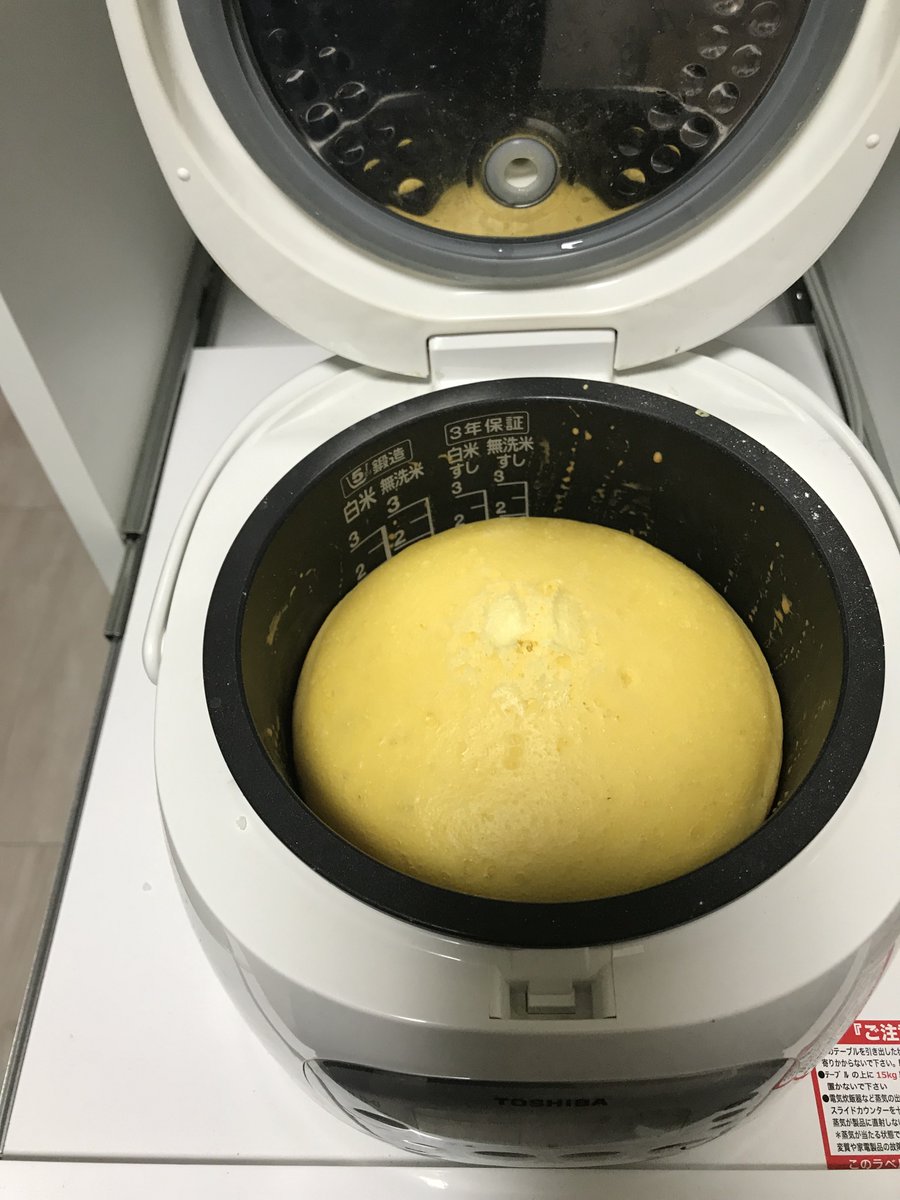
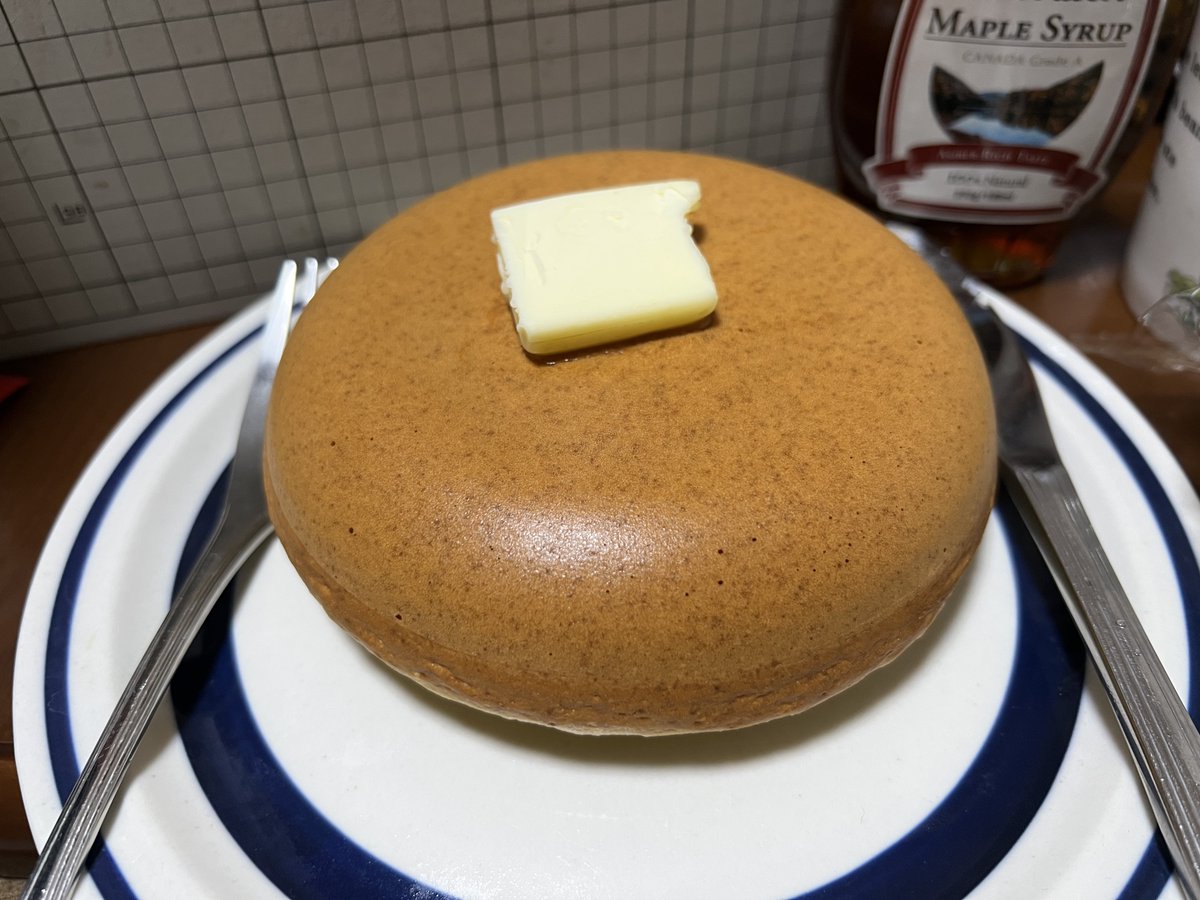
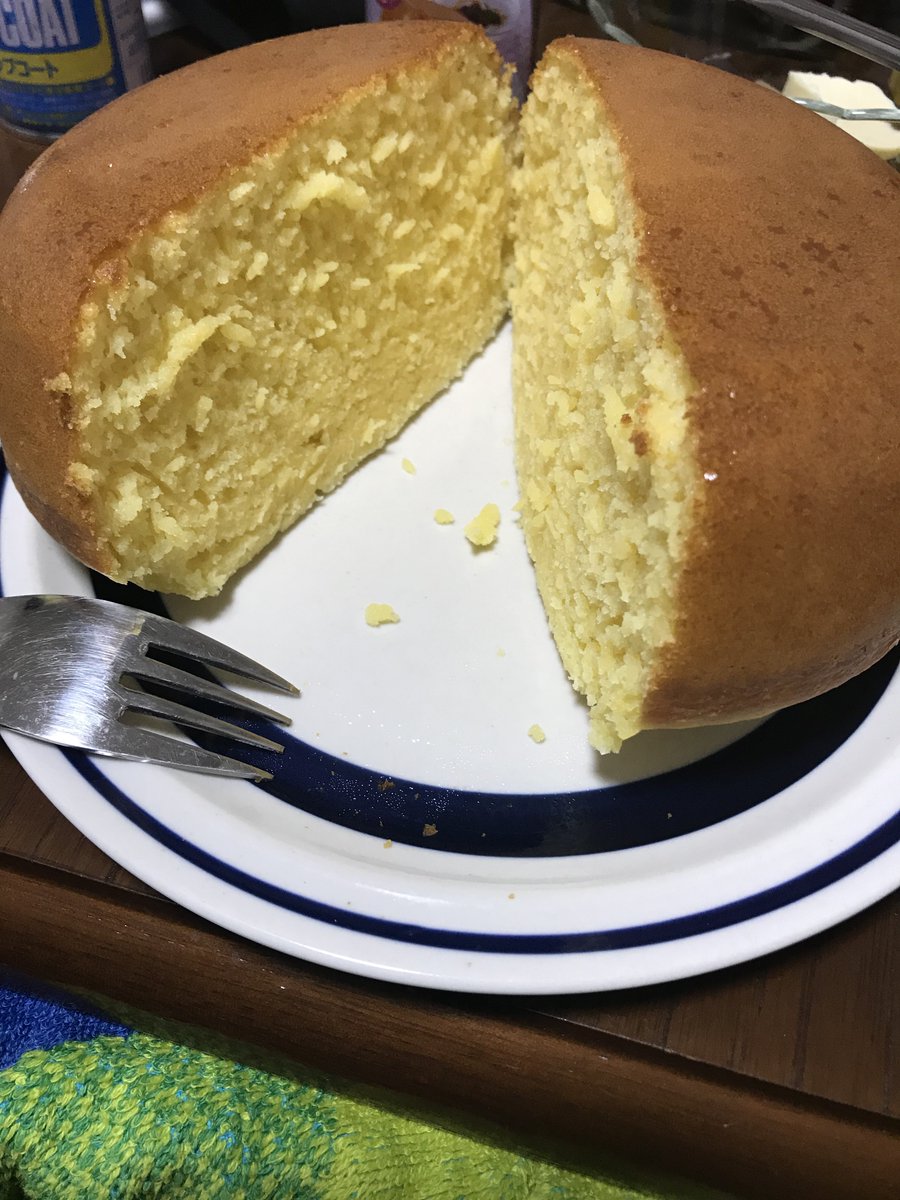
言語の壁が無くなった今こそ、炊飯器ホットケーキを広めるべきなのでは?
外側カリッと中はフワッとしてて材料入れてスイッチ押すだけで出来てお手軽だから俺は好きなんだよね〜😆
285

$EITHER is such a big play.
Upcoming weeks will be insane.
Wouldn’t fade just because market has been hard to trade and this sits at a high mc.
The targets I have for this coin make this entry (15m mc) look cheap as fuck.

I was able to build a custom virtual horse racing game with #EITHER in 1 prompt! Something that would have cost $50k and taken 6 months with a full dev team. Eitherway is changing the game one prompt at a time! No wonder @EitherwayAI is being labeled the $Virtual of Solana!
4
6
23
1,373
Rusty Moore retweeted

Mar 30
$EITHER: @EitherwayAI
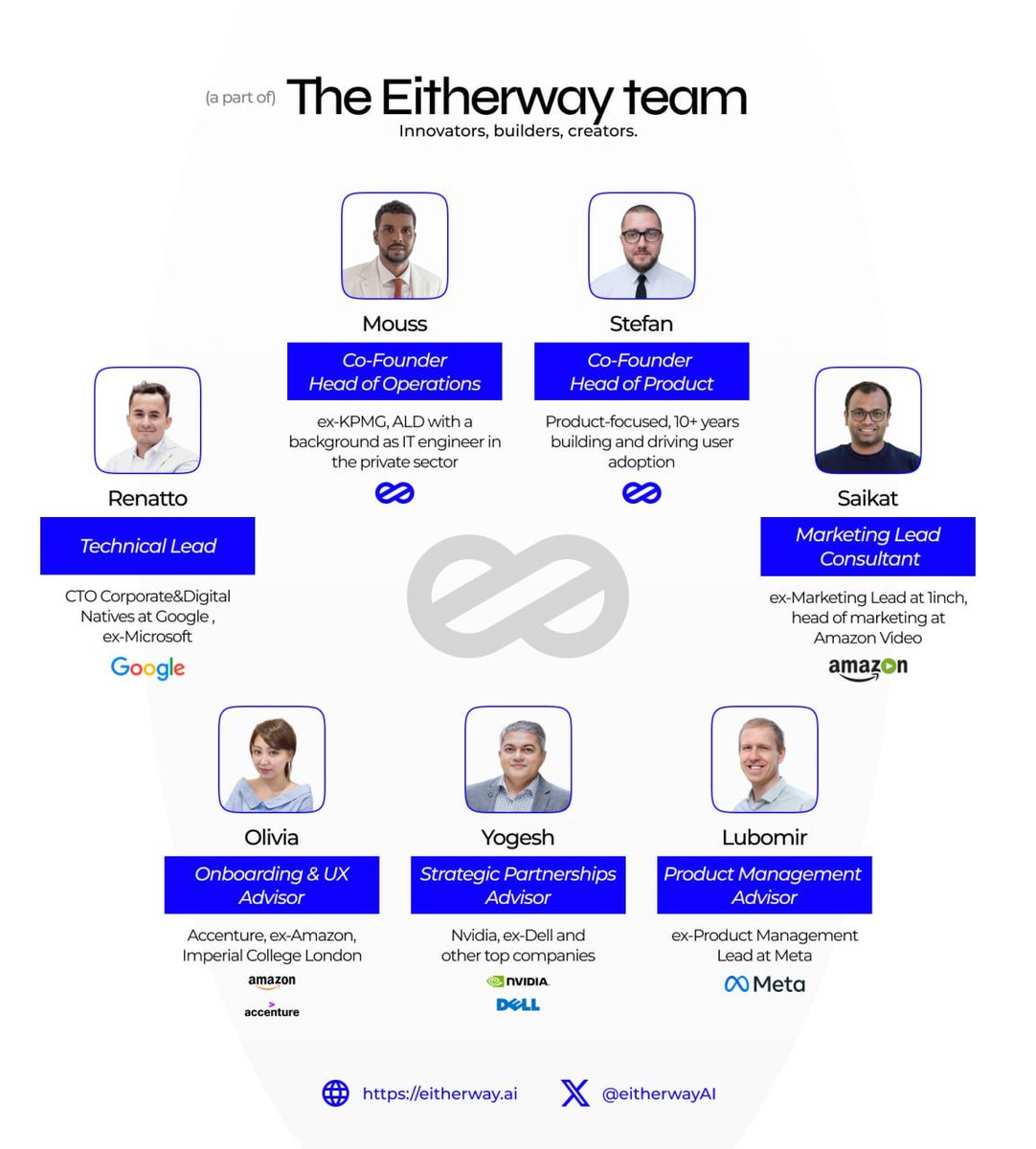
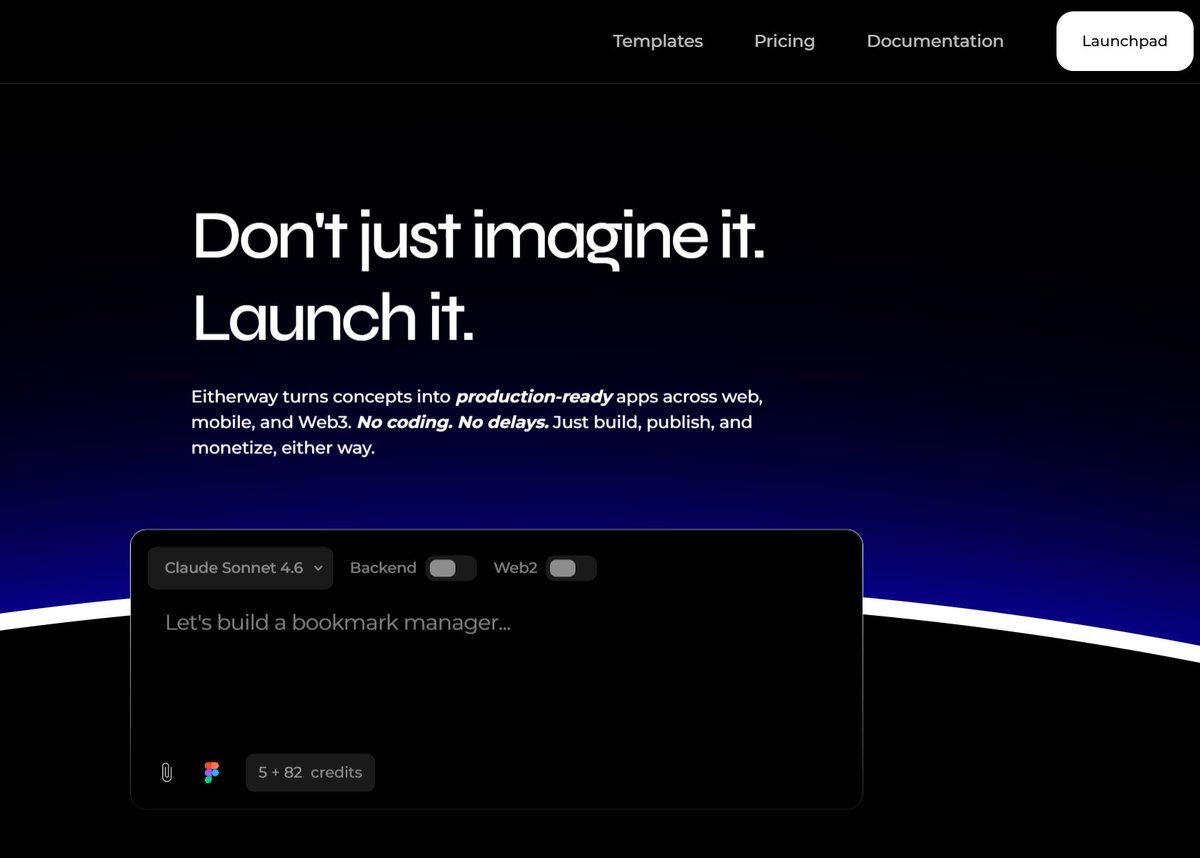
A team from Google, Amazon, Nvidia, Accenture, and 1inch is building a competitor to the major AI coding tools. Full Web2 capabilities, Web3 built in: wallets, crypto payments, and a launchpad to tokenize your idea with real utility and revenue from day one.
Eitherway fixes what happens after the code exists.
What Eitherway actually does:
> Full-stack app generation from natural language. Frontend, backend, databases, auth. Production-ready in one shot.
> One-click deployment to web, mobile, browser extensions, and dApps. No infrastructure setup.
> Stripe payments and Supabase backends integrated automatically. Real revenue from day one.
> Web3 native: wallet connect, smart contract compilation, SPL token creation, etc. All built in.
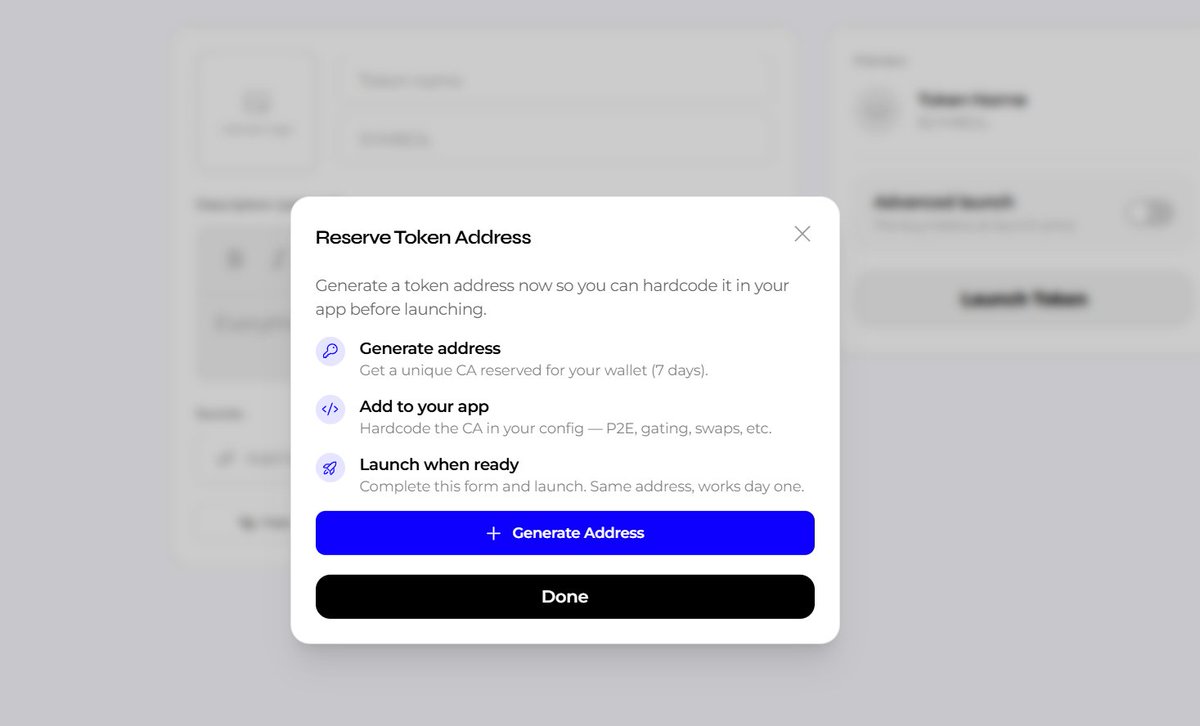
How the launchpad works:
> The Launchpad lets you launch your app with its own token paired to $EITHER via Meteora's Dynamic Bonding Curve. Zero upfront liquidity needed.
> Your app token trades on the bonding curve until it hits threshold
> Auto-migration to Meteora DAMM v2 pool
> LP tokens lock permanently. You earn trading fees on every swap. Forever.
> Built-in utility from launch: gate features, accept token payments, enable staking for revenue share etc
We’ve seen many launchpads come focused on meme coins and projects with zero utility. Tokens launched on Eitherway have real utility backed in from day 1.
The $EITHER flywheel
Every app token pairs exclusively with $EITHER. To participate in any launch, you need $EITHER first. When apps graduate, $EITHER gets locked in LPs permanently. Those locked positions keep earning fees.
More apps launched = more $EITHER locked.
Pay for subscriptions and credits with $EITHER and get a discount. Portions of platform revenue flow to buybacks. 20% of platform fees get burned.
An actual sustainable flywheel where usage on the platform supports the token through locked $EITHER, burns, and buybacks.
I was skeptical if a crypto team could actually compete with Lovable, Bolt, v0, etc. As soon as I was introduced to @EitherwayAI I realized this was something different. Eitherway matches their code gen. Then handles deployment, payments, tokenization, and liquidity.
It’s vibe coding for people who want to build something with real utility, tokenize it, and make money they got their own agent framework that they're working on. A key differential that no other competitors offer is their Web3 agent which handles fully end to end on chain execution on Solana and all other EVM compatible networks, Eitherway can one shot any web3 related apps from a simple prompt utilizing and simplifying premium Solana infrastructure for everyone.
Virtuals hit $3.3B enabling permissionless AI agent launches.@EitherwayAI applies the same model to actual applications. Games, tools, marketplaces, DeFi interfaces. Every vertical.
AI agents are one slice. Apps are everything.
Try it: eitherway.ai/chat
Docs: docs.eitherway.ai
26
32
86
19,308
Mar 30
I've been following Japanese accounts like crazy. The stuff being posted puts me in such a good mood.

1
143
Rusty Moore retweeted

Mar 30
I love this place ... So much love now 🤣🤣🤣

7
39
1,038
16,678
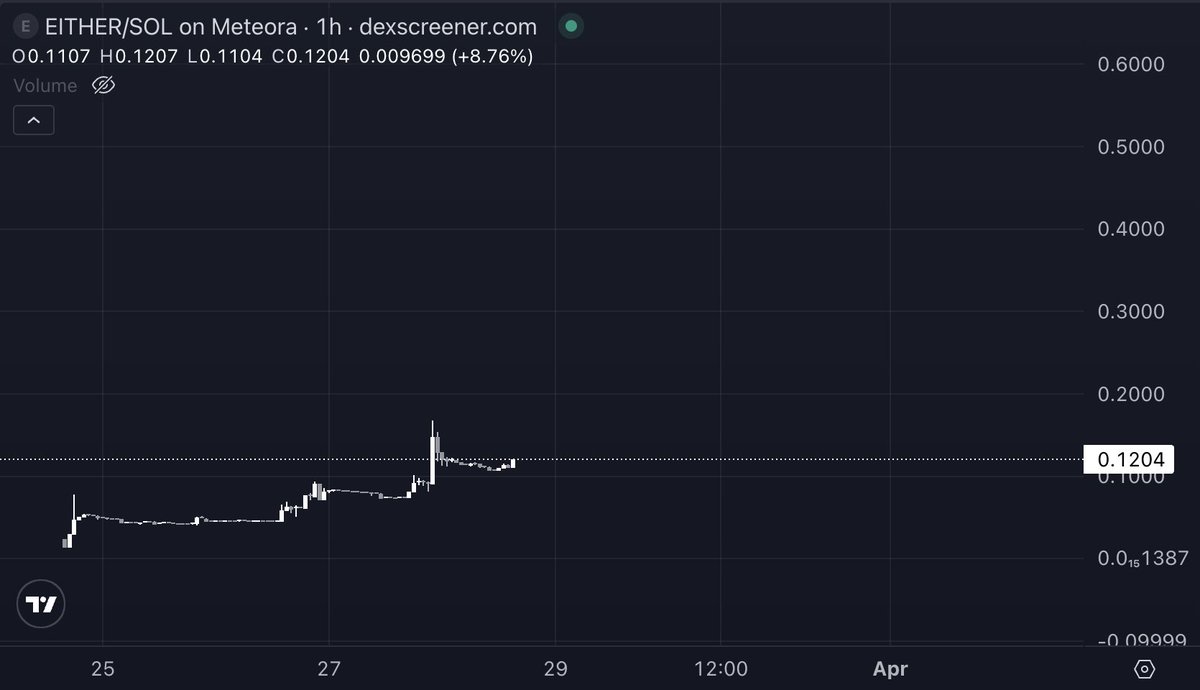
Shopify is valued at 152 billion
Virtuals is valued at 650 million
Eitherway is valued at only 12 million
$EITHER looks pretty undervalued here imo:
> The on-chain Shopify / The non-niched Virtuals
> Endorsed by @Solana and partnered with @MeteoraAG, @kamino, Pyth, @dflow, @wormhole and @solflare
> Doxxed team with top-people from Google, Microsoft, Amazon, NVIDIA, Meta, and 1inch

$EITHER is a bigger gem than people think. Been sizing hard into this at 10M mc.
(read this whole tweet please)
It's safe to say that Vibecoding is the new Dropshipping, and Eitherway allows you to vibecode/create an actual revenue generating business with a token super easy, all in one app.
I kinda see this as the Shopify of the Vibecoding era.
And Shopify is worth $152.8 billion fyi.
If you're like "yeah fun and all but I can vibecode an app on Claude too and deploy it myself", you should know Eitherway apps come pre-integrated with best-in-class infrastructure across every layer:
- Anthropic -> intelligence
- Supabase -> data layer
- Stripe -> payments
- Helius -> Solana infra
- Solflare -> wallet
- Netlify / Vercel / GitHub -> deployment
The same way Shopify removed the barrier to building a webshop, Eitherway removes the barrier to building on-chain. One prompt. Full-stack Web2 Web3 infrastructure. Fully deployed.
You can build a SaaS landing page, an E-commerce store, Mobile Apps, Websites, bots/tools, etc.
Basically anything.
And this is not a project by some undoxxed devs trying to farm the crypto space. The team is fully doxxed and has insane experience with people from Google, Amazon, Nvidia, Accenture, and 1inch.
On top of the tech being top notch, they built in an insane flywheel for $EITHER:
Fixed 100M supply. No inflation. No treasury games.
Multiple deflationary mechanisms:
> 10-20% burns on subs, credits & launchpad fees
> Marketplace burns on every tx
> Monthly buyback-and-lock (up to 35% of net revenue)
And every token launched via @EitherwayAI pairs with $EITHER (same model as $virtuals which is very bullish for the price of $EITHER) you can stake which unlocks tiers, credits & governance.
usage → burns → buybacks → staking → less supply.
All on-chain. All verifiable.
Also, Solana has retweeted/mentioned this project twice already, which shows me that these guys are more than legit.
There's even more to go over, but will do so in later posts. Recommend you to do your own DD and build your own conviction as well.
Am super bullish and think this could very well, even in this market.
(first target is 50M mc, but could get really silly quickly)
17
24
56
3,656
$EITHER is a bigger gem than people think. Been sizing hard into this at 10M mc.
(read this whole tweet please)
It's safe to say that Vibecoding is the new Dropshipping, and Eitherway allows you to vibecode/create an actual revenue generating business with a token super easy, all in one app.
I kinda see this as the Shopify of the Vibecoding era.
And Shopify is worth $152.8 billion fyi.
If you're like "yeah fun and all but I can vibecode an app on Claude too and deploy it myself", you should know Eitherway apps come pre-integrated with best-in-class infrastructure across every layer:
- Anthropic -> intelligence
- Supabase -> data layer
- Stripe -> payments
- Helius -> Solana infra
- Solflare -> wallet
- Netlify / Vercel / GitHub -> deployment
The same way Shopify removed the barrier to building a webshop, Eitherway removes the barrier to building on-chain. One prompt. Full-stack Web2 Web3 infrastructure. Fully deployed.
You can build a SaaS landing page, an E-commerce store, Mobile Apps, Websites, bots/tools, etc.
Basically anything.
And this is not a project by some undoxxed devs trying to farm the crypto space. The team is fully doxxed and has insane experience with people from Google, Amazon, Nvidia, Accenture, and 1inch.
On top of the tech being top notch, they built in an insane flywheel for $EITHER:
Fixed 100M supply. No inflation. No treasury games.
Multiple deflationary mechanisms:
> 10-20% burns on subs, credits & launchpad fees
> Marketplace burns on every tx
> Monthly buyback-and-lock (up to 35% of net revenue)
And every token launched via @EitherwayAI pairs with $EITHER (same model as $virtuals which is very bullish for the price of $EITHER) you can stake which unlocks tiers, credits & governance.
usage → burns → buybacks → staking → less supply.
All on-chain. All verifiable.
Also, Solana has retweeted/mentioned this project twice already, which shows me that these guys are more than legit.
There's even more to go over, but will do so in later posts. Recommend you to do your own DD and build your own conviction as well.
Am super bullish and think this could very well, even in this market.
(first target is 50M mc, but could get really silly quickly)
16
18
67
22,061

The debate is officially over. ⛏️🧱
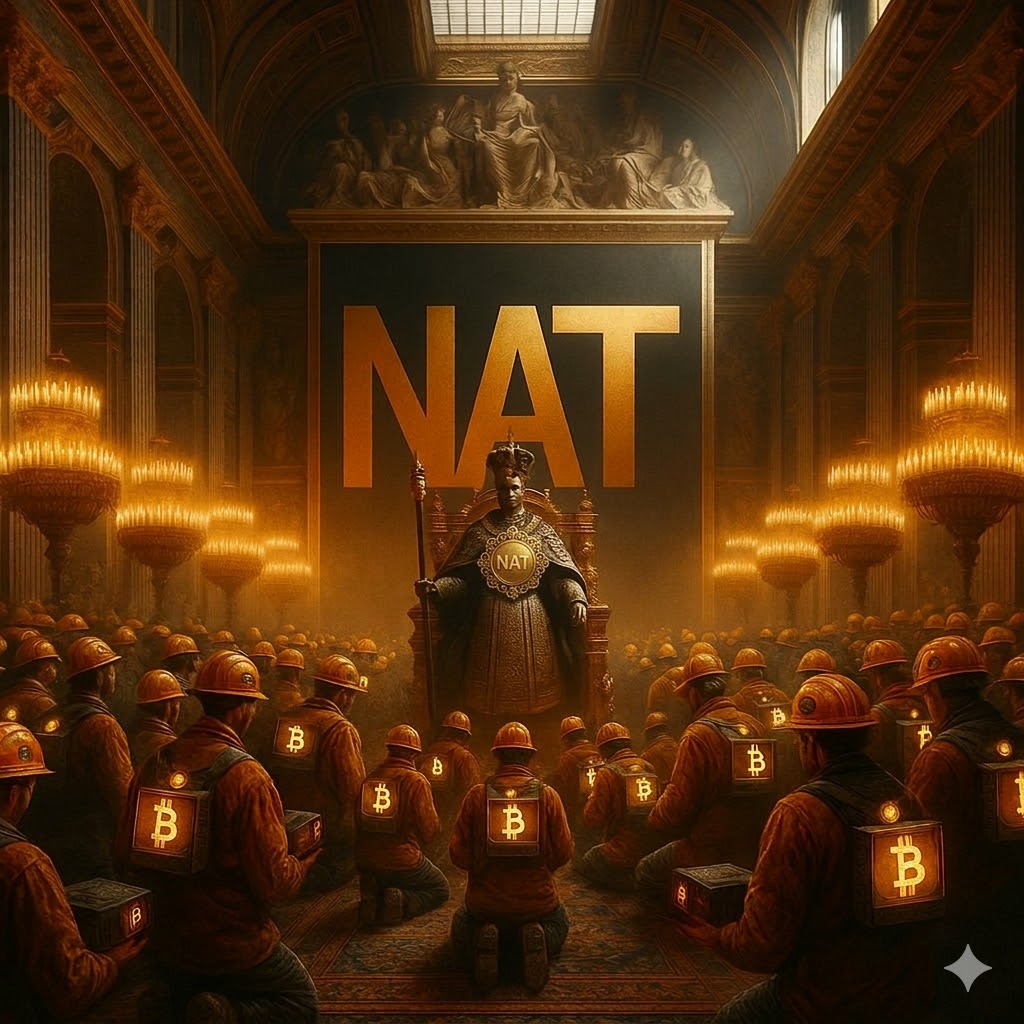
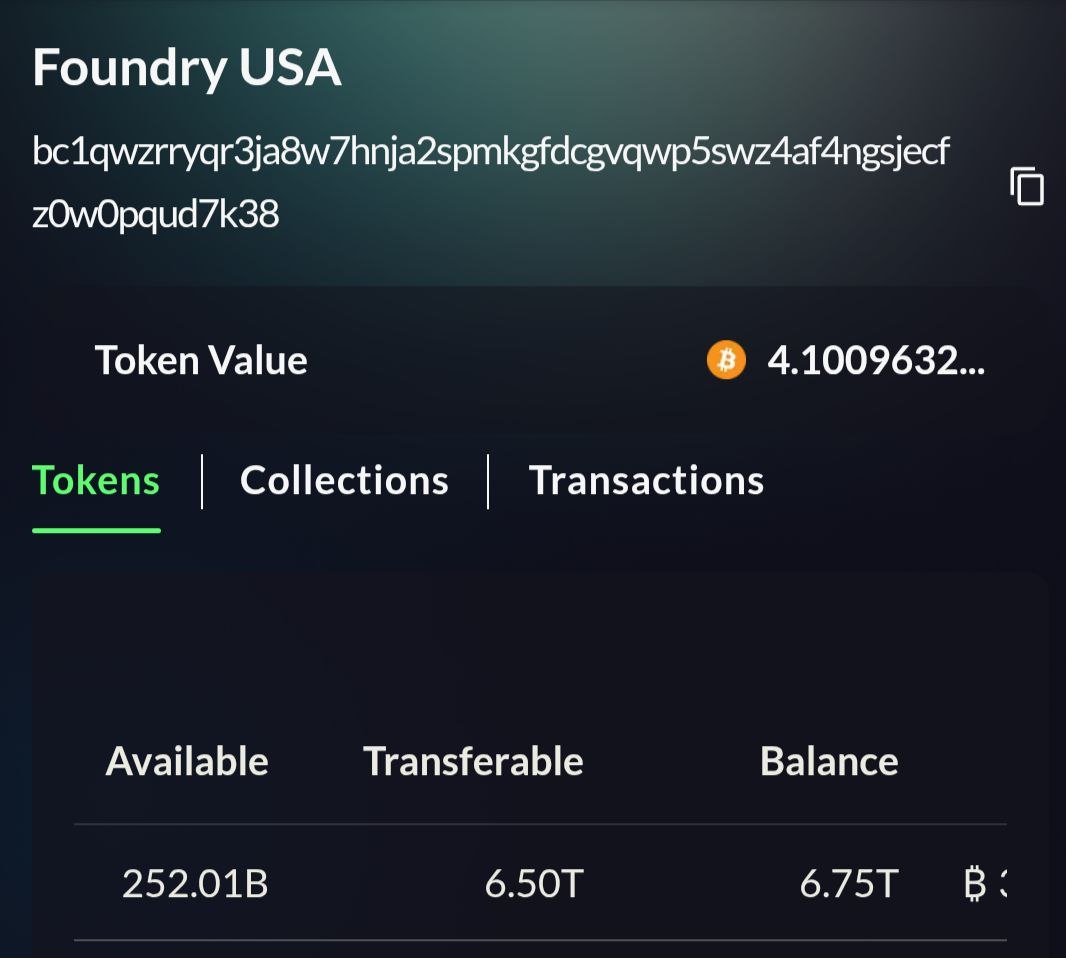
@FoundryServices USA - the largest mining pool on the planet - has officially interacted with the Tap Protocol to make 6.5 Trillion $NAT transferable to their hash contributors.
The "Second Subsidy" is no longer just a narrative. It is the active, regulated, and compliant economic baseline for the physical infrastructure of Bitcoin.
Wall Street bought paper. The miners adopted $NAT.
Math > Marketing. The anchor is set. ⚓️🟧

全球最大矿池 FoundryUSA 疑似与Tap Protocol完成交互,即将移动 $NAT 。FoundryUSA作为受监管合规矿池来说,没有任何条件允许它私卖 $NAT ,除了分发给贡献算力的客户(美股上市矿企为主),别无选择。
7
60
166
6,980