
jon@flashreport.org. RT ≠ agreement. Publisher of the FlashReport Website in CA Politics since 2005. I write a lot on CA at sodoesitmatter.com
Joined May 2009
- Tweets 59,681
- Following 2,790
- Followers 12,330
- Likes 11,886
2,758 Photos and videos




Jon Fleischman retweeted

15h
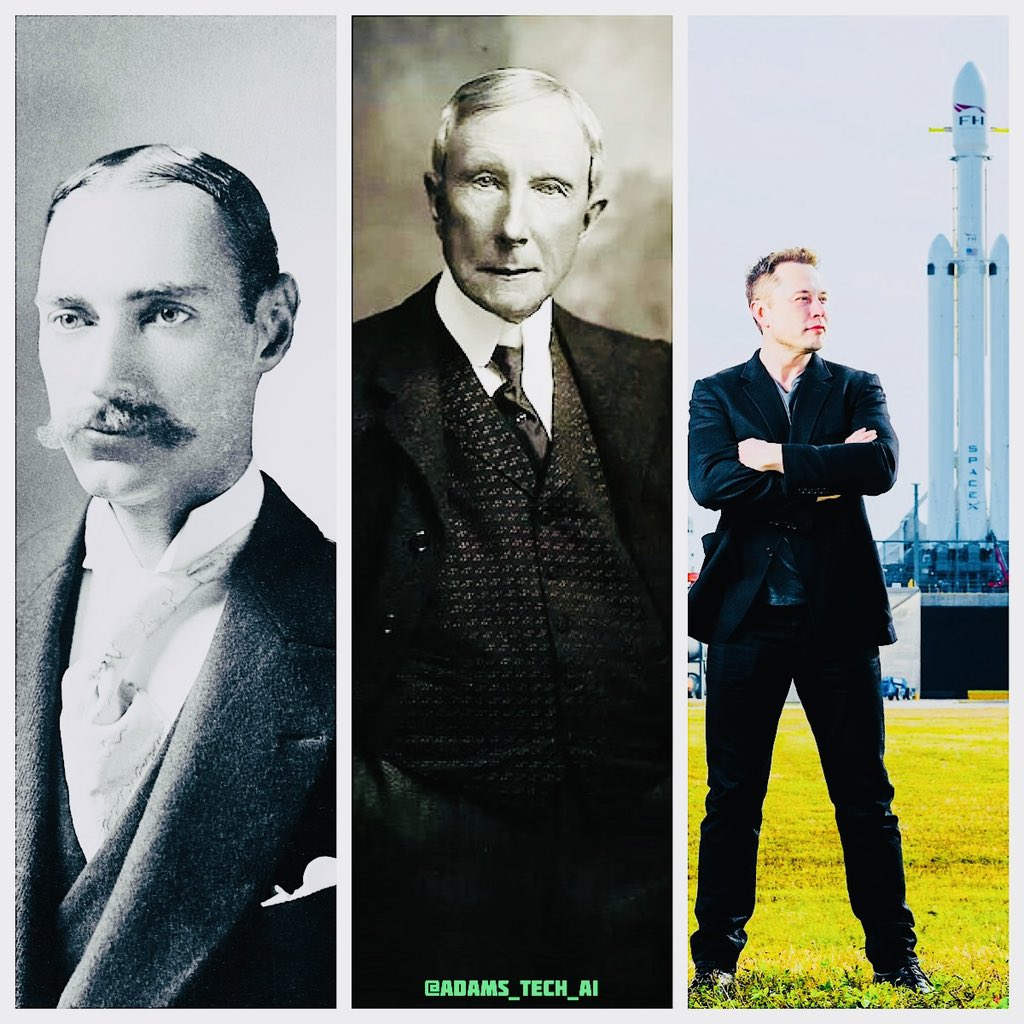
First Millionaire: John Astor (1800s)
First Billionaire: John D. Rockefeller (1916)
First Trillionaire: Elon Musk (2026)
75
514
2,746
43,437

Democrats have spent weeks attacking the health care provisions in the One Big Beautiful Bill as draconian cuts. But a closer look reveals something far less dramatic: a series of reasonable reforms designed to ensure that public assistance is directed toward those who truly need it.
The bill does not cut Medicare benefits for seniors. It does not eliminate Medicaid. It does not throw disabled Americans off their health coverage. Instead, it asks able-bodied adults receiving Medicaid through the Obamacare expansion to meet basic work, education, training, or volunteer requirements. Most Americans already do these things as a normal part of life.
The legislation also requires more frequent eligibility verification to reduce waste, fraud, and abuse. That is hardly radical. Every taxpayer-funded program should ensure that recipients remain eligible for benefits.
Democrats also object to modest cost-sharing requirements and changes to financing mechanisms that states have used to maximize federal Medicaid dollars. Yet taxpayers have a legitimate interest in ensuring that public programs operate efficiently and sustainably.
What opponents call “health care cuts” are, in many cases, efforts to restore accountability and focus Medicaid on its core mission: serving low-income families, the disabled, the elderly, and other vulnerable populations. The real debate is not whether health care should exist, but whether government programs should have reasonable rules. Most Americans would likely answer yes.
1
90
I’m not a fan at all of a UFC fight at the White House. In my personal opinion it cheapens this important national landmark. That said, no one asked me before doing it. Go figure.
1
3
219
Jon Fleischman retweeted

He’d have to sell $50 billion of stock, tanking the price, destroying wealth for millions of investors, workers and union pensioners, plus discouraging future investment in new companies and ideas. And your party would just waste & steal the money anyway, then come demanding more

A 5% tax on Elon’s net worth would fund every community health center in America for the next 26 years.
I’ll say it again. Tax the rich.
43
160
850
16,694
Jon Fleischman retweeted

The Knicks won a championship and NYC immediately turned into GTA
123
252
1,591
48,329
This.

More spending doesn’t equal better results—California has proved that.
Roughly $400 BILLION in FRAUD, WASTE, and ABUSE over the past 5 years—tackling that is the starting point.
Cut out the waste, reduce spending, and cut taxes. ☀️ @CNN @kaitlancollins
1
5
209
Jon Fleischman retweeted

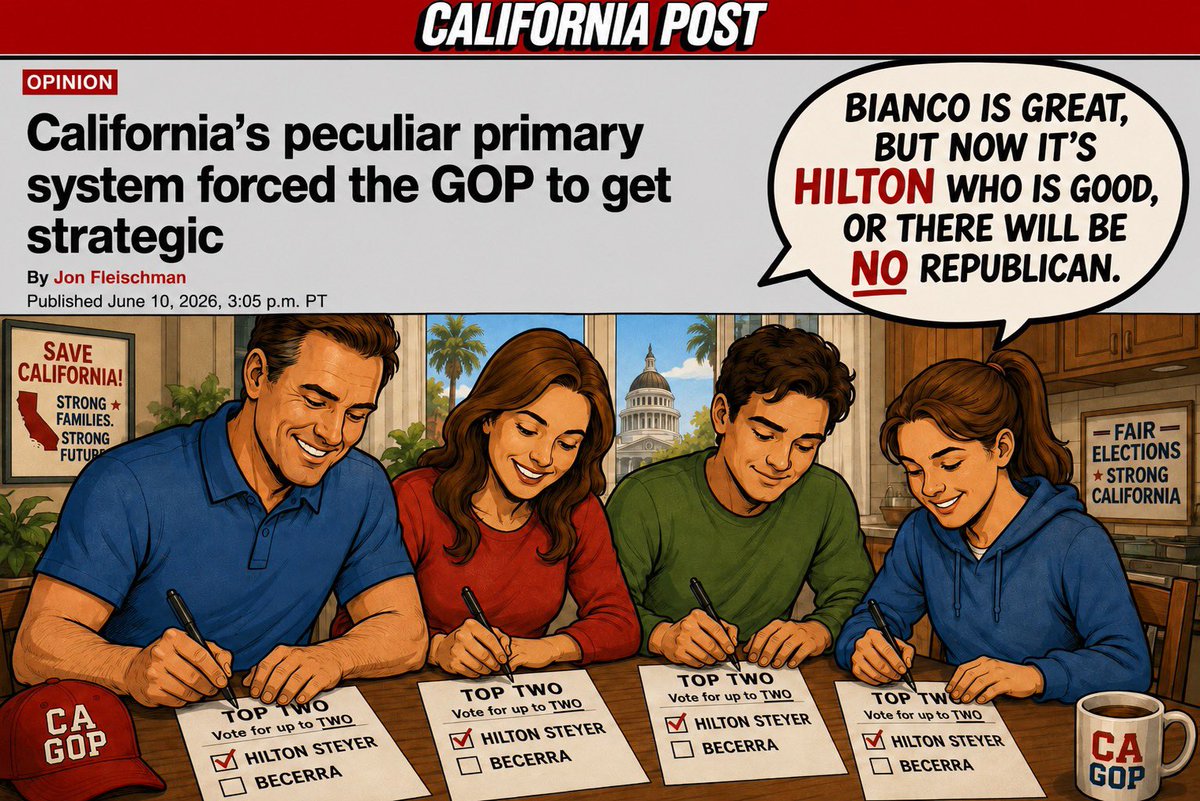
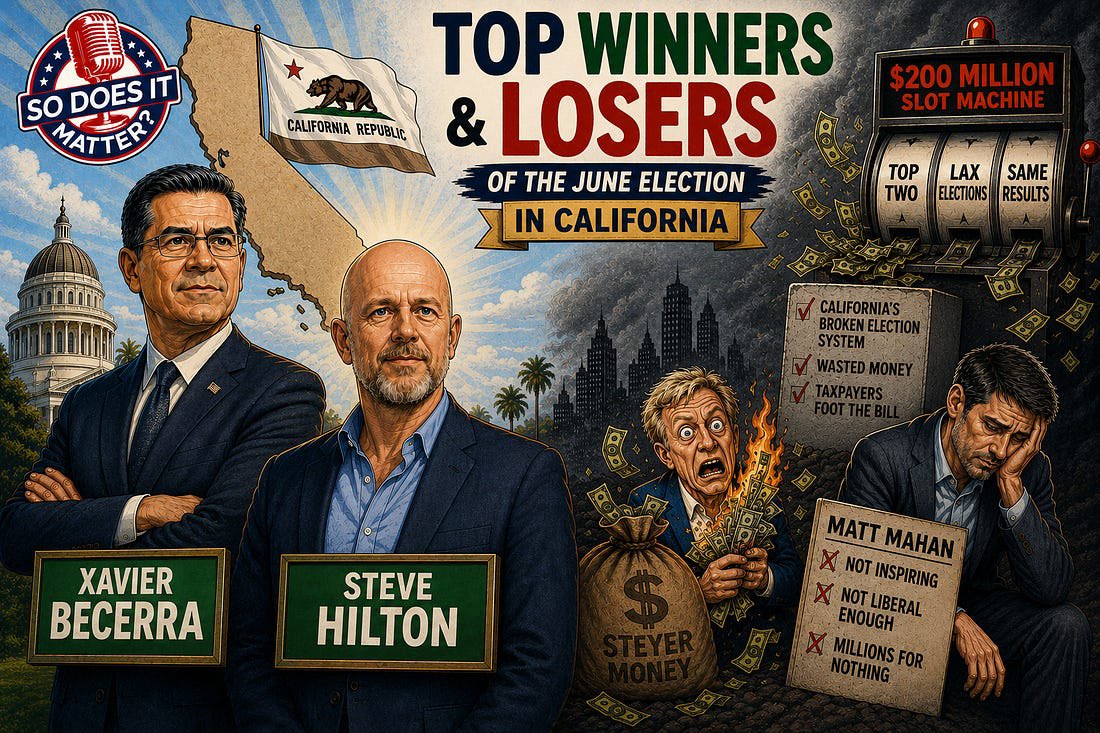
Is this the reason Tom Steyer spent $216 million trying to become governor? New column: ocregister.com/2026/06/13/th…
6
14
58
2,800
Jon Fleischman retweeted
If I cure cancer I will get very rich. And a bunch of people on this site will apparently find my sudden wealth outrageous.
422
117
2,491
143,230
Public employee unions have created vast numbers of millionaires. But these government jobs are not due to wealth creation. Public sector jobs come from taxing and spending.
1
4
175
Jon Fleischman retweeted

I’m concerned that not a single person we’ve elected to national public office can do math, or, it seems, knows how much *they themselves spend* on anything.
Like, not everyone gets stocks, I understand that. But this isn’t even remotely correct.
A 5% tax on Elon’s net worth would fund every community health center in America for the next 26 years.
I’ll say it again. Tax the rich.
37
117
766
37,198

Jon Fleischman retweeted

Jun 12
“It’s war.”
This energy ❤️🔥
48
168
1,117
13,058
Jon Fleischman retweeted

Jun 12
The deliberate inability of people to understand — on the day of SpaceX’s IPO no less — that Musk doesn’t actually have $1 trillion in cash to be grabbed by the revenuers and redistributors is kind of amazing.
330
549
5,519
179,079
Jon Fleischman retweeted

Jun 13
Julius Caesar knife block.

767
7,035
74,512
2,130,421
Jon Fleischman retweeted

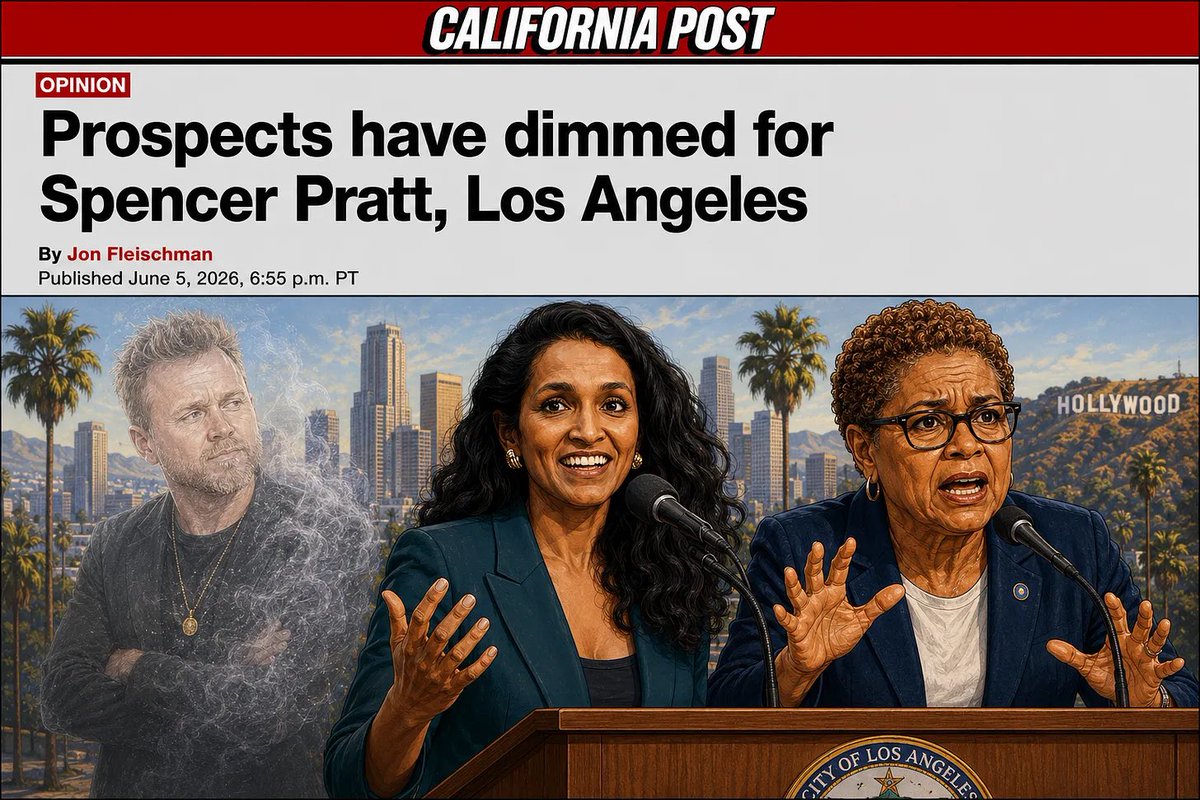
John is ready for the Westside of LA & West San Fernando Valley to secede from LA. He also said that @spencerpratt is right that LA is going to be worse off now that @mayorofla Karen Bass & @nithyaforthecity are the finalists for Mayor of LA in the November election! @KFIAM640
11
67
301
7,061
So let’s be clear. @elonmusk has not taken anyone else’s wealth, he has created wealth where it does not exist. So many people have benefitted from what he has built, directly and indirectly. But progressives would blow him up and others like him. Until they realize one day that government cannot create wealth, and they have banished the Golden Geese.
3
7
636
The leftists running California really need to read Atlas Shrugged by Ayn Rand. They literally are trying to chase our wealth creators out of our society. Be careful what you ask for.
3
7
234
Jun 13

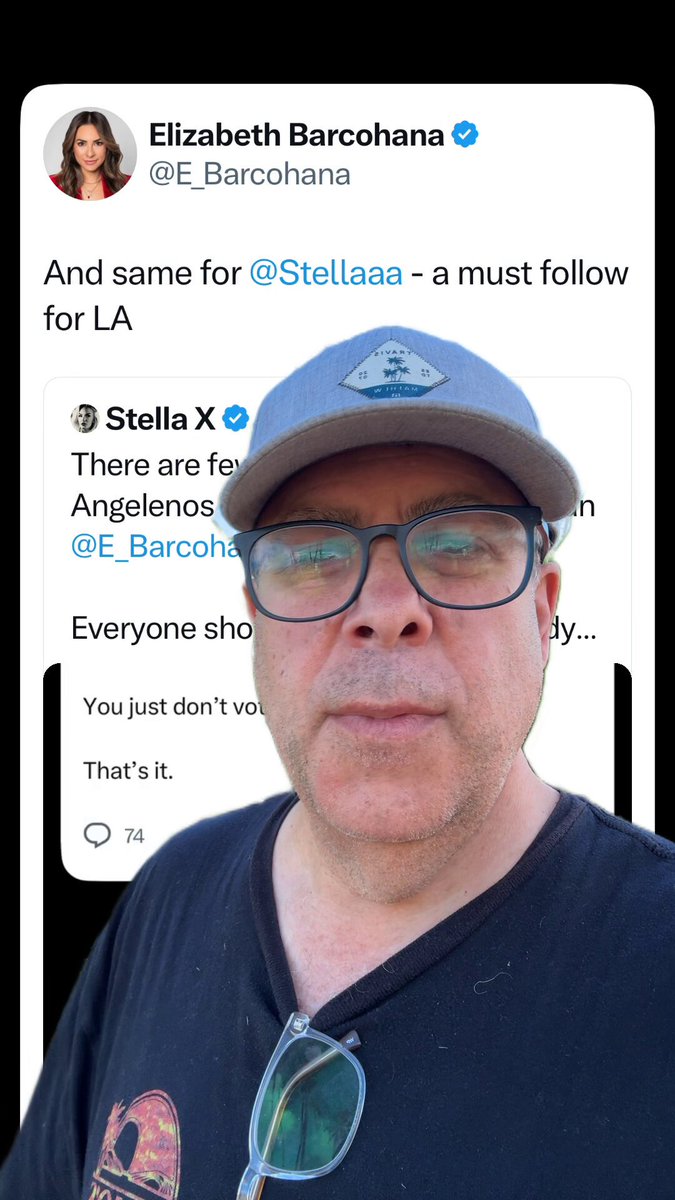
And same for @Stellaaa - a must follow for LA
3
1
11
966
Jon Fleischman retweeted

Jun 12
SpaceX is now worth more than Canada
999
4,482
51,383
684,298
Jun 12

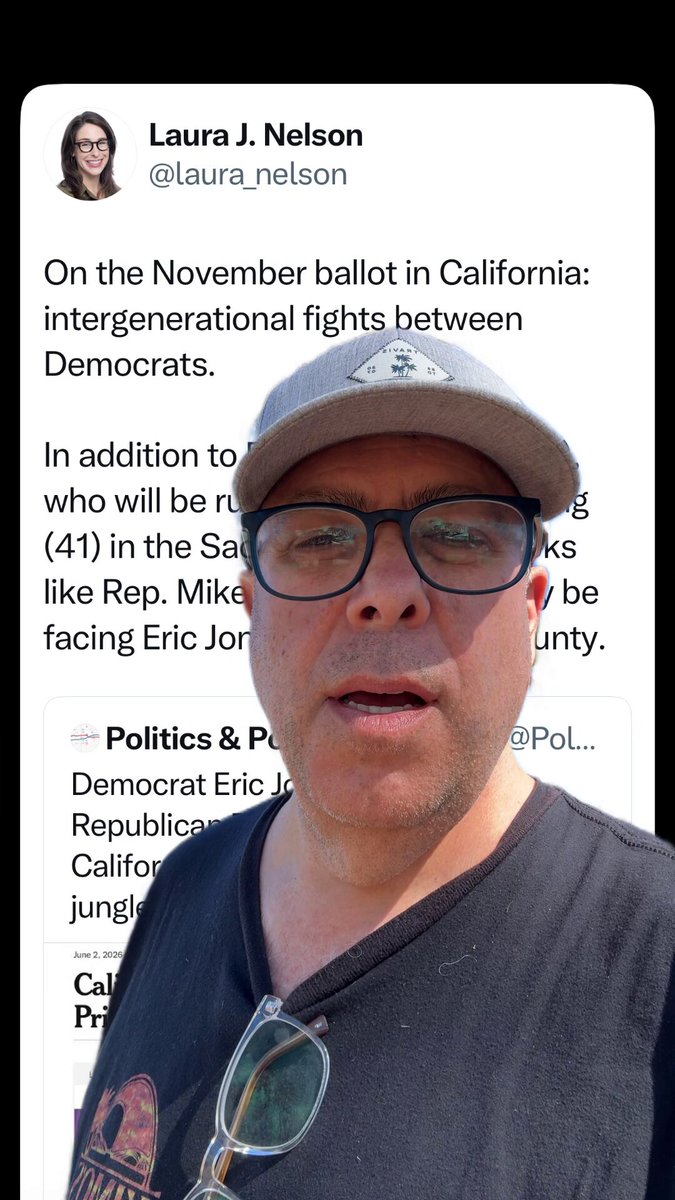
On the November ballot in California: intergenerational fights between Democrats.
In addition to Rep. Doris Matsui (81), who will be running against Mai Vang (41) in the Sacramento area, it looks like Rep. Mike Thompson (75) may be facing Eric Jones (35) in Napa County.
1
186