
Europe’s future depends on our forests 🌳 🇪🇺 Join us in knowledge sharing on EU-related forestry topics. Initiated by FAM. Swedish: @Skogsnaring
Joined April 2022
- Tweets 875
- Following 2,387
- Followers 1,524
- Likes 2,598
140 Photos and videos


Pinned Tweet
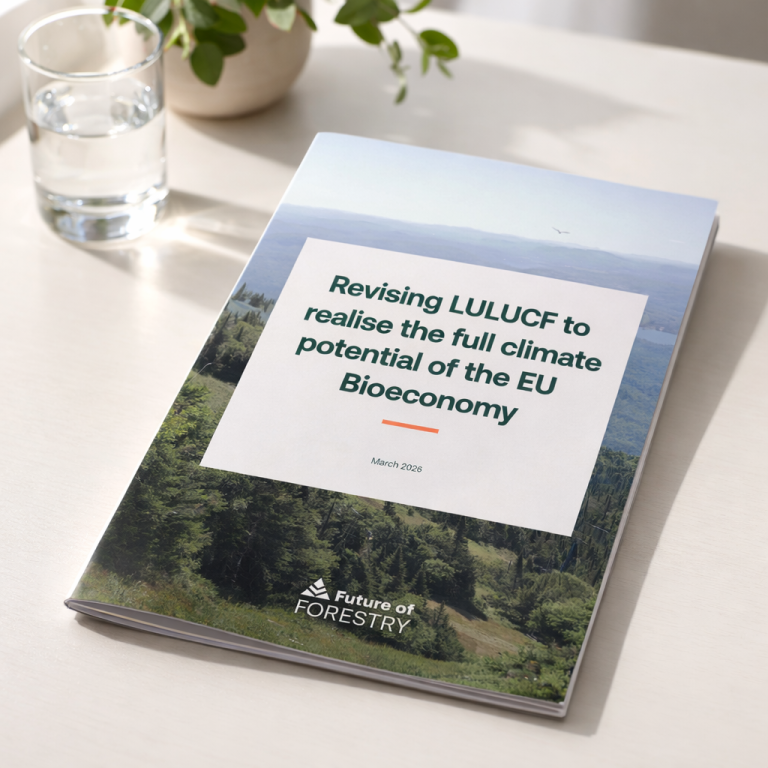
📢 NEW REPORT: Revising LULUCF to realise the full climate potential of the EU Bioeconomy.
Get the full report to learn more about the proposed policy changes and the role of the EU bioeconomy in the climate transition:
futureforestry.se/new-report…
2
124
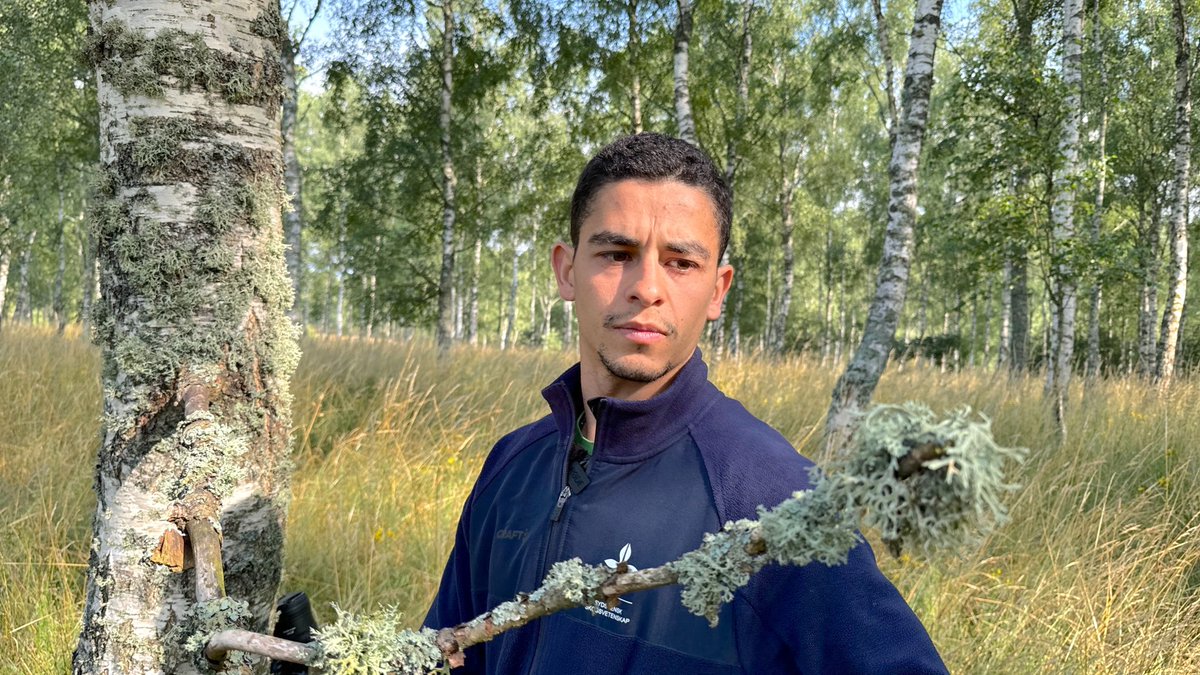
Can production forests also support biodiversity? 🌿
A new study shows that fast-growing broadleaved trees may have more biodiversity value than previously thought-especially for lichens. This could be important for sustainable forestry in #EUForests.
slu.se/en/news/2026/05/liche…
ALT Lichens are used as indicators of biodiversity in forest ecosystems
45
It starts small, with a bowl or a cup, but it has a big impact.
Favouring a substitution-friendly EU policies will give fibre-based products and innovations the extra push they need to deliver new solutions to the climate challenge with #EUForests.
More: futureforestry.se/substituti…
60
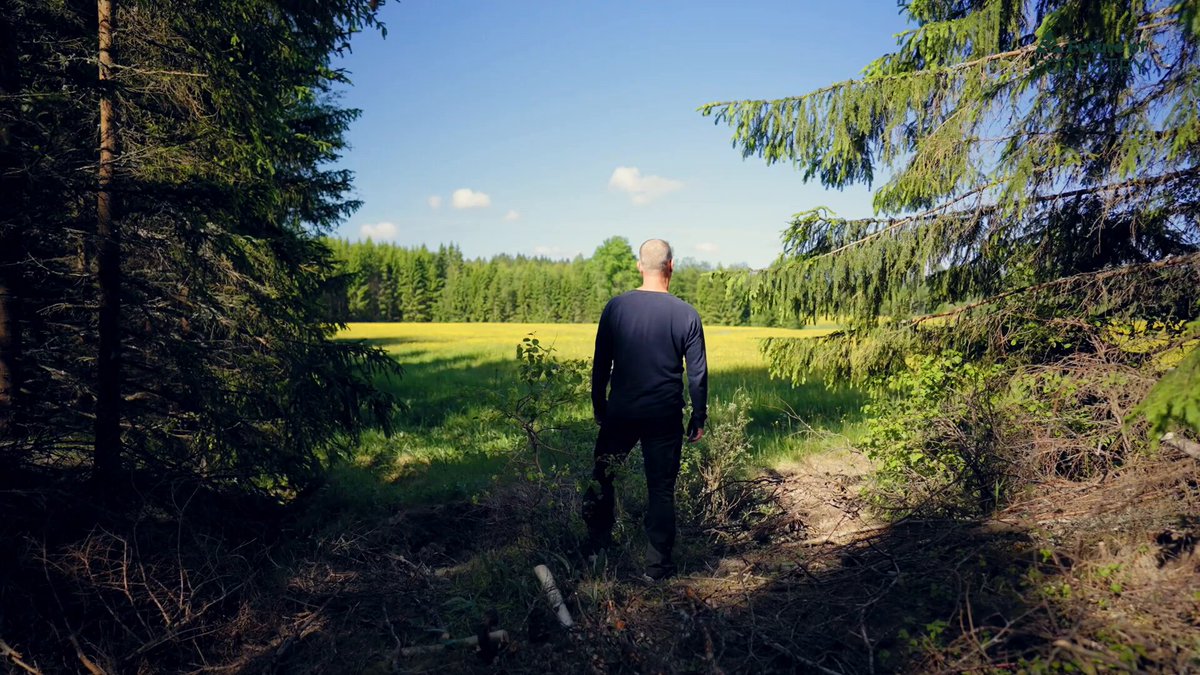
Small-scale family forestry is the backbone of European forests.
Fredrik Johansson is just one of 16 million forest owners in the EU, the majority being rural family forest owners who provide an abundance of valuable assets to society.
#EUForests #NordicForestSummit2026
89
Let's celebrate some of the positive developments made in #EUForests forests since 1990:
🌳 11% Forest area ( 16 million ha)
🌰 6,7% Naturally regenerating forests (6,9 million ha)
🪵 40% Carbon stock in biomass ( 3,1 Gt)
🌱 39% Forest growing stock ( 7,8 billion m3)
💧 33% Forests protected for water and soil (2,6 million ha)
🐛 376% Forests protected for biodiversity conservation (15,1 million ha)
Source: FAO fra-data.fao.org/assessments…
3
80
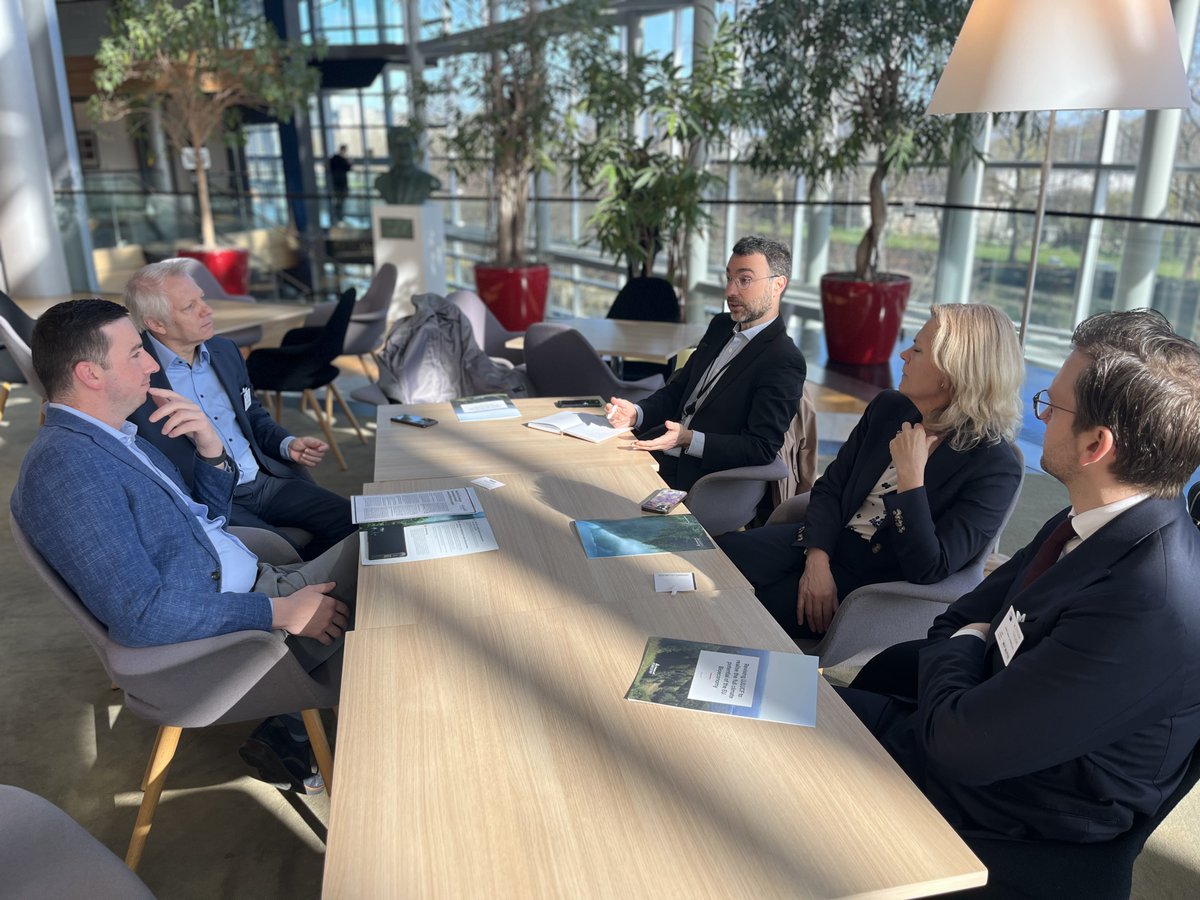
🚀🌱 This week, the European Forest Coalition had a series of highly constructive meetings in the European Parliament, addressing key issues for Europe’s future and #EUForests: #LULUCF, #EUBioeconomyStrategy, and #EUEnvironmentalOmnibus.
2
1
2
152
Forests and #forestbased products help lower European emissions. This is how👇
🌳 Wood is turned into products that replace fossil-based products and fossil intense processes.
♻️ This saves 390m tons of CO2eq annually – equal to the emissions of 50m people #substitioneffect
1
2
2
135
🟢 By 2050, the forestry sector has the potential to contribute to further reducing carbon dioxide emissions by at least 171 million tons. In total, forest-based raw materials can take us about a quarter of the way to #netzero in 2050.
1
39
🇪🇺 All this happens while the carbon stocks in #EUForests are increasing. Between 1990 and 2020 stocks rose by 48% and forest area grew by almost 10%. Forests now cover 39% of Europe. More: futureforestry.se/the-forest…
15
"Climate action is not about saving the bees and the trees" says @WBHoekstra, Commissioner for Climate, Net-Zero and Clean Growth.
"It’s a strategic move to mitigate the damage climate change is doing to our economies, make us more competitive and independent."
Source: linkedin.com/posts/wopke-hoe…
1
74
Wood can be used for almost anything. Still, political targets focus almost exclusively on increasing the carbon sink, which reduces the supply of products from the forest. WHY IS THAT? 🤔
#EUforests #LULUCF #woodpolicy #carbonsink #bioeconomy #substitutioneffect #policyimpact
1
2
5
340

23 Dec 2025
In 2025, we saw a number of EU initiatives and legislative revisions impacting the bioeconomy, including the forest sector, making the goals clearer and the rules simpler. Most notably the Clean Industrial Deal, EU Climate Law, Bioeconomy Strategy, and a much-needed revision and postponement of the EUDR package.
1
50
23 Dec 2025
The European Forest Coalition welcomes the @EU_Commission's ambition and strong commitment to the #bioeconomy, recognizing and elevating the forestry sector as a driver in the union’s shift towards a #biobased economy, not only when it comes to the supply of biomass but also in terms of #competitiveness, strategic self-sufficiency and job creation.
1
39
23 Dec 2025
European forests are expanding in both area and wood volume. Active sustainable forest management boosts the bioeconomy, supports the transition away from fossil raw materials, and reduces import reliance. Increased biomass supply, achieved through sustainable forest management, will be essential in the transition away from the fossil economy of the past and into an economy powered by nature.
35
19 Dec 2025
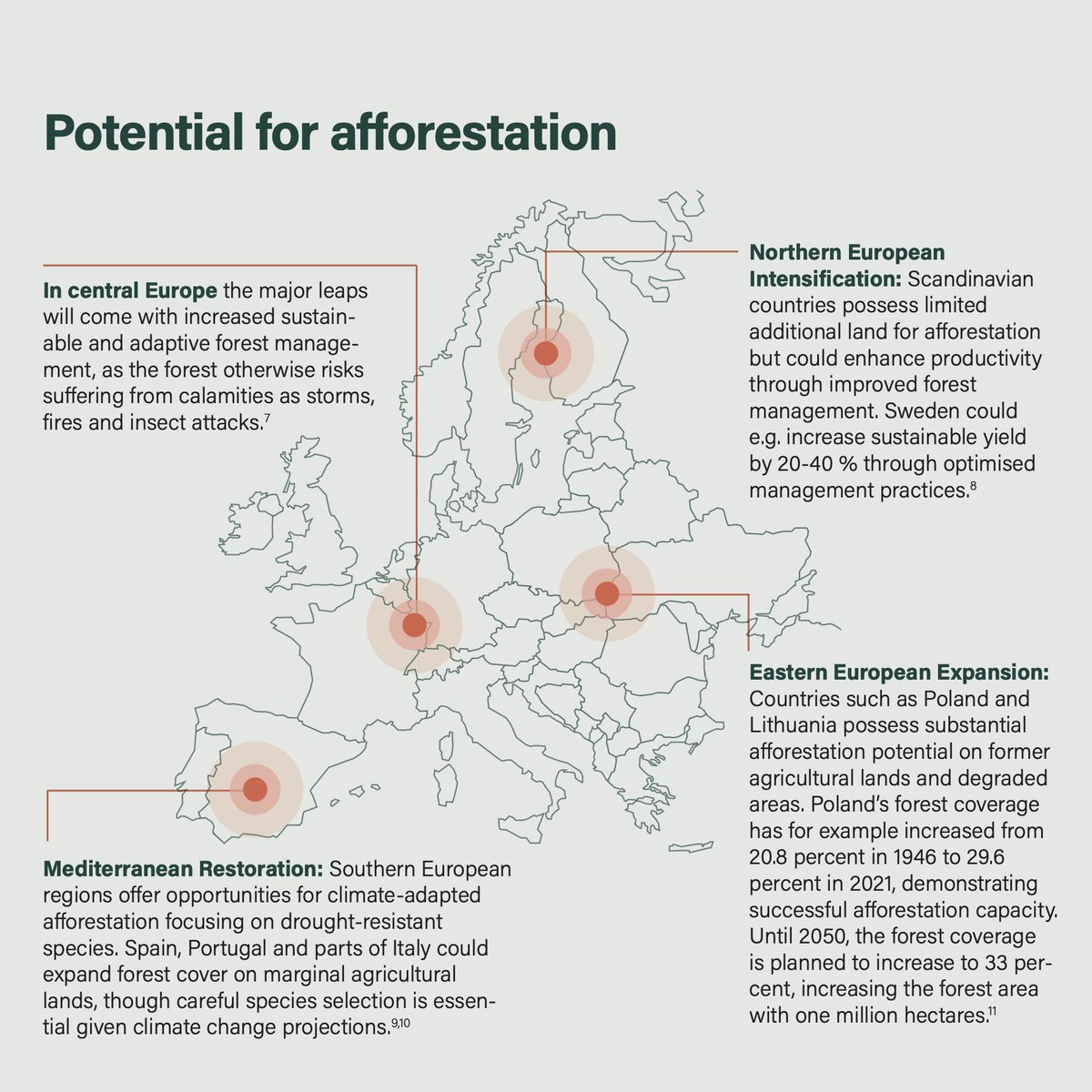
Can we grow more trees in Europe? And if so, where?
Afforestation potential varies by region, climate zone, land availability, but Spain, Romania, France and Italy offer notable opportunities. In total, 10 to 20 million hectares of EU land could be used for afforestation.
1
37
19 Dec 2025
Turning former agricultural lands into forest land is another approach. The European Commission has approved state aid to convert approximately 10% of Denmark's total land area into forest and nature by 2045. 🇪🇺🇩🇰👏
1
1
21
19 Dec 2025
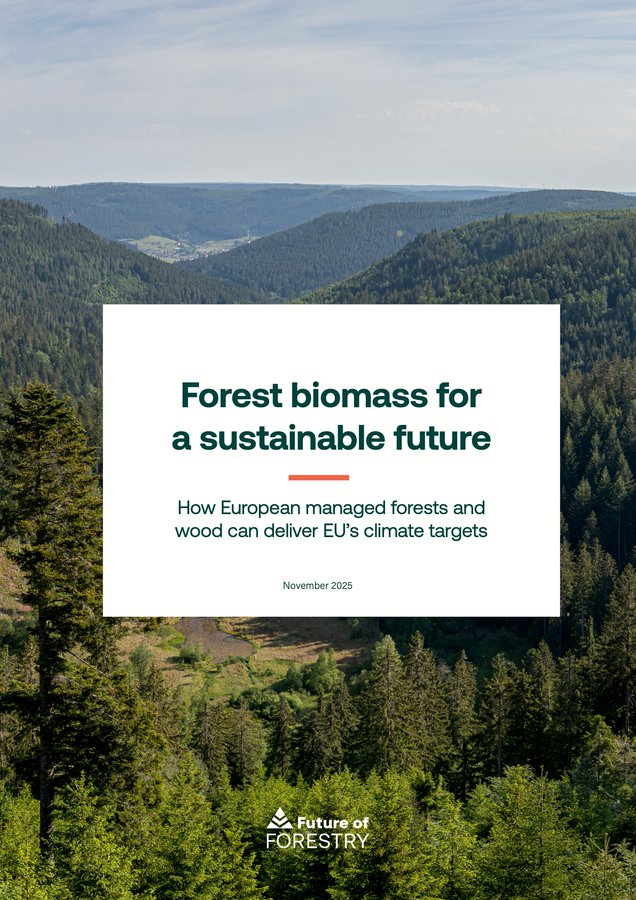
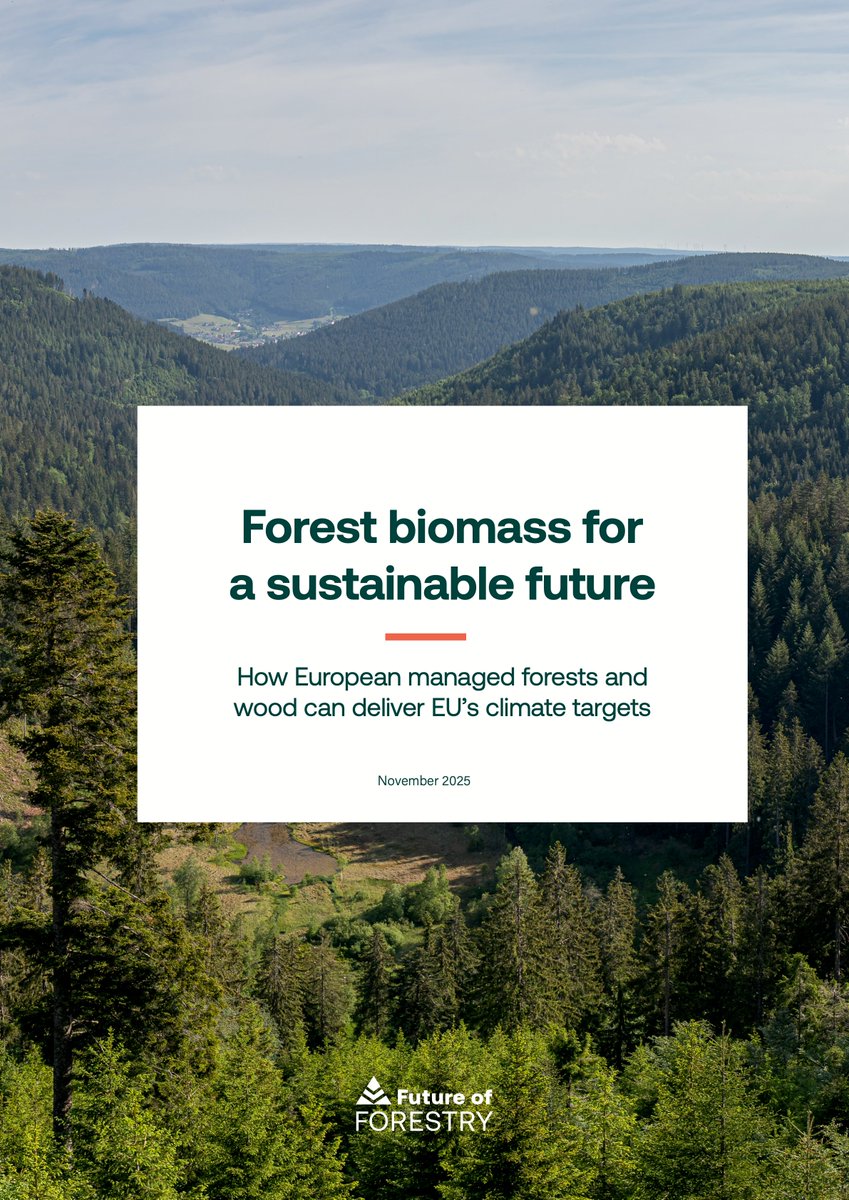
More on afforestation and how European managed forests and wood can deliver EU’s climate targets: futureforestry.se/forest-bio…
#EUForests #ClimateAction #3BillionTrees #HorizonEU #afforestation #reforestation #treeplanting #GrowTheSolution #bioeconomy
33
28 Nov 2025
“Europe is rich on ideas, but slow on deployment”, said @JessikaRoswall as she presented the new #EUBioeconomyStrategy aiming to scale-up #biobased products.💡🌱♻️
However, the value chains associated with many bio-based solutions depend on bio-based raw materials, such as #EUforests 🌲🌳🪵
1
277
28 Nov 2025
It’s encouraging that the @EU_Commission emphasizes the need to secure the supply of sustainable #biomass. By doing just that, the European Forest sector serves an increasingly more important role in maintaining European self-sufficiency and powering green growth within the EU bioeconomy.
1
24
28 Nov 2025
More on forest biomass as a strategic asset for Europe (PDF report): lnkd.in/dwt6ibmT
More on EU The Bioeconomy Strategy: lnkd.in/evNEY8ui
17