
Joined April 2021
- Tweets 1,012
- Following 1,823
- Followers 1,583
- Likes 4,341
125 Photos and videos



Pinned Tweet

Apr 21
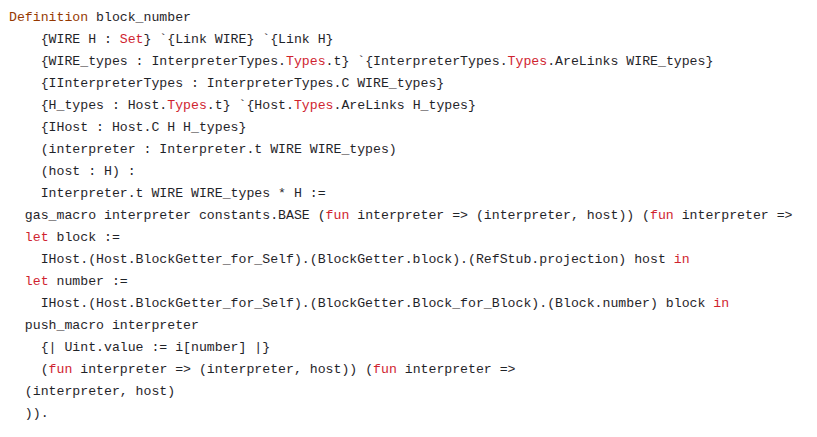
👉 We secure your critical code using Formal Verification, to make sure even recent AI attacks cannot get through
👉 We educate around FV to make this technology available to everyone (presentations, posts)
👉 We verify code at the source level (most precise) using interactive provers (Rocq, most expressive)
Projects made:
- "rocq-of-rust" to verify optimized Rust code; Revm verification (grant from @ethereumfndn)
- "rocq-of-solidity" to verify Solidity code, at the Yul level
- "Garden" framework to verify ZK circuits (grant from @ethereumfndn)
- FV of part of the Tezos nodes (100,000 lines of OCaml, around 20% covered)
- "Excalead" for lightweight verification of Solana code with AI
8
1,140
Jun 13
The ban of Fable is a strong reminder that, in software, the moat is security.
2
167
Jun 11
Formal verification is spreading like fire 🔥 both in the Ethereum and Solana communities!
2
7
160
Jun 11
How is AI changing formal verification?
It drastically reduces the cost of writing specifications, and proving them correct.
3
8
360
Jun 10
👀 There is always one more way to find bugs.

Well, what sucks is that basically I’ve had both 4.8 and 5.5 spinning over and over and probing percolator for bugs for the last week and basically nothing, and within the first hour fable found what seems like a credible LOF in the engine. Nuts
1
2
171

We at Protocol Snarkification - me and @alexanderlhicks, plus about 30 or so external collaborators - are working hard with formal verification to ship the highest-assurance zkVMs possible. (see end of thread for collaborators) (1/n)
8
23
132
29,016
Formal Land 🌲 retweeted

Formal verification is a critical tool to protect protocols from vulnerabilities. The recent Zcash vulnerability with honest disclosure is a reminder of that.
FV is the technology we focus on at @FormalLand to secure protocols. Being 💯 focused enables us to create unique capabilities, some that we keep closed-source:
- FV on arbitrary circuit languages, without having to change one's implementation, using our Garden 🍀 framework. Verifying the code as it is very important to keep stacking security layers on the same code without having to re-implement things. Example: verification the optimized Keccak circuit in Plonky3, the main hash function of Ethereum.
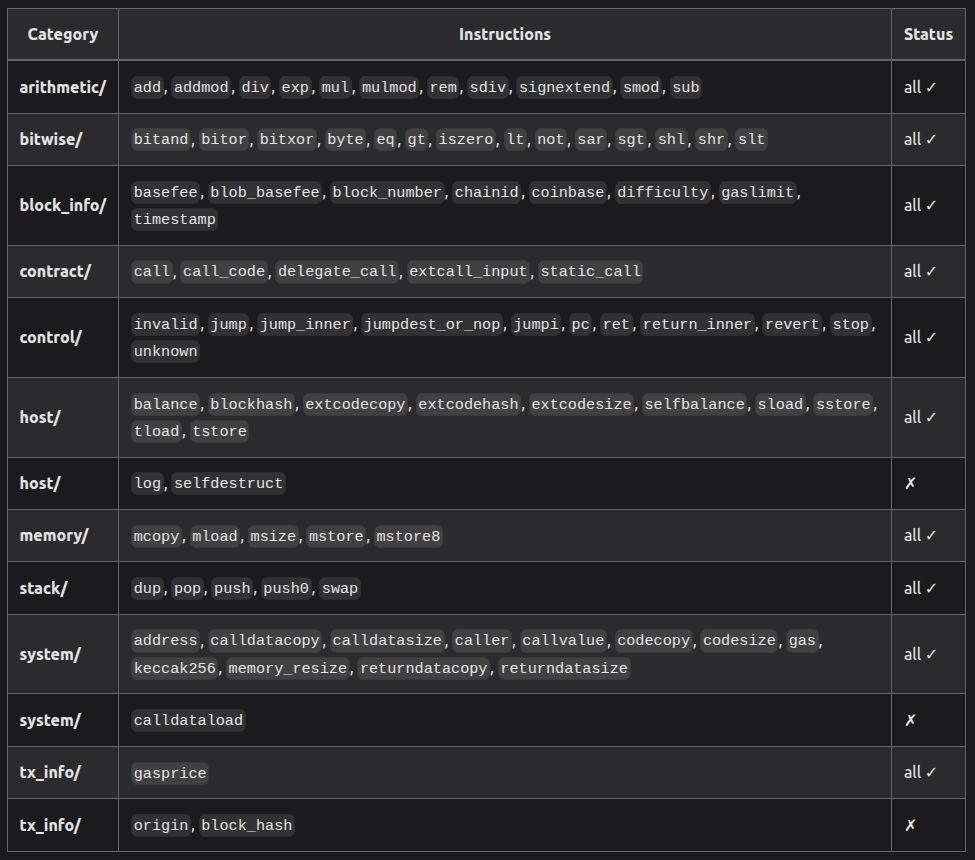
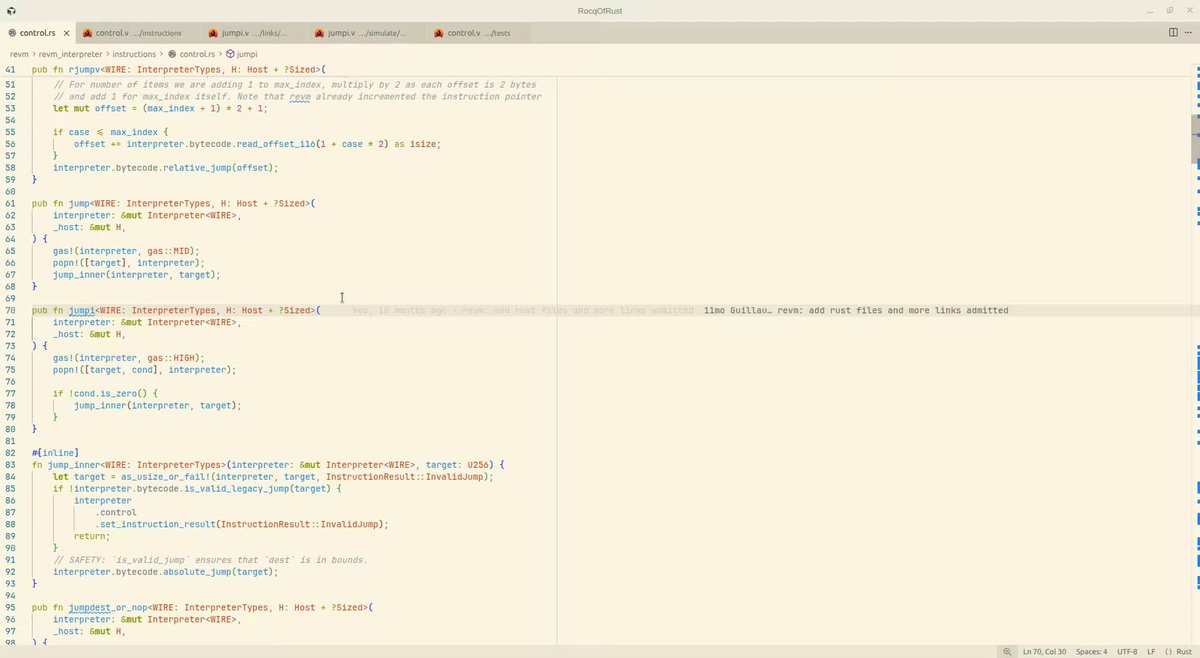
- FV on Rust code 🦀 at the implementation level, without modifying the Rust code and for arbitrarily large properties. This is still something that open tooling struggle with, constraining the way the Rust code should be written. We believe code should be verified as it is, otherwise optimizations are lost and it becomes harder to combine tooling. We have a demo of that for Revm an EVM interpreter in Rust.
- FV for the Ethereum infra and Soldity smart contracts: this is ongoing development and behind closed doors.
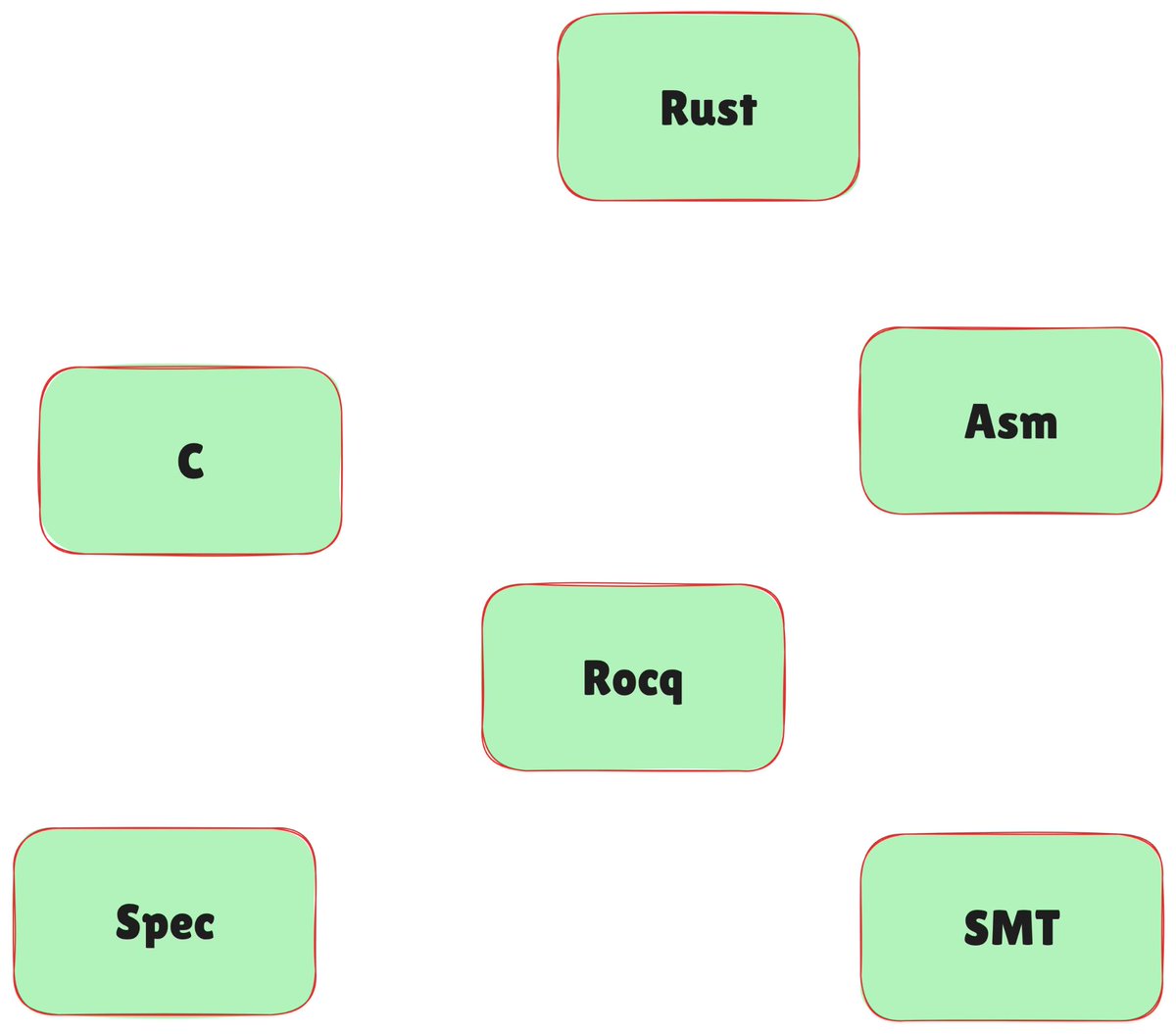
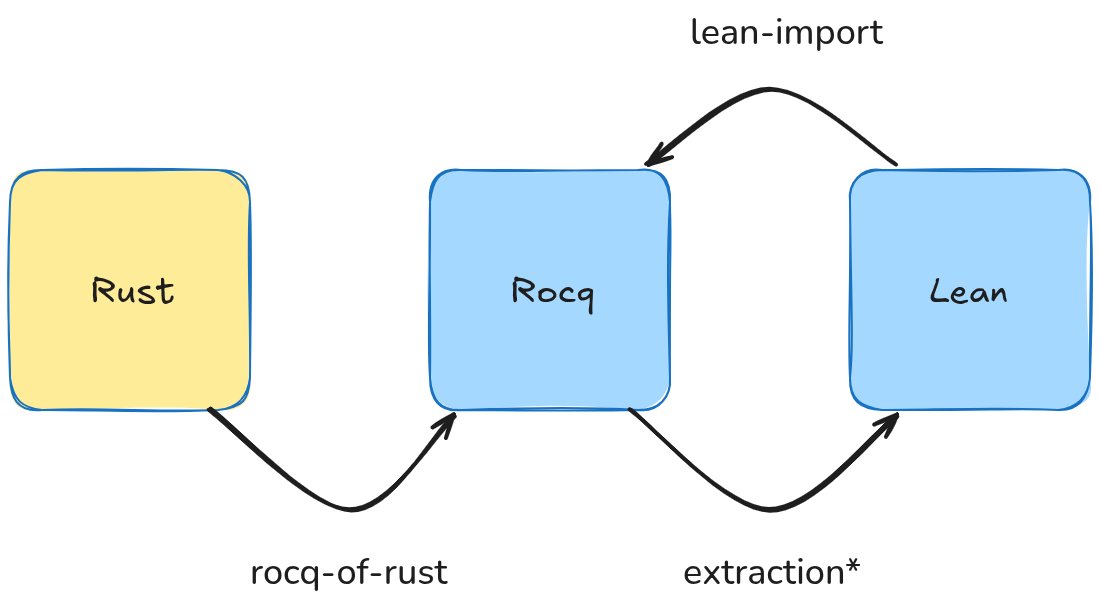
- General belief of combining different approaches to not depend on a unique stack and take different angles. We bet heavily on the Rocq prover for that, with some work in Lean as well like a recent verification of polynomial algorithms for ZK with it. The two provers can in addition be connected.
Happy to chat more about that 🤝 to help teams secure their code even more, covering the whole stack with FV! 🛡️
1
3
18
935
Jun 4
We finished a work on optimization for polynomial algorithms used for primitive operations like evaluation, multiplication, ...
Polynomials on finite fields are the basis of most ZK implementations. The CompPoly library is implemented and verified in Lean. 👇
2
3
9
529
Jun 4
Covered are optimizations for:
- Horner evaluation
- Batch evaluation (one polynomial on many points, many polynomials on one point)
- NTT algorithms (Fourier transform for polynomials)
- Field operations for KoalaBear 🐨
with a benchmark system to measure all that.
2
1
2
290
Jun 4
This work was made possible thanks to a grant from the @ethereumfndn for which we are thankful.
57
Formal Land 🌲 retweeted
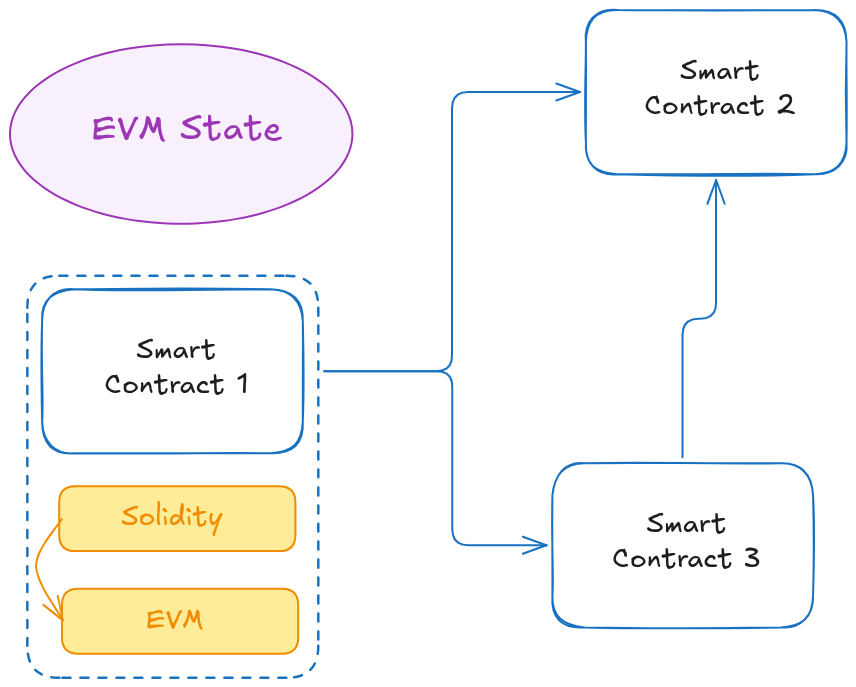
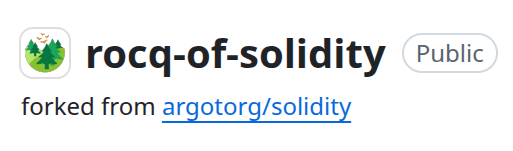
We continue building more tooling for the formal verification of Solidity code, as:
- Most smart contracts are in this language
- Not much tooling exist yet in the domain of interactive theorem provers, like Rocq or Lean
A lot of the code is not public. DM to test!
1
13
833
May 30
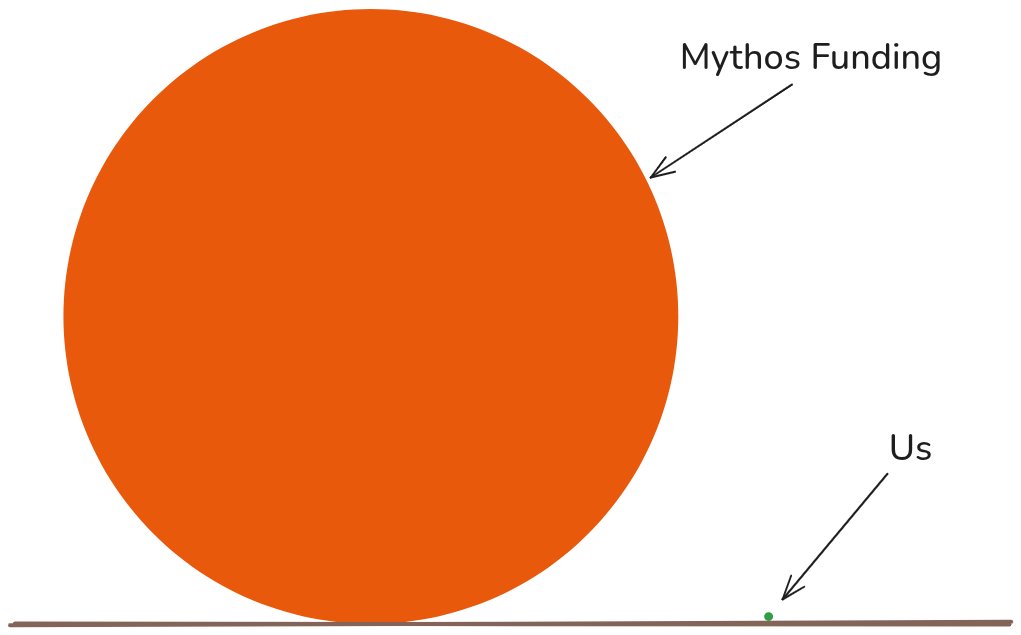
Our mission: making sure your Web3 stack is secure against the next Mythos model.
Thanks formal methods.
2
8
248
May 28
A main reason why it is better to approach security from different angles: because the attacker will do, and each angle reveal different vulnerabilities.
=> Make sure to formally verify your code, down to the assembly level, before others do.
1
4
224
May 27
OpenZeppelin has never been going that far on the formal verification side.
But this is the asymmetry favoring the defender, as math cover infinite amount of cases.
May 27

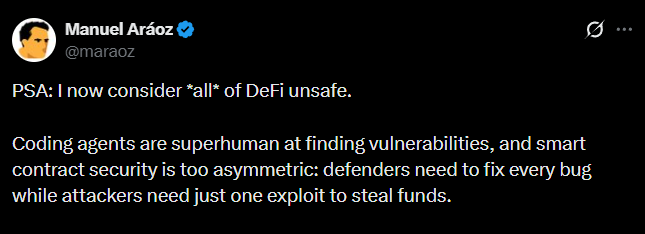
OpenZeppelin Co-Founder: All of DeFi Is Unsafe
OpenZeppelin co-founder Manuel Aráoz stated that he now believes “all of DeFi is unsafe” due to AI coding agents reaching superhuman capability in vulnerability discovery and the highly asymmetric nature of smart contract security. He said he has personally advised friends and family to exit all DeFi positions. OpenZeppelin is one of the leading security firms in the crypto and DeFi sector, with audit clients including Aave, Compound, MakerDAO, Uniswap, and Coinbase. x.com/maraoz/status/20594134…
1
4
326
May 26
We continue building our tooling to provide more extensive formal verification for EVM smart contracts.
Of course there are many moving parts, but extending the scope is a way to capture more subtle bugs, and sooner!
6
236
May 25
We have been advertising formal verification as a strong solution for Web3 security since 2021, focusing at 100%.
It is finally going mainstream!
1
14
1,636
Formal Land 🌲 retweeted
The kind of message I like to receive!

1
13
757
May 18
Rocq is the dad of OCaml, OCaml is the dad of Rust
We updated our project "rocq-of-ocaml" to OCaml 5, to translate OCaml code to the Rocq proof assistant.
Aim: making the (AI) generation of performant and formally verified software smooth.
@hackerdocc
3
5
71
6,044
May 18
Next steps will be: a way to translate common forms of effects, some imperative optimizations, and ideally OxCaml ones.
2
9
3,889
May 18
Vitalik: "After all, a computer program is a mathematical object, and so proving that a computer program behaves in a certain way is a mathematical theorem."
This is the key insight of formal verification to enable verifying code for any inputs.
3
5
46
7,756