
Bold science for big challenges.
Joined July 2015
- Tweets 3,917
- Following 2,221
- Followers 5,227
- Likes 1,980
1,415 Photos and videos
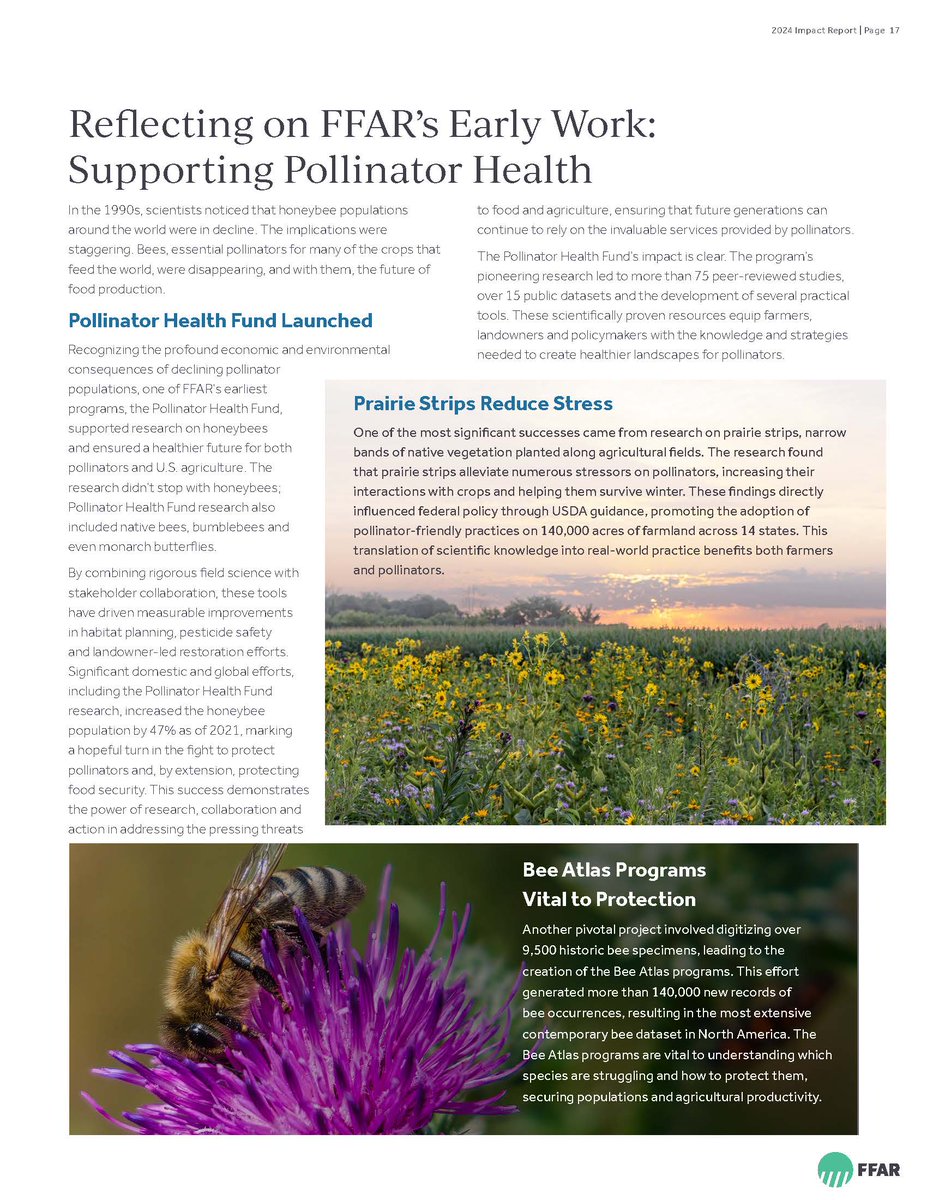


Our latest Impact Report is live!
Looking back at the last year, we're focused on results. We're responding to emerging threats, elevating farmer perspectives, evaluating the success of our programs and building the strong and necessary partnerships that make our public-private partnership model work!
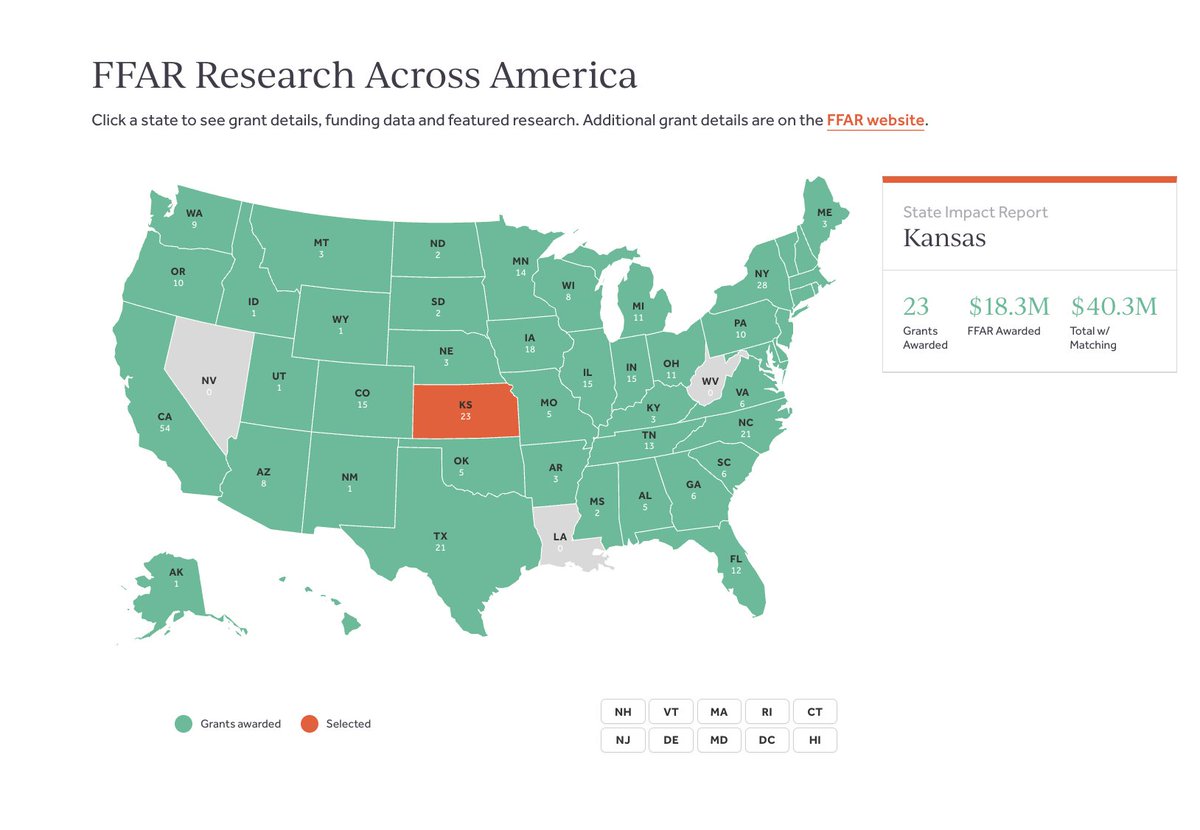
Linked below, you will find an exciting and interactive format, new to this year's Impact Report. Featured are some exciting stories of commercial successes, food and ag research perspectives and interactive graphics like our awarded research map pictured.
Check it out! We're excited to share more of some of these exciting stories in the near future...
1
4
174
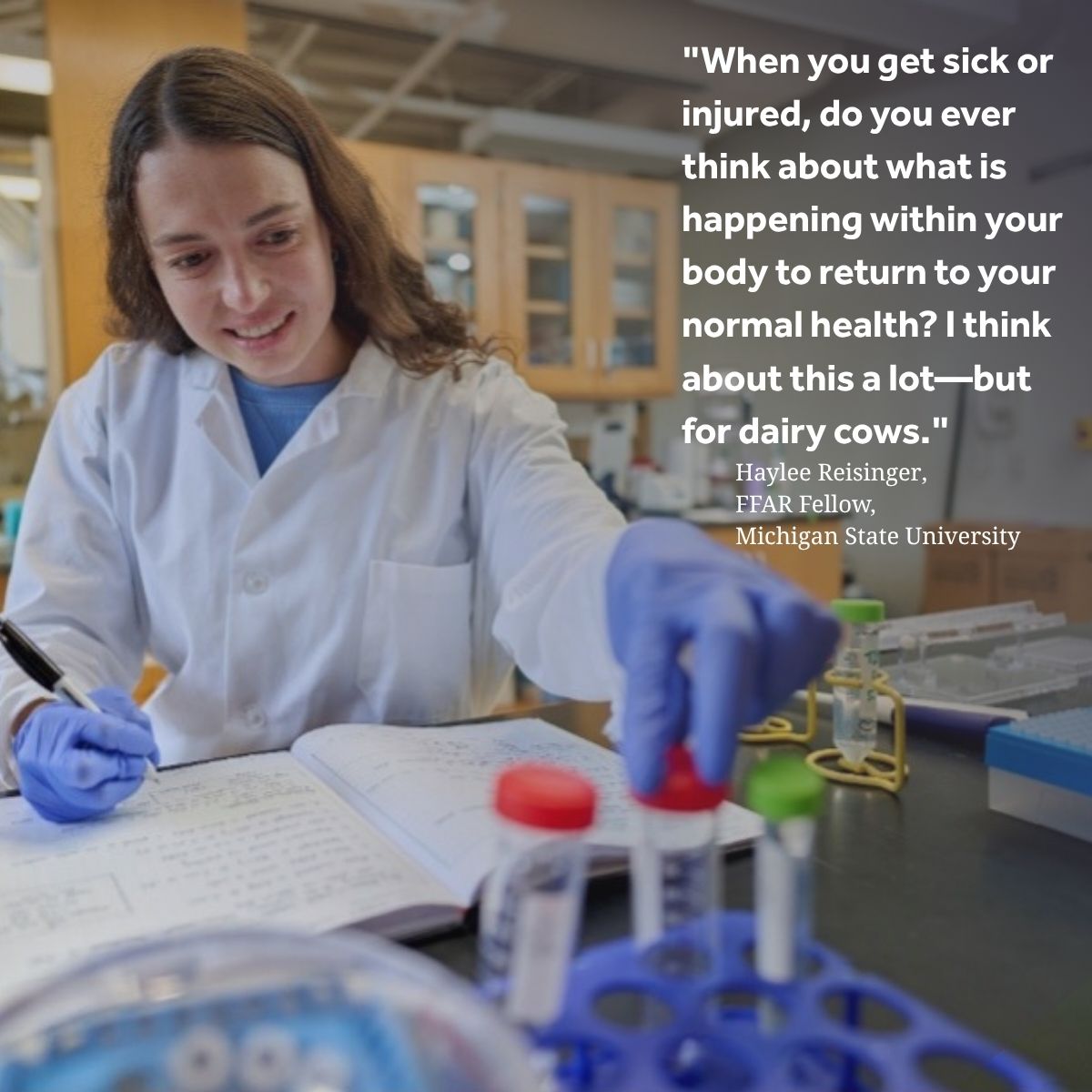
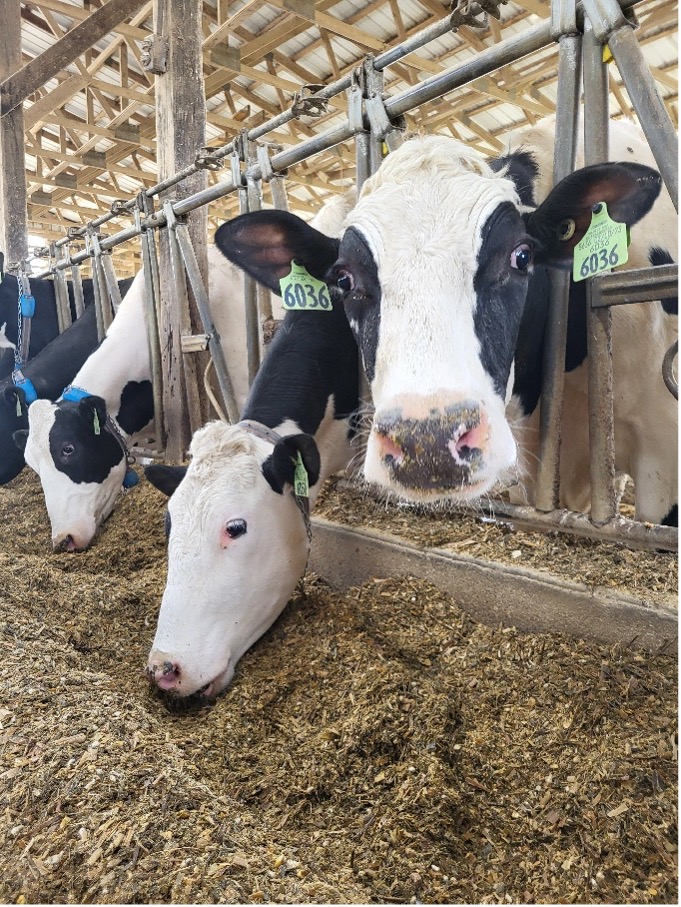
What we (or cows) eat may be having immense impacts on how well our immune system functions.
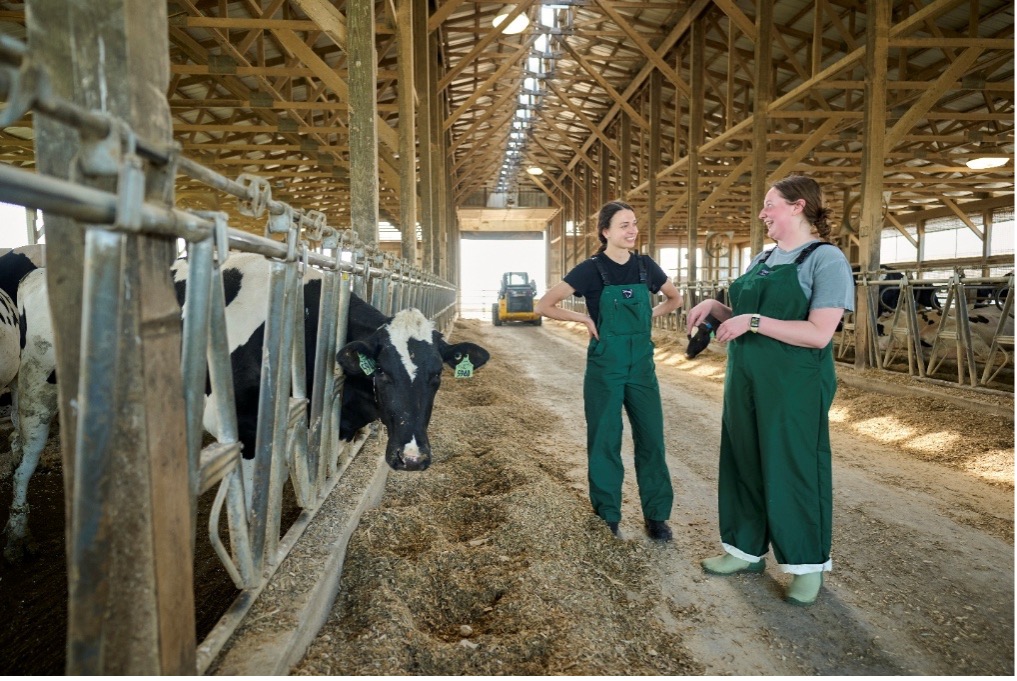
Haylee Reisinger, a @FFARFellows at @michiganstateu is diving deep into digestion, gut health and its effect on the dairy cow's immune system. She's particularly interested in the effects of omega-3 fatty acids and their counter-responses to inflammation.
Another interesting source of anti-inflammation they're looking into? Extracts from tart cherry pits... A byproduct of Michigan's tart cherry industry.
Read more below about this interesting and accessible research happening from a FFAR Fellow in Michigan!
1
3
149
87
What do our partners think of our public-private partnership model to fund cutting-edge, industry relevant food & ag research?
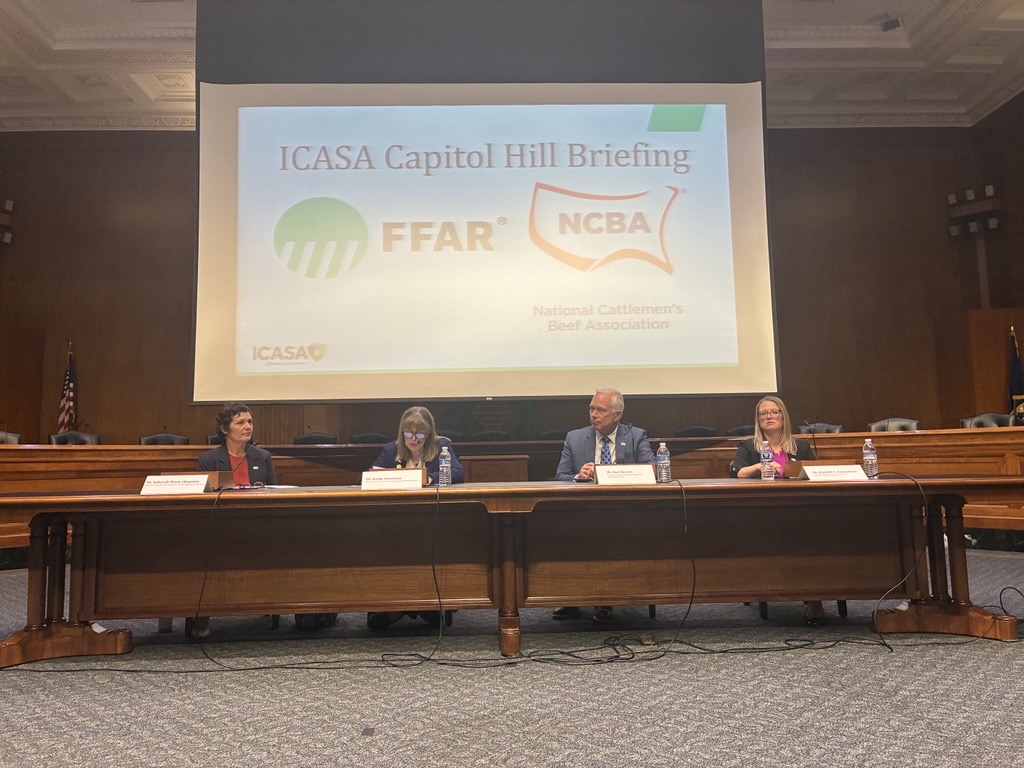
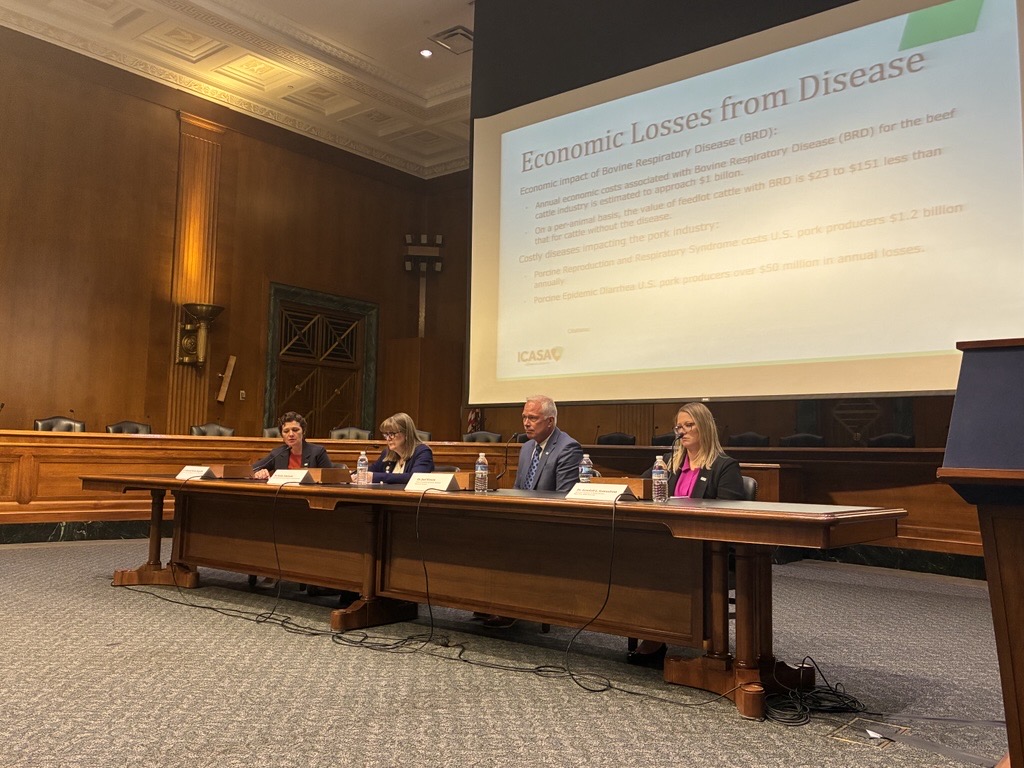
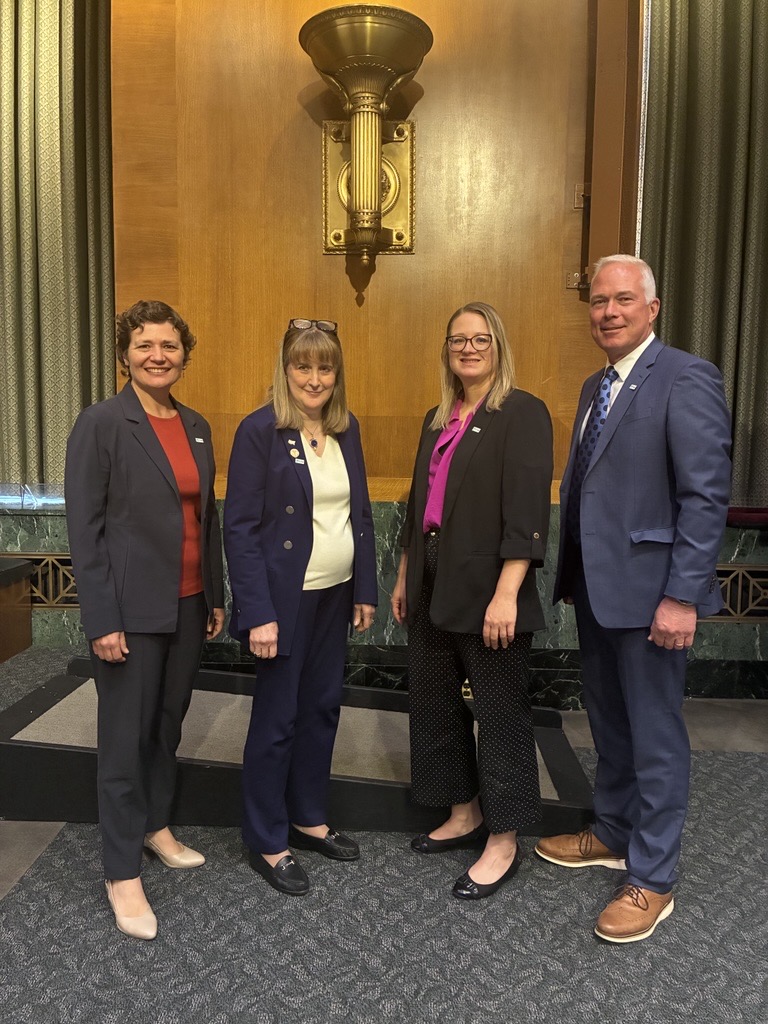
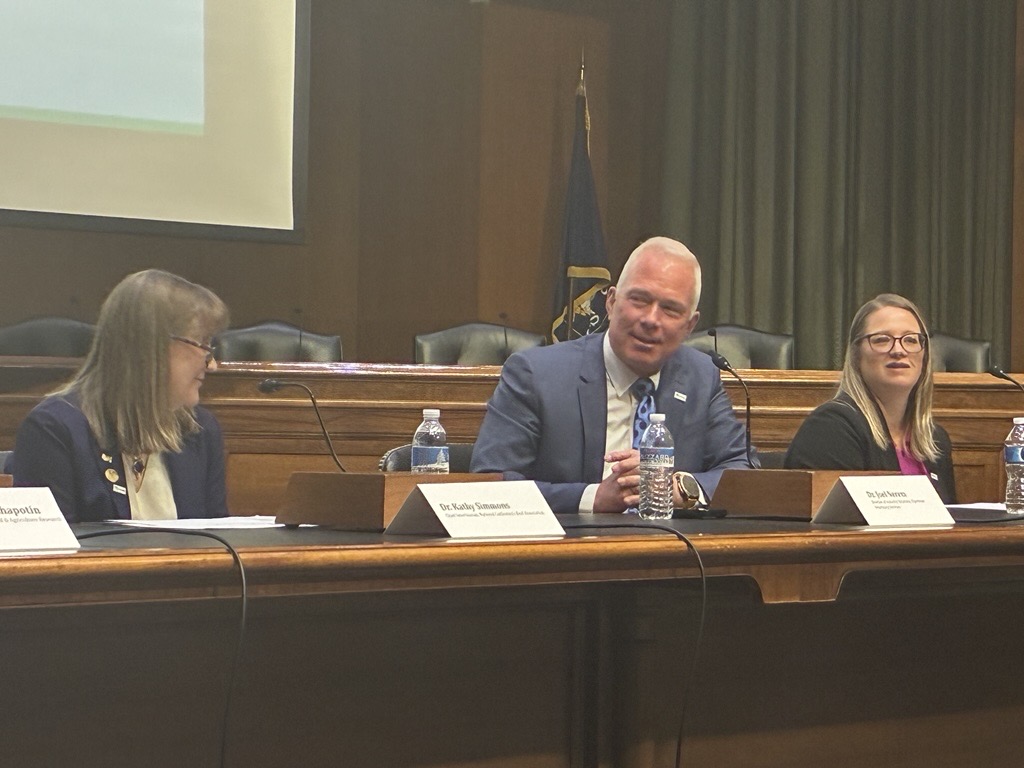
Yesterday at the Capitol, we partnered with the @BeefUSA to host a panel of experts from industry, academia and commodity groups to discuss our International Consortium for Antibiotic Stewardship in Agriculture (ICASA).
ICASA is a valuable model of using public-private partnerships that allow industry and commodity groups to address research questions that directly impact the livestock supply chain, that no individual entity can solve alone.
Moderated by our Executive Director, Dr. Saharah Moon Chapotin, the panel featured:
Dr. Kathy Simmons, Chief Veterinarian, National Cattlemen’s Beef Association
Dr. Joel Nerem, Director of Industry Relations, Pipestone Veterinary Services
Dr. Kendall L. Samuelson, Associate Professor of Animal Science, @wtamu
1
93
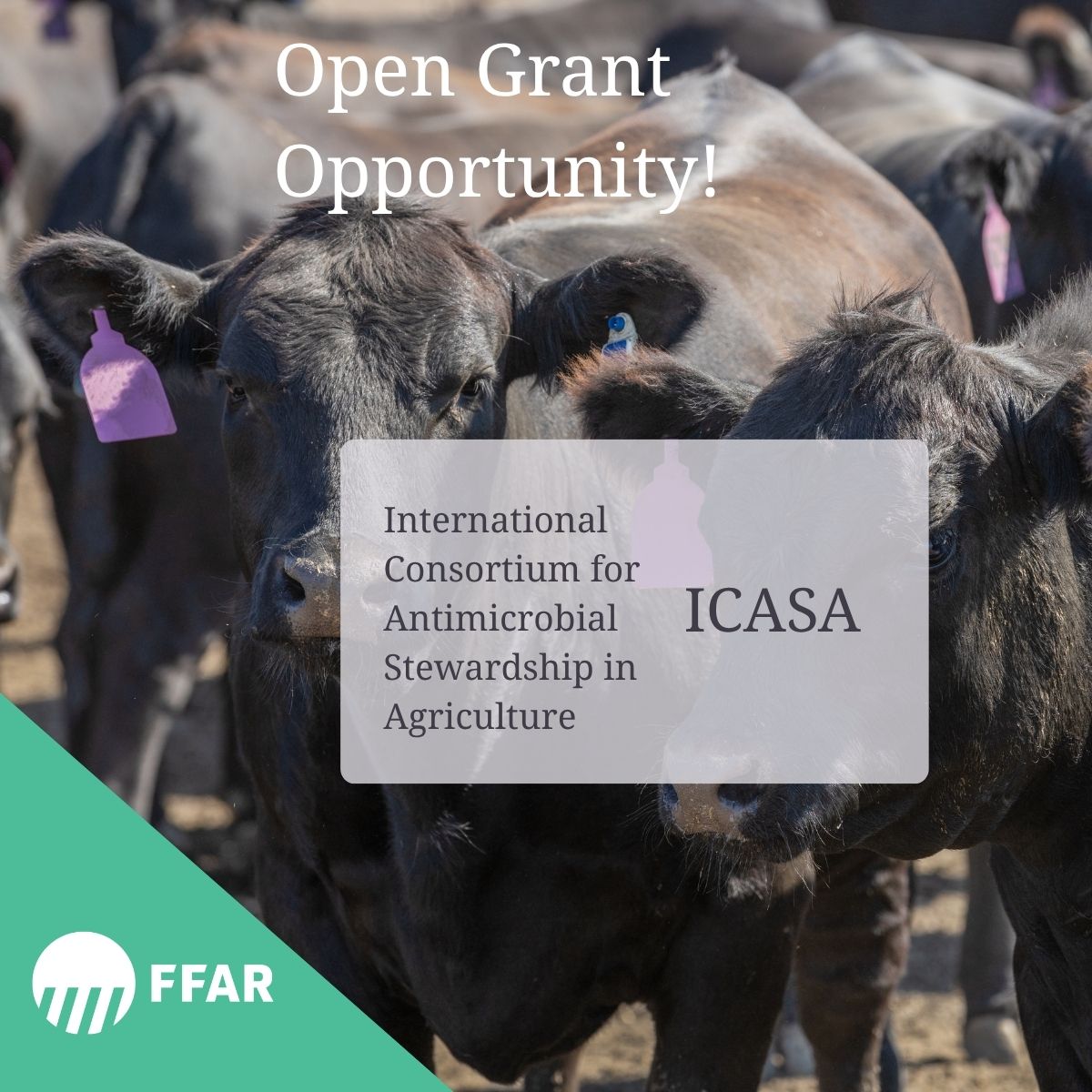
Request for applications!
This is a friendly reminder that the deadline is approaching. Pre-applications are due June 10, 2026.
We're looking to fund research with our returning and new industry partners to provide U.S. #swine and #beef producers with the tools and information they need to use antibiotics responsibly.
The end goal is to develop practical solutions, technologies and practices that promote judicious antibiotic use while improving animal health and welfare, increasing transparency in food production practices and helping American farmers with their bottom line.
We're looking to fund the most cutting edge research out there!
Details below through the comments...
This opportunity made possible by the power of public-private partnerships!
@AllianceBeef
@BeefUSA
@PorkCheckoff
@yumbrands
1
1
146
Public-private partnerships in action to provide applicable, industry relevant research:bit.ly/43681JW
113
The beef and dairy industries have committed to reducing methane emissions, but one of the biggest challenges remains enteric methane, produced naturally through cows’ digestive processes.
That’s where the Greener Cattle Initiative (GCI) comes in.
GCI is an industry collaborative funding bold, practical research to reduce enteric methane emissions through scalable, commercially feasible solutions.
To date, GCI has invested nearly $10 million in five projects to help producers access tools and strategies that work in the real world and support the beef and dairy industries’ sustainability goals. Learn about those projects here: bit.ly/4ujujTH.?utm_source=https:/%2Fworkforcenow.adp.com/mascsr/default/mdf/recruitment/recruitment.html?cid=374eecc6-917c-4454-a855-4ac38f406a05&ccId=19000101_000001&jobId=478406&lang=en_US&utm_medium=social&utm_campaign&utm_content=ap_6ly1sybfbp
Now, the consortium is building on that momentum by inviting a select group of researchers to apply for GCI funding to advance the next generation of solutions to help reduce enteric methane emissions at scale.
GCI is unable to extend additional invitations for this funding round. However, there may be future opportunities for engagement.
Please subscribe to our news (linked below) so GCI and other FFAR funding opportunities are sent directly to your inbox in the future.
1
156
What does it take to move from broad goals to measurable progress in the regenerative agriculture space?
Food and agriculture production is facing more pressure than ever, from extreme weather and supply chain disruptions to changing markets and a growing need for practical, long-term solutions.
Next week, food and beverage industry leaders will gather at The Future of Food and Beverage Forum USA in Minneapolis, MN to take a practical look at how the sector is responding to today’s challenges and preparing for what comes next.
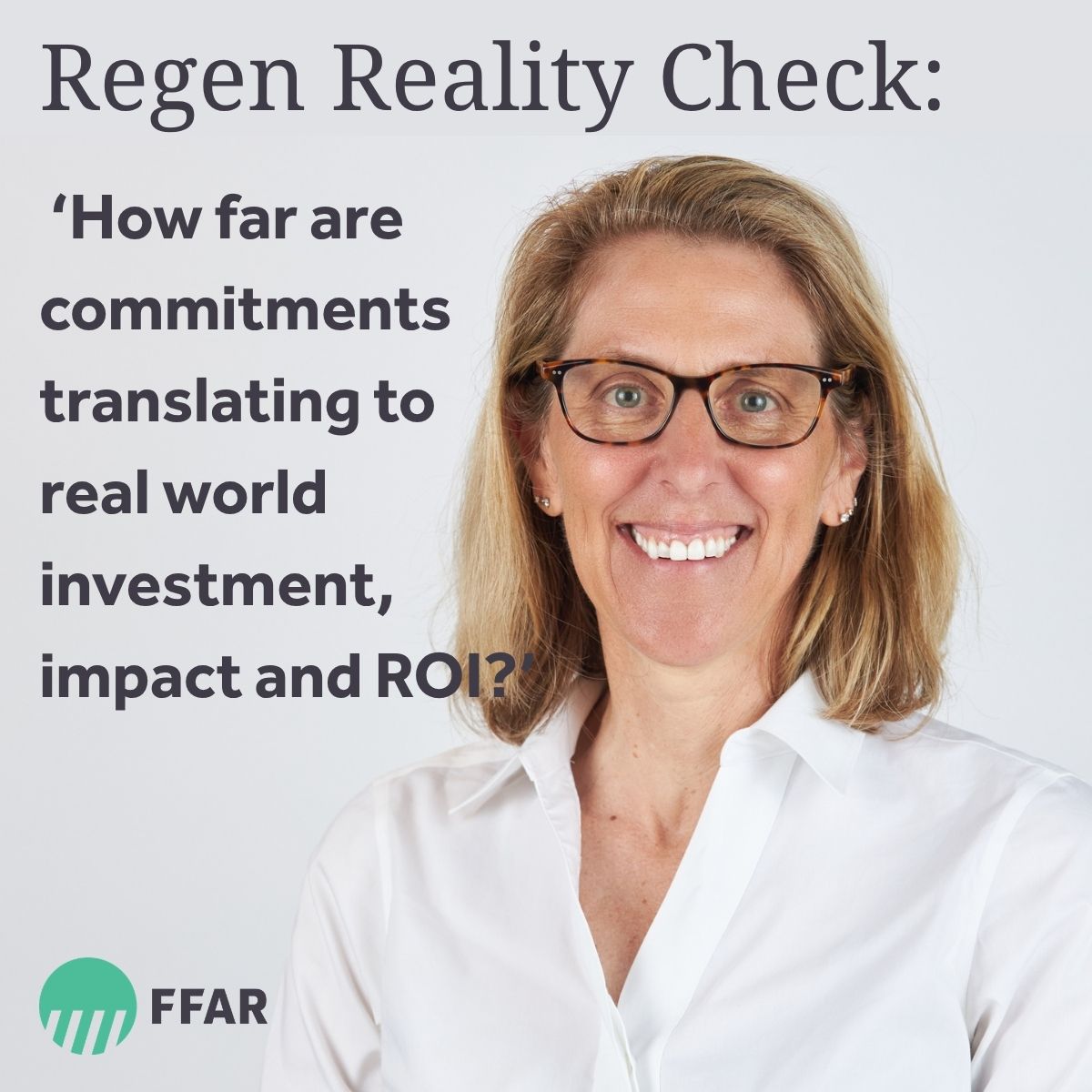
Our Scientific Program Director, Kathy Boomer will moderate the panel “Regen reality check: How far are commitments translating to real world investment, impact and ROI?”
We're proud to help steer the industry into a more resilient future!
Learn more about the forum below.
1
1
64
1
41
Improving nitrogen use efficiency starts with collaboration.
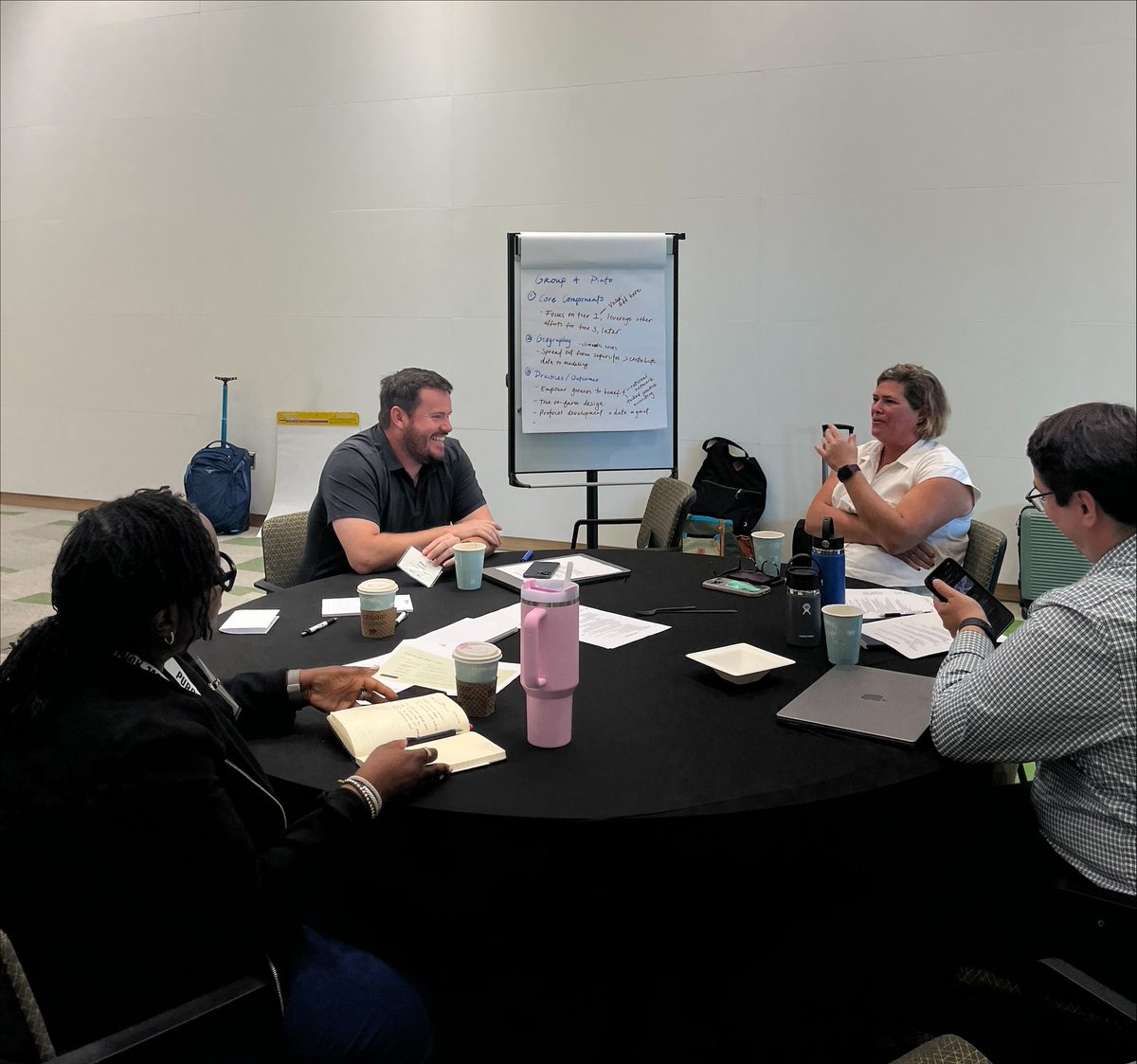
Supported by FFAR and The Platform for Agriculture and Climate Transformation (PACT), stakeholders representing producers, scientists, government, foundations and corporations gathered at North Carolina State University to collaboratively shape a research program focused on fertilizer and nitrogen cycle innovation on U.S. farms.
The discussion builds on the Agricultural Nitrogen Use Efficiency Platform, a large-scale effort to coordinate nitrogen measurement, analysis and modeling across agricultural systems.
Better understanding nitrogen use can help improve productivity, strengthen environmental stewardship and support more informed farm management decisions.
By bringing together expertise across sectors, we're accelerating research that delivers practical, scalable solutions for U.S. agriculture.
1
71
Request for applications!
With our consortia partners, we're looking for research applications that advance antimicrobial stewardship in animal agriculture.
The end goal is to provide #beef and #swine producers with practical solutions, technologies and practices that promote judicious antibiotic use while improving animal welfare.
Preapplications are due June 10, 2026.
Help us spread the word and find the most cutting edge research out there!
@AllianceBeef
@BeefUSA
@PorkCheckoff
@yumbrands
bit.ly/42MKuxj
1
1
112
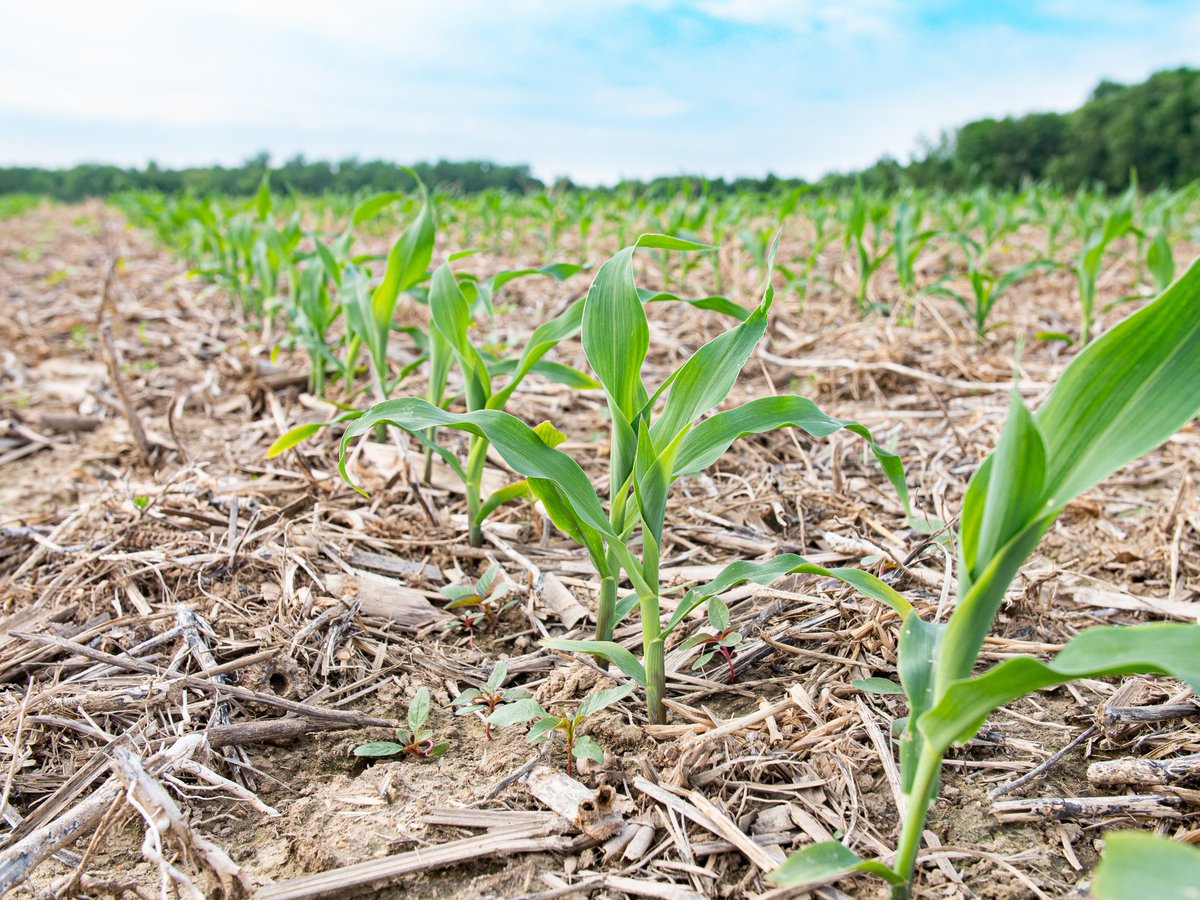
What do we do when 95% of our country’s grain production is becoming increasingly at risk to more extreme weather patterns and erratic rainfall distribution?
American farmers plant around 90 million acres of corn each year (95% of U.S. grain). Many farmers across the corn belt rely on seasonal rainfall as the sole source of water for their crops.
That’s why in 2019 we funded research led by Shawn Kaeppler at @UWMadison to develop a more drought-tolerant corn seed variety.
An external evaluation of our crops research portfolio shows that the downstream results of this innovation show an up to $274/acre value for America’s corn producers if adopted today.
Learn more about this grant and others dealing with drought tolerance in commodity crops, in the button below.
1
147
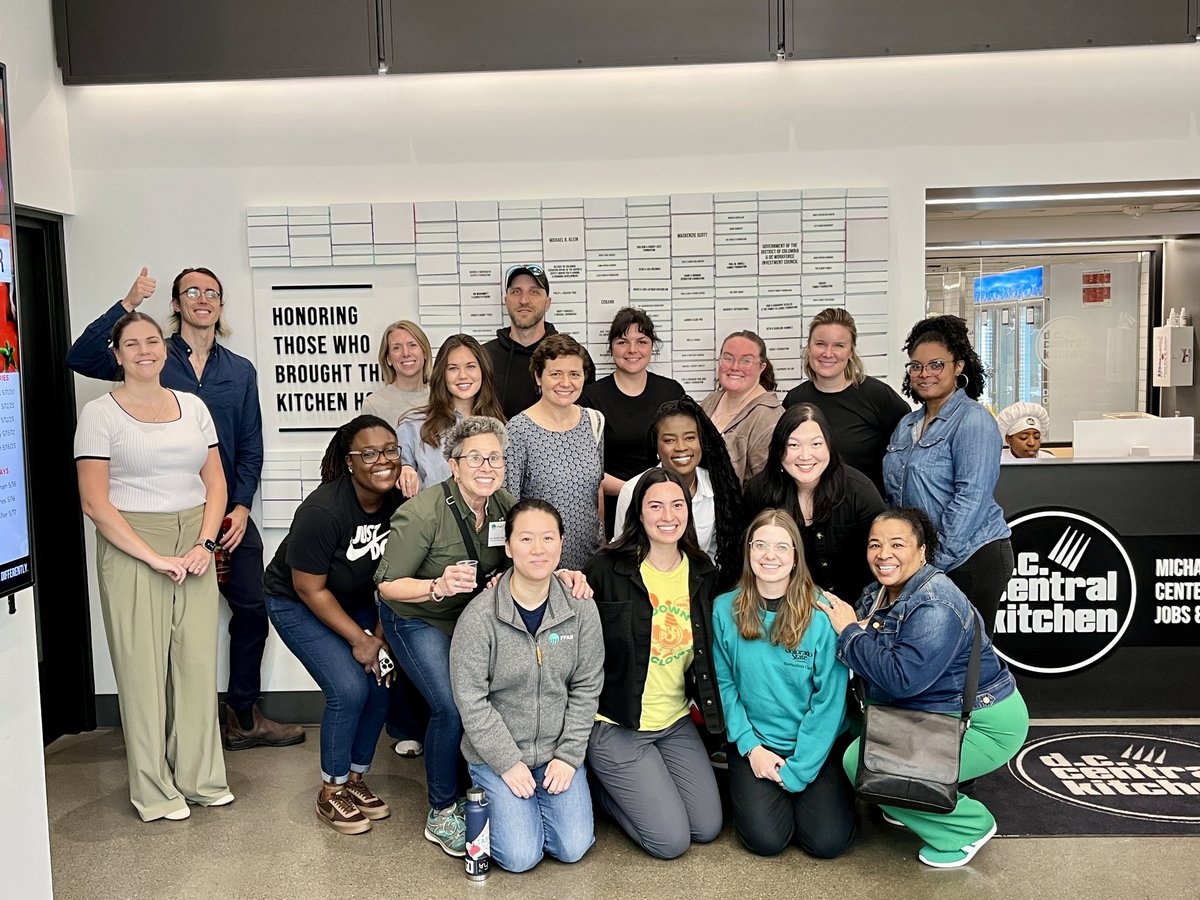
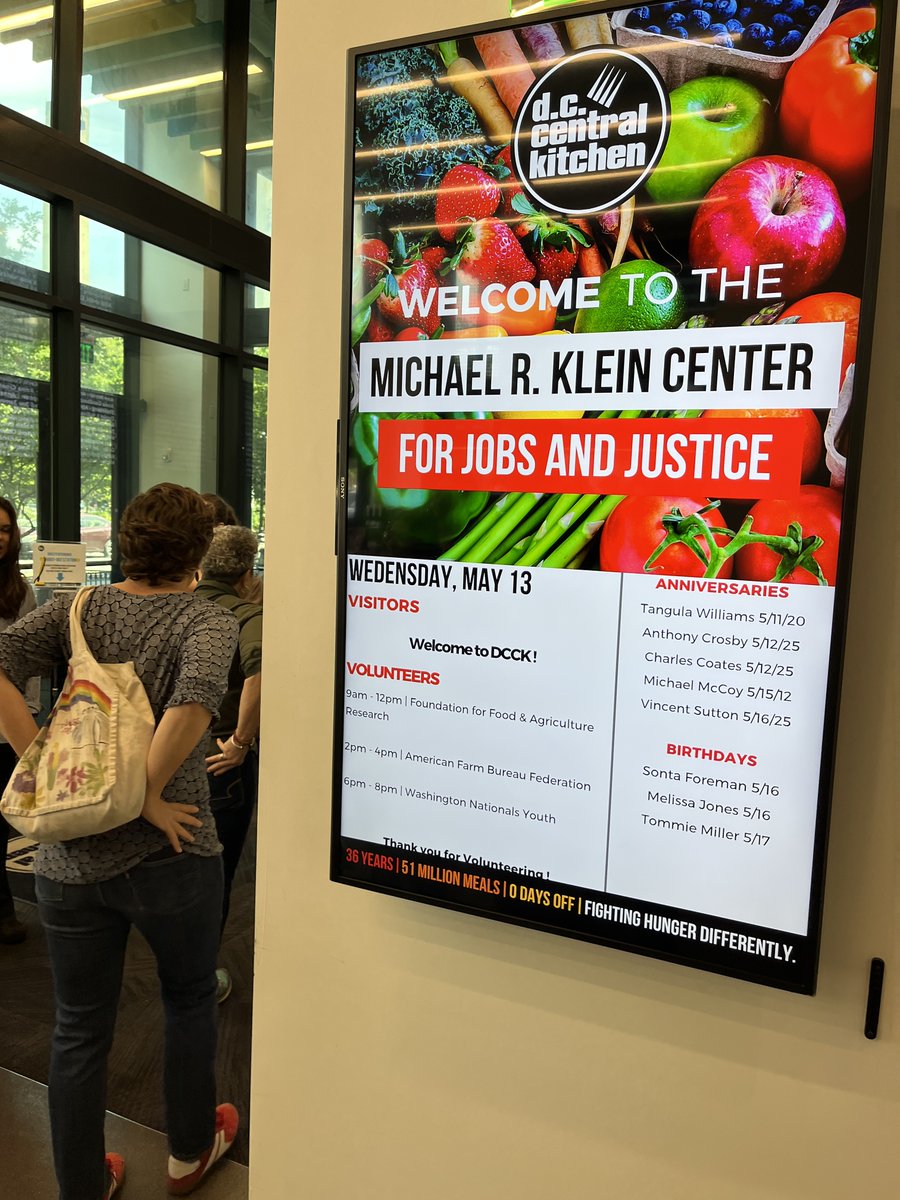
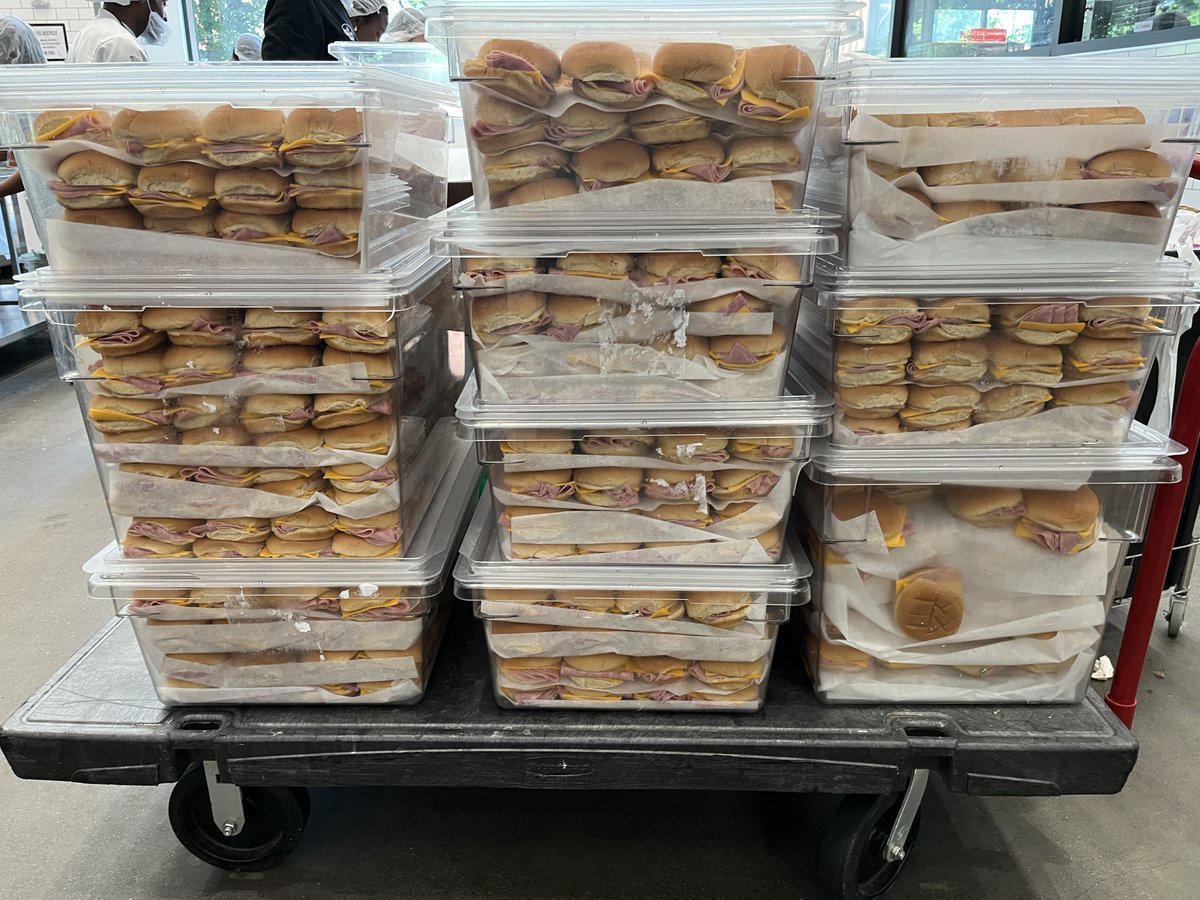
The @dcck is a robust non-profit that's been around for 36 years providing distinguished culinary job training while providing free meals for the disadvantaged.
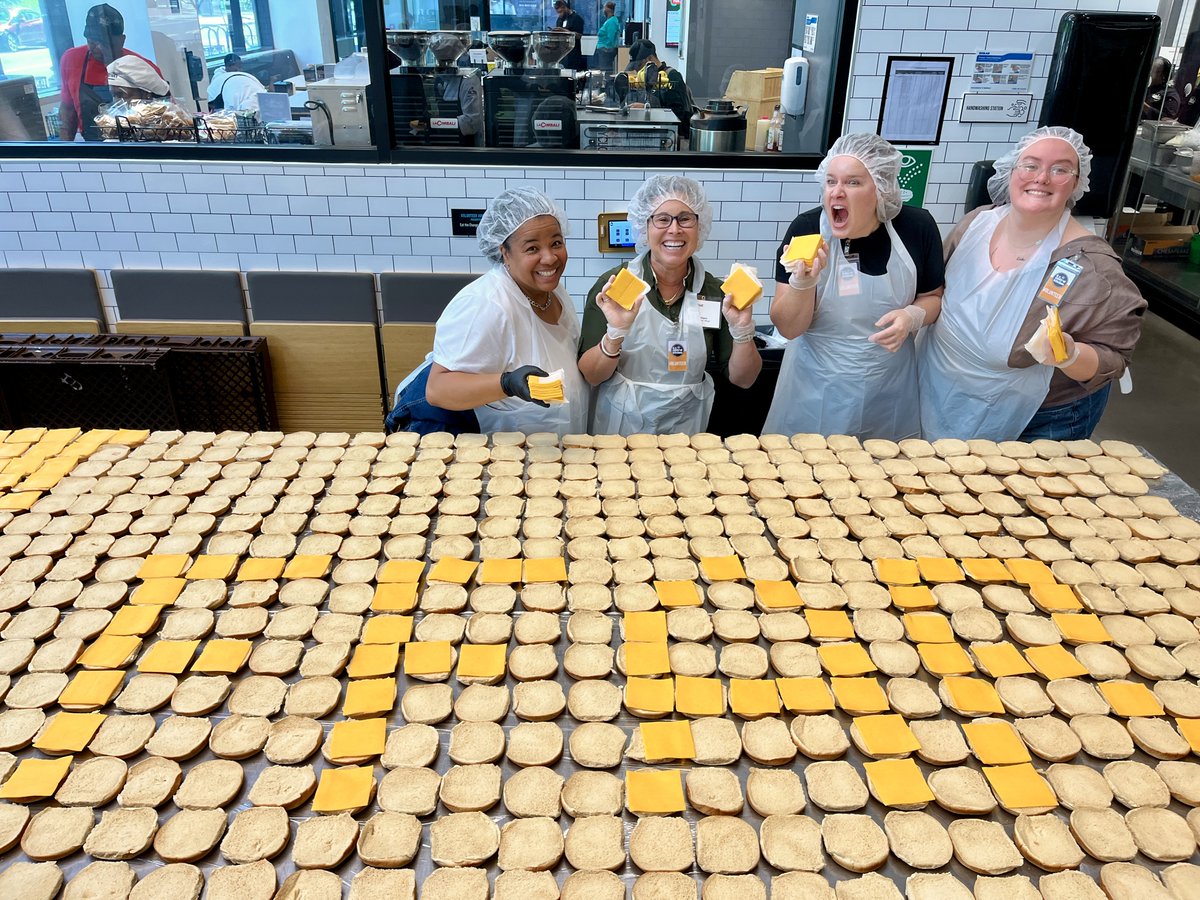
Yesterday, our staff got to volunteer their time and efforts there in support of their day's food prep.
We believe volunteering as an organization is a great way to build staff cohesiveness while giving back. Bonus when it's in support of a cause in the ag or food systems space!
2
3
211
May means calving season for many cow/calf producers across the nation. It also means summer heat is right around the corner.
Heat stress in cattle reduces feed intake, impedes growth and increases disease susceptibility; ultimately, heat stress costs producers big time.
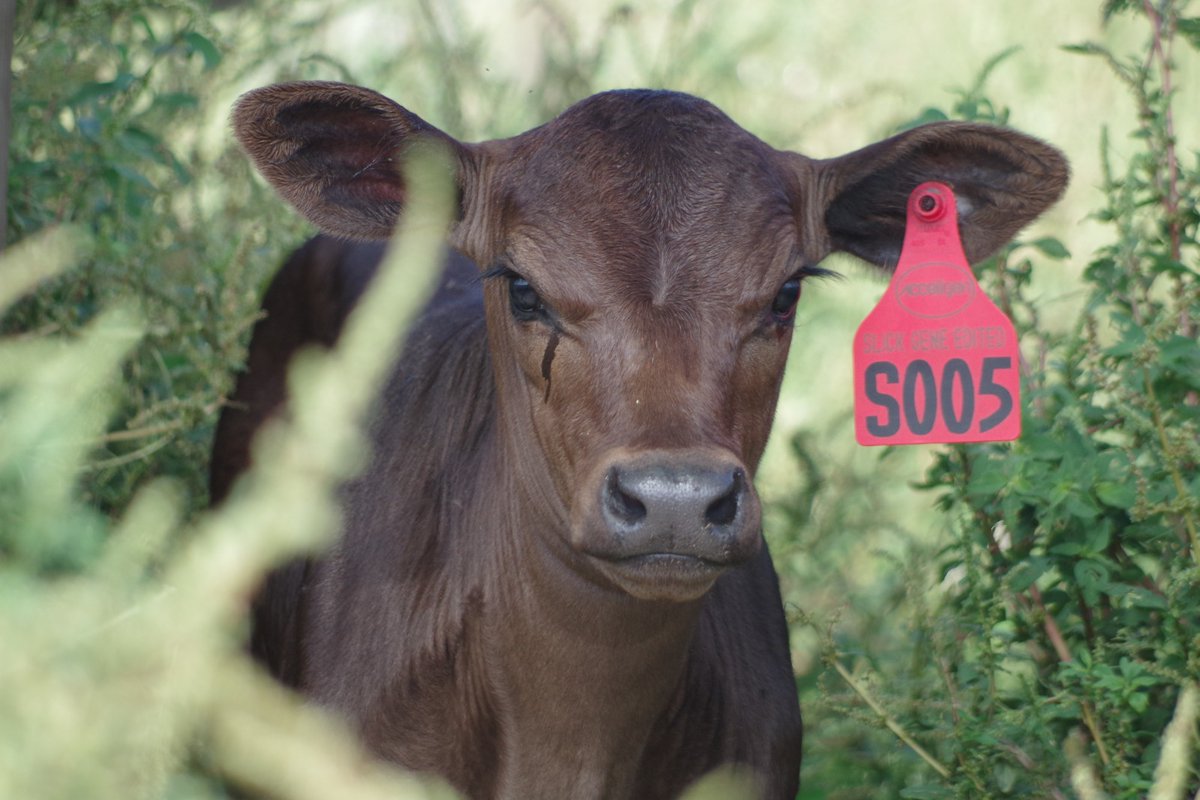
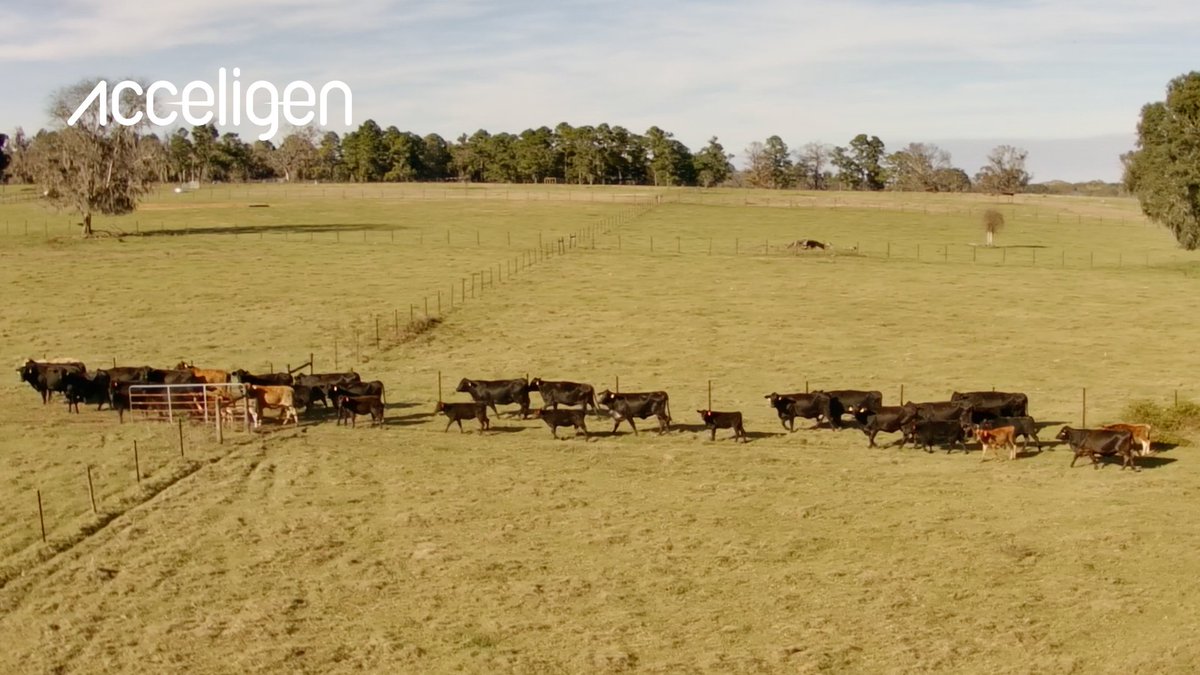
To address this problem, Tad Sonstegard led a team of @Acceligen researchers to design genetic modifications to render cattle more resistant to heat.
Using new breeding technologies, they were successfully able to mimic a condition in breeds within the Caribbean Basin known as SLICK. Cows with a SLICK mutation have lower normal body temperatures than cattle without it and shorter hair that allows their bodies to respond more efficiently as temperatures rise.
The SLICK mutation, which reduces animal stress caused by lack of heat tolerance, can improve animal health, wellbeing and fertility. More productive herds could further meet the growing demands for beef and dairy in geographies where sustainable production of local animal protein has been challenging.
A resilient food supply = A resilient nation.
bit.ly/4dlffy8
2
1
118
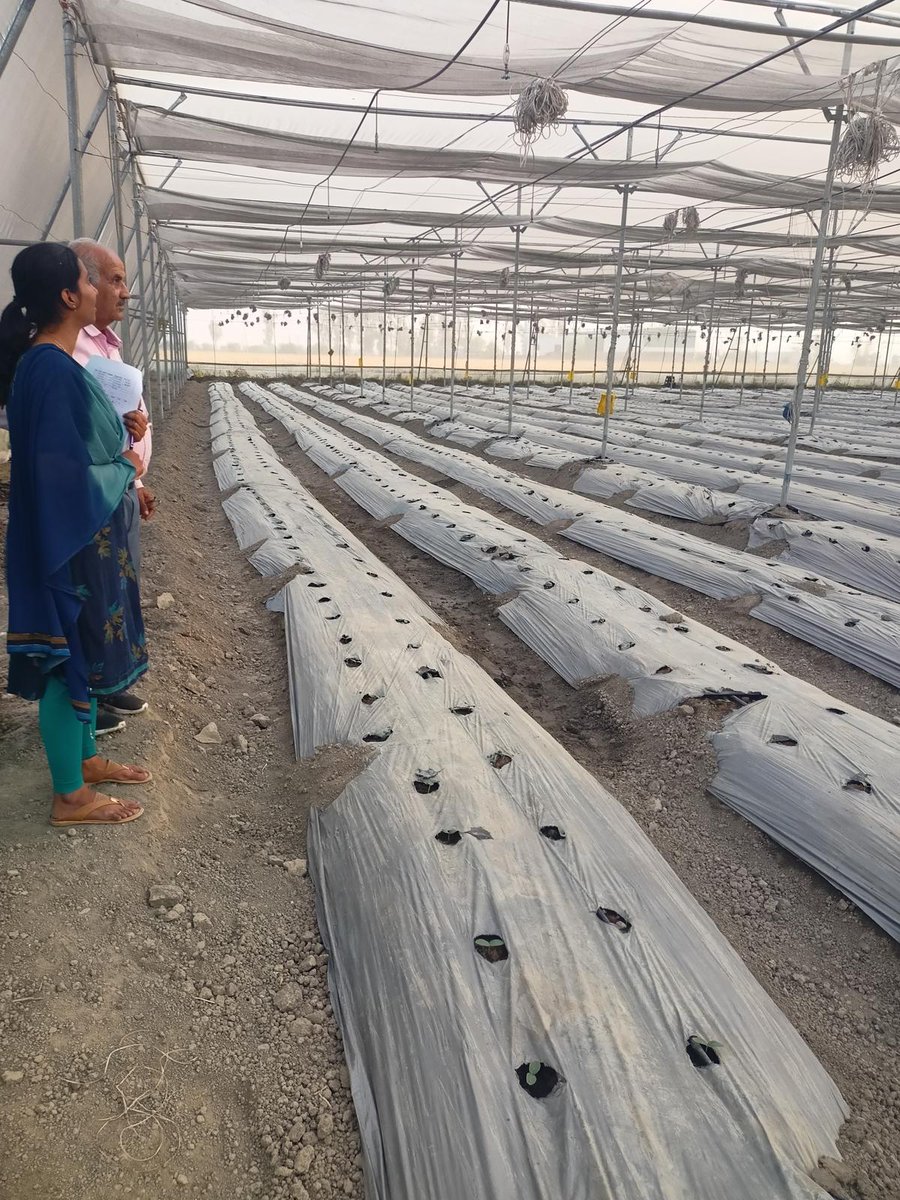
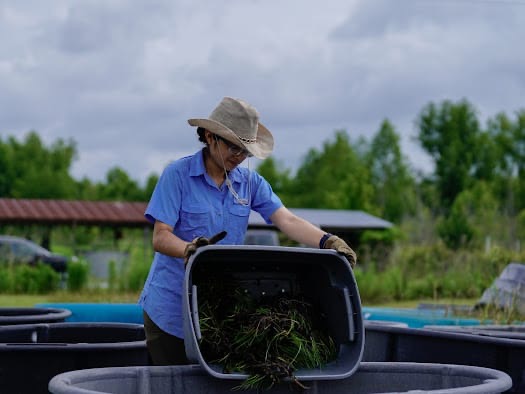
"Farmers today are asked to do more with fewer resources and higher uncertainty, making the path from invention to adoption more complex."
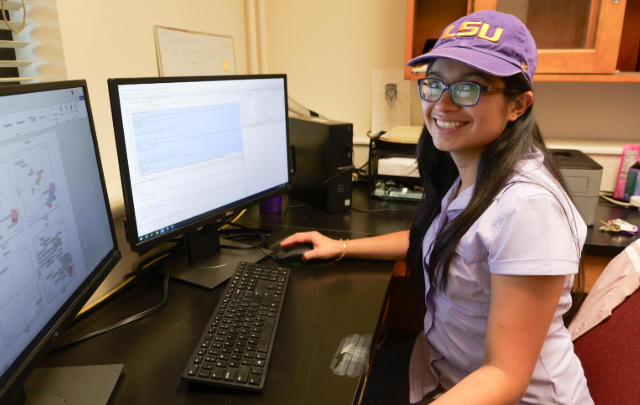
That's a summary of research from @FFARFellows Diana Amaya & Hema Lingireddy of @PurdueAg & @LSU.
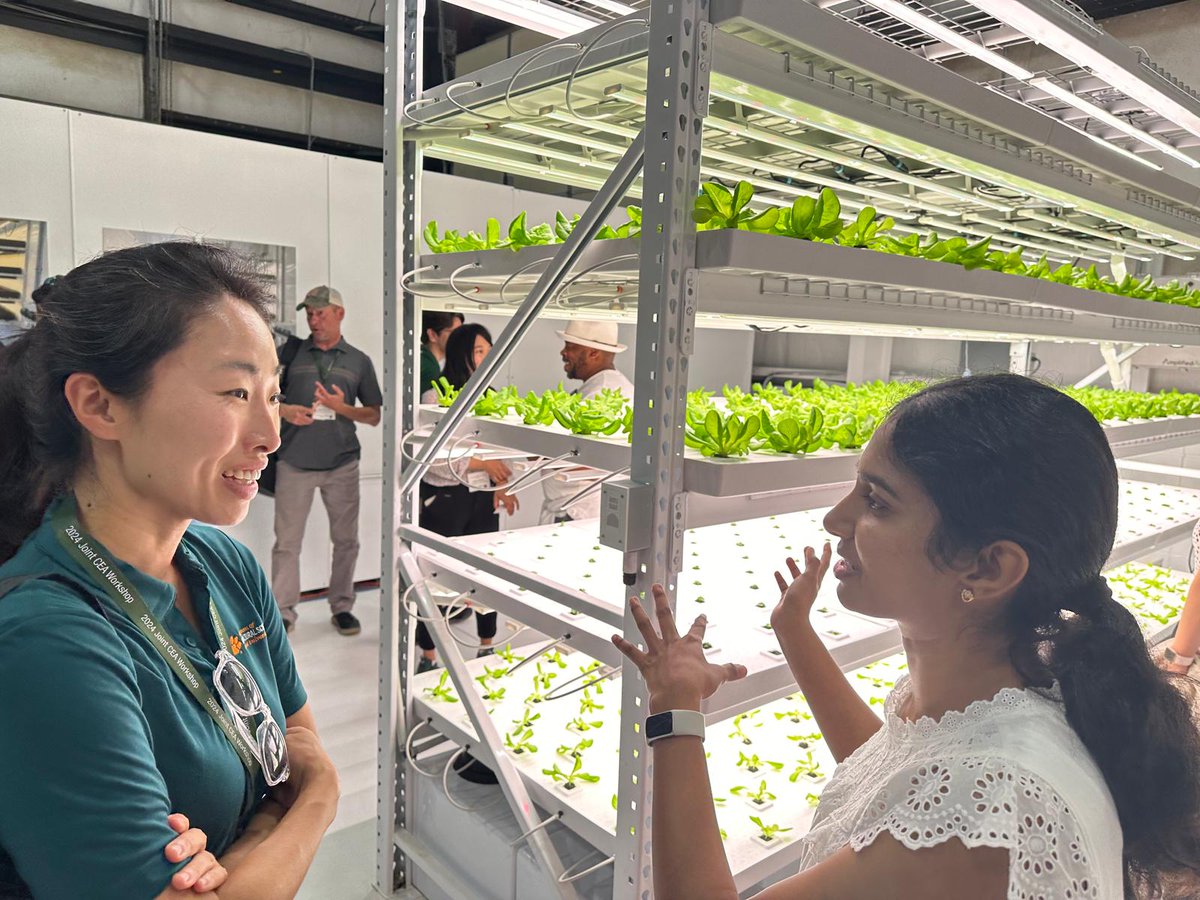
They authored our latest Insight, where they breakdown their holistic research into all the factors that drive the adoption of innovations for farmers, and how interdisciplinary research is necessary for capturing the whole picture of whether an innovation is practical for farmers to adopt.
Adoption Takes More Than Technology
bit.ly/48LnfqQ
1
63
We’re always on the lookout for innovative research ideas that could have weighty commercial value.
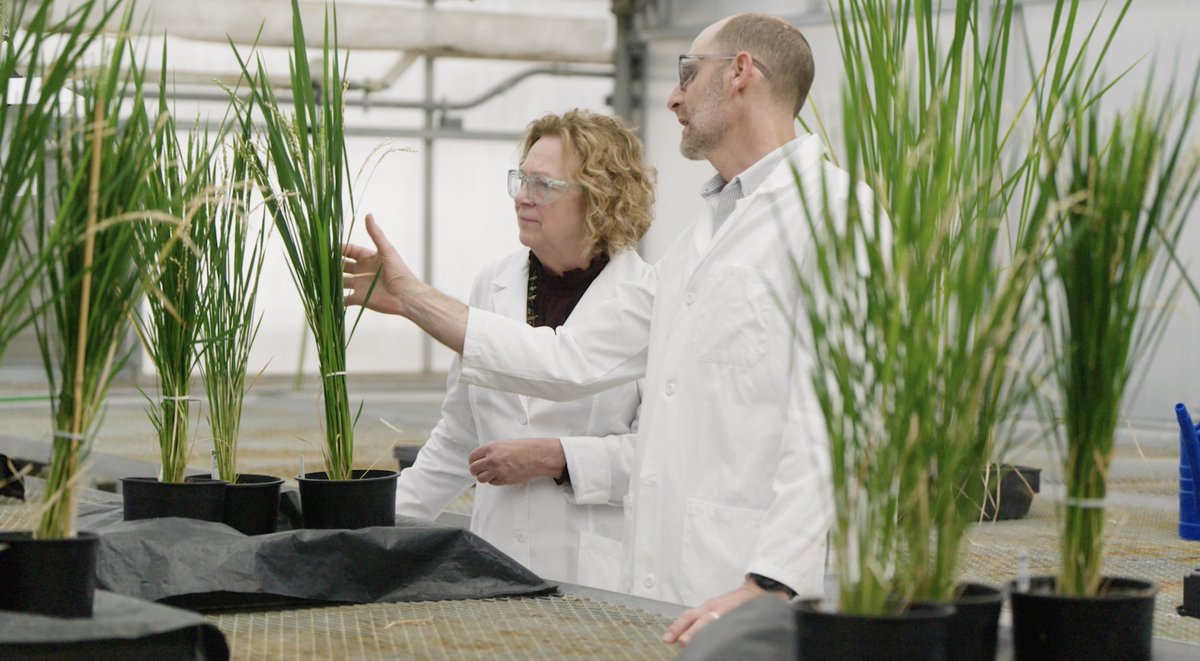
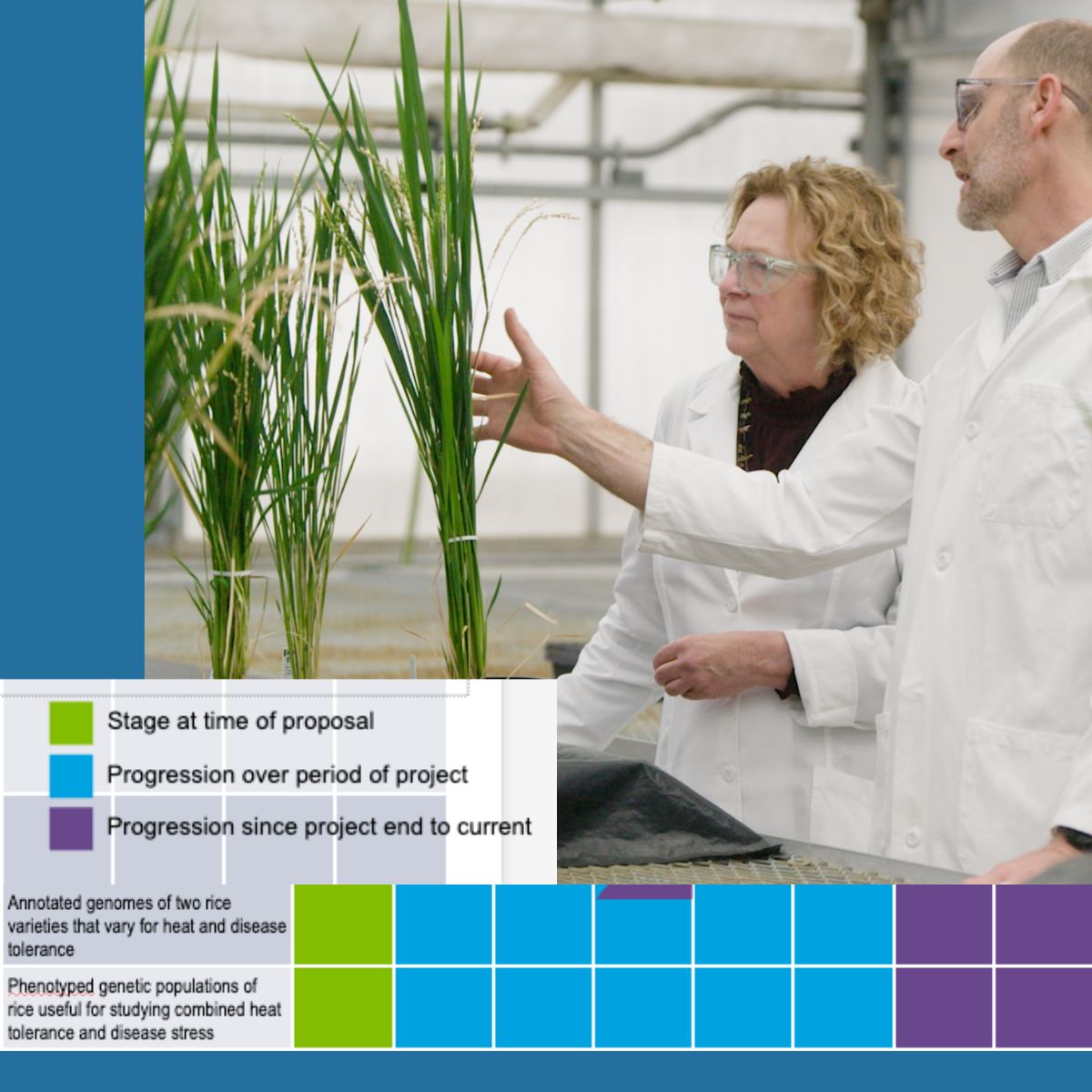
A few years back, partnering with @BiovIntCIAT_eng , we awarded Dr. Jan Leach of @CSUAgSci a grant to develop reliable markers of stress-response in DNA sequences in rice crops to speed up the development time of new varieties that are more heat tolerant and disease resistant.
A recent external evaluation of our crops research portfolio discovered Dr. Leach’s research turned up 4 different innovations all starting with a hypothesis and moving into full commercialization!
Selecting and moving along ideas that could turn into crucial innovations in the marketplace is what bold, innovative funding bodies are for.
Learn more about this exciting portfolio’s evaluation results in the link provided below!
2
1
92
It's possible to have your wine and drink it too!
Regenerative agriculture and the support for soil health is capturing a lot of buzz lately, especially around viticulture. But growers need solid science to show adopting these different practices are profitable first and foremost.
We partnered with @JFW to fund a research team led by Dr. Cristina Lazcano of @ucdavis to provide farmers with an in-depth understanding of how soil management practices drive soil health while connecting the dots between changes in soil carbon, soil health and grape quality.
With a recent publication in @ASEVtweets, they show that regenerative practices such as no tillage, compost use, and livestock integration result in similar levels of profitability relative to conventional practices assuming no change in yields.
bit.ly/4cGilwh
53