
Follow us for news and announcements & visit frailtyscience.org for much more content on #frailty & #resiliency in #older #adults! #FrailtyFighter
Joined October 2019
- Tweets 27,699
- Following 2,990
- Followers 2,238
- Likes 27,824
371 Photos and videos
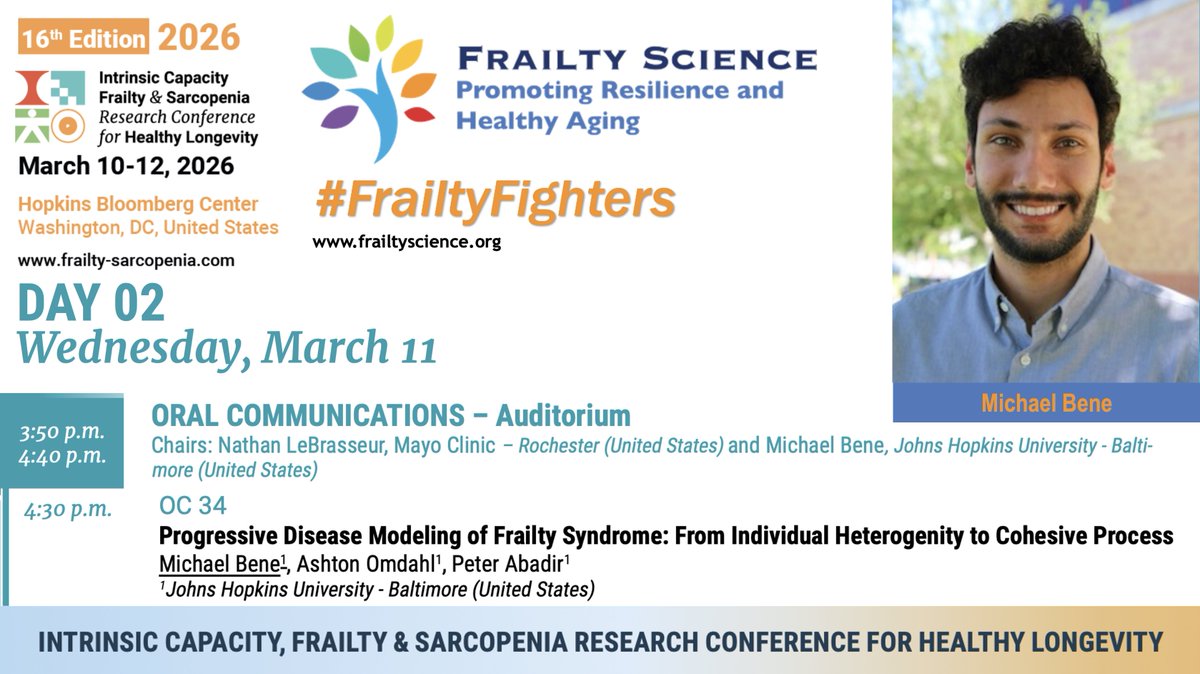
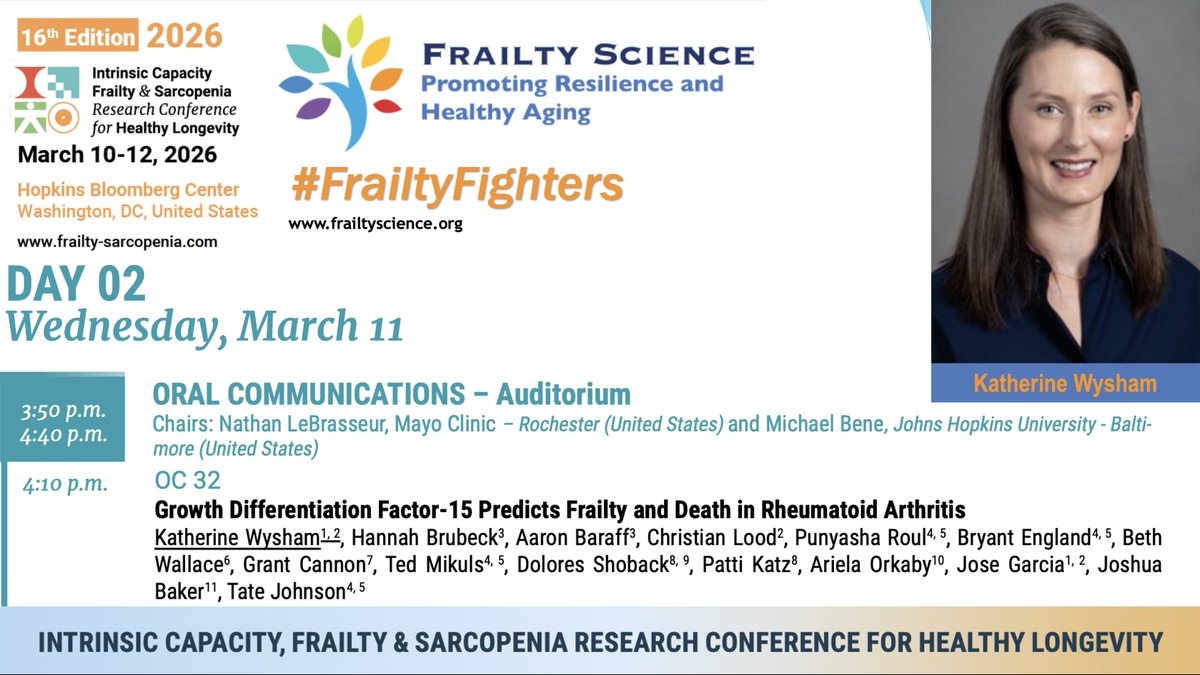
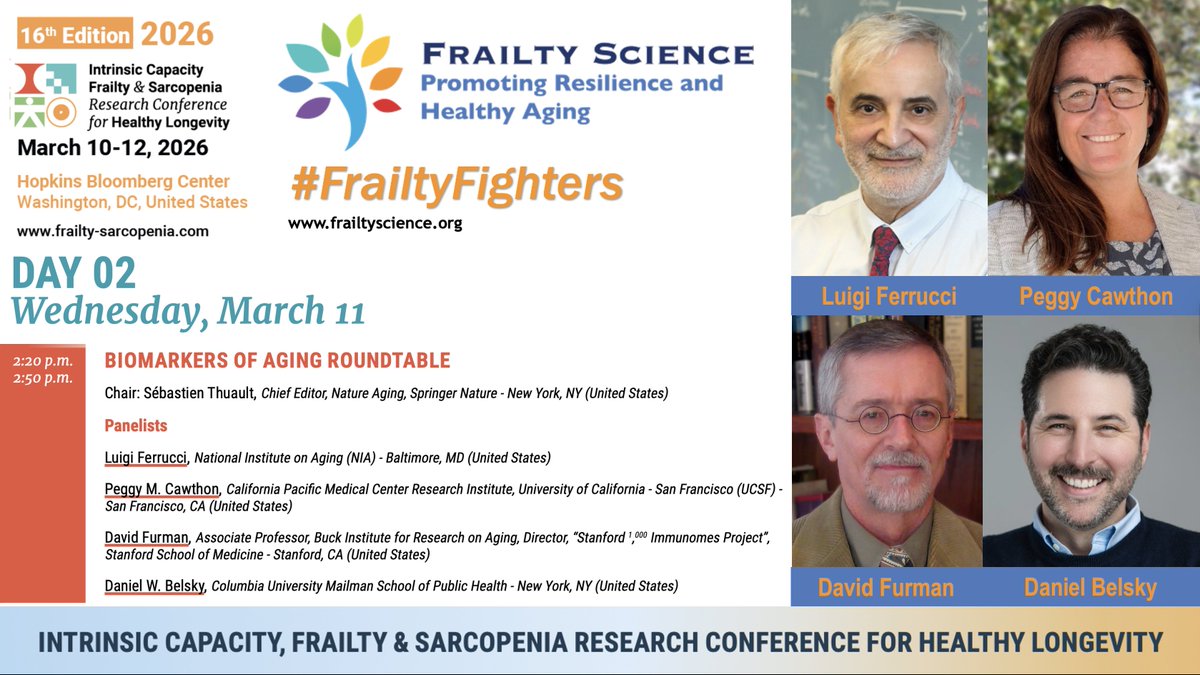
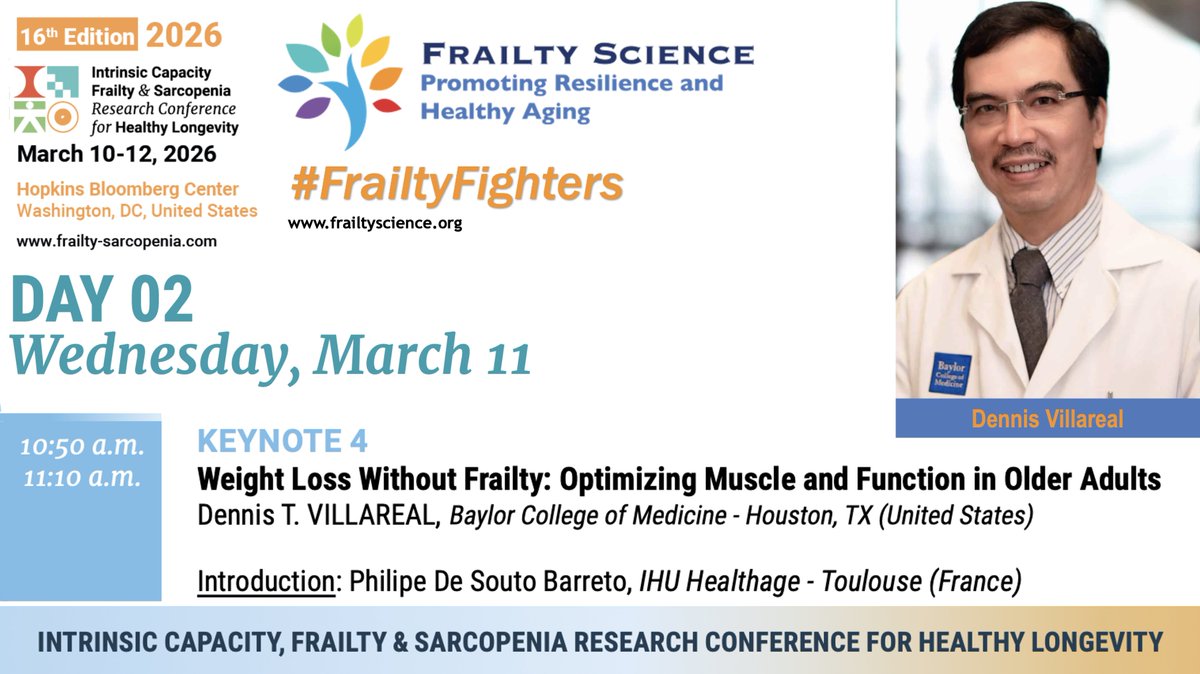
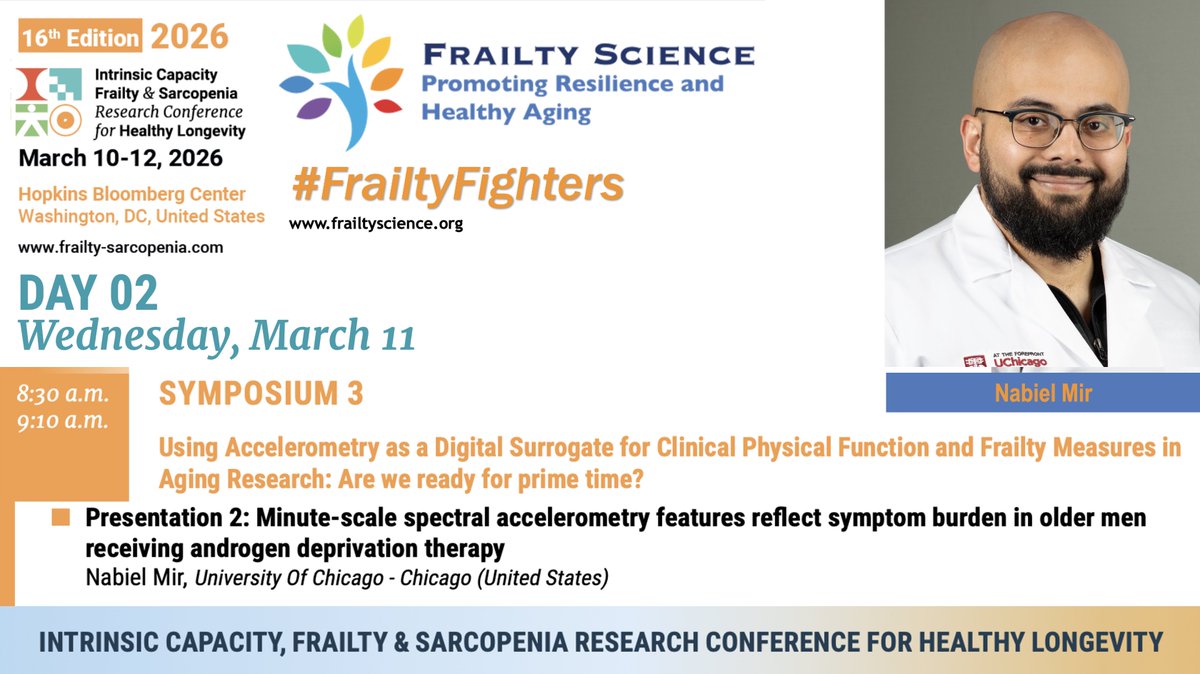
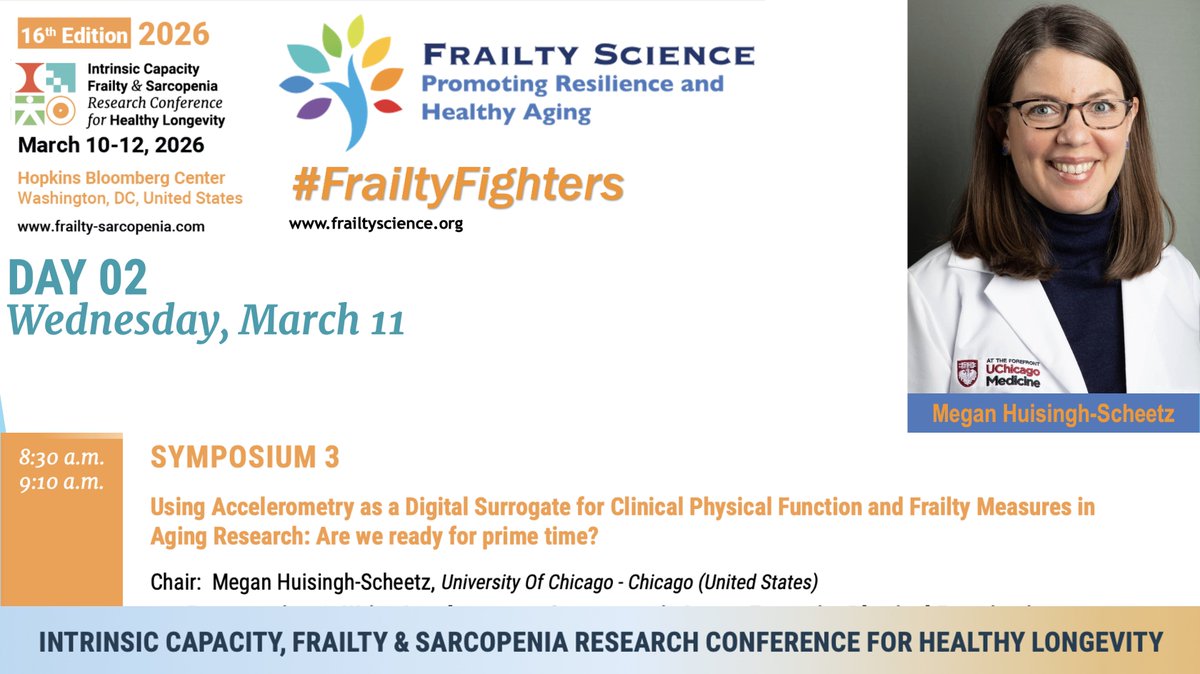
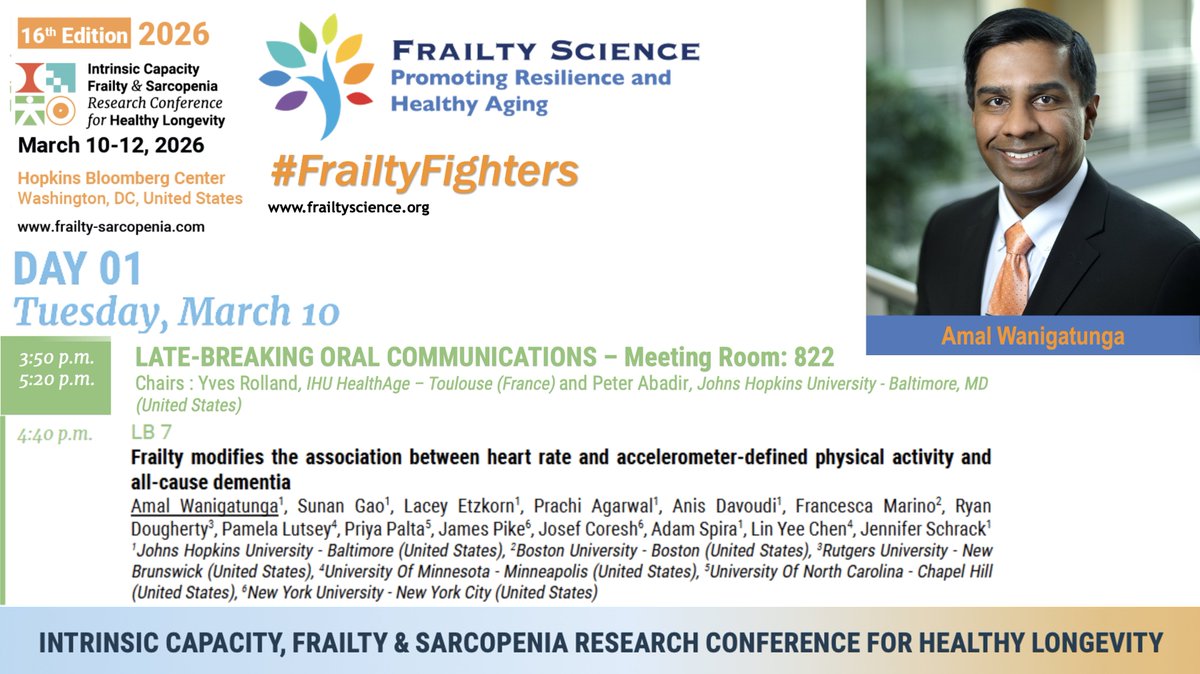
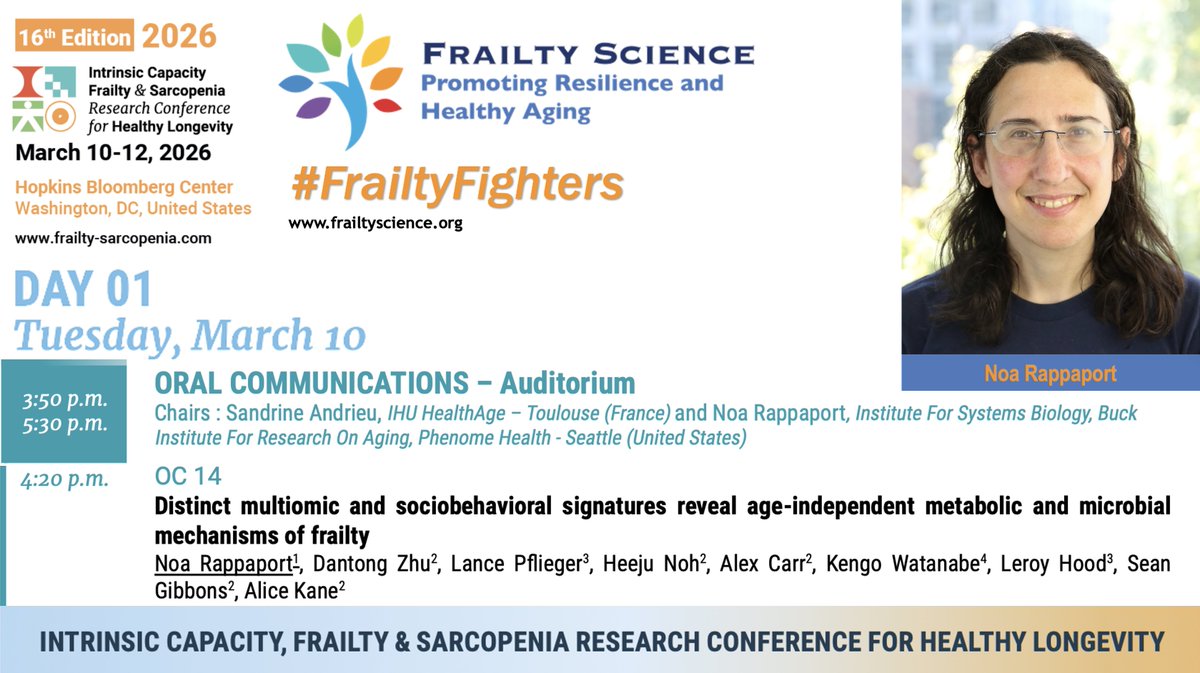
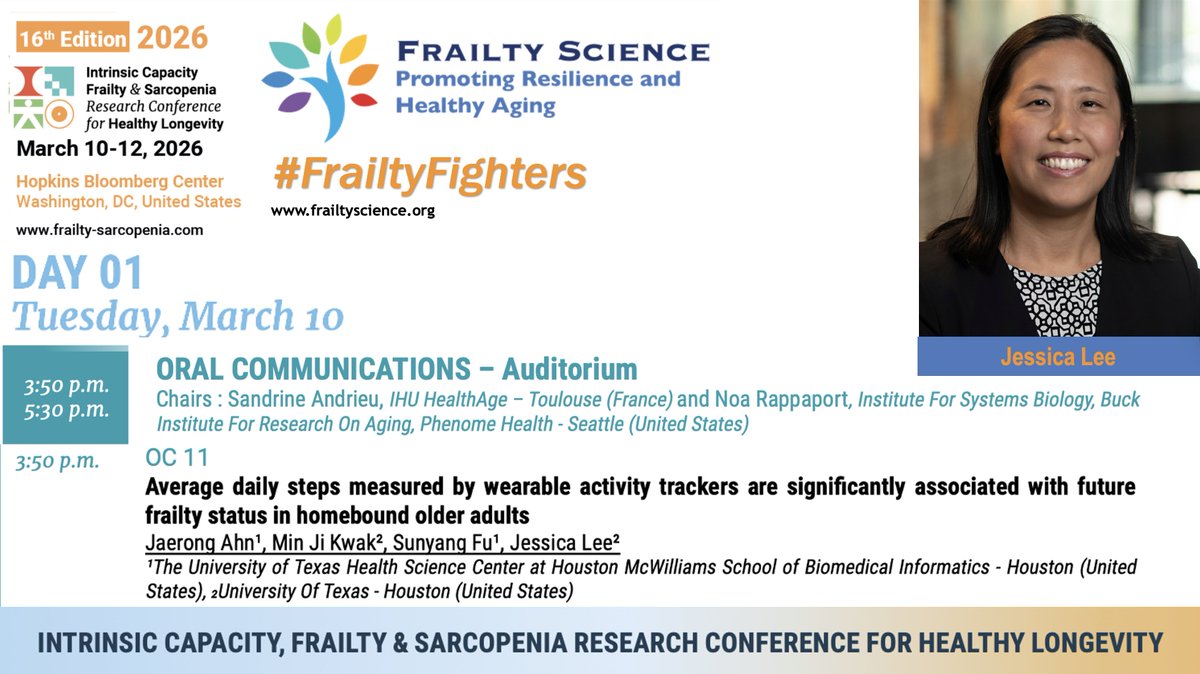
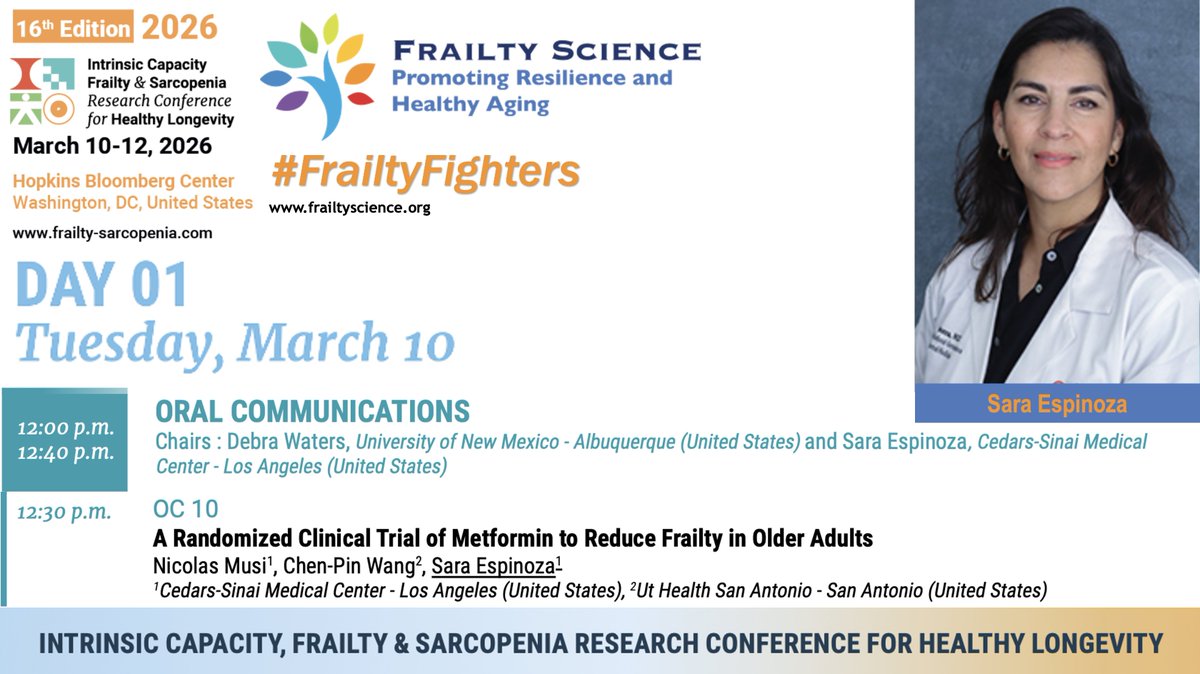
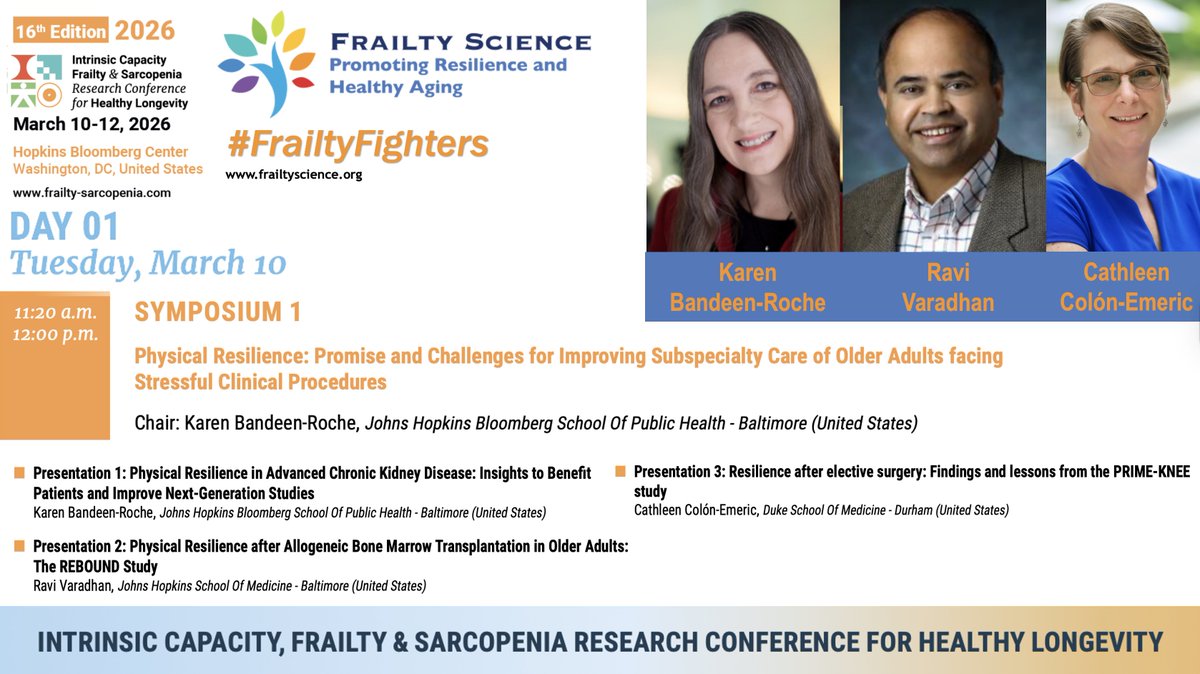
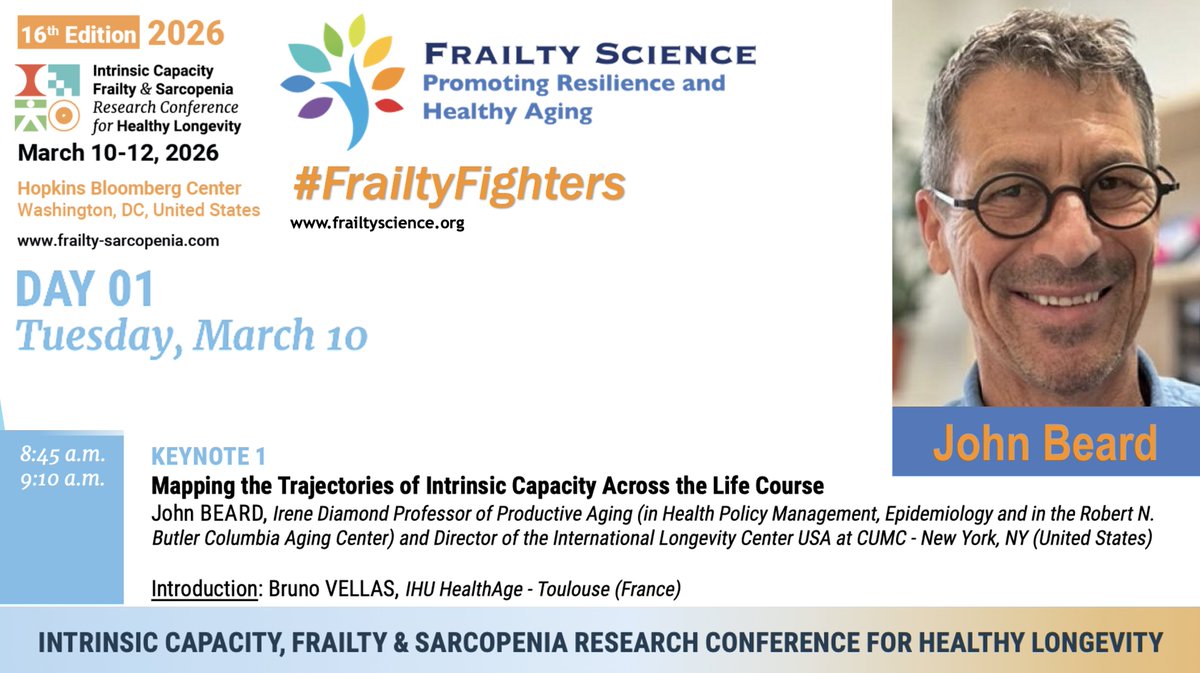

SCWD 2026 registration is now open.
The global muscle health community will gather at the 19th International Conference on Sarcopenia, Cachexia & Wasting Disorders, bringing together clinicians, researchers, and translational scientists advancing the understanding of sarcopenia, cancer cachexia, and muscle wasting disorders.
Taking place 10–12 December 2026 in Washington, DC, the meeting will feature emerging science, clinical insights, and opportunities to connect with experts shaping the future of muscle preservation research.
Secure your place and join the conversation shaping muscle health worldwide: society-scwd.org/
#SCWD2026 #SaveTheDate #MuscleWasting #Sarcopenia #CancerCachexia #CancerCachexiaResearch #SCWDConference2026
2
5
250
Johns Hopkins Frailty Science #FrailtyFighter retweeted

Apr 29
The Crossroads between #Osteosarcopenia and #IntrinsicCapacity: academic.oup.com/biomedgeron… @RIMUHC1 @McGill_DOM @geronsociety @ASBMR @IFMRSGlobal @iofbonehealth @ECTS_science @acer_journal @aging_CEDurable @CTGNofficial #THRIVEProject
4
7
604
Johns Hopkins Frailty Science #FrailtyFighter retweeted
Exploring the role of #ParathyroidHormone in #sarcopenia and #osteosarcopenia: journals.lww.com/co-endocrin… @RIMUHC1 @McGill_DOM
1
8
578
Johns Hopkins Frailty Science #FrailtyFighter retweeted

Apr 30
Physical activity and biological age measured by DNA methylation clocks: a systematic review and meta-analysis - The Lancet Healthy Longevity thelancet.com/journals/lanhl…
5
13
745
Johns Hopkins Frailty Science #FrailtyFighter retweeted
May 26
Plasma eMTBR-tau243 and %p-tau217 for Biological Staging of Alzheimer Disease jamanetwork.com/journals/jam…
1
3
142
Johns Hopkins Frailty Science #FrailtyFighter retweeted
May 29
Alzheimer's disease neuropathology plasma biomarkers and cognition in midlife: a community-based cohort study - The Lancet thelancet.com/journals/lance…
2
5
180
Johns Hopkins Frailty Science #FrailtyFighter retweeted
May 30
Blood biomarkers for Alzheimer's disease: from detection to decisions - The Lancet thelancet.com/journals/lance…
3
8
539
Johns Hopkins Frailty Science #FrailtyFighter retweeted

Jun 4
New research shows that older adults who get high-quality rest are much less likely to develop depression symptoms over a multi-year period. Improving your daily sleeping habits might offer a powerful way to protect your long-term mental health. dlvr.it/TStF2C
1
10
36
3,431
Johns Hopkins Frailty Science #FrailtyFighter retweeted

Meat is Good for the Brain: A New Study of Meat Intake, Genetics, and Brain Health
A recent study from Sweden found that older adults who ate more meat had slower cognitive decline and a lower risk of dementia, but only if they carried a specific genetic risk factor for Alzheimer’s disease (APOE E3/E4 or E4/E4).
The study included 2,157 adults aged 60 or older without dementia who were followed for up to 15 years.
This was an observational study, so it does not show that meat prevents dementia. It does suggest that diet and brain health may interact with genetics.
One important finding from this study is that all participants had a higher risk of dementia if they had a higher intake of processed meat, such as bacon and deli meats.
Another interesting detail is what the meat replaced in the diet. The association was strongest when meat replaced foods like cereals and dairy, not when it replaced fish or eggs.
From a headache and migraine perspective, there may be another explanation worth considering. Diets higher in meat are often lower in carbohydrates, which can shift metabolism toward using ketones for energy. Ketogenic strategies are helpful for some patients with migraine and support brain energy metabolism. A rare form of childhood epilepsy responds dramatically to a ketogenic diet and not to any drug, confirming the beneficial effect of ketones on brain function.
It is possible that some of the observed benefits relate to this metabolic effect rather than meat itself. This is especially relevant in APOE4 carriers, in whom differences in brain energy use have been reported.
The study also noted that some of the benefits could be due to higher levels of vitamin B12 in meat, but these findings remain preliminary.
For now, this research does not change standard recommendations. The most consistent evidence still supports diets built around whole, minimally processed foods, with limited processed meat.
This study suggests that we need a more individualized approach, in which genetic and metabolic factors may positively influence brain function.
2
6
153
Johns Hopkins Frailty Science #FrailtyFighter retweeted

Jun 5
High intake of ultra-processed foods linked to greater dementia risk in older adults | Eric W. Dolan, PsyPost
A recent study published in the American Journal of Public Health suggests that older adults who consume high amounts of ultra-processed foods face a greater risk of developing dementia and other forms of cognitive decline. The findings provide evidence that replacing industrially manufactured foods with fresh, unprocessed alternatives tends to offer a protective benefit for maintaining brain health in later life.
Ultra-processed foods are items produced in industrial settings that contain chemical additives, artificial flavors, and preservatives. These ingredients are designed to make the products taste better and last longer on store shelves. Examples include sugary sodas, packaged sweet snacks, sweetened breakfast cereals, and mass-produced frozen meals. These foods tend to be high in added sugars, sodium, and saturated fats while lacking important dietary fiber.
In the United States, these highly processed items account for a large portion of the daily calorie intake for many adults. Their convenience and widespread availability have led to an increase in consumption, particularly among older populations. High intake of these foods is already linked to physical health conditions like obesity, diabetes, and heart disease.
In recent years, scientists have turned their attention to the potential effects of a highly processed diet on the human brain. Some evidence hints that poor diet quality plays a role in cognitive decline, but past studies have produced mixed findings regarding milder cognitive issues. One prior American longitudinal study actually found no significant association between ultra-processed diets and general cognitive impairment.
That previous work, however, did not measure food intake by weight, a method that often provides a more accurate picture of how much of a person’s diet consists of these items. The authors of the new paper sought to fill this gap in the literature. They wanted to examine how the sheer volume of ultra-processed food consumed relates to specific health outcomes, including full dementia and milder forms of cognitive impairment.
To explore this relationship, the researchers analyzed data from the Health and Retirement Study. This is a large, nationally representative longitudinal survey of older Americans. The final sample included 5,370 adults aged 50 and older. To ensure they were observing new cases of cognitive decline, the scientists excluded anyone who already had a dementia diagnosis or memory problems at the start of the data collection period.
Participants completed a detailed food frequency questionnaire in 2013, reporting how often they ate various items over the previous year. The researchers then categorized these foods based on their level of industrial processing. They calculated the percentage of each person’s total daily diet that came from ultra-processed foods, adjusting the measurements by weight in grams rather than just counting daily caloric servings.
The scientists broke the ultra-processed items down into thirteen mutually exclusive subgroups. These categories included whole grains, dairy, fats and oils, processed meats, snacks and sweets, and sugar-sweetened beverages. Sugar-sweetened beverages and other drinks ended up being the largest contributors to the total ultra-processed food intake among the participants.
To track brain health, the participants underwent cognitive assessments every two years between 2014 and 2020. These tests involved tasks such as counting backward, remembering a list of words immediately and after a delay, and subtracting numbers in a series. Based on a twenty-seven-point scoring system, participants were classified as having normal cognitive function, cognitive impairment without dementia, or full dementia.
Cognitive impairment without dementia refers to a noticeable decline in mental abilities, such as memory and thinking skills, that is not severe enough to interfere entirely with daily life. People with this condition are at a higher risk of eventually developing full dementia. The researchers used a composite category that combined both of these conditions for parts of their statistical analysis.
The researchers tracked the participants for an average of nearly nine years. During that time, they identified 266 new cases of dementia, 1,191 cases of cognitive impairment without dementia, and 1,310 cases of the composite category. They then compared the cognitive outcomes of the individuals who ate the highest amounts of ultra-processed foods to those who ate the least.
Adults in the highest one-fifth of ultra-processed food consumption had a 58 percent higher risk of developing dementia compared to those in the lowest one-fifth. The highest consumers also faced a 46 percent higher risk of developing cognitive impairment without dementia. The researchers observed these elevated risks even after adjusting for factors like age, gender, race, education, wealth, physical activity, and smoking habits.
When analyzing specific types of ultra-processed items, the authors found that processed meat was the only individual category significantly linked to higher risks across all cognitive outcomes. Unprocessed or minimally processed foods, such as fresh fruits, vegetables, and plain grains, showed the exact opposite pattern. Higher consumption of these natural foods was associated with a significantly lower risk of both dementia and milder cognitive impairment.
The scientists also explored whether social factors influenced this relationship. They created a social isolation score based on whether participants lived alone, were unmarried, or had infrequent contact with friends, family, and social clubs. The association between poor diet and cognitive impairment tended to be stronger among older adults who experienced social isolation, suggesting this demographic might be particularly vulnerable.
While the study provides extensive evidence linking diet and brain health, it does have some limitations. The food questionnaire relied on participants remembering and reporting their own eating habits, which can sometimes lead to unintentional inaccuracies. Because the survey was not explicitly designed to track industrial food processing, the researchers may have underestimated the true amount of ultra-processed foods people consumed on a daily basis.
Additionally, the cognitive outcomes were based on survey-based mental tests rather than official clinical diagnoses from neurologists. Although these tests are widely used and validated in population research, they may occasionally misclassify a person’s true cognitive status. The study design also leaves open the possibility of unmeasured lifestyle factors subtly influencing both dietary choices and brain health over time.
There is also a chance that early, undetected changes in the brain could influence eating habits before a formal cognitive issue is recognized. People experiencing early memory problems might shift toward eating more convenient, packaged meals out of necessity. The researchers attempted to account for this by excluding individuals who developed cognitive impairment within the first two years of the study, but some reverse causation might still exist.
The biological reasons behind these findings require further investigation. The authors suggest that high consumption of industrial additives and sugars might alter gut bacteria, increase oxidative stress, and promote chronic inflammation in the body. These physical responses could theoretically disrupt the biological pathways that maintain healthy brain tissue and support cognitive function.
Future research could focus on longer tracking periods and more precise dietary logging methods, such as daily food diaries. Health professionals could use this expanding body of evidence to encourage older adults to prioritize fresh foods in their daily routines. Public health policies might also support these individual choices by making minimally processed ingredients more accessible and affordable in communities.
Read more:
psypost.org/high-intake-of-u…
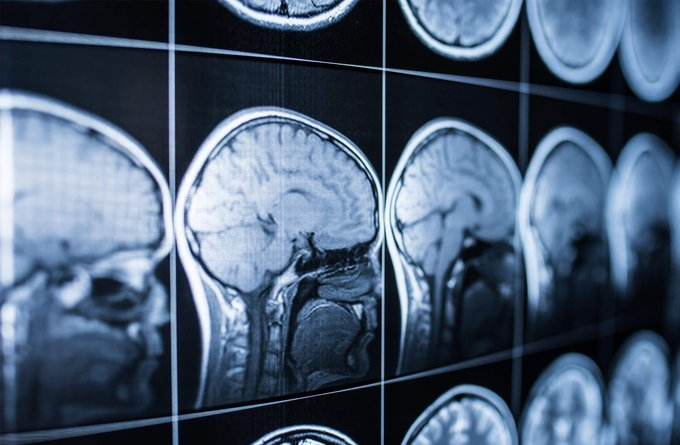
5
10
40
19,257
Johns Hopkins Frailty Science #FrailtyFighter retweeted

📚 frail nursing home residents aged 72–98 years increased muscle strength by 113% after just 10 weeks of progressive resistance training.
Even at very old age, skeletal muscle retains a remarkable capacity to adapt.
pubmed.ncbi.nlm.nih.gov/8172…
14
58
1,713
Johns Hopkins Frailty Science #FrailtyFighter retweeted

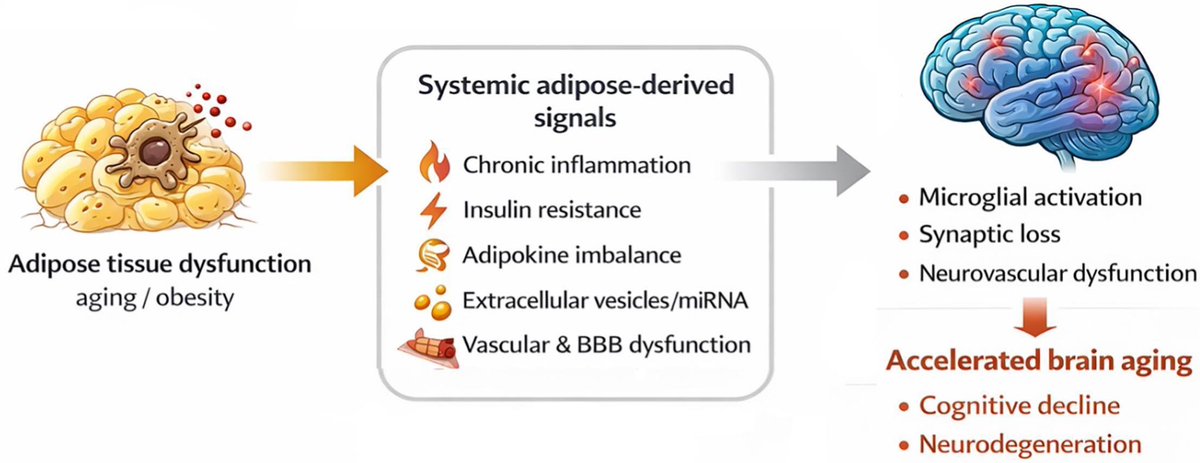
Adipose tissue as a systemic modulator of brain aging: Mechanistic links between metabolism, inflammation and neurodegeneration
sciencedirect.com/science/ar…
19
71
2,355
Johns Hopkins Frailty Science #FrailtyFighter retweeted

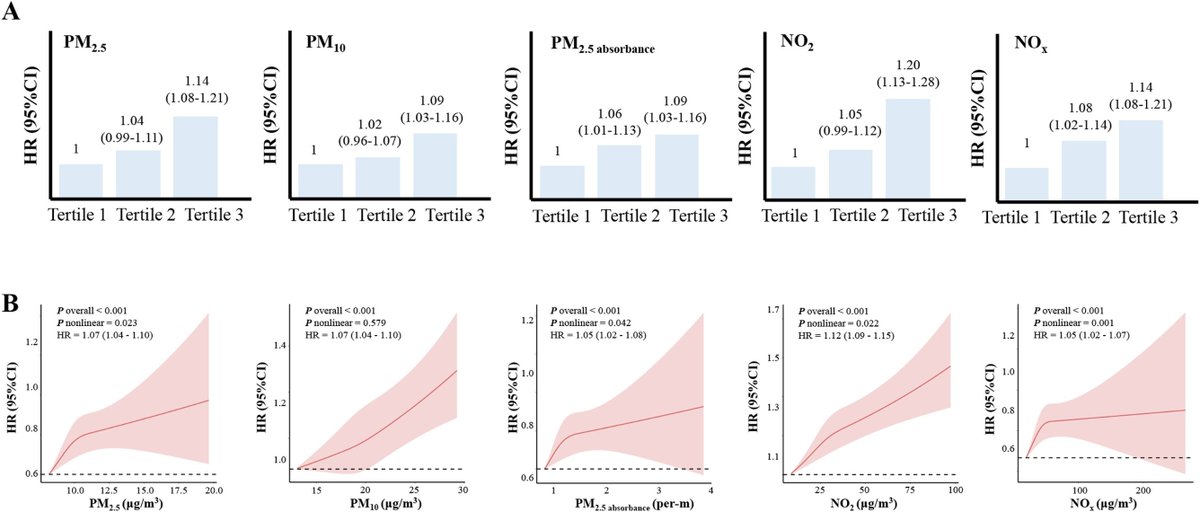
Accelerated biological aging and brain structural alterations linking air pollution to dementia risk: a prospective cohort study
"Our findings support the association between air pollution and dementia, as well as a reduction in global and several regional brain volumes. Notably, biological age acceleration and brain atrophy mediated the air pollution-dementia association."
sciencedirect.com/science/ar…
1
11
24
1,394
Johns Hopkins Frailty Science #FrailtyFighter retweeted

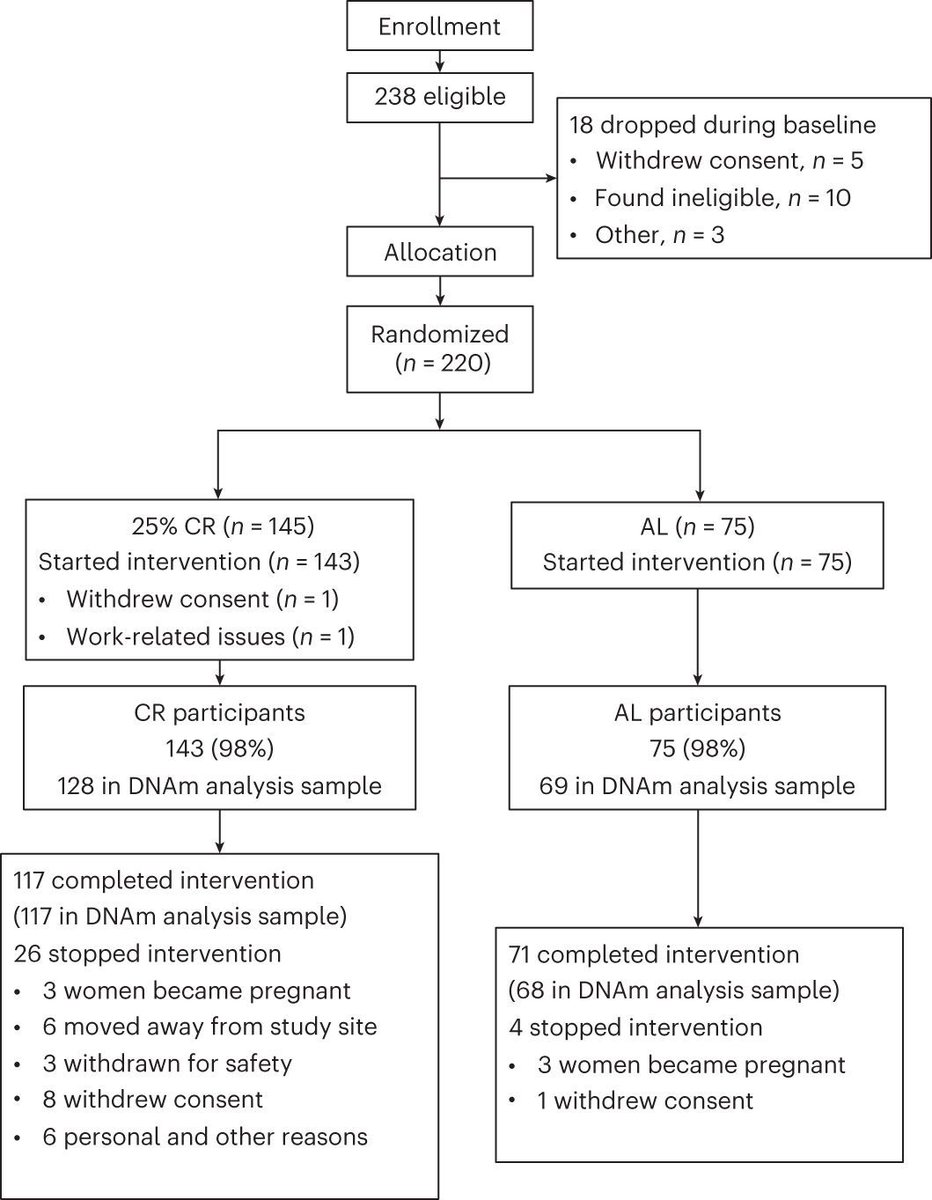
Slowing aging is not theoretical. In humans, calorie restriction measurably slows biological aging pace by ~2–3% over 2 years
Link here: nature.com/articles/s43587-0…
32
56
424
37,930
Johns Hopkins Frailty Science #FrailtyFighter retweeted

May is #HealthyVisionMonth. Learn how a nutrient‑rich diet can help maintain your overall eye health. hopkinsmedicine.org/health/w…
1
5
11
1,343
Johns Hopkins Frailty Science #FrailtyFighter retweeted
Too much sitting can be hazardous to your health - & 4 other heart tips from experts. hopkinsmedicine.org/health/w…
1
5
1,018
Johns Hopkins Frailty Science #FrailtyFighter retweeted
Your health tracker does more than count steps — it can reveal early clues about your heart health. By spotting trends in heart rate, rhythm, sleep and activity, wearables help you stay proactive while still leaving diagnosis to your doctor. hopkinsmedicine.org/health/e…
2
4
9
1,626
Johns Hopkins Frailty Science #FrailtyFighter retweeted
If you've had gestational diabetes, you have a greater risk of heart problems - & other heart facts women need to know. hopkinsmedicine.org/health/w…
3
5
1,015
Johns Hopkins Frailty Science #FrailtyFighter retweeted
Learn the facts about the recent hantavirus outbreak from an expert in emergency medicine. hopkinsmedicine.org/health/e…
2
7
7
1,345
Johns Hopkins Frailty Science #FrailtyFighter retweeted

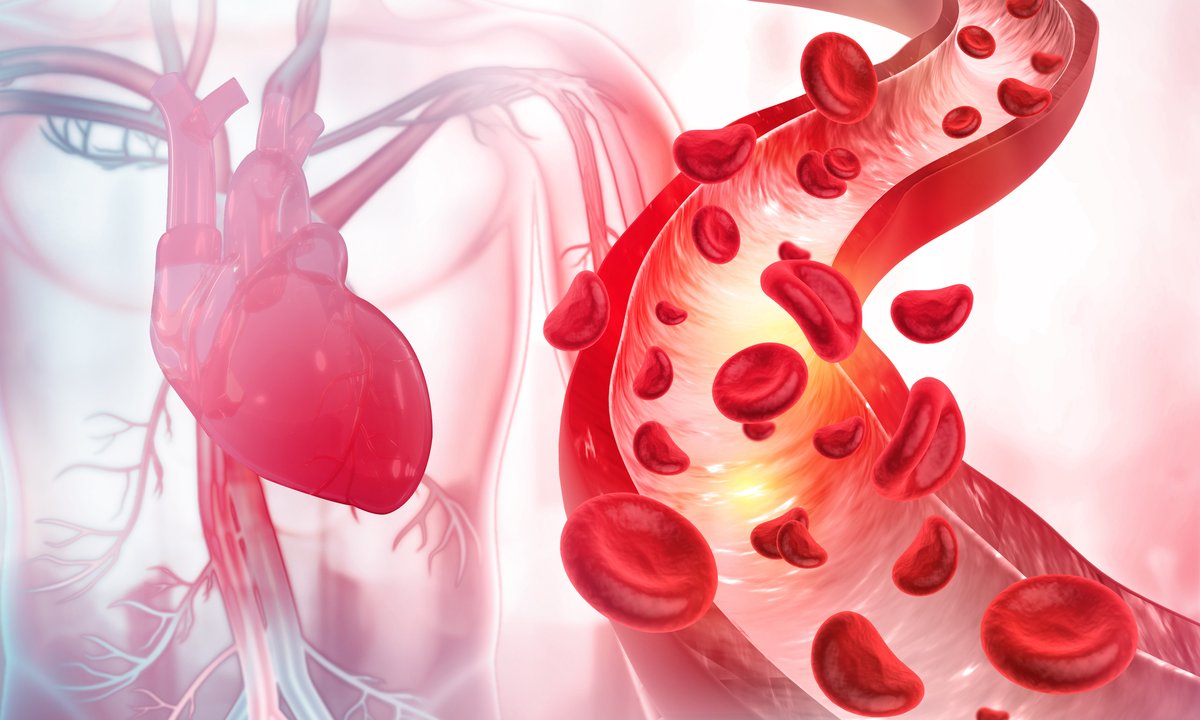
The new guideline for blood cholesterol and lipid management focuses on personalizing #ASCVD risk assessments. Read a case study about a woman with a family history of #CHD who received personalized insight to take steps to further offset risks: tinyurl.com/yc47m7yj.
2
11
18
3,828