
Physical Education/Green School Coordinator, STEM advocate. Active School Champion and Marathon Kid Coach CMU graduate
Joined January 2015
- Tweets 2,054
- Following 376
- Followers 281
- Likes 16,009
115 Photos and videos





Coach F retweeted

100K GIVEAWAY!
The Central Michigan Football account on 𝕏 is closing in on 100,000 followers!
GIVEAWAY
• Mini Helmet
• Game Jersey
• Central Michigan Decal
• Hat
TO ENTER
• Follow @CMU_Football
• Repost this post
One lucky winner will take home the prize pack once we eclipse 100K!

21
266
198
25,165
Coach F retweeted

Jun 1
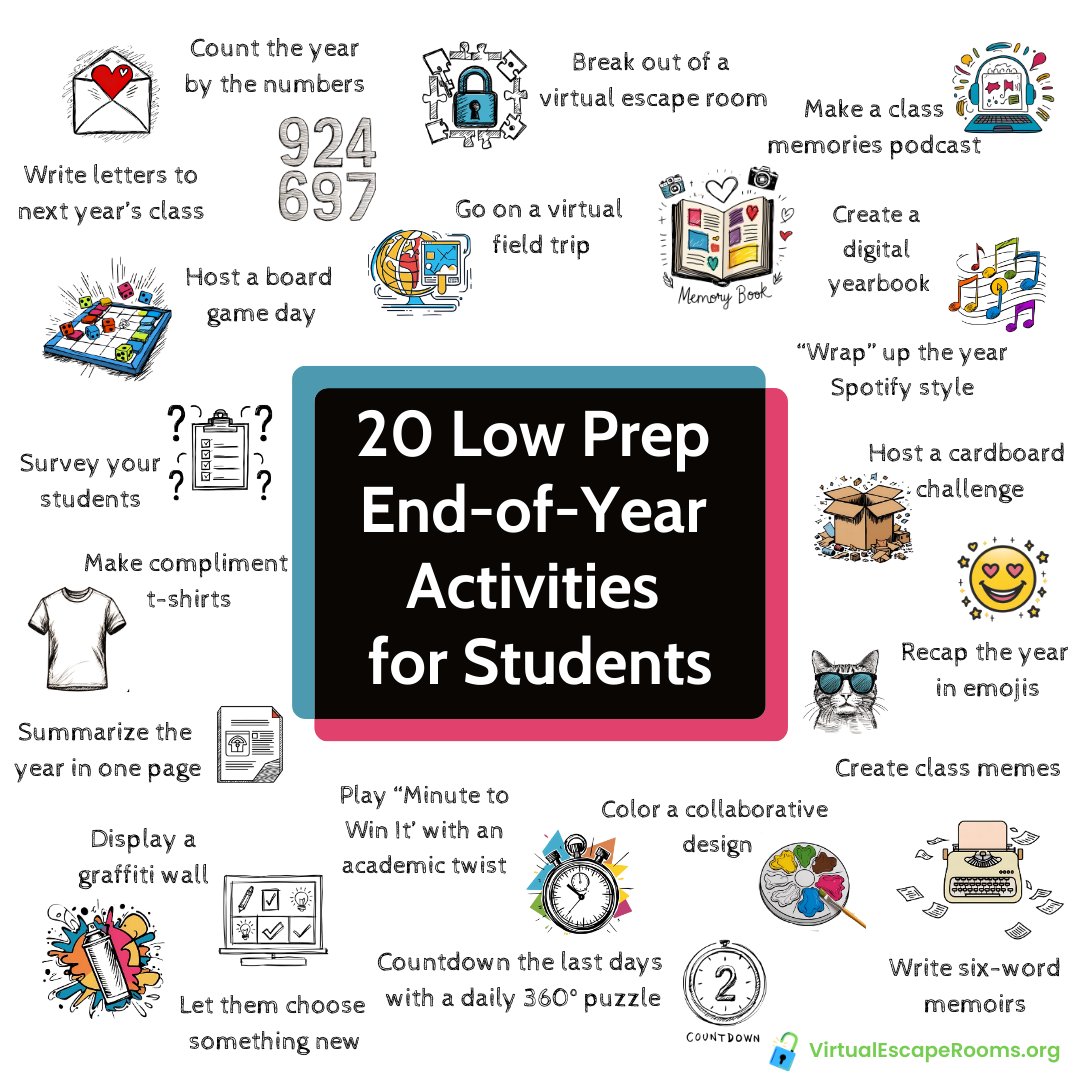
🎉Wrapping up the school year?
Check out these 20 low prep end-of-year activity ideas
🔒No prep escape rooms
🎙️Class podcast
📚Digital yearbook
😎My Year in Emojis
➕More! With templates, links, & resources
➡️ f.mtr.cool/gakhhiqlnj
3
6
22
1,445
Coach F retweeted

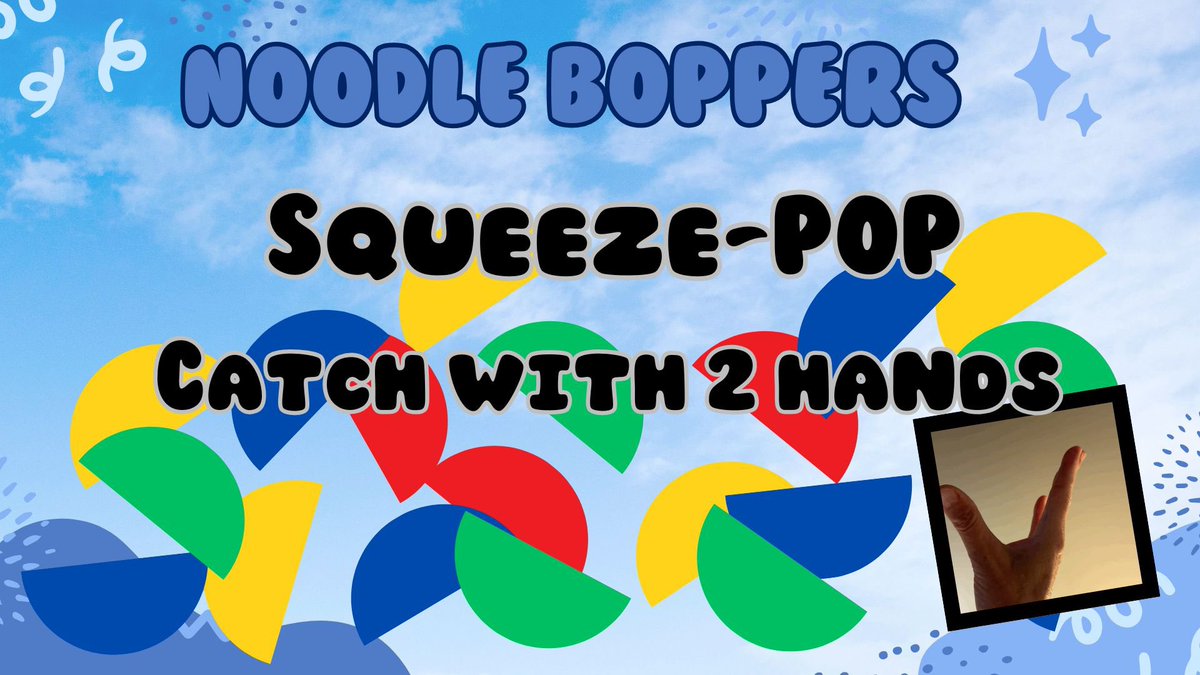
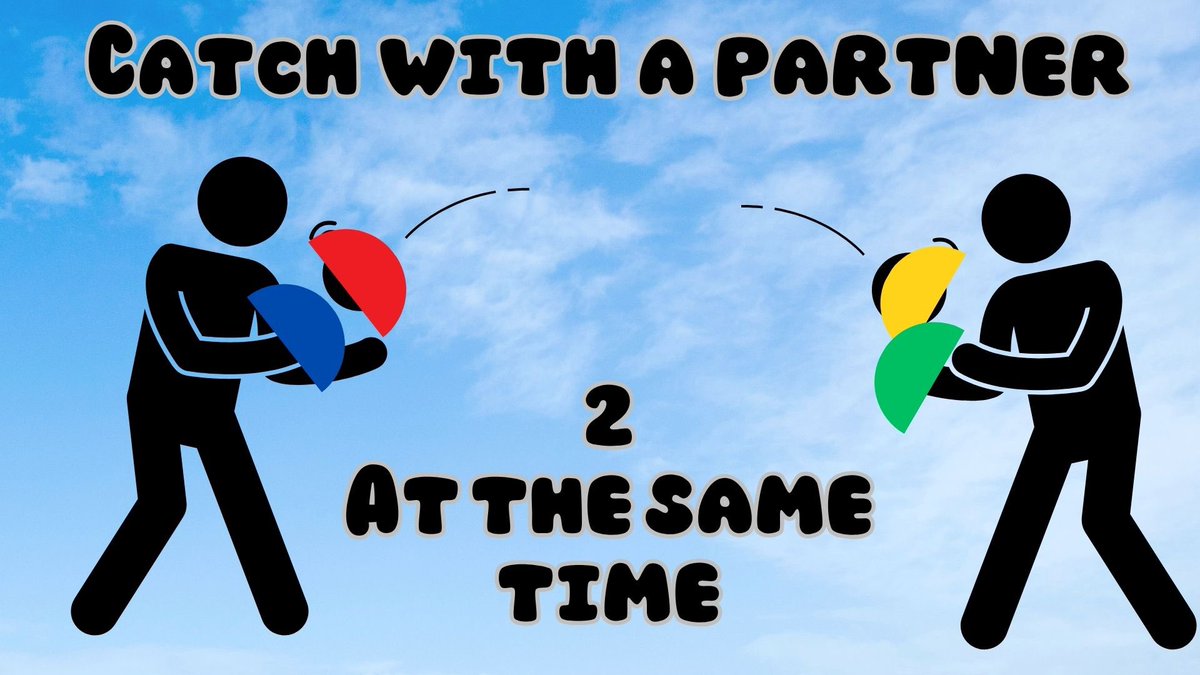
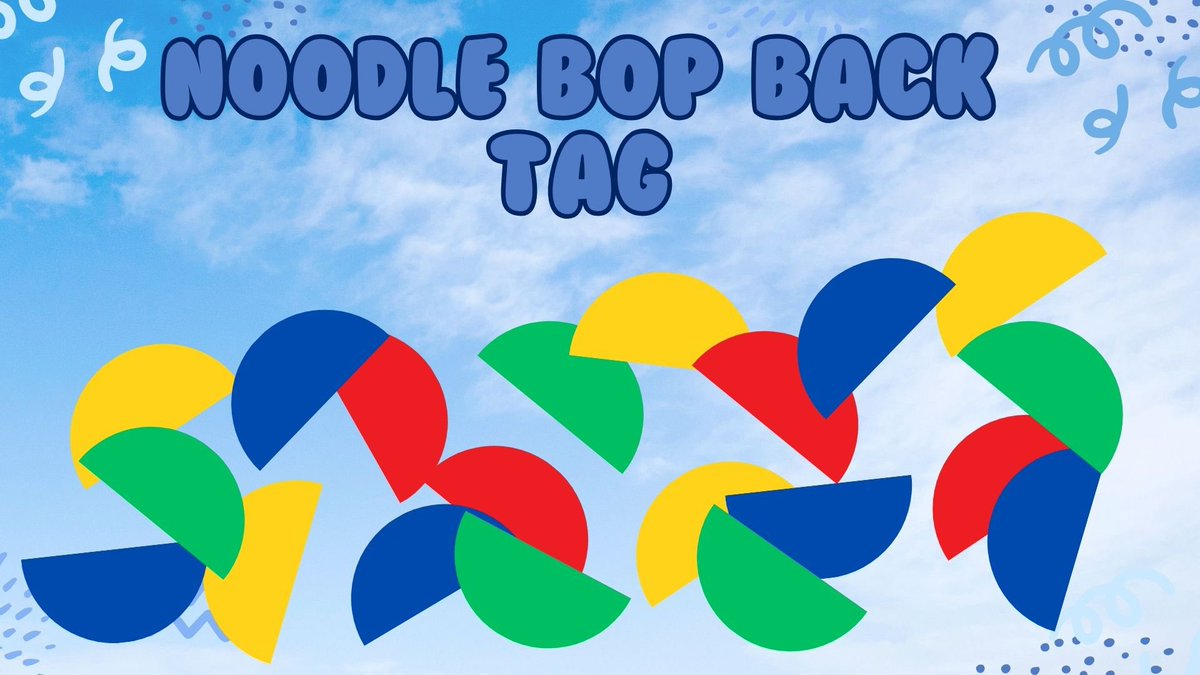
Here are slide images from @BarbaraBorden9 for our session at @IAHPERD 2025.

1
1
1
30
Coach F retweeted

Big shoutout to @mchamberlainPE and @BarbaraBorden9 for this idea! Their pool noodle ring tag inspired Flick It 4 Corners.
Simple, inexpensive equipment with endless possibilities. Can’t wait to create more with these!
#PEPayItForward #ElemPE #PhysEd
2
1
12
1,155
Coach F retweeted

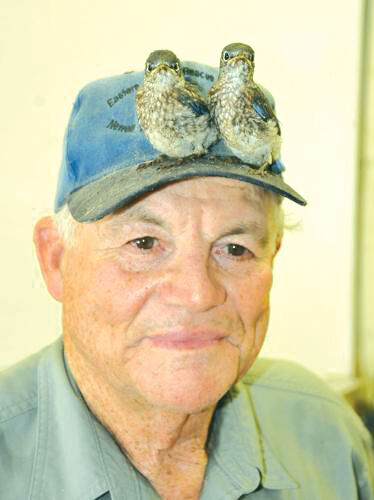
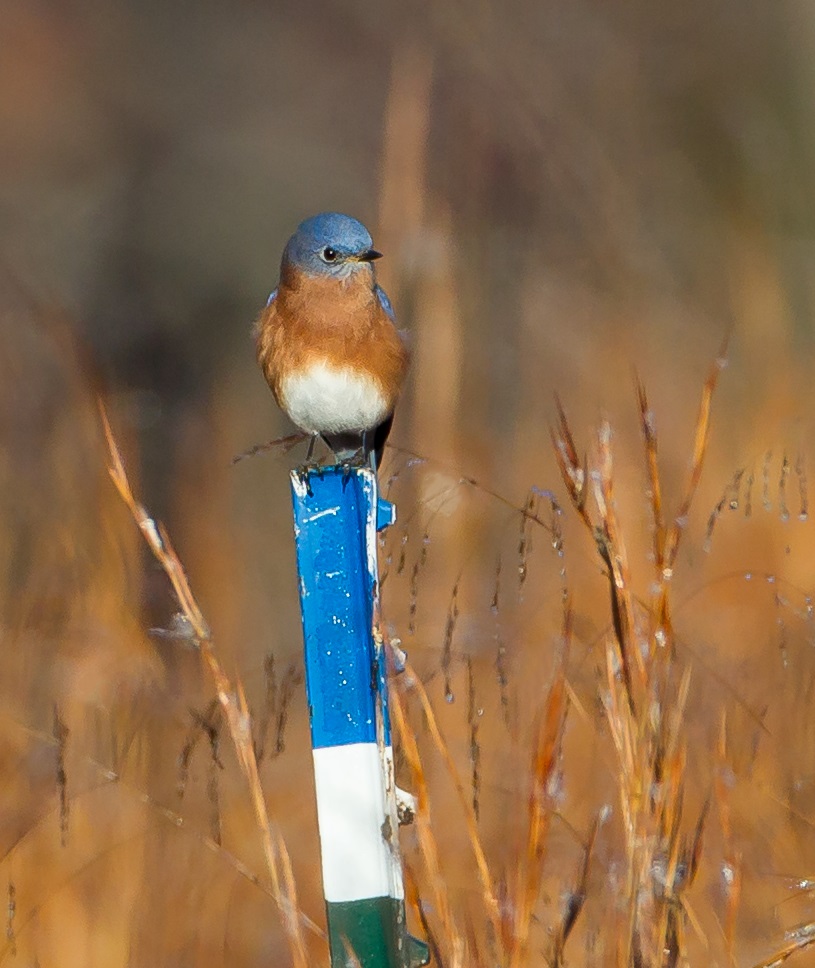
Frank Newell spent 38 years in the military. When he came home to his family farm in North Carolina, the bluebirds were gone.
When Frank was young, the fence posts around the pastures in Warrenton were wood, and Eastern bluebirds nested in them by the hundreds. When he came home decades later, the posts had been replaced with metal. The bluebirds had nowhere to nest and were disappearing.
Bluebirds can't excavate their own nest cavities. They depend on old woodpecker holes and natural rot in dead wood, both of which vanish when a landscape gets tidied up. So Frank started building them nest boxes by hand, 25 a week, with donated lumber and a Sears table saw that lasted him 33 years.
The word spread, volunteers joined, and businesses donated wood. The Eastern Bluebird Rescue Group, which Frank founded in 1996, has now built and distributed more than 500,000 bluebird houses, sold at or below cost. Warren County is now believed to hold the largest concentration of Eastern bluebirds in the United States.
Frank Newell has since passed away, but the group he started is still going, run by his daughter and son-in-law and a few dozen volunteers.
120
1,859
10,228
161,479

🍎 Teacher Appreciation 🍎
25% OFF select #physed equipment 💪
🏷 Code: 25 (enter at price tag in upper right corner)
⏳ Ends 6/15/26
🔗 usgames.com
#physed #peteacher

2
3
159
Coach F retweeted

We are giving away three $50 gift certificates for our family’s handcrafted #dreamware! To enter:
1. Follow @polderfamily
2. Share this post
3. Drop a comment
Winners will be announced tomorrow May 28th!
Thanks for being here!

365
312
491
57,827
Coach F retweeted

May 27
I know this isnt music related but this organization is having a hard time reaching its goal and its is amazing for #kids and #community. If nothing else, please retweet givebutter.com/annual-campai…
1
1
67
Coach F retweeted

May 27
Check out Corn-Hoop!
This is our schools version of a cornhole type game so students are going to work on underhand throwing.
But, what we are really working on as a variety of social standards, including cooperation, the ability to talk to teammates and opponents!
2
10
541
Coach F retweeted

May 27
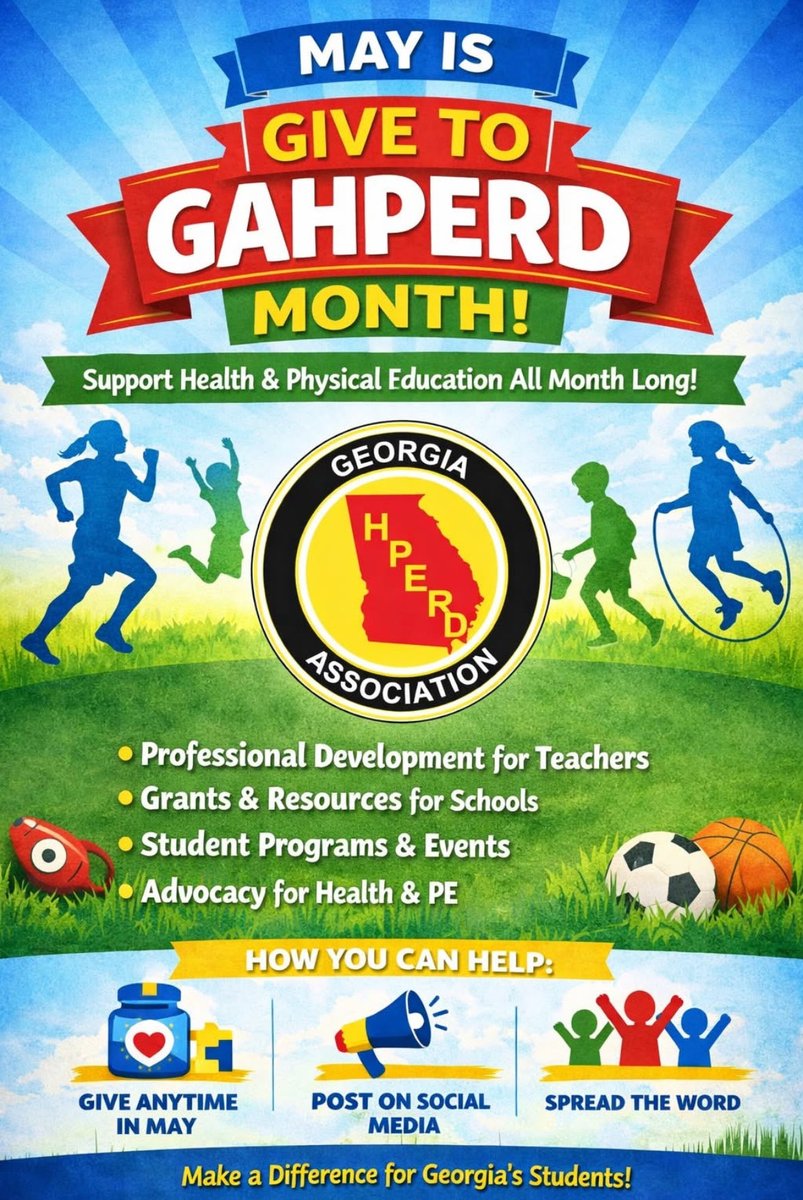
We invite students, staff, and families to support GAHPERD—helping us continue to provide:
• Professional development for PE & Health educators
• Grants and resources for schools
Give today georgiaahperd51846.wildapric…
1
1
104

Coach F retweeted

May 23
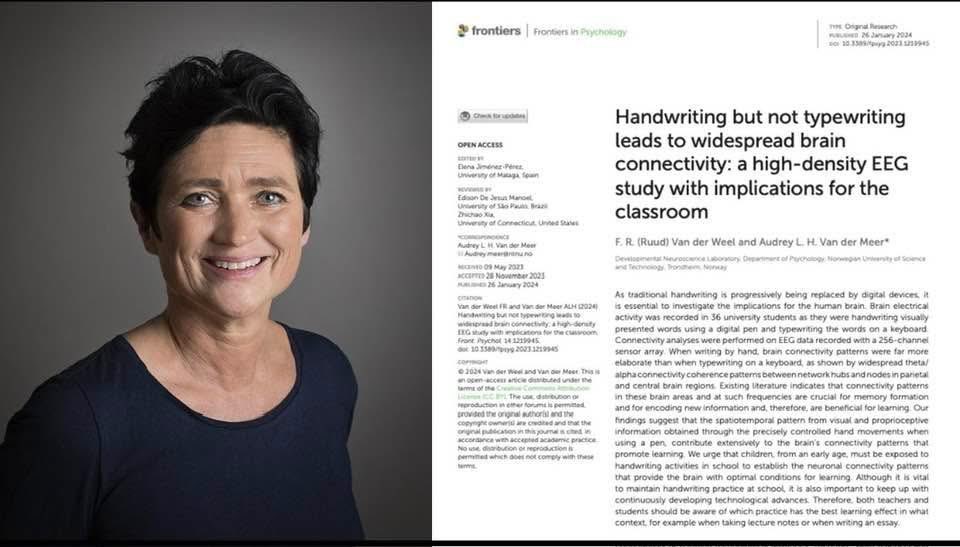
A Norwegian neuroscientist spent 20 years proving that the act of writing by hand changes the human brain in ways typing physically cannot, and almost nobody outside her field has read the paper.
Her name is Audrey van der Meer.
She runs a brain research lab in Trondheim, and the paper that closed the argument was published in 2024 in a journal called Frontiers in Psychology. The finding is brutal enough that it should have changed every classroom on Earth.
Sometimes the students wrote the word by hand on a touchscreen using a digital pen, and sometimes they typed the same word on a keyboard. Every neural response was recorded for the full five seconds the word stayed on screen.
When the students wrote by hand, the brain lit up everywhere at once.
The regions responsible for memory, sensory integration, and the encoding of new information were all firing together in a coordinated pattern that spread across the entire cortex. The whole network was awake and connected.
When the same students typed the same word, that pattern collapsed almost completely.
The reason turned out to be something nobody had really paid attention to before her work. Writing by hand is not one motion but a sequence of thousands of tiny micro-movements coordinated with your eyes in real time, where each letter is a different shape that requires the brain to solve a slightly different spatial problem.
Your fingers, wrist, vision, and the parts of your brain that track position in space are all working together to produce one letter, then the next, then the next.
Typing throws all of that away. Every key on a keyboard requires the exact same finger motion regardless of which letter you are pressing, which means the brain has almost nothing to integrate and almost no problem to solve.
Van der Meer said it plainly in her interviews.
Pressing the same key with the same finger over and over does not stimulate the brain in any meaningful way, and she pointed out something that should scare every parent who handed their kid an iPad.
Children who learn to read and write on tablets often cannot tell letters like b and d apart, because they have never physically felt with their bodies what it takes to actually produce those letters on a page.
A decade before her, two researchers at Princeton ran the same fight using a completely different method and ended up at the same answer. Pam Mueller and Daniel Oppenheimer tested 327 students across three experiments, where half took notes on laptops with the internet disabled and half took notes by hand, before testing everyone on what they actually understood from the lectures they had watched.
The handwriting group won by a wide margin on every question that required real understanding rather than surface recall.
The reason was hiding in the transcripts of what the two groups had actually written down.
The laptop students typed almost word for word, capturing more total content but processing almost none of it as they went, while the handwriting students physically could not write fast enough to transcribe a lecture in real time, which forced them to listen carefully, decide what actually mattered, and put it in their own words on the page.
That single act of choosing what to keep was the learning itself, and the keyboard had quietly skipped the choosing and skipped the learning along with it.
Two studies. Two countries. Same answer.
Handwriting makes the brain work. Typing lets it coast.
Every note you have ever typed instead of written went into your brain through a thinner pipe. Every meeting, every book highlight, every idea you captured on your phone instead of on paper was processed at half depth.
You did not forget those things because your memory is bad. You forgot them because typing never woke the part of the brain that would have made them stick.
The fix is the thing your grandmother already knew.
Pick up a pen. Write the thing down. The slower road is the faster one.
28
339
791
29,117
Coach F retweeted

May 22
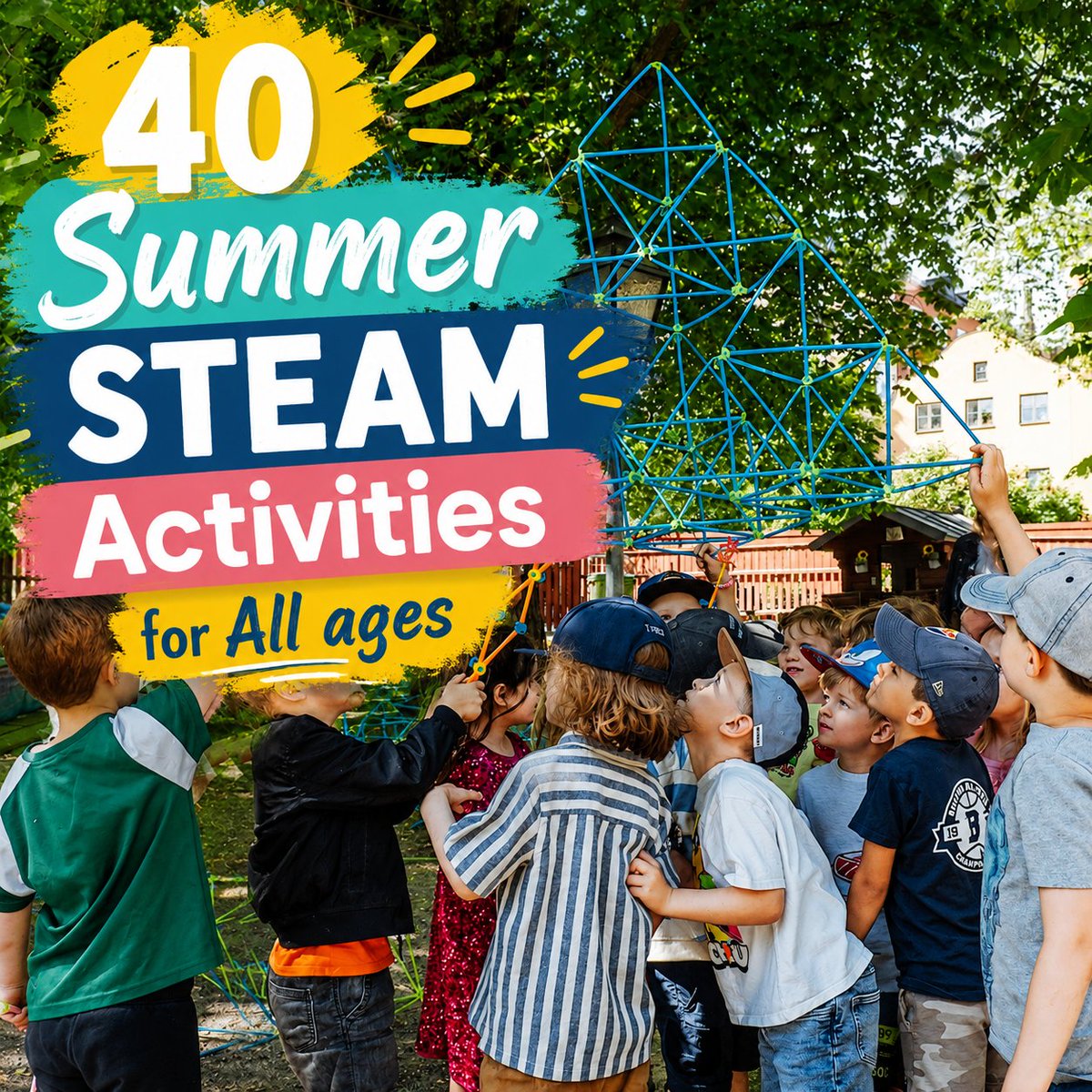
40 Summer STEAM activities designed to spark creativity, curiosity, and problem-solving. From engineering challenges to playful builds, there’s something for every young creator.
Explore all 40 → go.crexo.com/3RiJaQs
#STEAM #STEM #SummerLearning
3
6
246
Coach F retweeted
May 20
Angry Birds! A K-6 Throwing game that works on a ton of social standards and physical! How to play offense, defense, team strategy! How to talk and take advantage of strengths and weaknesses. It’s always great when we can EXPLICITLY teach these things inside of a fun game!
6
8
508
Coach F retweeted

17 Jul 2025
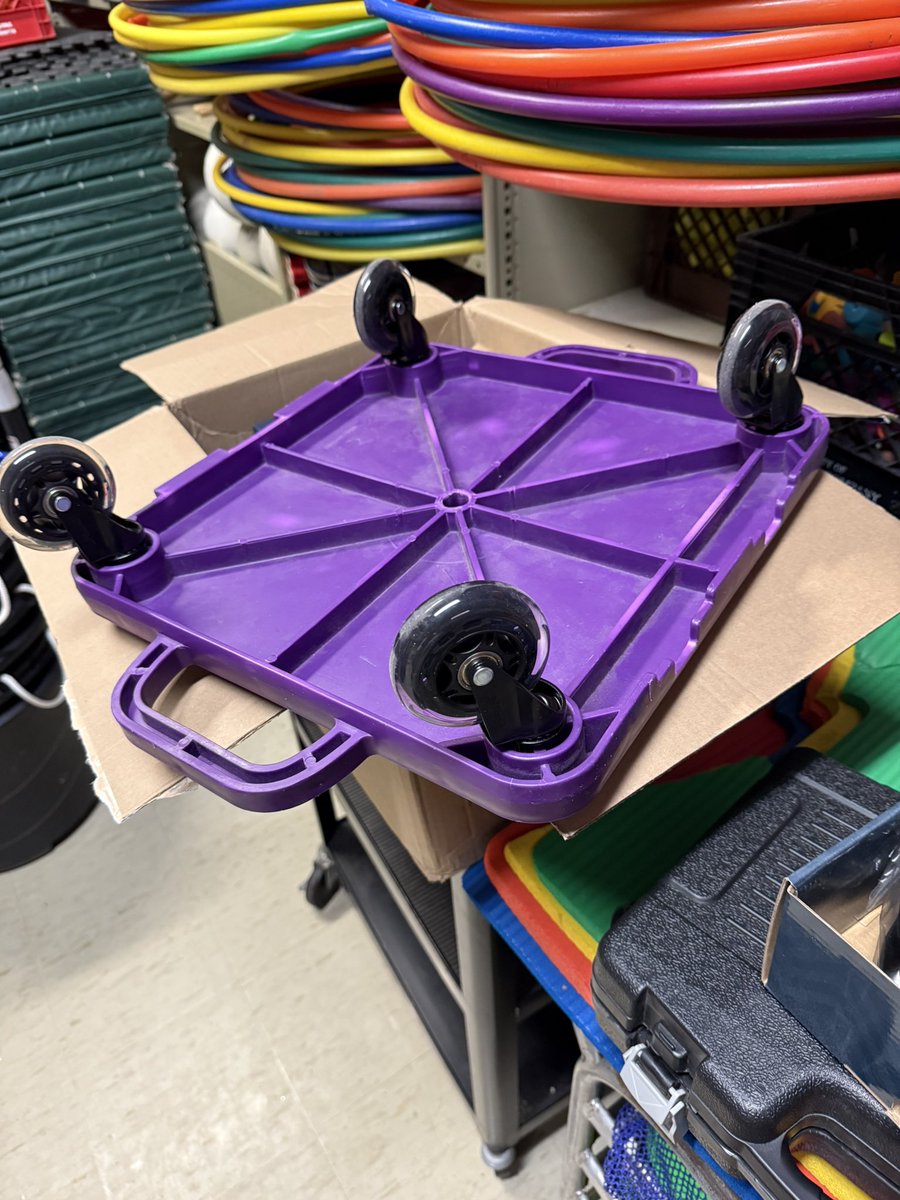
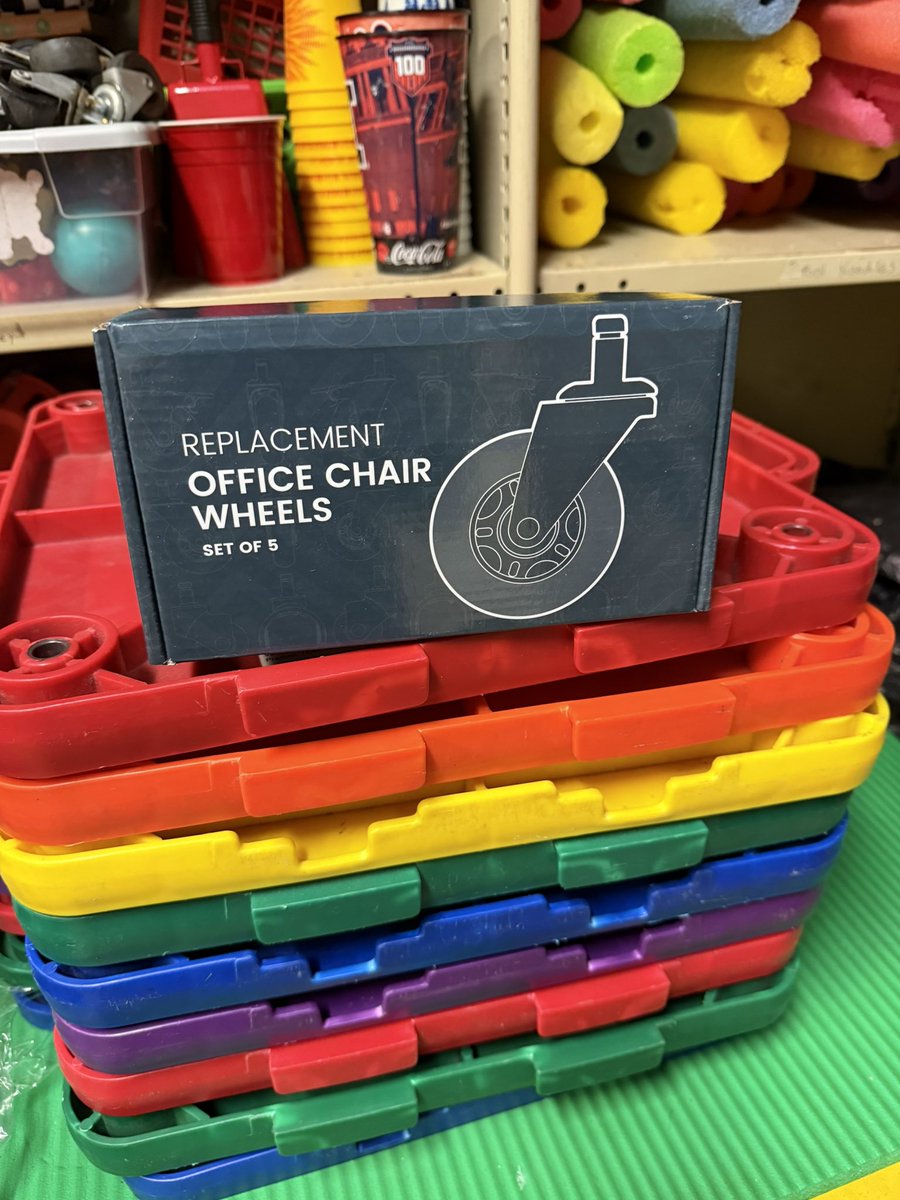
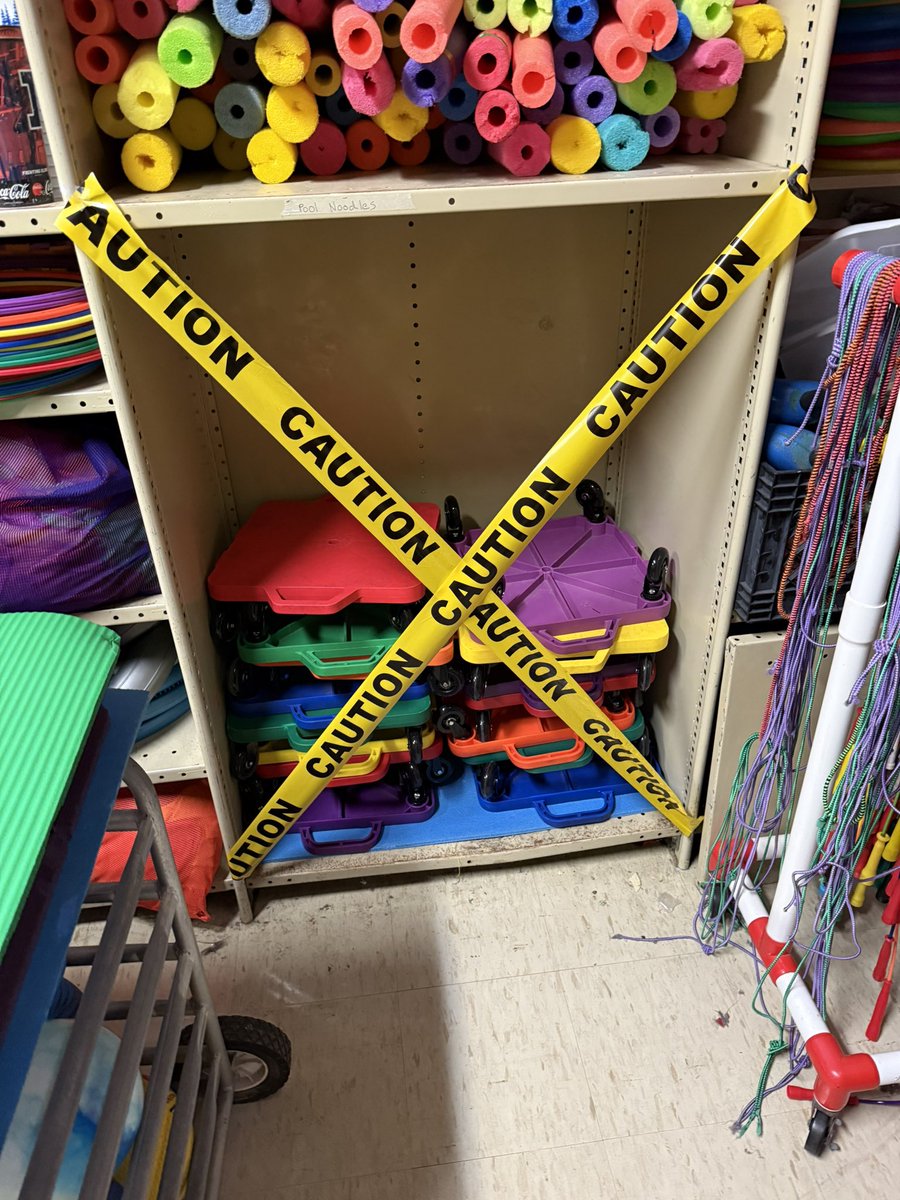
Replaced the wheels of 15 scooters today using these office wheels from Amazon. Much cheaper than purchasing all new scooters. They feel very smooth! Here is the link if you are interested. Wheels come in a pack of 5. #physed
a.co/d/iXwLBrH
4
6
36
2,577
Coach F retweeted

May 19
"Four Square Paddle Ball" using hula hoops with 3 levels for added challenge and skill progression!
Level 1: Close Court
Level 2: Challenge Court
Level 3: Championship Court
Giveitatry👏👉 #PhysEd
2
13
105
9,575

May 17
That is a powerful perspective.
May 17

Yes, teaching can suck, but…
• 50M people are fighting cancer
• 80M people can’t walk
• 300M people can’t see colors
• 55M people can’t remember memories
• 430M people can’t hear
• 173,000 people don’t wake up this morning
Our ordinary is someone’s dream. #Grateful
11
Coach F retweeted

May 17
Research in child development shows that young children build many foundational literacy skills through oral language, conversation, storytelling, play, social interaction, movement, repetition, and being read to consistently.
That matters right now because many states, including Georgia, are making a major push toward early literacy intervention and increased reading accountability in younger grades.
Literacy matters. Intervention matters.
But developmentally appropriate practice matters too.
The concern is not helping children read.
The concern is what often happens when academic pressure and accountability move further and further down into early childhood.
Historically, these pushes often lead to:
more testing,
more scripted programs,
more worksheets,
more skill drilling,
less play,
less creativity,
less imagination,
less movement,
and preschool slowly becoming “first grade earlier.”
A Pre-K child confusing letters and numbers is often developmentally normal at that age.
But when expectations are pushed down earlier and earlier, normal developmental behaviors like that can quickly become labeled as “behind,” “at risk,” or needing intervention.
At the same time, we risk removing many of the very experiences that actually help children build strong literacy foundations in the first place:
conversation,
storytelling,
creativity,
play,
human interaction,
and being read to regularly.
Reading stories aloud to children remains one of the strongest literacy practices we have because it develops vocabulary, comprehension, listening skills, attention span, imagination, and background knowledge long before formal academic pressure should dominate a child’s day.
This is not being against literacy intervention.
It is asking whether we are supporting literacy in ways that actually align with how young children learn and develop.
Because if we are not careful, early literacy policy can slowly become driven more by accountability systems, testing pressure, packaged programs, and textbook companies than by best practices in child development and learning.
3
16
58
4,862
Coach F retweeted

May 17
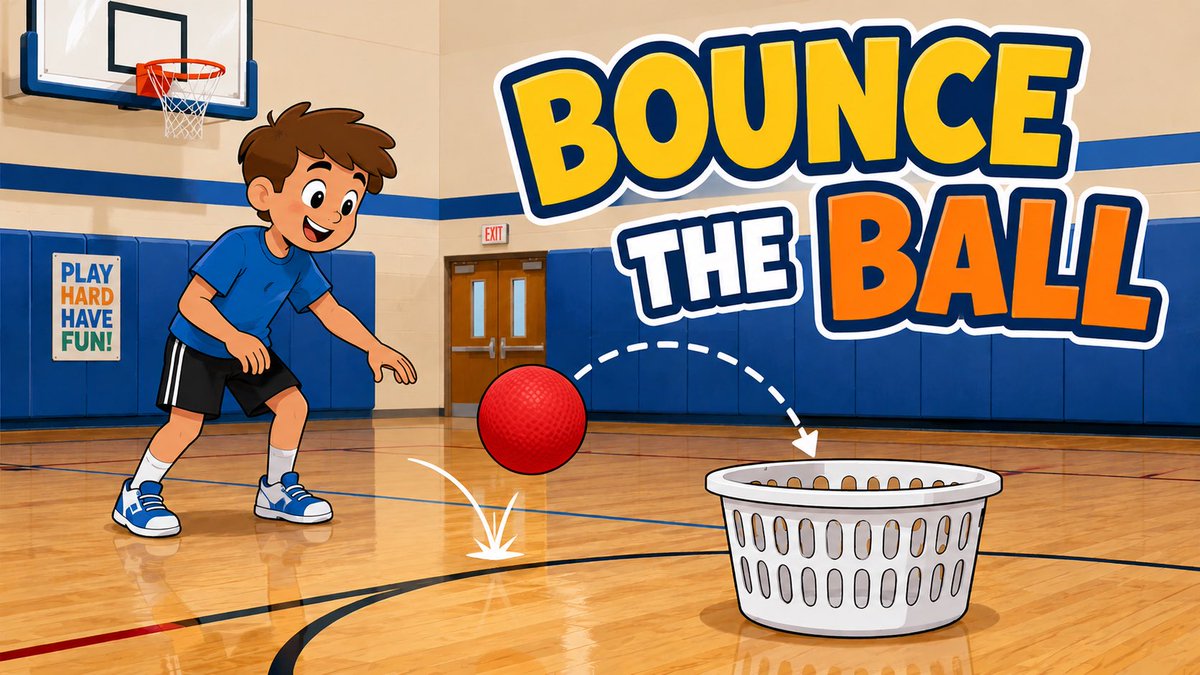
As a lead up to this game students will be doing one of my Choose Your Challenges with a basket & ball:
youtu.be/7H1y17OyakE?si=3IFA…
After that, a game of Bounce The Ball. Partners take turns bouncing ball into one of the baskets that are filled w/beanbags. Get it in? Take 1. #physed
May 16

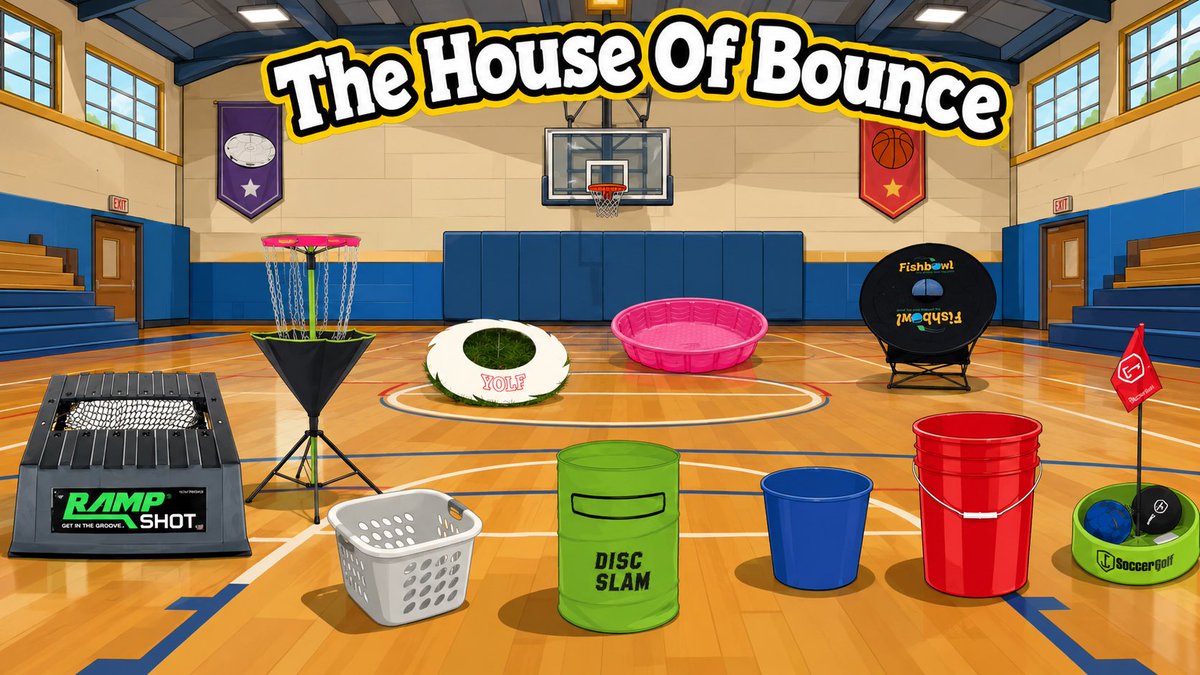
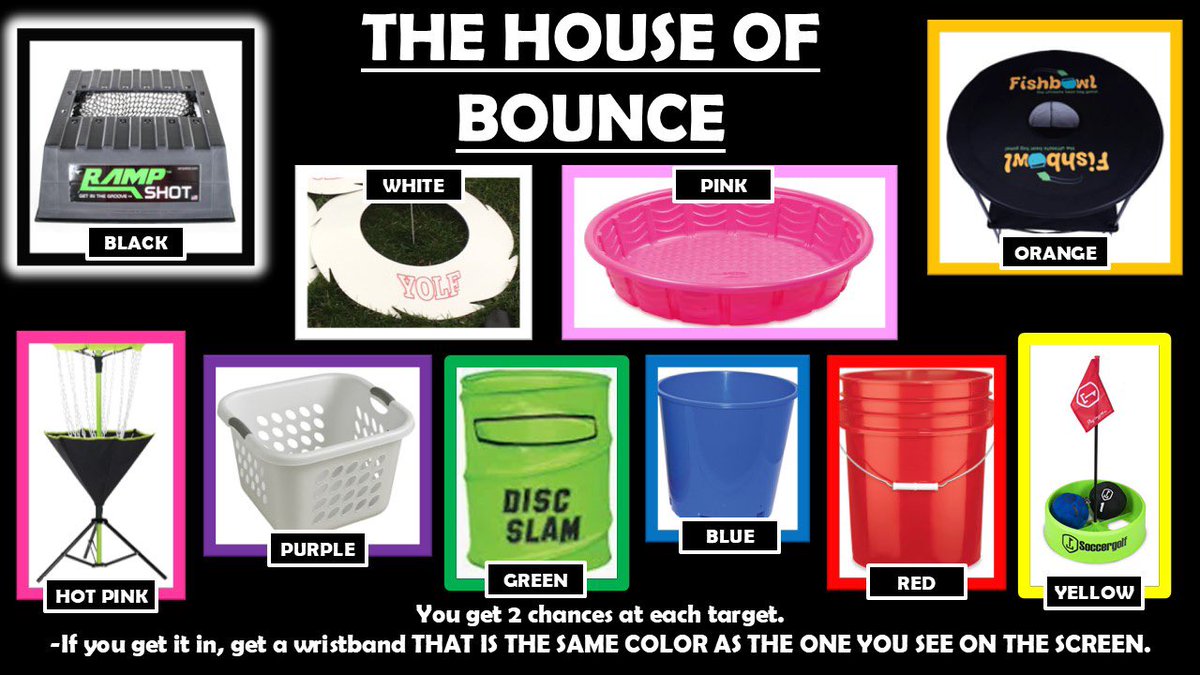
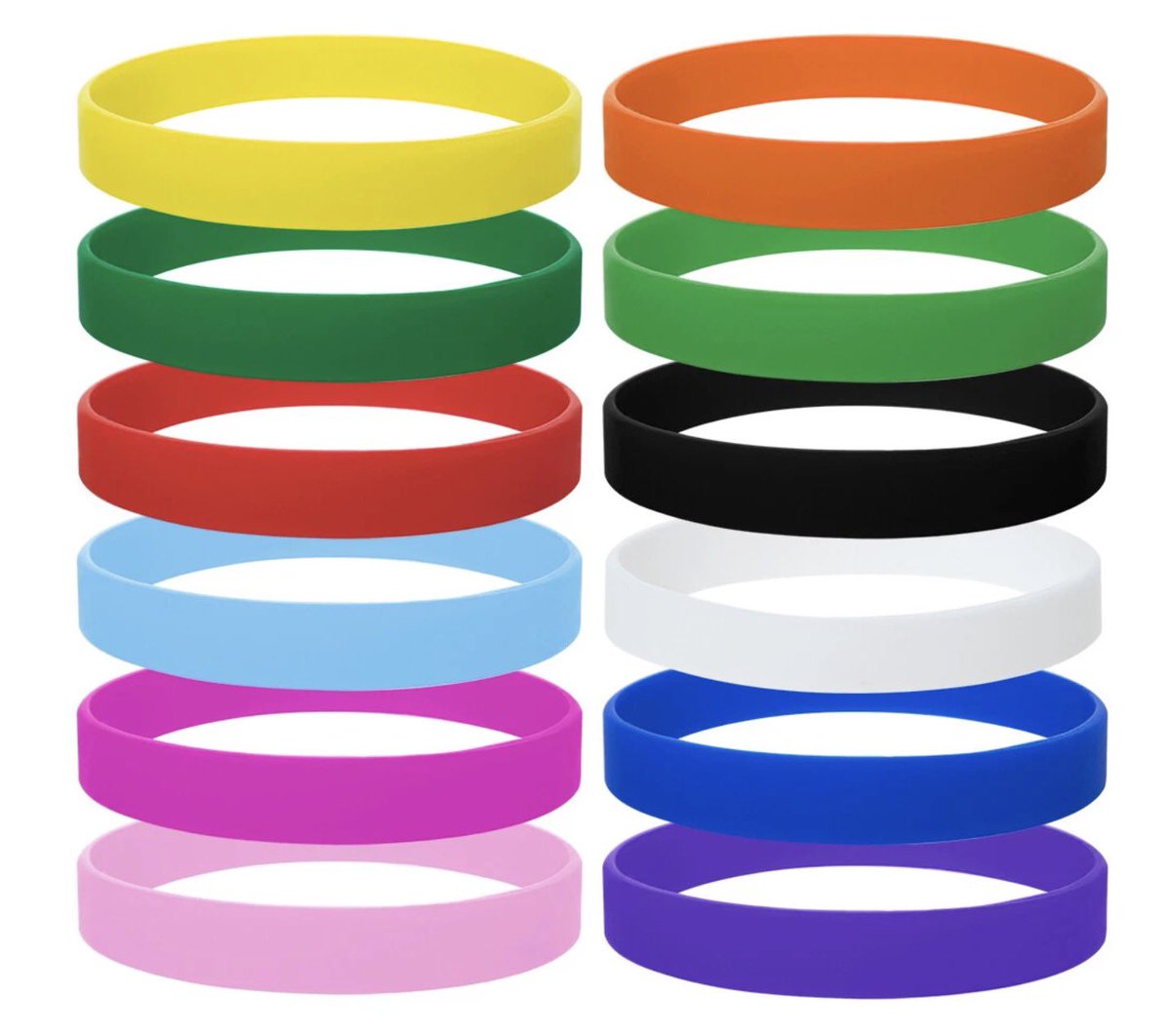
Next week…trying something a little different this year. When students are able to land ball in target they earn colored wristband that represents that target. Bought tons of silicon wristbands on eBay a few years back. #physed
Creator @coach_britton1👇🏻
x.com/coach_britton1/status/…
2
11
2,974