
Free markets save the 🌍 world. Free market humanitarianism 🇺🇲 is the answer to the Marxist social capital movement. Join the opposition to their lie!
Joined August 2021
- Tweets 2,020
- Following 934
- Followers 933
- Likes 2,586
76 Photos and videos









Pinned Tweet

27 Apr 2022
Dear Leftists,
The free market is why you are on Twitter in a heated or cooled home tweeting on a supercomputer that fits in your pocket.
It is through the process of individuals coming together to trade in pursuit of their own self interests that Mankind is richer than ever
1/3
2
20
37
6 Dec 2024
If you want something ruined, let the government do it.
5 Dec 2024

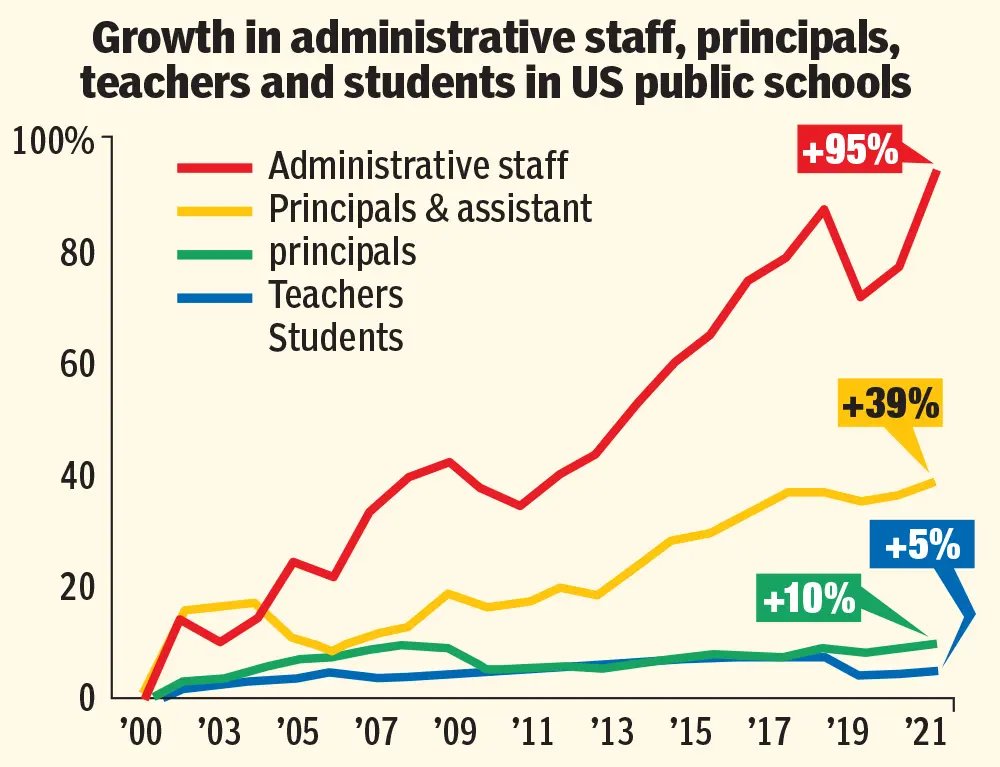
Big increase in administrative staff at American public schools
37
Free Market Humanitarian retweeted

3 Dec 2024
BREAKING: 🚨 China announced Tuesday it is banning exports to the United States of gallium, germanium, antimony and other key high-tech materials with potential military applications...
apnews.com/article/china-us-…
46
211
625
138,667
Free Market Humanitarian retweeted

20 Nov 2024
These are the type of missiles America needs to be launching.

153
301
3,360
246,499
30 Oct 2024
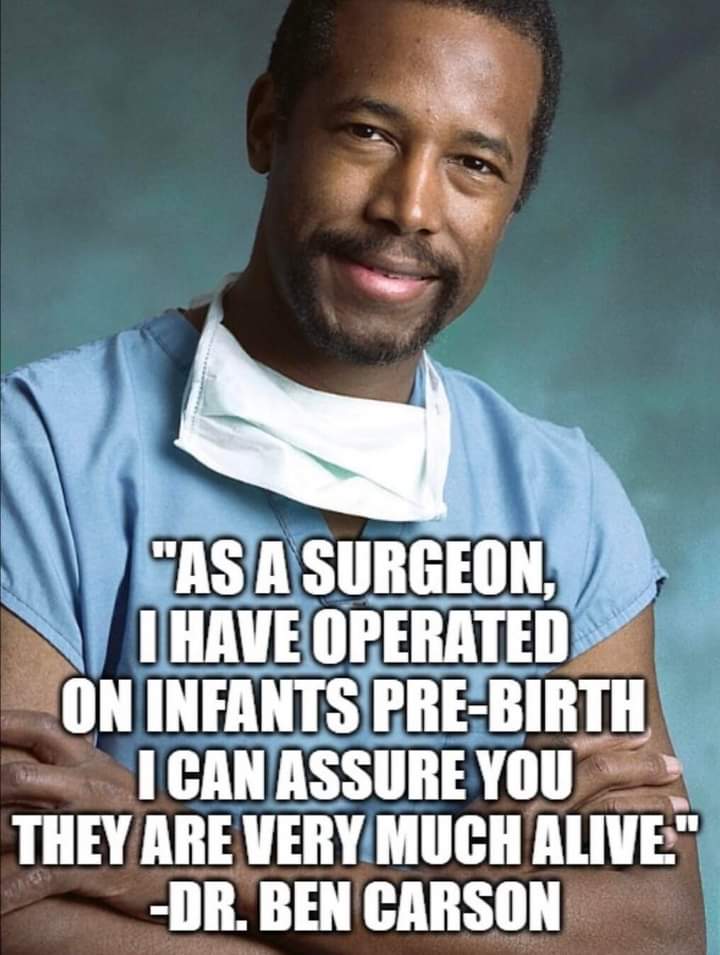
Should the state protect the rights of the most innocent?
24
Free Market Humanitarian retweeted

3 Feb 2024
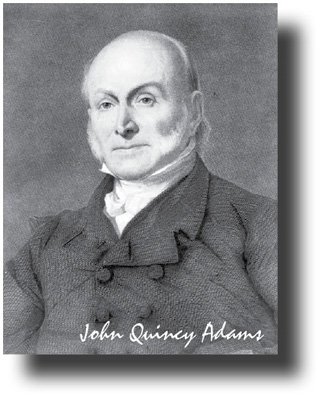
While you're invoking Founding Father wisdom...here is what John Quincy Adams wrote about Islam:
"In the seventh century of the Christian era, a wandering Arab of the lineage of Hagar, the Egyptian, combining the powers of transcendent genius, with the preternatural energy of a fanatic, and the fraudulent spirit of an impostor, proclaimed himself as a messenger from Heaven, and spread desolation and delusion over an extensive portion of the earth.
Adopting from the sublime conception of the Mosaic law, the doctrine of one omnipotent God; he connected indissolubly with it, the audacious falsehood, that he was himself his prophet and apostle.
Adopting from the new Revelation of Jesus, the faith and hope of immortal life, and of future retribution, he humbled it to the dust, by adapting all the rewards and sanctions of his religion to the gratification of the sexual passion.
He poisoned the sources of human felicity at the fountain, by degrading the condition of the female sex, and the allowance of polygamy; and he declared undistinguishing and exterminating war, as a part of his religion, against all the rest of mankind.
THE ESSENCE OF HIS DOCTRINE WAS VIOLENCE AND LUST: TO EXALT THE BRUTAL OVER THE SPIRITUAL PART OF HUMAN NATURE."
1
5
7
538
Free Market Humanitarian retweeted

4 Jan 2024
Learning that Catholic priests sexually abuse at the same rate as Protestant preachers and way less than public school teachers was a real blackpill moment for me. Why was this all about Catholics? Profoundly effective smear campaign.
829
1,638
14,187
2,275,869
Free Market Humanitarian retweeted

12 Dec 2023
It’s good that Harvard didn’t fire that plagiarist Hamas lady. Now people begin to understand how entrenched the forces of evil are. And that yes the modern far left wants genocide. Swift victory would have led to a false sense of security. This is gonna be a long fight.
110
1,276
6,854
193,657
12 Dec 2023
Only "low IQ" watch CNN after they...
fed Russia Collusion story...
covered up Biden's quid pro quo...
cheered BLM riots...
fed the COVID hysteria...
pushed the fake vaccine...
ignore Biden's dementia...
propagandize for illegals...
and perpetually defend war.
12 Dec 2023

Chairman Comer calls American people “low IQ” for not understanding his impeachment investigation.
Well, I guess that’s one possible interpretation. . .
36
Free Market Humanitarian retweeted
12 Dec 2023
Only mental midgets watch CNN after they...
fed Russia Collusion story...
covered up Biden's quid pro quo...
cheered BLM riots...
fed the COVID hysteria...
pushed the fake vaccine...
ignore Biden's dementia...
propagandize for illegals...
and perpetually defend war.
1
1
29
8 Dec 2023
Sloth is real. @mmpadellan
This guy stumps for an old white man who aborts and locks up black people.
He does it all because he doesn't want to work for a living.
7 Dec 2023

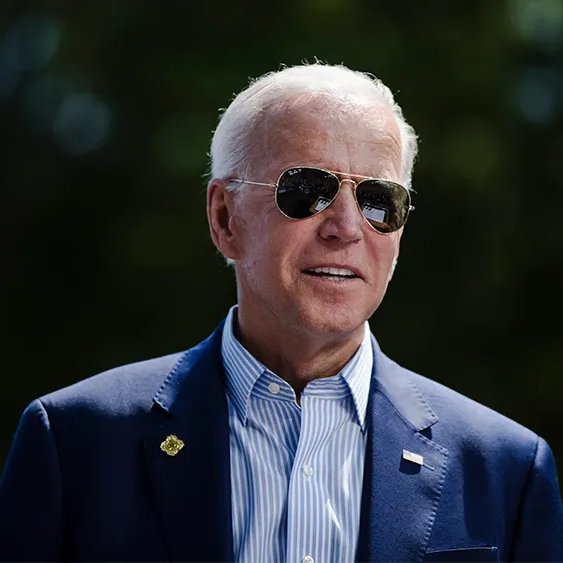
Which President has a rockin' pair of Aviators, a bangin' record of legislative success through his first term, and was the REAL winner of last night's GOP Debate?
THIS PRESIDENT. 🇺🇸💪
1
17
Free Market Humanitarian retweeted

12 Sep 2023
In the 18th-century lingo, "well-regulated" meant something that was in good working order or well-maintained. It didn't imply government oversight or restrictions. George Mason, a key figure in crafting the Bill of Rights, explicitly stated that the militia is "the whole people."
Think of it like this: A "well-regulated clock" in the 1700s wasn't one that the government controlled; it was one that kept time accurately. Similarly, a "well-regulated militia" isn't a government-controlled army; it's a citizenry that's capable and ready to defend their rights and liberties.
Historically, George Washington even offered to pay recruits who used their own arms in battle. The framers knew what they were doing. They weren't just throwing words around; they were laying down principles meant to stand the test of time.
So, when you hear "well-regulated" in the Second Amendment, don't think red tape and bureaucracy; think "capable and prepared," just as the framers intended.
The "A well-regulated militia, being necessary to the security of a free state" is indeed a prefatory clause. It merely provides a context for the subject matter - "the right of the people to keep and bear arms" as an inalienable right. A prefatory clause is not a prerequisite for the operative clause to exist or function; rather, it serves to clarify. Furthermore, the Second Amendment neither imposes conditions nor exceptions on the type of weaponry citizens can employ for self-defense against tyranny and despotism. As such, the argument that the Founding Fathers could not foresee modern armaments is moot. Citizens should have access to the very weaponry that could be used against them.
Additionally, "well regulated" was a colloquialism of the time, meaning in good working order, established, maintained, and functioning correctly. It did not imply government control. This is supported by the Second Amendment's inclusion in the Bill of Rights, which explicitly delineates the limits of a government authority. It would be illogical to assume the Founders intended for the government to regulate the very amendment meant to counteract government overreach.
Analogies with historical context:
1. A well-regulated clock, being necessary for accurate timekeeping, the right of the people to make and use timepieces, shall not be infringed.
- "The American Academy of Arts and Sciences, being desirous of promoting a general acquaintance with the means of rendering our Rivers and Harbours more secure, by the introduction of the best methods of constructing Light-houses, Beacons, and Buoys, and of forming a well-regulated system of Marine Signals, request the favour of your correspondence on this subject."
- Letter from the American Academy of Arts and Sciences to Benjamin Franklin, The Massachusetts Magazine (1791)
2. A well-regulated farm, being necessary for a bountiful harvest, the right of the people to cultivate and produce crops, shall not be infringed.
- "If a well-regulated stage-coach, with able horses, should be set up to run from this town to Lancaster in a day, it would be a great benefit to the public."
- The Pennsylvania Gazette (April 17, 1755)
3. A well-regulated market, being necessary for a thriving economy, the right of the people to engage in commerce, shall not be infringed.
- "I have long been of opinion that a well-regulated hospital would be a very beneficial and necessary institution in this city, but to establish one upon a proper footing requires the countenance and support of men of the first rank and influence among us."
- Benjamin Rush, Letter to John Dickinson (June 3, 1784)
4. A well-regulated education, being necessary for an enlightened society, the right of the people to pursue knowledge, shall not be infringed.
- "There are few subjects more nearly connected with the general interests of society than the establishment of well-regulated schools in the several towns and districts of the Commonwealth."
- Report of the Committee on Education, Massachusetts House of Representatives (January 20, 1827)
5. A well-regulated ship, being necessary for safe navigation, the right of the people to build and sail vessels, shall not be infringed.
6. A well-regulated postal system, being necessary for efficient communication, the right of the people to send and receive mail, shall not be infringed.
- "It is essential to the interest and happiness of the people, that the intercourse between the distant parts of this extensive country should be facilitated by well-regulated roads and inland navigation."
- Address of the President to the Congress, The Independent Chronicle (December 25, 1794)
7. A well-regulated library, being necessary for the preservation of knowledge, the right of the people to access and borrow books, shall not be infringed.
- "A well-regulated library, supported by an ample fund, will undoubtedly contribute to the general diffusion of useful knowledge among the citizens."
- The North-Carolina Magazine (November 1793)
8. A well-regulated family, being necessary for a harmonious society, the right of the people to raise and care for their children, shall not be infringed.
- "A well-regulated family is the best security for good order in society, and ought therefore to be encouraged by every friend to the happiness of mankind."
- The Massachusetts Spy (June 30, 1796)
9. A well-regulated printing press, being necessary for the free exchange of ideas, the right of the people to publish and read newspapers, shall not be infringed.
- "The well-regulated liberty of the press is the palladium of our liberties."
- The Virginia Gazette (March 20, 1778)
10. A well-regulated theater, being necessary for cultural enrichment, the right of the people to perform and attend plays, shall not be infringed.
- "The advantages which arise to a people from a well-regulated stage are too numerous and important to be passed over in silence."
- The Pennsylvania Packet (May 23, 1787)
11. A well-regulated market, being necessary for a stable food supply, the right of the people to buy and sell produce, shall not be infringed.
- "The establishment of well-regulated markets in the city of New York... will no doubt have a tendency to render provisions much more plenty and cheap."
- The New-York Gazette (February 6, 1786)
12. A well-regulated apprenticeship, being necessary for skilled craftsmanship, the right of the people to learn and practice trades, shall not be infringed.
- "It is to be hoped that a well-regulated system of apprenticeship will be established in this country, by which our youth may be brought up to useful trades and employments."
- The Pennsylvania Mercury (March 25, 1788)
13. A well-regulated fire department, being necessary for public safety, the right of the people to establish and support firefighting organizations, shall not be infringed.
- "A well-regulated fire society is a very useful and necessary institution in every populous town, and ought to be encouraged by every lover of his country."
- The Independent Gazetteer (February 19, 1785)
These examples underscore the diverse applications of "well regulated" during the colonial era and early republic. They demonstrate that the term was used to describe a wide range of well-functioning, organized, and maintained systems or organizations, rather than implying strict government control or oversight.
Our Founders were also well aware of advancing technologies. Contrary to popular belief, the Second Amendment wasn't hastily included in case the deer population became tyrannical. The Second Amendment went through no fewer than eight revisions, and each revision is well-documented, along with the arguments for those revisions. The major point being that a citizen cannot be compelled nor coerced into a militia or federal service in order to exercise any right afforded to them.
1. **Puckle Gun**: Invented in 1718 by James Puckle, this was essentially an early version of a machine gun. It could fire multiple rounds in quick succession.
2. **Rifling**: The concept of rifling, which involves grooves inside a barrel, was known in the 15th century but became more common in the 18th century. Rifling improved accuracy, and the Founders were aware of this.
3. **Paper Cartridges**: These were in use during the Revolutionary War and were a step towards self-contained rounds. They made reloading faster and were a significant advancement over the separate powder, wad, and ball.
4. **Ferguson Rifle**: Patented in 1776 by Major Patrick Ferguson, this breech-loading flintlock rifle was one of the most advanced firearms of its time. It could fire up to seven rounds per minute, three times faster than the muzzle-loading muskets of the day.
5. **Girardoni Air Rifle**: Lewis and Clark carried this .46 caliber air rifle on their expedition. It had a 22-round magazine and was a repeating rifle, capable of firing multiple shots before needing to be reloaded.
6. **Belton Flintlock**: Joseph Belton offered a new flintlock design to the Continental Congress that could fire up to eight shots in rapid succession. Though the design was never adopted due to cost, it shows that multi-shot firearms were being considered.
7. **Innovative Materials**: The Founders lived in an age of rapid industrial and material advancements. They knew that guns would not always be made of wood and metal as better materials would be discovered.
8. **Scientific Curiosity**: Men like Benjamin Franklin and Thomas Jefferson were inventors and scientists. They were well aware that technology, including weaponry, would advance over time.
9. **Global Awareness**: The Founders were aware of technological advancements in Europe and elsewhere. They knew that innovations in firearms would continue to develop.
10. **Naval Technology**: The Founders were also aware of advancements in naval artillery, which often paralleled advancements in smaller firearms.
11. **The Spirit of Innovation**: Above all, the Founders were men of the Enlightenment. They believed in human progress and innovation. It would be absurd to think they believed technology would freeze in 1787.
So, when someone claims the Founders couldn't have envisioned modern firearms, remind them that these men fully understood that technology evolves. They wrote the Second Amendment not as a relic of their time, but as a timeless safeguard against tyranny and absolute despotism.
42
82
226
68,426
Free Market Humanitarian retweeted

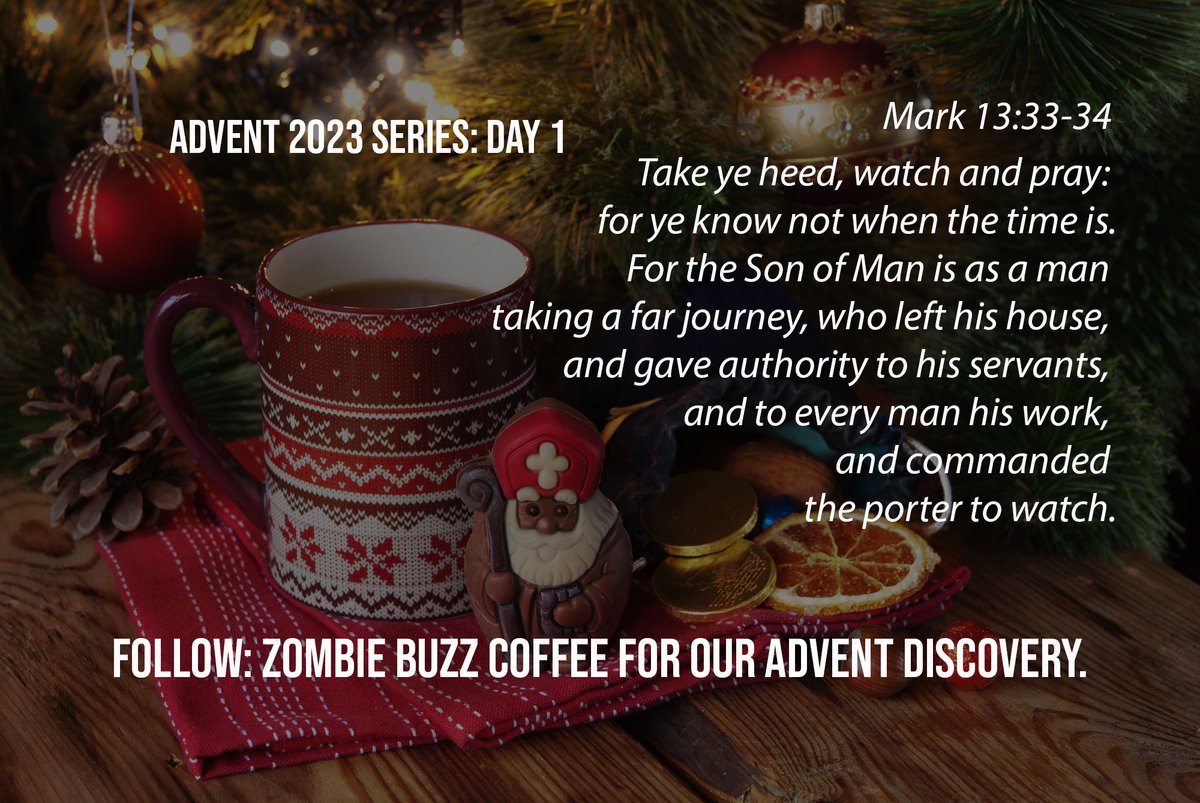
DRINK. THINK. LEARN. EARN.
Take ye heed, watch and pray: for ye know not when the time is.
For the Son of Man is as a man taking a far journey, who left his house, and gave authority to his servants, and to every man his work, and commanded the porter to watch.
2
2
50

Free Market Humanitarian retweeted
3 Dec 2023
Scum, young adults, on a mathematical basis, are overpaying for your healthcare.
Your state is robbing them and destroying their future.
1
1
13
3 Dec 2023
The rate of change of inflation is 0, not inflation!!
Biden is the first real affirmative action president. He shows if he can do it, then so can your family pet.
2 Dec 2023

Inflation was 0% last month – and our economy grew by more than 5% last quarter.
Bidenomics.
1
1
45
1 Dec 2023
If there was an insurrection, it came after:
-4 years of trying to illegally remove a sitting president.
-Rioters attacked our cities while they locked us down.
-Election laws were illegally changed.
-And, a senile man campaigned from his basement to win the most votes ever.
16
Free Market Humanitarian retweeted

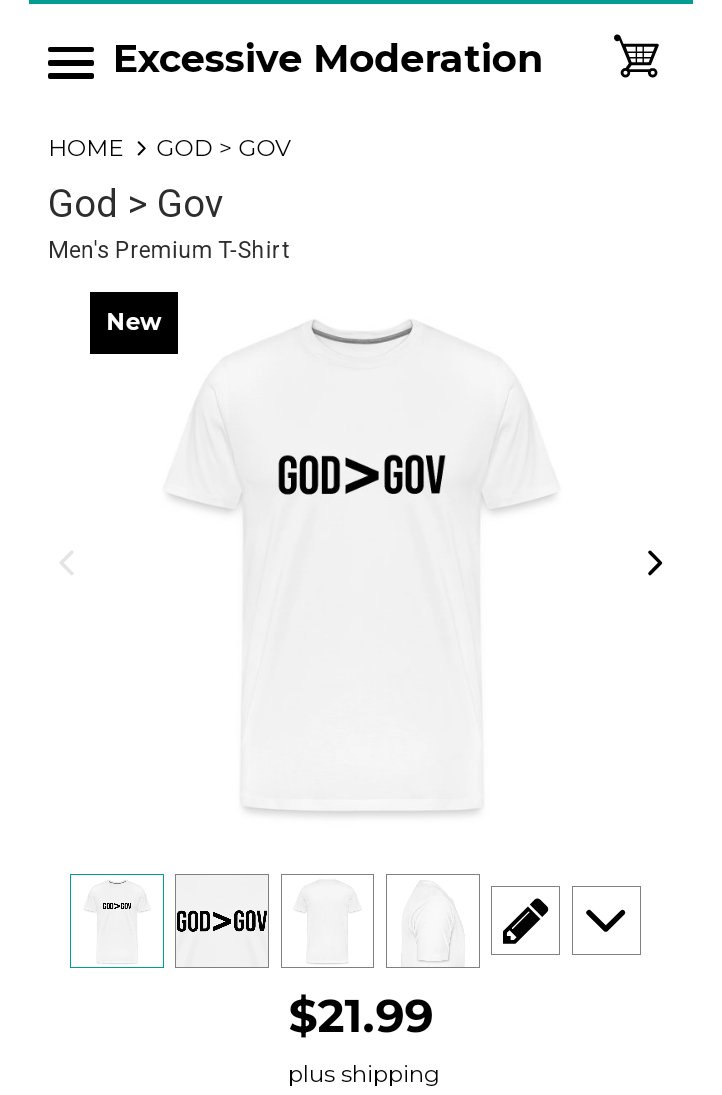
Anti-slavery apparel!!
Great deal! In the shop now!
excessivemoderation.com/awes…
3
5
92
Free Market Humanitarian retweeted
30 Nov 2023
Does a bear shit in the woods?
1
14
Free Market Humanitarian retweeted
30 Nov 2023
....from the guy handier with a crack pipe than a hammer.
1
19
29 Nov 2023
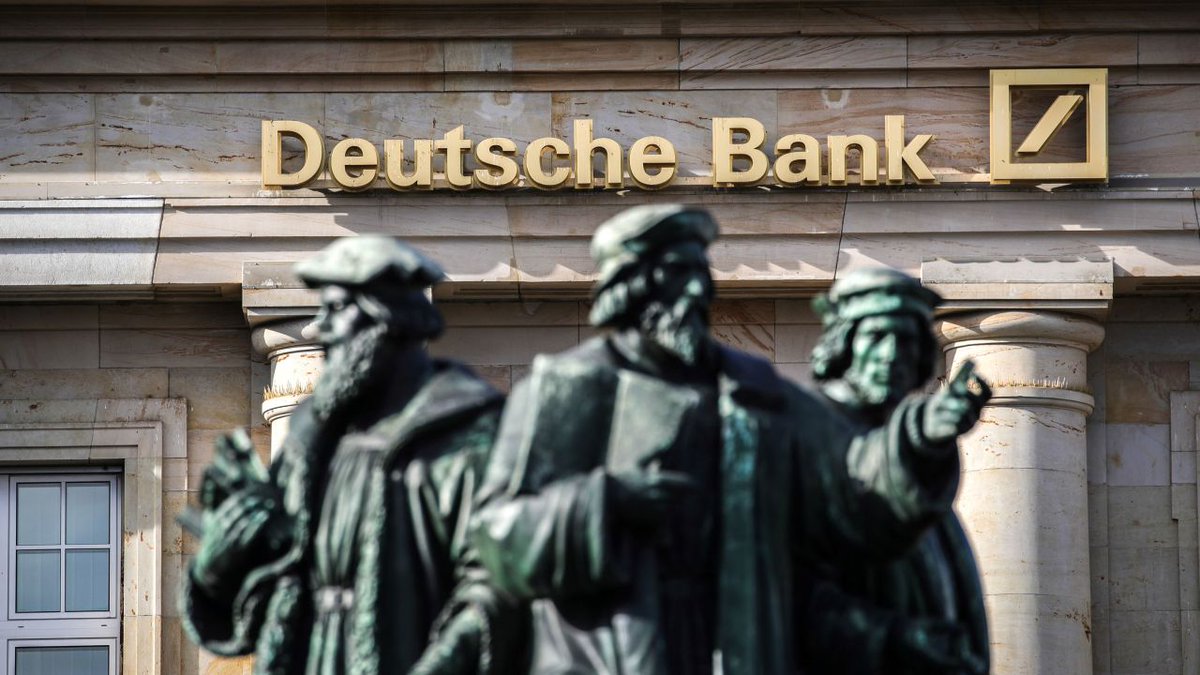
BREAKING: Deutsche Bank Declares Relations With Trump Were Consensual
Letitia James' Advisor Jussie Smollet Says She Must Go On With the Prosecution
29 Nov 2023

BREAKING: The bank Trump allegedly defrauded just gave a testimony saying Trump did nothing wrong in their dealings with him.
“It’s not unusual or atypical for any client’s provide financial statements to be adjusted to this level to this extent.” Bank Exec David Williams
Williams also said he personally went to Trump Tower in December 2011 to review bank and brokerage statements to verify there was $51.8 million in marketable securities $178 million cash balances.
So exactly who did Trump defraud here? And what laws were broken?
44