
695 Photos and videos



Frida Eik Öhman retweeted

4 Mar 2025
⚠️ We’re aware of an issue affecting the display of aircraft on Flightradar24. We are actively working to resolve the issue. Further updates will be posted in this thread.
163
166
2,313
380,306
Frida Eik Öhman retweeted

🌫️ As smog season begins in Poland, health experts are calling for a coal phase-out.
Poland is the only EU country which hasn’t yet set a date for phasing out coal power. The consequences of continuing to use coal would be catastrophic for public health.
ow.ly/psBh50UoTrf
2
2
154
Frida Eik Öhman retweeted

10 Dec 2024
🌍 #AirPollution claims 7 million lives each year.
Ella died from a serious asthma attack when she was nine. Since the heartbreaking loss of her daughter, Rosamund (@EllaRobertaFdn) has been a relentless advocate for the right to #CleanAir. Watch her story!
18
59
125
33,809
Frida Eik Öhman retweeted

14 Oct 2024
📣⏱️🏃🏼♀️➡️
Nytt luftkvalitet direktiv på plats! EUs invånare kommer ha rätt till ännu bättre luft -för bättre hälsa🫁
Bättre luft för barn och unga, utsatta grupper i Sverige men även iktigt i andra Europeiska länder Detta är en seger👭 #CleanAir
#airpollution

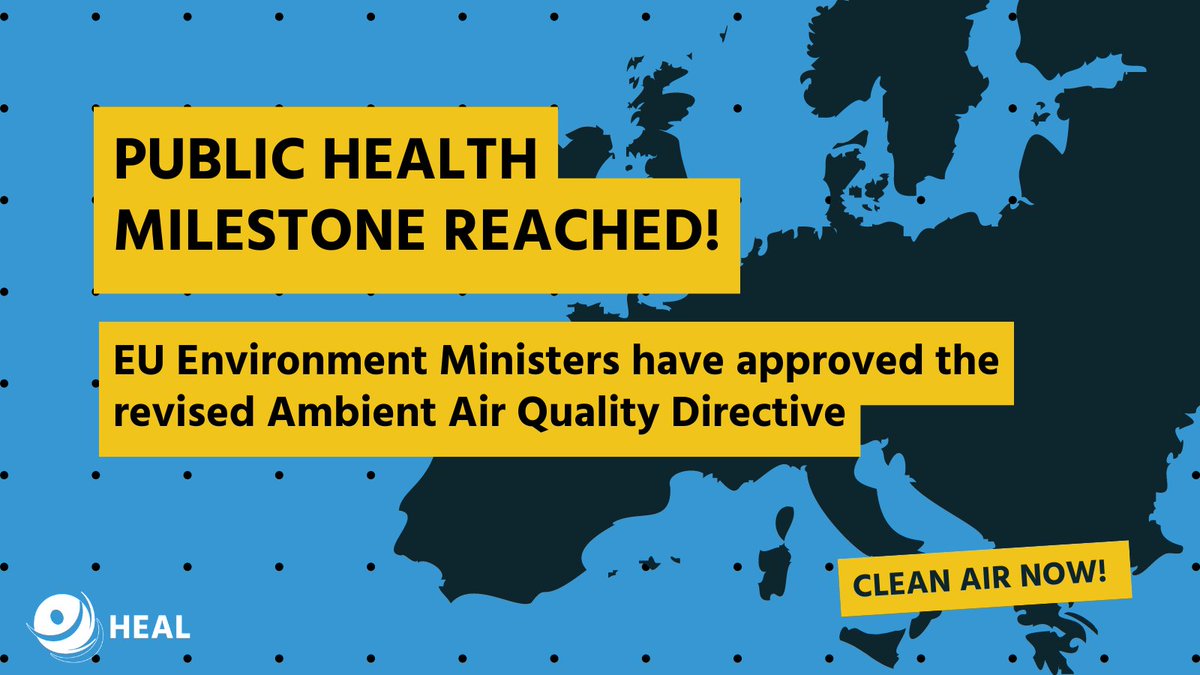
SUCCESS! 🎉
EU Environment Ministers have confirmed the revised Ambient #AirQuality Directive.
The Health and Environment Alliance welcomes this major step towards clean air for better health and calls for swift implementation across EU member states.
👉ow.ly/aIjp50TKvWg
1
2
48

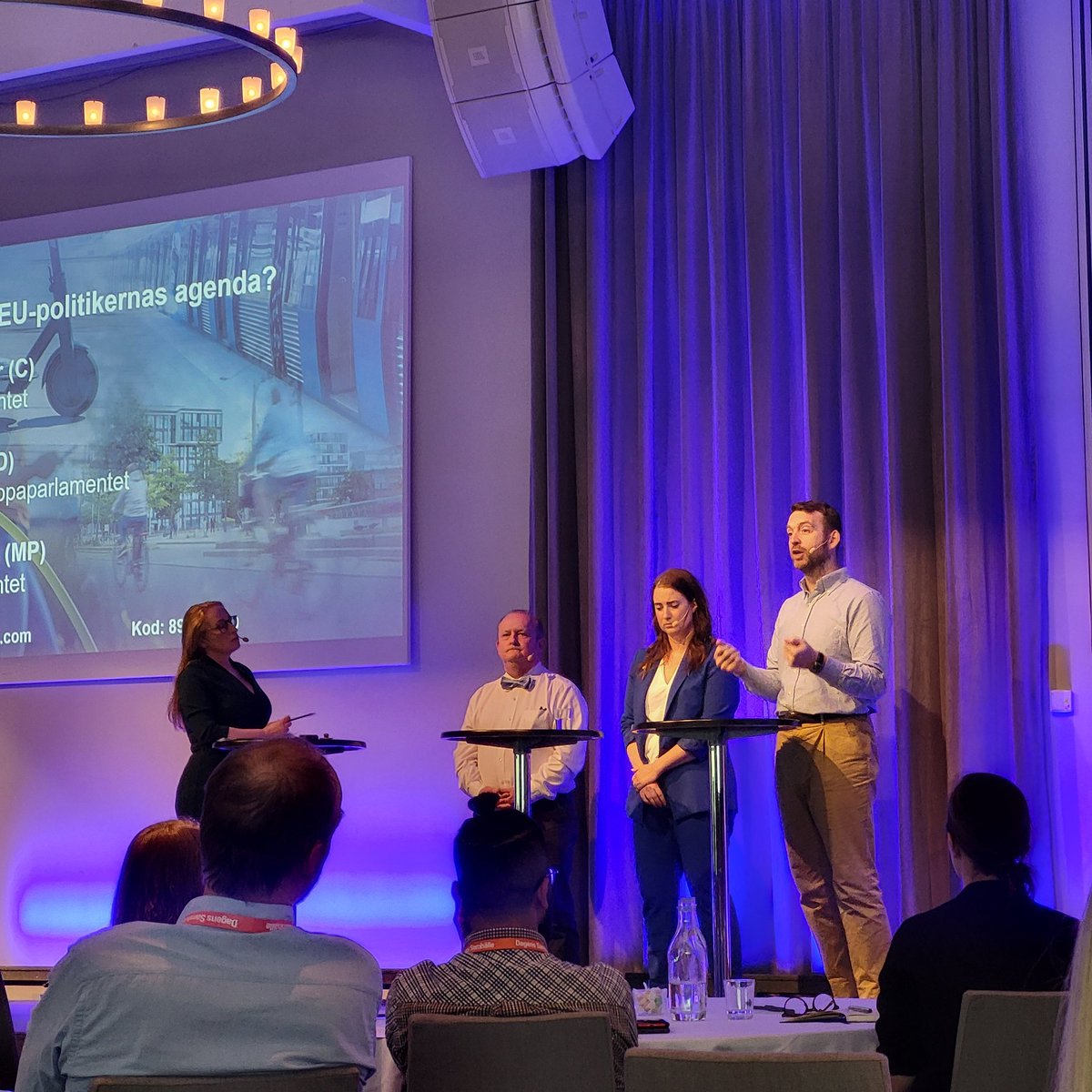
16 May 2024
Riktig debatt på #mobilitetochsamhälle
Vad står på EU-politikernas agenda?
@JakopDalunde (MP)
@emmawiesner (C)
Och Dick Eriksson (SD)
Mera diskussioner om hälsans 🫁 aspekt vid fossiltransport hoppas jag på under fortsatta dagen om mobilitet.
1
117
14 May 2024
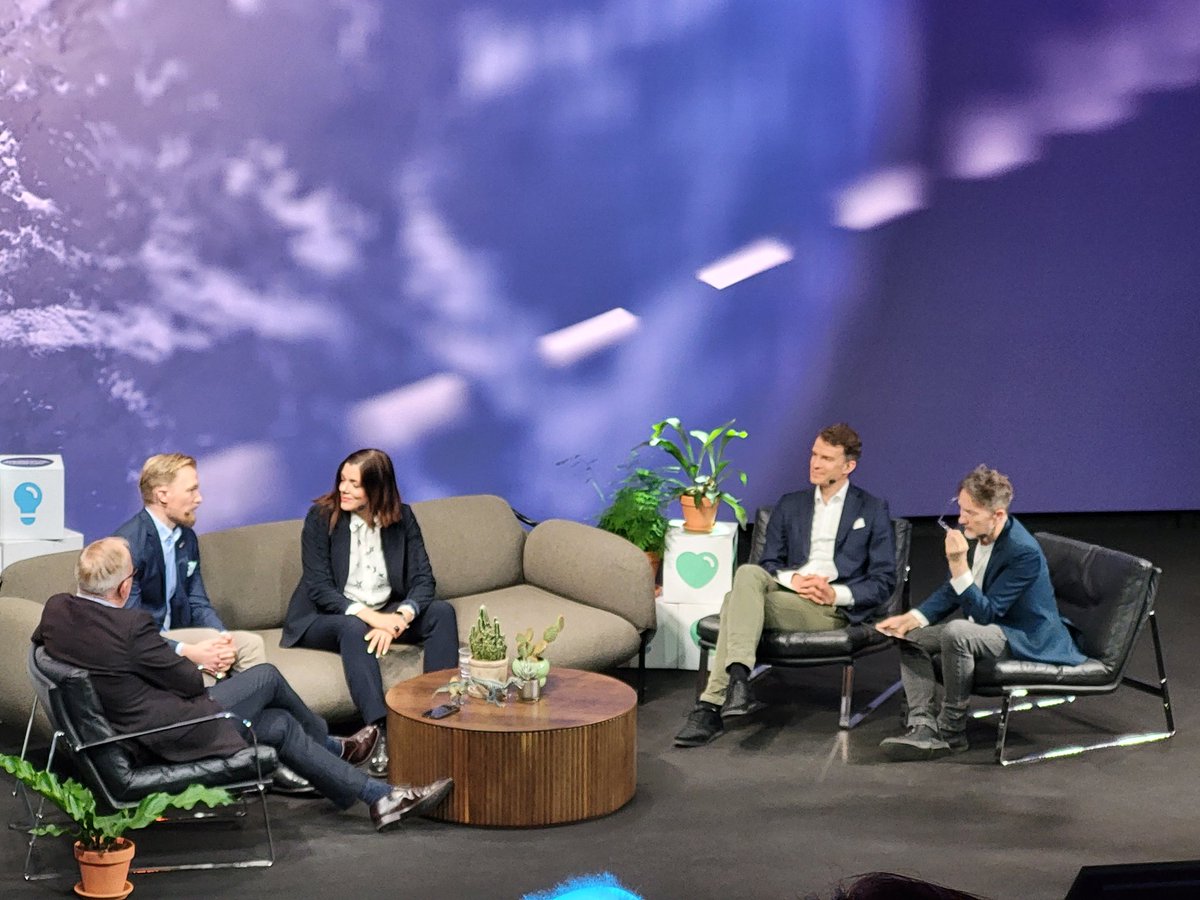
#Luftföroreningar och dess påverkan på vår genomgående hälsonivå är både missförstådd drabbad av efterlängtade kunskapsuppdatering hos de flesta.
Dags att samtalet tas. Modererar gör Samuel Williams på #Svenskacykelstäder.
@gronamobilister
@hjartlungfonden
tillsammans med oss.
14 May 2024

👇👇👇🚴♂️🚶♀️
Luften för cyklister och gående -både stora och små. Nu är det dags för ett riktigt samtal.
Se om evenemanget på vår Linked In sida!
23 maj, öppet heldagsseminarium med föreläsningar och politiska samtal.
#cykla #Cyklist #renluft #AirPollution #debatt #folkhälsa
1
64
Frida Eik Öhman retweeted

24 Nov 2023
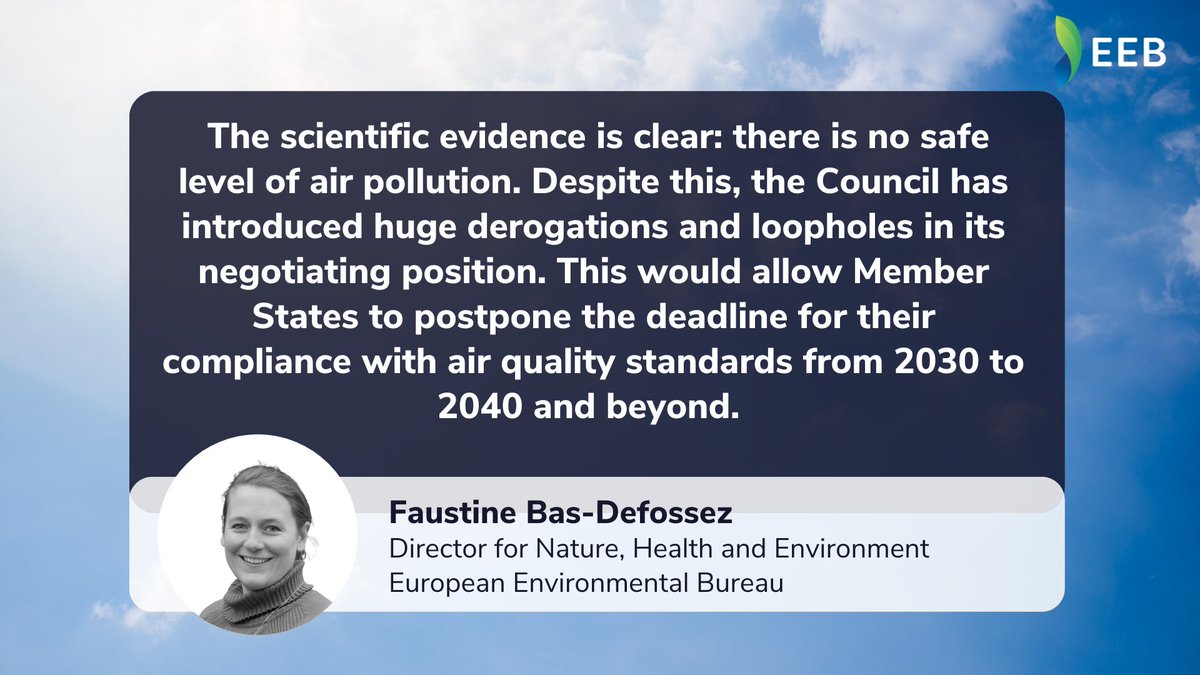
🍃 We need #cleanair policies to create a healthier & sustainable future for all
📢 Speaking at the EU Clean Air Forum, our @BasDefossez reiterated the importance for Member States to deliver science-backed legislation that saves lives
👉eeb.org/member-states-underm…
#CleanAirEU
1
2
10
1,163

13 Sep 2023
RT @JakopDalunde: När vi gröna tog initiativet till upphandlade nattåg till kontinenten var det många som var skeptiska.
Men nu utökar SJ…
20
Frida Eik Öhman retweeted

13 Sep 2023
So we made it on air quality! Alignment with World Health Organization guidelines is now set for 2035 (we had to give 5 years to keep the majority). Christian-Democrats voted against in the end. Clean air is awful of course....
13
28
76
10,936
Frida Eik Öhman retweeted

13 Sep 2023
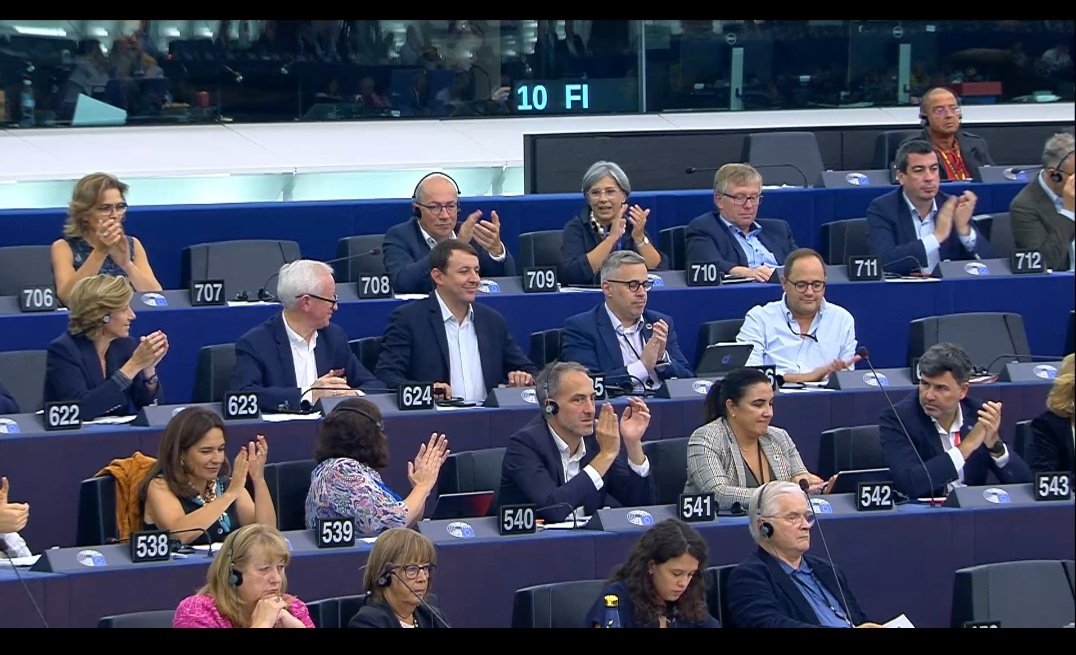
Medan många tittade på tal i riksdagen hängde luftvårds folket på livestream @EuParlament
Nya direktivet med nya gränsvärden för luftkvalitet röstades igenom 👏 WHOs -det finns inga säkra nedre gränser för när luftföroreningar inte gör skada för människor. #AirQuality
#CleanAir
1
1
89
Frida Eik Öhman retweeted

13 Sep 2023
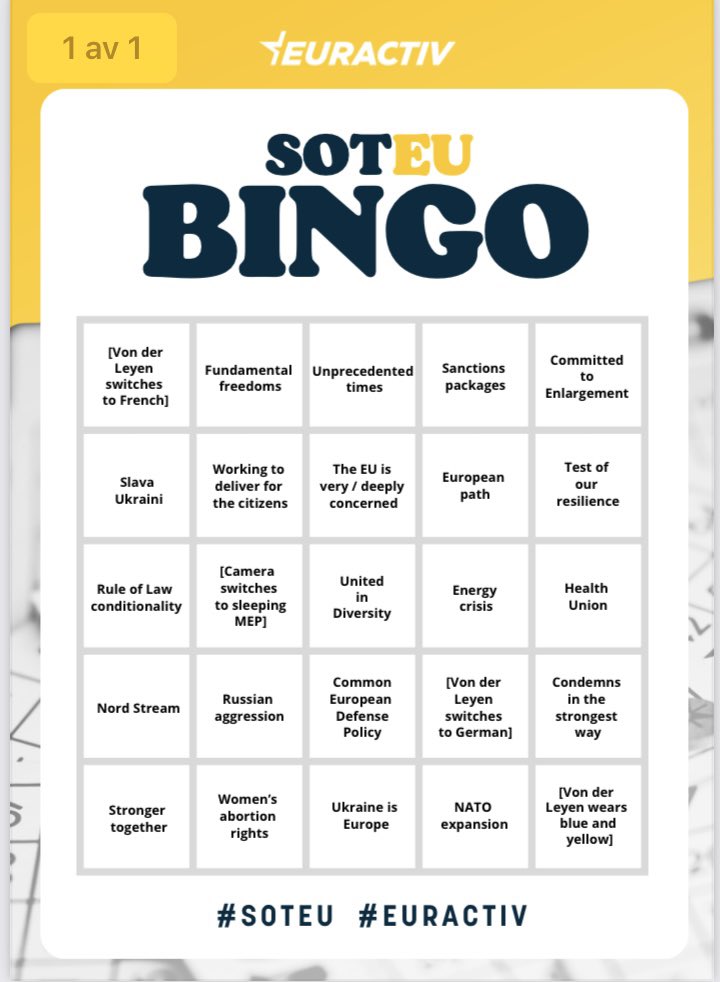
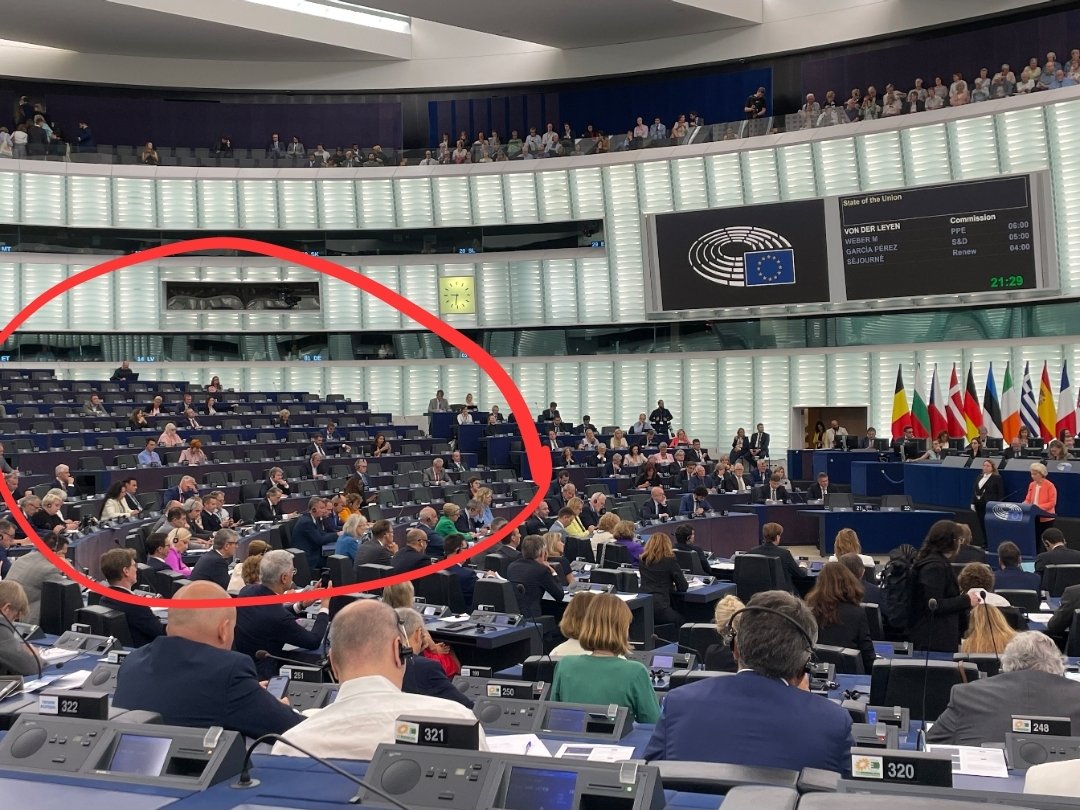
Empty benches on the far-right during Von der Leyens speech.
They simply don't care about EU citizen.
They simply don't care about Europe.
108
103
745
43,450
Frida Eik Öhman retweeted

12 Sep 2023
Over 1,000 premature deaths could be prevented every year. Tomorrow, we're voting 👇 #AirPollution
3
8
25
3,461
Frida Eik Öhman retweeted

30 Jul 2023
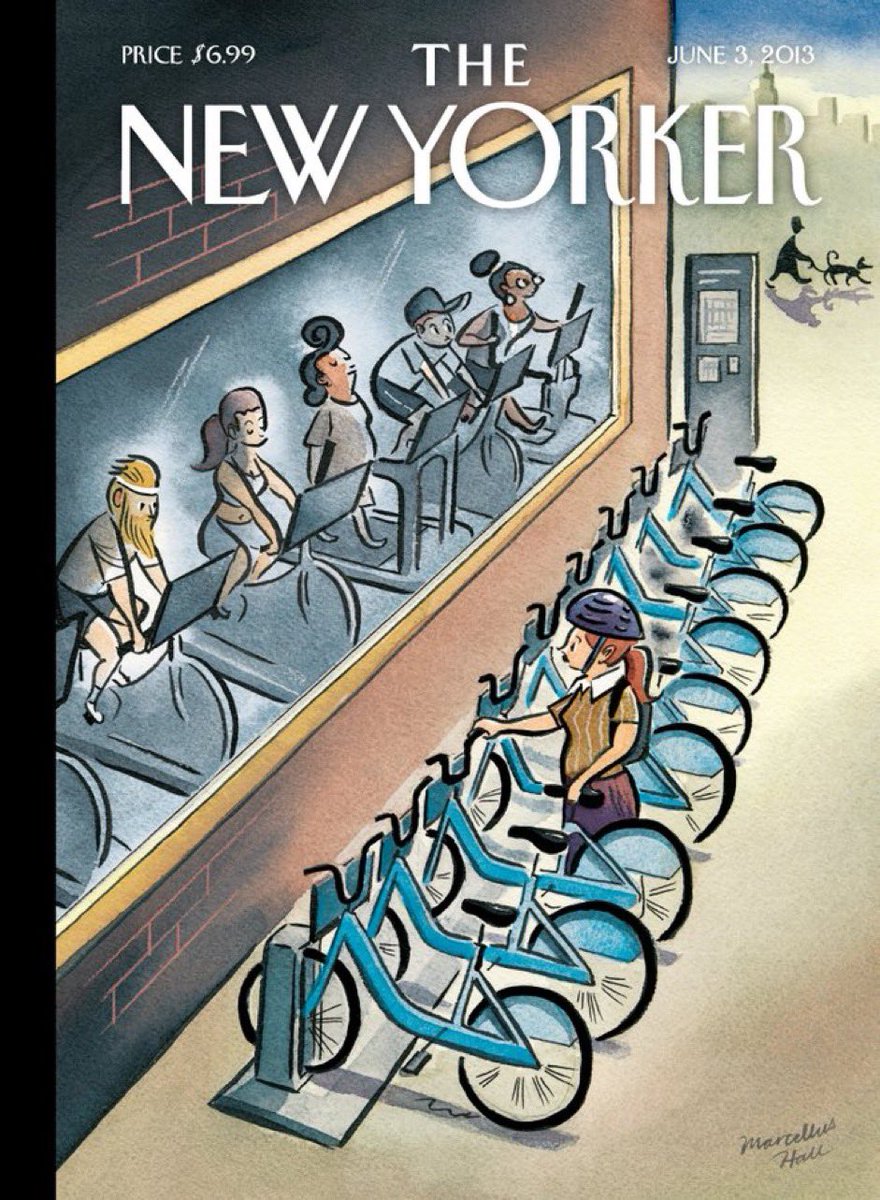
What if we designed cities, and the land-uses, densities and infrastructure that make them what they are, so that daily activity and exercise was just an ordinary, “invisible” part of every day life?
It’s actually not that hard. You just have to change priorities. #HealthyCities
40
670
2,933
220,545
6 Sep 2023
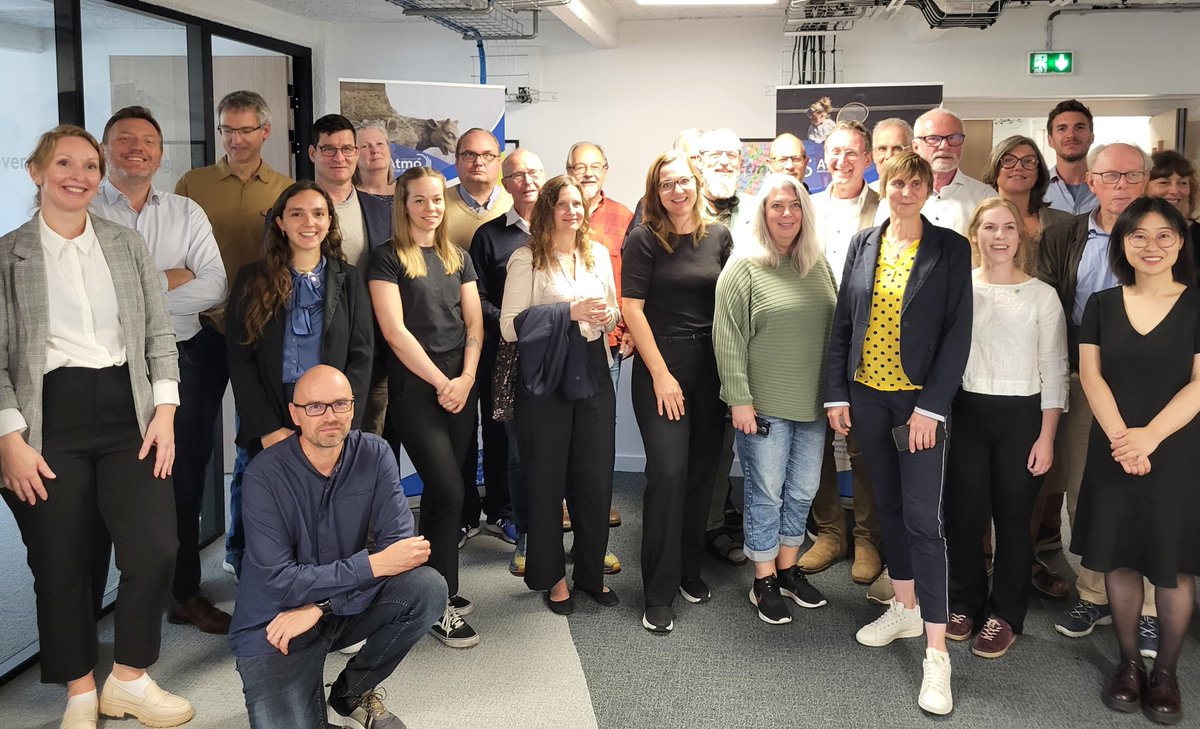
Tåget bjöd på flera sociala möten, mera kontroll över bagaget, (såklart lite saktare) men denna gången var 🚄👍
Hela 20 pers var av 3/4 politiker av "olika färger" åkte till Lille, France #tåg #hållbartresande #miljö
6 Sep 2023

@Luftvard har varit på 🚄 resa Styrelsen och experterna i beredningen tog sig ända till @lillefrance
Där besökte vi lillemetropole.fr/ och atmo-hdf.fr/
som utför mätningarna samt Lille meteropole om olika mobilitets projekt!
#airquality #CleanAir #luftkvalitet
47
Frida Eik Öhman retweeted

21 Aug 2023
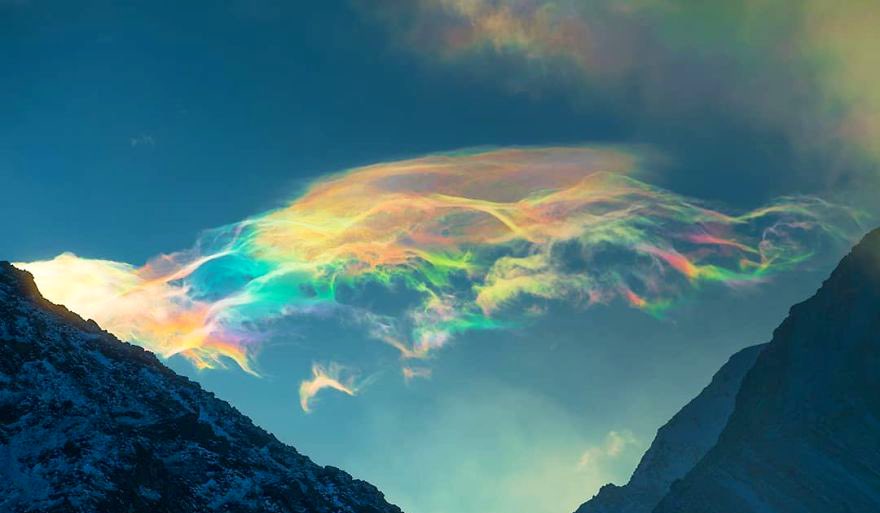
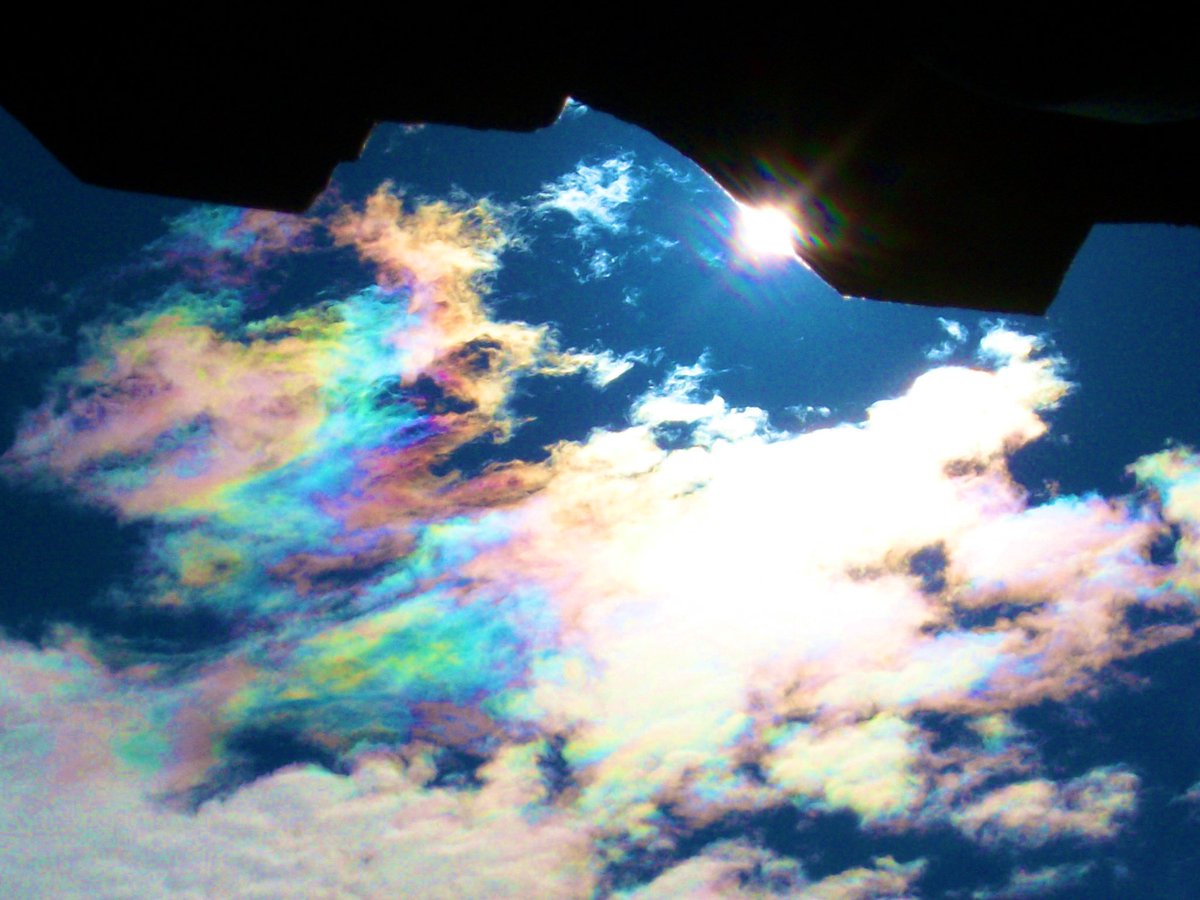
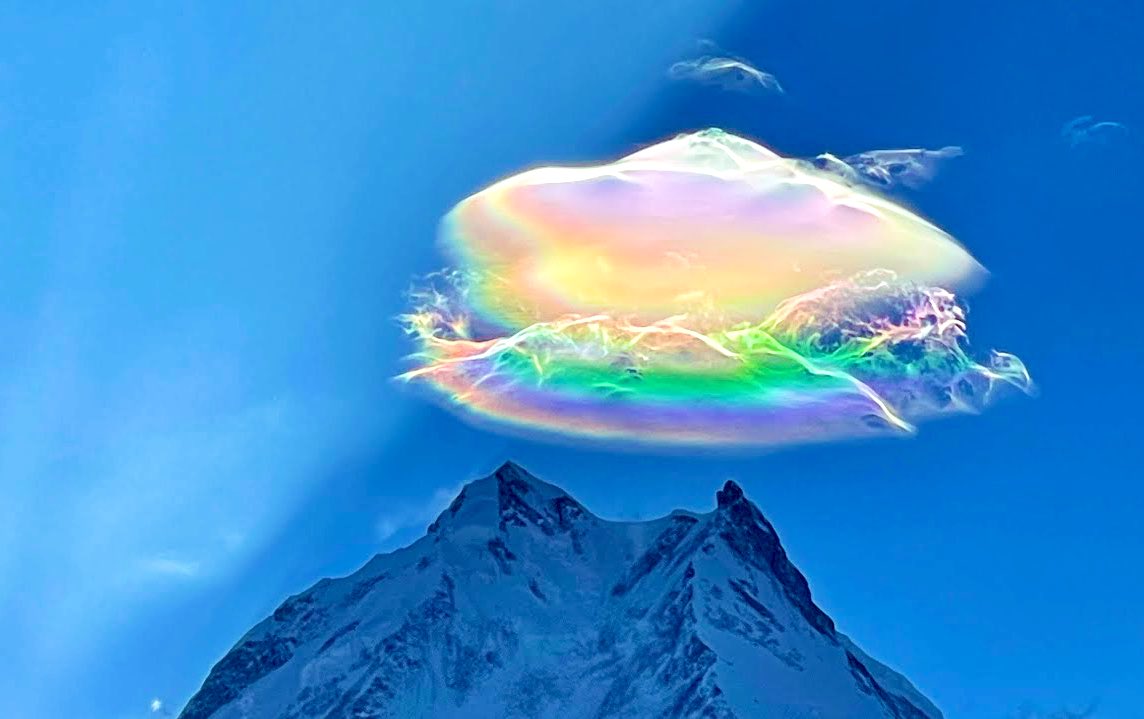
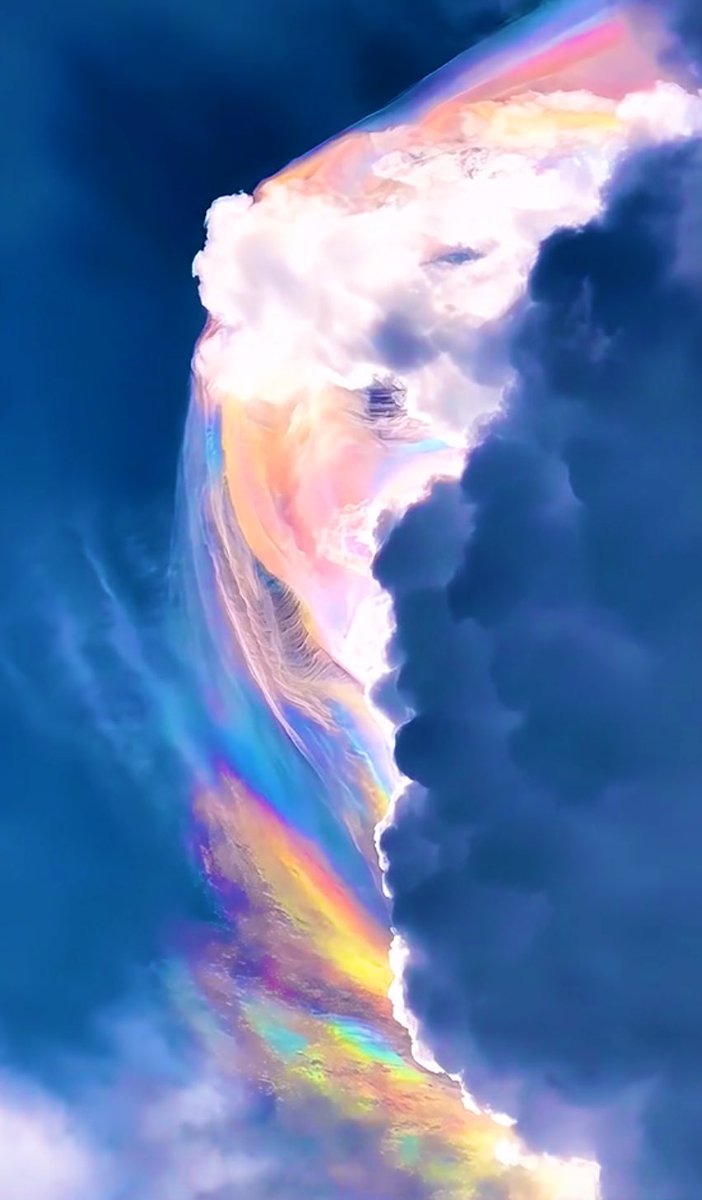
Iridescent clouds occur due to the diffraction of sunlight or moonlight in the small water droplets or ice crystals of clouds. Here's a brief explanation:
1. Cloud Composition: Clouds consist of tiny water droplets or ice crystals. The size and uniformity of these droplets or crystals play a role in producing iridescence.
2. Diffraction: When sunlight or moonlight passes through these droplets or crystals, it gets scattered in various directions. This scattering is known as diffraction. When the particles in the cloud are of similar size and are uniformly distributed, diffraction can produce a range of colors.
3. Viewing Angle: The colors will be most visible when the cloud is positioned such that it's relatively close to the Sun or Moon in the sky (but not directly in front). A thin cloud is typically best for observing iridescence because a thicker cloud can result in multiple scatterings, which can diminish the vividness of the colors.
4. Colors: The colors in an iridescent cloud can be similar to those in a rainbow but tend to be in random patches or bands. Because diffraction is dependent on the size of the droplets or crystals, the colors can change as the cloud evolves.
Iridescent clouds are different from coronas and halos, though they might appear similar. Coronas and halos are formed due to refraction and reflection, not diffraction. When observing the sky, you can tell them apart based on their appearance and location relative to the Sun or Moon.
15
99
594
18,215
Frida Eik Öhman retweeted

12 Aug 2023
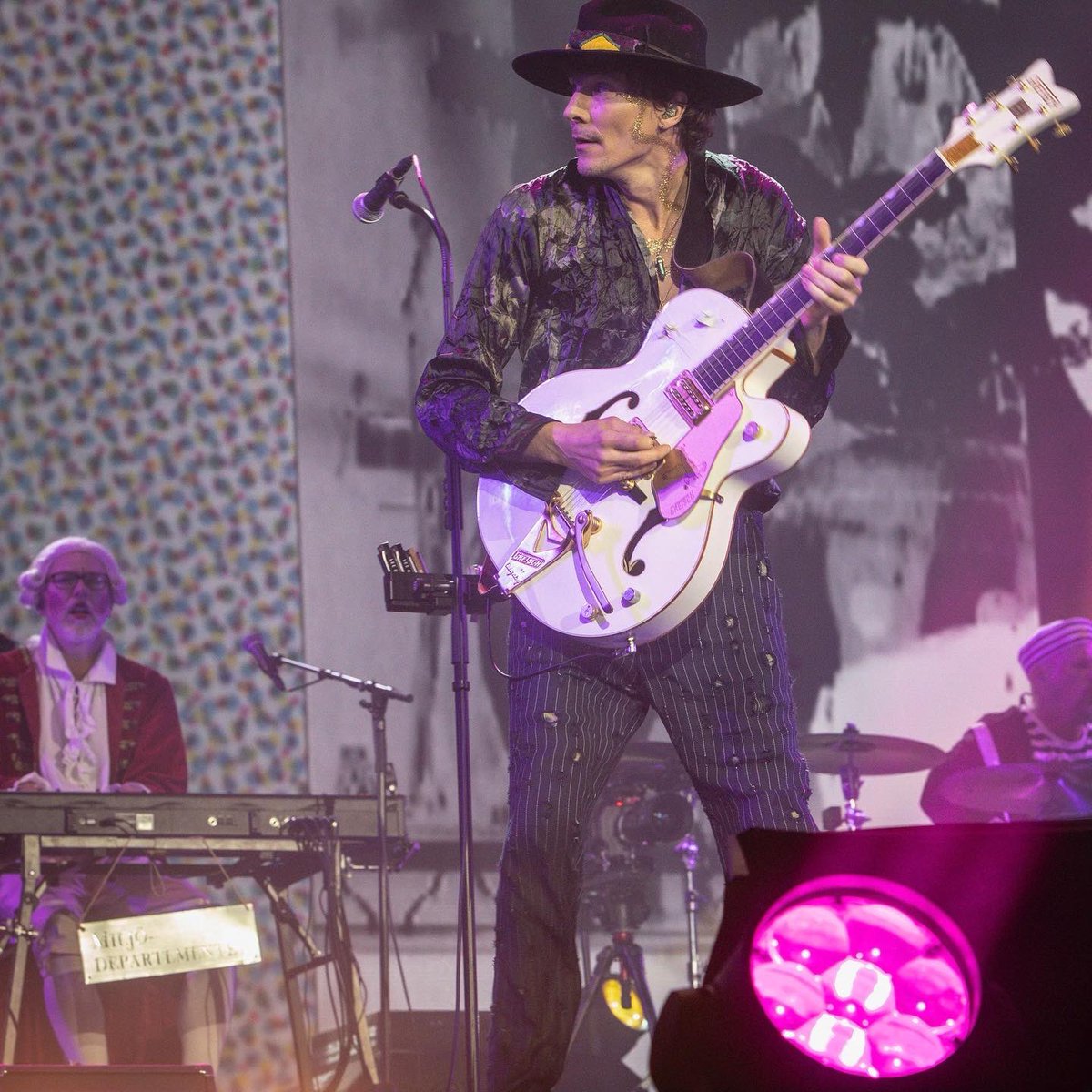
Håkan Hellström har skylten från #miljödepartementet på Way Out West!! 😻
50
104
1,091
150,889
Frida Eik Öhman retweeted

11 Aug 2023
France is raising taxes on flights to pay for trains: Should other European countries do the same?
@JakopDalunde @ParHolmgren euronews.com/green/2023/08/1…
2
2
11
1,472

En påminnelse om att krig ALLTID suger. Är det ok att vuxna gör så här där det finns barn? Fy fan.
11 Aug 2023

Horrifying footage! Ukrainian families with children having a nice day outside in Zaporizhzhia when Russian missiles recklessly struck the middle of the city.
This Russian terror and malice is but another stark reminder that you cannot parley with this Russian regime and their followers.
Source: t.me/mariupolnow/32941
#Ukraine #Zaporizhzhia
1
61