Joined July 2019
- Tweets 3,267
- Following 526
- Followers 1,033
- Likes 4,168
1 Photos and videos
Friday For Changes #FridaysForFuture retweeted

Jun 8
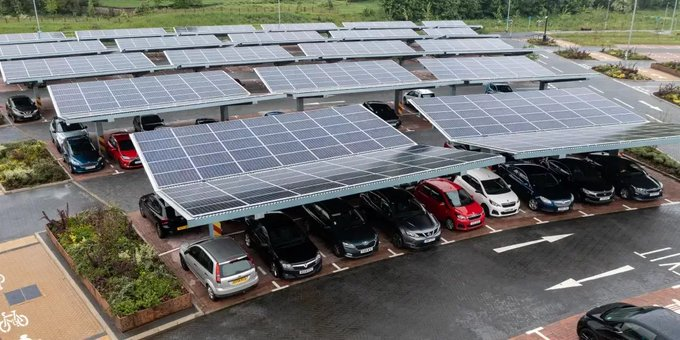
There is no need to sacrifice nature for solar panels
Put them on every building house, train station, airports, sides of motor ways , car parks etc
Its not rocket science but basic common sense
14
237
499
4,026
Friday For Changes #FridaysForFuture retweeted

As El Niño Approaches, Scientists Predict Fierce Heatwaves, Wildfires and Floods. Combined with ongoing human-caused global warming, El Niño is a grim recipe for deadly climate extremes. Heat alone already kills more than 500,000 annually.
@bberwyn insideclimatenews.org/news/1…
1
22
17
514
Friday For Changes #FridaysForFuture retweeted

With fertiliser shortages caused by the attack on Iran & a record breaking El Niño,, on the way, food shortages are virtually certain. Never mind, it’s probably the poorest who’ll starve to death, the ones who don’t count in our cruel, dystopian society!
theguardian.com/environment/…
8
25
37
1,219

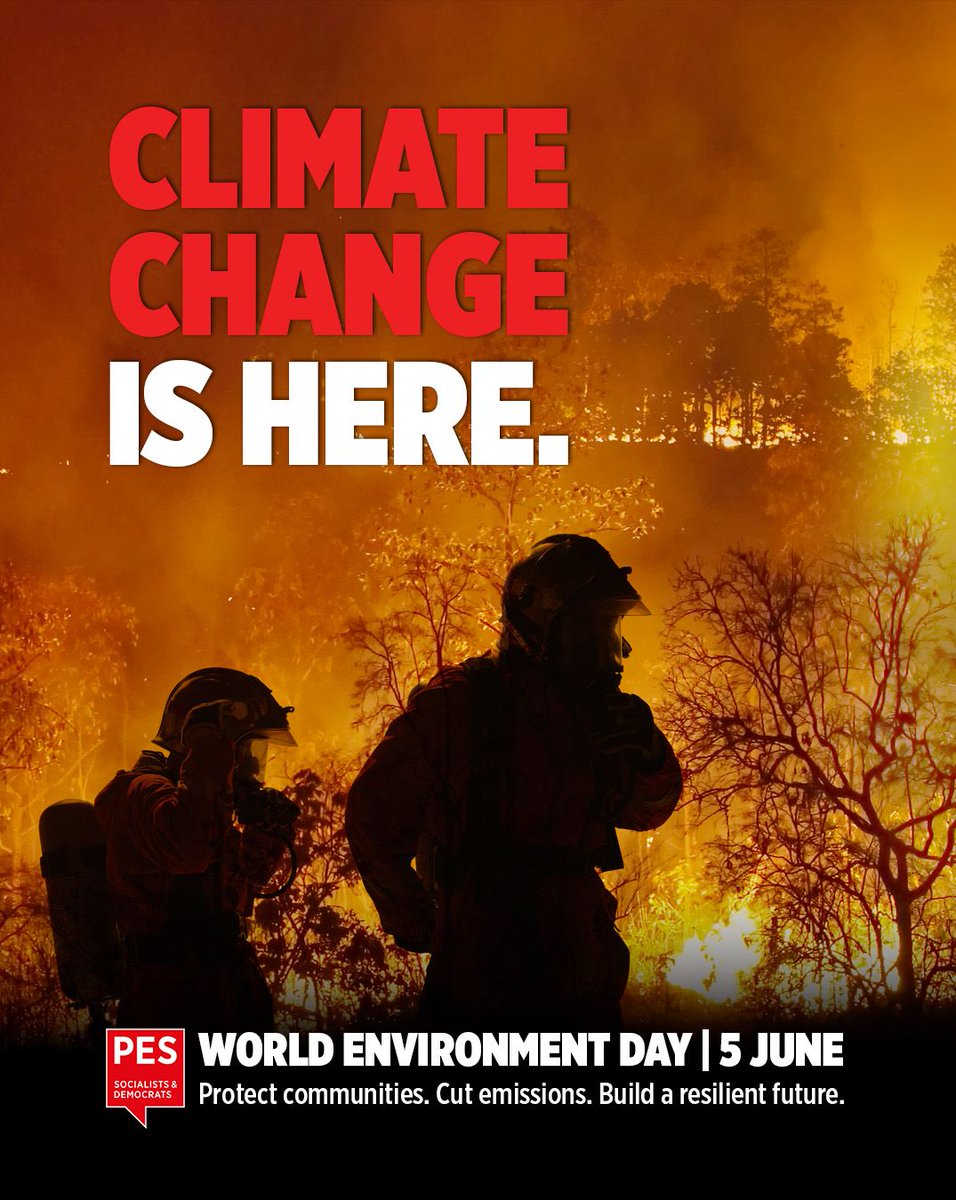
As we mark World Environment Day, we are reminded that climate change is not a distant threat. It is already affecting lives across the world and threatening our planet.
This week, the World Meteorological Organization warned that El Niño is developing and is likely to bring more extreme weather in the months ahead.
We must accelerate action to cut emissions, protect the people and our nature, and strengthen resilience to climate impacts.
The cost of inaction is too high. The climate crisis demands action now.
3
13
30
934
Friday For Changes #FridaysForFuture retweeted

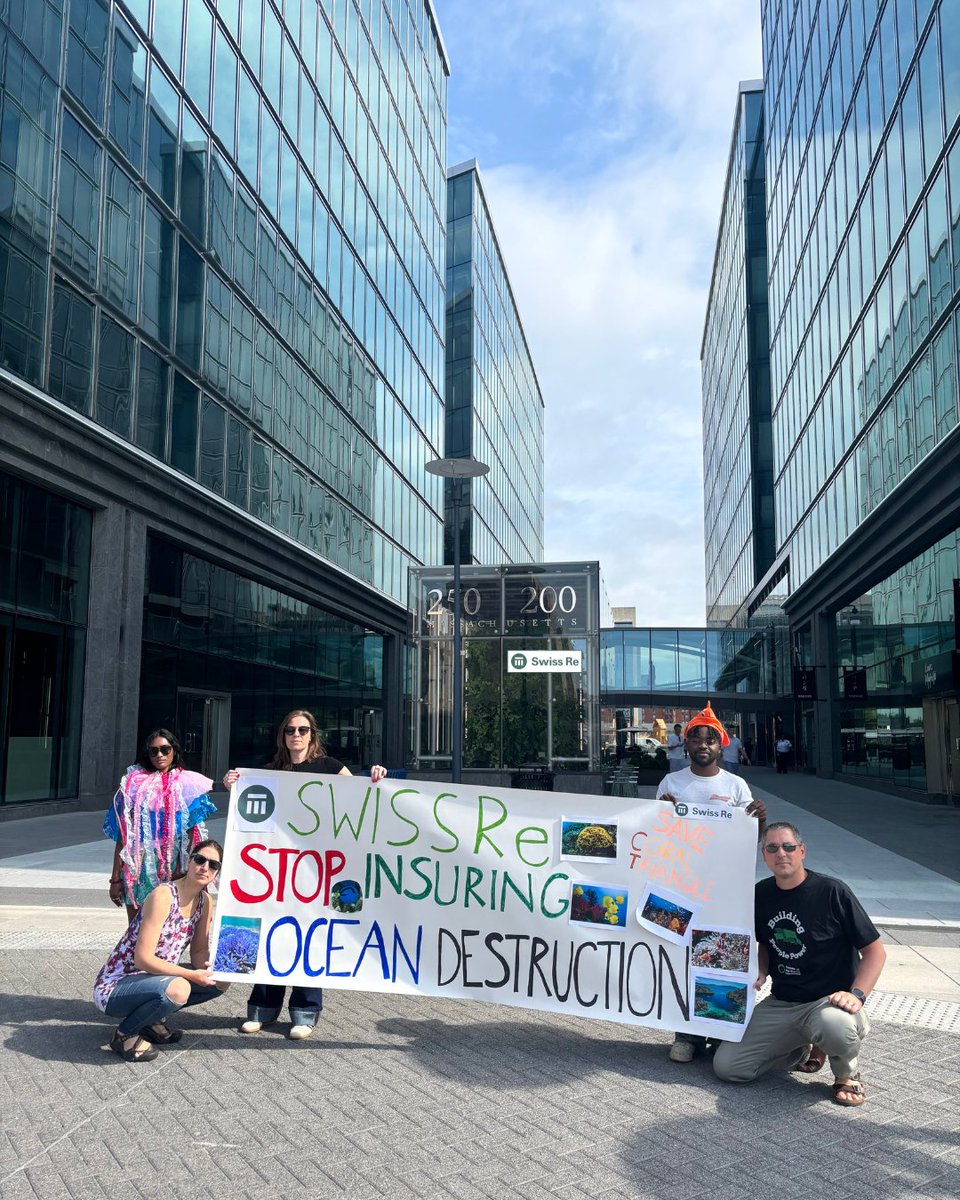
The Coral Triangle is the global center of marine biodiversity.
While occupying just 1.5% of the world's area, it supports:
🪸 30% of global coral reefs & 75% of reef-building coral species
🐢 Global marine turtle species
🐠 2,000 species of reef fish
1
3
6
374
Friday For Changes #FridaysForFuture retweeted

Apr 26
>完璧な気候活動を100人でやる必要はありません。数百万人が不完全でもやる必要があります
>今いる場所から始めましょう。木を植える。行進に参加する。市長にメールを送る。不完全な行動 = 完璧な沈黙 @Friday4Future @ECOWARRIORSS @XRHaringey

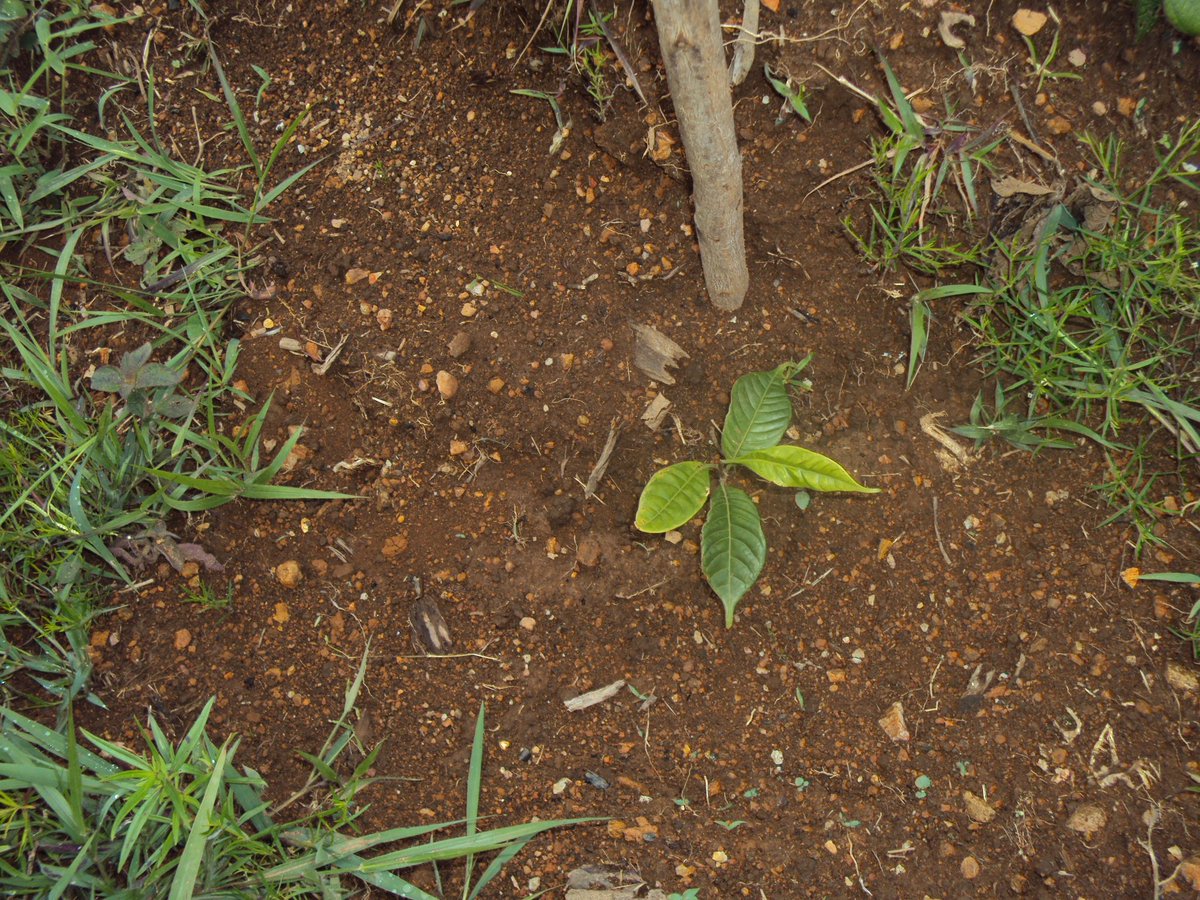
You don’t need 100 people doing climate activism perfectly. You need millions doing it imperfectly. Start where you are. Plant a tree. Join a march. Email your mayor. Imperfect action =perfect silence @Friday4Future @ECOWARRIORSS @XRHaringey
2
8
251

Friday For Changes #FridaysForFuture retweeted

Jun 9
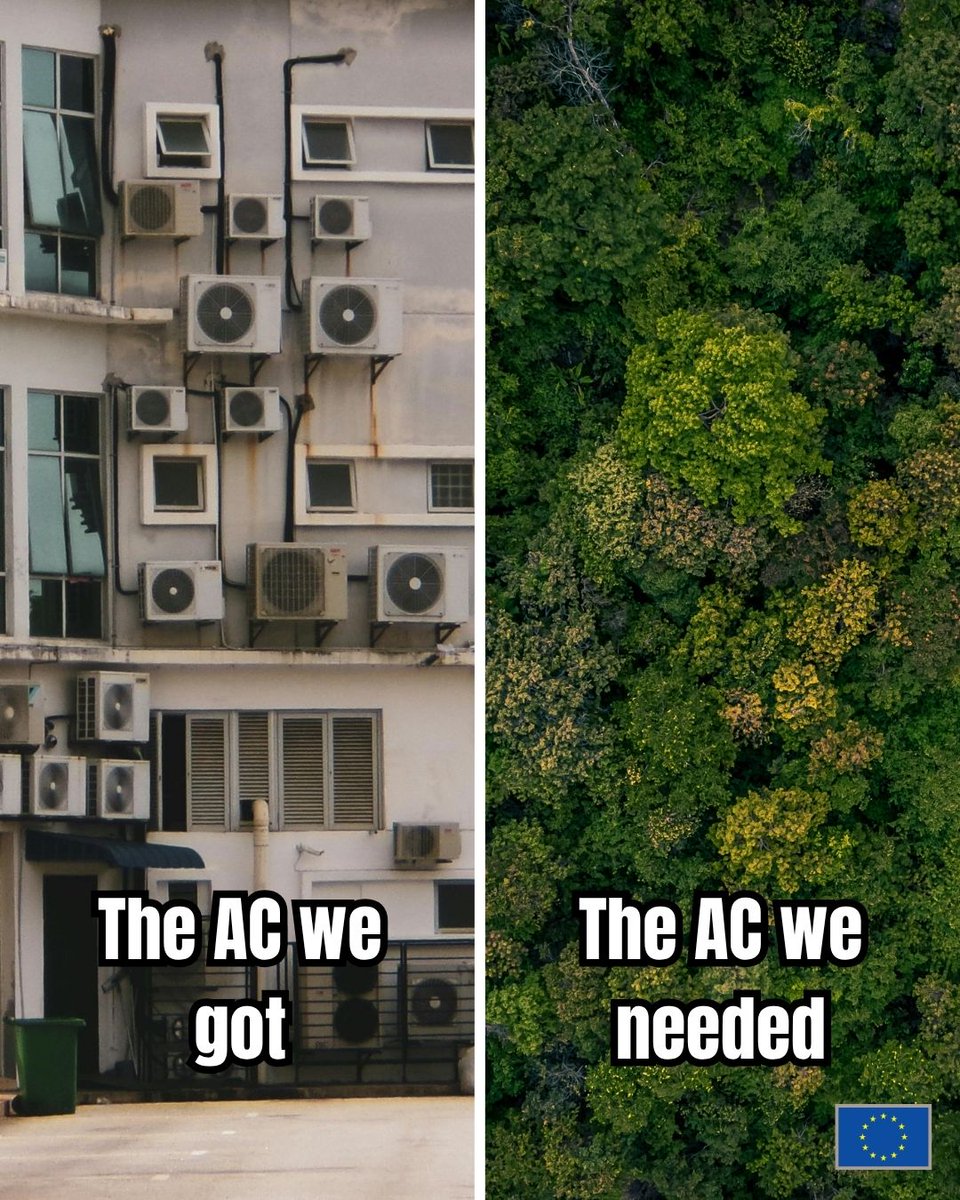
Europe is melting 🥵🌡️
Cities heat up faster than surrounding areas due to the urban heat island effect.
Trees are a simple & effective solution as they:
🌿cool our streets by at least 5°C
🌿can absorb over 22kg of CO2 per year on average
🌿make cities healthier & more livable
12
60
118
2,942
Friday For Changes #FridaysForFuture retweeted

Jun 7
Alternatives to air con: Cheap and easy ways to cool your home l.euronews.com/5UG2
5
3
180
Friday For Changes #FridaysForFuture retweeted

The Coral Triangle, is the planet's most biodiverse marine region, spanning Indonesia, Malaysia, Papua New Guinea, the Philippines, Solomon Islands
and Timor-Leste. It is also one of the most climate vulnerable.
In its waters live 76% of the world’s known coral species and more than 2,000 different types of coral fish. The Coral Triangle is home to six of the seven marine turtle species, and acts as a feeding ground for whales and other marine mammals, including many threatened small cetaceans.
More than 360 million people depend on this ecosystem for food security, livelihoods, storm protection and cultural identity. The Coral Triangle is not only a biodiversity hotspot, it is a foundation of economic and social stability across Southeast Asia and the Pacific.
All this is at threat from the rapid expansion of Liquified Natural Gas (LNG) infrastructure which is accelerating the degradation of this vital ecosystem and
creating compounding systemic risks. As science makes clear, new oil and gas projects are incompatible with a liveable future.
This #CoralTriangle Day, coastal communities, fisherfolk, and global civil society groups have launched the "Sama-sama: Together for the Coral Triangle" campaign.
Together we call for an end to the rapid expansion of offshore oil, fossil gas, and LNG projects threatening this wonder of the oceans.
Protecting the Coral Triangle provides an immediate, concrete opportunity for (re)insurers to demonstrate credible and bold market leadership, we call on them to #InsureOurFuture not #FossilFuels.
#TogetherForTheCoralTriangle #InsureOurSurvival #CoralTriangleDay #SamaSama
@Zurich @AllianzID @avivaplc @ChubbEurope @SwissRe @InsOurFuture @BoycottBloody
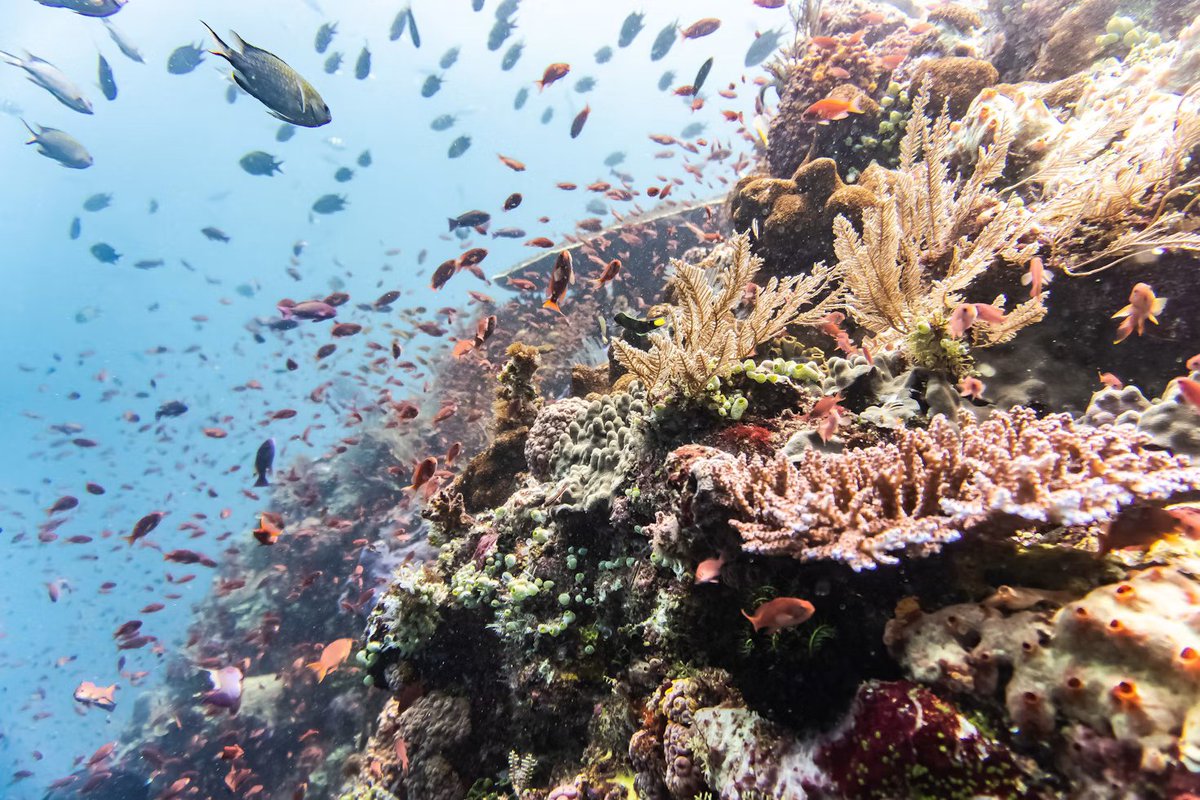
ALT Fish swim on a beautiful coral reef. Komodo National Park, East Nusa Tenggara, Indonesia, in the Coral Triangle. Photo by Jeremy Bishop on Unsplash
23
33
1,703
Friday For Changes #FridaysForFuture retweeted

Jun 8
Unpredictable and extreme’: Asia braces for El Niño theguardian.com/environment/…
Weather models project a potentially strong El Niño this year, which could spell disaster for heatwave and hurt agriculture across south-east Asia. #ActNow #ActOnClimate #LocalAction #ClimateJustice
10
13
601
Friday For Changes #FridaysForFuture retweeted
There is a frenzy to build massive AI data centers across the country. This is putting a humongous strain on our climate and communities
Thank you, @SenSanders @RepAOC for introducing a bill to protect us and the climate from the explosive growth of data centers.
1
2
3
451
Friday For Changes #FridaysForFuture retweeted

Apr 19
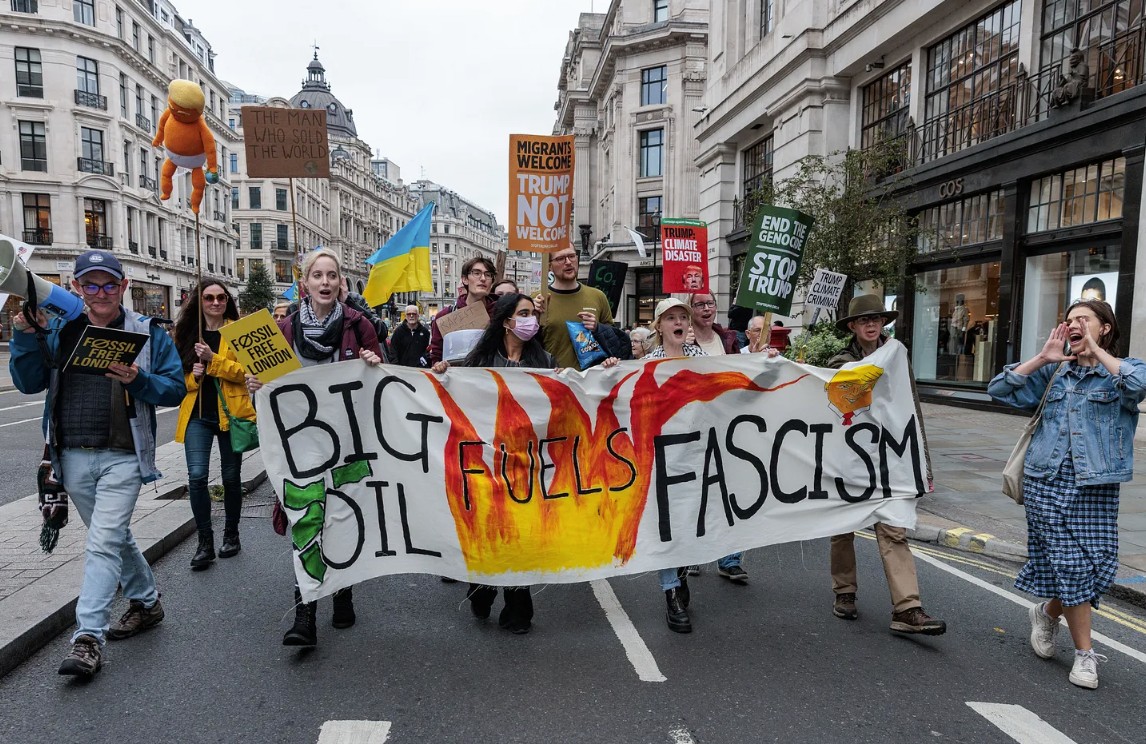
Big Oil Breaks Everything.
The planet, our democracy, our courts...
billmckibben.substack.com/p/… @billmckibben
6
5
124
Friday For Changes #FridaysForFuture retweeted

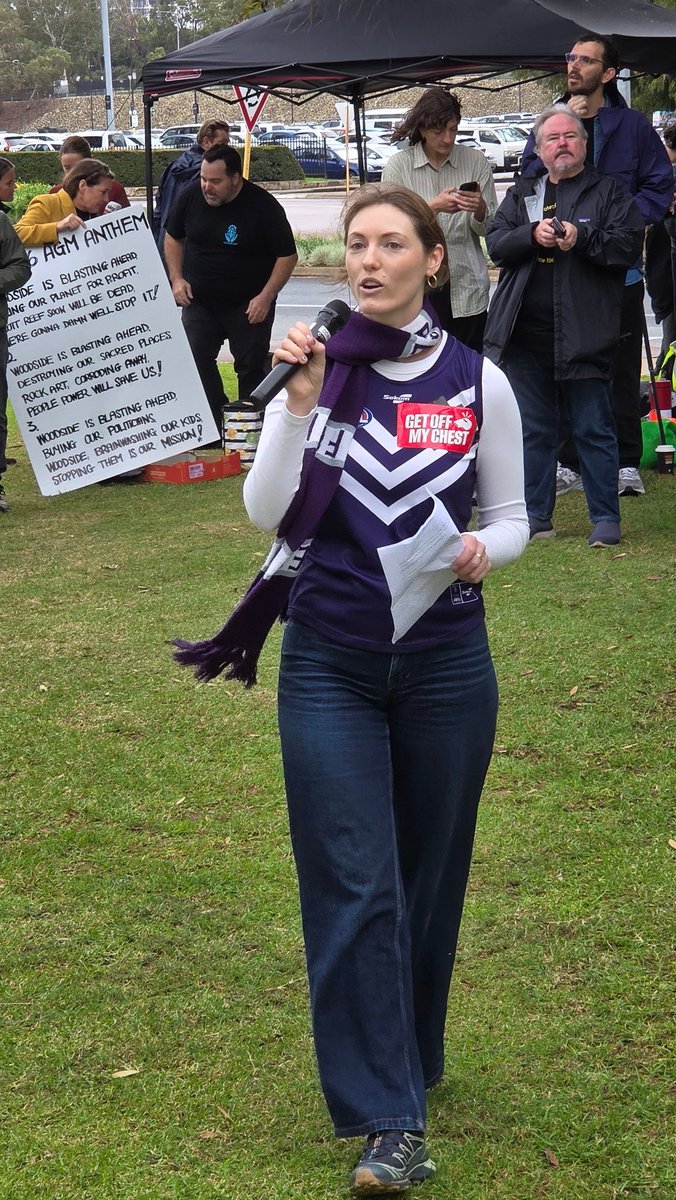
Give @WoodsideEnergy the boot
They spend just 0.2% of their marketing budget to sponsor our beloved @freodockers to get a social licence to destroy our kids future
3
6
176
Friday For Changes #FridaysForFuture retweeted
Apr 22
Our Power, Our Planet 🌎
Local Action, Global impact #EarthDay
2
15
22
726

#EarthDay is an annual global event observed on April 22 to demonstrate support for #environmentalprotection. Since its inception in 1970, it has grown into the world's largest secular observance, engaging more than 1 billion people in 192 countries annually.
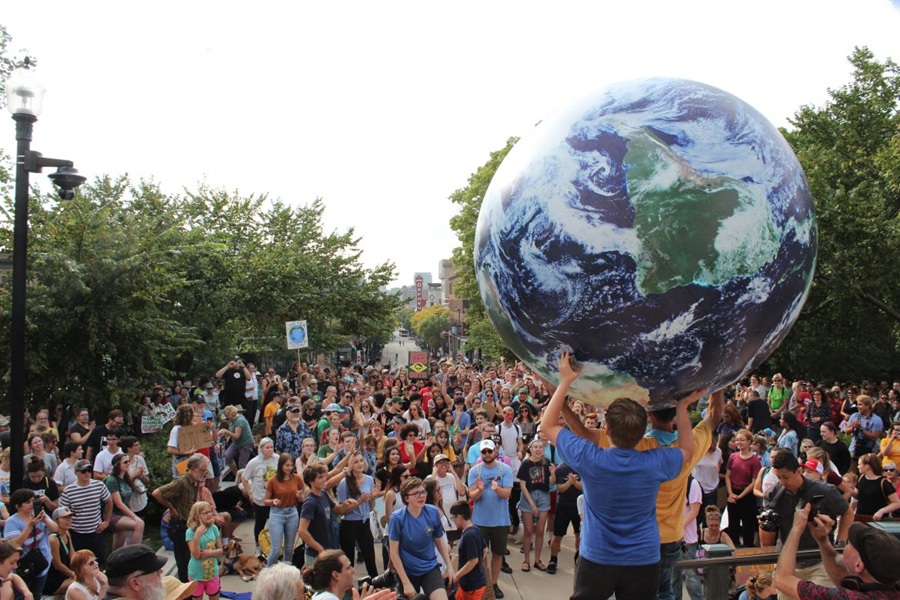
ALT A crowd gathers to toss “inflated Earth ball” at an Earth Day Celebration event
2
9
15
213
Friday For Changes #FridaysForFuture retweeted

Apr 22
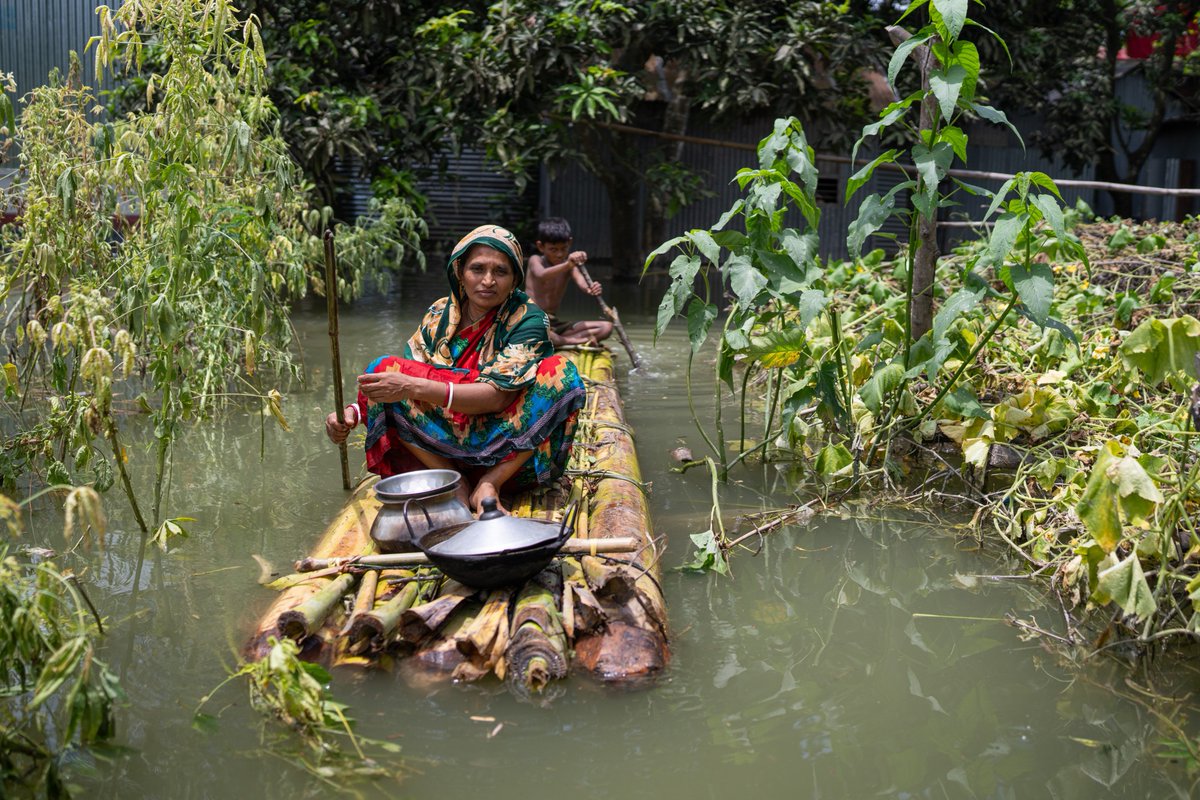
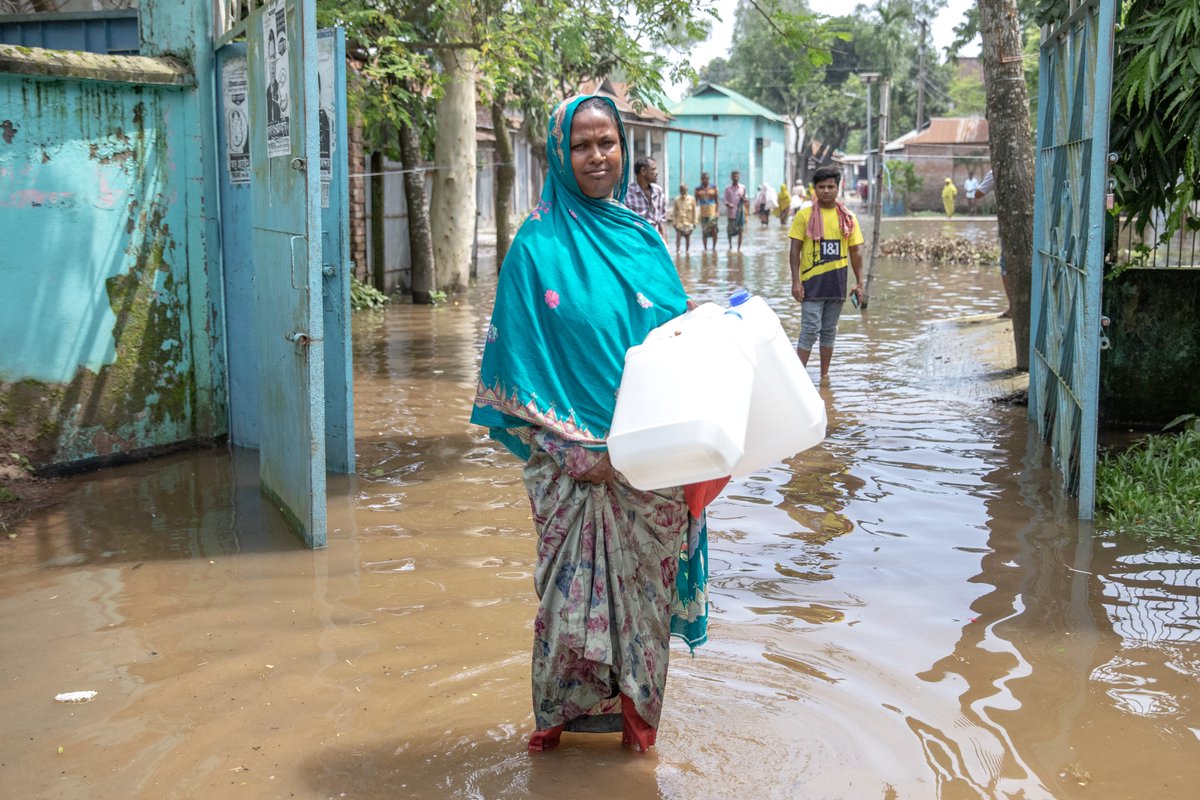
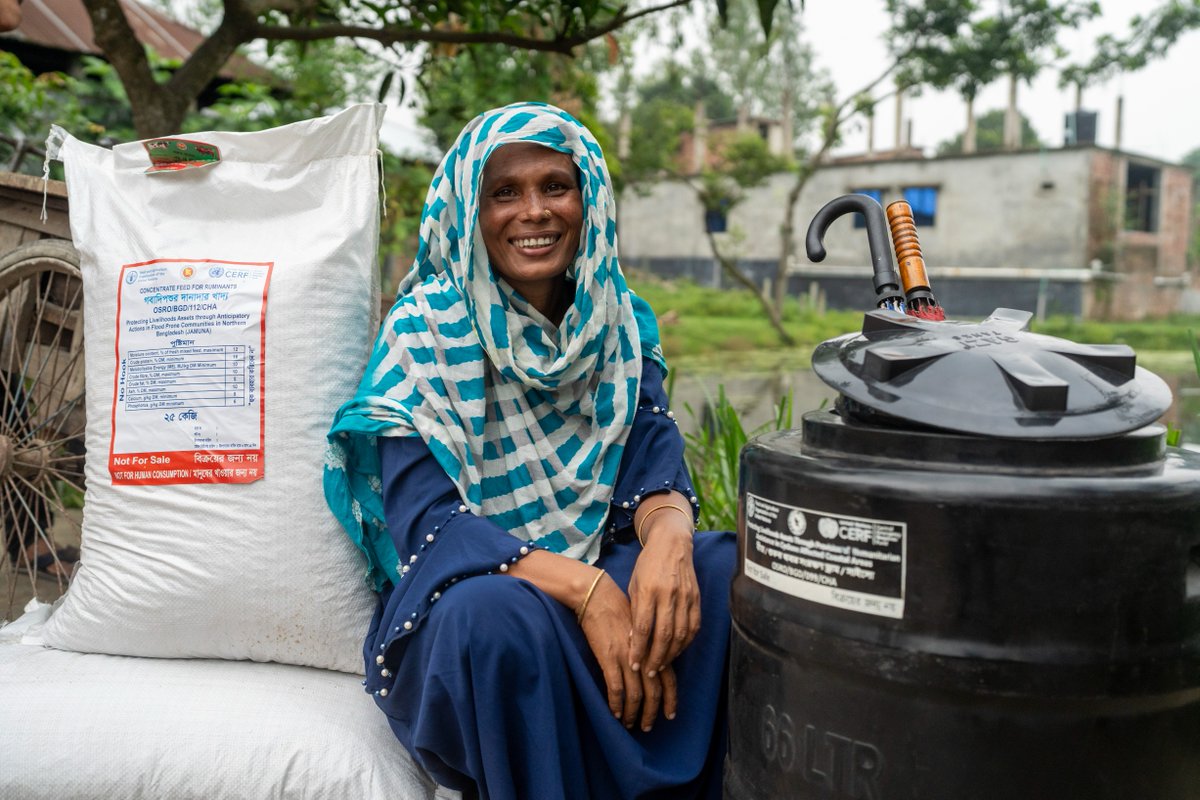
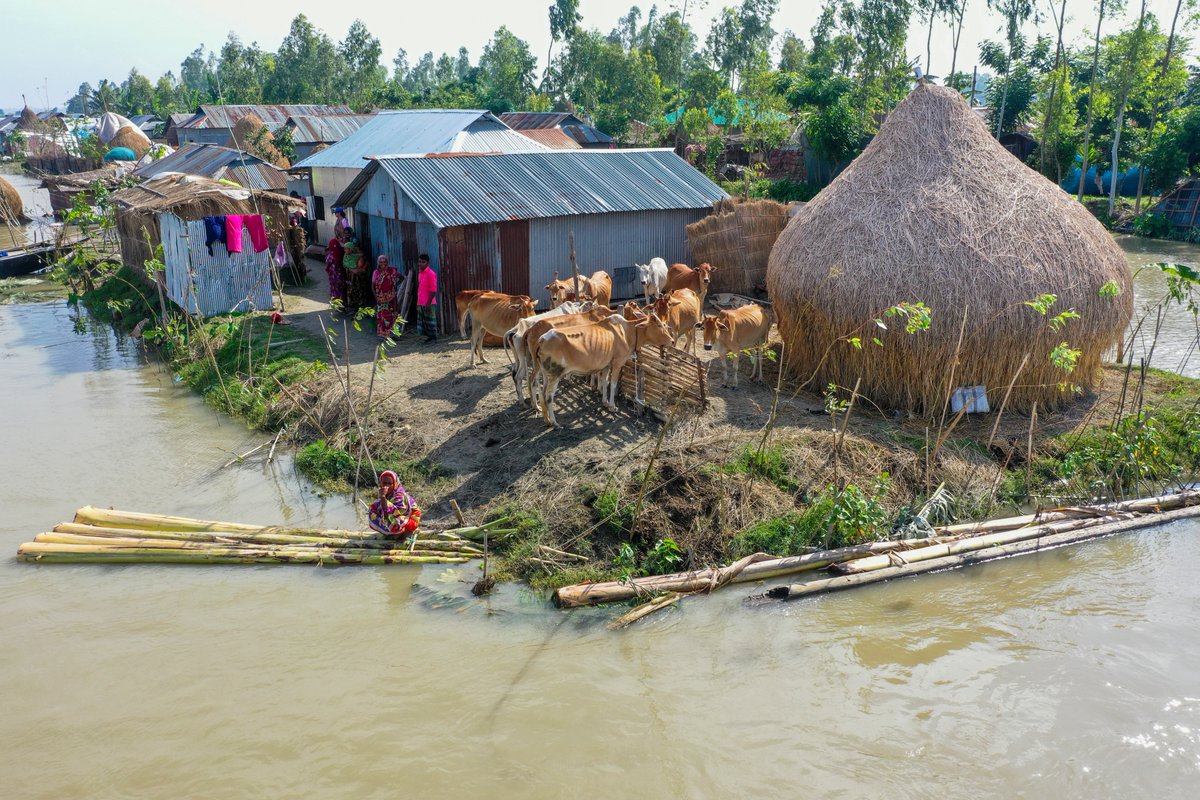
Protecting the planet and protecting communities are inseparable.
I’ve seen how acting early can save lives. In Bangladesh, communities received support before floods hit – not after.
Let's act for those least responsible, but most affected. #EarthDay
👉🏾 bit.ly/48kSYz0
2
4
15
560
Friday For Changes #FridaysForFuture retweeted

Apr 21
2026 Global Energy Crisis: Iran Conflict Forcefully Reshapes Transition Strategies
#TiredEarth #EnergyCrisis
🔗tiredearth.com/news/2026-glo…
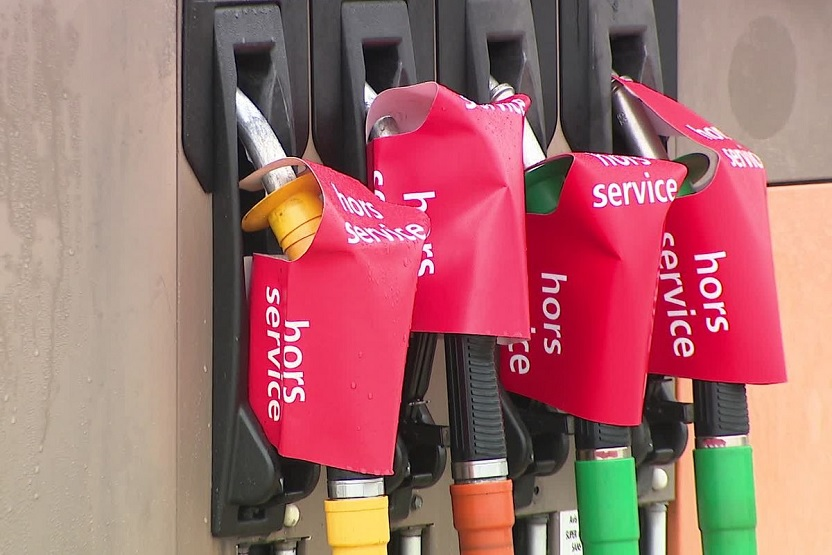
ALT The escalation of armed conflict in Iran and geopolitical tensions involving international powers have plunged the global energy market into a period of unprecedented uncertainty.
1
7
14
223
Friday For Changes #FridaysForFuture retweeted

Apr 21
#EarthDay is a reminder of the fragility of our world.
But we know what must be done:
End our addiction to fossil fuels.
Accelerate the renewables revolution.
Protect & restore nature.
Deliver climate justice for the most vulnerable.
Let’s #ActNow – for people & planet.
815
939
2,090
115,184
Friday For Changes #FridaysForFuture retweeted
Apr 23
Why Earth Day Matters More Than Ever
The environmental movement has already shown what collective action can achieve. The question now is whether we are prepared to use that power again.
commondreams.org/opinion/ear…
2
11
88