
Joined January 2010
- Tweets 2,320
- Following 1,479
- Followers 2,404
- Likes 1,998
52 Photos and videos






Pinned Tweet

Apr 17
Middle-age isn't just a transition. It's a destination with unique aims and tensions.
It's now being reshaped by work and longevity.
For many in the sandwich generation, being in the middle is the big squeeze.
For others, it's the rewarding substance. time.com/article/2026/04/13/…
1
3
7
4,667
Matt Fuchs retweeted

Jun 10
Microplastics are everywhere. They're in our food, our water, the air we breathe, and—according to recent research—even in the human brain.
But how concerned should we actually be?
In the latest episode of Longevity Science with Matt Kaeberlein, I sat down with environmental toxicologist Dr. Matt Campen, one of the leading researchers studying microplastics and other environmental exposures, to separate what the science tells us from the hype.
We discuss:
🧠 What researchers have found in human brain tissue
🥩 Why food may be a bigger source of microplastic exposure than most people realize
🧬 The emerging links between microplastics, dementia, and aging biology
🔥 How wildfire smoke affects brain health and cognitive function
☣️ Heavy metals, air pollution, and other environmental risks that deserve more attention
🏛️ Why meaningful solutions will likely require policy and infrastructure changes, not just individual behavior
One of the things I appreciated most about this conversation is Matt's balanced perspective. Despite being at the forefront of this research, he's not advocating panic or drastic lifestyle changes. Instead, he emphasizes the importance of understanding the evidence, recognizing uncertainty, and focusing on the interventions most likely to have meaningful impact.
As with many topics in longevity science, the challenge is separating legitimate concerns from fear-driven narratives and marketing claims. This conversation is an excellent example of how to approach a rapidly evolving area of research with both curiosity and scientific rigor.
Check out the full interview here: youtube.com/watch?v=J64kHdKN…
3
3
14
2,038
Matt Fuchs retweeted

Jun 11
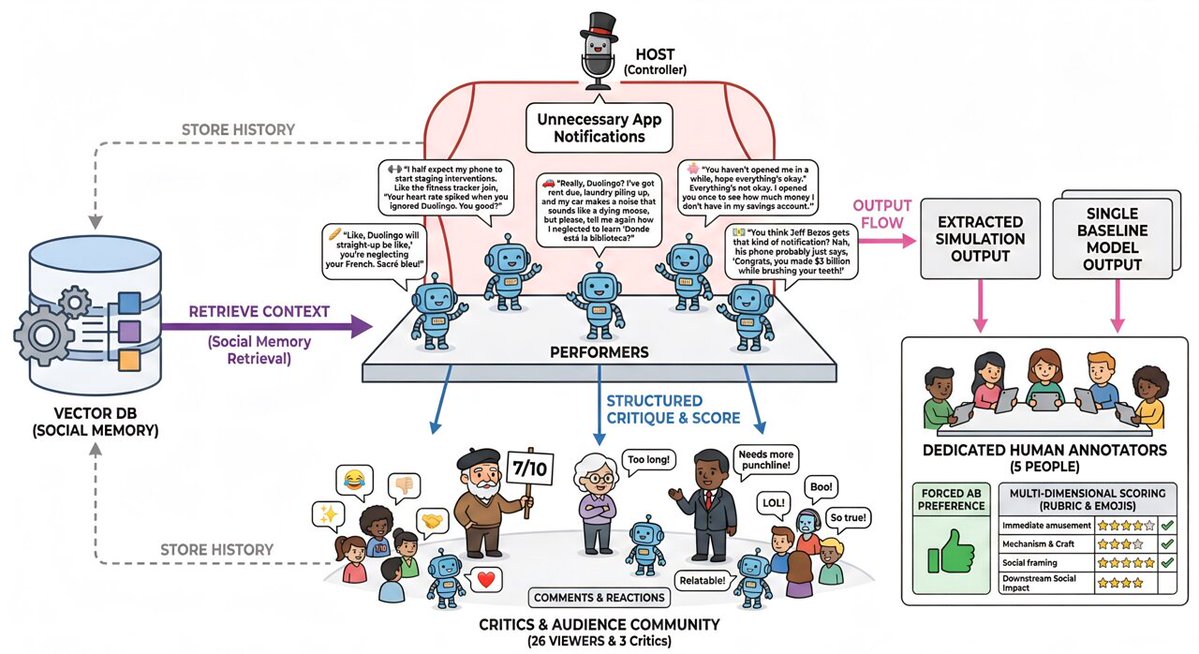
techxplore.com/news/2026-06-… @TechXplore_com
Thirty-five AI comedians walked into a workshop, and what happened next could reshape how machines learn humor
1
4
56
Matt Fuchs retweeted

Researchers increasingly believe the 40s, 50s and 60s represent a critical window for protecting cognitive health later in life, suggesting dementia is driven by years of metabolic stress, inflammation and vascular damage accumulating across the body. wapo.st/4ehdfaz
16
85
219
32,901
Jun 12
Are you having a midlife crisis? Or is it just the start of a midlife climax?
I was on the Unrelating show to talk about the science and lived experience of being middle-aged.
Warning: We went deep! Thanks to Kel and Michelle for the fun conversation
unrelatingwithkelandmichelle…
1
3
77
Jun 11
Everywhere I look, I see physical activity framed as doing "all the boring stuff."
Maybe people would exercise more if we stopped telling them it's supposed to be so boring.
I play tennis. It's one of the most exciting parts of my week
3
16
1,349

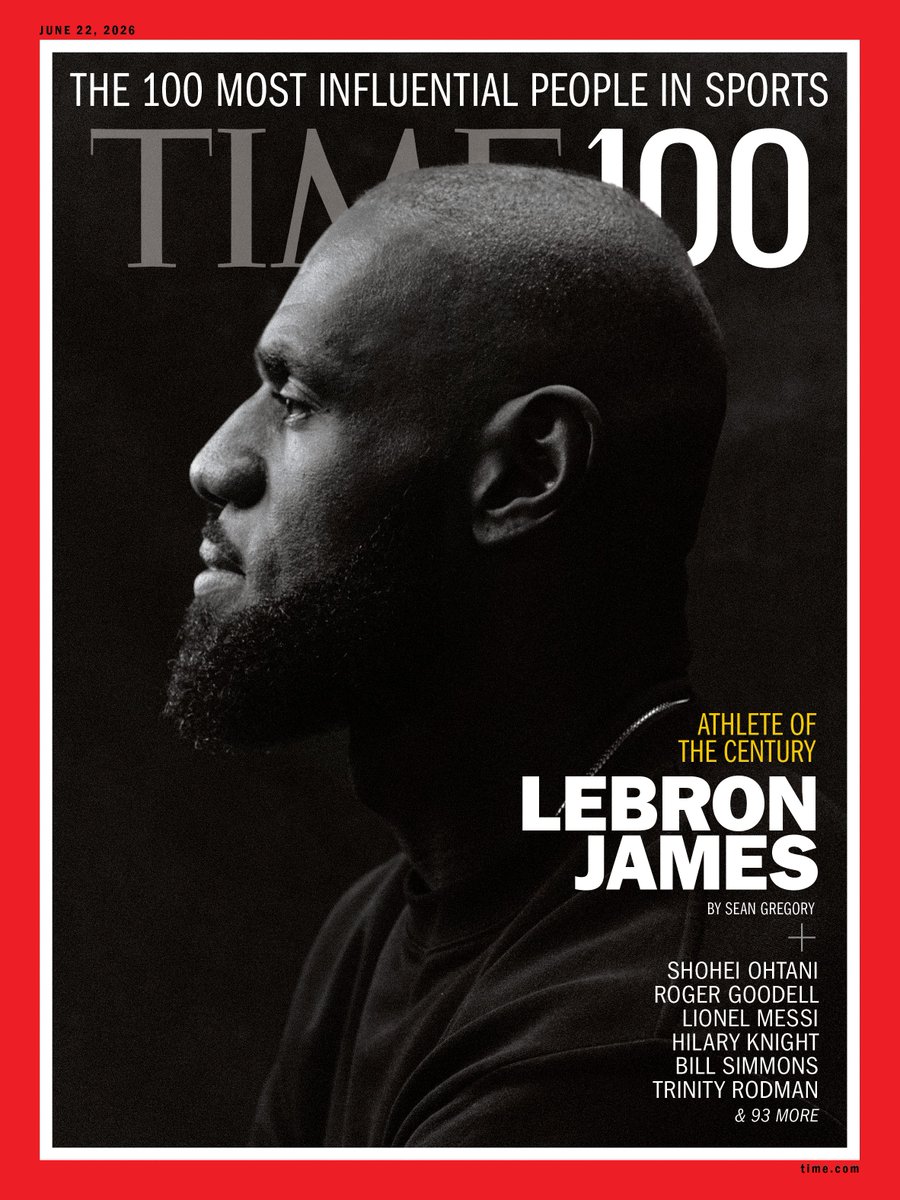
LeBron James wrote the blueprint for exceeding expectations.
Here’s how our first-ever TIME100 Sports cover star redefined the modern athlete: time.com/collection/time100-…
275
1,049
3,902
646,539
Matt Fuchs retweeted

Jun 9
🌅 Midlife, for me, is about freedom. ... 🧚🏽♀️The freedom to choose what matters. The need to follow a prescribed path has faded. ... 🌈The rite of passage is rarely a single moment; it is a long transition that unfolds over years. ... 🖊️ Good luck with your fellowship.✨
1
1
104
Jun 9
Historically, rites of passage have helped kids cross the threshold into adulthood. But as life gets longer, we're left without a clear way to navigate the massive shifts of midlife.
We need better rituals than the midlife crisis.
My new post looks at how people are building their own modern rites of passage.
What would a rite of passage for your life look like right now?
fuchsm.substack.com/p/the-wa…
1
1
117
Matt Fuchs retweeted

May 25
Can’t find 60 minutes? Do 10 minutes of exercise snacks 3x a day. 2026 data shows that three 10-minute bouts of vigorous movement are just as effective for metabolic health as one long session.
frontiersin.org/journals/pub…
#ExerciseSnacks #FitnessTips

11
37
1,888
Matt Fuchs retweeted

May 6
NYT: The Longevity Secrets Helping Athletes Blow Past the Limits of Age
nytimes.com/2026/05/06/magaz… @_atanas_
8
13
1,356
Matt Fuchs retweeted
May 24
👩🏽💻 "Laptop is a strange name" ... 😆Cute name. Questionable location! 👉🏽Perhaps our most intimate machine deserves more thought 👇🏽@FuchsWriter @TIME time.com/article/2026/05/20/…
1
1
103
May 23
A researcher notes the healthcare system is "waiting for something bad to happen" and argues for better monitoring in seniors.
Important point, but the real missed opportunity is midlife. To be proactive, we need to start focusing on health much earlier
healthjournalism.org/blog/20…
51
Matt Fuchs retweeted

May 22
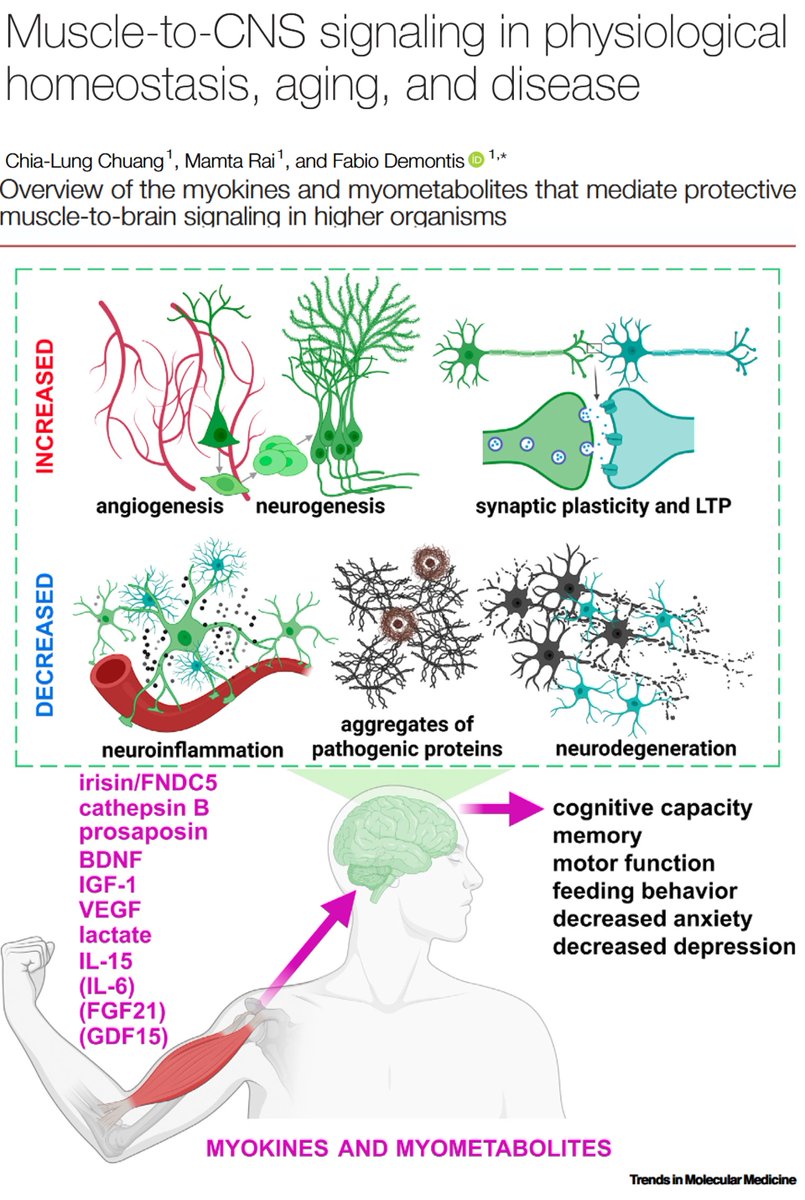
Muscle talks to the brain. 💪🧠
Exercise triggers myokines & myometabolites that boost cognition, while inactivity sends harmful signals that impair brain function. This muscle–brain crosstalk shapes behavior and resilience to aging and neurodegeneration. @WuTsaiAlliance
sciencedirect.com/science/ar…
4
104
337
102,410
May 22
When it comes to exercise, we need to do more than "meet people where they're at." We should be honest about how much exercise will lower disease risk a little, and how much is optimal
gizmodo.com/you-wont-believe…
2
9
21,318
Matt Fuchs retweeted

Michelle O’Donoghue, MD, a Brigham cardiologist, discusses the importance of Lipoprotein(a), or Lp(a), testing. Lp(a) is a cholesterol-carrying particle that, when elevated, increases risk of heart disease. time.com/article/2026/05/04/…
1
2
6
490
May 21
The "midlife crisis" story used to involve buying a red sports car. Now apparently it's joining an elite gym to build a chiseled "hockey butt"
wsj.com/lifestyle/fitness/gl…
1
4
83
Matt Fuchs retweeted
May 13
How AI is De-Risking Drug Development and Companion Diagnostics
Digital pathology and artificial intelligence are transforming the drug development landscape, accelerating the path to personalized medicine and better health outcomes. the-scientist.com/how-ai-is-…

6
9
240
May 15
Excited to share that I was named a 2026-2027 Knight-Wallace Fellow! I'll be the James S. House and Wendy Fisher House Social Science Fellow.
I'll be studying myself in a way: the biology, psychology and potential of being middle-aged @UMWallaceHouse
wallacehouse.umich.edu/annou…
1
2
12
209
Matt Fuchs retweeted

In a groundbreaking new study published in @Nature, an interdisciplinary team of VU and @VUMCHealth researchers charted "brain maps" that could provide earlier insight into conditions such as dyslexia, Alzheimer’s disease and Parkinson’s.
Read more: nature.com/articles/d41586-0…
9
22
1,350
Matt Fuchs retweeted
May 8
🥳 Your #body is a well-oiled machine? …🩸Good to know the battery of blood tests behind the scenes — nicely summed up by @FuchsWriter at @TIME time.com/article/2026/05/04/…
1
2
156