
Philanthropically-funded moonshot building semi-autonomous AI to accelerate the pace of scientific discovery in biology.
Joined October 2023
- Tweets 125
- Following 4
- Followers 8,350
- Likes 141
25 Photos and videos










May 19
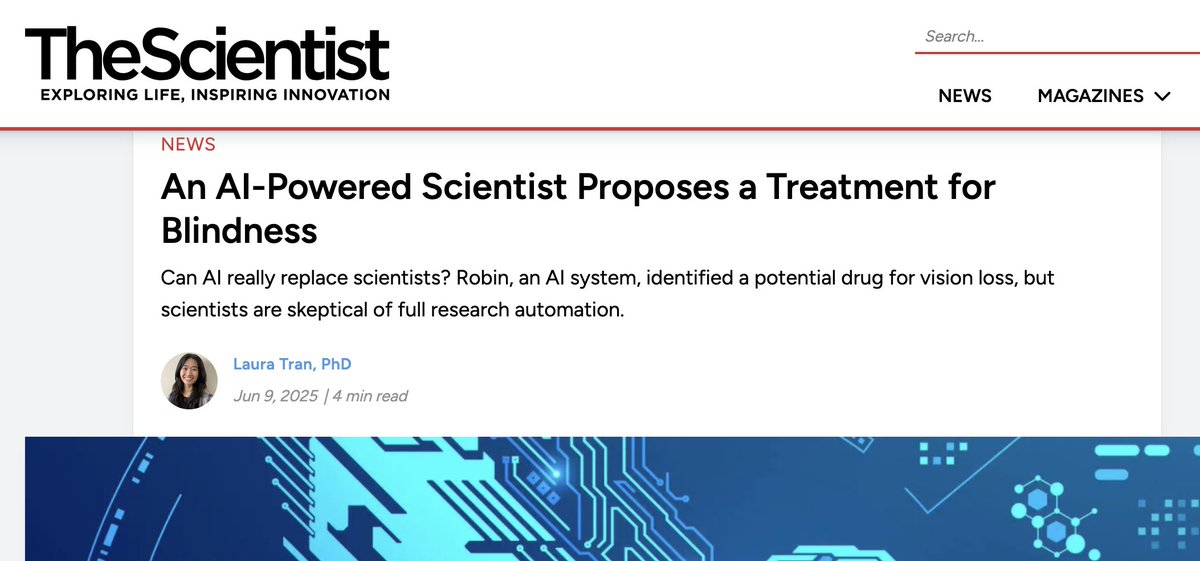
We're pleased to share our first @Nature paper: Robin is the first multi-agent system for discovery in biology that integrates novel hypothesis generation with experimental data analysis in one continuous workflow.
In this study, our team, including ophthalmologist @agreeb66, applied Robin to dry age-related macular degeneration, a leading cause of irreversible sight loss with limited treatment options. The system proposed drug-repurposing hypotheses, which were then tested experimentally in the lab.
Robin developed the experimental strategy for therapeutic hypothesis generation, proposed follow-up experiments, and extracted actionable insights from the resulting data, including validation in primary human retinal pigment epithelium (RPE) stem cells.
Robin also proposed a mechanism of enhancing RPE phagocytosis by modulating the cells circadian rhythm using an experimental drug, KL001, that has never before been used in humans or proposed for AMD. To our knowledge, this mechanism had not previously been proposed.
This work points to the future of AI-enabled science: systems that connect insights across fields, surface new mechanisms, and turn existing knowledge into testable hypotheses.
It also represents the broader opportunity FutureHouse is building toward: AI that helps science cross disciplinary boundaries and move from literature to experiment to discovery.
nature.com/articles/s41586-0…
5
49
209
16,535
Apr 17
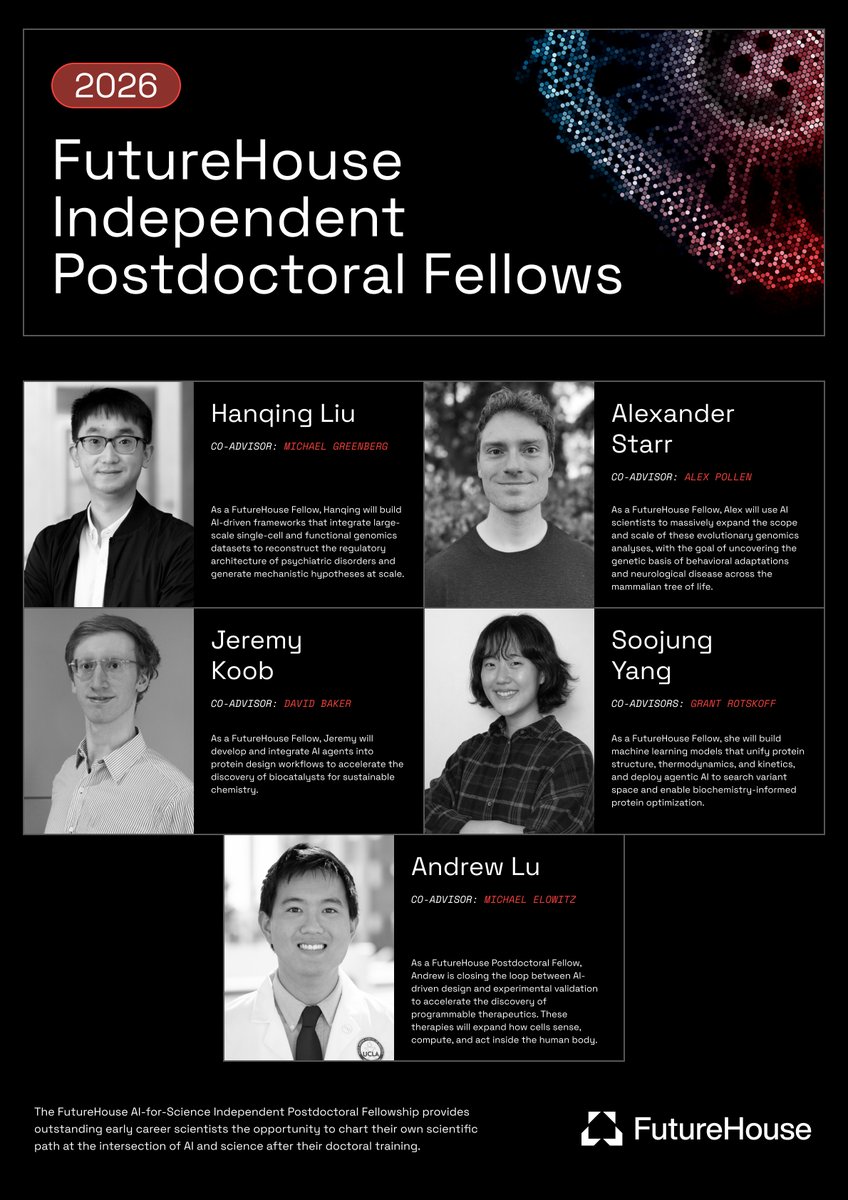
We’re thrilled to introduce the second cohort of FutureHouse AI-for-Science Independent Postdoctoral Fellows: five exceptional scientists pursuing bold research at the intersection of AI and science.
Please join us in welcoming:
Hanqing Liu, Alexander Starr, Jeremy Koob, Soojung Yang, and Andrew Lu
Starting in September, these Fellows will leverage cutting-edge AI Scientists to advance their projects in genomics, neuroscience, protein design, biophysics, and cancer therapeutics.
This year, we're also proud to partner with @KavliFoundation, who is sponsoring one of our Fellows.
We’re excited to support this cohort as they pursue ambitious, independent research and help expand what AI can make possible in science.
Learn more about the 2026 Fellows and the Fellowship program here: futurehouse.org/fellowship-p…
#FutureHouse #AiforScience
1
9
38
5,735
FutureHouse retweeted

Apr 11
FutureHouse postdoctoral fellow Chenghao Liu and team introduced the best model for de novo enzyme design this week. The fact that it can generate enzymes in a single shot that beat 14 rounds of directed evolution is insane. Congratulations all, this goes way beyond what I thought was possible…

What if AI could invent enzymes that nature hasn’t seen? 👩🔬🧑🔬
Introducing 🪩 DISCO: Diffusion for Sequence-structure CO-design
14 rounds of directed evolution and over a year of wet lab work. That's what it took to engineer an enzyme for selective C(sp³)–H insertion, one of the most challenging transformations in organic chemistry.
DISCO surpasses this with a single plate. No pre-specified catalytic residues, no template, no theozyme, no inverse folding, just joint diffusion over protein sequence and structure.
📝 Blog: disco-design.github.io/
📄 Paper: arxiv.org/abs/2604.05181
💻 Code: github.com/DISCO-design/DISC…
4
28
238
30,822
Jan 16
Congratulations to FutureHouse Fellow @NeuroLuebbert for making the cover of Nature Biotech!

The January issue is live nature.com/nbt/volumes/44/is…
On the cover, Luebbert et al. present a method to detect viral sequences in bulk and single-cell transcriptomic data using conserved amino acid domains instead of annotated reference genomes go.nature.com/4lGrSY3

1
2
12
3,353
FutureHouse retweeted

Jan 13
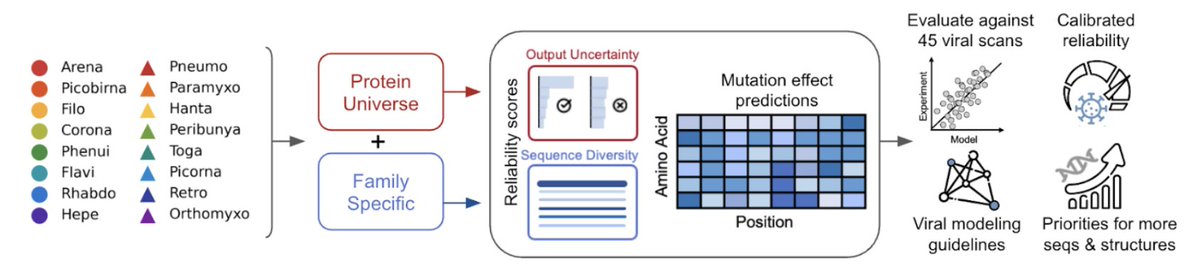
We’ve updated the EVEREST benchmark to include real-world viral evolution! biorxiv.org/content/10.1101/…
Co-led by @nooryoussef03 and me, along with co-authors @navami_jain, @aarushimehrotr, @AgaRosegirl, @_AMJackson, @deboramarks, and with @CEPIvaccines @FutureHouseSF!
16 Aug 2025

🚨New paper 🚨
Can protein language models help us fight viral outbreaks? Not yet. Here’s why 🧵👇
1/12
3
16
61
14,525
FutureHouse retweeted

16 Dec 2025
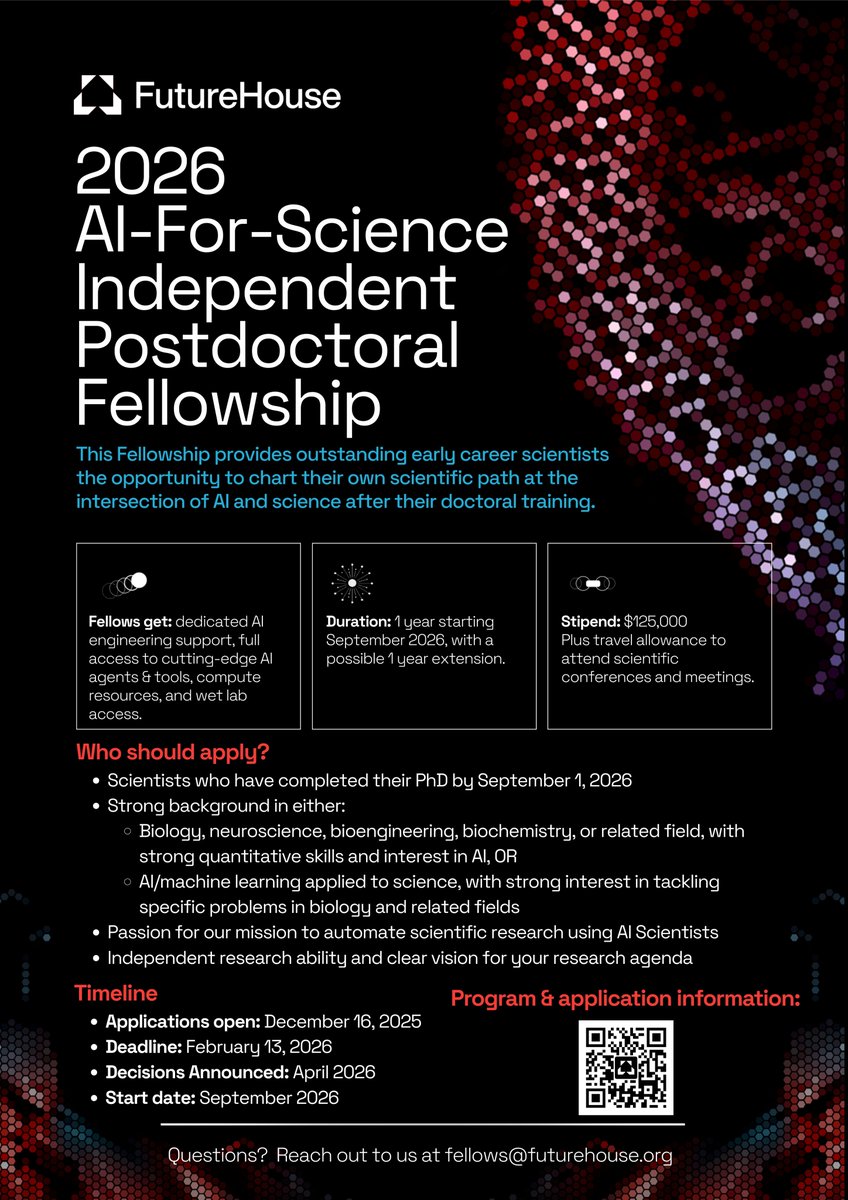
Postdoc fellowship applications at @FutureHouseSF are open again! This is a great way to learn how to apply ML and AI agents to problems in biology and chemistry. You'll get a competitive stipend and work with a great team (including resident AI agent wizard @GWellawatte)!
4
33
173
19,433
16 Dec 2025
Apply for our 2026 batch of FutureHouse Independent Postdoctoral Fellowships!
16 Dec 2025

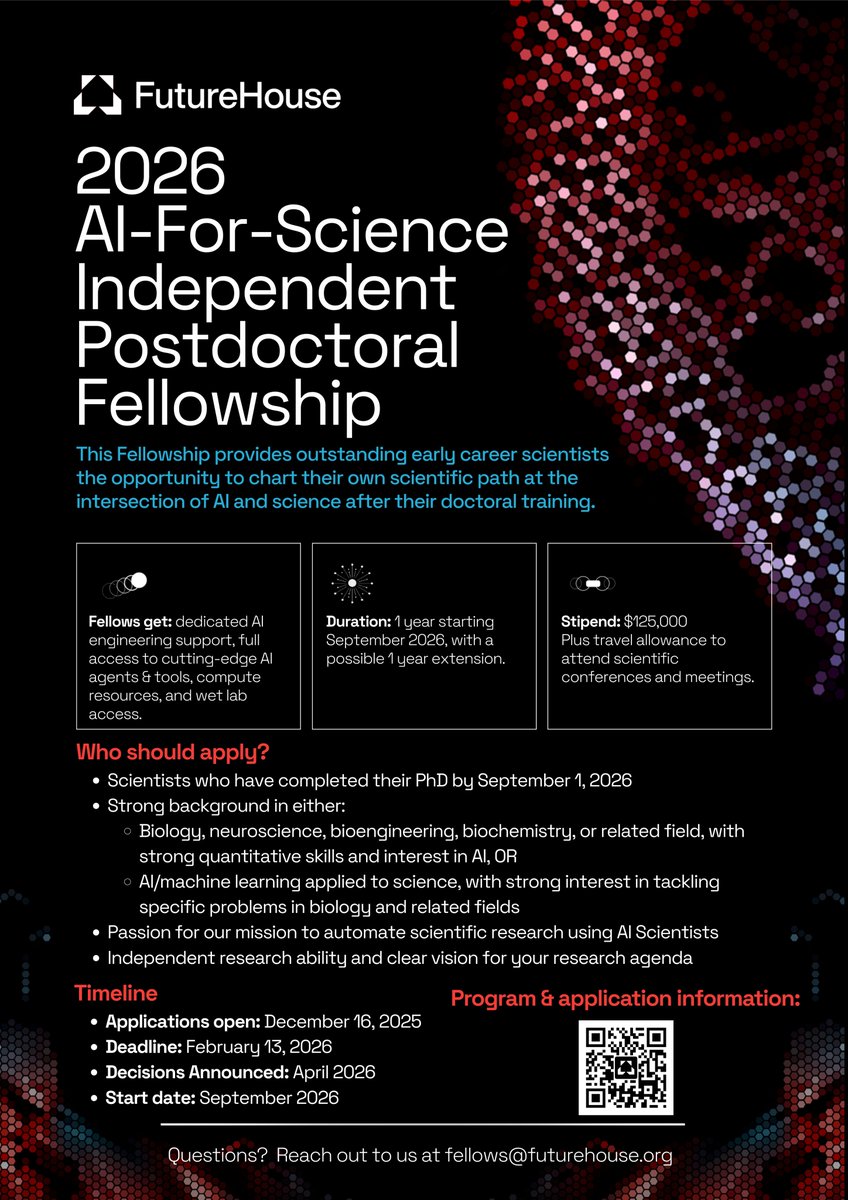
We are opening applications for our 2026 cohort of FutureHouse AI-for-Science Independent Postdoctoral Fellows! Apply our AI tools to specific problems in biology and biochemistry, in collaboration with world-leading academic labs:
--$125,000 annual stipend.
--Access to all tools developed by FutureHouse and Edison Scientific at scale, including Kosmos and several as-of-yet unreleased agents, with under-the-hood access to them to specialize them for your workflows.
--Receive dedicated software engineering support.
--1 year with possible 1 year extension.
Even more exceptional co-advisors than last year. Deadline for applications is February 13th, 2026. Link in next post.
3
12
2,213
FutureHouse retweeted
16 Dec 2025
We are opening applications for our 2026 cohort of FutureHouse AI-for-Science Independent Postdoctoral Fellows! Apply our AI tools to specific problems in biology and biochemistry, in collaboration with world-leading academic labs:
--$125,000 annual stipend.
--Access to all tools developed by FutureHouse and Edison Scientific at scale, including Kosmos and several as-of-yet unreleased agents, with under-the-hood access to them to specialize them for your workflows.
--Receive dedicated software engineering support.
--1 year with possible 1 year extension.
Even more exceptional co-advisors than last year. Deadline for applications is February 13th, 2026. Link in next post.
16
161
669
62,678
FutureHouse retweeted

15 Dec 2025
At Edison Scientific, we build agents for scientific discovery. Training these agents often requires scaling to 1000s of simultaneous environments, for which we rely on @nvidia's recently announced NeMo Gym and RL frameworks. Read more about the integration with Aviary
2
25
92
28,880
FutureHouse retweeted

15 Dec 2025
Reinforcement learning is the special sauce that enables AI scientists and agents to learn by experimentation and make decisions in complex, uncertain environments. Read our latest @nvidia tech blog cowritten with @EdisonSci and @FutureHouseSF on using RL for scientific agents
13
39
353
25,991
15 Dec 2025
Congrats NVIDIA on releasing a 1M context-window open-weights models! It is a hybrid Mamba-Transformer MoE architecture that can also do tool calling. Great for the ecosystem!
15 Dec 2025

NEWS: NVIDIA announces the NVIDIA Nemotron 3 family of open models, data, and libraries, offering a transparent and efficient foundation for building specialized agentic AI across industries.
Nemotron 3 features a hybrid mixture-of-experts (MoE) architecture and new open Nemotron pretraining and post-training datasets, paired with NeMo Gym, an open-source reinforcement learning library that enables scalable, verifiable agent training.
Read more: nvda.ws/4oNUTBm
9
34
5,656
FutureHouse retweeted

3 Dec 2025
I used the AI scientist Kosmos (@EdisonSci/@FutureHouseSF) in @adaptyvbio's Nipah Binder Competition. It's a chance to experimentally test an AI scientist.
The Kosmos proteins weren't among the top by ipSAE score so I need your help in the community vote for them to be tested 1/
4
6
53
10,625
FutureHouse retweeted
26 Nov 2025
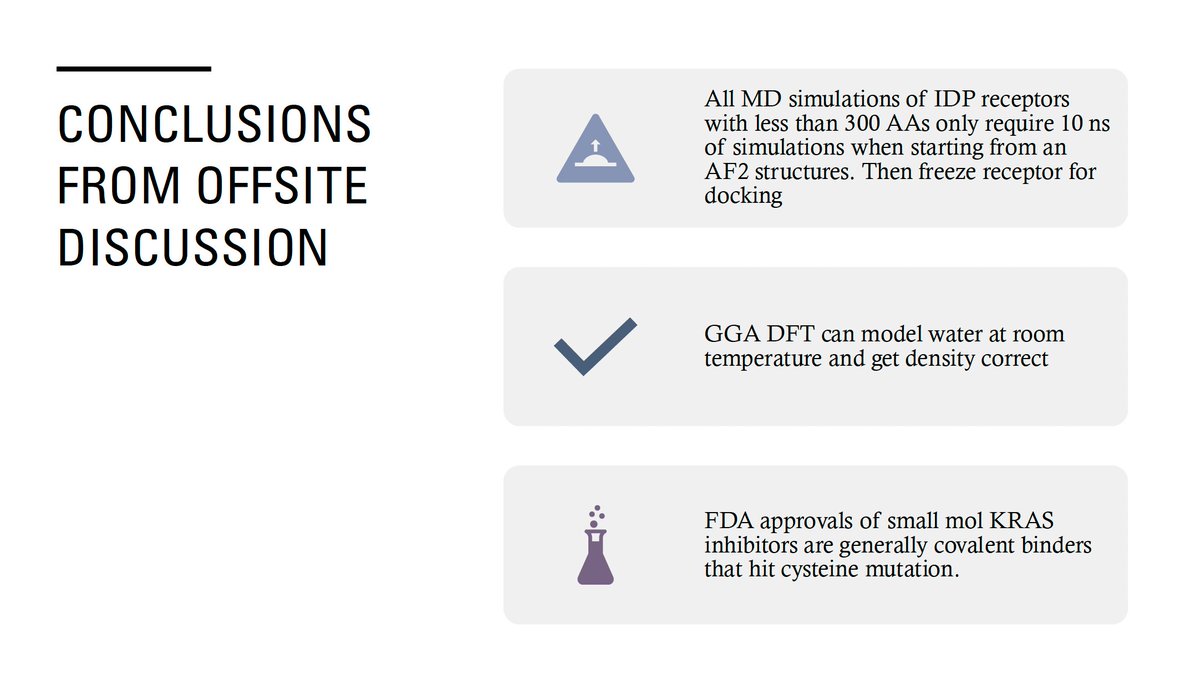
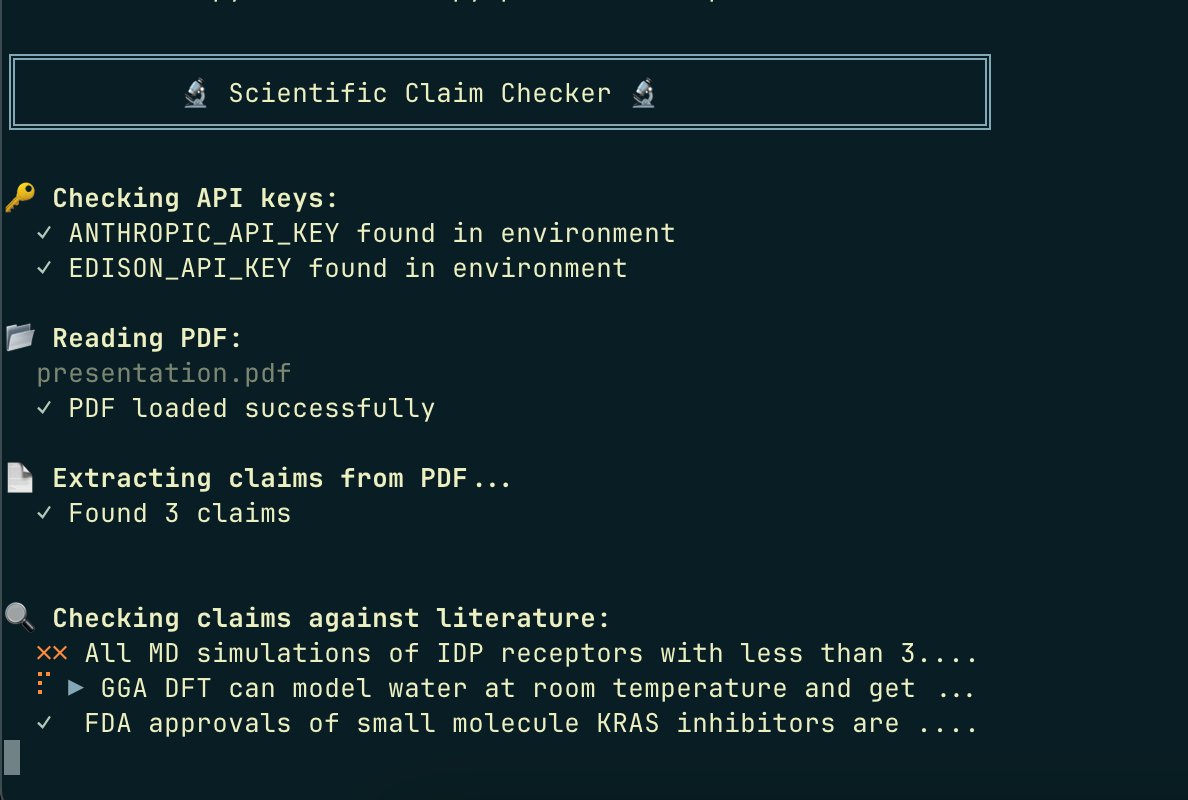
We built an API for @EdisonSci tools, like we had at FH platform. I wrote up a demo of how to use this for quickly converting powerpoint presentation into claims and then checking them for support/contradiction in the literature. The API is great for these "for-each" tasks. 1/2
33
15
84
8,112
25 Nov 2025
We are delighted to announce our participation in the Genesis Mission being led by the DoE @ENERGY and @WhiteHouse. There is huge potential to accelerate scientific progress with AI, and the US has to lead the way. This is the correct vehicle, and the consortium is top notch.
40
3
65
6,519
FutureHouse retweeted
20 Nov 2025
Today, we’re pushing a major update to Edison Analysis, our data analysis agent, which is tuned for scientific research and SOTA across data analysis benchmarks. In contrast to Kosmos, which runs for 6-12 hours and produces tens of thousands of lines of code, Edison Analysis runs for seconds to minutes and is best for specific, well-defined computational tasks. It is available both on our platform under the Analysis tab, and via API, and costs only one credit per run, so it is available to users on both free and paid tiers. Edison Analysis is a modified version of the data analysis agent Kosmos uses in its trajectories. Try it out!
One of the most important improvements over our previous data analysis agents has been the addition of a specialized data retrieval tool. Edison Analysis can either use this tool to access data, or can pull data down directly via API. To evaluate this tool, we ranked the most commonly used public data repositories across recent papers from BioRxiv, and created a new benchmark that measures the ability of a language agent system to retrieve raw data from those sources. Edison Analysis gets 71% on this benchmark, and we’ll be working to increase this over time. You can read more about our benchmarks in the our blog post, link below.
Some features worth highlighting:
1. Edison Analysis produces a report on the analysis it runs, along with a Jupyter notebook that you can download to reproduce the analysis yourself. Every figure it produces is linked back to the specific lines of code used to produce the figure, to make it easy to reproduce.
2. It works well with both Python and R.
3. One of the best uses for Edison Analysis is to use it to retrieve datasets that you can then analyze with Kosmos.
We have a bunch of major improvements to Edison Analysis coming in the next few months that we’re excited to share. In the meantime, congratulations to the team, especially @ludomitch, @jonmlaurent, @cvi94 , @alexjandonian, and many more.
53
41
206
61,761
FutureHouse retweeted

19 Nov 2025
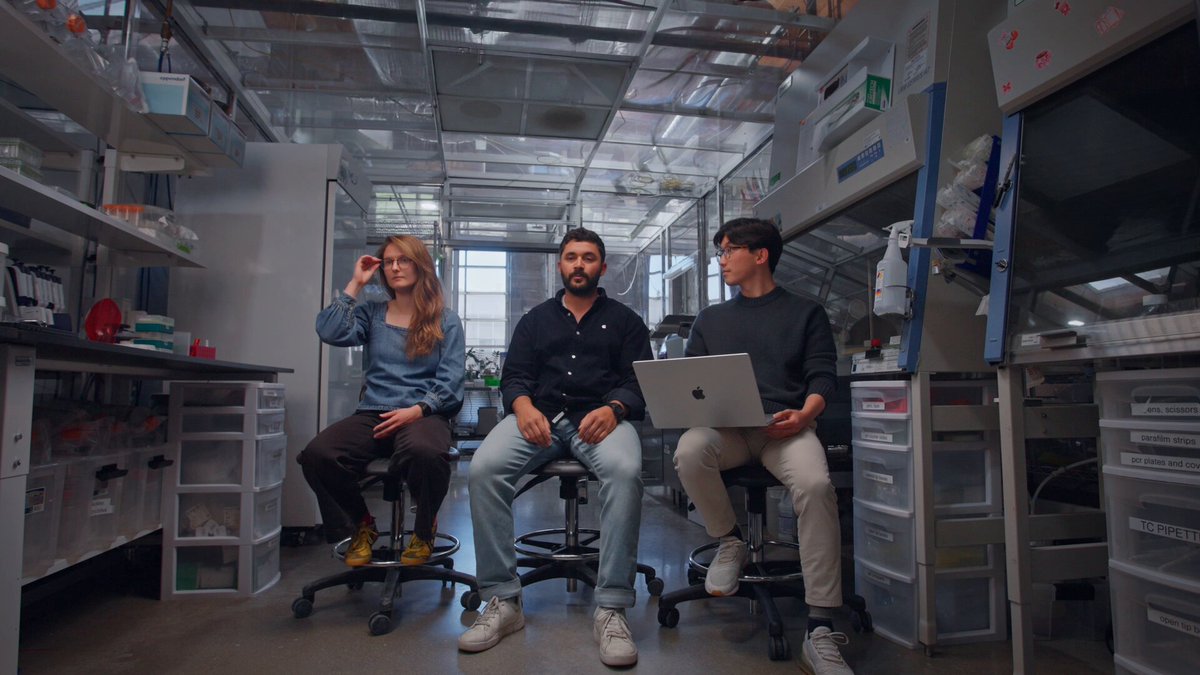
Take a look inside the lab where AI helps run the experiments. 🧪
@FutureHouseSF combines AI with robotics and biology tools to automate scientific discovery—testing new ideas faster than any human team could.
@andrewwhite01 @SGRodriques
41
21
83
21,964
FutureHouse retweeted
16 Nov 2025
Thanks!! Anyone who is interested can try Kosmos for themselves here:
platform.edisonscientific.co…
All possible in large part due to the amazing work you guys have been doing at OpenAI. Keep it up, and the next few years are going to be awesome.
40
77
518
159,412
FutureHouse retweeted
14 Nov 2025
Seen on a friend's company slack...


6
5
39
10,314
FutureHouse retweeted

13 Nov 2025
Kosmos is unlike any other agent we have at Edison, both in terms of outputs and infrastructure.
Running at scale requires our platform to support order-of-magnitude swings in resource requirements, all unknown at submit time. Each run sees between 0 and 120 sandbox environments with up to 4 TB of memory, between 125 and 3,200 documents parsed, and timing between 1 hour and 32 minutes and 14 hours and 12 minutes. It's like a bad interview question!
3
17
72
22,144
FutureHouse retweeted
11 Nov 2025
The people have spoken!
We're doubling the number of free credits for edu users to 1300, enough for six Kosmos runs a bunch of agent runs. These expire after a month, so use them before they run out!
Also, we are announcing a satisfaction guarantee. If your Kosmos run doesn't produce good results, we'll give you the credits back. This applies to all users.
You'll see the new credits in your account shortly. If you want to claim credits under the satisfaction guarantee, contact us via our website. (We'll make some UI changes to make that easier soon.) Have fun, and share your results as you get them.
x.com/SGRodriques/status/198…
10 Nov 2025
edu users: what would make it easier for you to try Kosmos?
If you have other ideas, post them in the comments.
11
23
137
23,210