
PhD candidate @mit_hst @BalazsLab @DeboraMarksLab | former research technician @WardLab1 | gene therapy, vaccine, and viral evolution enthusiast (she/her)
Joined April 2021
- Tweets 11
- Following 80
- Followers 45
- Likes 82
1 Photos and videos

Abigail Jackson retweeted

Feb 25
Our latest manuscript just came out in @ImmunityCP describing over a decade of work in the lab studying HIV evolution and escape from HIV broadly neutralizing antibodies.
authors.elsevier.com/a/1mgR9…
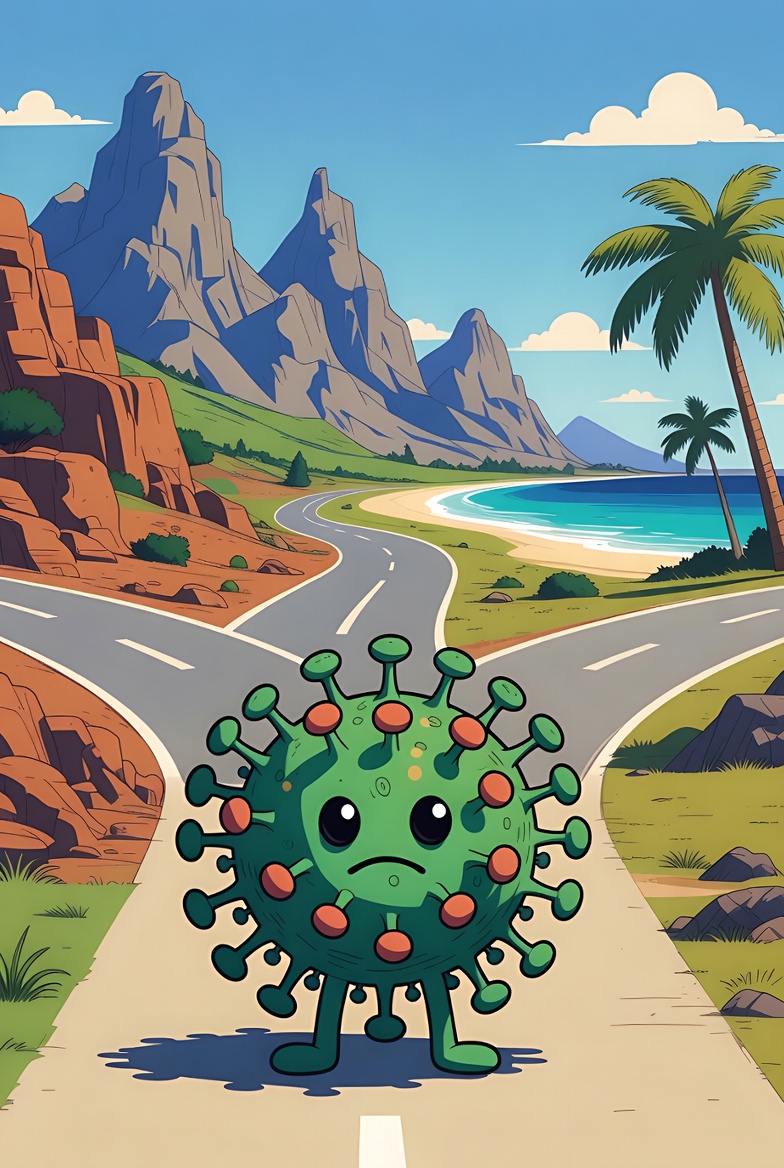
ALT HIV deciding whether to take the easy way, or the hard way around an antibody.
2
10
14
2,520
Abigail Jackson retweeted

Jan 13
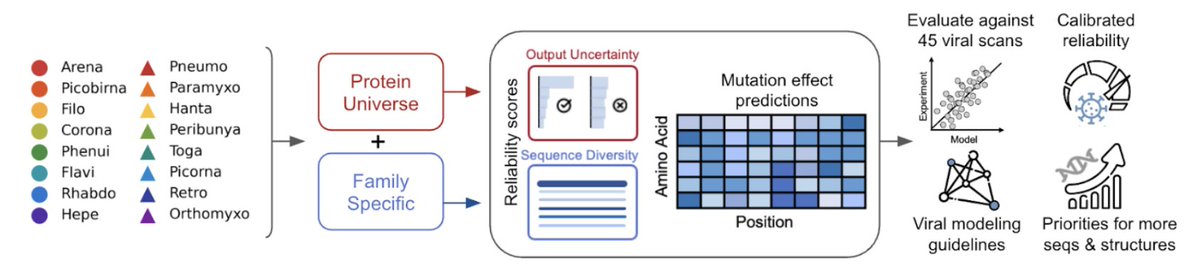
We’ve updated the EVEREST benchmark to include real-world viral evolution! biorxiv.org/content/10.1101/…
Co-led by @nooryoussef03 and me, along with co-authors @navami_jain, @aarushimehrotr, @AgaRosegirl, @_AMJackson, @deboramarks, and with @CEPIvaccines @FutureHouseSF!
16 Aug 2025

🚨New paper 🚨
Can protein language models help us fight viral outbreaks? Not yet. Here’s why 🧵👇
1/12
3
16
61
14,525

18 May 2023
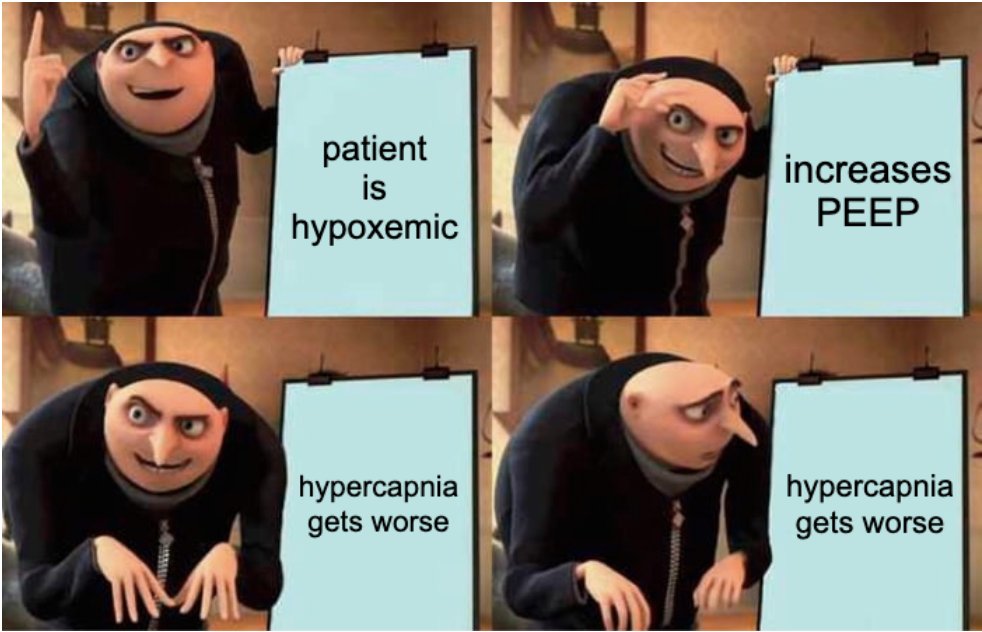
and with this tweet, I have officially completed my first year of graduate school...
6
352
Abigail Jackson retweeted

14 Apr 2023
I stand in solidarity with MIT graduate workers @MITGradUnion as they negotiate for a fair contract. Graduate students do critical work that keeps universities like MIT running. Every worker deserves the right to negotiate for better wages, benefits and workplace conditions.
102
107
696
107,357
Abigail Jackson retweeted

25 Aug 2022
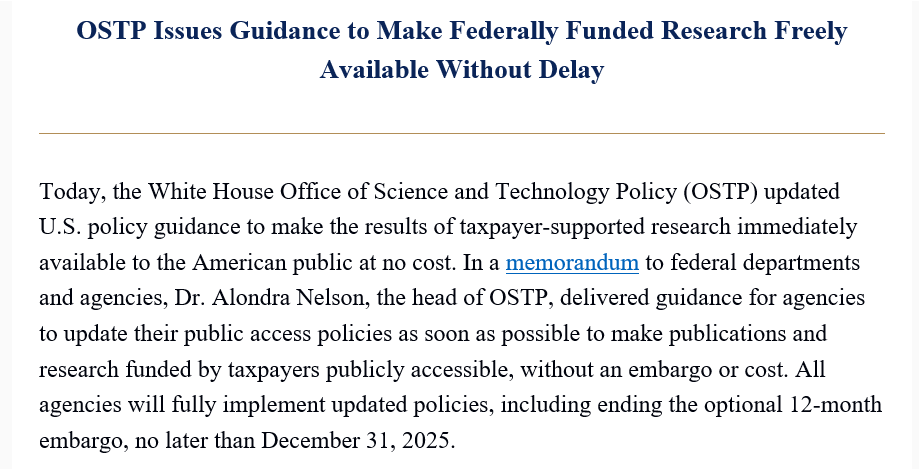
BREAKING: White House issues new policy that will require, by 2026, all federally-funded research results to be freely available to public without delay, ending longstanding ability of journals to paywall results for up to 1 year. Coverage coming on @ScienceInsider.
454
14,657
69,016
Abigail Jackson retweeted

15 Jul 2022
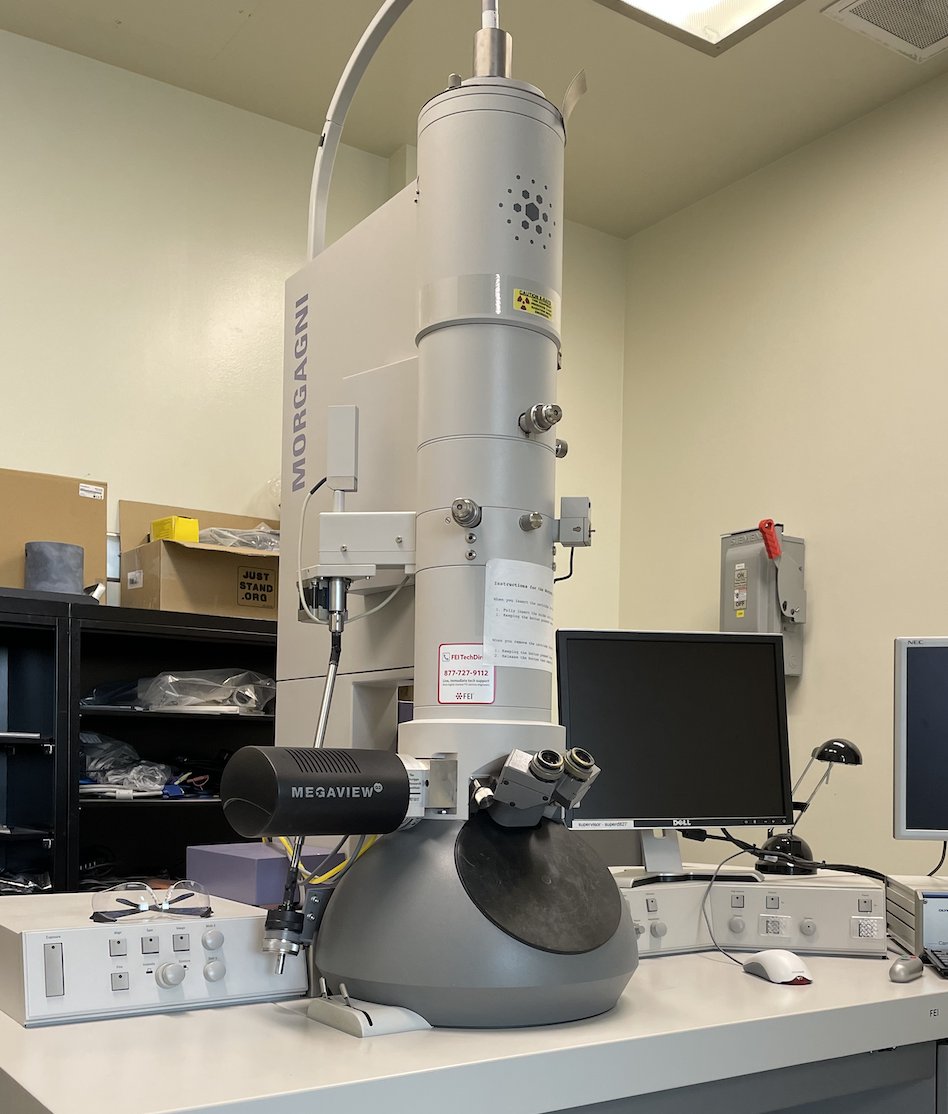
With a heavy heart I announce the loss of the Scripps Morgagni. With over 20 years of faithfully mediocre imaging, it is now at peace after a year-long battle with HT issues. RIP
18
12
394
Abigail Jackson retweeted

6 May 2022
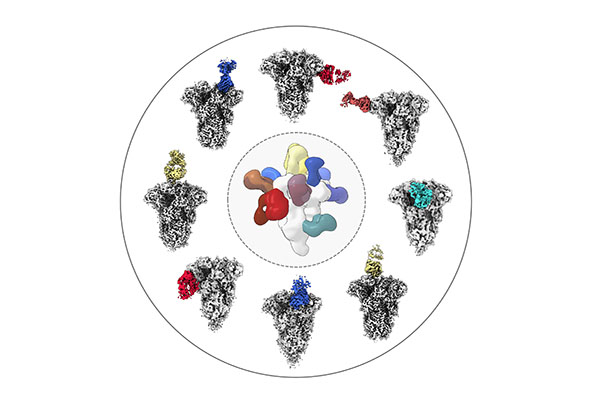
Studying the serum of patients recovered from COVID-19, @WardLab1 have discovered that antibodies exposed to SARS-CoV-2 can also recognize spike proteins of other coronaviruses, such as the common cold scripps.edu/news-and-events/… @ScienceAdvances
4
20
60
Abigail Jackson retweeted
18 Jan 2022
How the mRNA vaccines were made. In part, thanks to foundational structural biology discoveries made by Prof. Andrew Ward’s lab. nytimes.com/2022/01/15/healt… @WardLab1 @nytimes
5
20
Abigail Jackson retweeted

2 Oct 2021
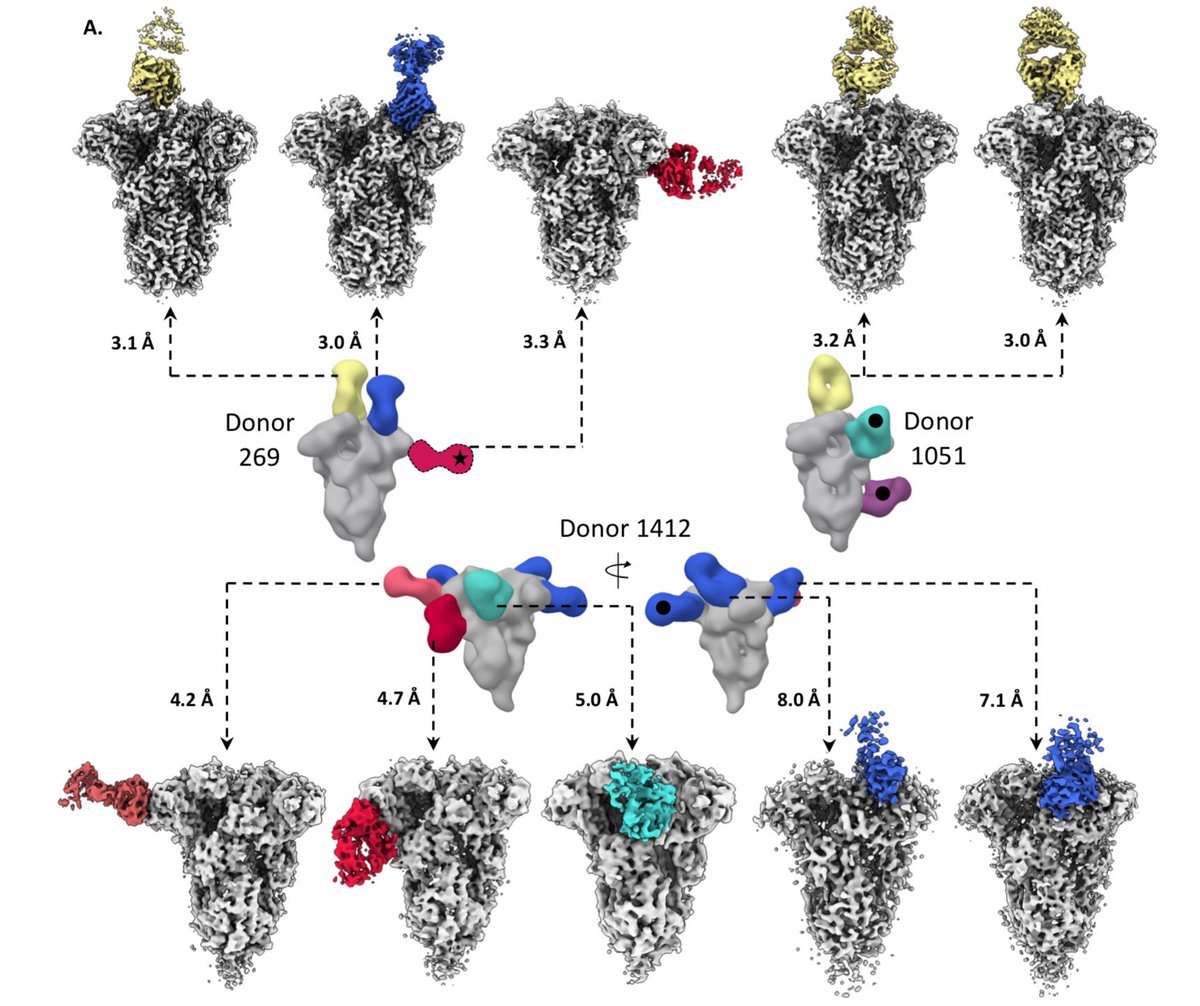
Another exciting collaborative preprint is out! Led by @Sandhyareddy88 we mapped the baseline antigenic landscapes to human beta-coronavirus spikes, based on pre-existing immunity to seasonal CoVs, as a basis for predicting antibody responses to SARS CoV-2 biorxiv.org/content/10.1101/…
1
16
46
Abigail Jackson retweeted

25 May 2021
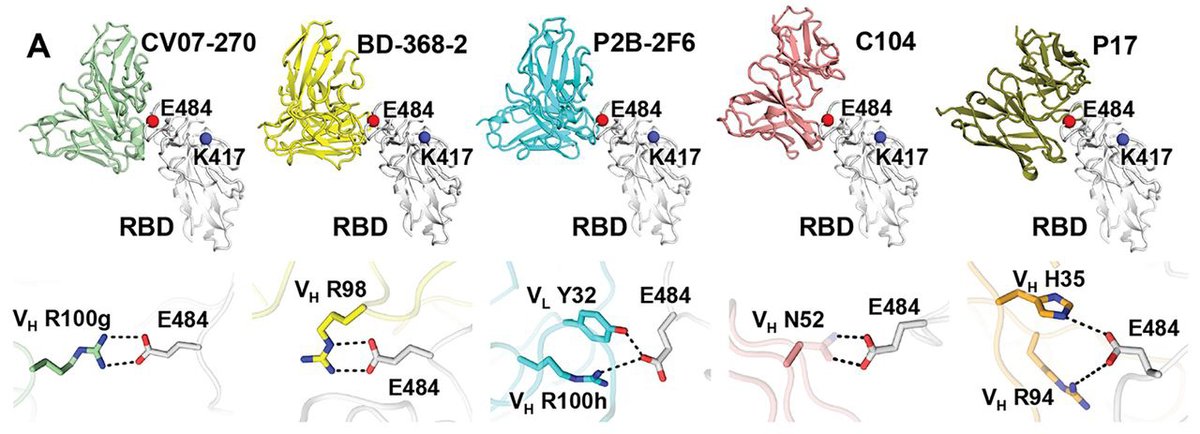
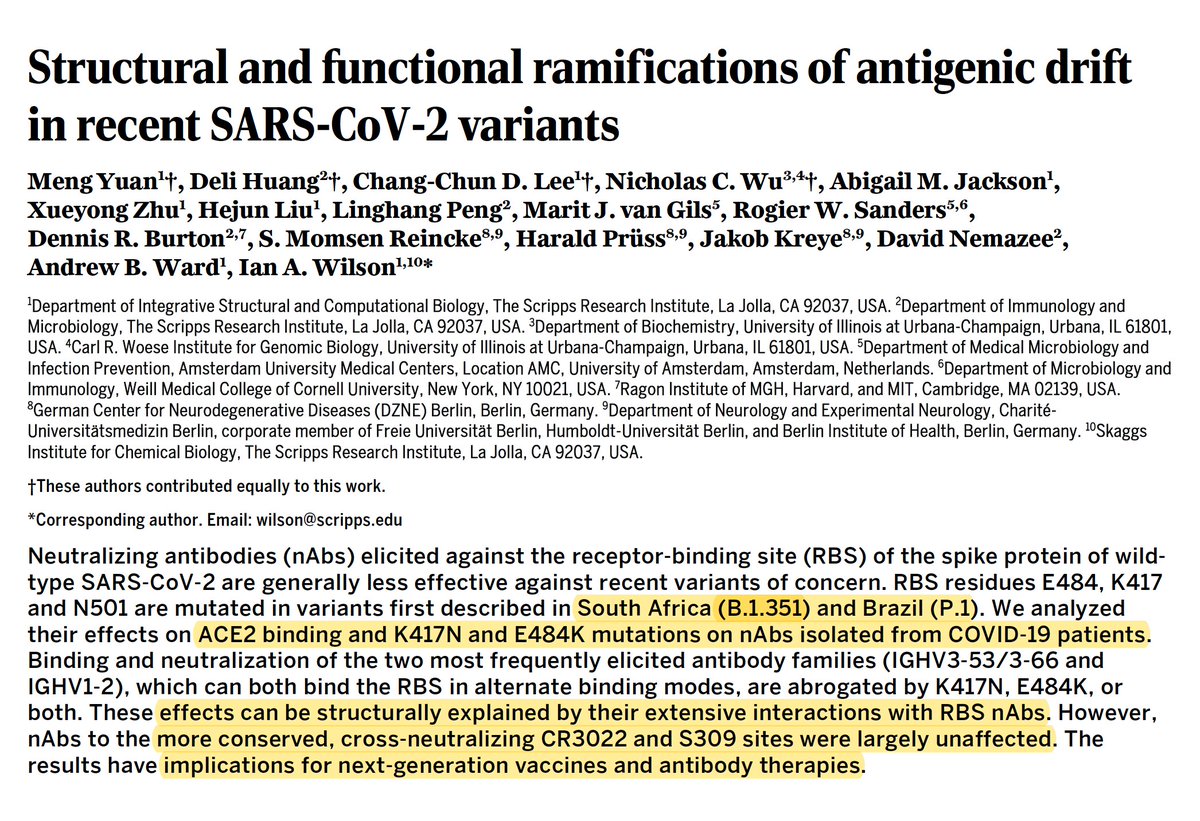
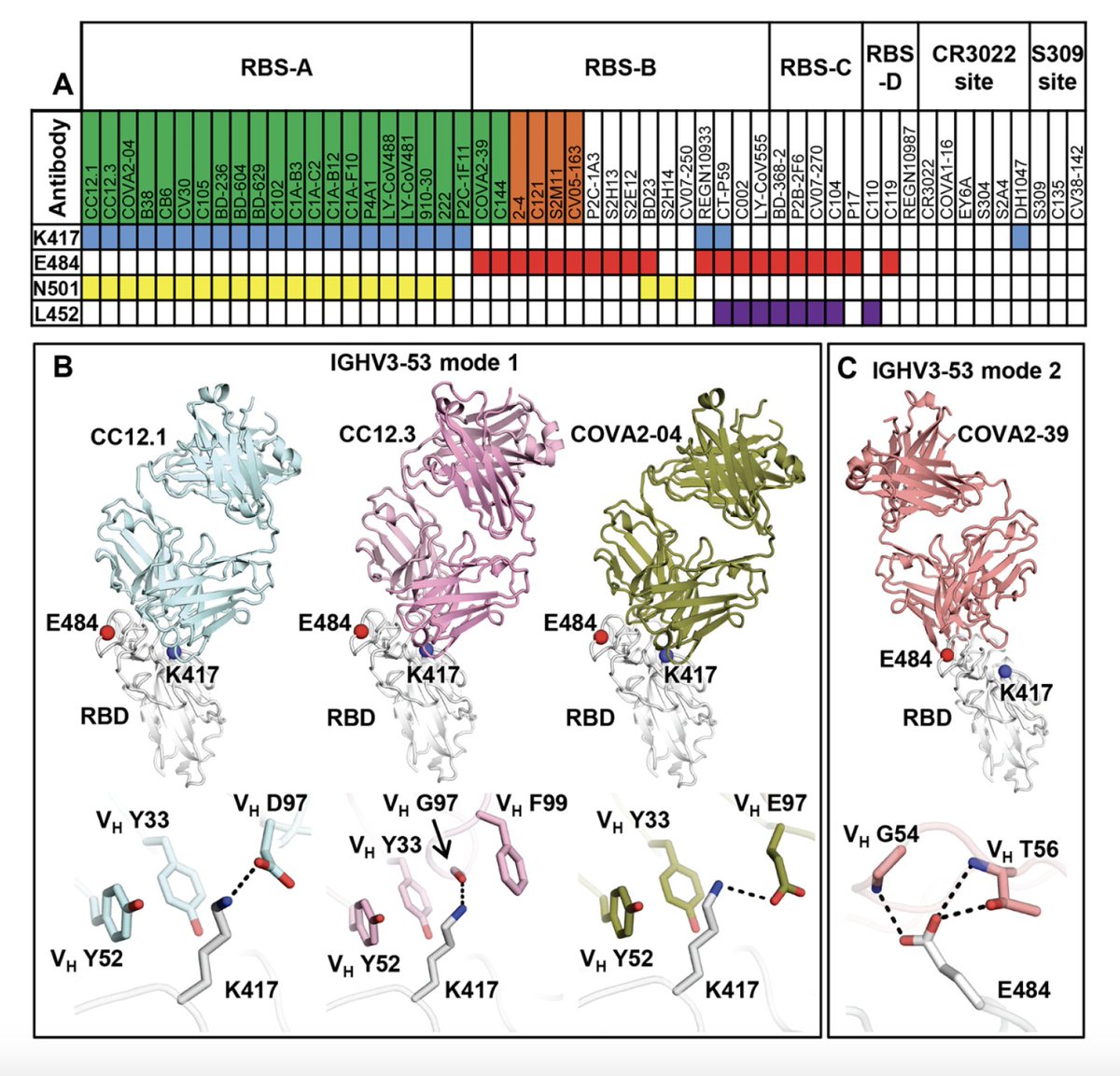
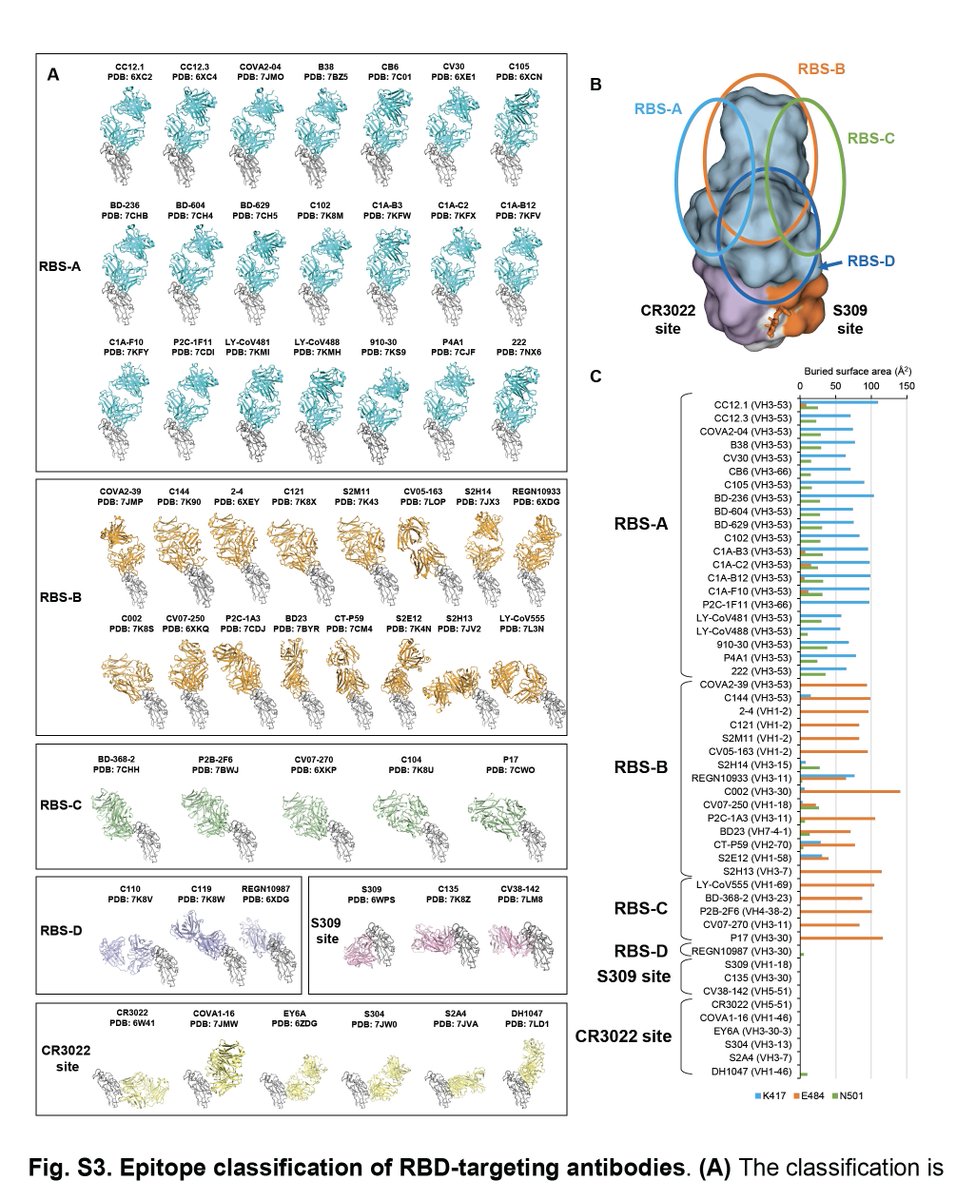
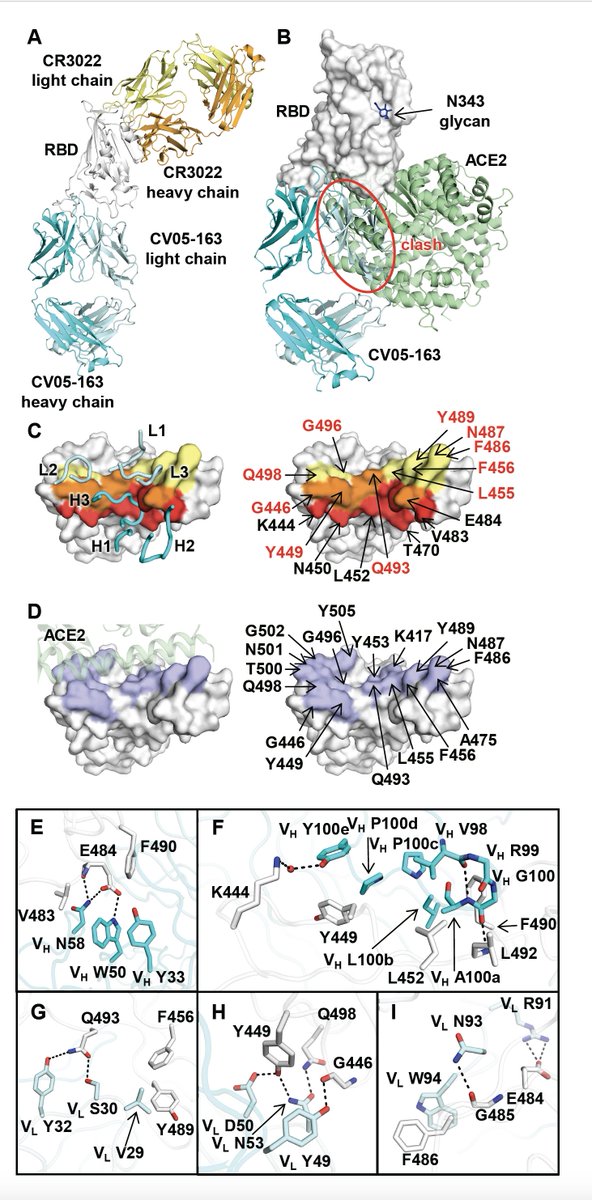
A new @scrippsresearch analysis provides a clearer picture of how mutations in recently emerged #SARSCoV2 variants of concern impact antibodies’ neutralization potency, with implications for developing next-generation vaccines and antibody therapies. fcld.ly/vx16m1e
1
40
85
Abigail Jackson retweeted

20 May 2021
On the major variants: my colleagues @scrippsresearch just published @ScienceMagazine structural and functional assessment of the mutations (found in B.1.351 and P.1) to help guide broad neutralizing Abs and a pan-coronavirus vaccine
science.sciencemag.org/conte…
1
48
152