
The Global Development Policy Center advances policy-oriented research for financial stability, human well-being environmental sustainability across the globe
Joined September 2017
- Tweets 26,094
- Following 4,055
- Followers 7,738
- Likes 3,976
18,296 Photos and videos


Boston University Global Development Policy Center retweeted

📌 Paper #12 de la serie América Latina, China y la Transición Energética. Investigadores: Johannes Rehner, Miguel Atienza, Andrea Freites y Antonia Lorie.
@GDP_Center
📖 Léelo aquí 👉 bit.ly/3Q1Q63V
#InvestigaciónCECHAP
1
1
166
Boston University Global Development Policy Center retweeted

The portfolio of financiers participating in China’s overseas development finance is changing. Tianyi Wu (@GDP_Center) looks at how the shifting financing modalities are reshaping the creditor landscape and the policy implications for African governments. chinaglobalsouth.com/analysi…
1
1
503

"Lending programs should enable member countries to invest in nature and put their economies on more resilient footing, not push countries toward short-term fixes that deplete national resources."
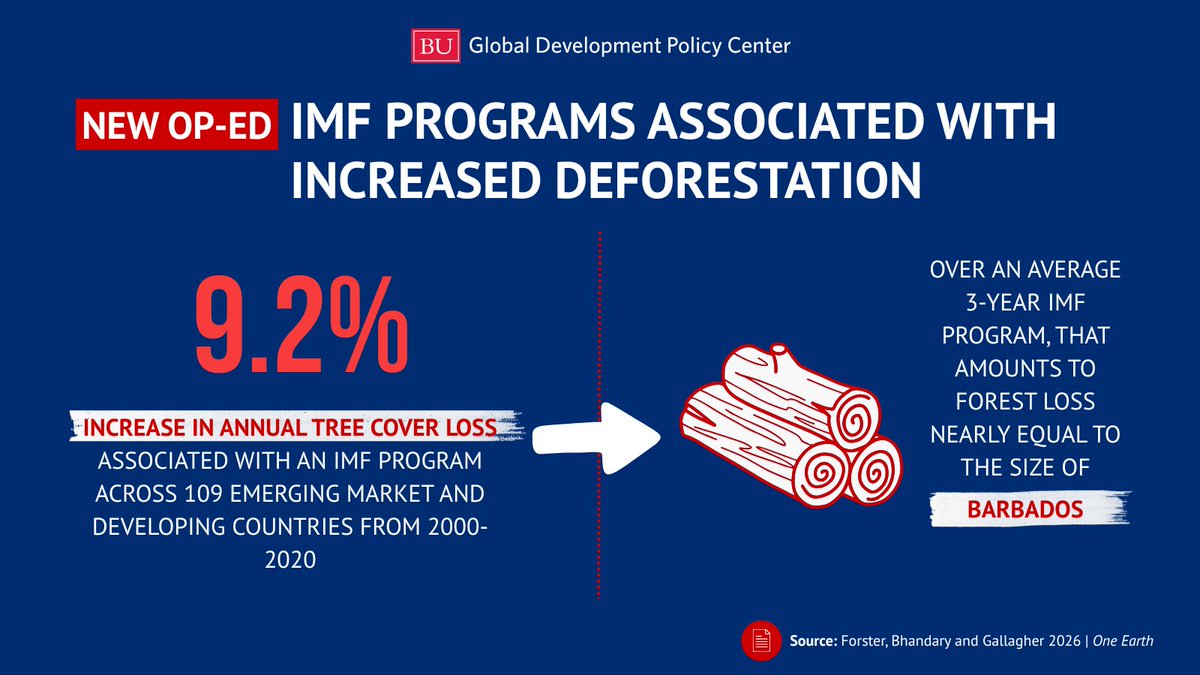
In their latest op-ed for @mongabay, @TimonForster, @rishirbhandary and @KevinPGallagher shed light on the link between forests and macroeconomic policymaking by @IMFNews. While forests play a crucial role in absorbing greenhouse gases, a typical 3-year IMF program can amount to a country experiencing forest loss the size of Barbados.
Read the op-ed to learn more about the authors' findings published in @OneEarth_CP: bit.ly/4u4y0w5
4
150
As @IMFNews rethinks its lending approach during the 2026 Review of Program Design and Conditionality, a new op-ed from @TimonForster, @rishirbhandary and @KevinPGallagher draws on their latest @OneEarth_CP article that reveals the link between IMF programs and deforestation in borrowing countries.
Findings indicate countries experience 9.2% higher annual tree cover loss during years in which they are under an IMF program, despite the IMF rarely targeting the forest sector explicitly in its policy advice.
What explains this link? IMF support is conditional on policy reforms that often push fiscal consolidation, inadvertently pushing countries to cut spending on environmental protection and raise funds through natural resource extraction.
Read more in @mongabay: bit.ly/4u4y0w5
1
170
Boston University Global Development Policy Center retweeted
📌 Paper #11 de la serie América Latina, China y la Transición Energética.
@GDP_Center
📖 Léelo aquí 👉 bitly.cx/OR5YE
#InvestigaciónCECHAP
1
1
287
The 2025 Jubilee Report on debt relief commissioned by Pope Francis has prompted reflections on the Highly Indebted Poor Countries (HIPC) Initiative and Multilateral Debt Relief Initiative (MDRI), large-scale efforts linked to the Jubilee Year of 2000.
The 3️⃣rd installment of @TimH_B's International Investment Pushes blog series explores the successes and limitations of these two innovative debt relief programs and calls for a new era of relief, alongside broader financial architecture reforms.
Read more: bu.edu/gdp/2026/05/22/intern…
1
1
4
274
Boston University Global Development Policy Center retweeted

May 25
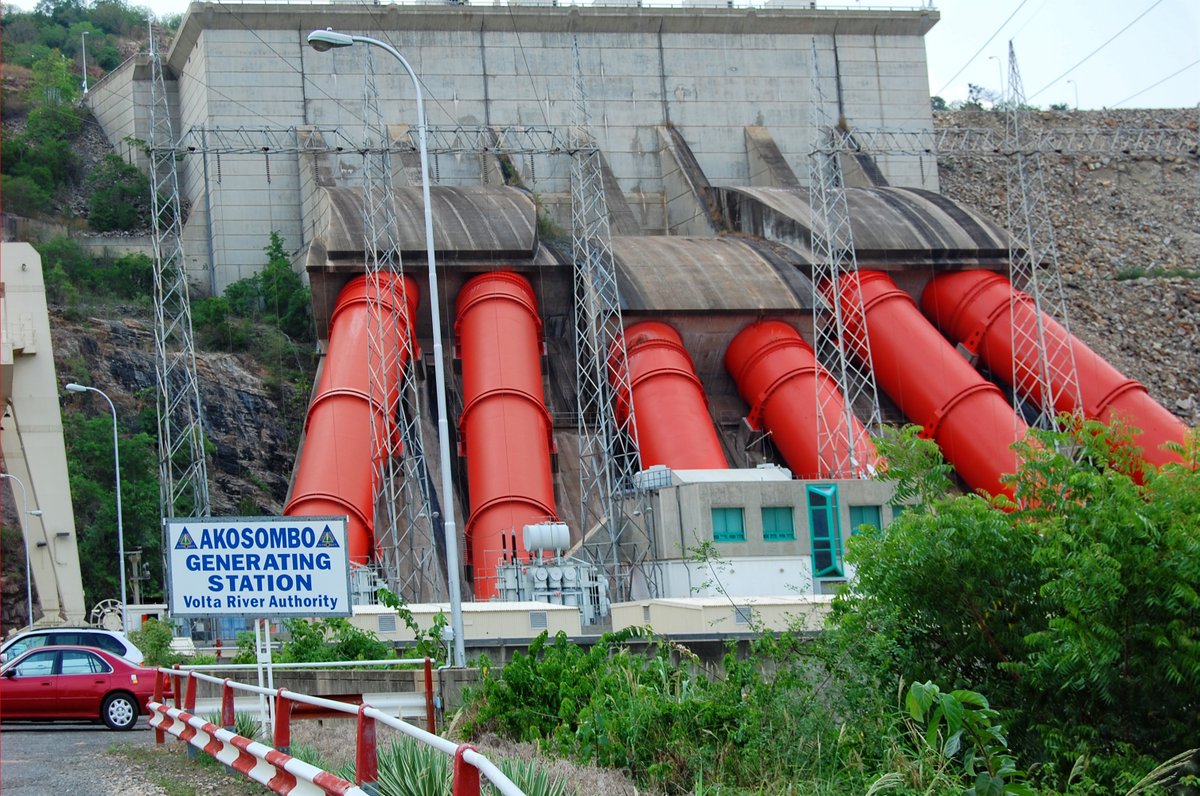
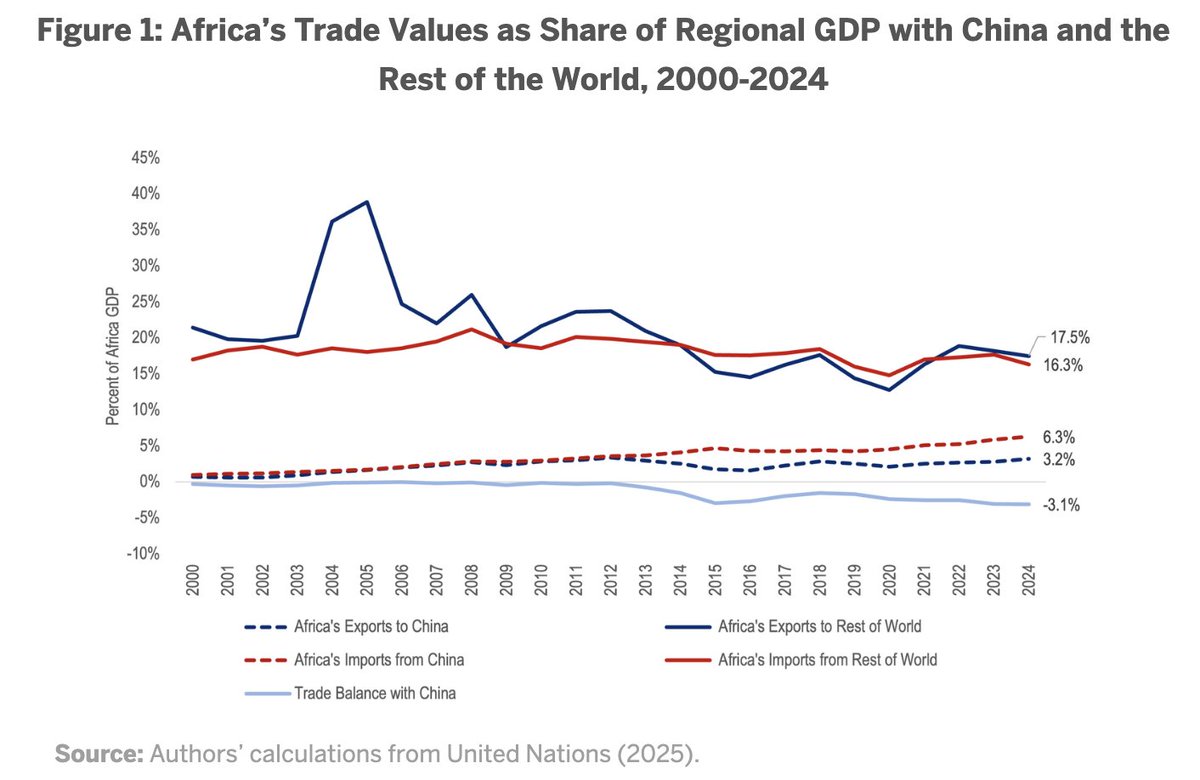
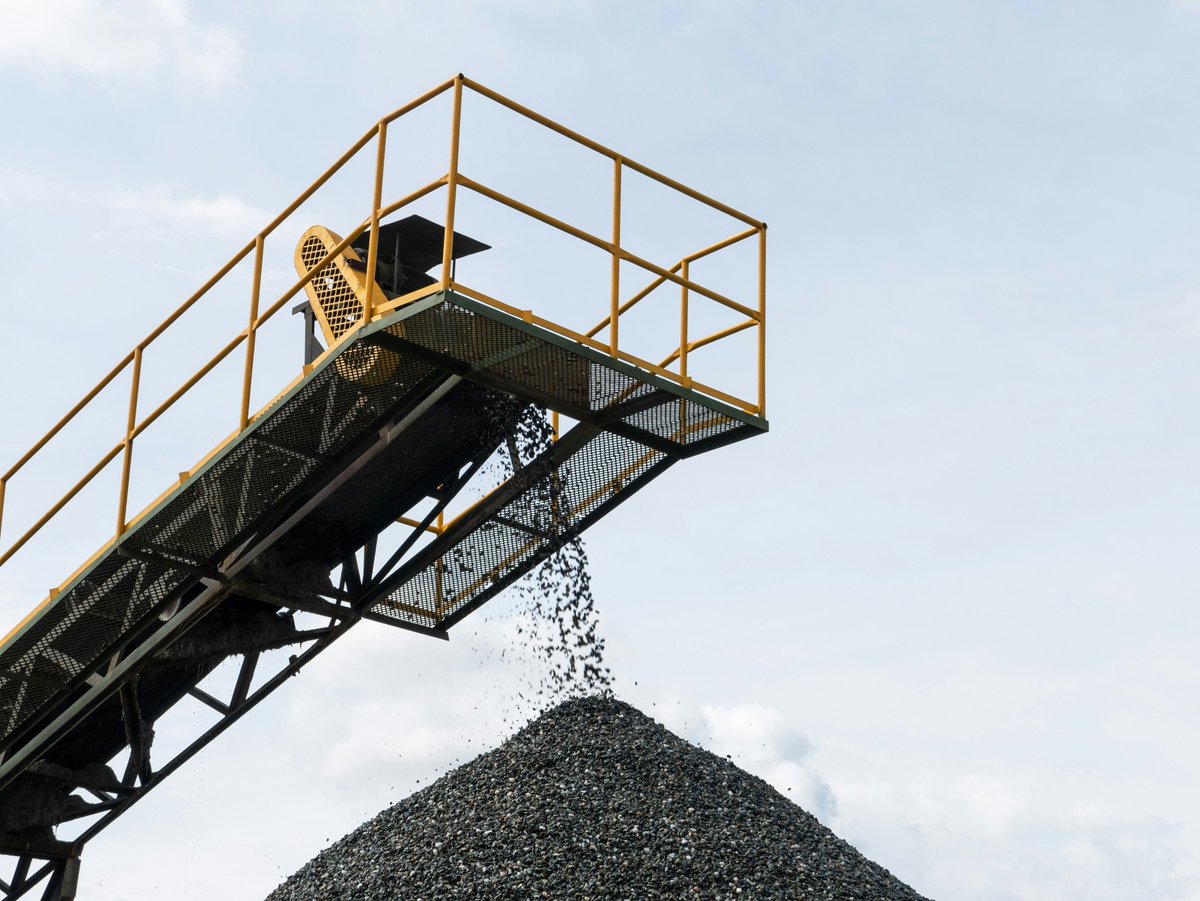
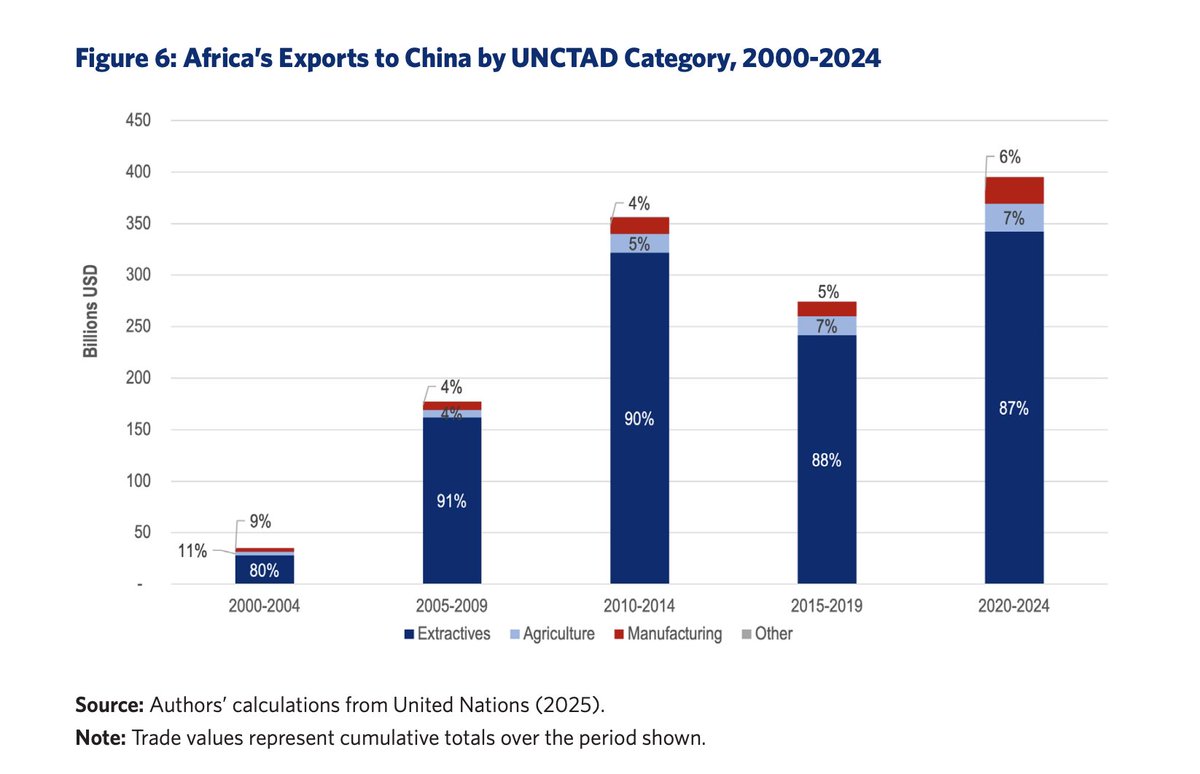
Africa’s exports to China remain overwhelmingly extractive.
Over 2000-2024, extractives consistently accounted for 80-91% of Africa’s exports to China, led by transition minerals such as copper, bauxite, aluminium, chromium, manganese, and cobalt.
Link: bu.edu/gdp/files/2026/05/GCI…
1
7
11
1,666
Long before 2018, Chinese commercial creditors, equity investors and bond holders have been part of China’s overseas development financier pool.
For Global China Research Fellow Tianyi Wu, understanding the diversification of Chinese financiers means looking beyond macro-level policy narratives and examining what happened at the project level.
She interviewed 79 stakeholders in 🇬🇭Ghana, 🇿🇲Zambia and 🇨🇳China to identify what happened behind the scenes of 24 commercial loan commitments. The brokers who mobilized finance on the ground, as she described, made commercial creditor entry possible.
Read the blog: bu.edu/gdp/2026/05/29/broker…
2
2
177
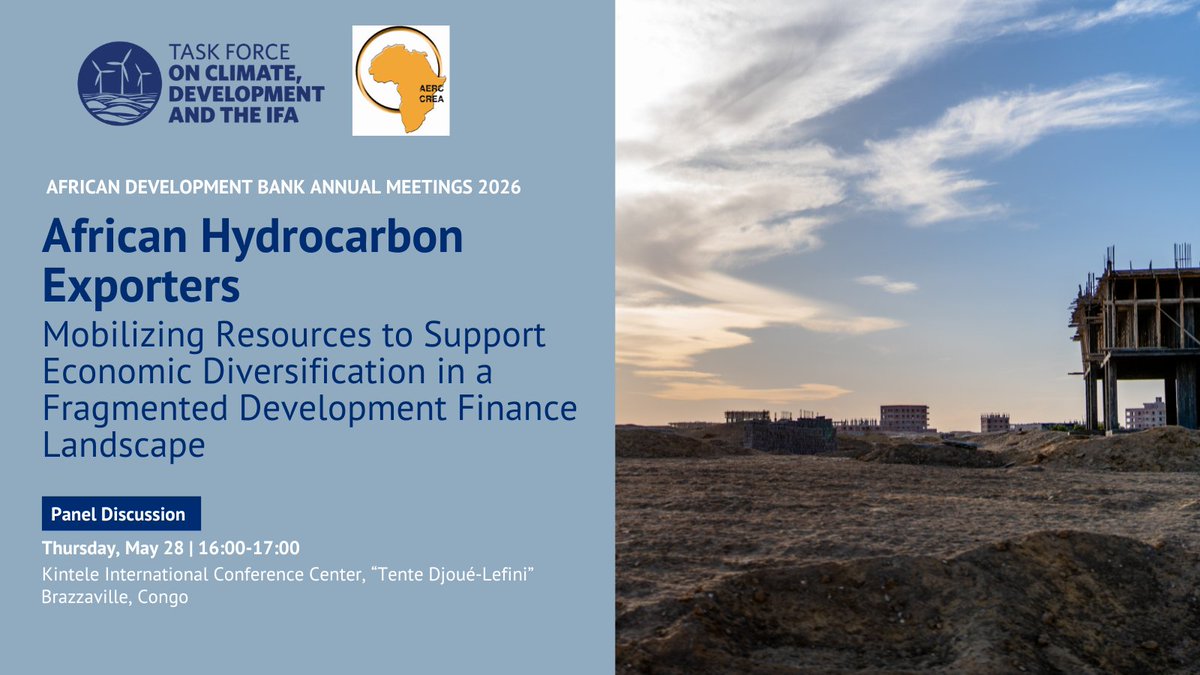
📍 Policymakers and civil society organizations are gathering now in Brazzaville, Rep. of Congo for the @AfDB_Group Annual Meetings under this year's theme, "Mobilising Africa's Development Financing at Scale in a Fragmented World."
From China-Africa economic relationships to how central banks can help address the macroeconomic effects of climate change, the latest research and commentary from the @GDP_Center and our partners takes stock of the opportunities and challenges facing countries in Africa striving toward development and climate goals.
🧵 Follow along for more on how we're engaging alongside the #AfDBAM2026
1
1
4
493
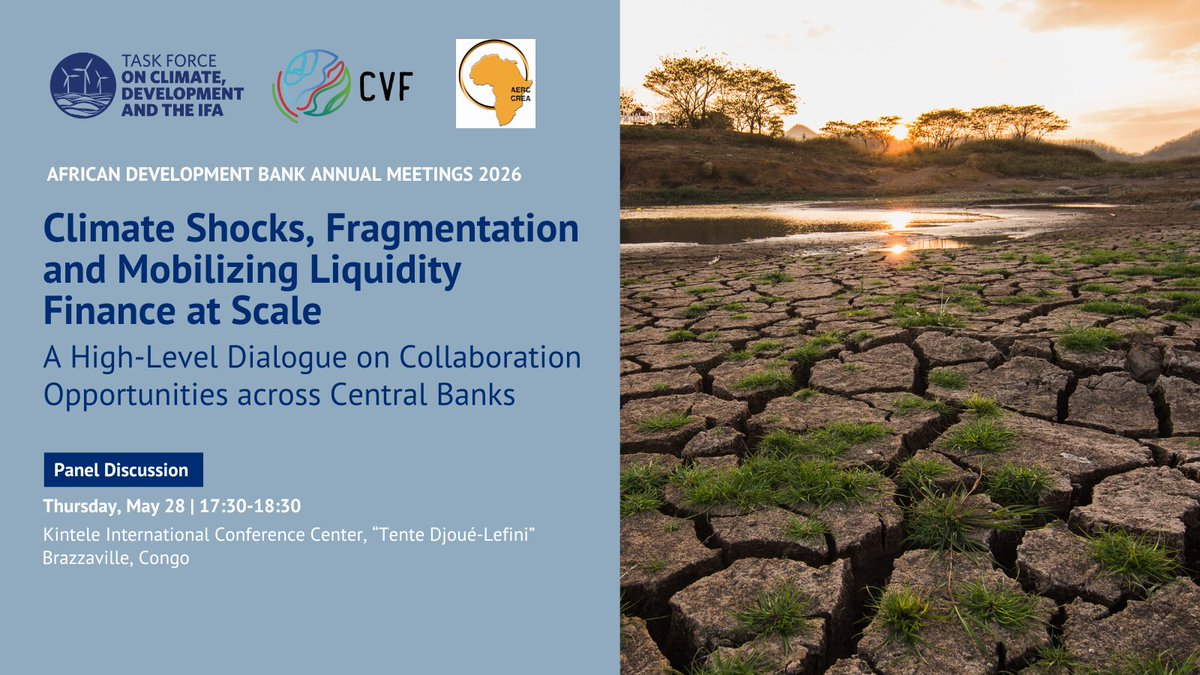
🌐 EVENT: Also on Thursday, May 28, at 5:30 PM WAT/12:30 PM EDT, the Task Force, @AERCAFRICA and @TheCVF will host a panel discussion on strengthening the global financial safety net to address the macroeconomic effects of climate change, with a focus on the role of African central banks.
The panel will feature insights from @V20Group's proposal for a Lifeline Fund to provide rapid liquidity support pooled from vulnerable countries to better face climate shocks.
Revisit the Task Force's technical analysis supporting the launch of Lifeline: gdpcenter.org/3RC36ha
Join the #AfDBAM2026 event on Zoom: gdpcenter.org/4u68R4h
1
1
236
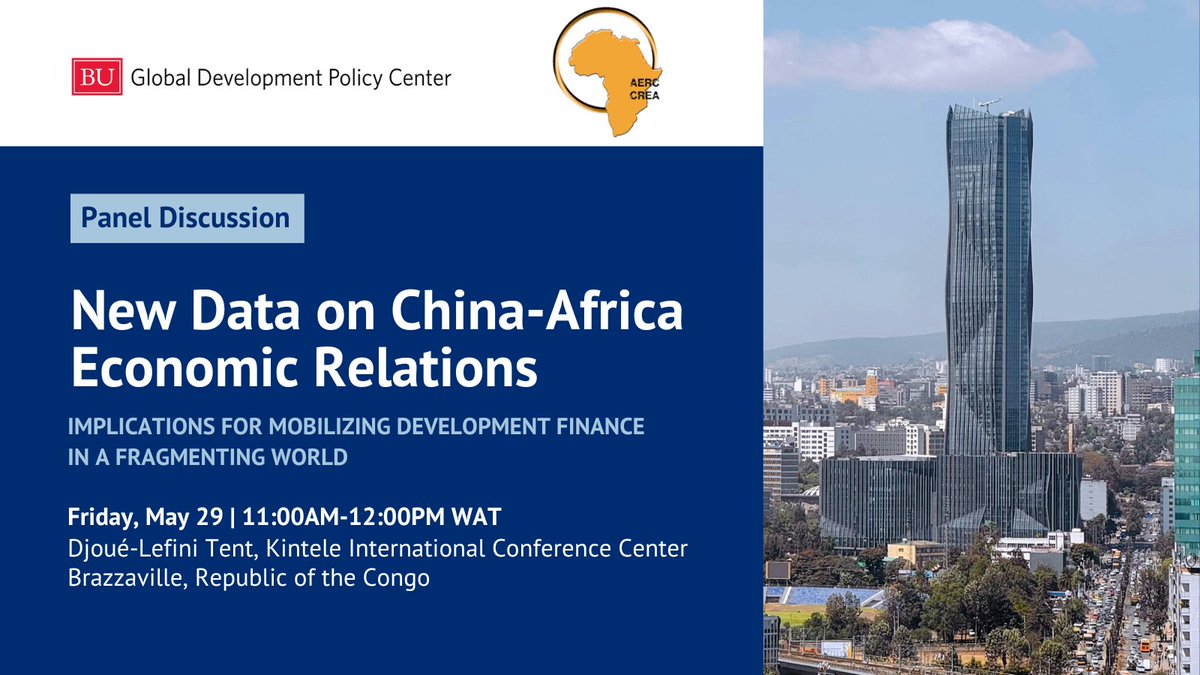
🤝 EVENT: On Friday, May 29 at 11 AM WAT/6 AM EDT, the GDP Center and @AERCAFRICA will draw on findings from our new 2026 China-Africa Economic Bulletin, which analyzes current trends in China-Africa trade, investment and development finance. The analysis will consider how these trends shape Africa's ability to mobilize finance.
Explore the 2026 China-Africa Economic Bulletin: gdpcenter.org/4vdr9Bp
Join the #AfDBAM2026 event on Zoom: gdpcenter.org/4ux9qVJ
1
1
116
How effective has China’s engagement been in advancing the development of the Global South and how can China improve?
In a new policy brief, Global China Post-doctoral Fellow Zheng Zhai and Senior Academic Researcher @ywang2005b review recent analyses on the effectiveness of China’s development finance and offer policy recommendations to strengthen its impact.
The authors suggest that, moving forward, global development finance should go beyond traditional aid and continue to promote growth, but refocus on structural transformation using an integrated value chain approach.
Read more: bu.edu/gdp/2026/05/26/the-gr…
2
1
8
582
What has the latest data told us about China-Africa economic relations?
In a new analysis in @ChinaGSProject, GDP Center's research fellow Mengdi Yue presents three highlights in the 2026 China-Africa Economic Bulletin:
🌟 Extractives, led by transition minerals like copper and bauxite, drive Africa's exports to China; zero-tariff policy is likely to lift volumes of products but may not diversify markets.
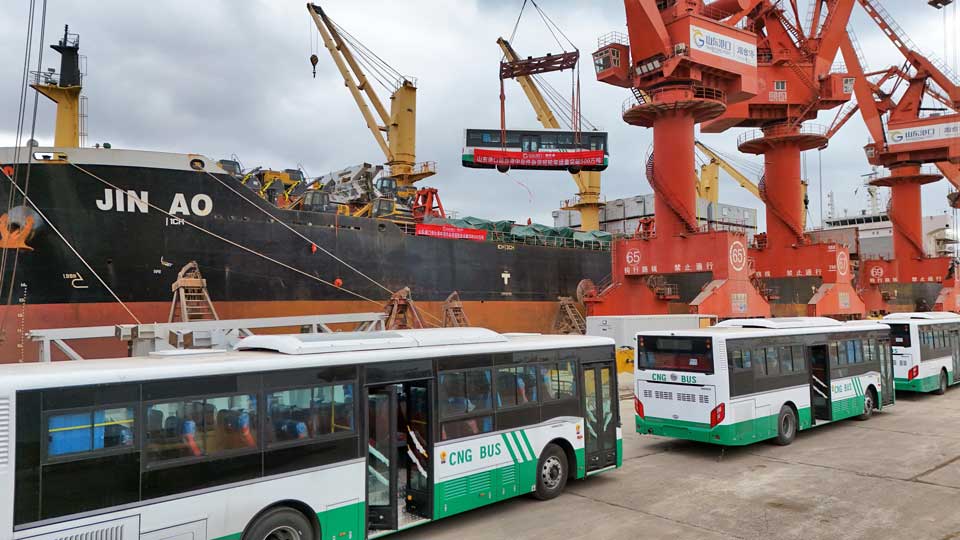
🌟 China supports Africa's energy transition mainly through low-carbon technology trade and engineering, procurement and construction (EPC) contracts; financing and equity investment remain limited.
🌟 The relationship is country-specific; host-country industrial and trade policies shape Chinese FDI, while debt servicing pressures risk sidelining climate and energy spending.
Read more: chinaglobalsouth.com/analysi…
7
258
In 2024, 🇨🇳China’s economic relationship with African countries featured record-high trade values, revival of foreign direct investment from the COVID-19 pandemic and a dramatic decline of Chinese lending amid a broader reversal in net capital flows to the Global South.
Check out our new report with @AERCAFRICA on China-Africa engagement across 3️⃣ domains—trade, investment and development finance: bu.edu/gdp/2026/05/20/china-…
1
2
7
519
In 1994, @WorldBankGroup created the first independent accountability mechanism at an international organization. Today, the Bank has 3 mechanisms.
For @ConversationUS, Non-Resident Senior Fellow @dannybradlow and David Hunter propose a new model of 2 separate accountability mechanisms to cover compliance reviews and dispute resolution.
Read more: theconversation.com/the-worl…
2
187
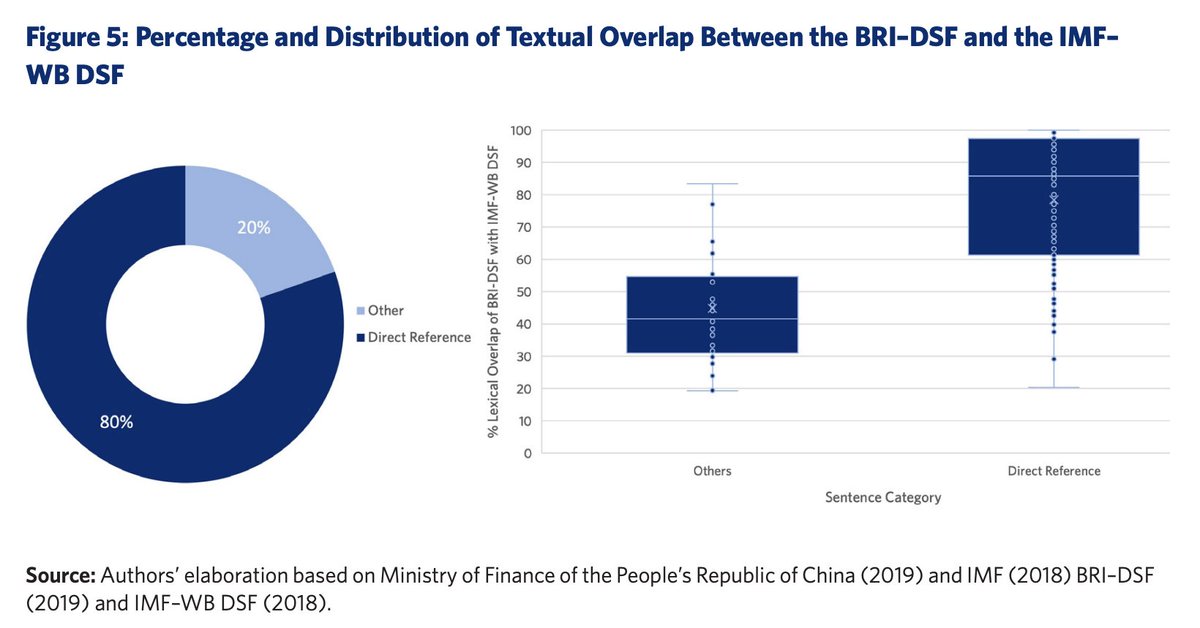
How can Chinese debt sustainability analysis better serve Global South's development goals?
A new blog by Tianyi Wu summarizes recent research on China’s current risk assessment and presents recommendations to rethink its models to be more aligned with Global South's development goals.
Read more: bu.edu/gdp/2026/05/14/how-ca…
1
6
292
Countries today face growing pressures from debt, climate shocks and geopolitics. The Global Financial Safety Net Tracker hosted by @GDP_Center is the first global interactive dataset that measures crisis finance lending capacity of @IMFNews, central bank currency swaps and regional financial arrangements.
Drawing on data from the tracker, a workshop on May 21 at 10:30 – 11:30 AM EDT will present new evidence on which countries are most vulnerable to liquidity pressures during crises.
Join event at this link: gdpcenter.org/4dkuNlL
@UNCTAD @FU_Berlin @HTW_Berlin
4
8
206
🥂 The GDP Center has officially signed a new international academic partnership with the Shanghai University of International Business and Economics, aimed to bridge academic collaboration and action for policy solutions across borders.
Learn more: bu.edu/gdp/2026/05/08/gdp-ce…
2
8
584