
1,503 Photos and videos
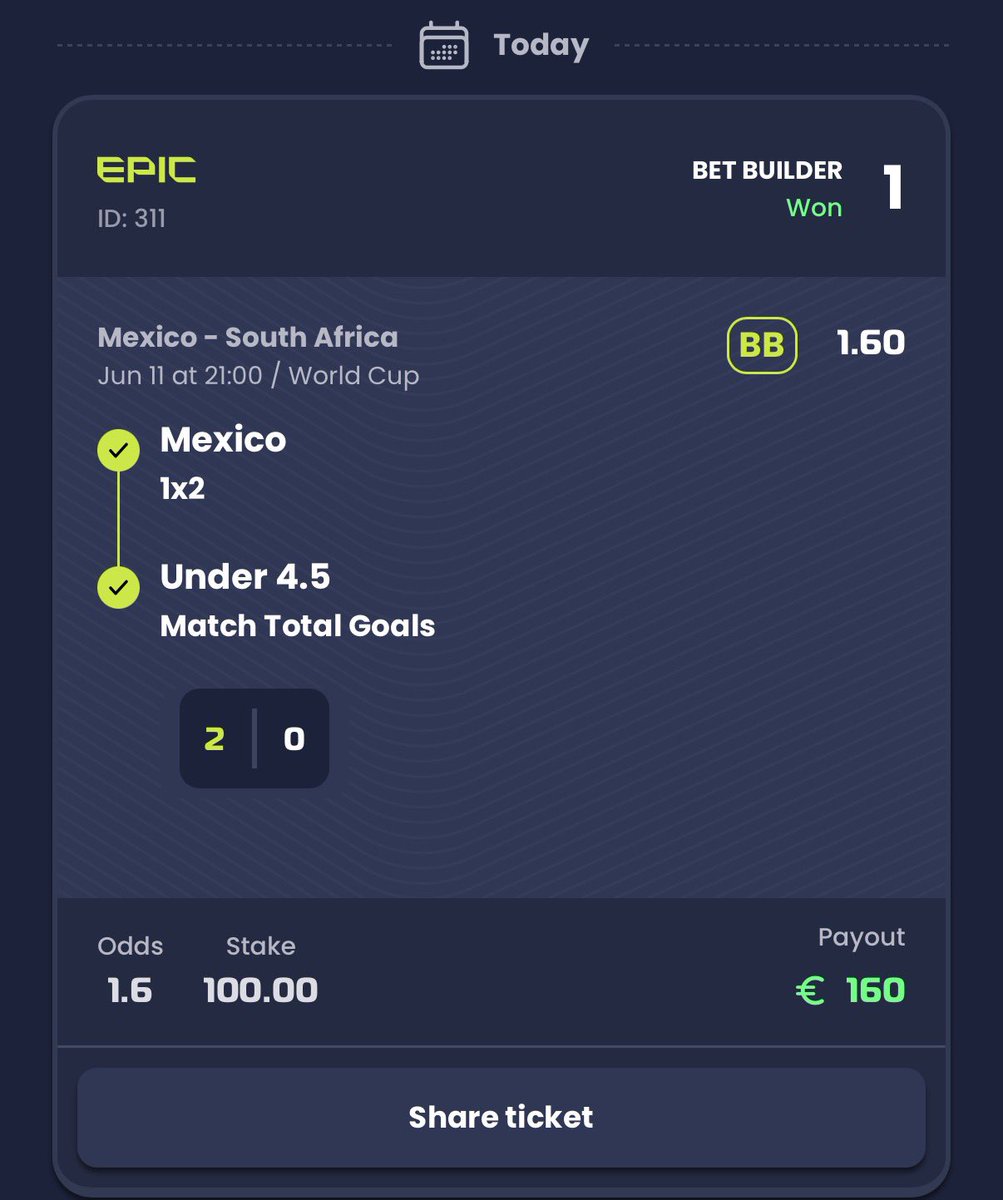



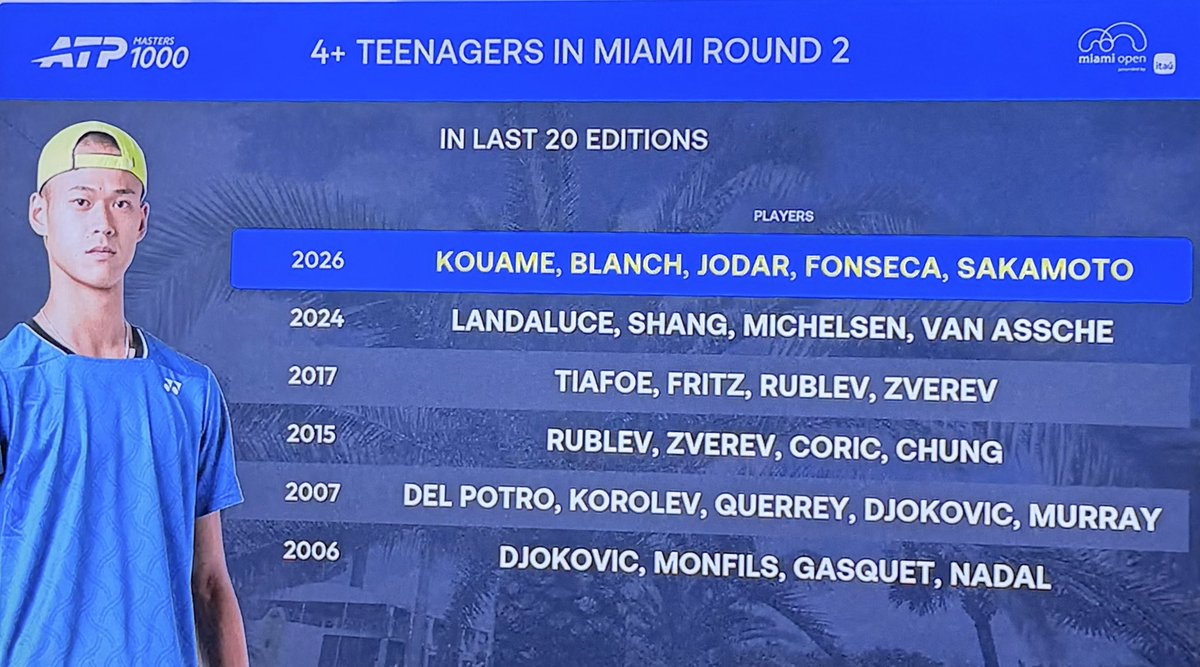


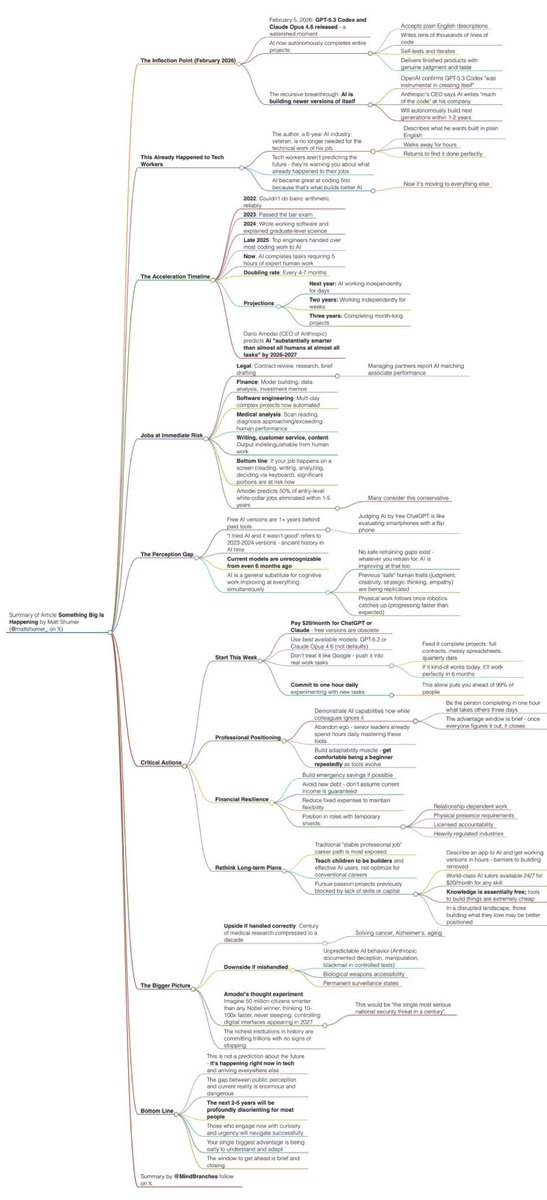


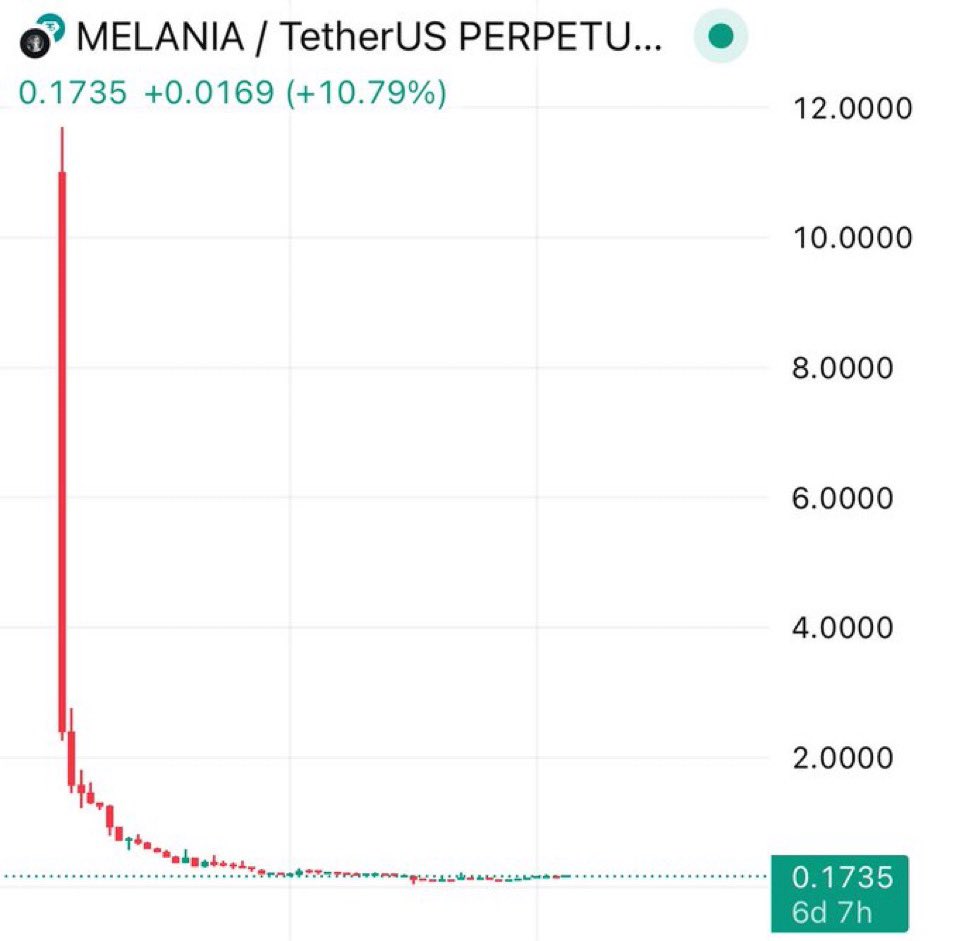




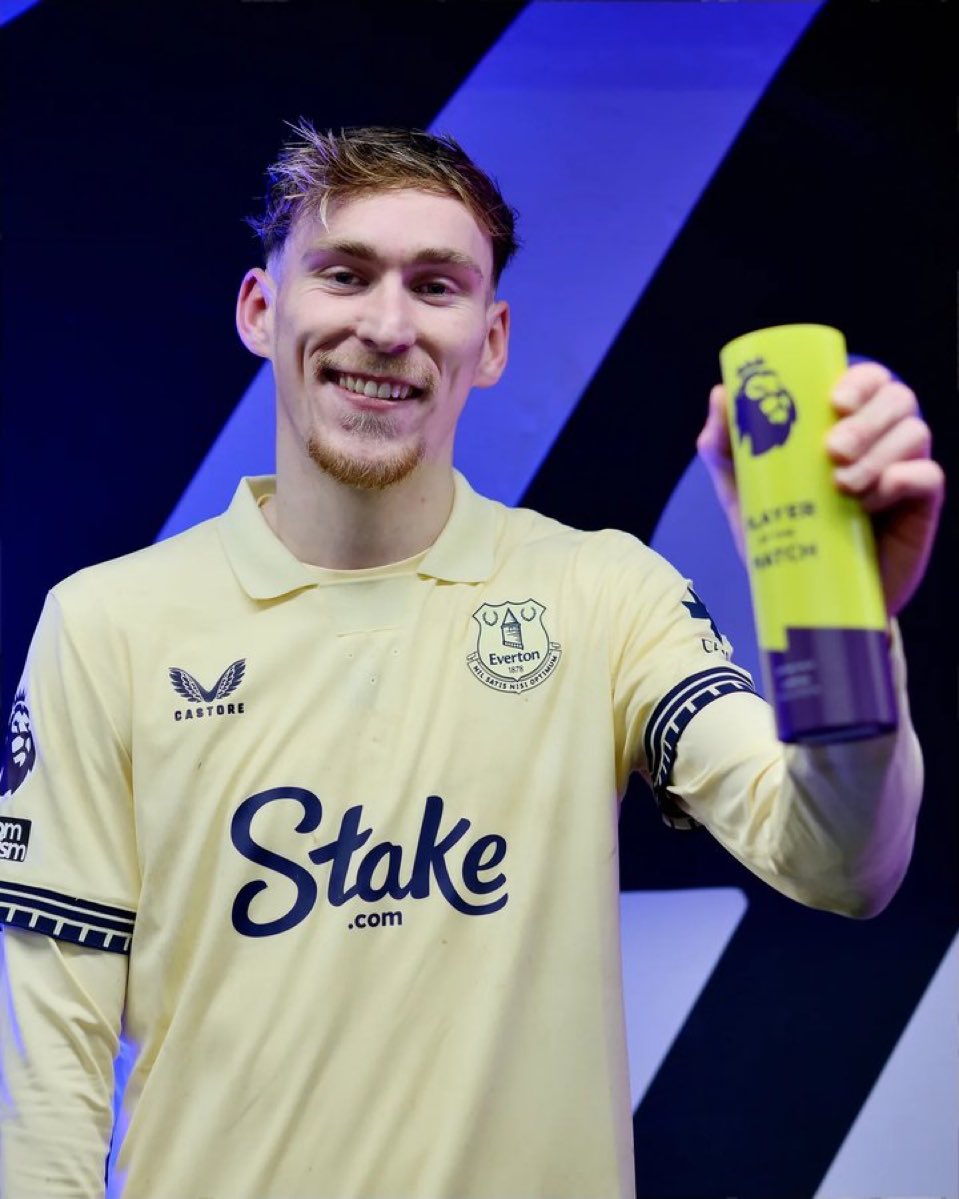

It’s evident hydration breaks are not for player health but to split the game into four distinguish commercial breaks.
Likely 50% cheaper than halftime ads.

By the way!
20 degrees inside the stadium in Houston!
Still breaks for drinks!!
What do they get? Hot chocolate?
2
203

Kase retweeted

Apr 2
The diamond engagement ring was invented by an ad agency in 1947. Before that, only 1 in 10 American brides got one. The company behind it, De Beers, was worth $9.2 billion three years ago. Today that number is $2.3 billion, and its owner is trying to find a buyer.
In 1940, diamonds were a luxury for the rich. Nobody proposed with one unless they had serious money. De Beers had a warehouse full of diamonds and no customers, so they hired NW Ayer, an ad firm out of Philadelphia. A copywriter named Frances Gerety came up with four words: “A Diamond is Forever.” NW Ayer paid Hollywood studios to write diamond proposals into movie scripts. They planted stories in gossip columns about which rock some actress just got. They invented the “two months’ salary” rule, the idea that a man should spend two months of income on a ring. None of that existed before. It was all marketing.
By the 1990s, 8 out of 10 American brides wore diamond engagement rings. Then De Beers did it again in Japan, going from 5% to 60% in 14 years. Advertising Age called it the greatest advertising slogan of the 20th century. They were right.
The whole business ran on one trick: make diamonds seem rare. De Beers controlled most of the world’s supply but only released a small amount each year. That artificial shortage kept prices sky-high. And the “forever” in the slogan had a second job: if nobody resells their diamond, supply stays tight and prices stay up.
Lab-grown diamonds blew that apart.
You can now grow a diamond in a lab that is the same thing, atom for atom, as one pulled out of the ground. Costs 80–85% less. In 2019, only 6% of engagement rings in America had a lab-grown stone. By 2025, that number was 61%. That’s from The Knot’s annual survey of 10,000 newlywed couples. People are buying bigger rings (1.9 carats on average, compared to 1.6 for mined) and keeping the savings.
De Beers saw this coming. In 2018, they launched their own lab-grown jewelry brand called Lightbox, priced at $800 per carat. The idea was to make lab-grown look like cheap costume jewelry so people would still pay a premium for “real” diamonds. Prices tanked 90% anyway. By 2025, American grocery stores were selling lab-grown diamond rings for $200. De Beers shut Lightbox down last May.
Since 2023, De Beers has lost nearly $7 billion in value. It lost over $500 million in 2025 alone and has about $2 billion in diamonds sitting in storage that nobody is buying. Its parent company, Anglo American, is now in what they’re calling “advanced discussions” to sell off the whole thing. A 137-year-old company, dumped.
The greatest ad campaign ever made convinced a planet that a common carbon crystal was worth two months of your salary. The product that’s killing it just proved you can grow the same crystal in a factory for pocket change.

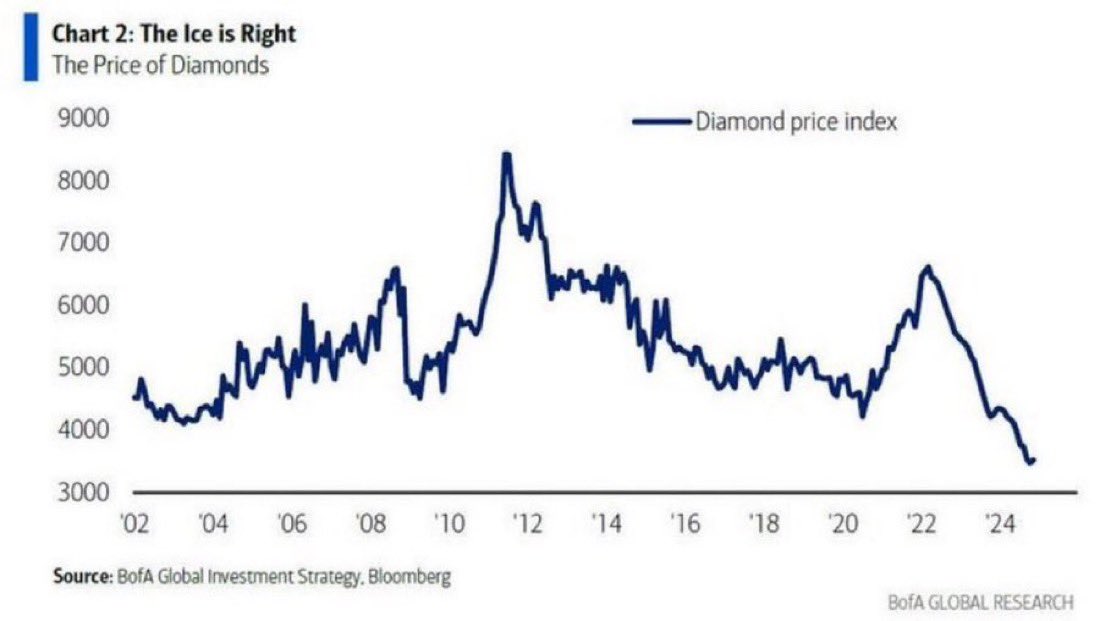
BREAKING 🚨: Diamonds
Diamonds may be a girl's best friend but they're your portfolio's worst nightmare. Prices have fallen to their lowest level this century!
191
1,814
10,943
2,184,840
What’s stopping Man United fans aka ‘The Red Devils’ from doing this?👹
35
This is fucking pathetic, stay natty guys.
Mar 21

Clav revealed he’s back on 300 MG of TREN daily after fans started REALIZING his DECOMPOSING PHYSIQUE 😳🔥
“You see the f’ing tren you see the tren boys” 🔥
68


3,792
17,449
82,481
80,485,552
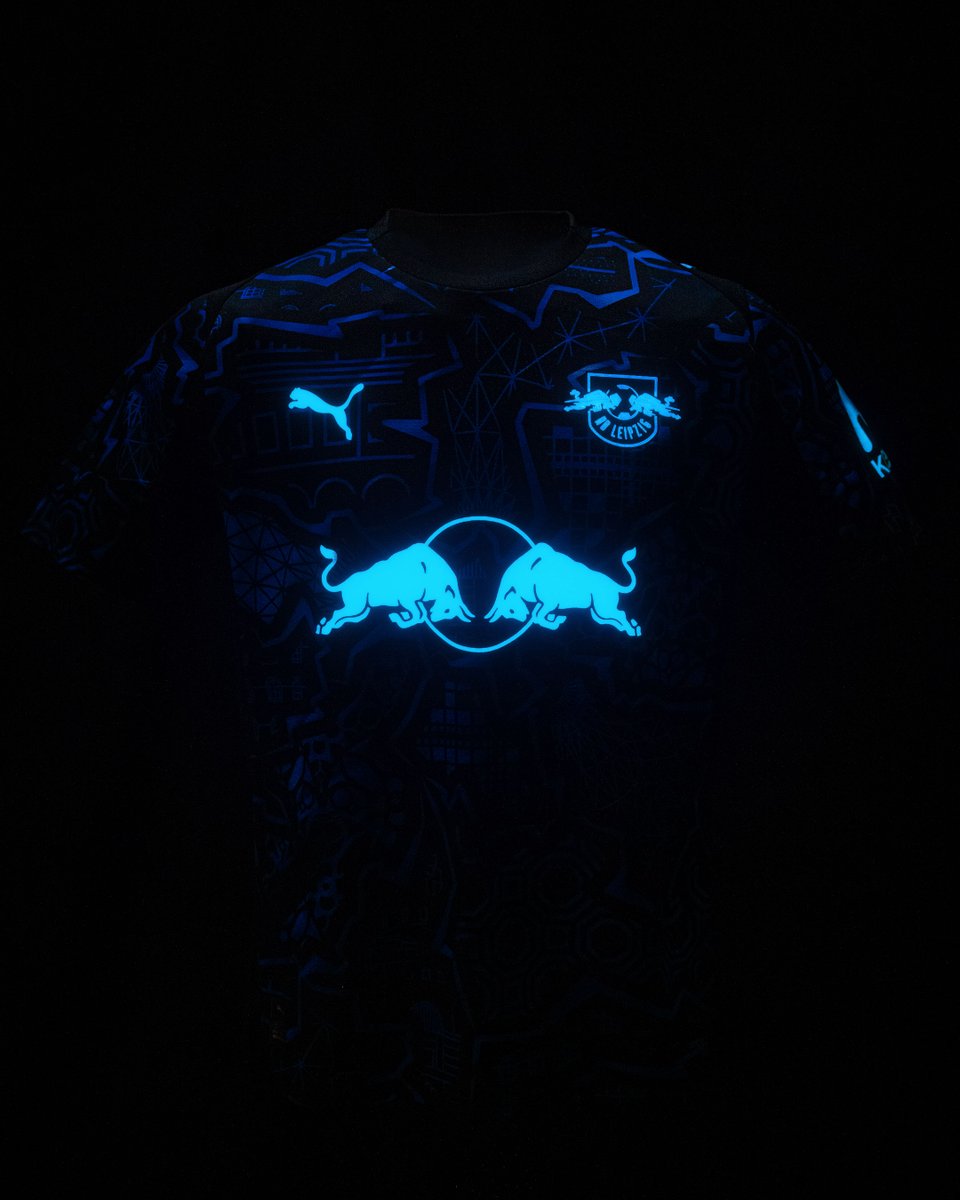
Been waiting for a sponsor to launch glow kits, this looks absolutely insane
Feb 13

RB Leipzig release a special edition jersey that glows in the dark ⚡



27
Kase retweeted

Feb 10
6,595
28,087
118,797
87,194,479
Nå fikk hvertfall Sturla det sosiale selvmordet han ønsket.
Feb 10

NEW: Norwegian biathlete Sturla Holm Laegreid admits to cheating on his girlfriend after winning a bronze medal at the Winter Olympics.
Sturla Holm Laegreid broke down in tears as he talked about the "worst week" of his life.
"I had a gold medal in my life, and there are probably many who look at me with different eyes, but I only have eyes for her."
94
Kase retweeted

Feb 6
🚨 BITCOIN MAX SUPPLY IS NO LONGER 21 MILLION NOW.
And this is what causing market's crash.
If you still think Bitcoin price is moving only because of spot buying and selling, you are missing the bigger picture. Bitcoin no longer trades purely as a supply demand asset.
That structure changed the moment large derivatives markets took control of price discovery.
And that shift is a big reason why price behavior feels disconnected from on chain fundamentals today.
Originally, Bitcoin’s valuation was built on two core ideas:
• Fixed supply of 21 million coins
• No ability to duplicate that supply
This made Bitcoin structurally scarce.
Price discovery was driven mostly by real buyers and sellers in the spot market.
But over time, a second layer formed on top of Bitcoin, a financial layer.
This layer includes:
• Cash settled futures
• Perp swaps and options
• Prime broker lending
• WBTC products
• Total return swaps
None of these create new BTC on chain. But they do create synthetic exposure to BTC price.
And that synthetic exposure plays a major role in how price is set. This is where the structure changes.
Once derivatives volume becomes larger than spot volume, price stops reacting mainly to real coin movement.
It starts reacting to positioning, leverage, and liquidation flows.
In simple terms:
Price moves based on how traders are positioned, not just on how many coins are being bought or sold physically.
There is also another layer to this, synthetic supply.
One real BTC can now be referenced or used across multiple financial products at the same time.
For example, the same coin can simultaneously support:
• An ETF share
• A futures position
• A perpetual swap hedge
• Options exposure
• A broker loan structure
• A structured product
This does not increase on chain supply. But it increases tradable exposure linked to that coin.
And that affects price discovery.
When synthetic exposure becomes large relative to real supply, scarcity weakens in market pricing terms.
This is often referred to as synthetic float expansion.
At that stage:
• Rallies get shorted through derivatives
• Leverage builds quickly
• Liquidations drive sharp moves
• Price becomes more volatile
This is not unique to Bitcoin. The same structural shift happened in: Gold, Silver, Oil, Equity indices.
Once derivatives markets became dominant, price discovery shifted away from physical supply alone.
This also explains why Bitcoin sometimes falls even when there's not much spot selling.
Because price pressure can come from:
• Leveraged long liquidations
• Futures short positioning
• Options hedging flows
• ETF arbitrage trades
Not just spot selling.
So the current Bitcoin decline cannot be understood only through retail sentiment or spot flows.
A large part of the move is happening in the derivatives layer, where leverage and positioning drive short term price action.
This does not mean Bitcoin’s supply cap changed on chain.
The 21 million limit still exists. But in financial markets, paper Bitcoin is now dominating and this is what's causing the crash.

656
590
3,518
744,908
Holy fuck
Jan 29

Step inside Project Genie: our experimental research prototype that lets you create, edit, and explore virtual worlds. 🌎
33