
Living Life To Fullest @ ?
Joined June 2009
- Tweets 12,291
- Following 248
- Followers 3,661
- Likes 152
886 Photos and videos







Jun 10
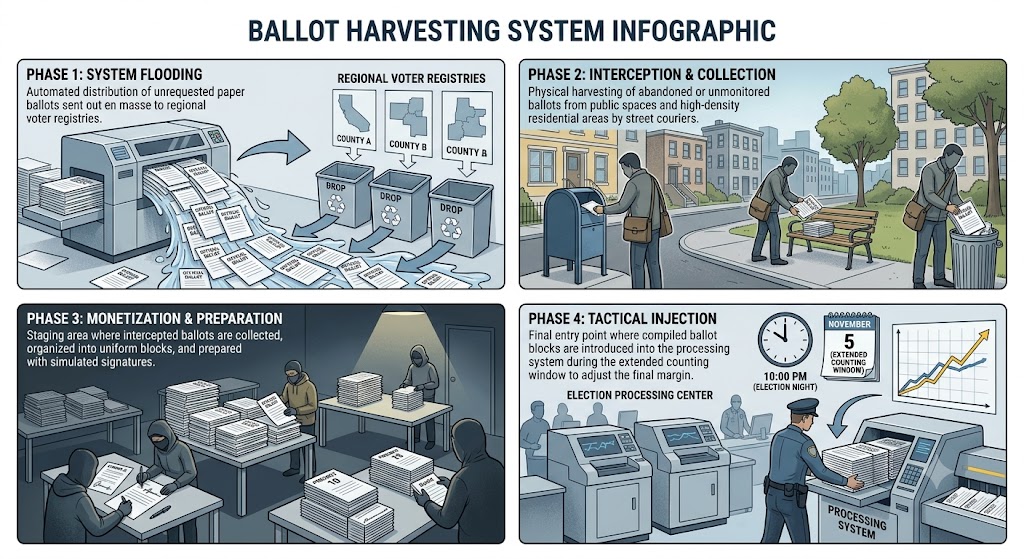
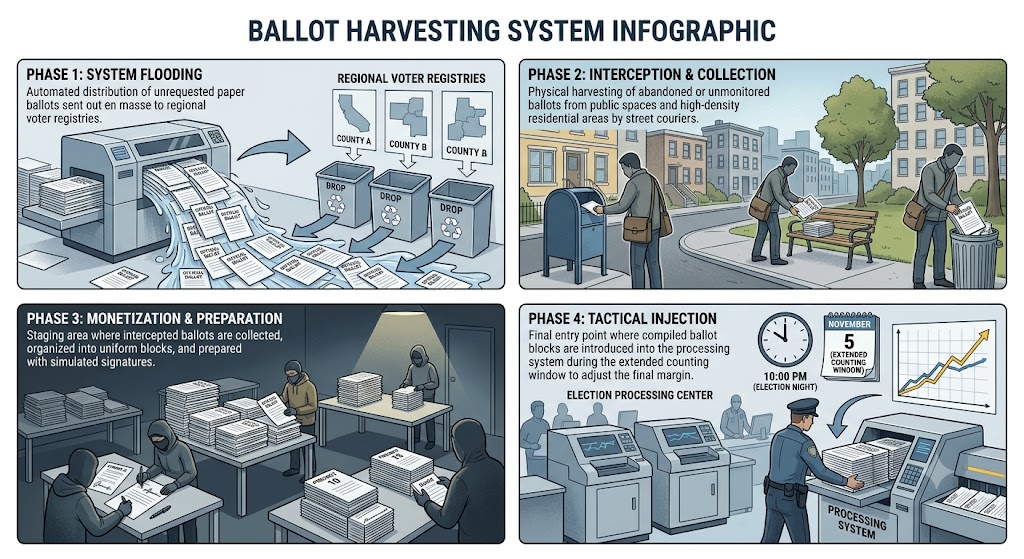
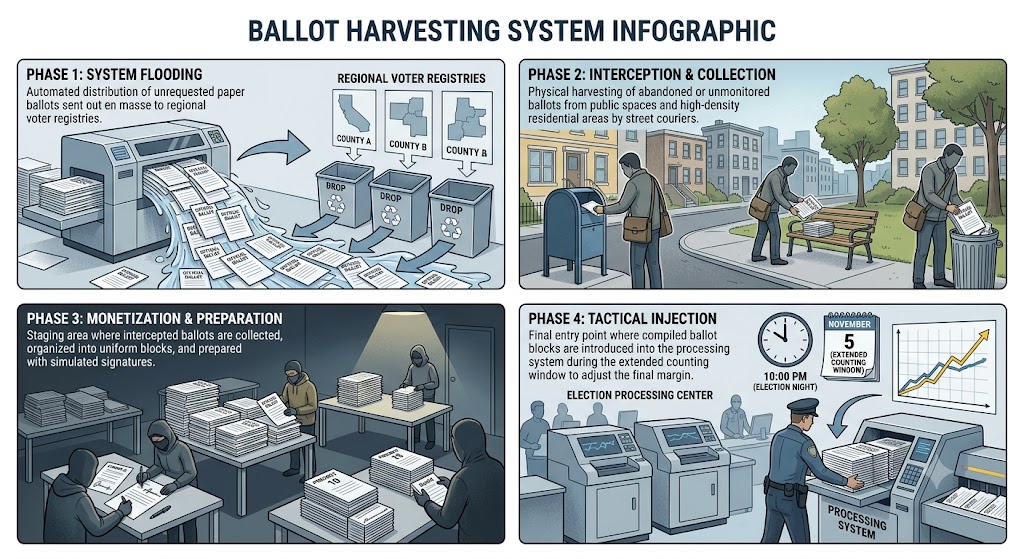
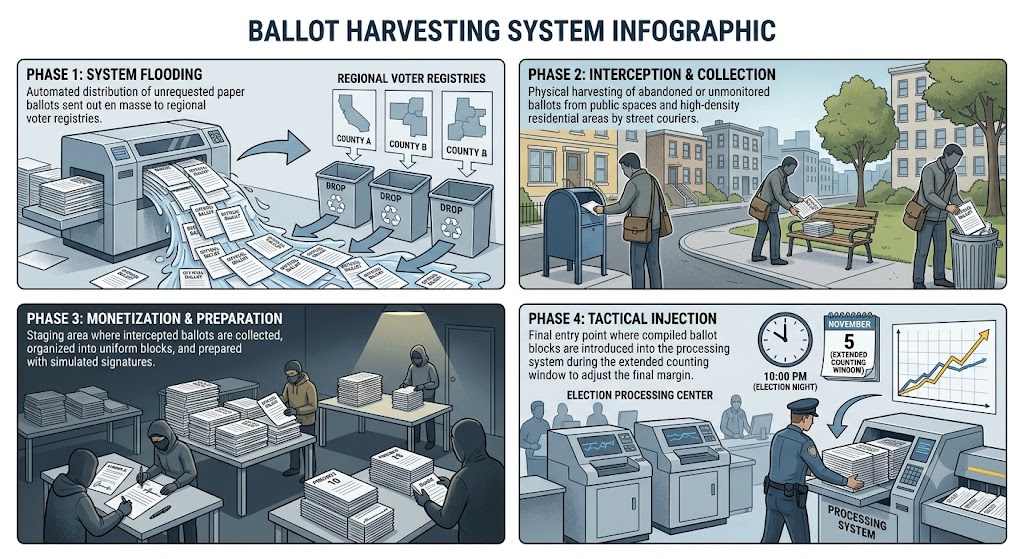
Seems appropriate given the democrats have NAZIS and KKK representatives. Now that is some irony!


1
4
115
Jun 7
Healthcare is the ultimate wild card. Medicare does not cover extended custodial care (like assisted living or nursing homes). An unexpected medical crisis or a temporary need for long-term care completely wipes out an underfunded nest egg in months.
5
60
Jun 4
Sociological shifts have left Boomers uniquely isolated. They have significantly higher rates of divorce and lower rates of having children than previous generations. When a financial crisis hits, a large percentage lack a family safety net to catch them.
2
7
112
Jun 4
The math for low-income seniors has become impossible. The average monthly Social Security benefit for lower-wage earners hovers around $1,400–$1,800. Meanwhile, median rents in most metro areas have surged past $1,500–$2,000. A single rent hike equals eviction.
7
91
Jun 3
This isn't a population of chronically unhoused people growing older. Studies show that roughly half of unhoused seniors experienced homelessness for the *very first time* after age 50. They worked their entire lives until a late-stage shock hit.
4
71
Jun 3
Recent demographic data shows that adults aged 50 and older now make up **nearly half** of the single adult homeless population in the U.S.—a massive leap from 1990, when they accounted for just 11%.
4
79
Jun 3
Now, look at the sharpest, most tragic edge of this crisis: housing. Because of this lack of preparation, Baby Boomers are now the fastest-growing segment of the unhoused population in the United States.
1
1
55
Jun 2
The financial industry spent 40 years teaching Boomers how to *accumulate* wealth, but never taught them how to safely *withdraw* it. Managing a portfolio while trying to avoid a market crash early in retirement (Sequence of Returns Risk) is incredibly complex.
1
37
May 30
What about home equity? The median Peak Boomer holds $156,000 in equity. But the data shows this wealth is trapped. The vast majority choose to age in place, and tools like reverse mortgages remain highly unpopular and underutilized.
2
119
May 30
Because personal nest eggs are so low, more than half of Peak Boomers will rely almost entirely on Social Security. But Social Security was only designed to replace about 40% of average pre-retirement earnings, averaging just ~$22,342 a year for this group.
1
63
May 29
Reason #4: Forced early retirement. While many plan to "work longer" to save more, health issues, corporate downsizing, or the need to care for aging parents forces a massive percentage of older workers out of the labor market earlier than expected.
2
60
May 27
Reason #3: Stagnant wages. For those who lost jobs in 2008, median lifetime earnings never fully recovered. Average annual earnings for this group dropped from $79,000 at age 44 to $69,000 at age 47, blunting their ability to catch up.
2
52
May 27
Reason #2: The timing of the Great Recession (2007-2009). The 2008 financial crisis hit this specific cohort in their mid-40s to early 50s—their peak earning and saving years. Millions watched their early 401(k) accumulations get decimated.
1
30
May 26
How did we get here? Reason #1: The death of the traditional pension. In the 1980s, ~60% of private-sector workers had a guaranteed company pension. Today, only 24% of Peak Boomers have one. The risk shifted entirely from corporations to the individual.
3
53
May 26
In fact, 52.5% of Peak Boomers have $250,000 or less in total retirement assets (including IRAs, 401(k)s, and bank accounts). Another 14.6% have between $250k and $500k.
2
48
May 25
The numbers are stark. The median retirement savings for an entire generation of Peak Boomers sits at just $225,000. To put that in perspective, financial planners generally recommend closer to $1M to safely replace preretirement income over a multi-decade retirement.
2
65
May 25
A definitive study by the Retirement Income Institute delivers a brutal reality check: nearly two-thirds (66%) of Peak Boomers will struggle to maintain their pre-retirement lifestyle. More than half are at risk of completely outliving their savings.
1
41
May 24
Between 2024 and 2030, the largest and final cohort of Baby Boomers—30.4 million Americans born between 1959 and 1964—will turn 65. Economists call this group the "Peak Boomers."
4
55
May 24
There is an invisible economic hurricane hitting the U.S. right now, and almost no one is talking about its sharpest edge. It’s called the "Peak 65" milestone, and it’s changing retirement in America forever.
2
51