GGI enhances the built environment with architectural and decorative glass solutions—serving the glass industry, architects, and designers across North America.
Joined August 2011
- Tweets 1,370
- Following 1,077
- Followers 1,639
- Likes 70
1,000 Photos and videos







Jun 3
𝗚𝗚𝗜 𝗪𝗲𝗹𝗰𝗼𝗺𝗲𝘀 𝗙𝗿𝗮𝗻𝗰𝗲𝘀 𝗢𝗿𝘁𝗶𝘇 𝗮𝘀 𝗦𝗮𝗳𝗲𝘁𝘆 𝗠𝗮𝗻𝗮𝗴𝗲𝗿
Please join us in welcoming Frances Ortiz to the GGI team.
Ortiz brings more than 16 years of leadership experience in Human Resources and Environmental Health & Safety across manufacturing, distribution and corporate environments.
At GGI, Ortiz will focus on strengthening the company’s "Safety First" culture through proactive training, coaching and employee engagement. Her approach to safety extends beyond regulatory compliance by helping employees understand the personal value of safe workplace practices.
Bilingual in English and Spanish, Ortiz is passionate about fostering a people-centered safety culture built on communication, accountability and continuous improvement.
Her leadership supports GGI’s ongoing commitment to maintaining a strong Safety First culture throughout the organization.
#GGI #SafetyFirst #CompanyCulture
7
Jun 2
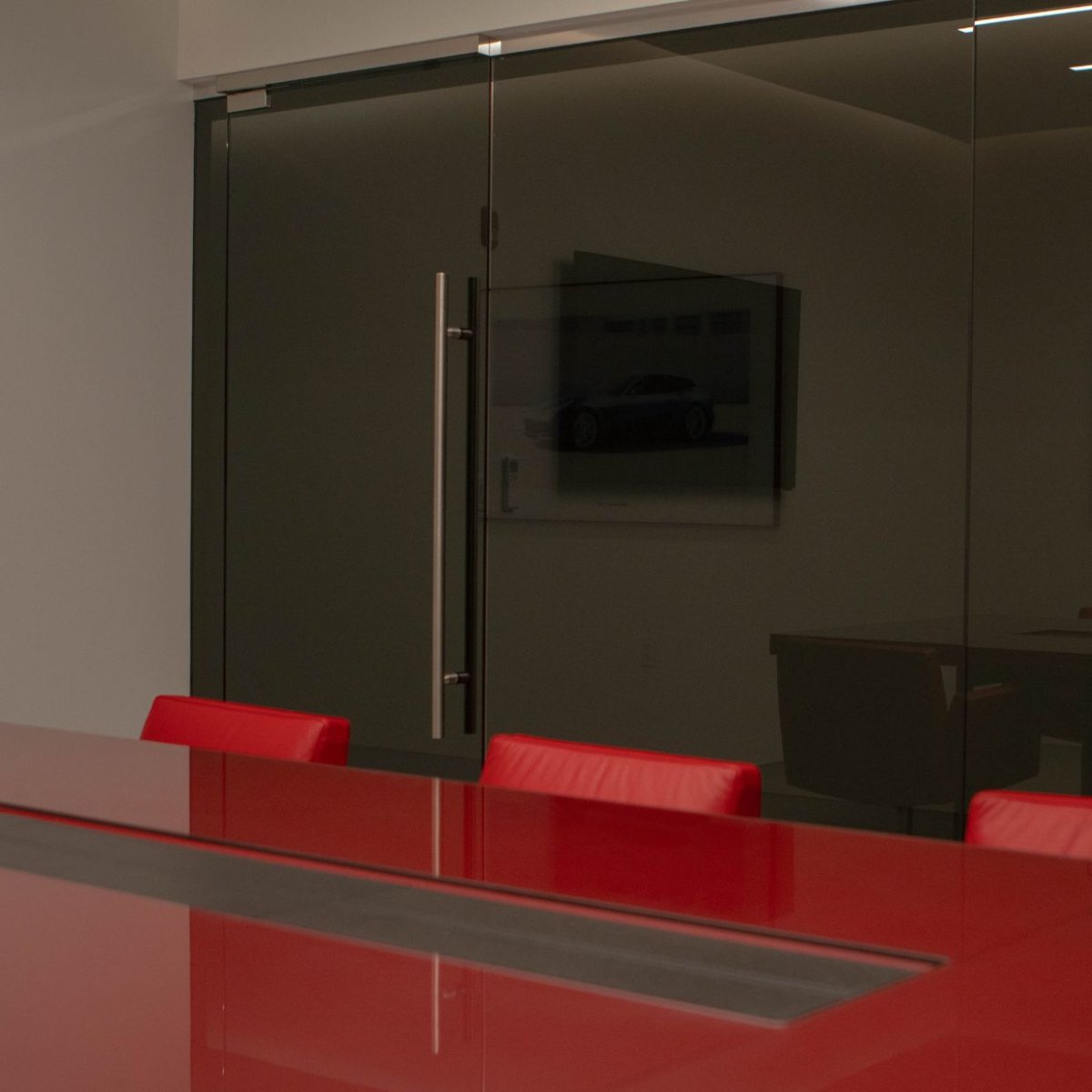
𝗪𝗵𝗲𝗻 𝗙𝗲𝗿𝗿𝗮𝗿𝗶 𝗱𝗲𝗯𝘂𝘁𝘀 𝘀𝗼𝗺𝗲𝘁𝗵𝗶𝗻𝗴 𝗻𝗲𝘄, 𝗽𝗲𝗼𝗽𝗹𝗲 𝗻𝗼𝘁𝗶𝗰𝗲.
The newly unveiled Ferrari Luce has captured attention as the brand’s first fully electric vehicle, proving once again that heritage and innovation can exist in the same design story.
That idea resonates beyond the road.
For more than 125 years, GGI has continued to evolve with the glass and glazing industry. And when GGI brings something new to architectural glass, the industry notices.
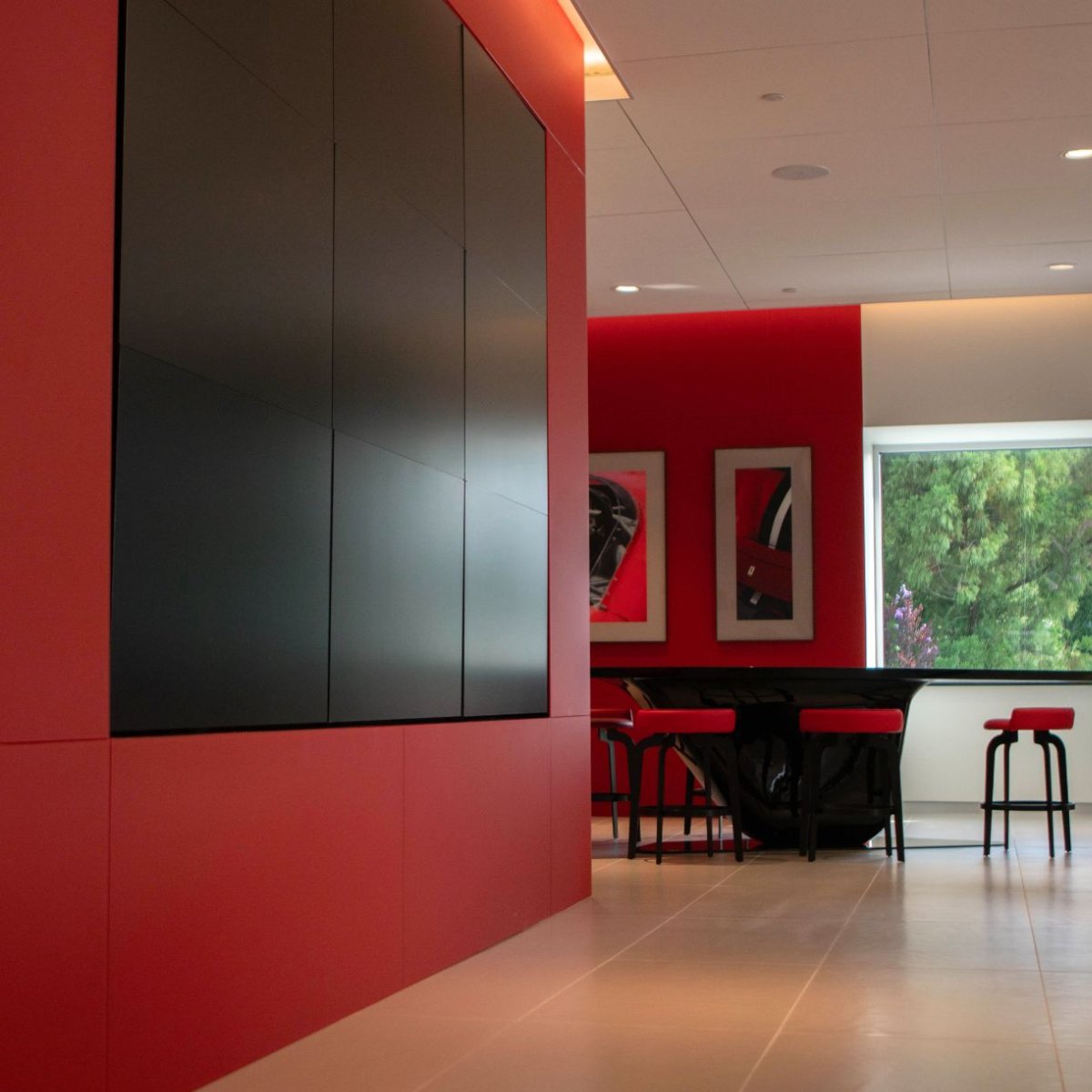
In this past Ferrari project, GGI furnished red back-painted glass and all-glass entrance systems, helping bring the brand’s unmistakable identity into the built environment.
Every year opens the door to new challenges, new opportunities and new ways to create spaces that capture attention.
Because timeless brands do not stand still. They keep opening the door to what comes next.
#GGI #SeeWhatGlassCanDo

23
May 27
GGI Names Rocco Ficara National Sales Manager
GGI (General Glass International) announced the promotion of Rocco Ficara to National Sales Manager of the company’s Specialty Glass Division, effective June 1.
The promotion aligns with the recent leadership transition of Gus Trupiano, who will continue supporting GGI customers throughout the Southeast as an independent manufacturer representative.
Ficara brings more than 30 years of glass industry experience, including expertise in specialty architectural glass, product development, international sourcing, and collaboration across North American markets. In his new role, he will lead national sales efforts for GGI’s Specialty Glass Division while continuing to work closely with customers, internal sales teams, and independent representatives.
“Rocco has quickly become a valuable resource to our team and our customers,” said Richard Balik, Executive Vice President and Principal at GGI. “His understanding of specialty glass products and the market supports a smooth transition and continued momentum for the division.”
GGI appreciates Gus Trupiano’s leadership and contributions over the past seven years and looks forward to continuing the relationship in his new role serving the Southeast market.
generalglass.com/ggi-announc…
#GGI #CompanyNews #SpecialtyGlass
1
17
May 22
In observance of Memorial Day, GGI will close early today and remain closed on Monday.
We honor the courage, service and sacrifice of the brave men and women who gave their lives for our country.
May everyone enjoy the holiday weekend with gratitude, reflection and reverence.
9
May 14
𝗨𝗹𝘁𝗿𝗮-𝗖𝗹𝗲𝗮𝗿 𝗣𝗿𝗶𝘃𝗮𝗰𝘆 𝘄𝗶𝘁𝗵 𝗛𝗶𝗴𝗵 𝗩𝗶𝘀𝗶𝗯𝗹𝗲 𝗟𝗶𝗴𝗵𝘁 𝗧𝗿𝗮𝗻𝘀𝗺𝗶𝘀𝘀𝗶𝗼𝗻
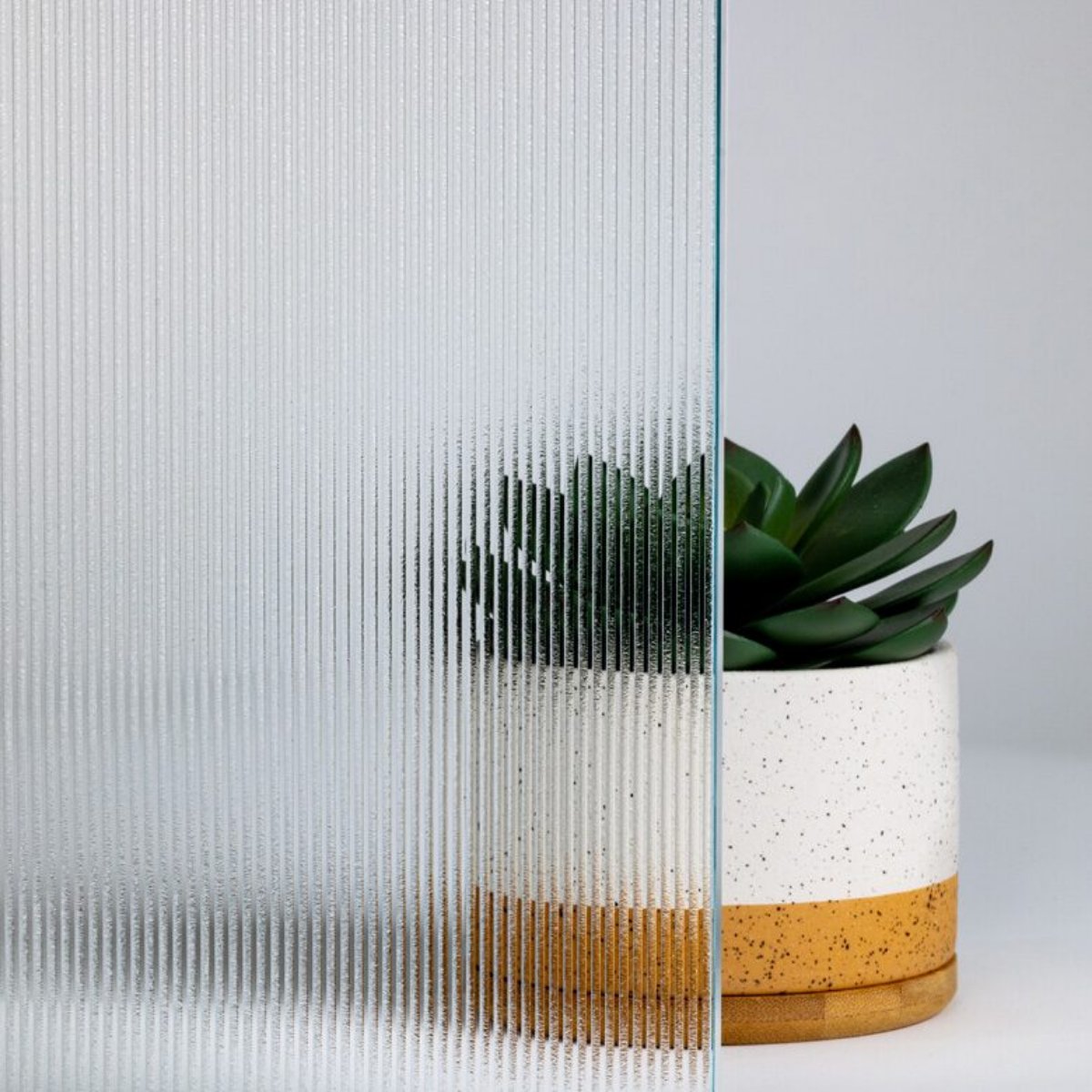
Stylos S Low Iron textured pattern glass offers architects and interior designers a refined approach to balancing privacy and daylighting combined with modern aesthetics.
The distinctive linear engraved finish and ultra-clear low-iron glass substrate of Stylos S diffuses light while maintaining visual openness between spaces. The result is a subtle level of privacy without creating dark or enclosed environments.
With a visible light transmission (VLT) of approximately 86%, Stylos S Low Iron supports daylight sharing across interior spaces while adding texture, depth, and architectural character to partitions, doors, windows, shower enclosures, and cabinetry applications.
Available through GGI in:
• 3/8" (10mm) and 1/2" (12mm) thicknesses
• Stock sheet size: 88 1/2" x 126"
• Custom fabricated solutions
• Full cases or mixed truckload shipments
Textured pattern glass continues to provide designers with opportunities to create functional privacy while making subtle, confident design statements through glass.
#GGI #ArchitecturalGlass #TexturedGlass #LowIronGlass #DecorativeGlass #InteriorGlass #Daylighting
11
May 13
𝗚𝗚𝗜 𝗔𝗻𝗻𝗼𝘂𝗻𝗰𝗲𝘀 𝗟𝗲𝗮𝗱𝗲𝗿𝘀𝗵𝗶𝗽 𝗧𝗿𝗮𝗻𝘀𝗶𝘁𝗶𝗼𝗻 𝗶𝗻 𝗦𝗽𝗲𝗰𝗶𝗮𝗹𝘁𝘆 𝗚𝗹𝗮𝘀𝘀 𝗗𝗶𝘃𝗶𝘀𝗶𝗼𝗻
After seven years of leadership with GGI’s Specialty Glass Division, Gus Trupiano will transition from his role as National Sales Manager effective May 31.
Throughout his tenure, Gus played an important role in expanding GGI’s specialty glass business across North America while building strong relationships throughout the glass and glazing industry. His customer-first approach, technical knowledge, and commitment to industry partnerships helped support the continued growth of the division.
While stepping away from his current role, Gus will continue supporting GGI as an Independent Sales Representative for the Southeast United States through a newly formed company, All Things Glass, LLC (ATG), launched alongside his son, Stephen Trupiano.
“Gus has made a lasting impact on our business and our industry relationships,” said Richard Balik, executive vice president and principal of GGI. “We’re pleased to continue working with him in this new capacity and support his entrepreneurial venture.”
GGI will be sharing additional news soon regarding leadership within the Specialty Glass Division.
#GGI #CompanyNews
1
19
May 6
LEAFY WADER Public Art Installation Timelapse Video Featuring Alice® Direct-to-Glass Printing
Artwork: LEAFY WADER
Artist: Donald Lipski
Commission: Sound Transit Art Program
Project: Federal Way Link Extension – Federal Way Station
Location: Federal Way, Washington | 2025
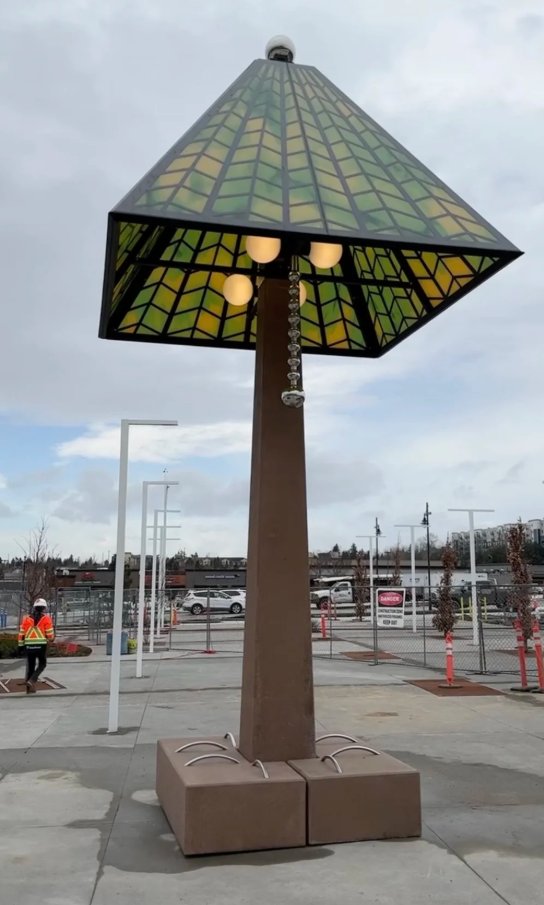
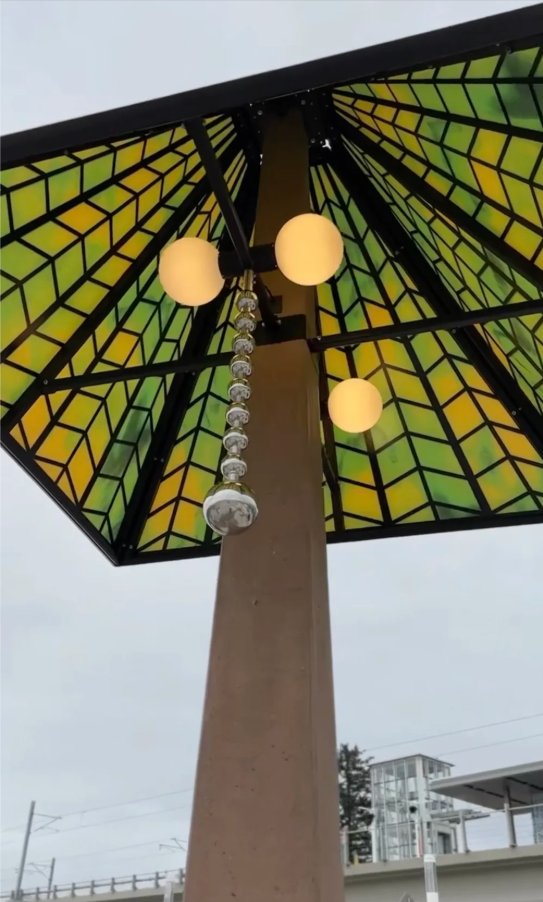
LEAFY WADER — an anagram of “Federal Way” — is a two-story-tall illuminated desk lamp created by internationally recognized artist Donald Lipski for the Federal Way Station in Washington State.
The large-scale public art installation serves as a playful beacon for commuters while honoring the Pacific Northwest’s legacy as a center for contemporary American glass art.
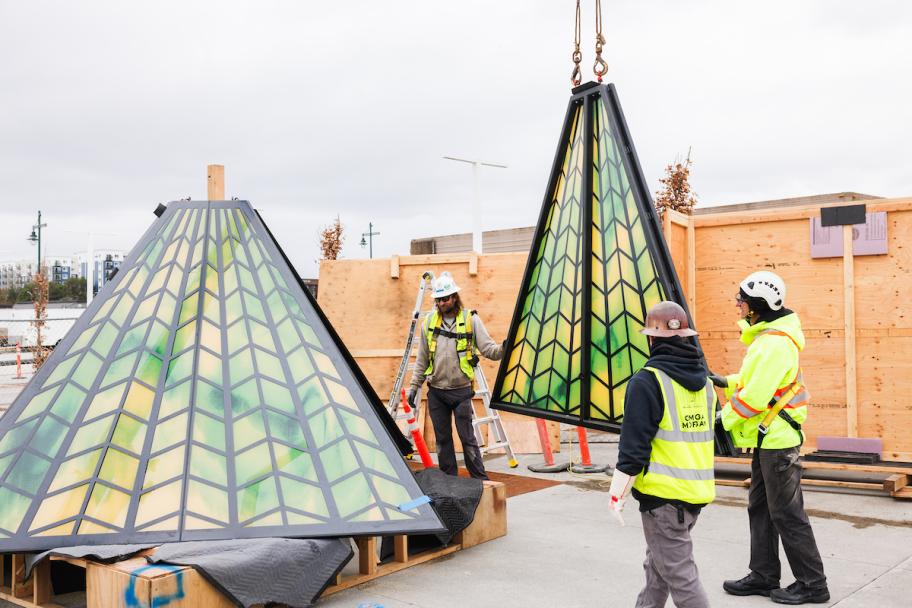
GGI was proud to furnish the custom decorative laminated glass for the lamp shade assembly utilizing Alice® direct-to-glass printing technology for long-term exterior durability and performance.
This video shares the step by step installation of Donald Lipski's remarkable public art installation.
youtu.be/O2Vnqyo07PE
#GGI #PublicArt #DigitalImaging #SeeWhatGlassCanDo
10
Apr 30
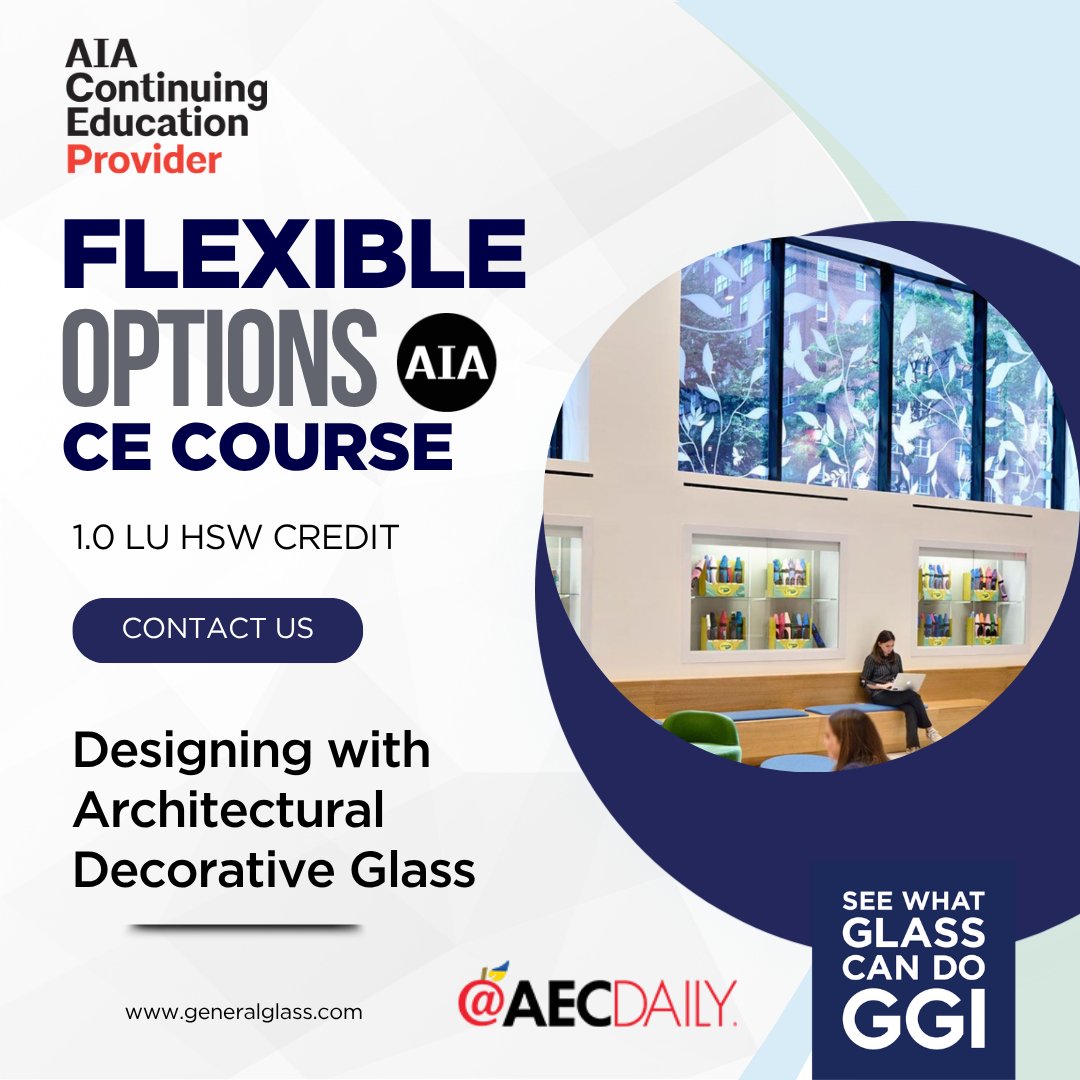
𝗗𝗲𝘀𝗶𝗴𝗻𝗶𝗻𝗴 𝘄𝗶𝘁𝗵 𝗔𝗿𝗰𝗵𝗶𝘁𝗲𝗰𝘁𝘂𝗿𝗮𝗹 𝗗𝗲𝗰𝗼𝗿𝗮𝘁𝗶𝘃𝗲 𝗚𝗹𝗮𝘀𝘀
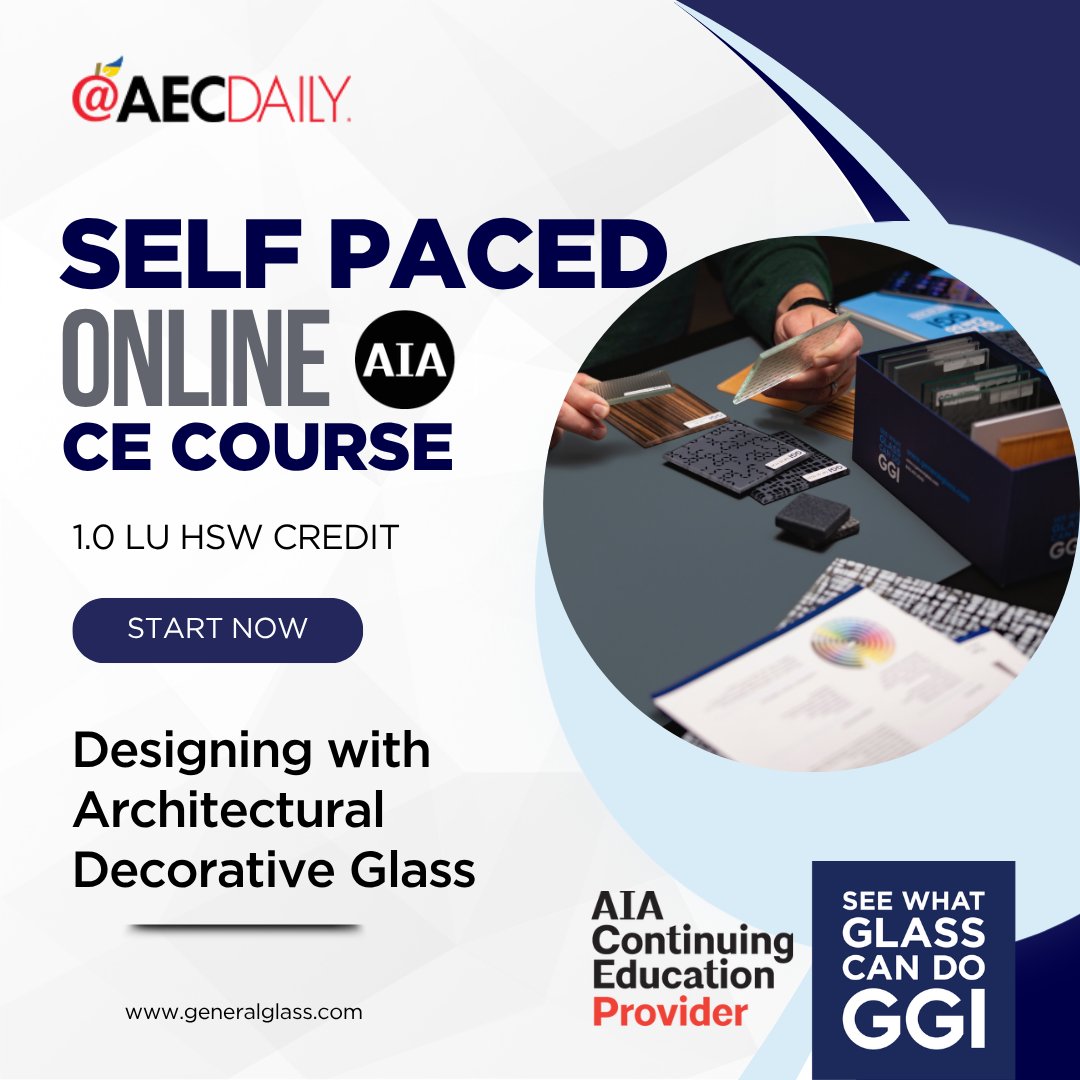
GGI invites architects and design professionals to learn how to elevate their project designs with its AIA-approved continuing education course: Designing with Architectural Decorative Glass.
This course provides 1.0 HSW LU and is recognized by more than 30 organizations, including American Institute of Architects (AIA) , Interior Design Continuing Education Council (IDCEC), and the U.S. Green Building Council (USGBC).
Available in flexible formats to fit your schedule:
In-person lunch and learns
Live webinars
Self-paced online course via AEC Daily
What architects and designers will learn:
✅ How decorative glass supports daylighting, privacy, and occupant comfort
✅ Key glass types and fabrication processes
✅ Performance considerations, including safety glazing and code compliance
✅ Strategies for integrating decorative glass into interior and exterior applications
✅ How to specify decorative glass using CSI formats and available specification tools
✅ The role of decorative glass in sustainable design and LEED-related initiatives
✅ Case study examples
GGI’s course is designed to support informed decision-making early in the design process—helping project teams balance aesthetics, performance, and compliance.
Start your online course now at aecdaily.com/course.php?node….
Email us at info@generalglass.com to request a lunch and learn for your firm.
Learn how to specify with confidence and see what glass can do®.
7
Apr 28
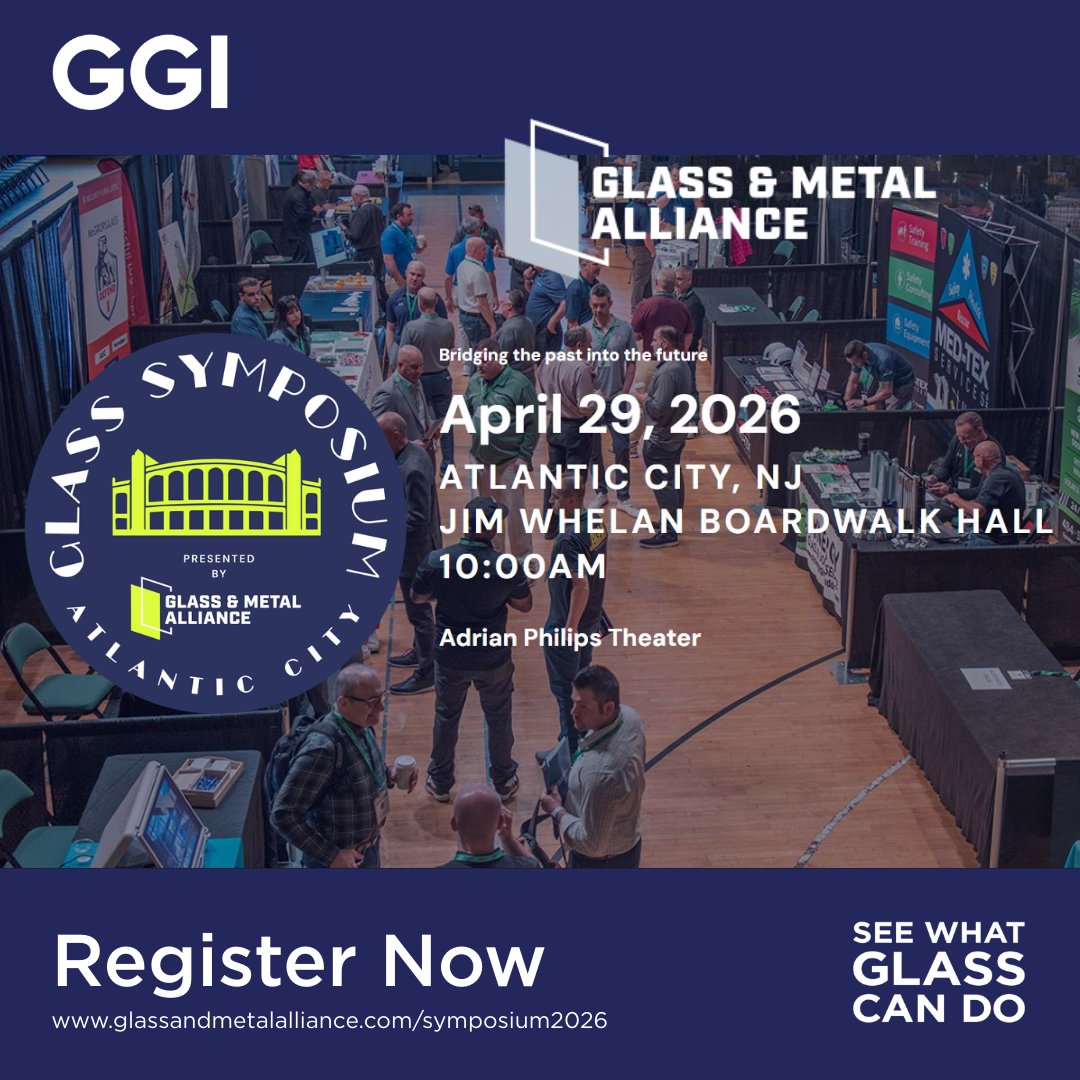
𝗖𝗼𝗻𝗻𝗲𝗰𝘁 𝘄𝗶𝘁𝗵 𝗚𝗚𝗜 𝗮𝘁 𝘁𝗵𝗲 𝟮𝟬𝟮𝟲 𝗚𝗹𝗮𝘀𝘀 𝗦𝘆𝗺𝗽𝗼𝘀𝗶𝘂𝗺
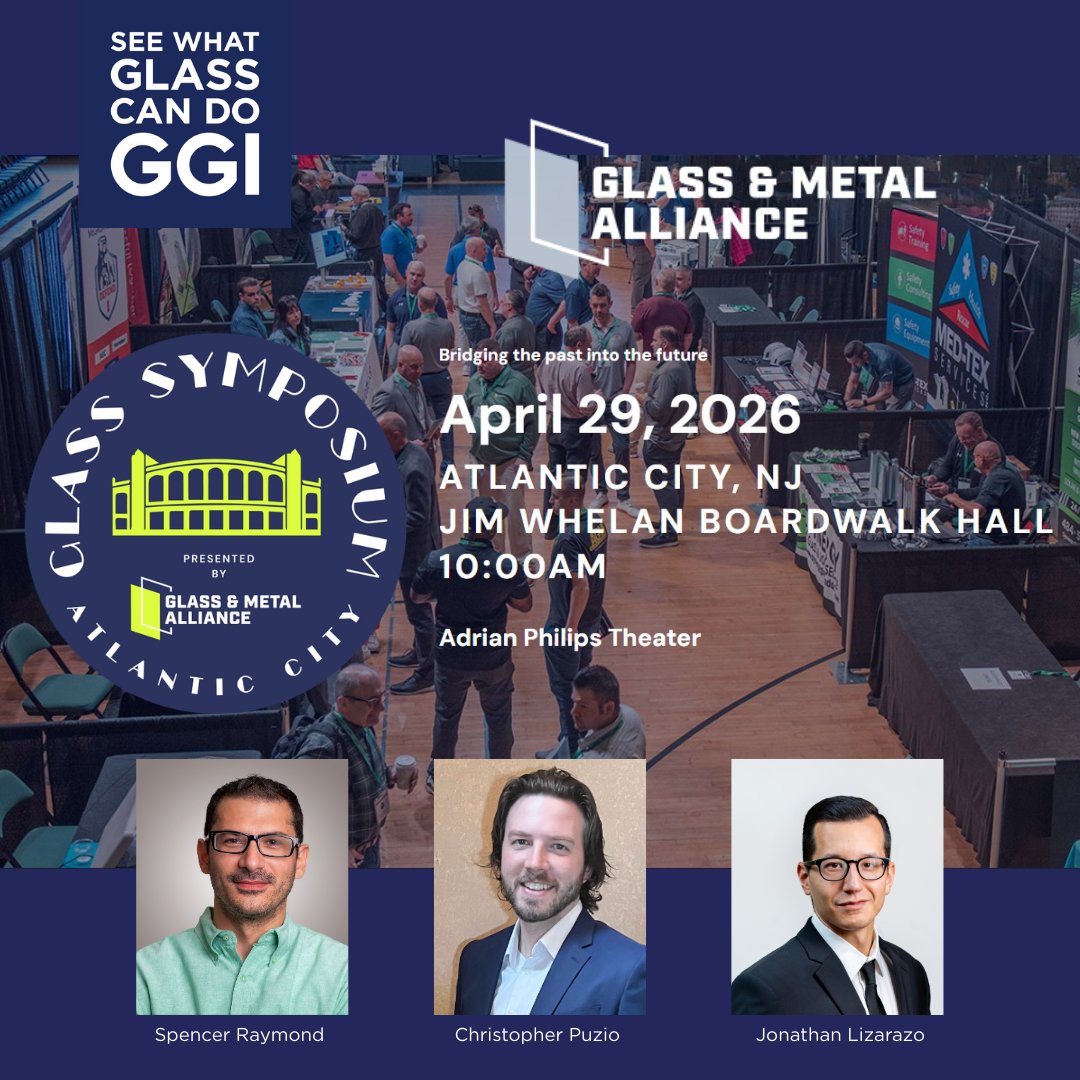
Attendees of the Glass Symposium presented by the Glass & Metal Alliance on April 29 in Atlantic City are encouraged to connect with the GGI team during the event.
GGI representatives will be available throughout the symposium to discuss architectural and decorative glass solutions and how fabricated glass can support today’s design and glazing projects.
Stop by and meet with Spencer Raymond, Christopher Puzio, and Jonathan Lizarazo at Jim Whelan Boardwalk Hall to See What Glass Can Do.
#GGI #ArchitecturalGlass #GlazingIndustry #GlassFabrication #GlassSymposium
7
Apr 23
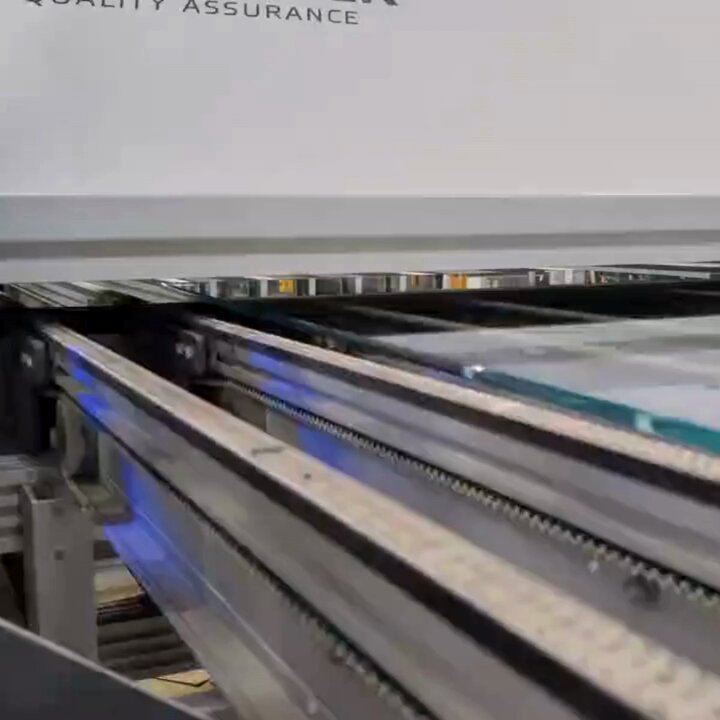
𝗦𝗲𝗲 𝗪𝗵𝗮𝘁 𝗤𝘂𝗮𝗹𝗶𝘁𝘆 𝗟𝗼𝗼𝗸𝘀 𝗟𝗶𝗸𝗲—𝗜𝗻 𝗥𝗲𝗮𝗹 𝗧𝗶𝗺𝗲
Before fabricated glass leaves GGI's fabrication facility and is loaded for delivery, every order goes through a quality control inspection process. This step helps ensure each piece meets or exceeds customer specifications AND expectations.
One example of how quality control is emphasized is the Softsolution LineScanner shown in the video. The LineScanner automates and enhances quality checks for specific glass configurations.
As glass moves through the LineScanner, the system performs high-precision inspection of transparent flat glass products, evaluating:
🔎 Geometry and dimensional accuracy
🔎 Surface quality and defect detection
🔎 Edge quality
Using parallel light technology, the LineScanner enables detailed optical inspection with flexibility to accommodate different production setups, while maintaining efficiency within a compact footprint.
For customers, this means:
■ Consistent quality across fabricated glass orders
■ Reduced risk of visual defects or performance issues
■ Greater confidence in meeting design intent and specifications
■ Reliable performance for demanding architectural applications
At GGI, quality control is not a single step—it is an integrated process supported by skilled teams and advanced technologies. Every order is inspected with care to help ensure it arrives ready for installation and long-term performance.
#GGI #CustomGlass #GlassFabrication #QualityControl #SeeWhatGlassCanDo
12
Apr 21
𝗟𝗮𝗺𝗶𝗻𝗮𝘁𝗲𝗱 𝗔𝗿𝗰𝗵𝗶𝘁𝗲𝗰𝘁𝘂𝗿𝗮𝗹 𝗚𝗹𝗮𝘀𝘀: 𝗪𝗵𝗮𝘁 𝗦𝗽𝗲𝗰𝗶𝗳𝗶𝗲𝗿𝘀 𝗡𝗲𝗲𝗱 𝘁𝗼 𝗞𝗻𝗼𝘄
From safety glazing requirements to decorative design applications, laminated glass continues to play a critical role in modern architecture.
GGI’s latest article breaks down:
• How laminated glass performs upon impact
• Key differences between PVB, ionoplast and EVA interlayers
• What are stock laminated options vs. custom configurations
• Code requirements, including CPSC 16 CFR 1201 and ANSI Z97.1
• How decorative glass technologies expand design possibilities
Laminated glass is more than a safety solution—it is a configurable material that supports performance, durability and design flexibility.
Read the full article: generalglass.com/laminated-a…
#ArchitecturalGlass #LaminatedGlass #Glazing #GlassDesign #BuildingMaterials #Architecture #GGI
10
Apr 16
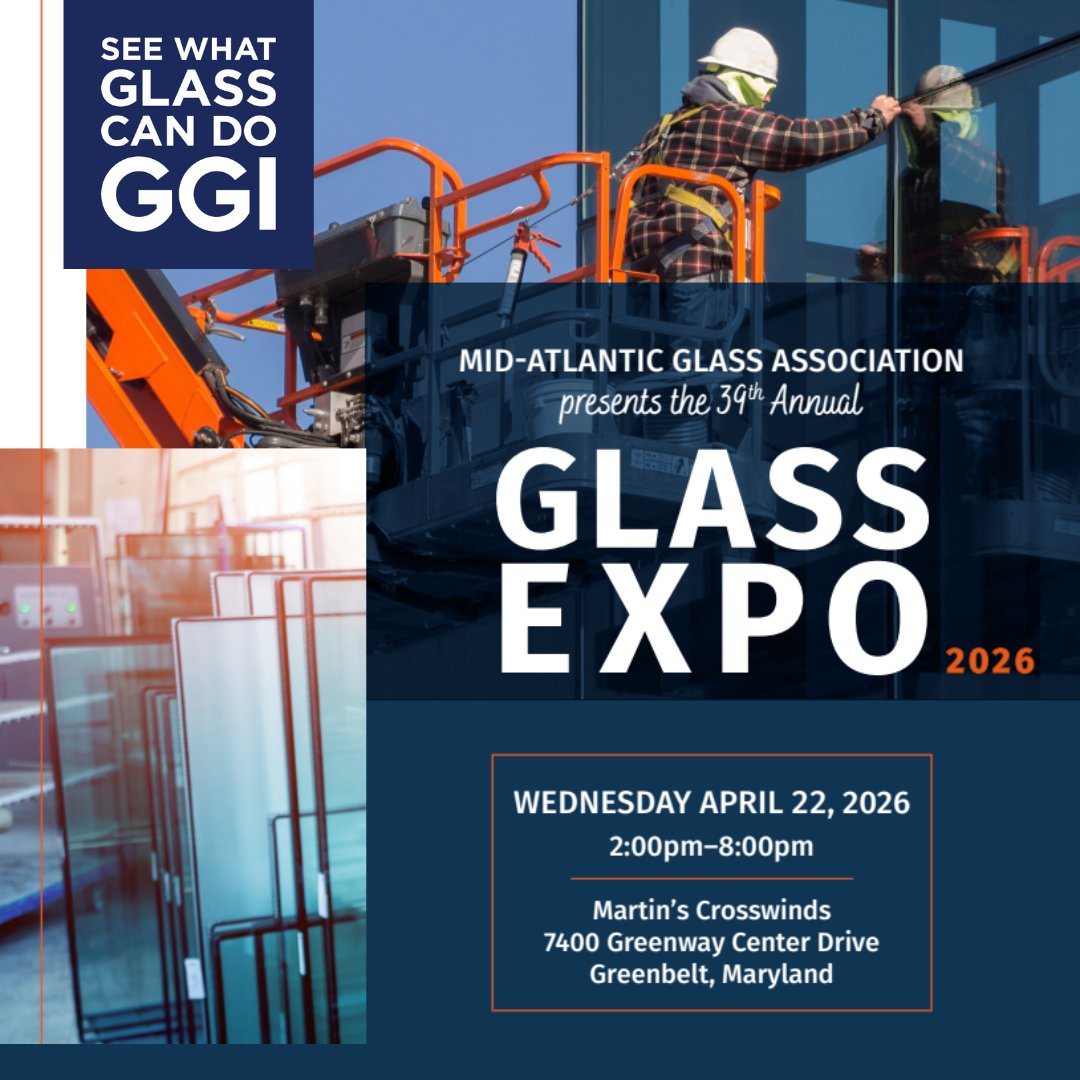
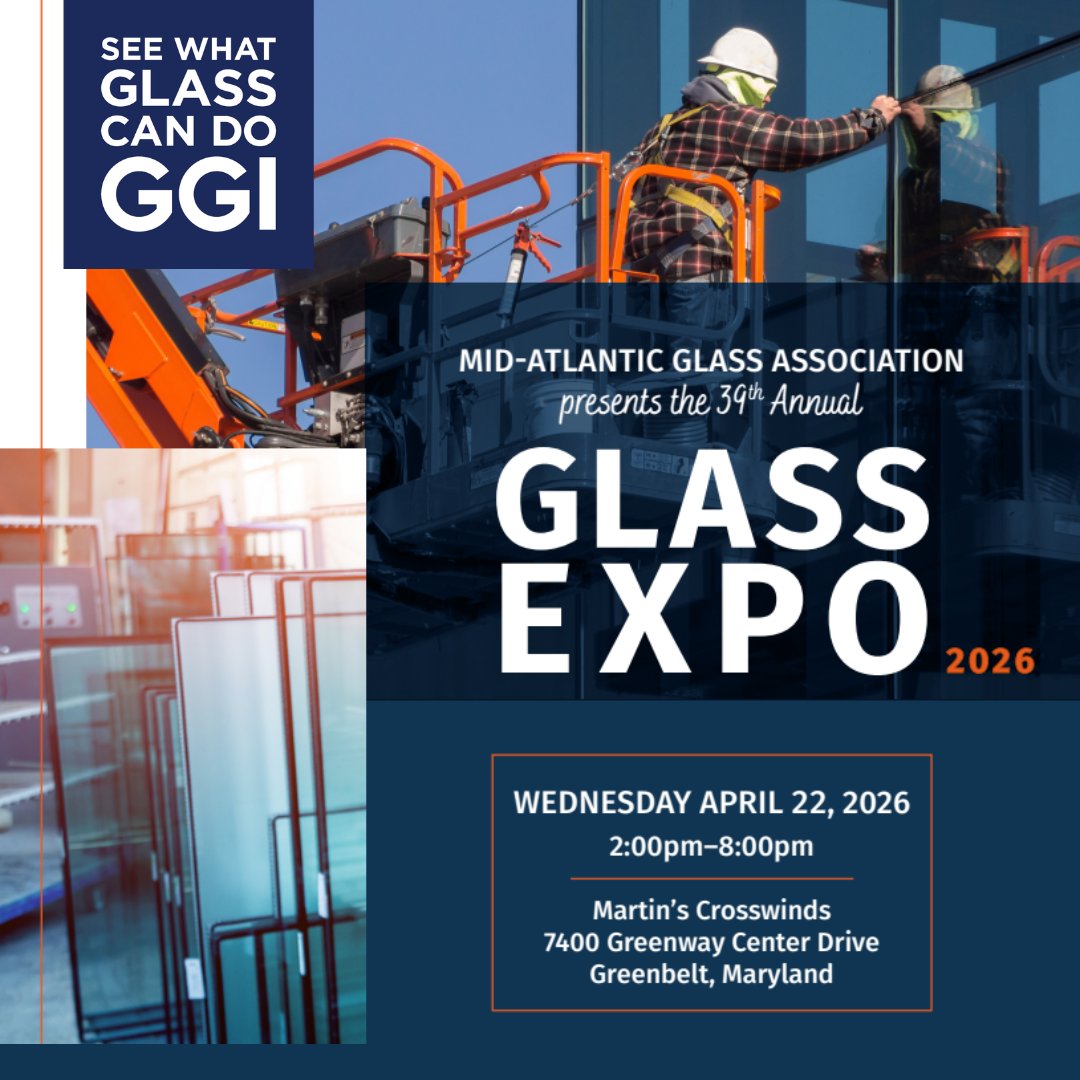
𝗚𝗚𝗜 𝗶𝘀 𝗵𝗲𝗮𝗱𝗶𝗻𝗴 𝘁𝗼 𝗚𝗹𝗮𝘀𝘀 𝗘𝘅𝗽𝗼 𝟮𝟬𝟮𝟲 𝗼𝗻 𝗔𝗽𝗿𝗶𝗹 𝟮𝟮 𝗶𝗻 𝗚𝗿𝗲𝗲𝗻𝗯𝗲𝗹𝘁, 𝗠𝗮𝗿𝘆𝗹𝗮𝗻𝗱.
Hosted by the Mid-Atlantic Glass Association (MGA), this event brings together glazing professionals from across the region for a day focused on education, innovation, and connection within the architectural glass industry.
If you are attending, make time to connect with the GGI team. We will be showcasing fabricated glass solutions and specialty glass truckload programs designed to streamline sourcing and support complex project demands.
Featured samples on display include:
• Alice® direct-to-glass printing
• Decorative architectural glass
• Laminated glass
• Pearl™ satin etched glass and mirror
• SwitchView™ smart laminated glass
• MAX™ glass markerboards
Looking to attend? We have a limited number of complimentary guest passes available. Message us to reserve yours.
#GGI #SeeWhatGlassCanDo #GlassExpo #MidAtlanticGlass
14
Apr 2
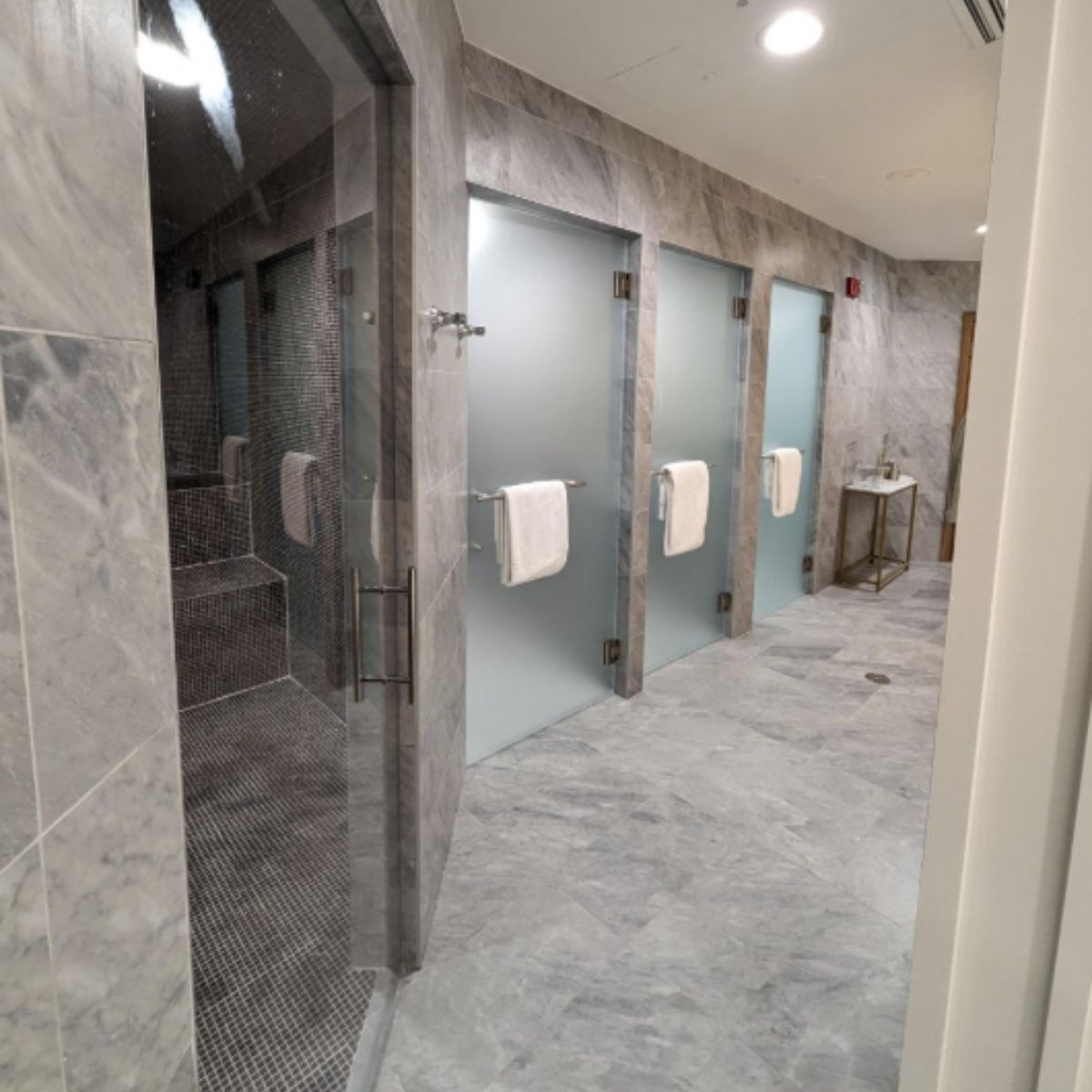
How to Choose Satin Etched Glass: Clear vs Low-Iron vs Ultra
Not all satin etched glass performs the same.
Differences in substrate and finish can impact:
• Light transmission
• Color neutrality
• Privacy and glare control
In this new article, Brad Thurman breaks down how to select the right option for architectural privacy applications.
A practical comparison for architects and designers specifying decorative glass.
Read article now: ow.ly/ET4T50YC2kv
1
1
38
Apr 1
𝗛𝗮𝘃𝗲 𝘆𝗼𝘂 𝘄𝗼𝗿𝗸𝗲𝗱 𝘄𝗶𝘁𝗵 𝗚𝗚𝗜?
GGI values every partnership—from customers and architects to designers, spec writers, and artists who trust its commitment to quality and service on their projects.
As part of its ongoing commitment to continuous improvement, GGI invites those who have worked with the team to share their experience. Feedback helps strengthen how GGI supports employees, customers, and industry partners—and ensures the company continues to meet and exceed expectations.
If you have partnered with GGI, please consider leaving a Google review and sharing your experience.
Leave a review: g.page/r/CW7VqGkSSgf2EAI/rev…
Your feedback drives continuous improvement—and better results for every project.
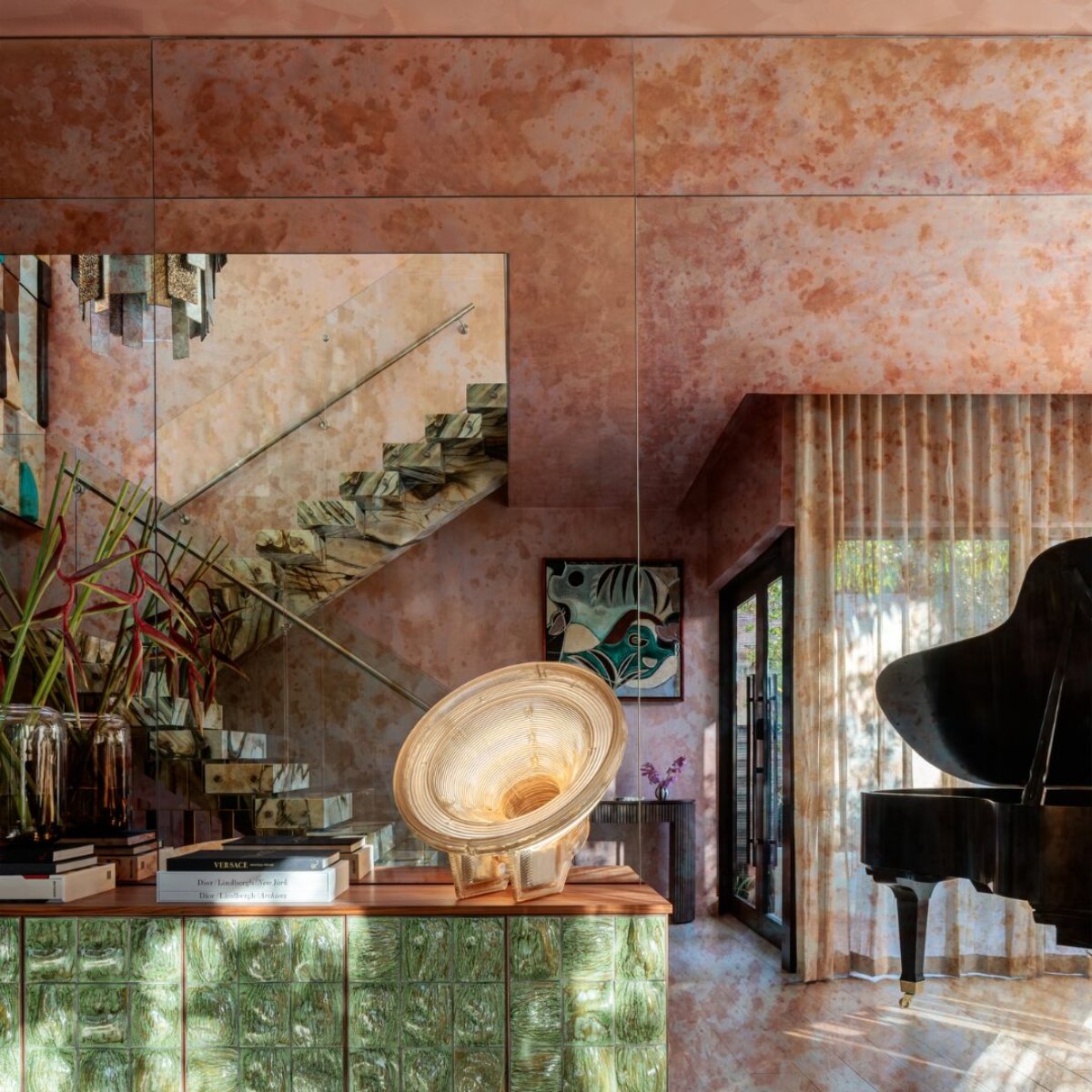
Project shown: Policromo Antique Mirror from GGI, featured in Travis London's Miami residence, where mirrored wall cladding creates a distinctive artistic backdrop.
#GGI #SeeWhatGlassCanDo
24
Mar 31
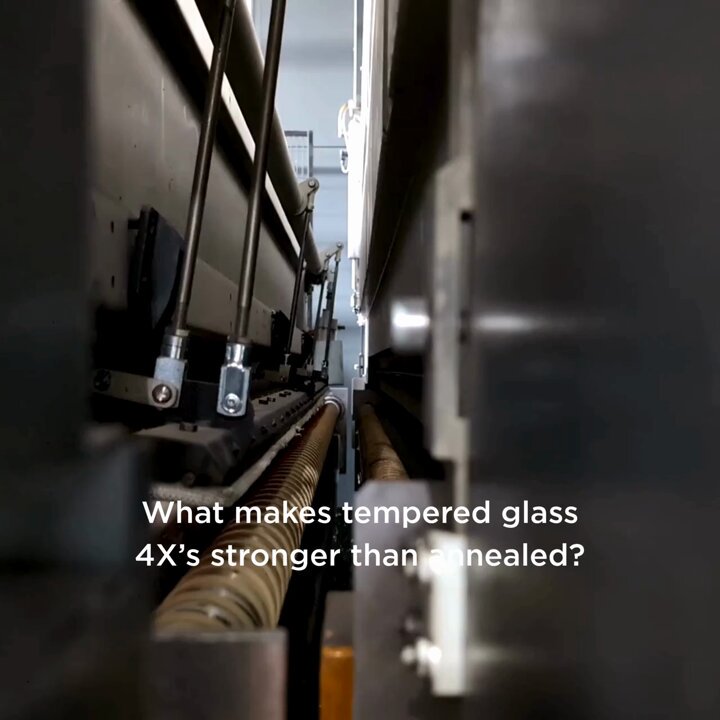
𝗛𝗼𝘄 𝗚𝗹𝗮𝘀𝘀 𝗕𝗲𝗰𝗼𝗺𝗲𝘀 𝟰× 𝗦𝘁𝗿𝗼𝗻𝗴𝗲𝗿: 𝗧𝗵𝗿𝗼𝘂𝗴𝗵 𝗧𝗵𝗲 𝗧𝗲𝗺𝗽𝗲𝗿𝗶𝗻𝗴 𝗣𝗿𝗼𝗰𝗲𝘀𝘀
Behind every finished piece of tempered glass is precision engineering, controlled heat, and expert fabrication.
In this video, glass moves through the tempering oven—heated to extreme temperatures until it becomes red hot—transforming from an annealed substrate into high-performance safety glazing.
From drilling and notching to edgework and finishing, GGI delivers fully customized glass solutions fabricated to specification and built for performance.
During the tempering process, annealed glass is heated to approximately 1,100–1,200°F (593–649°C) and rapidly cooled. This thermal treatment increases strength and fundamentally changes how the glass performs under impact.
What makes tempered glass different?
• Tempered glass is up to 4× stronger than annealed glass
• It breaks into small fragments unlike large shards resulting from annealed glass breakage
• Designed to reduce injury risk in human-impact areas
• Meets CPSC 16 CFR 1201 and ANSI Z97.1 requirements
• Tested and certified by the Safety Glazing Certification Council (SGCC)
Under ASTM C1048, fully tempered glass must meet strict compression requirements, resulting in reliable performance under wind loads and thermal stress.
Where is safety glazing required?
Building codes mandate tempered glass in hazardous locations such as:
• Doors and all-glass entrances
• Sidelites and storefront systems
• Curtain walls and windows near walking surfaces
• Glass railings and guardrails
• Interior partitions and office fronts
• Shower enclosures
From 3/16" (5 mm) to 3/4" (19 mm) thick glass, GGI supports customers with complex fabrication—including holes, notches, edge profiles, and tempering to meet safety glazing code requirements for hazardous locations.
#GGI #SeeWhatGlassCanDo
49
Mar 30
𝗧𝗵𝗲 𝗚𝗹𝗮𝘀𝘀 𝗮𝗻𝗱 𝗚𝗹𝗮𝘇𝗶𝗻𝗴 𝗖𝗼𝗺𝗺𝘂𝗻𝗶𝘁𝘆 𝗚𝗮𝘁𝗵𝗲𝗿𝘀 𝗶𝗻 𝗔𝘁𝗹𝗮𝗻𝘁𝗶𝗰 𝗖𝗶𝘁𝘆 — 𝗝𝗼𝗶𝗻 𝗚𝗚𝗜 𝗮𝘁 𝘁𝗵𝗲 𝟮𝟬𝟮𝟲 𝗚𝗹𝗮𝘀𝘀 𝗦𝘆𝗺𝗽𝗼𝘀𝗶𝘂𝗺
GGI will be participating in the Glass Symposium presented by the Glass & Metal Alliance on April 29, 2026 at Jim Whelan Boardwalk Hall in Atlantic City, New Jersey.
This one-day industry gathering will bring together more than 150 decision makers and influencers from the architectural, construction, engineering, and glazing supply communities throughout Eastern Pennsylvania and Southern New Jersey.
GGI will have a tabletop display and looks forward to connecting with glazing contractors, architects, and industry partners to discuss decorative, laminated, and specialty architectural glass solutions.
If you are attending, stop by and connect with GGI team members Christopher Puzio andJonathan Lizarazo.
Event details: glassandmetalalliance.com/sy…
Unable to attend? Learn more about GGI at generalglass.com.
#GGI #ArchitecturalGlass #GlazingIndustry #GlassFabrication #GlassSymposium #SeeWhatGlassCanDo
15
Mar 24
AIA continuing education: learn how to take architectural designs to the next level
GGI offers an AIA Continuing Education course, Designing with Architectural Decorative Glass, available in multiple formats to fit today’s learning preferences. The course is presented as a self-paced online course through AEC Daily, face-to-face, or via live webinar scheduled exclusive to your firm.
Participants earn 1.0 Learning Unit (LU) upon completion. The course qualifies as HSW and is recognized by more than 30 professional organizations, including GBCI and IDCEC , among others.
Upon completion of this course, the Learner should be able to:
> Discuss the design trends related to architectural decorative glass, i.e., designs that meet safety and code requirements and incorporate open spaces, expanses of natural light, privacy requirements, and increased daylighting.
> State the features and applications of various decorative glass options that are available that enhance the visual interest of an interior space and the aesthetic value of a building while improving performance and reducing glare.
> List the considerations when evaluating and specifying an architectural decorative glass product to facilitate the selection process.
> Explain how the use of architectural decorative glass can contribute to sustainable design and LEED certification by maximizing daylighting and improving solar control.
Begin the course now, or schedule a face-to-face: generalglass.com/about/#cont…
#GGI #AIA #ContinuingEducation
19
Mar 23
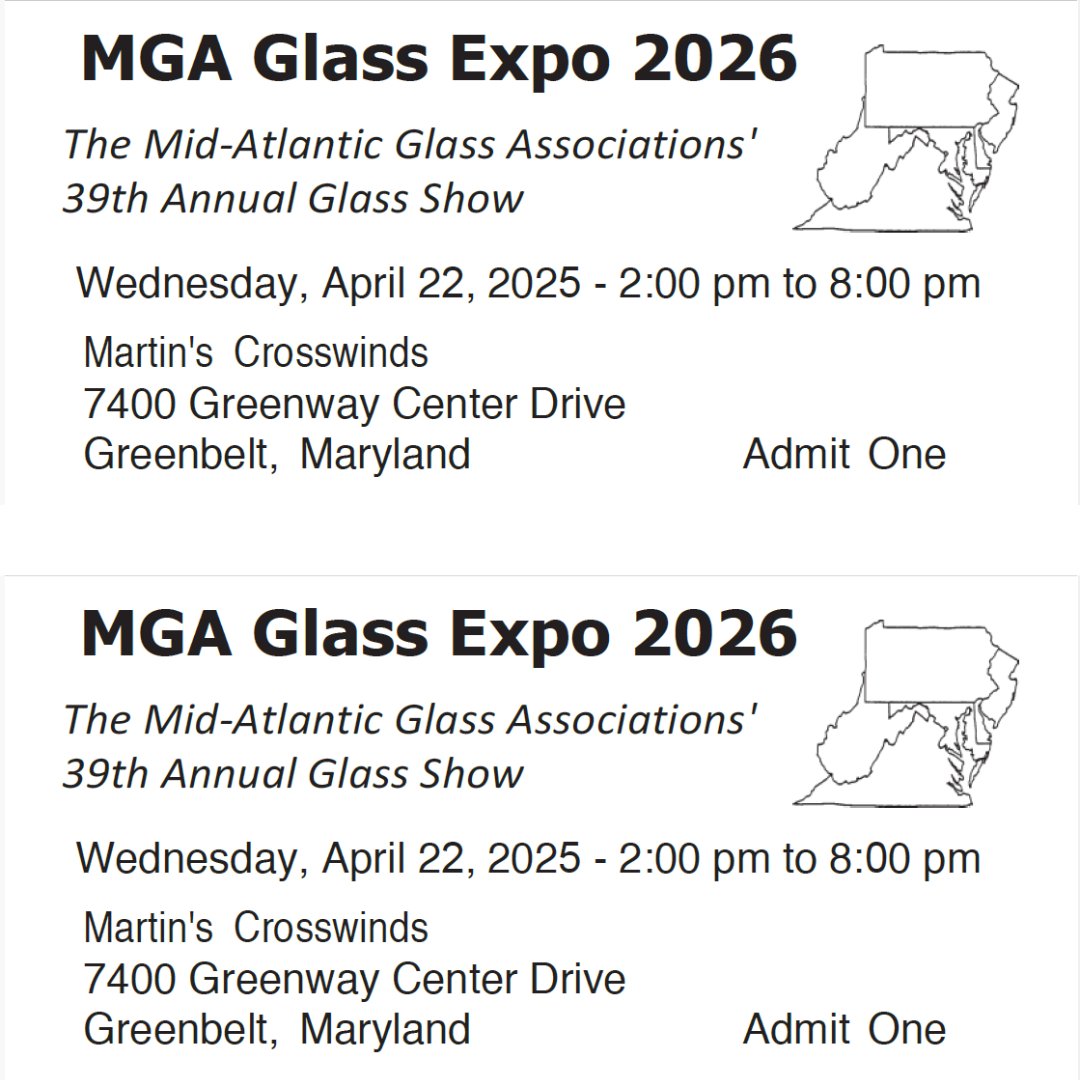
Attending Mid-Atlantic Glass Expo 2026? Download Your Free Guest Pass from GGI
GGI will be participating in Glass Expo 2026, hosted by the Mid-Atlantic Glass Association, on April 22, 2026 in Greenbelt, Maryland.
This annual event brings together glazing contractors, fabricators, suppliers, and other professionals across the Mid-Atlantic region for a full day of education, networking, and product discovery within the architectural glass industry.
GGI looks forward to connecting with the glazing community to discuss fabricated glass solutions—from decorative glass and laminated products to Alice® direct-to-glass printing, Pearl™ satin etched glass, and MAX™ glass marker boards.
Planning to attend?
Save your free guest pass [image] and join us on the show floor.
#GGI #SeeWhatGlassCanDo #GlassExpo #MidAtlanticGlass
24
Mar 18
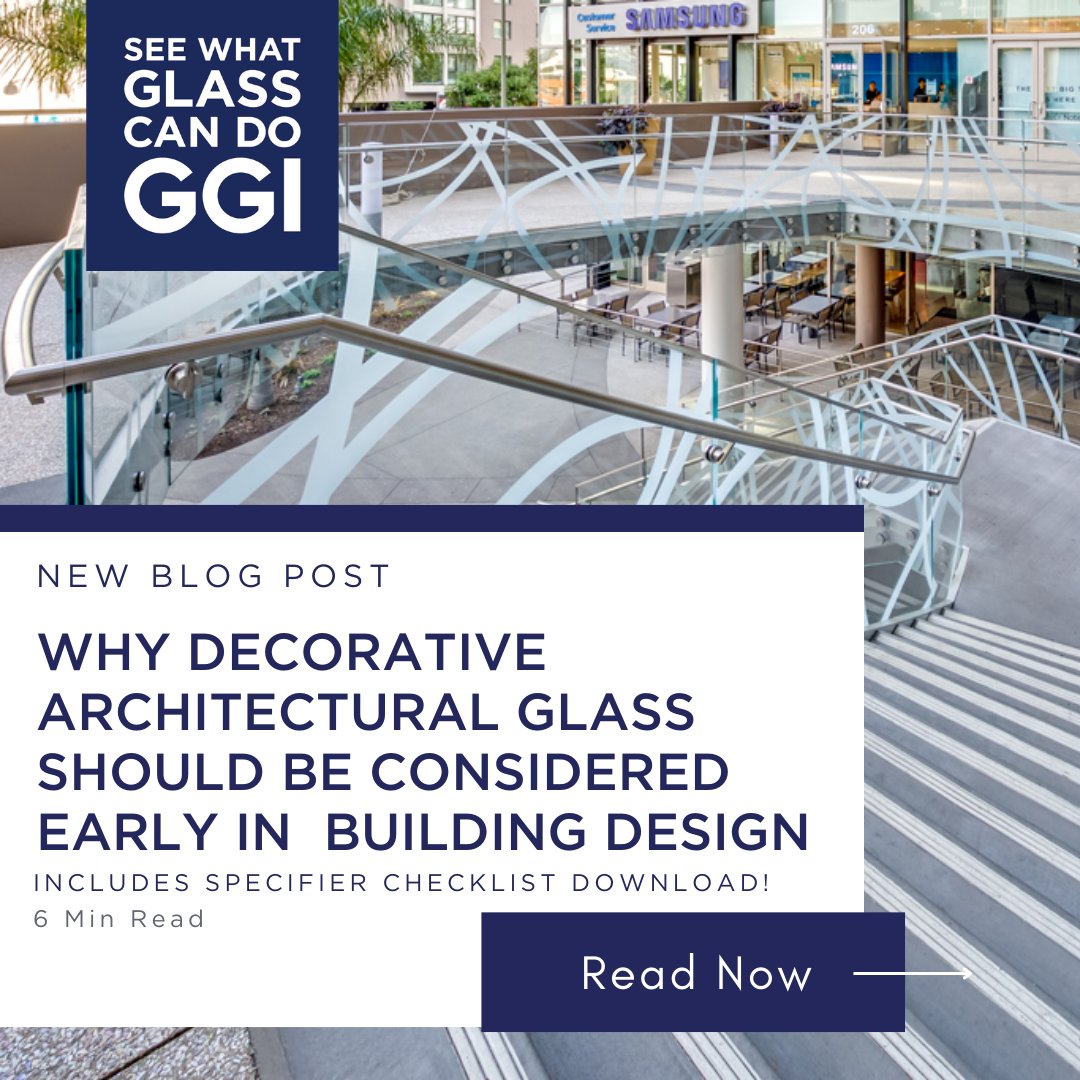
𝗪𝗵𝘆 𝗦𝗵𝗼𝘂𝗹𝗱 𝗗𝗲𝗰𝗼𝗿𝗮𝘁𝗶𝘃𝗲 𝗔𝗿𝗰𝗵𝗶𝘁𝗲𝗰𝘁𝘂𝗿𝗮𝗹 𝗚𝗹𝗮𝘀𝘀 𝗕𝗲 𝗖𝗼𝗻𝘀𝗶𝗱𝗲𝗿𝗲𝗱 𝗘𝗮𝗿𝗹𝘆 𝗶𝗻 𝗕𝘂𝗶𝗹𝗱𝗶𝗻𝗴 𝗗𝗲𝘀𝗶𝗴𝗻?
Decorative architectural glass is often viewed as a finishing element. In reality, it frequently functions as a performance-driven component of the built environment.
When addressed during schematic design, decorative glass systems can support both design intent and building performance.
Architects who evaluate decorative glass early gain greater flexibility in coordinating:
• daylighting strategies
• privacy requirements
• safety glazing compliance
• panel sizing and structural integration
From satin etched and textured patterned glass to digitally printed and laminated decorative glass, today’s architectural glass solutions allow design teams to combine aesthetics with performance.
General Glass International shares insights on why decorative architectural glass should be addressed earlier in the design process.
Read the article: generalglass.com/why-decorat… and make sure to download the Specifier Checklist!
#GGI #SeeWhatGlassCanDo #DecorativeGlass
9
Mar 17
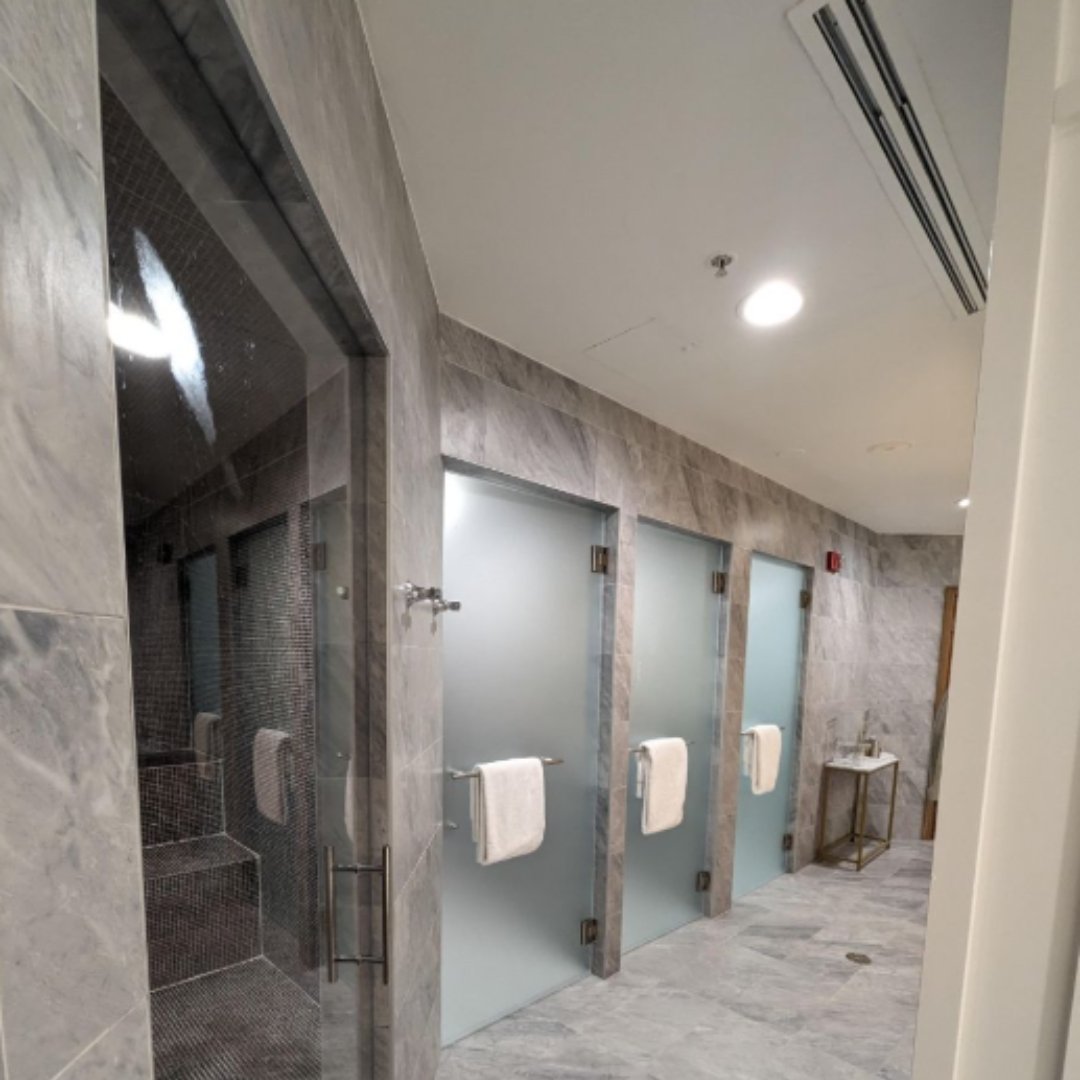
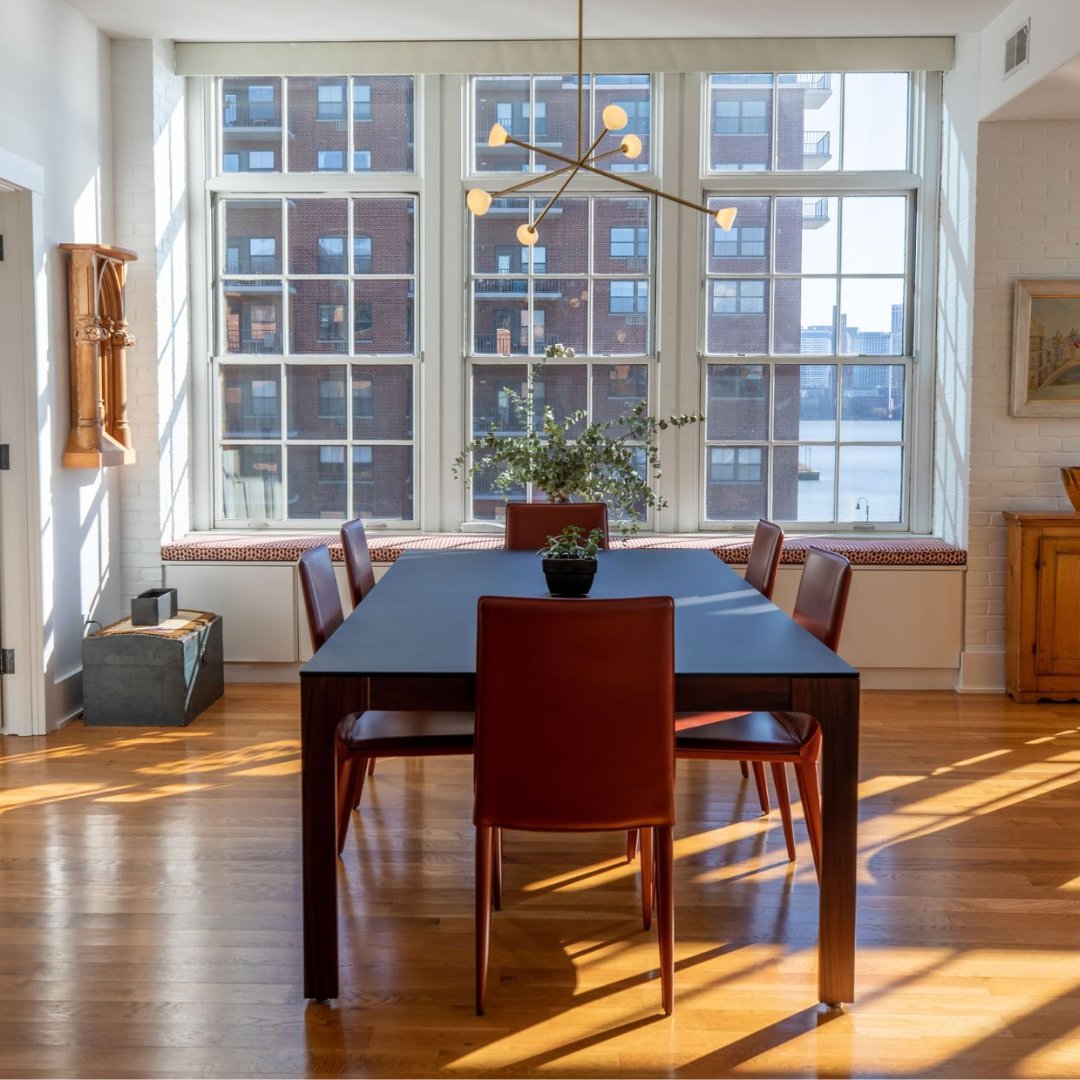
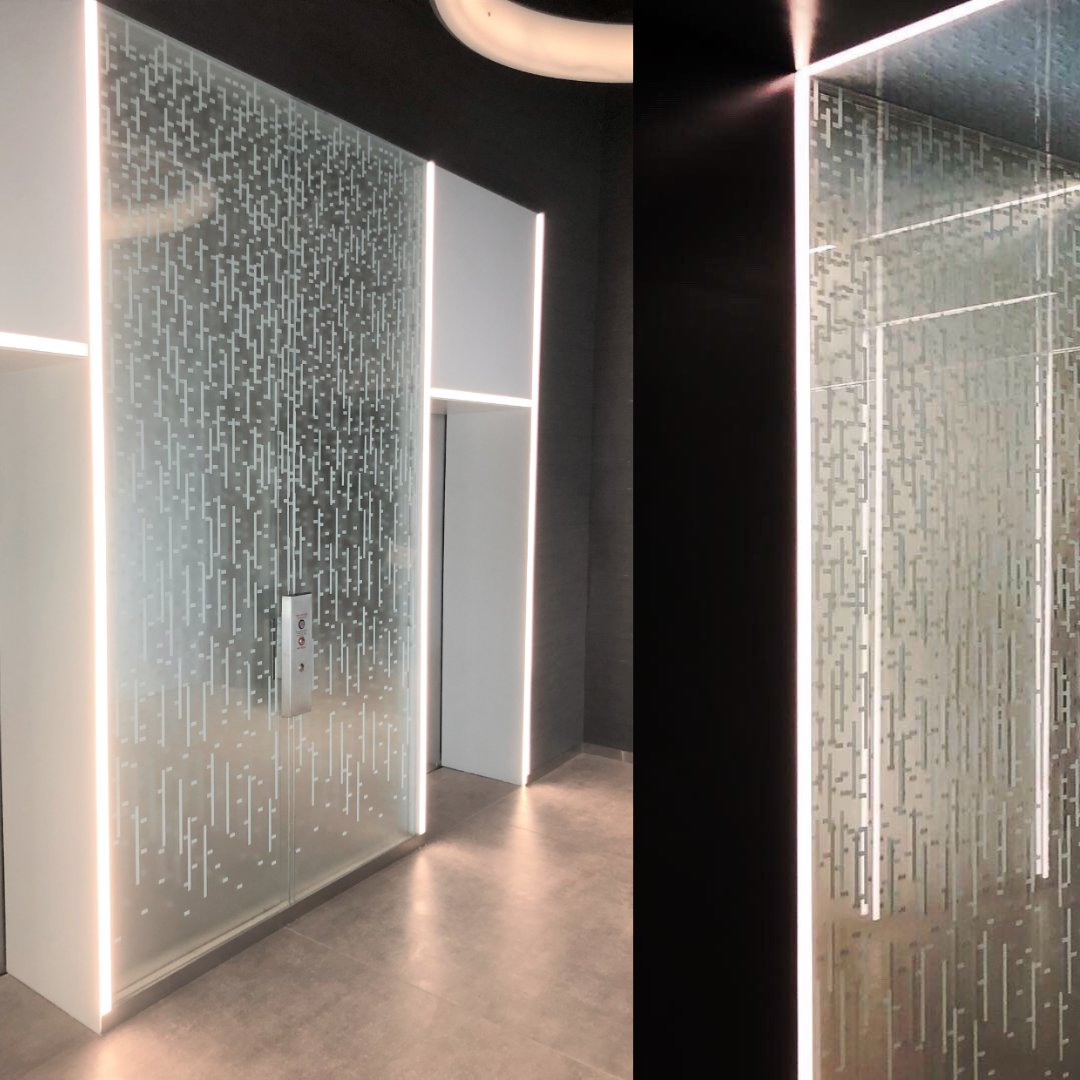
How can satin etched glass deliver privacy without sacrificing light?
Satin etched glass offers consistent opacity and a refined aesthetic, making it a practical solution for glass applications where both privacy and daylight are important.
• Creates visual privacy for offices, healthcare environments, and hospitality interiors
• Maintains daylighting while helping reduce glare
• Compatible with doors, partitions, railings, and wall cladding systems
Sourcing specification-ready materials is also simplified when working with an experienced architectural glass fabricator. GGI supports architects, designers, and glazing contractors with fabrication expertise, samples, and specification resources to help evaluate materials early in the design process.
For projects requiring satin etched surfaces, Pearl™ satin etched glass provides a durable, uniform finish that delivers consistent privacy while maintaining light transmission.
GGI helps contractors increase revenue through custom glass applications that create value add installations.
#GGI #SatinEtchedGlass #DecorativeGlass
24