
Engineering, medicine, and biology group @UDelaware. mechanics of morphogenesis | lung & placental development | maternal-fetal health | regenerative medicine
Joined September 2017
- Tweets 378
- Following 1,024
- Followers 809
- Likes 813
130 Photos and videos








Pinned Tweet

10 Jun 2023
Excited to enter into the AI and machine learning arena! Check out our preprint, led by @Logan_Hallee, showcasing a robust protein-protein interaction (PPI) predictor powered by a large language model. We call it SYNTERACT. biorxiv.org/content/10.1101/…
A thread (1/5)
2
2
18
1,698
Feb 19
We’re excited to share our latest paper! BEADS is a semi-automated workflow for 3D endothelial angiogenesis analysis, designed to streamline image analysis while keeping researchers in control through interactive correction.
sciencedirect.com/science/ar…
2
65
Jan 29
Cells don’t experience mechanical cues one at a time, so neither should our models. Our new, easy-to-use flow chamber reveals synergistic effects of ECM stiffness and shear stress on epithelial cytoskeletal organization.
link.springer.com/article/10…
2
57
5 Dec 2025
Check out our newest preprint where we walk through a workflow for harvesting, sectioning, and staining murine lymph nodes for high-fidelity 3D reconstruction!
biorxiv.org/content/10.1101/…
1
26
14 Nov 2025
Thrilled to share our new paper in Advanced Healthcare Materials!
We developed a modular, reusable, perfusion-ready OOC system that lowers the barrier to entry for microphysiological studies. Excited to see this accessible design enable cool science!
🔗 doi.org/10.1002/adhm.2025022…
2
62
Jason Gleghorn retweeted

24 Oct 2025
Congratulations to the @GleghornLab on this excellent feature! 🎉
Instead of experimenting on animals, Jason Gleghorn's group is using microfluidic systems. Because the platform doesn’t require specialized equipment and is compatible with tools already available in standard biology labs, research teams across four continents are using these chips to study women's health and more.
In Gleghorn's @UDelaware boot camps, researchers will learn how to use these devices and can take the technology back to their own labs.
@UDResearch
Article by @krobUD in @UDaily:
udel.edu/udaily/2025/october…
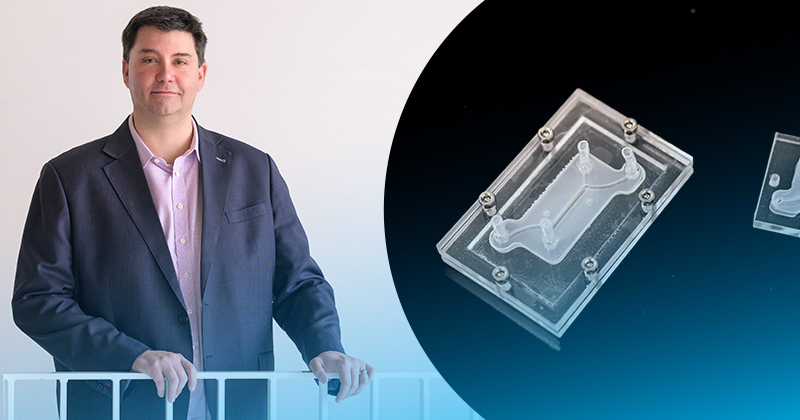
ALT From the linked article, a photo of Jason Gleghorn on the left and images of his microfluidic systems on the right. The caption in the article reads, “University of Delaware biomedical engineer Jason Gleghorn is developing cutting-edge organ-on-a-chip models, little bigger than two postage stamps, that offer a faster, inexpensive way to study disease and develop pharmaceutical targets. As an Innovation Ambassador at UD, Gleghorn is eager to share what he’s learned about invention and entrepreneurship with others.” Credit: UDaily’s Jeffrey C. Chase and Kathy F. Atkinson.
1
1
7
107
31 Jul 2025
A modular microphysiological platform for studying the cervicovaginal epithelium!
We introduce an accessible, PDMS-free organ-on-chip system validated with microbiota, Chlamydia, Gonorrhea, and neutrophils.
📄
#microphysiology #WomensHealth #Organoids #InfectiousDisease
25 Jul 2025

A Microphysiologic Model of the Cervical Epithelium Recapitulates Microbial, Immunologic, and Pathogenic Properties of Sexually ... biorxiv.org/content/10.1101/… #biorxiv_bioeng
2
4
472
24 Jul 2025
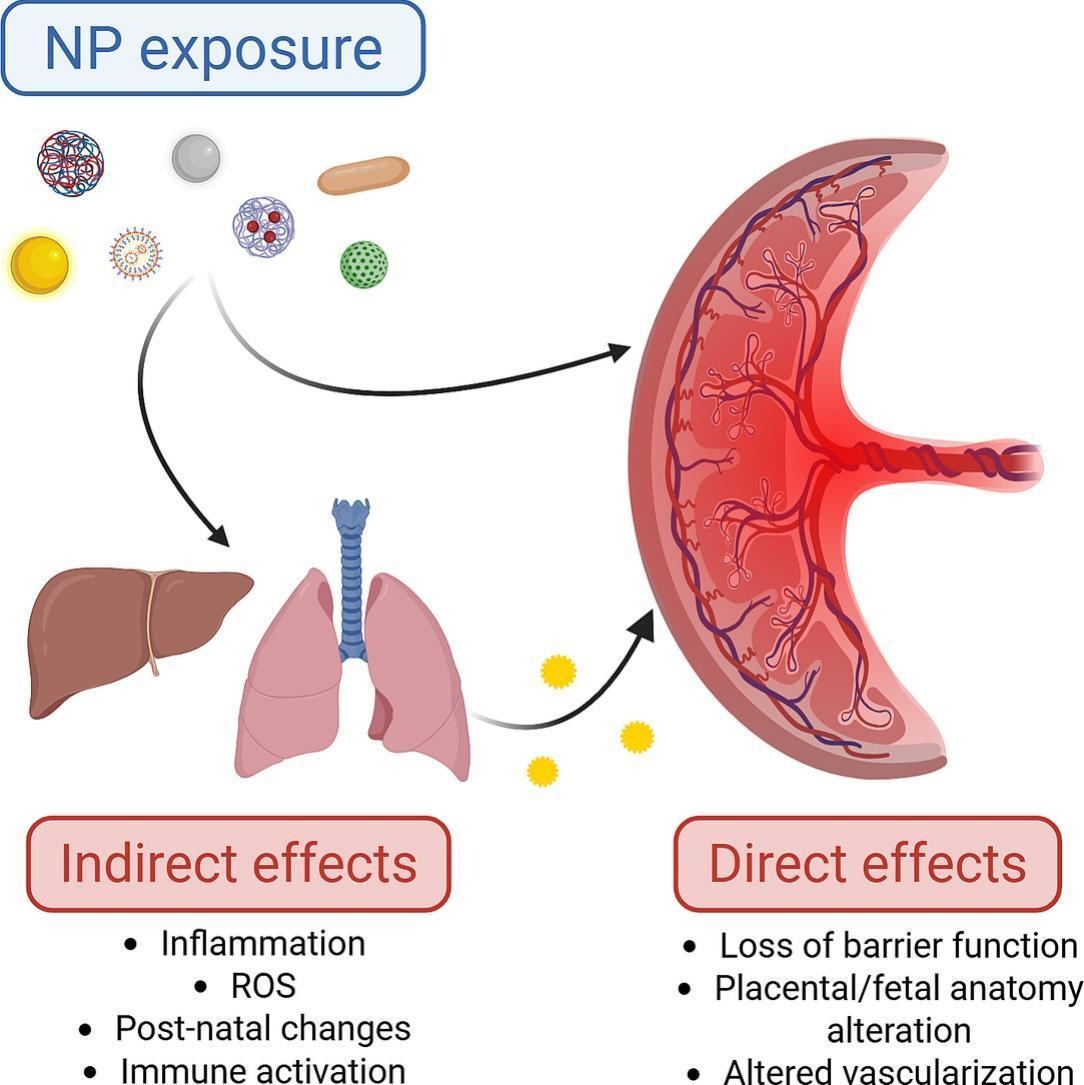
Introducing our latest in @JControlledRel:
We chart a translational roadmap to advance therapeutic nanoparticle safety in pregnancy—leveraging environmental nanotoxicology to study placental and fetal exposure.
#Nanomedicine #MFH #Nanotoxicology
15 Jul 2025

Therapeutic nanoparticle safety in pregnancy: Bridging knowledge gaps with environmental insights and a translational roadmap.
| Jason P. Gleghorn @UDelaware |
[50 days' free access]
#nanoparticle #safety #pregnancy
kwnsfk27.r.eu-west-1.awstrac…
5
243
24 Jul 2025
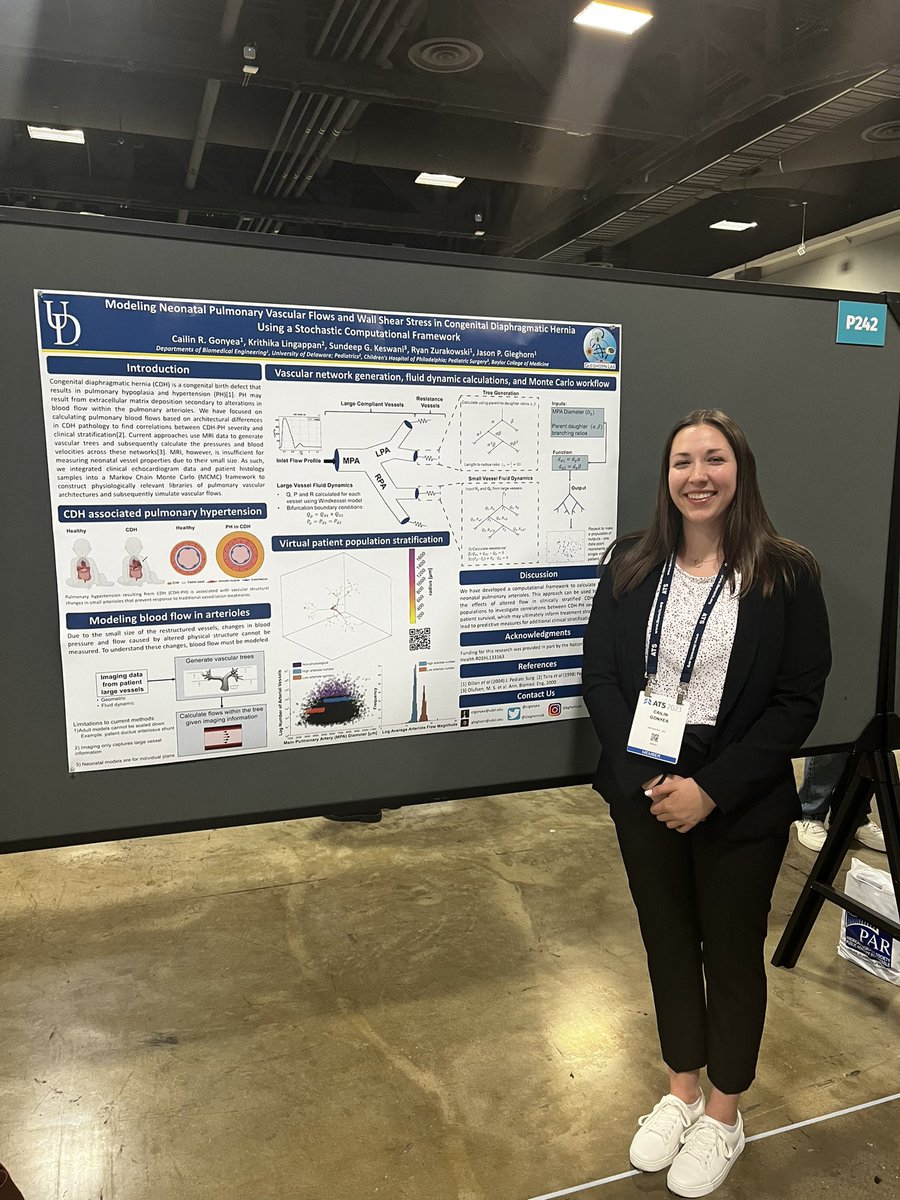
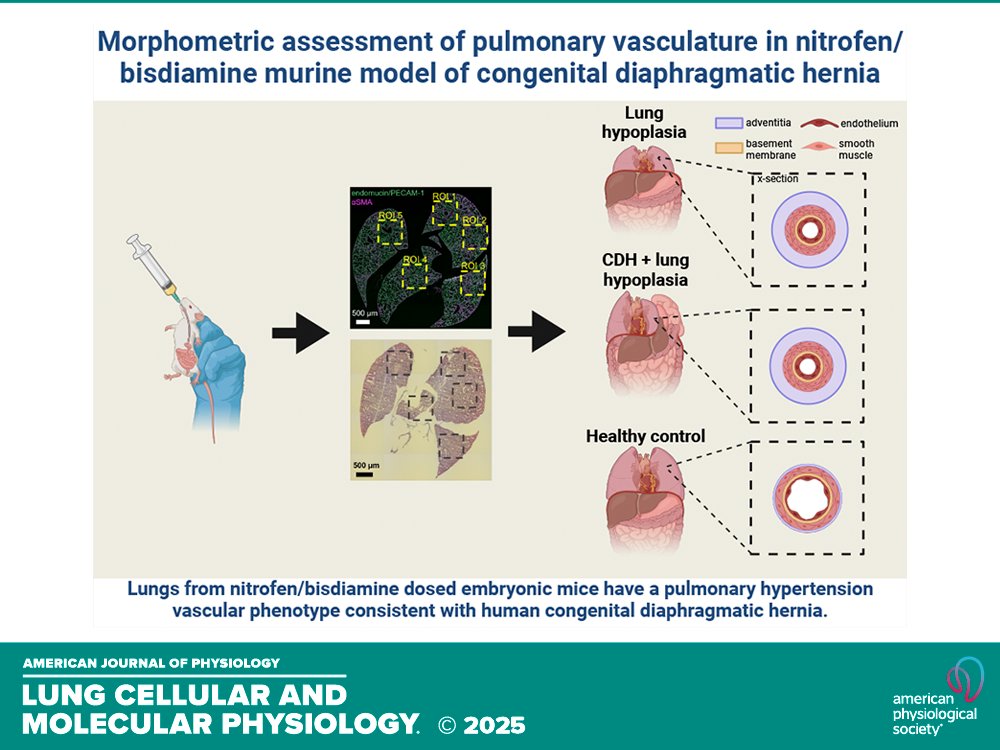
Check out our latest article published in @AJPLung on how the nitrofen/bisdiamine murine model of CDH has a pulmonary hypertension vascular phenotype consistent with human CDH! Excited to share this work by @crgonyea @udbme

By @crgonyea et al. (@GleghornLab @Rach_M_Gilbert @YuanjunS @_KMNelson @OOOLUTOYE) #Nitrofen / #bisdiamine murine model of congenital #diaphragmatichernia has a #pulmonaryhypertension #vascularphenotype consistent with human #CDH
ow.ly/j8t750Wpt9w
8
194
Jason Gleghorn retweeted

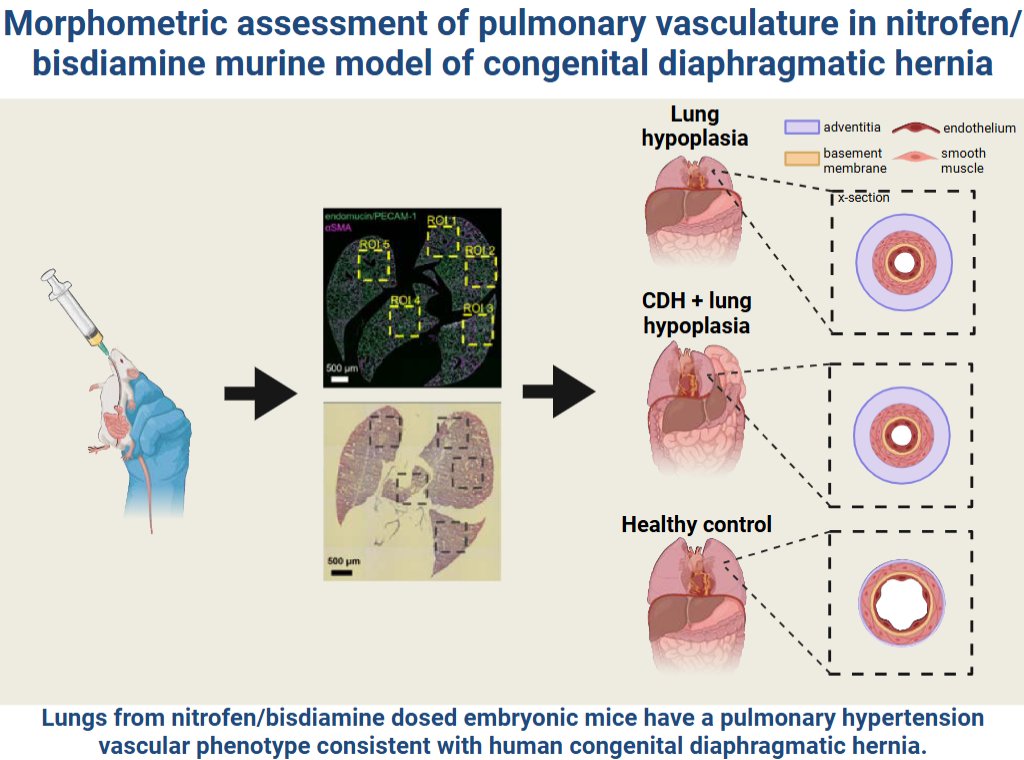
Let's check out this amazing #ArticleinPress from @udbme! The nitrofen/bisdiamine murine model of congenital diaphragmatic #hernia has a pulmonary #hypertension vascular phenotype consistent with human #CDH (Cailin R. Gonyea et al.):
ow.ly/CJQJ50WbyW3
3
4
304
Jason Gleghorn retweeted

25 Apr 2024
A straightforward cell culture insert model to incorporate biochemical and biophysical stromal properties into transplacental transport studies biorxiv.org/cgi/content/shor… #bioRxiv
1
1
2,032
13 Jan 2024
Congratulations to @MDonzanti on successfully defending his dissertation! 🍾🎉 #lymphnode #drugdelivery
1
2
21
1,050
18 Sep 2023
1/6 New preprint alert!🚨
Advancements in protein language models have implications in fundamental biology studies and therapeutic design. @Logan_Hallee's work explores alternate vocabularies beyond amino acids, such as codons and their extended potential. biorxiv.org/content/10.1101/…
1
2
7
711
18 Sep 2023
5/6 Our findings have important implications. This work calls for building a codon-based protein foundation model at a large scale for new SOTA function and structure prediction. Additionally, it is crucial to include high-quality coding region data with repositories like UniProt
1
183
18 Sep 2023
6/6 Curious to learn about MELD, our in-depth analysis, and other exciting findings? Checkout our preprint on bioRxiv: biorxiv.org/content/10.1101/…
1
160
3 Aug 2023
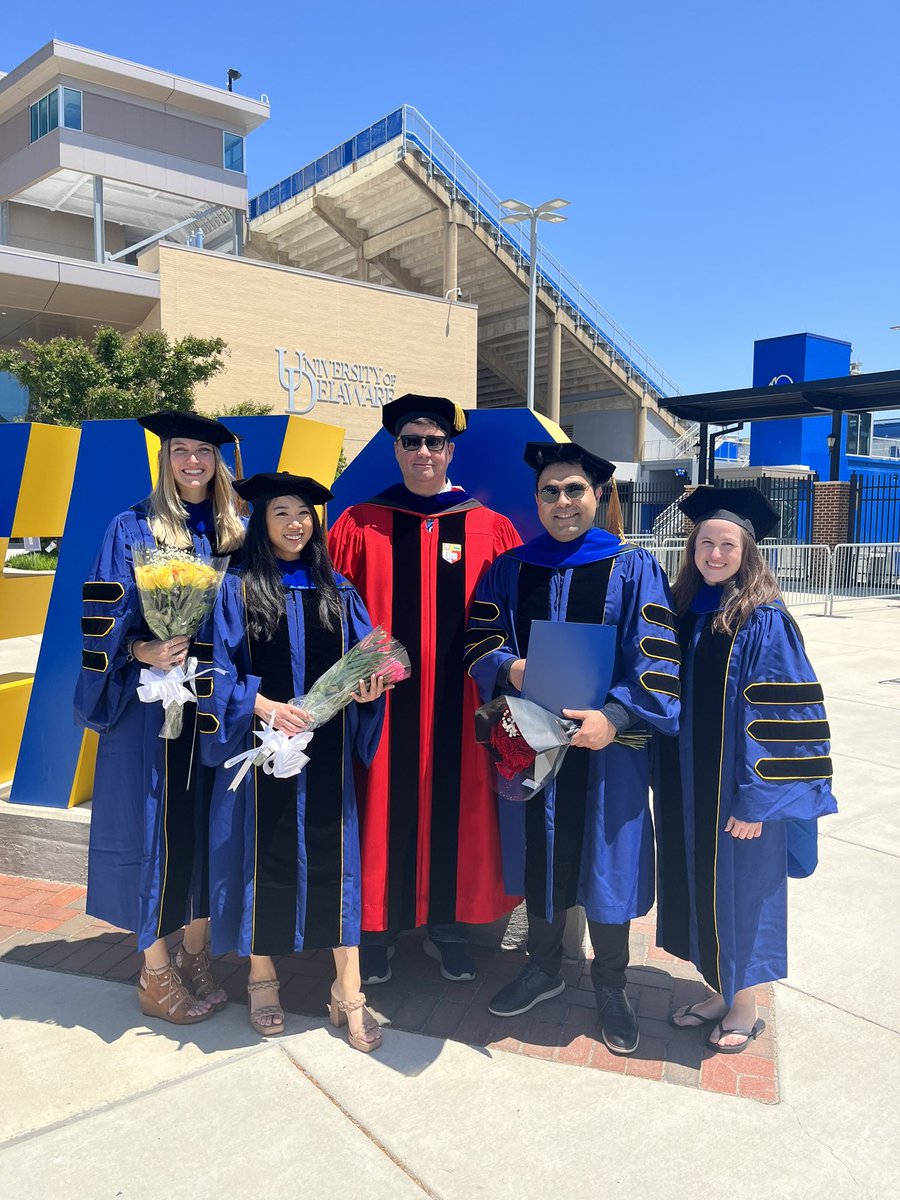
Last one of the season! Congratulations Dr. @ABozorgnezhad for successfully defending your thesis 🎉🎓 #CFD
15
610
14 Jul 2023
Congratulations to Dr.@AllyMDang for successfully defending her PhD! 🎓🎉Well done! #drugdelivery
3
36
1,244
15 Jun 2023
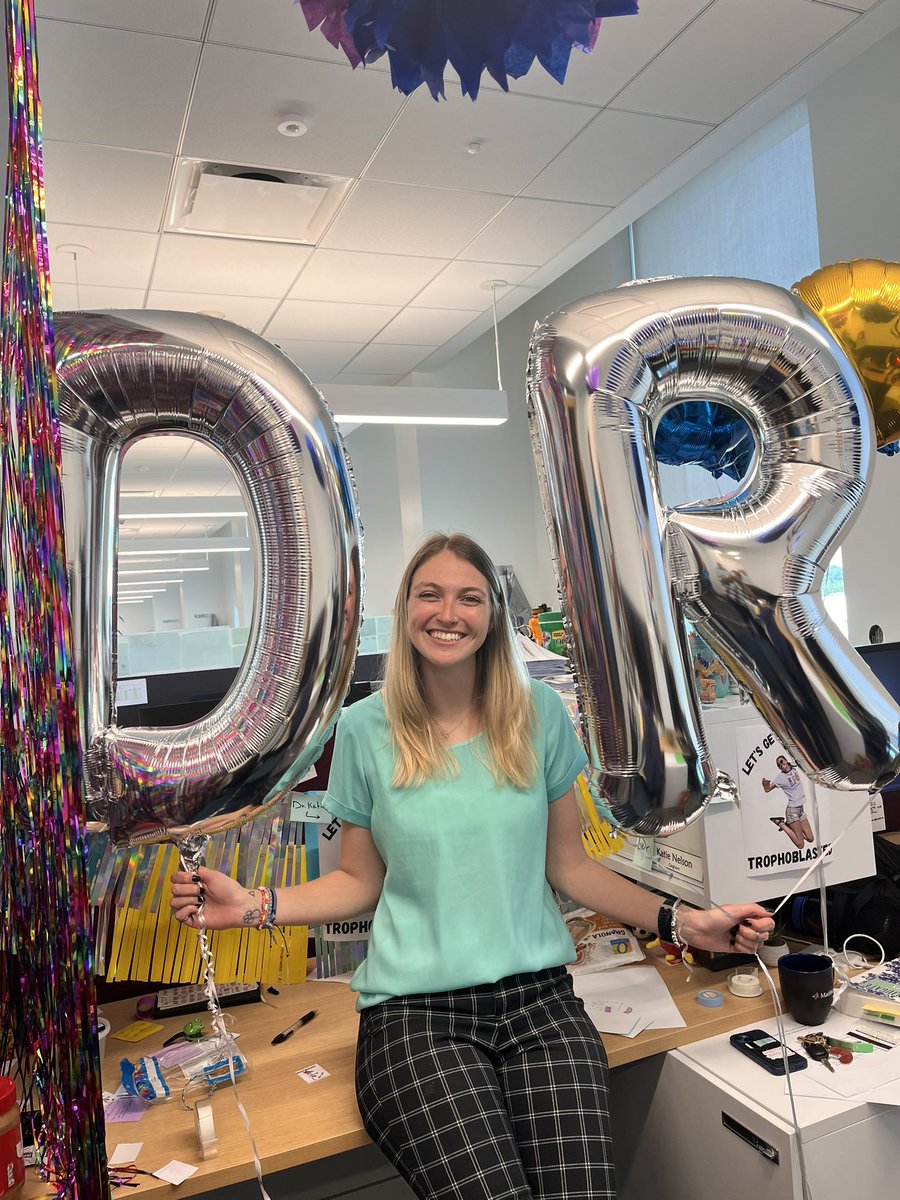
Congratulations to Dr. @piatkovskyi on successfully defending her thesis today! Great work!
1
27
792