Promoting human-relevant research, policies, and funding opportunities. Better for patients, better for animals.

Joined September 2022
1,191 Photos and videos
Wondering why we've been talking so much about the new Research Modernization NOW website? This short video explains its value, and who it’s for. A resource designed for multiple audiences: ✍️ Journalists and authors Reporting on animal testing, non-animal methods, biomedical research, or any of the 15 disease areas covered. It also provides context on recent NIH and FDA developments, oversight systems (including IACUCs), and the implications of the scientific evidence on animal sentience. 🧑‍🎓 Students A reliable starting point for reports, or for building a foundational understanding of these issues. 🧑‍🏫 Educators Content to support teaching on research methods, ethics, and emerging scientific approaches. 🧑‍💼 Policymakers and staff Background research and policy-relevant insights to inform legislative priorities and decisions. 🧑‍⚕️ Healthcare professionals A way to stay current on the scientific and regulatory landscape, and to engage in efforts advancing human‑relevant science. 🐾 Animal advocates Credible, evidence-based information to deepen understanding of animal use in research and testing, and to strengthen advocacy for modern, non-animal approaches. This structured, evidence-based resource is for anyone working at the intersection of science, policy, and ethics, and for those helping drive the transition to human-relevant research. 🎞️ Watch the video to see how it can support your work. youtu.be/wCT9OTnSUk8
3
5
256
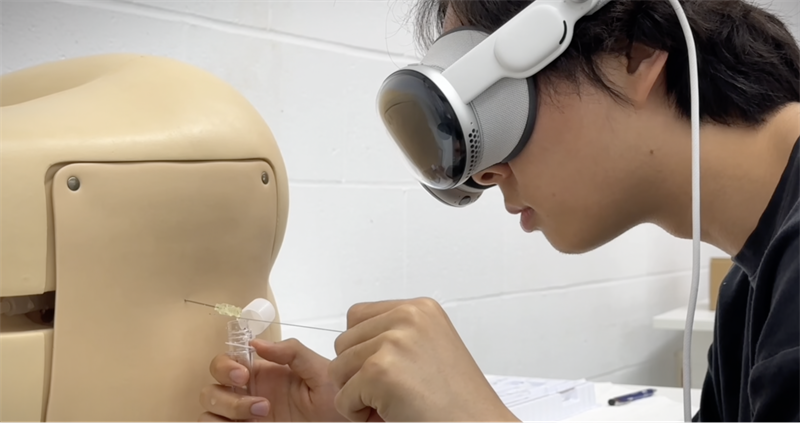
One of the advantages of virtual and mixed reality surgical training over traditional medical teaching approaches is the ability to integrate artificial intelligence. AI-powered simulation platforms can analyze learner performance, provide personalized feedback, adapt scenario difficulty, and generate unlimited opportunities for deliberate practice. A new platform from the @ILLINOISmed, the world's first engineering-based college of medicine, integrates artificial intelligence and machine learning with hands-on simulation. These developing technologies can offer objective assessment, data-driven improvement, individualized coaching, and training environments that become more effective with every learner interaction. CI MED XR Industry Consultant, Duo Wang states that “the AI should adapt its level of guidance based on learner progress, cognitive load, and training moment;” this way, “[e]arly learners can receive structured guidance, while advanced learners can train with minimal interruption — improving scalability without sacrificing educational quality.” Learn more in this article by Beth Hart: medicine.illinois.edu/news/n…
2
23
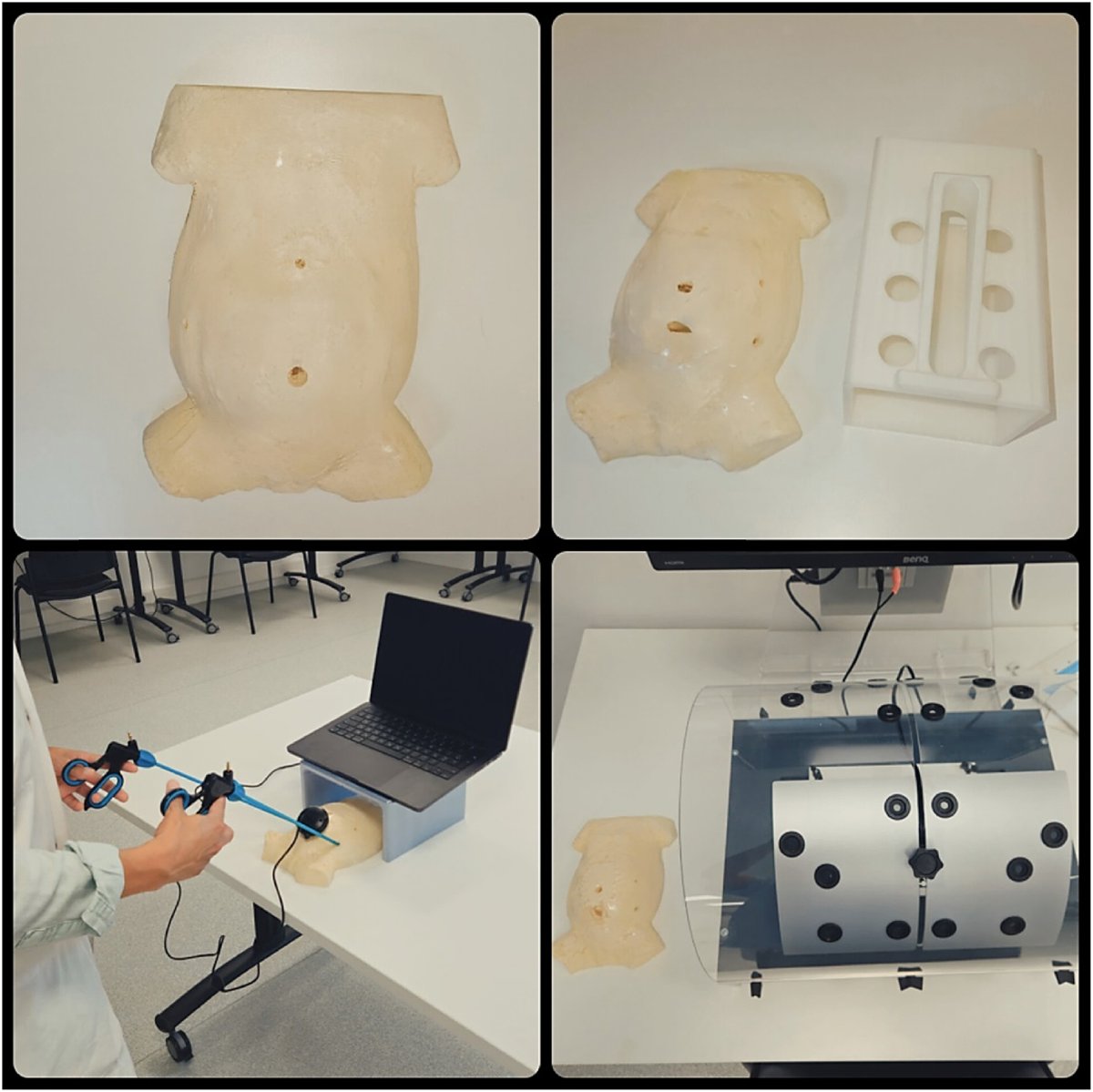
Pediatric surgery researchers at @univrouen have developed the Space Child Neonatal Trainer (SCNT), a fully 3D-printed simulator designed specifically for neonatal laparoscopic surgery. The work addresses one of the most technically challenging areas of surgical training: operating within the very limited anatomical space of a neonate, where tissues are fragile and procedural precision is critical. A preliminary study supports SCNT as a promising educational tool that was well received by pediatric surgery residents and experts for its anatomical realism, mechanical robustness, and relevance to neonatal minimally invasive procedures. SCNT is presented as the first neonatal laparoscopic trainer developed entirely using 3D-printing technologies. It represents a significant step toward personalized, accessible (€10 per unit), and anatomically accurate simulation for the neonatal population. According to the authors, no other laparoscopic simulator has been specifically designed for neonatal surgery or reproduced the anatomical dimensions and operative constraints of the neonatal abdomen. The authors note that: 💡 "[P]racticing directly on patients or animal models is increasingly limited by ethical concerns, logistical barriers, and financial constraints. This emphasizes the need to develop innovative and accessible training alternatives." 👶 "Conventional simulators, including animal models and commercial mannequins, are often limited by high costs, a lack of reproducibility and insufficient anatomical specificity." 🏛️ @CHURouen, @MTC_Rouen, @insarouen, and @CHURennes 📑Read here: jpedsurg.org/article/S0022-3…
2
29
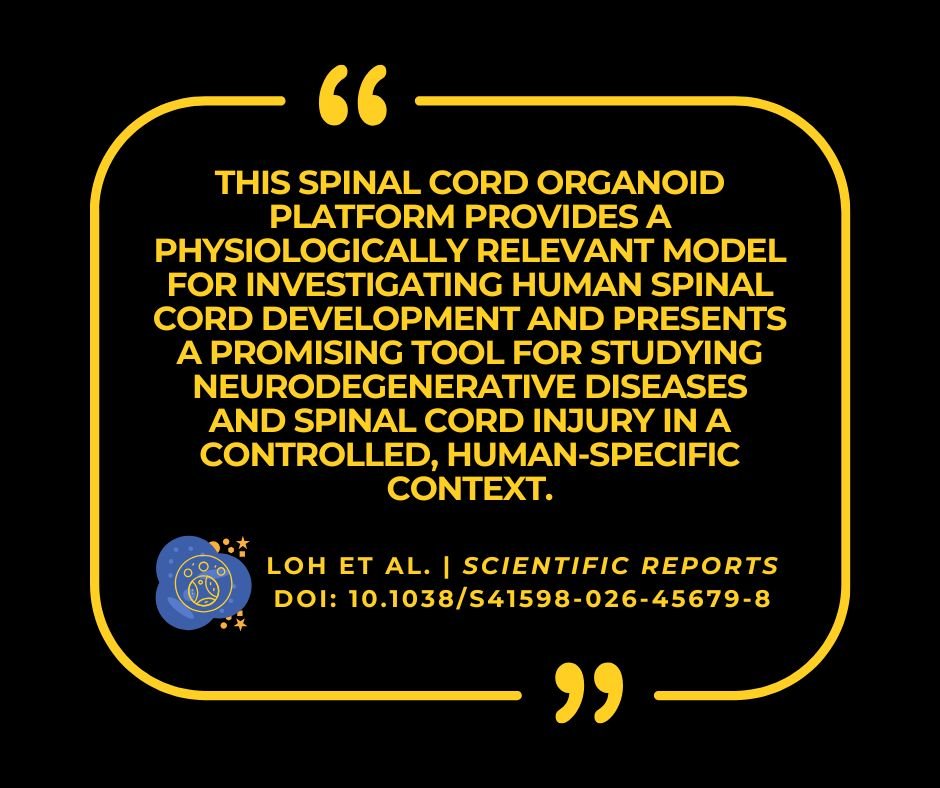
Another day, another human-relevant model for spinal cord research! Researchers developed a protocol for human iPSC-derived spinal cord organoids that recapitulated the cell types found in the ventral spinal cord and formed functionally integrated neural networks. From the authors: “[O]ur 3D organoid system more closely mimics the in vivo spinal cord microenvironment by exhibiting a diverse cellular composition representative of major spinal cord lineages, including neurons, astrocytes, and oligodendrocyte-lineage cells. ... [N]eurons within the organoids display well-defined subtypes, including excitatory, inhibitory, and motor neurons …. This subtype diversity further reflects the recapitulation of in vivo spinal cord cytoarchitecture, enabling the interrogation of cell type-specific mechanisms and enhancing the predictive power for therapeutic screening, particularly in neurodegenerative diseases with known subtype-selective pathology.” 📃The manuscript by Li Jun Loh, Pratibha Panwar, @shazanfar, @KwakuDad, @Forough_HaS, @JoelMasonHJ, @ANeuroExplorer, @turnerMNDlab, and @samkbarton7 is available via @SciReports: nature.com/articles/s41598-0… 🏛️@TheFlorey, @Sydney_Uni’s School of Mathematics and Statistics, @sydneybioinfo, @CPC_usyd, and @CorticalLabs This work was supported by @TheFlorey, @ChanZuckerberg, @arc_gov_au, @rlcmrf, @ACNC_gov_au, and Stafford Fox Medical Research Foundation.
1
3
81
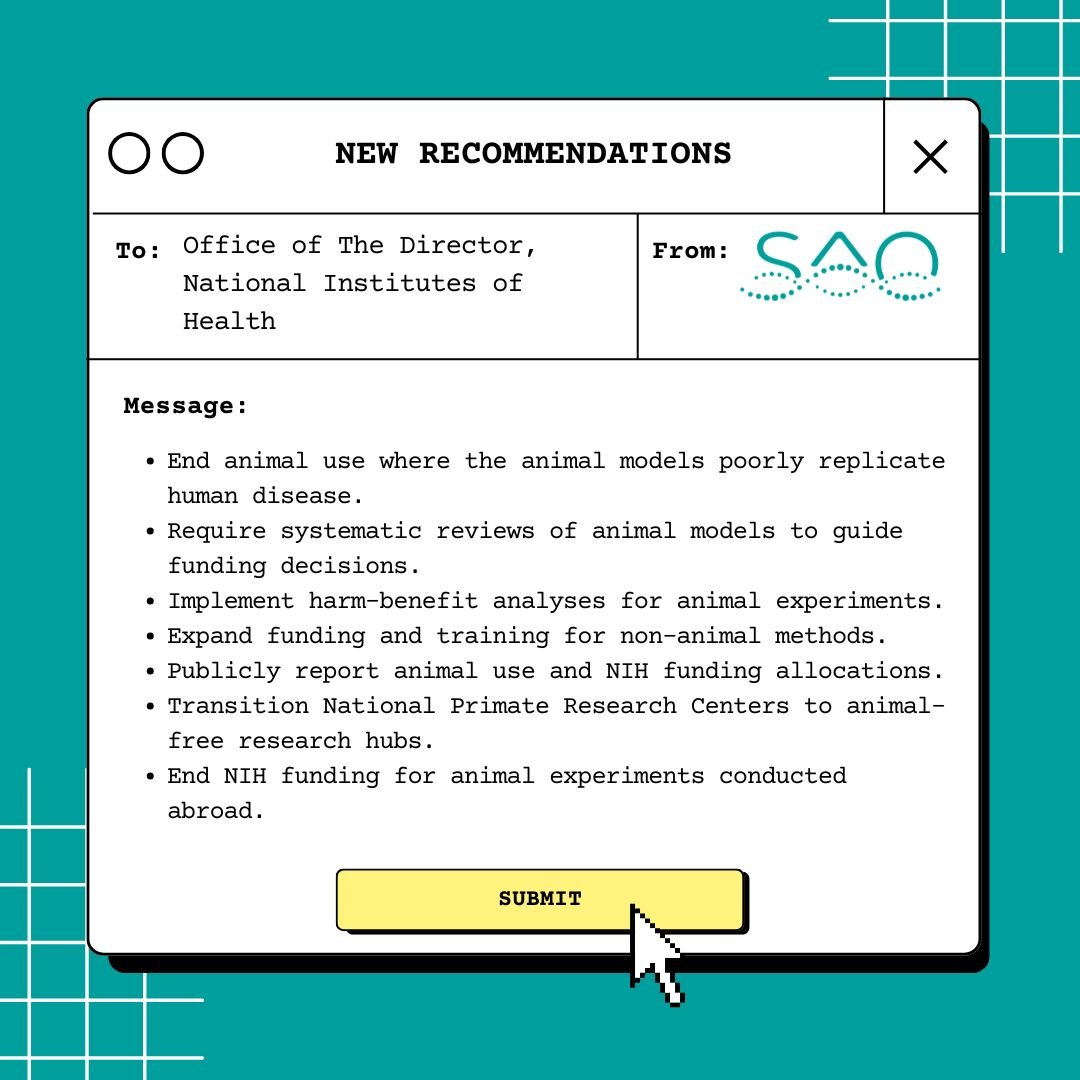
In May, SAO and colleagues submitted recommendations for the @NIH's agency-wide Strategic Plan for Fiscal Years 2027-2031. To improve human health, strengthen public trust in NIH, maintain U.S. leadership in biomedical innovation, and reduce animal suffering, we urged NIH to: ➡️ End the use of animals in research areas where they have been shown to be poor predictors of human outcomes and where reliable human-relevant methods are available.  ➡️ Require systematic reviews of NIH-funded animal models to evaluate NIH's research portfolio and inform funding decisions.  ➡️ Implement transparent harm-benefit analyses, with protections comparable to those used in human subject research, until animal experiments are ended.  ➡️ Expand funding and training opportunities for non-animal methods.  ➡️ Quantitatively track and publicly report both the number of animals used in NIH-supported research and how NIH funding is allocated.  ➡️ Transition all National Primate Research Centers into hubs for animal-free research.  ➡️ End NIH funding for animal experiments conducted at foreign institutions. As always, you can read our recommendations in full on our website: scienceadvancement.org/resou…
1
4
106
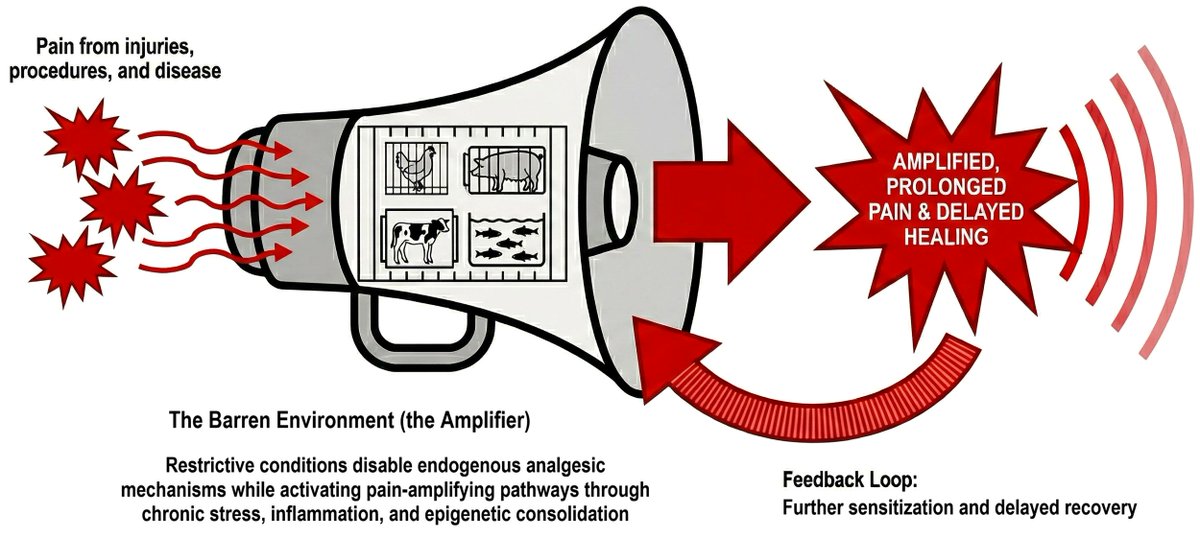
In this review, @CynthiaSchuck and colleagues show that captivity, including in laboratories, amplifies animals’ pain before any procedure is performed. Broadly, their findings challenge the acceptability of barren housing systems ubiquitous in farms, laboratories, and other settings. Key findings: 🔎 Barren housing disrupts animals’ endogenous pain relief processes and even activates brain pathways that intensify pain and slow healing. 🔎 The same intervention causes more intense and prolonged pain in confined environments. 🔎 Welfare assessments treat procedures as isolated events, ignoring that they are layered on top of the pain and suffering inherent in captivity. The authors write that their findings "highlight the need for animal welfare assessment models ... to take environmental modulation of pain explicitly into account," and that, with this knowledge, “the transition to higher welfare housing systems becomes an ethical and scientific imperative.” Current oversight frameworks only assess the harms of specific procedures, while ignoring a primary determinant of welfare: captivity itself. This creates a systematically underestimated burden of suffering, in which experiments are conducted at an already elevated baseline. As a result, these existing frameworks fail to capture the true intensity and duration of pain and suffering that animals experience. This work also calls into question human pain research conducted on animals, as “pain models built on barren laboratory housing may not accurately reflect drug efficacy or clinical relevance.” Animals used in experiments are not studied under biologically neutral conditions. As shown here, they are confined in environments that intensify pain, alter physiological responses, and impair recovery. As a result, data generated under these conditions are inherently confounded by captivity itself, further undermining their reliability and relevance to human health. This should serve as another clear signal to move away from attempting to study human biology in other species. At a minimum, the effects of confinement should be incorporated into animal welfare oversight and scientific peer review. 👥 @CynthiaSchuck, @WladimirJAlonso, @Kate_Hartcher, @ChiangChiawen, Patricia Alves Pereira, @wrwveit, Michael Mendi, Christine Nicol, and @b_lecorps 🏛️ @WelfareFootpr, @NYUEnvrStudies, @UOC_gr's Department of Biology, @Rdg_Philosophy, @BristolUni Veterinary School, and @RoyalVetCollege's Department of Pathobiology and Population Sciences. 📑 Read the full article in @FrontAnimalSci: doi.org/10.3389/fanim.2026.1…
4
8
203
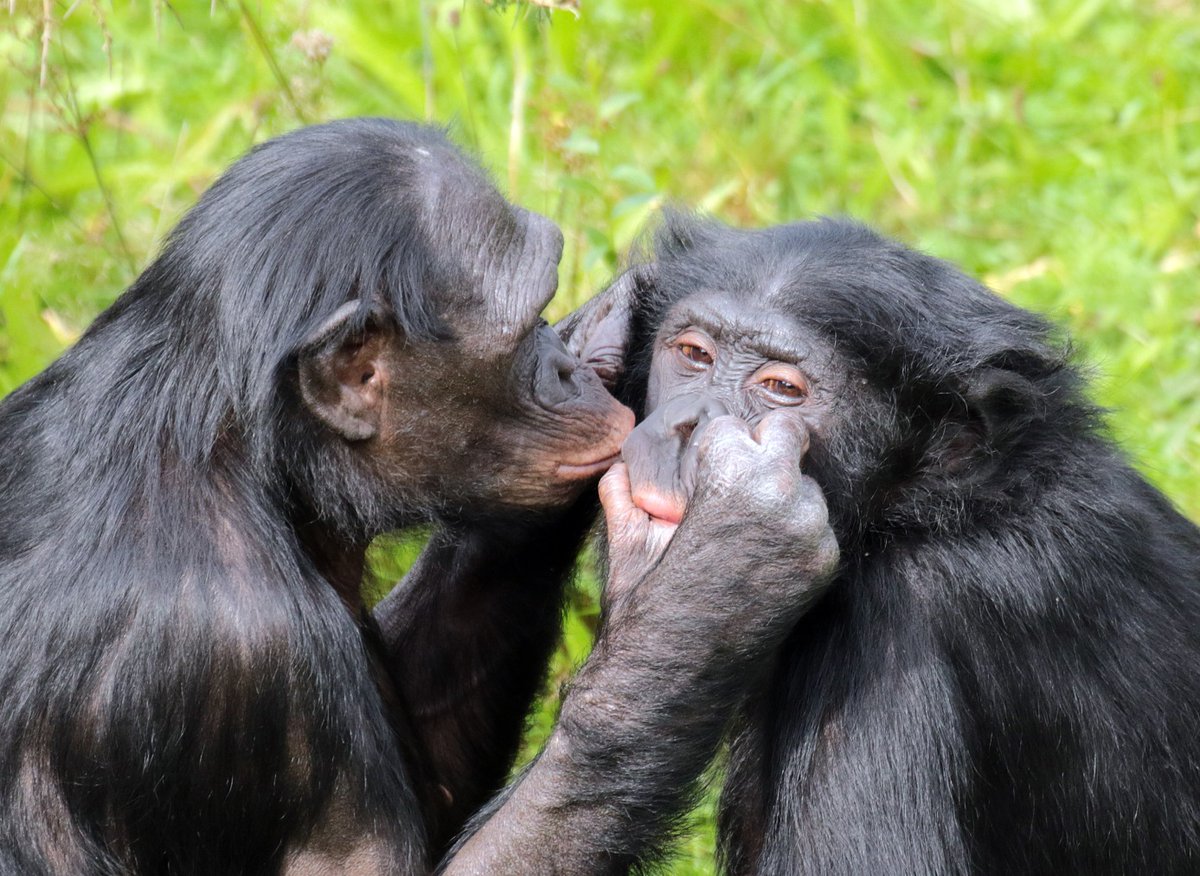
In this piece, Professor @MariskaKret from @LeidenPsy at @UniLeiden challenges the assumption that humans occupy a higher emotional category than other animals. Biology does not support human exceptionalism. Fear, attachment, stress, and social responsiveness, for example, are traits shared by many species and are not uniquely human as previously believed. When these shared emotions are acknowledged, so too is the fact that animals’ experiences carry equal moral weight, collapsing the hierarchy used to justify their harm. 👉 Read here in @_knaw: knaw.nl/nieuws/hoogleraar-kr…
3
40
In a study published last month, @WesamElbaroni and colleagues evaluated a 3D-printed ileal conduit simulator for training in conduitoscopy, a technically demanding urologic procedure with limited opportunities for structured training. Among both urology trainees and attendings, the simulator improved theoretical knowledge and received strong endorsement for its realism and educational value. Participants supported its integration into structured endourology training programs. As simulation technologies continue to advance, procedure-specific 3D-printed models are helping expand access to realistic, reproducible training opportunities in highly specialized areas of medicine. 👥 @WesamElbaroni, Calum Clark, @EndoLuminalEndo, @lithohlr, @dhaval_bodiwala, @jake_p76, @vishhanchanale, & William James Gladstone Finch 🏛️ @GSTTnhs, @uclh, @nottmhospitals, Royal Hallamshire Hospital, Norfolk and Norwich University Hospitals NHS Foundation Trust, @nhsUHLG, & @LeedsNhs Read here: journals.sagepub.com/doi/10.…
3
60
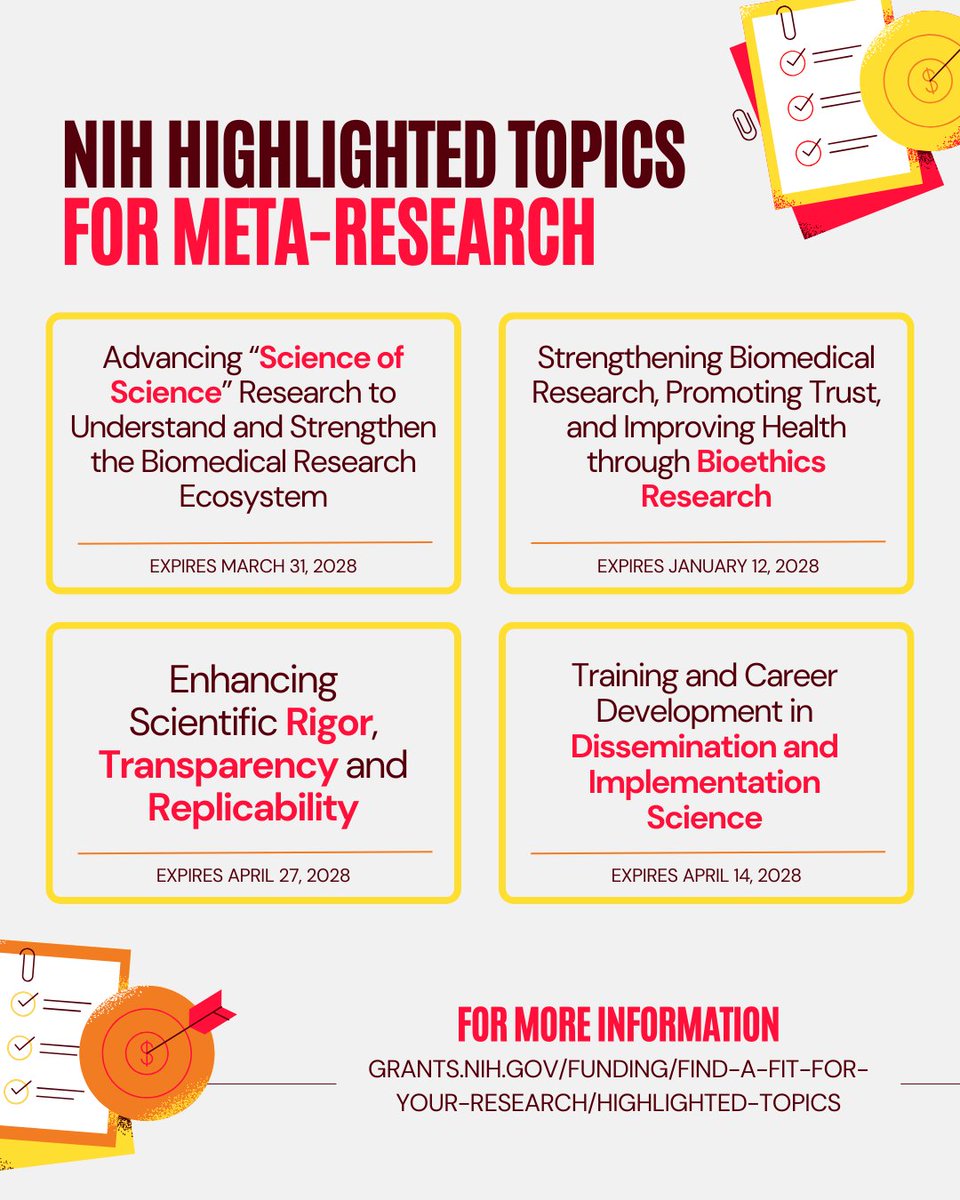
📣 @NIH has multiple new “Highlighted Topics” for researchers or groups interested in #MetaResearch / #ScienceOfScience ⤵️ 🟨 Advancing “Science of Science” Research to Understand and Strengthen the Biomedical Research Ecosystem: The structure of the biomedical research ecosystem determines which questions are pursued, which methods are rewarded, and whether findings impact human health. This topic prioritizes research that evaluates and redesigns funding models, workforce structures, and institutional incentives to produce reproducible, human-relevant evidence and improve translation. grants.nih.gov/funding/find-… 🟨 Strengthening Biomedical Research, Promoting Trust, and Improving Health through Bioethics Research: Bioethics considerations are "critical to promote participant autonomy, sustain community engagement, and build trust in science. Research informed by bioethics considerations also strengthens science so that research generates evidence-based products that communities will adopt more readily." Some interests include return of research results and emerging technologies. grants.nih.gov/funding/find-… 🟨 Enhancing Scientific Rigor, Transparency, and Replicability: Biomedical findings are only as reliable as the rigor of their design, reporting, and reproducibility. High-priority areas include developing new tools and methods, shifting scientific norms, and organizing new scientific forums. grants.nih.gov/funding/find-… 🟨 Training and Career Development in Dissemination and Implementation Science: Evidence-based innovations do not improve health unless they are adopted and sustained in real-world settings. This topic builds workforce capacity in dissemination and implementation science to ensure research is designed, evaluated, and delivered in ways that achieve measurable impact in clinical and community populations. grants.nih.gov/funding/find-… Note: “Highlighted Topics” are not funding opportunities. They define priority areas across NIH Institutes, Centers, and Offices. For active NOFOs, check grants.gov. #Bioethics #Reproducibility #ResearchOnResearch #MetaScience #NIH #NIHFunding #Implementation
1
4
66
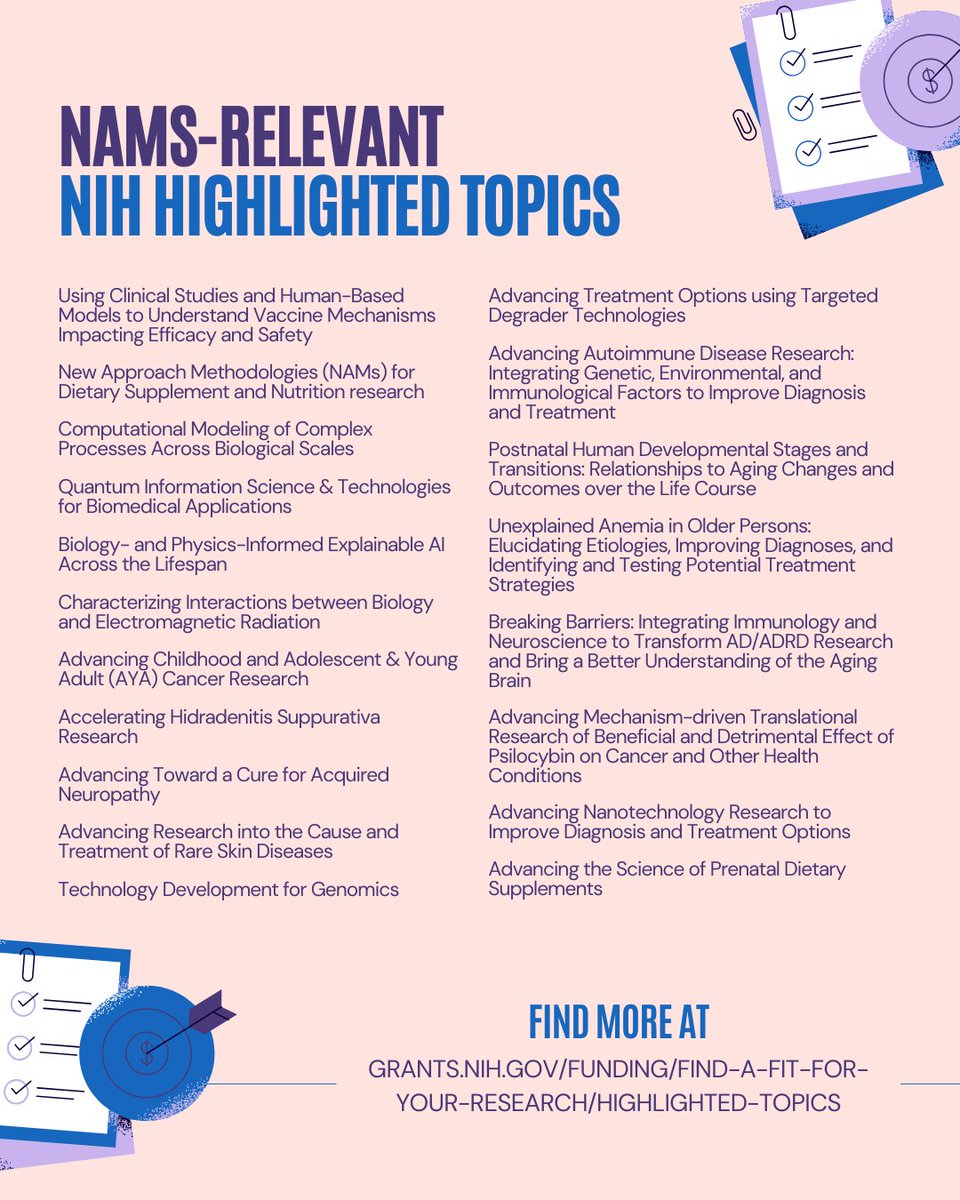
📣 @NIH has published multiple new “Highlighted Topics” that explicitly encourage the use of non-animal methods (NAMs). All of the topics shown in the graphic were released in the past four months. Each calls for approaches using human-specific technologies and human-relevant platforms. Full details for each topic: grants.nih.gov/funding/find-… These topics expire between August 29, 2027 and June 2, 2028. “Highlighted Topics” are not funding opportunities. They define priority areas across NIH Institutes, Centers, and Offices. For active NOFOs, check grants.gov. We will also be sharing specific NAM-relevant NOFOs in the coming weeks! #NIHFunding #NIH
1
7
80
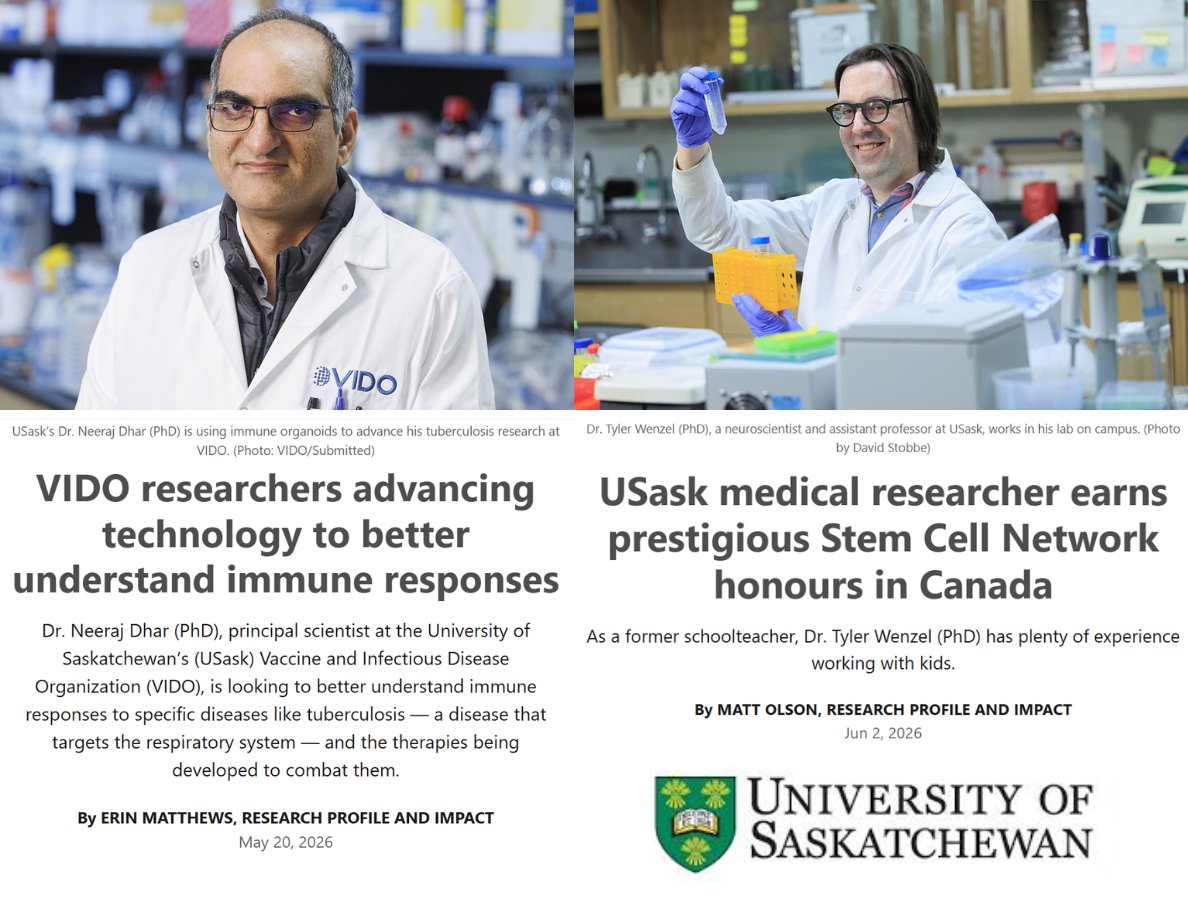
🥇 Two University of Saskatchewan (@usask) scientists are being recognized for their human organoid research. Dr. @TylerJWenzel received a @StemCellNetwork Rising Star Award for his work using stem cell-derived brain organoids to study pediatric neurological disease and develop safer treatment strategies for children. Dr. Neeraj Dhar received support from @TIPS_SPIIE's New Frontiers in Research Fund for his lab’s development of immune organoids to study infectious disease and evaluate therapies directly in human tissue. Wenzel’s work at @USaskMed focuses on pediatric neurological conditions, where treatments remain limited and often carry significant risk. His lab generates human brain organoids from stem cells, allowing interventions to be tested in the exact human cell types affected in children. As he told @mattolsonSK: “How can we study human disease, if we’re not using human tissue? With these stem cells, we basically have an unlimited supply of human tissue, which means we can have a system where we can focus on the human aspects of disease and treatment.” news.usask.ca/articles/resea… Dhar’s work addresses a similar challenge in infectious disease. His lab at @VIDOInterVac is building immune organoids that replicate both tissue architecture and immune response, enabling evaluation of vaccines and antibiotics in human-relevant systems. As he explained to Erin Matthews: “The difference in physiologies between animals and humans often leads to a disconnect, which means some new treatments or products fall out of the pipeline because they end up not being as effective. The organoid behaves like the organ down to its cellular structure, so it allows us to test our therapeutics in a more meaningful model.” news.usask.ca/articles/resea… #USask @USaskResearch #USaskResearch #organoids
2
3
74
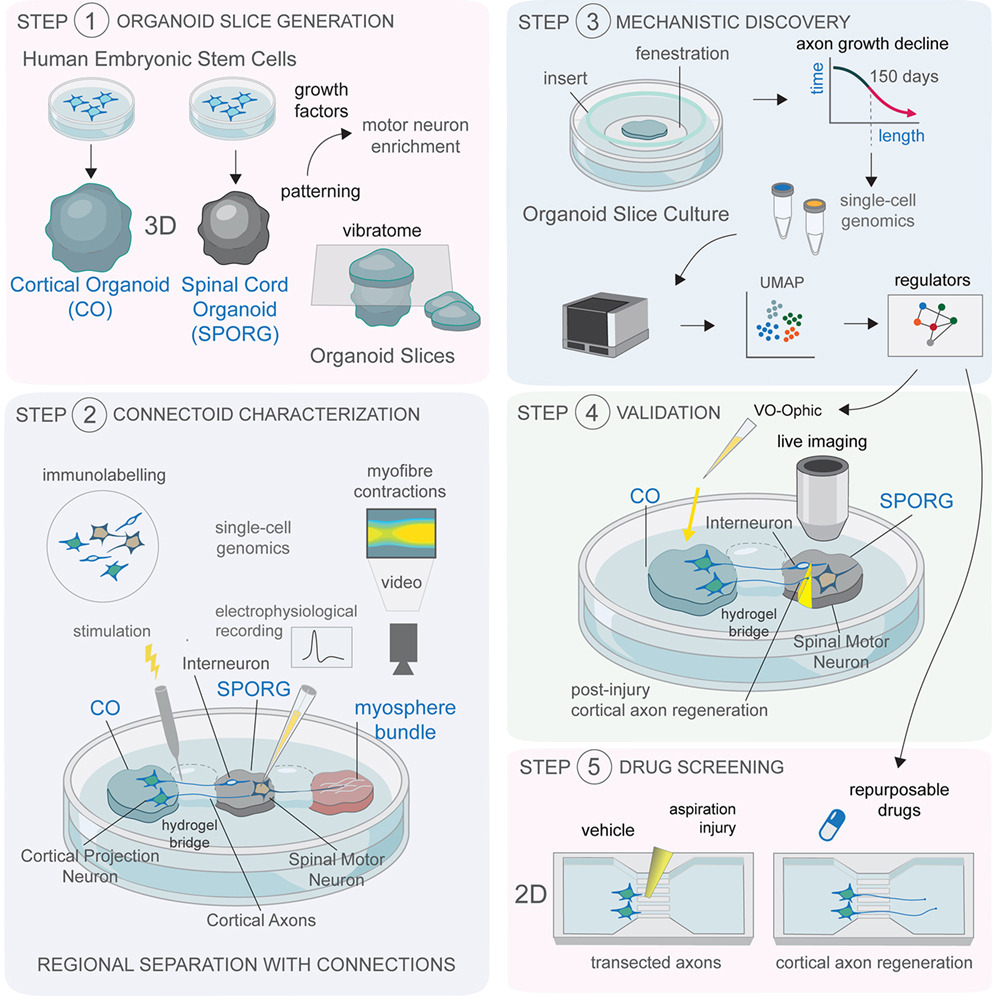
🌟 @Cambridge_Uni scientists just achieved a major breakthrough in spinal cord injury research—and they did it using human-based technologies. @GibbStem et al. built a human corticospinal circuit in vitro, connecting cortical and spinal organoids so that axons grow, form synapses, and even drive muscle contraction. Their novel model captures the biology of human movement on the benchtop. We know that, as we age, we lose the ability to grow axons in the central nervous system. However: “Much of what we know about nerve regeneration comes from rodents, whose neurons behave differently from human neurons,” said Associate Professor András Lakatos MD PhD FRCP (@LakatosLab). cam.ac.uk/research/news/lab-… Using human cells, single-cell transcriptomics, and computational analyses, the team was able to answer a question that experiments on animals could not: How does the developmental shutdown of axon regrowth occur in humans, and can it be reversed? By pinpointing the gene network that switches regrowth off as axons age, they identified existing drugs that could block it, restoring the ability of human axons to repair and regrow. This powerful study brings together human genetics, development, injury, and repair in a single system. It shows that, when studied in the right human-relevant platform, a form of nerve damage long considered ‘irreversible’ may not be. Huge congrats to Gibbons, Lakatos, and co-authors, including @TanjaFuchsberg1, @MaiAbdel1230, @StefanoGiando, @NelliSzebenyi, @ves_petrova, @lea_md_wenger, @Navinster, @JJChabros, and @mad_lancaster. 📖 @CellReports: doi.org/10.1016/j.celrep.202… 🏛️ @BrainRepair_VGB, @CamNeuro, @PDN_Cambridge, @The_MRC, @BWHNeurology, and @SCICambridge This work was funded by @UKRI_News and @SpinalResearch.
2
5
331
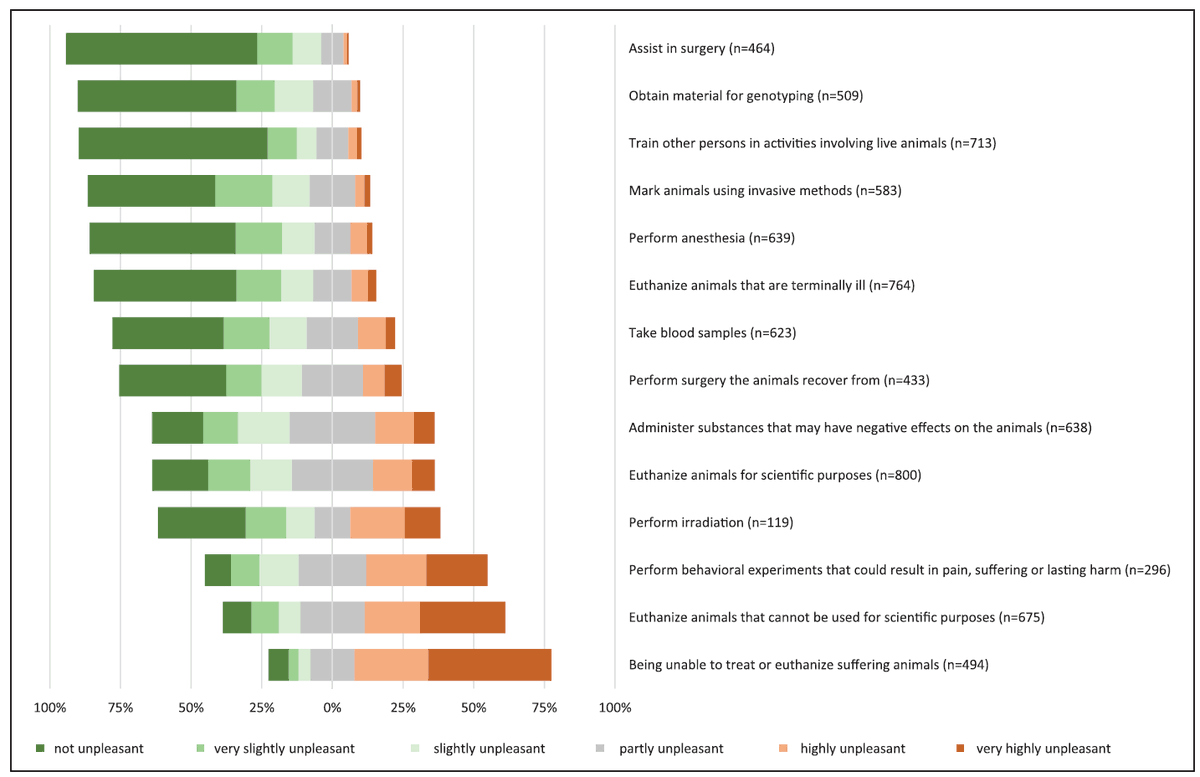
More than 60% of laboratory animal professionals meet criteria for psychological strain. A new paper published in @Sage_Publishing's Laboratory Animal Journal (LAJ) described the results of a 2023 survey of 932 laboratory animal professionals across Germany, Austria, and Switzerland. It provided quantitative evidence that laboratory environments impose sustained psychological harm not only on the animals subjected to experimental procedures, but also on the people who work within them. Key findings: 🥼 Over 60% of survey respondents scored above the threshold for mental health risk. 💀 Euthanasia of surplus animals, working with visibly suffering animals, and performing harmful procedures are among the most distressing duties. 👩‍🔬 The inability to alleviate animal suffering due to experimental requirements creates sustained ethical tension. 🧑‍🔬 Work–life conflict, emotional suppression, and low decision-making power explain as much—or more—strain than animal-specific tasks. 🐭 Personnel directly responsible for daily animal care show higher strain, likely because they have more exposure to animals whose welfare they cannot fully protect. 🛑 Professional norms discourage expression of empathy or distress. 🤕 Early-career staff and those with less autonomy face greater mental health risks. 📢 Even with refinement efforts, harmful procedures and distress remain inherent to the work. Laboratories that use animals create a workplace where psychological strain is widespread and persistent. Distress arises from both direct involvement in animal suffering and structural conditions that prevent workers from acting in the animals’ interests or speaking about their concerns. Laboratory workers do not dictate or control what happens to animals in laboratories, but their participation is required to sustain it. This system is harmful and deadly for animals, and psychologically damaging to the humans working within it. 👥 Sonja Rumpel, Regina Kempen, Roswitha Merle, and Christa Thöne-Reineke. 🏛️ @FU_Berlin's Institute of Animal Welfare, Animal Behavior and Laboratory Animal Science, and University of Applied Sciences Aalen's Department of Business Psychology. 👉 Read here: doi.org/10.1177/002367722614…
2
4
105
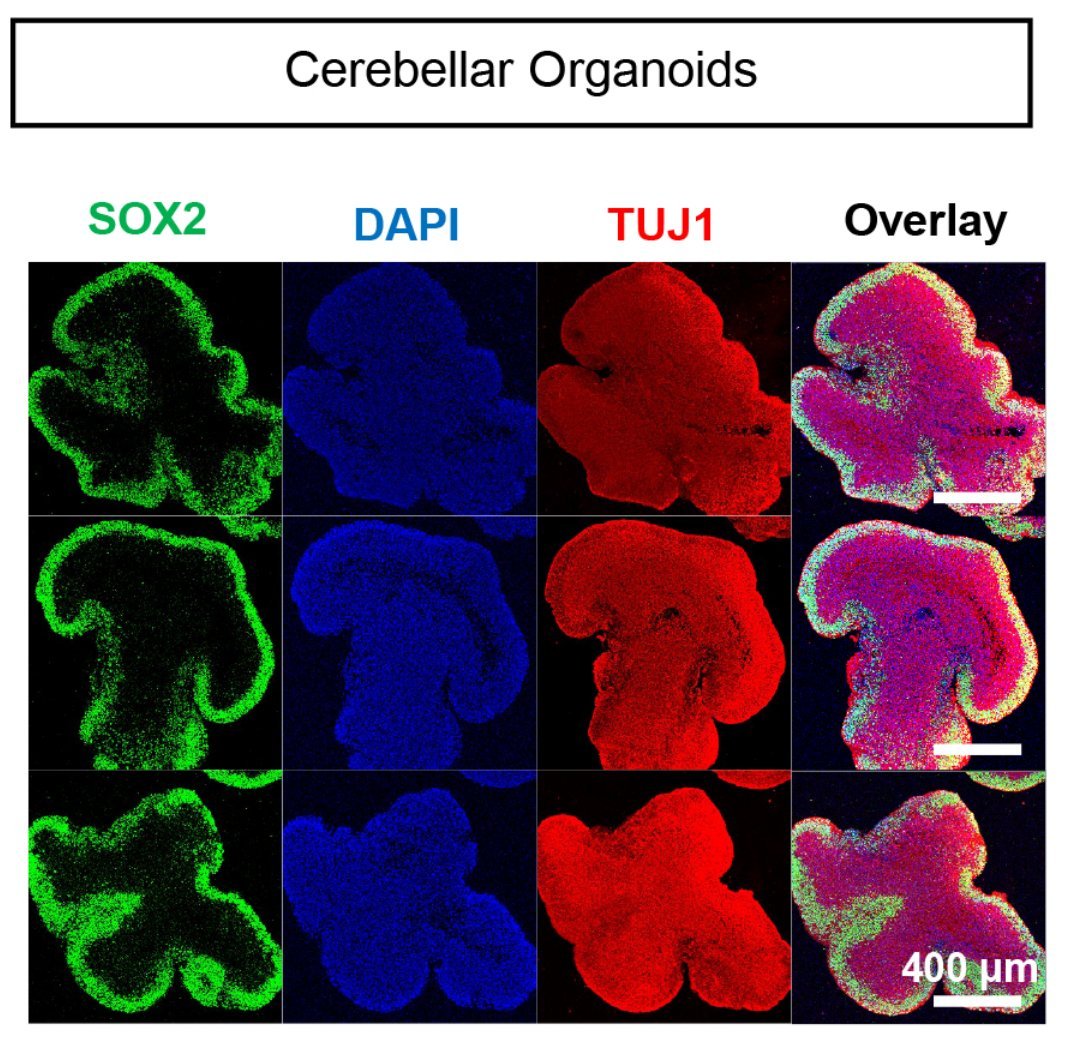
NIH scientists generated human iPSC-derived cerebellar organoids complete with a germinal layer on the organoid surface, developed Bergmann glial cells, and outside-in migration of glial cells. Using this protocol, they also created a model of Friedreich’s ataxia using iPSC lines from patients with the disease. These organoids recapitulated disease-related pathophysiology and showed reversal of disease phenotypes following treatment with HDAC inhibitors or when cultured using CRISPR-Cas9 gene-corrected isogenic cell lines. In @CommsBio: nature.com/articles/s42003-0… 🏛️ @ncats_nih_gov and National Institute of Allergy and Infectious Diseases (NIAID)
4
112
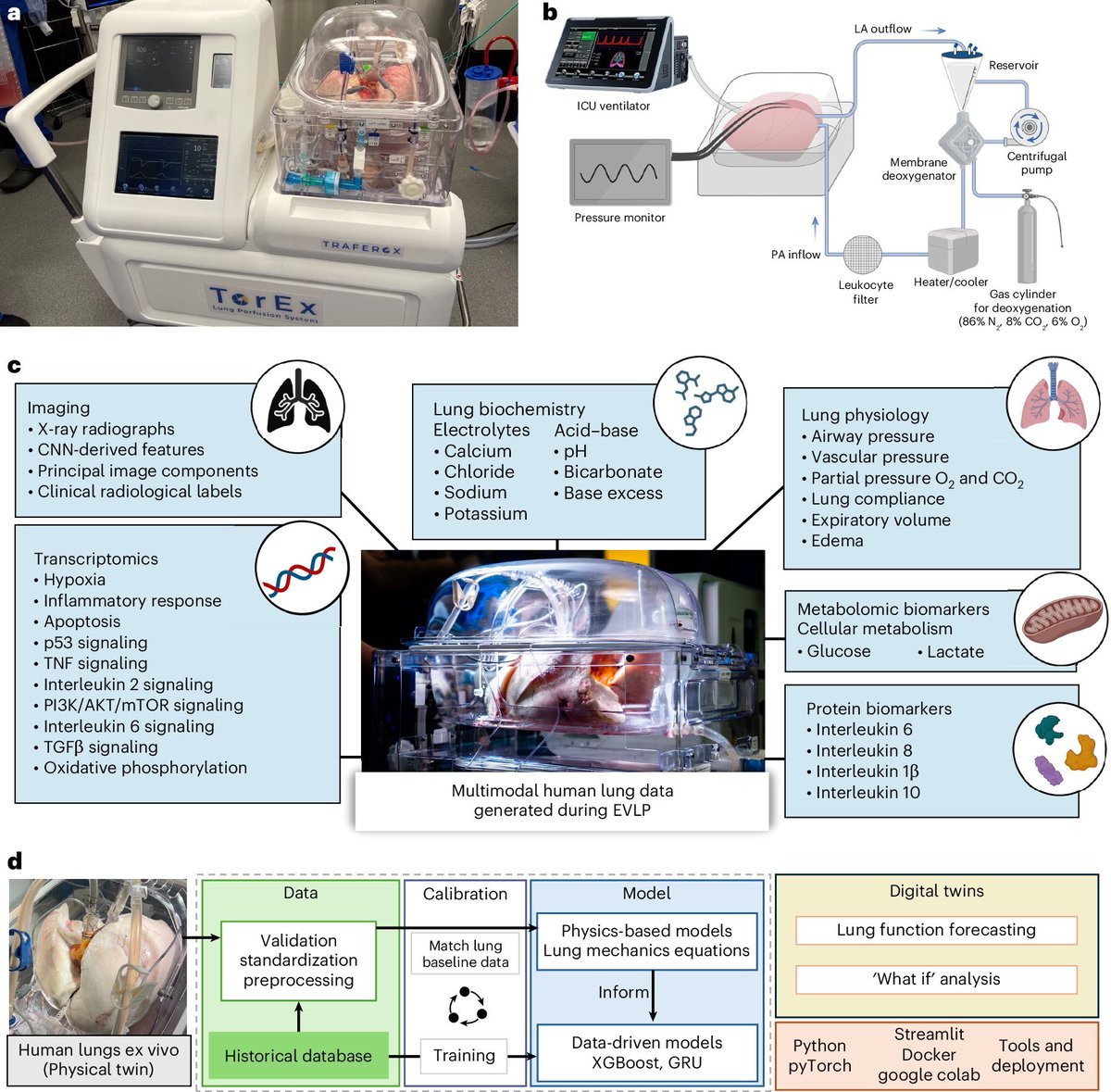
Scientists at the @UofT developed human lung digital twins using the largest known ex vivo lung perfusion (ELVP) dataset. Using EVLP-derived imaging, physiologic monitoring, and molecular data, the framework models over 75 parameters, including lung physiology, transcriptomics, and proteomics. “[D]irect comparison to experimental data on EVLP lungs treated with alteplase [a thrombolytic medication] demonstrates that digital twins can precisely assess therapeutic efficacy.” The study, published in @NatureBiotech, was led by @eeeeeelly329, @BoWang87, @HackerSerena, @MarceloCypel, @mingyao_liu, @SKeshavjee, @AndrewTSage et al. A collaborative effort between the @VectorInst, @UHN, @UofT, @UHNTransplant, @UofTIMS, @UofTCompSci, @PMunkCardiacCtr, @UofT_LMP, @UofTMedIm, @imagingtoronto, @UofTSurgery, and @UofTPharmacy. This work was funded by the @CIHR_IRSC and the J.P. Bickell Foundation. nature.com/articles/s41587-0…
1
4
132
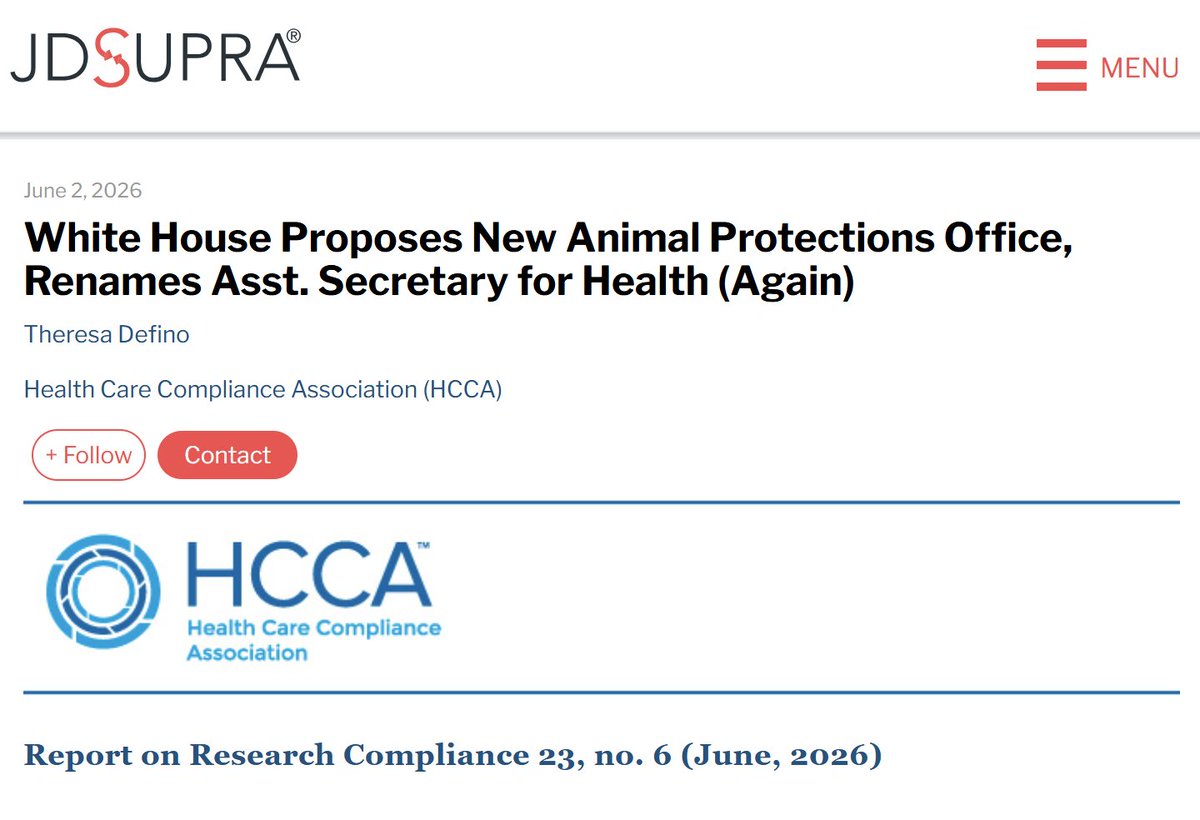
You might have missed it if you weren’t looking. 👀 Buried in the 180-page @HHSGov FY27 budget justification is the proposal for a new Office for Animal Research Protections (OARP). According to the document, OARP will be tasked with the “development of policy and guidance to protect animal subjects in biomedical and behavioral research” and, fully independent of @NIH, “will serve a critical role in providing leadership for all federal agencies in protection of rights, wellbeing, and welfare of animals being used in research environments.” 📍 @SAOscience Director, Dr. @ERoseEngland, contacted HHS for clarification on the new office and spoke with @TheresaDefino about our optimism and concerns, as well as the giant oversight gap that OARP could fill if given the right direction. 🐭 The current oversight by APHIS and OLAW only reinforces the existing model: animals continue to be used in invasive experiments, while minimal welfare standards define acceptable levels of suffering and don’t address whether animal use is scientifically or ethically justified. If OARP is not given the remit to review the scientific merit of experiments on animals, “it will only serve to give the public another window dressing of progress…and will be another bureaucratic stamp of approval for this cruel, failed paradigm,” Trunnell told Defino. 🐭 If OARP lacks enforcement capabilities, gaps could persist: “As it is now, existing laws and regulations are not enforced and, when they are, [sanctions] are so miniscule that many institutions consider them just the ‘cost of doing business.’” 🐭 Human-based research methods already provide more accurate and clinically relevant data. Ultimately, ending the use of animals in experimentation is the only approach that protects animals’ rights and resolves all welfare failures. “[T]his new office needs to work hand-in-hand with those within HHS, NIH and FDA ... who are working to eliminate experiments on animals” and should “provide much-needed scrutiny on the scientific validity (invalidity, really) of proposed animal experimentation.” We are “nonetheless “encouraged” by what is known thus far about OARP. “There is a lot of potential and a great need for these activities,” Trunnell said.” 👉 Defino’s piece was published in the @theHCCA’s Report on Research Compliance, and shared here by @JDSupra: jdsupra.com/legalnews/white-…
1
2
5
174
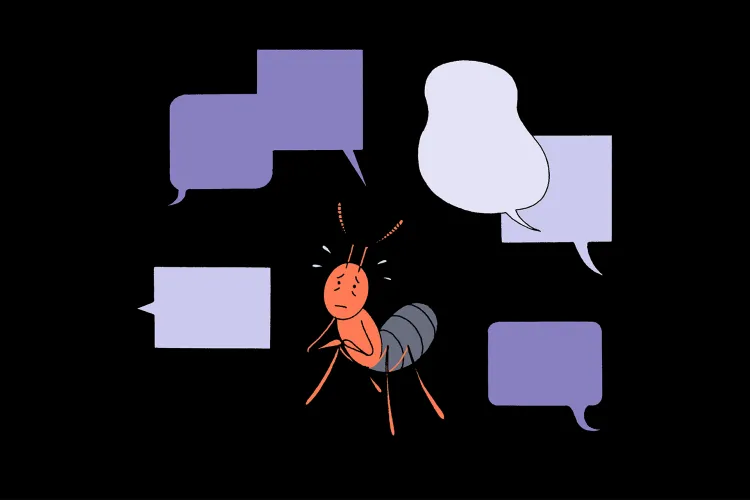
[Who or] what’s more likely to be sentient: An ant or ChatGPT? 🐜 In a recent article for @voxdotcom, science journalist @SigalSamuel explored this question with Dr. @jeffrsebo, a philosopher and animal ethics researcher at @nyuniversity and director of the NYU Center for Mind, Ethics, and Policy. While public attention increasingly focuses on the possibility of sentient AI, the discussion highlights a more immediate scientific and ethical issue: the growing evidence that nonhuman animals, including insects, experience subjective states such as pain and pleasure. Modern sentience research has moved far beyond traditional assumptions that consciousness is restricted to mammals. Researchers, including @birchlse, @zoophilosophy, @wrwveit, @anilkseth, @pgodfreysmith, and @LChittka, have contributed to a growing body of literature examining evidence of sentience in fishes, cephalopods, crustaceans, and insects. Neuroscience and behavior show that subjective experience does not require a human-like brain. Invertebrates learn, feel pain, weigh competing motivations, and change their behaviors in relation to how they seem to feel. The discussion highlights the central asymmetry: uncertainty is treated cautiously in emerging domains like AI, where even a small chance of sentience prompts ethical restraint. At the same time, animals—despite far stronger biological evidence of their sentience—are ignored or fully absent from these conversations. As Samuel puts it, “it seems bizarre to me that some people spend a lot of time worrying about whether current AI systems may be sentient, while at the same time killing insects without a second thought or eating animals from factory farms." Uncertainty about sentience expands the ethical boundary to include more beings capable of experience. It does not justify ignoring the substantial evidence of sentience in animals that is already established but routinely disregarded in experimentation and in other sectors. 👉 Read the full conversation: vox.com/advice/487563/sentie…
4
9
380
🐎 @WSUvetmed planned to euthanize healthy horses and goats following a terminal surgical training course. A concerned student's objection brought nationwide attention to the issue and raised concerns about transparency and ethics in graduate education. When trainees are not clearly informed about practices such as terminal trainings on animals, it limits their ability to make fully informed decisions and to advocate for options that align with their own morals. This case highlights how gaps in disclosure can shape trainees experiences and underscores the importance of transparency in maintaining trust, accountability, and ethical standards across both veterinary and medical training programs. Read more in this article by @D_Mand_MD: linkedin.com/pulse/what-wash… Featuring @larreadvm, a @capitalpress article by @NakedWeaver, as well as @OurHonorVets and our colleagues at @peta, who helped with the case. #VedMed #VedEd #MedEd #Transparency
3
3
76