
Molecular plant biologist in the Jacob lab @MCDB_Yale - from 🇳🇿
Joined January 2015
- Tweets 1,372
- Following 1,003
- Followers 408
- Likes 1,925
146 Photos and videos


Geoffrey Thomson retweeted

10 Feb 2024
Congrats to Qingqing and the rest of the team! Check out our new paper showing plants can sense two seasons simultaneously to control growth and flowering. science.org/doi/10.1126/scie…
3
22
89
8,497
Geoffrey Thomson retweeted

4 Feb 2024
Maybe the core problem isn't who is, as Thorp describes "performing the hard intellectual labor of choosing, from the mass of research, those discoveries that deserve publication in a top journal" but that they are doing this at all.
3
5
38
9,575

2 Feb 2024
Does anyone know the record for the Arabidopsis plant with the most independent T-DNA insertions?
Has someone made a octuple mutant by crossing or something?
1
134
2 Nov 2023
Another year with no funding for plant biology from the #MarsdenFund
1 Nov 2023

A list of all 2023 #MarsdenFund awardees is here. Congratulations to all recipients- ka rawe! royalsociety.org.nz/what-we-…
3
301
13 Oct 2023
Agro is frequently used in Plant Sci to create transgenic plants. Yet, beyond expressing the genes on the T-DNA, how many pause to consider the effects of transgene insertion into the genome of a plant?
We review this here:
doi.org/10.1111/tpj.16496
#Plants #TDNA #Agrobacterium
3
12
44
6,502
13 Oct 2023
I think few plant scientists realize that 10–20% of transgenic plants have some sort of chromosomal translocation. Thus while there is a lot of discussion around the precision of contemporary gene editing tools ...
1
3
227
13 Oct 2023
it is important to recognize that a high level of genomic disruption is inherent to the creation of transgenic plants.
This is not an argument against their use, but I believe that we need to be upfront about the potential consequences of this technology
2
2
185
Geoffrey Thomson retweeted

11 Sep 2023
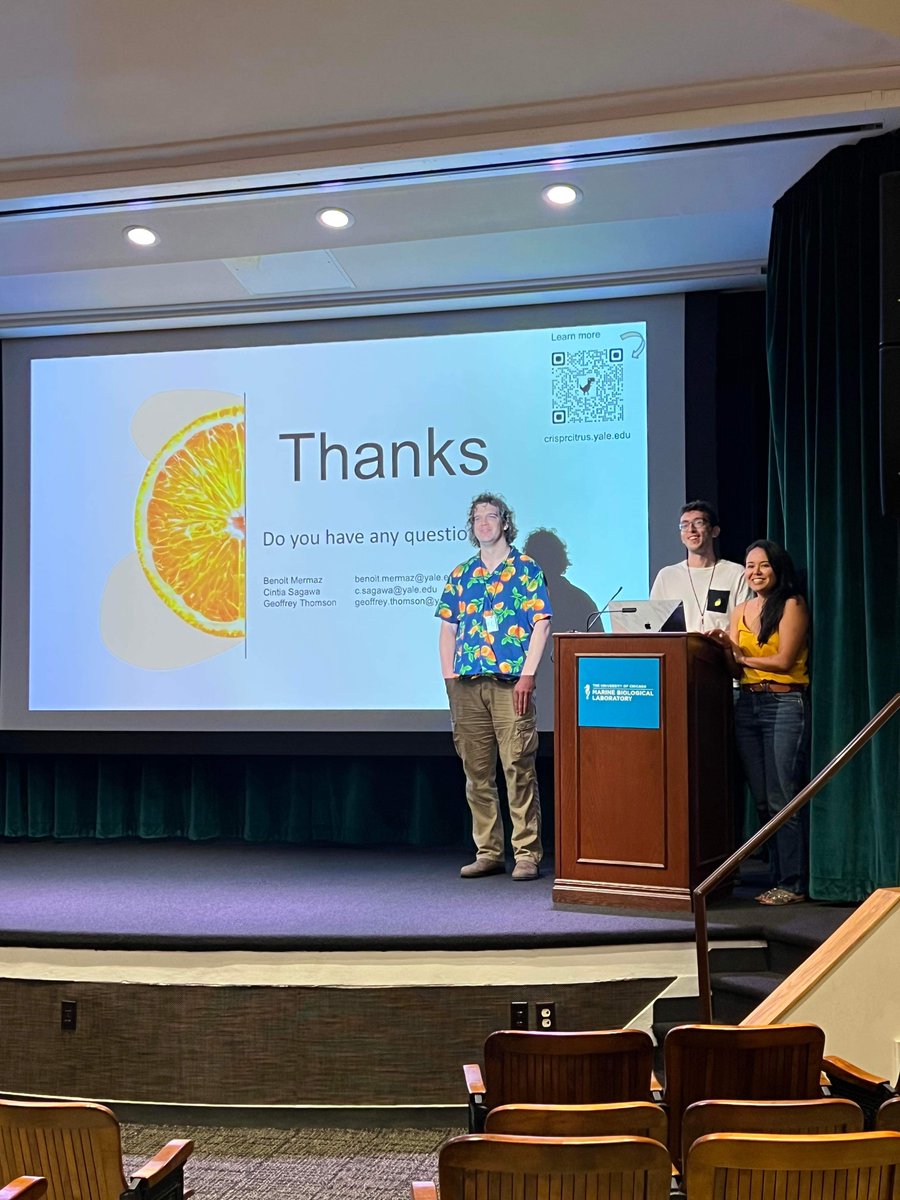
Had a BLAST at the 2023 @MCDB_Yale retreat 🤩.
Alongside my brilliant fellow Postdocs, @cintiasagawa and @GojThomson, we had the privilege of showcasing our incredible Citrus project, which aims to combat the #citrusgreening disease using gene editing.🍊
2
4
20
1,121
1 Sep 2023
🦠🌱🧬 - 🦠🌱🧬-🦠🌱🧬
New publication from the Jacob Lab @MCDB_Yale
🦠🌱🧬-🦠🌱🧬🦠🌱🧬
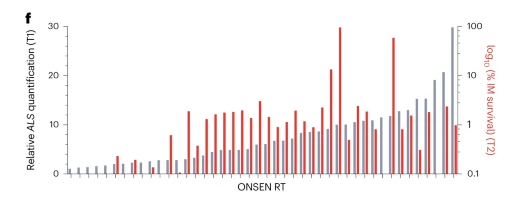
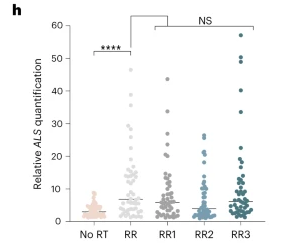
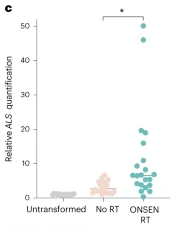
"Regulation of gene editing using T-DNA concatenation"
#PlantScience #CRISPR #Agrobacterium
1
2
8
1,671
1 Sep 2023
Once again, well done to Lauren and Wenxin!
Here is the link again:
nature.com/articles/s41477-0…
1
1
180
1 Sep 2023
Thanks also to Holger Puchta for his News & Views article on the paper
It was the Puchta lab who developed the IPGT method on which this work builds.
nature.com/articles/s41477-0…
2
110