
“to bring one's beliefs out into the open... implied the truth one lived by was valid through and through and that its writ ran everywhere.” Derek Kidner
Joined February 2015
- Tweets 74,731
- Following 2,016
- Followers 948
- Likes 33,841
728 Photos and videos











Pinned Tweet

Apr 19
April 19, 1775
What made the farmers fight in 1775?
Judge Millen Chamberlain in 1842, when he was twenty-one, interviewed Captain Preston, a ninety-year-old veteran of the Concord fight:
1
1
187
INC⚓🪻🐑 retweeted

MSN "reports" that "A senior official warned Rubio and Hegseth their jobs may be at risk if they keep opposing Trump's Iran deal."
209
385
1,638
215,130
INC⚓🪻🐑 retweeted

Our first baseball game ever. Houston Astros vs Detroit Tigers. New sport unlocked.
1,218
1,892
78,190
1,203,940
INC⚓🪻🐑 retweeted
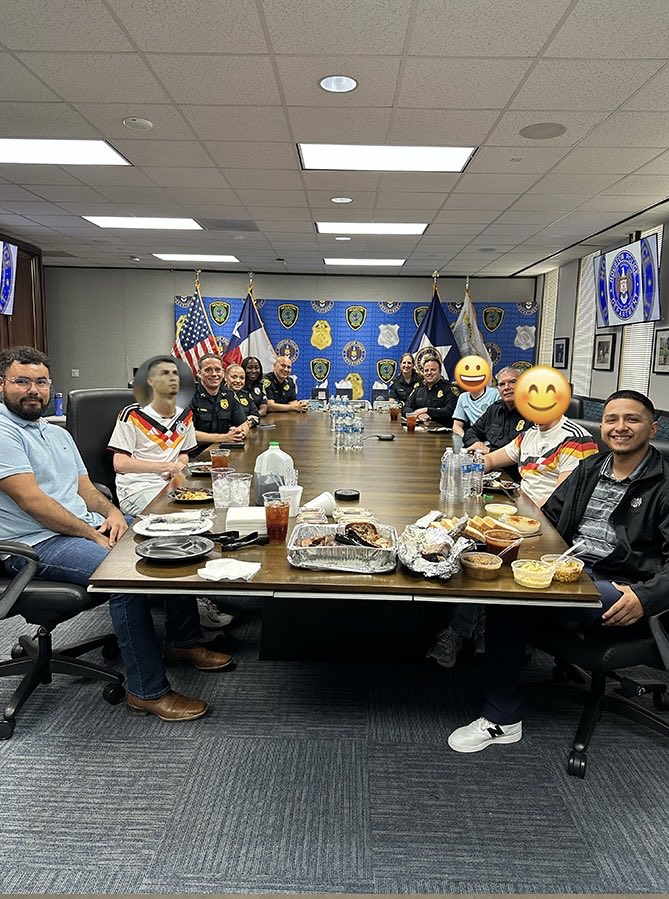
Our most American experience so far🇺🇸
We met with the Houston Police department and ate typical Texan BBQ together. It looked in there just like in the movies. They even put on Ella Langley just for us.😂

661
1,617
60,856
1,334,525
There are about 3 hours left to leave a comment on Trump's proposed Arch. If you've not been to D.C. this piece explains the vista from Arlington National Cemetery to the Lincoln Memorial. It is a somber, moving sight.
The proposed Arch w/be 2X higher than the Lincoln Memorial.

National Park Service is accepting public comments on a proposed Monumental Arch near Arlington National Cemetery until June 15, 11:59PM MT.
Learn more: ow.ly/hsOm50Z8Xb1
#SavingPlaces
15
INC⚓🪻🐑 retweeted

#HealthyFaithChat
That was all folks! Thanks you all soo much for your upbuilding comments.
Join us again on Thursday evening same time. Kevin will post who and what.
Be Blessed in the Lord!
2
2
6
44
INC⚓🪻🐑 retweeted

Many Republicans have pointed out to me that this type of sanctions relief likely requires the IRGC to be *de-listed* as a terrorist organization under U.S. law
As someone who covered the Rob Malley-led Senate briefings in 2022, not even the Biden admin was willing to do this.

4/They do not seem to have a good grasp of US sanctions law. They laid out the possibility of a $300 billion investment fund for Iran. And one said at one point that "the sanctions relief is not tied specifically to any particular conduct. It's tied generally to them behaving more appropriately, and obviously the thing that we care the most about is the nuclear program." But sanctions are specific to particular conduct.
8
166
448
79,049
INC⚓🪻🐑 retweeted

4/They do not seem to have a good grasp of US sanctions law. They laid out the possibility of a $300 billion investment fund for Iran. And one said at one point that "the sanctions relief is not tied specifically to any particular conduct. It's tied generally to them behaving more appropriately, and obviously the thing that we care the most about is the nuclear program." But sanctions are specific to particular conduct.
5
41
241
123,440
INC⚓🪻🐑 retweeted
1/I listened to the senior Trump administration officials' call about the latest with Iran. I am in some ways more confused now than before the call. A few thoughts:
30
167
544
393,974
INC⚓🪻🐑 retweeted

Serious people in government are freaking out, and with good reason

SCOOP: CIA Director John Ratcliffe told Trump and other senior officials that intelligence gathered by the U.S. raised serious doubts about Iran's willingness to make the nuclear concessions the U.S. is seeking in a final deal axios.com/2026/06/15/us-iran…
14
54
503
31,055
INC⚓🪻🐑 retweeted

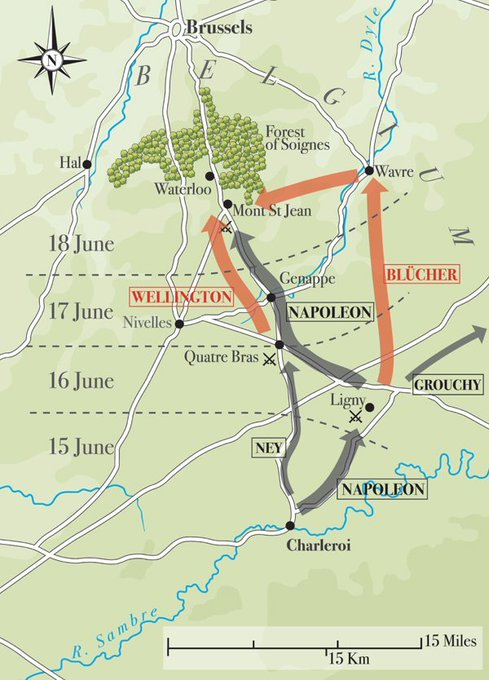
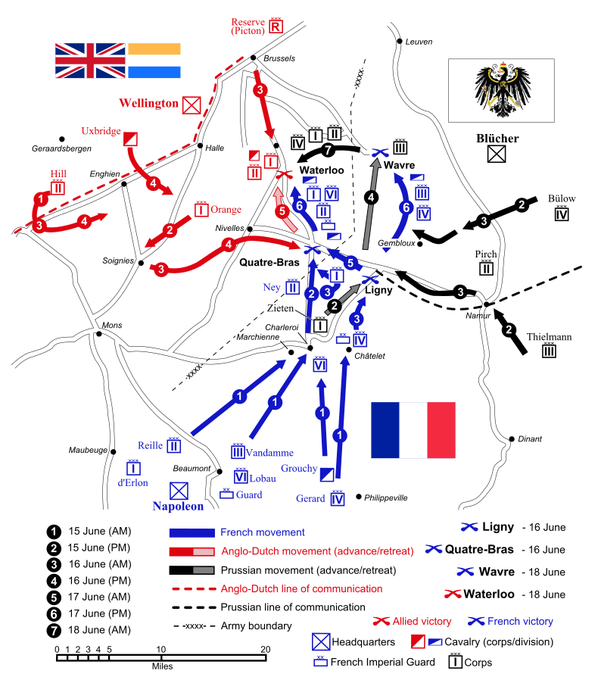
Good morning all & OTD in 1815, what will become the Waterloo campaign begins, as Napoleon's armies invade the Netherlands & approaches Charleroi. There are initial battles between the French & the Allies, as Wellington & Marshal Blucher try to discern Napoleon's next moves
1
1
4
934
INC⚓🪻🐑 retweeted

It's not that difficult to avoid being a Nazi. It really isn't.
34
12
210
7,953
INC⚓🪻🐑 retweeted

Only one man could pull this off!

97
1,648
8,824
168,180
INC⚓🪻🐑 retweeted

Babies should be adopted by married couples. ie A man & a woman. These sort of crimes are horrifically predictable & result from the denial of basic human nature.

Oh god. This poor baby. Read with care.
Babies should be adopted by women - men are too risky.
*Gift token. “Adoptive father guilty of baby boy’s murder” telegraph.co.uk/gift/fd8174e…
4
9
105
3,761
INC⚓🪻🐑 retweeted

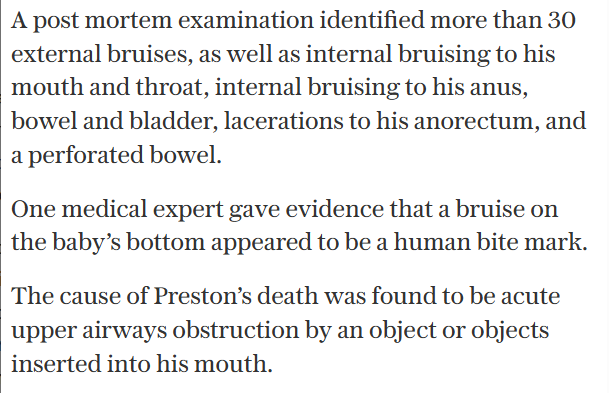
Two men adopt a healthy, happy baby. His grandmother, who looks after his sister, objects. She asks for the baby to be fostered for a few months until she is well enough to take him. This is denied.
His adoptive "father" abuses him until he dies.
253
746
4,625
352,706
INC⚓🪻🐑 retweeted

What can the Trump administration do to address voters' concerns about affordability?
@SeanTrende joked on the RCP podcast: “Build a time machine. Go back a few months. Don’t attack Iran without a game plan to knock it out quickly.”
Jun 12

Midterm preview with @SeanTrende, @JoshKraushaar, and @TomBevanRCP on today's RCP podcast:
— Macro Looks Bad for House GOP
— Senate Map Is Worse for Dems
— Did Redistricting War Backfire?
— Focus on Senate races in Maine, Texas, Ohio, Michigan, Iowa
youtube.com/watch?v=ewqHdPRn…
1
4
4
8,229
INC⚓🪻🐑 retweeted


BREAKING: A source close to the IRGC says there is "growing satisfaction" inside the Revolutionary Guards over the deal, with IRGC Commander Ahmad Vahidi saying "first, we take the money" in reference to the $300 billion in reconstruction funds and $24 billion in frozen funds Iran is receiving, and then the IRGC takes over the Strait of Bab al-Mandeb after Hormuz, where it plans to "play exactly the same game."
The IRGC's internal assessment is that Iran preserved its ballistic missile program, full regional proxy network, complete control over Hormuz and ability to rebuild while extracting hundreds of billions of US dollars and recognition, with discussions already focused on "the day after the agreement, not the agreement itself."
2
6
15
1,064
‘IRGC Commander Ahmad Vahidi saying "first, we take the money" in reference to the $300B in reconstruction funds and $24B in frozen funds Iran is receiving, and then the IRGC takes over the Strait of Bab al-Mandeb after Hormuz, where it plans to "play exactly the same game."’
BREAKING: A source close to the IRGC says there is "growing satisfaction" inside the Revolutionary Guards over the deal, with IRGC Commander Ahmad Vahidi saying "first, we take the money" in reference to the $300 billion in reconstruction funds and $24 billion in frozen funds Iran is receiving, and then the IRGC takes over the Strait of Bab al-Mandeb after Hormuz, where it plans to "play exactly the same game."
The IRGC's internal assessment is that Iran preserved its ballistic missile program, full regional proxy network, complete control over Hormuz and ability to rebuild while extracting hundreds of billions of US dollars and recognition, with discussions already focused on "the day after the agreement, not the agreement itself."
56
INC⚓🪻🐑 retweeted

12h
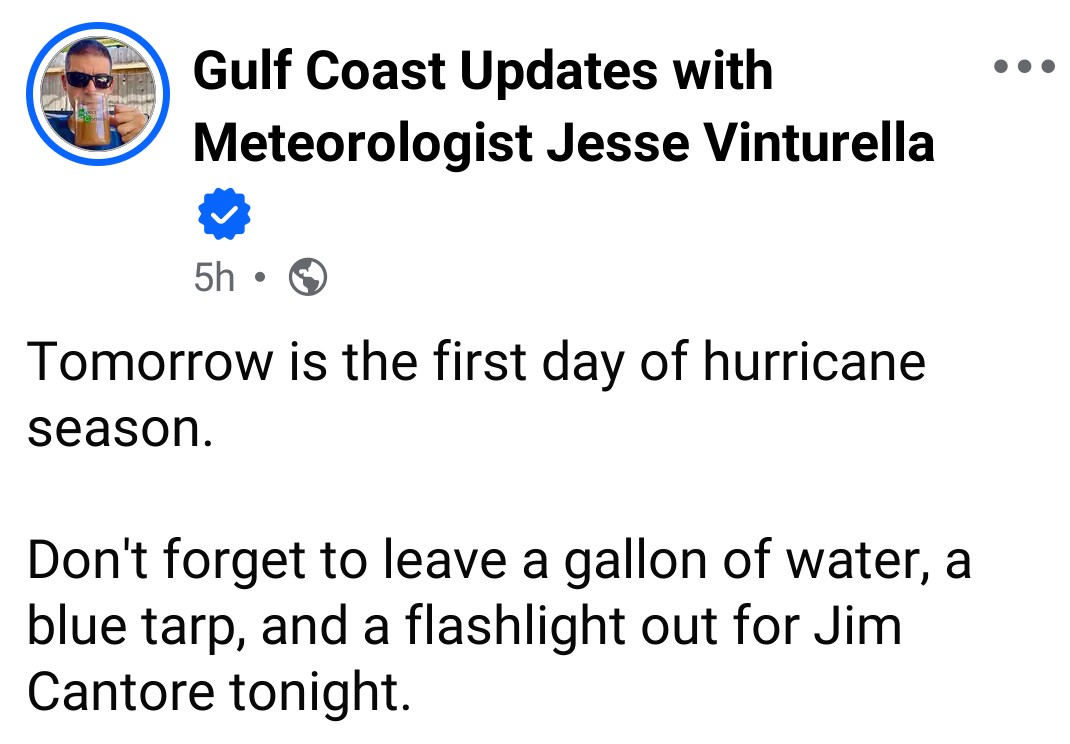
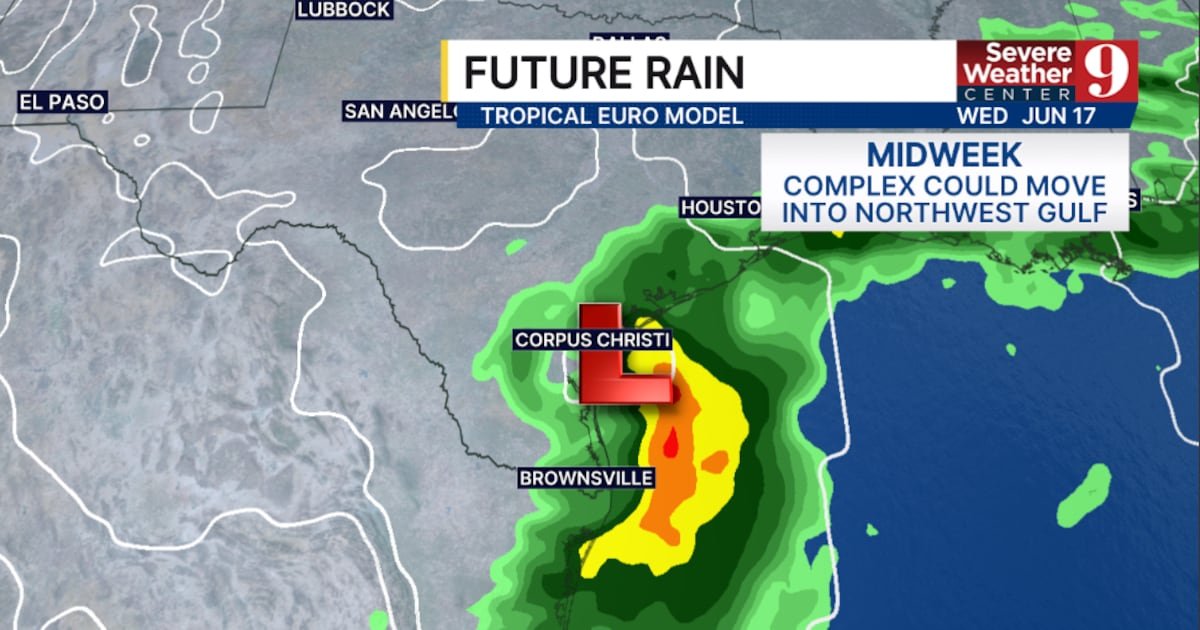
National Hurricane Center raises alert for possible Gulf tropical storm wftv.com/news/local/national…
1
4
503
INC⚓🪻🐑 retweeted

Ben Affleck just described something Beethoven figured out 200 years ago, except Beethoven couldn't hear a single note of it.
In 1823, a copyist named Franz Schlemmer got a handwritten score from Ludwig van Beethoven that was almost unreadable. Notes crossed out, rewritten, crossed through again. Pages glued on top of other pages. Schlemmer had to guess at what Beethoven meant, and Beethoven, deaf for nine years by then, had to write corrections in conversation notebooks, furious at every mistake.
The 9th Symphony took seven years to sketch. Beethoven's surviving notebooks show the famous "Ode to Joy" melody went through over 200 versions before he landed on the one you know. Early versions are almost unrecognizable. He knew. He always knew. He reportedly threw early sketches across the room and started again.
Ninety percent of the time, you look at it and think: we've got a long way to go.
The hardest part was the collaboration he couldn't escape. Beethoven wrote music only he could hear inside his own head. But a symphony needs 200 musicians who can't read your mind. He had to explain everything. The markings in his scores were obsessively detailed, so specific that musicians sometimes couldn't make sense of them. What was clear in his deaf skull wasn't clear to anyone holding a violin.
What's obvious to you isn't always obvious to someone else.
The premiere of the 9th Symphony was May 7, 1824, in Vienna. Beethoven stood near conductor Michael Umlauf and moved his body to music he literally could not hear. Umlauf had quietly told the musicians beforehand: ignore him. Follow me.
The symphony ended and five thousand people erupted into applause. Beethoven kept conducting, his hands still moving to a piece that was already over.
He had no idea. A soloist named Caroline Unger walked over and physically turned him to face the crowd. Five standing ovations. Security had to step in before the audience would leave.
The first cut is a private failure. The final version is a public miracle. Between them is years of repetition, frustrated collaboration, and the exhausting work of making other people understand what you can only fully see inside your own head.
Film is collaborative. So is a symphony. So is every complex thing humans have built. The Eiffel Tower needed 300 metalworkers and faced a petition from 300 Parisian artists calling it an iron eyesore, before a single tourist had climbed it.
The first cut is supposed to be bad. The real work is the 200 versions of a melody that isn't right yet, the copyist who misreads your notation, the seven years between the first rough sketch and the night someone has to physically turn you around to face what you made.
Jun 14

Ben Affleck says the first cut of a movie is usually so bad it makes him question everything.
“When I see the first cut of my own movie, I want to kill myself.”
“90% of the time, you watch it and think, ‘Okay, we’ve got a long way to go.’”
“Making a movie is a very iterative process. A lot of the work happens after filming ends.”
“Sometimes you have to sit with the editor and explain exactly why a scene is supposed to be funny.”
“What’s obvious to you isn’t always obvious to someone else.”
“You have to explain the joke, the callback, the surprise, and why a certain take works.”
“People think there’s some magic to editing, but a lot of the time editors just need feedback.”
“Film isn’t like writing a novel. It’s collaborative.”
5
25
192
26,295
INC⚓🪻🐑 retweeted

עם הסכם, בלי הסכם - כל עוד אני ראש ממשלת ישראל, לאיראן לא יהיה נשק גרעיני >>
4,333
4,608
26,355
753,329