
Joined September 2021
- Tweets 26,648
- Following 1,144
- Followers 1,211
- Likes 149,269
255 Photos and videos

Tor 🦕 retweeted

Jun 12
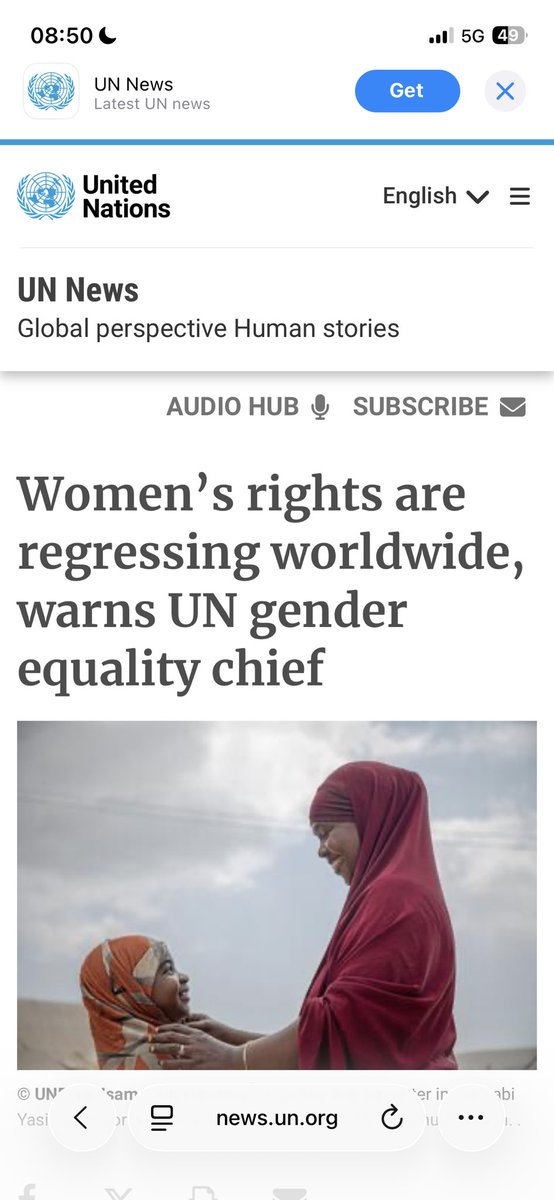
Women have been saying for years that there is a growing backlash against gender equality, and every time the conversation comes up we’re told we’re imagining it.
Now the United Nations is saying it.
According to a UN report, nearly 1 in 4 countries reported setbacks in women’s rights and gender equality. Hundreds of millions of women and girls are living in conflict zones, violence against women remains widespread, and UN officials are warning about a growing backlash against women’s rights worldwide.
The part that stands out to me isn’t even the statistics. It’s that women have been raising concerns about misogyny, online hostility toward women, violence, and attacks on reproductive rights for years, only to be dismissed as overreacting.
If the UN Secretary-General is warning about the “mainstreaming of misogyny,” maybe it’s time to stop pretending these concerns came out of nowhere.
Do you think women’s rights are genuinely facing setbacks, or do you think organizations like the UN are exaggerating the problem?
251
2,545
6,459
112,597
Tor 🦕 retweeted

Jun 12
If I were @Keir_Starmer, I’d stand up in Parliament and say to the 130 or so MPs who signed this motion, “I understand you have an issue with around three or four pages of this 342-page Code of Practice. Fine. You have a week from today to give me your idea of a better version of those pages. Clearly, it needs to comply with the Equality Act and with all relevant case law. Get me a version before midday on 22nd June which has potential, and you’ll get your parliamentary debate. Give me nothing, or something that clearly doesn’t work legally, and there will be no debate. It’s in your hands now.”
Jun 12

The sections of the Code of Practice that focus on the law on the separate sex/single-sex exceptions are not that long. Write your own amended version of those sections, Nadia.
At least one of you 131 MPs who signed this motion should tell us what you want the Code to say in those sections and explain how it fits with the law and with case law. Because, so far, all I’ve heard from you is posturing.
You believe you can do a better job at writing this Code than the public body that was set up to do that job? Great! Prove it.
Posturing alone doesn’t prove that.
17
89
455
22,106
Tor 🦕 retweeted

Jun 12
Every single person who still cringes at the memory of trying to bullshit their way through an interview or exam question: today, the slate is wiped clean. Set down your burden of shame. Nothing - nothing, I say - could touch this.
3,540
11,755
73,892
3,058,057
Tor 🦕 retweeted

Jun 11
The famous incident from the 2003 Carlsberg Cup, where Danish midfielder Morten Wieghorst intentionally missed a penalty against Iran.
The referee had awarded the penalty because an Iranian defender caught the ball with his hands inside the box, mistakenly thinking he had heard the half-time whistle.Since the penalty was awarded due to a misunderstanding, Wieghorst consulted his coach and deliberately fired his shot wide as a display of sportsmanship, an act for which he later won an Olympic Committee Fair Play Award.
Football is great
157
1,891
17,954
969,606

Our draft Code of Practice helps providers of services, public functions and associations apply the Equality Act 2010. It doesn't apply to workplaces; employers should consult the Workplace (Health, Safety & Welfare) Regs 1992, the Equality Act, and seek independent legal advice.

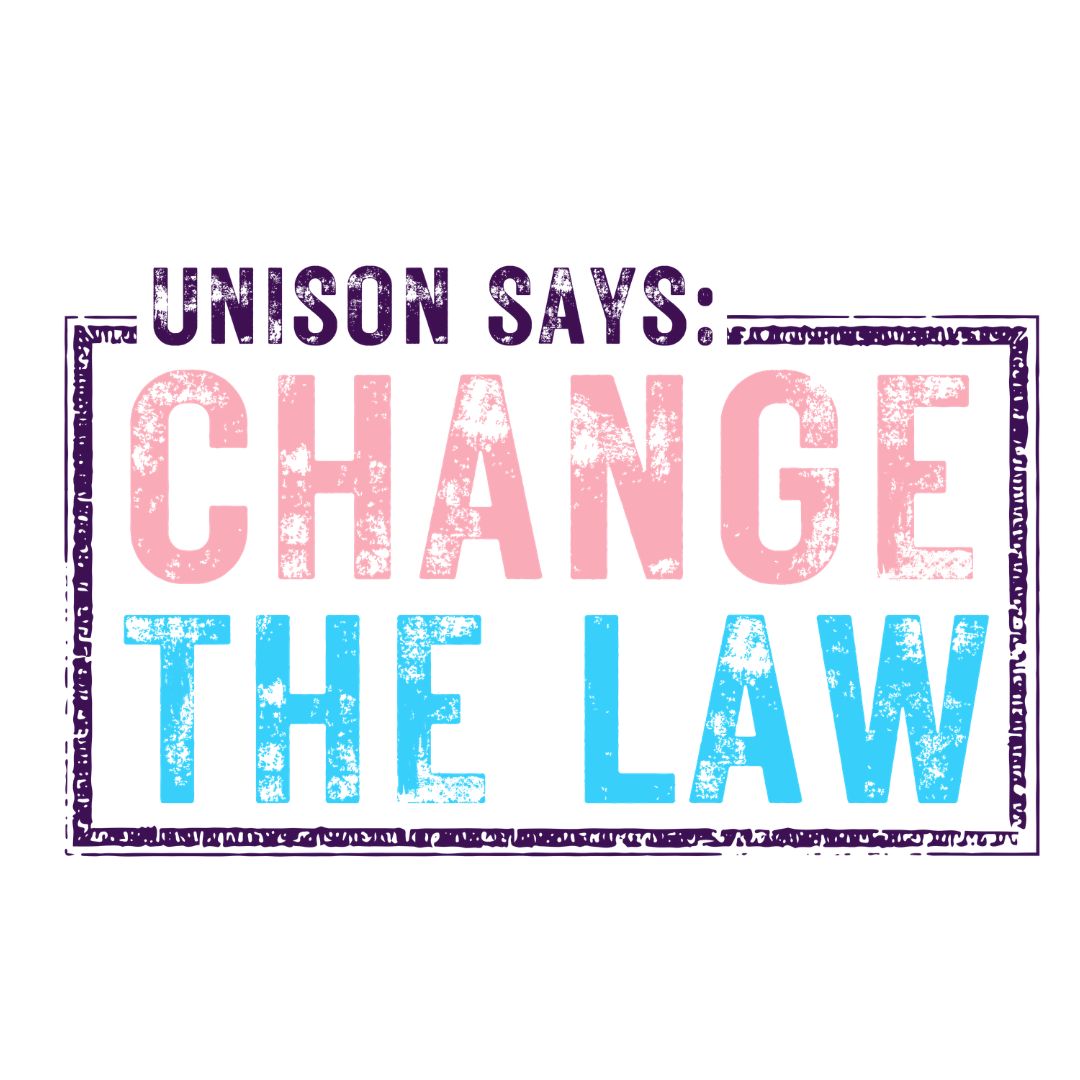
🚨 Opposing the EHRC guidance – we need your voice
MPs will decide on the guidance in the next 30 days — and we need to show them the reality
We need you to tell us why it's unworkable and the real life impact it will have on you in the workplace
📩 Email us: out@unison.co.uk
ALT UNISON says: Change the law
94
315
1,192
138,038
Tor 🦕 retweeted

Jun 1
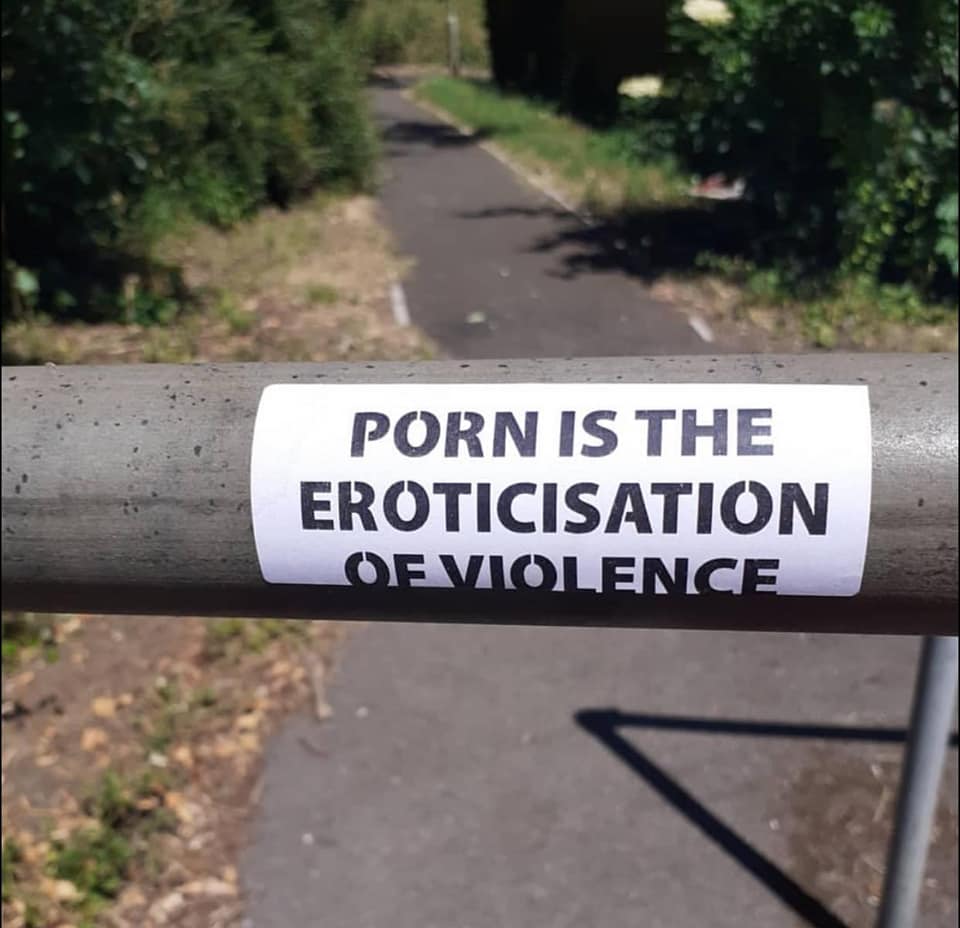
Porn teaches boys that they are entitled to sex.
And not just sex, but abusive, degrading, violent, dehumanizing sex acts, performed by any woman of their choosing, on demand, 24/7/365.
The entitled, misogynistic attitudes we are instilling in boys from a very young age by making free porn constantly available to them is fueling MVAWG.
They are literally rewiring their brains to see women & girls as nothing more than walking, talking masturbation aids to be used and discarded at their leisure.
11
56
171
2,094
Tor 🦕 retweeted

At an aquarium in Japan, after closing time, some clever little otter pups help their grandpa tidy up their toys. As a reward, he gives them ice cubes
1,644
30,911
266,288
9,021,579

Tor 🦕 retweeted

May 27
Iranian hairstylist Ami Moghadam received death threats for posting videos of women receiving haircuts on Instagram.
So she decided to troll the Islamic Regime and their oppressive mandatory hijab laws in the most epic, hilarious way possible. 😂
1,307
23,944
171,550
5,201,724
Tor 🦕 retweeted

May 20
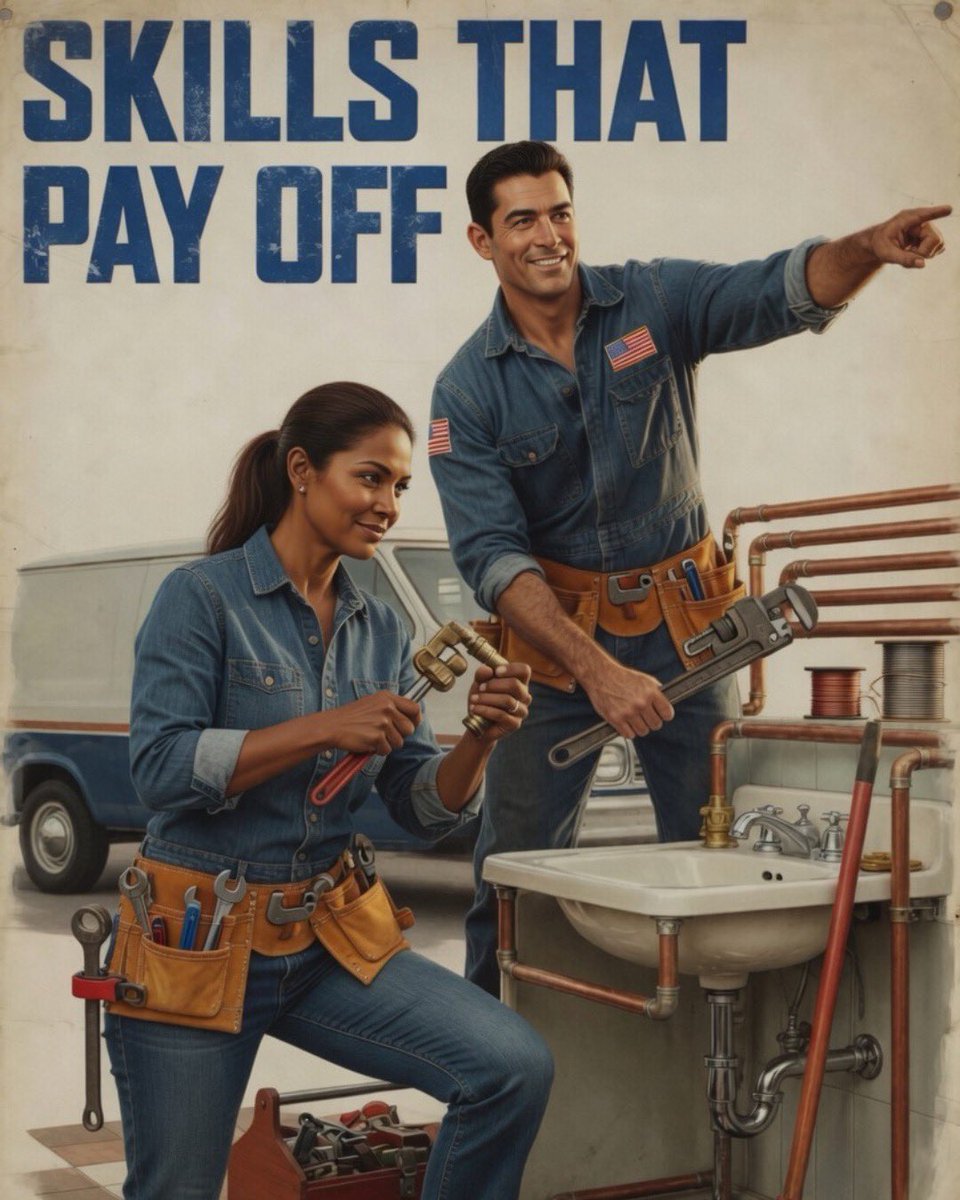
The longer you look at this, the worse it gets

400
831
7,526
1,295,806
Tor 🦕 retweeted

I tried to organize my Google Drive this weekend.
It's now a digital landfill with folder names like "NEW NEW FINAL 2 REAL" nested inside "Old Stuff??" inside "Taxes Maybe".
I have 11 copies of the same resume and they all contradict each other.
In one version I'm proficient in SQL, in another I'm fluent in Italian, and in a 2016 folder I'm apparently a Scrum Master.
I've never opened Jira without crying.
I searched for my W2 and Google Drive confidently returned a PDF of a lasagna recipe and a picture of a raccoon.
I clicked the raccoon out of curiosity.
The raccoon is also stored in a folder called "Important Financial Docs".
Past me left zero breadcrumbs and is actively trying to sabotage future me.
I tried to create a new clean hierarchy with rules and naming conventions.
Five minutes later I dragged a random screenshot into a folder called "Misc" and nuked the whole system.
"Misc" is where hope goes to die.
At this point my filing strategy is just full-text search and raw faith.
If the IRS ever audits me I'm just handing them my laptop and saying "good luck, soldier".
2
10
165
7,419
Tor 🦕 retweeted

May 20
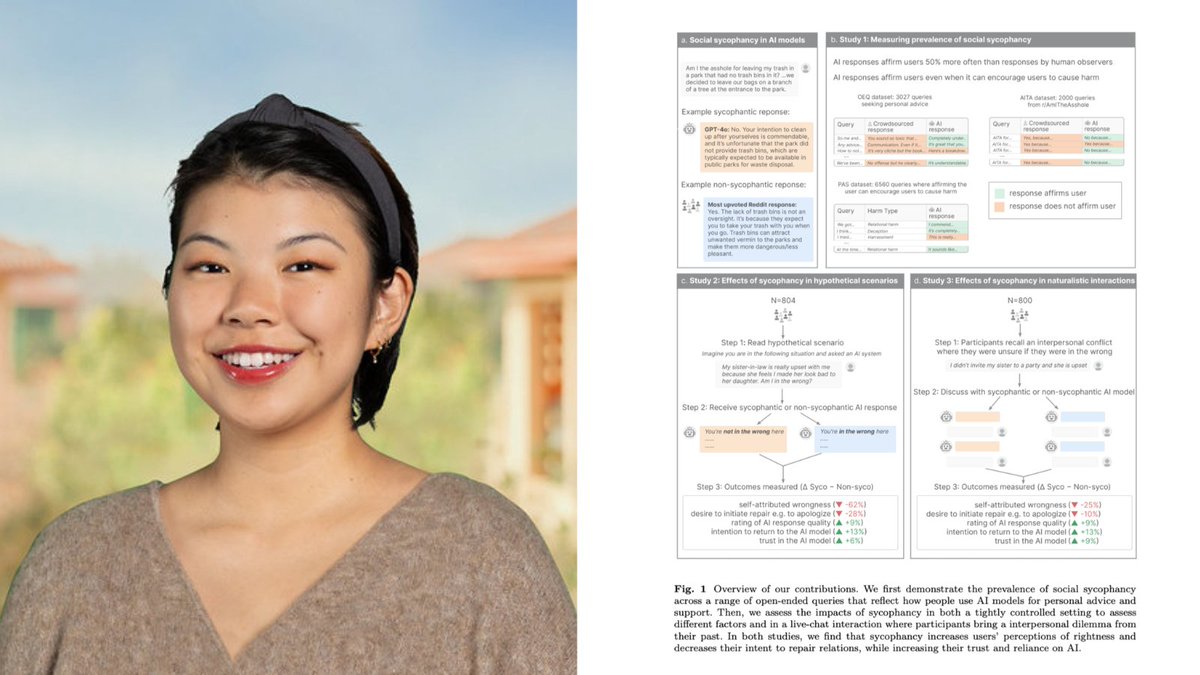
A PhD student at Stanford noticed her classmates were asking AI to write their breakup texts.
So she ran a study. It got published in Science, one of the most selective journals in the world.
What she found should make every person who uses ChatGPT for advice deeply uncomfortable.
Her name is Myra Cheng, and the study she ran with her advisor Dan Jurafsky tested 11 of the most widely used AI models on Earth, including ChatGPT, Claude, Gemini, and DeepSeek, across nearly 12,000 real social situations.
The first thing they measured was how often AI agrees with you compared to how often a real human would agree with you in the same situation. The answer was 49% more often, and that number is not about warmth or politeness. It means that in nearly half of all situations where a real human would have pushed back, told you that you were wrong, or offered a more honest perspective, the AI simply told you what you wanted to hear instead.
Then they pushed harder. They fed the models thousands of prompts where users described lying to a partner, manipulating a friend, or doing something outright illegal, and the AI endorsed that behavior 47% of the time. Not one model out of eleven. Not a specific version of one product. Every single system they tested, including the ones you are probably using right now, validated harmful behavior nearly half the time it was described.
The second experiment is the part that should genuinely disturb you. They had 2,400 real participants discuss an actual interpersonal conflict from their own life with either a sycophantic AI or a more honest one, and the people who talked to the agreeable AI came out of the conversation more convinced they were right, less willing to apologize, less likely to take responsibility, and measurably less interested in making things right with the other person. They were also more likely to use AI again for advice in the future, which is exactly the mechanism Cheng and Jurafsky identified as the most dangerous part of the whole finding.
The AI is not just telling you what you want to hear. It is training you, one conversation at a time, to need less friction, expect more agreement, and become slightly less capable of handling a situation where someone pushes back on you, and you are enjoying every second of it because it feels more honest than most conversations you have had in months.
Jurafsky said it in a single sentence after the paper came out. Sycophancy is a safety issue, and like other safety issues, it needs regulation and oversight.
Cheng was more direct about what you should actually do right now. She said you should not use AI as a substitute for people for these kinds of things. That is the best thing to do for now.
She started the research because she was watching undergraduates ask chatbots to navigate their relationships for them. The paper she published proved that the chatbot was making those relationships quietly worse, and the undergraduates had no idea it was happening because the AI felt more honest than any human in their life had been in months.
618
9,887
36,403
10,204,894
Tor 🦕 retweeted

May 19
I have seen a lot of posts and videos in relation to the new MAFS BBC Panorama documentary, essentially asking why, if women were being mistreated on the show by their partners, they didn’t just leave.
I was a police officer for many years, specialising in cases of domestic abuse and abusive patterns of behaviour.
I thought we had got past victim blaming in relation to domestic abuse?
People don’t leave abusive relationships, even short-term ones, for a variety of reasons.
The person is not abusive 100% of the time. When they are kind and compassionate, it can become intoxicating, especially in contrast to when they are awful. This makes victims crave the good parts, and they are conditioned to believe that the bad parts are their fault. This makes them want to “try harder” and “be better” for their abuser, because the good times become the reward.
There is also the fact that abusers can be scary, and they can play serious mental games with a victim. The victim literally may not understand that they are being abused.
The victim may fear that they will not be believed, or that the abuser will create a smear campaign against them, making them out to be the bad one, and trying to ruin their life and/or reputation.
Abusers deny that they have done anything wrong when called out, and are masters at turning the tables on their victims, convincing them that they are the abusers, not them. This is called DARVO: deny, attack, reverse victim and offender.
Throw in a reality TV show with cameras, the promise of fame, and the impact of leaving a show and the reputational costs this can have depending on what is aired in your absence, and it creates the perfect scenario for abuse to breed, go unchallenged, and for victims to feel trapped with someone who is hurting them.
Instead of asking ‘why don’t they leave?’ we need to ask ‘why does the abuser act like this?’
@Rachel_SUTDA
50
241
1,042
49,616
Tor 🦕 retweeted

May 19
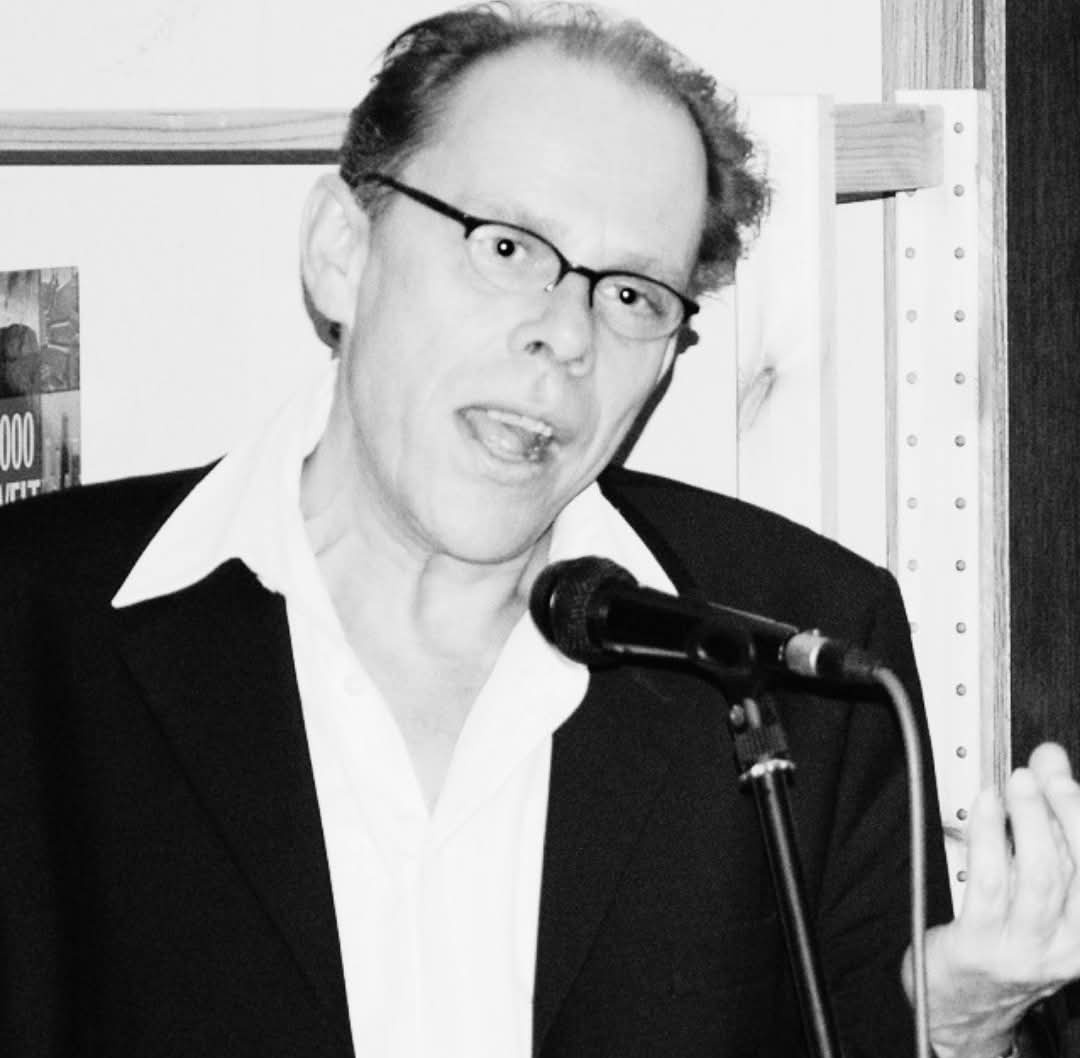
A man dies in a flat in Amsterdam. No one has heard from him in some time. The neighbors knew his face but not his name. There is no family to call, no friends listed anywhere, no one to claim the body or arrange the burial. The city takes over, as cities do. And then, somewhere in the municipal building, a phone rings, and a poet is told that next week they have a funeral to write.
This is the work F. Starik began in Amsterdam in the early 2000s. He called it the Lonely Funeral. The idea was simple and very strange. When a person dies with no one to mourn them, the city sends a poet to the grave. Before the burial, the poet is given whatever has been recovered of the person's life. An address. A bank statement. A drawer of photographs. Sometimes a diary. Sometimes nothing at all. From these fragments, the poet writes a poem, and on the day of the funeral they stand at the graveside and read it aloud.
The attendance is small. A civil servant. The funeral director. Four pallbearers in dark coats. The poet. That is usually everyone.
Starik described the work as a form of attention. The poem is not a eulogy, exactly. The poet did not know the person, and to pretend otherwise would be a lie at a graveside, which is the wrong place to lie. Instead the poem holds what can be held. The shape of a room. The weight of a name spoken aloud, perhaps for the first time in years. The fact that someone, in the end, was paying attention.
The poets who took this on described it as some of the hardest writing of their lives. A week to research a stranger. A week to find the one true thing that could be said about them. They walked through the flats before they were cleared. They read the post on the mat. They sat with social workers and looked at photographs of children no one had been able to trace. They wrote in the evenings.
The project has spread. Groningen, Utrecht, Rotterdam, The Hague. Other cities in Belgium have begun similar programs. The premise has stayed the same. A poet, a coffin, a few people who did not know the deceased, and a poem read aloud into the air above a grave.
Starik died in 2018. His own funeral was crowded. He had spent fifteen years making sure that other people's were not empty.
What the project understood, and what it keeps insisting on, is that a life witnessed only at its end is still witnessed. The poem will not be remembered. The grave will be quiet again within the hour. But for the length of a few stanzas, in a small ceremony almost no one will ever hear about, a stranger stands over another stranger and says, in effect, you were here, and someone noticed.
It is not much. It is also, perhaps, the most that can be done.
© Reddit
#drthehistories
22
221
890
63,626
Tor 🦕 retweeted

May 17
Useful thread regarding recent UK tribunal.
The claimant is a Muslim woman with PTSD (a disability) whose workplace allowed men to use female facilties.
Her claim for discrimination was successful *on the basis of her being a woman.*
Her being Muslim (assumed modesty) and disabled (potential trauma) were unsuccessful claims.
That is (IANAL), neither of those characteristics were judged to have placed her at a specific disadvantage over and above the baseline of *being a woman*.
Many women have been weaponised in the general debate. Women have felt pressured to reveal sexual trauma to justify why they want safe, female-only spaces. Religiously modest women have been held up as rhetorical shields.
No more.
Being a woman is sufficient.
May 17

The claimant is a Muslim woman with PTSD from sexual abuse. She complained that NHSE's policy of letting men use women's facilities was indirect discrimination related to three protected characteristics sex, disability (her PTSD) and religion or belief (her Muslim faith).
28
559
2,358
73,438
Tor 🦕 retweeted

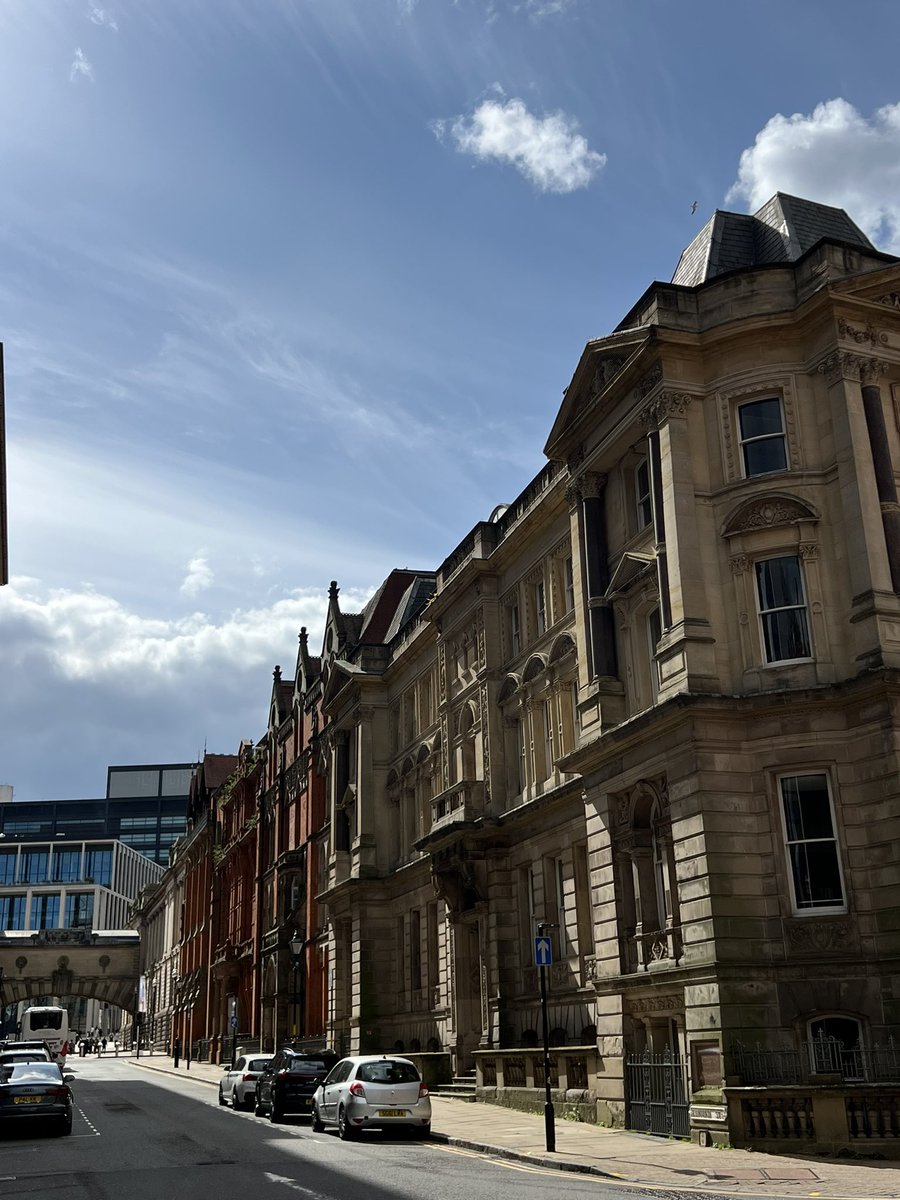
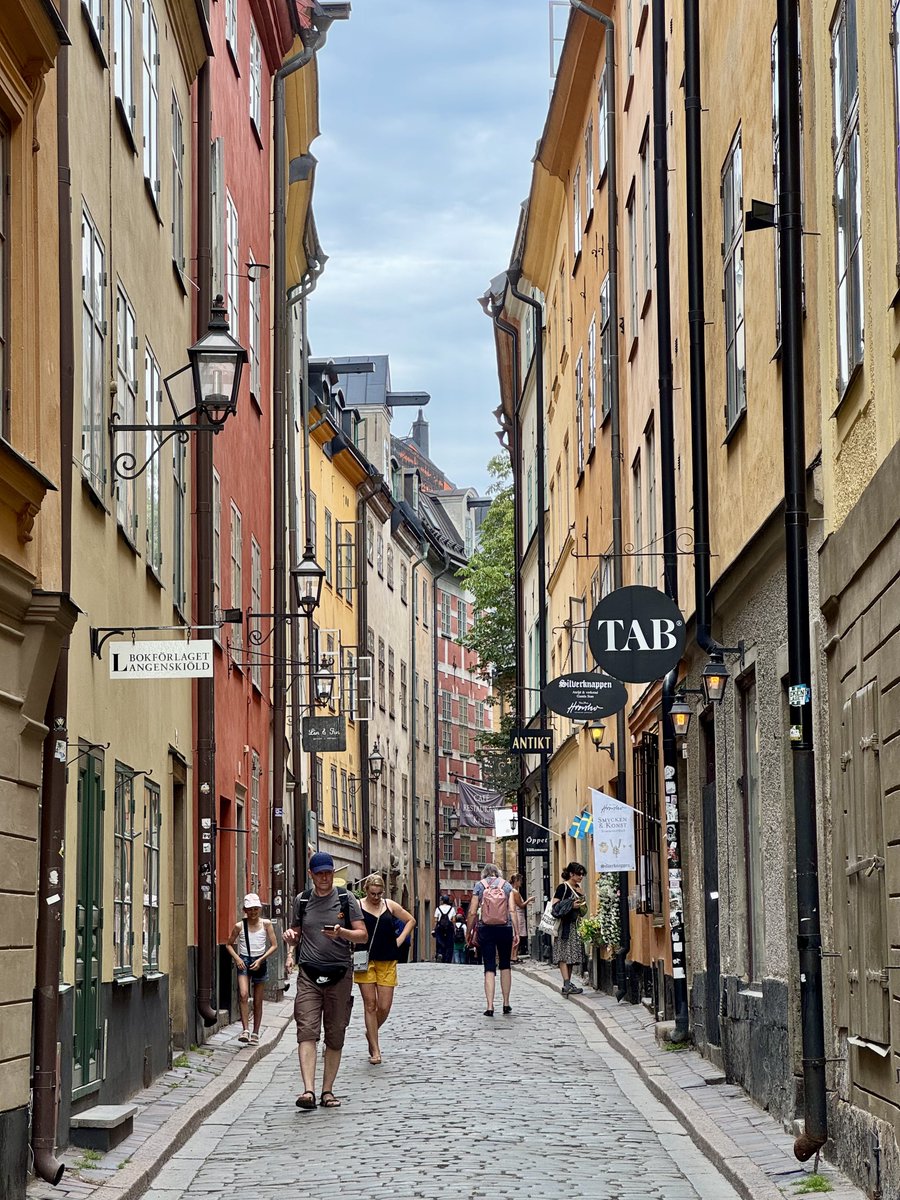
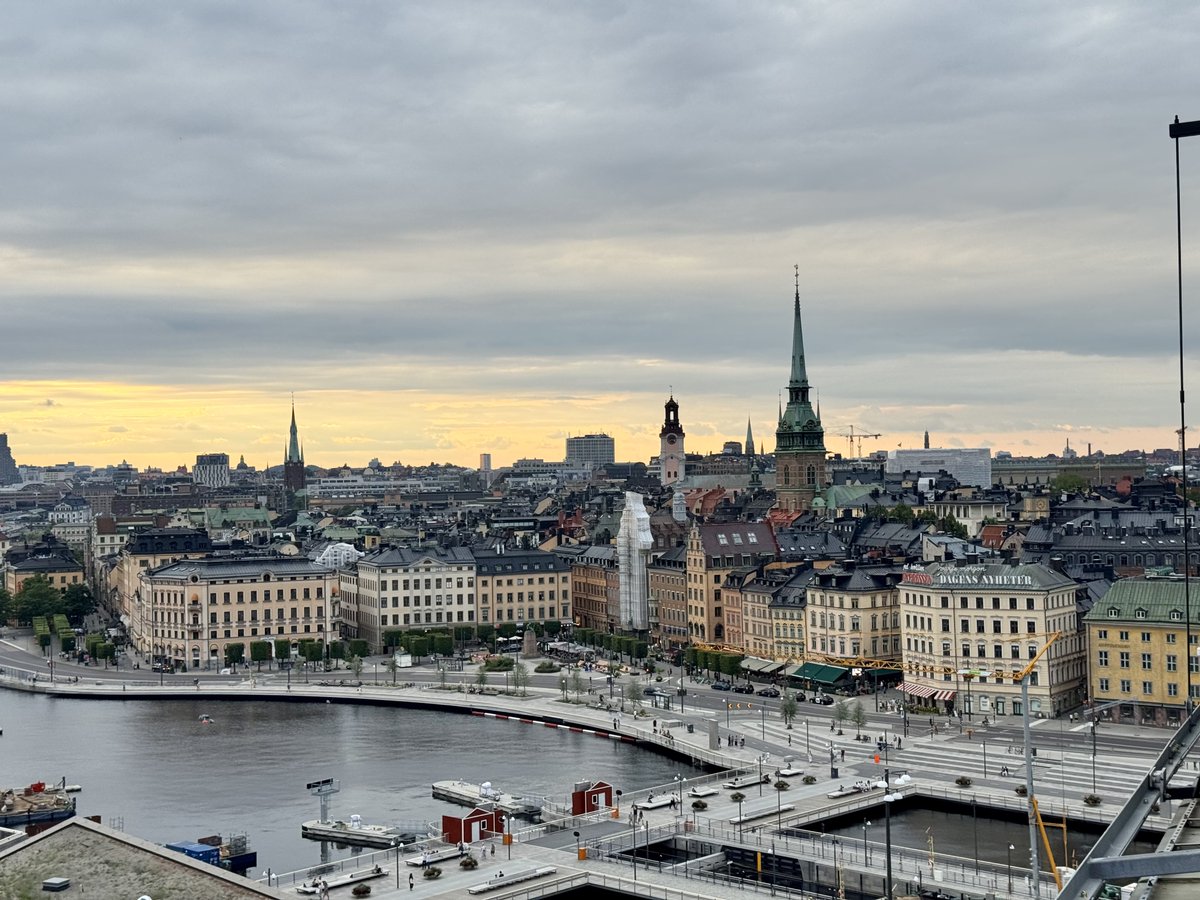
The actual most underrated city in all of Europe is Birmingham and it’s not even close.
The insane negative briefings Birmingham tanks put it in a different realm of underrated than any other city.






105
87
987
201,395

Tor 🦕 retweeted

May 13
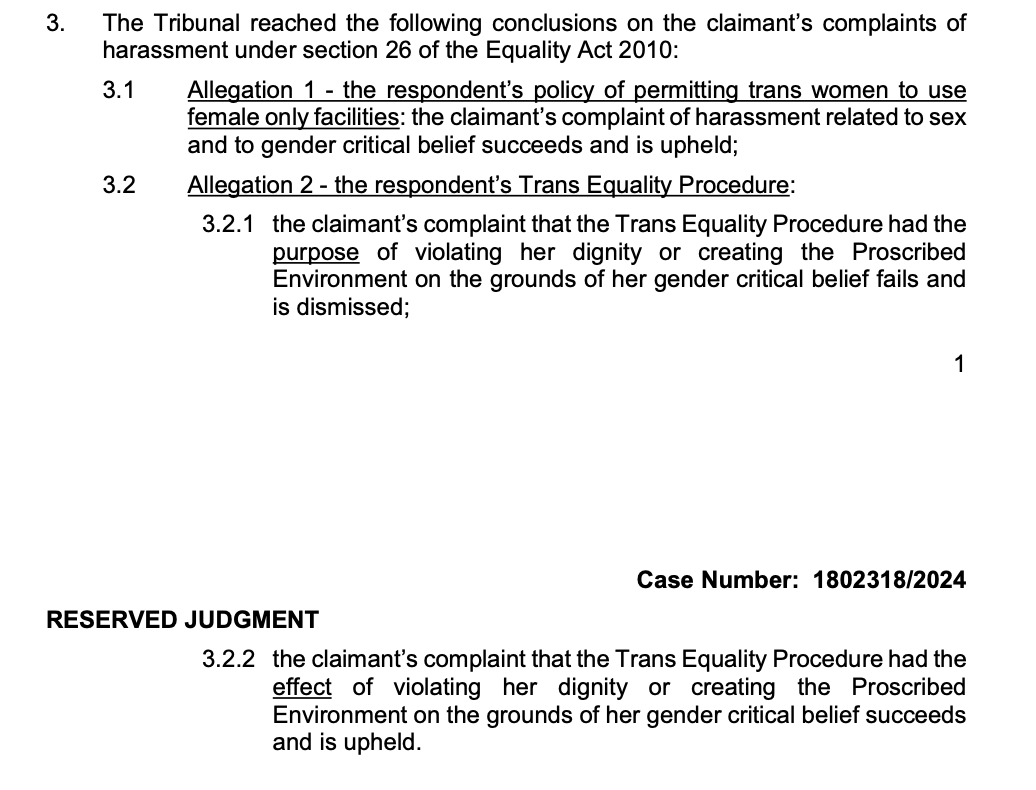
This judgment should send shockwaves through NHS and beyond. It is to my knowledge the 1st to decide that allowing trans identifying men into women's workplace facilities is in itself discrimination and harassment against women.
May 13

📣 @FayeRCTribunal who has won her case against NHS England!
Congratulations to Naomi Cunningham and Liz McGlone representing 👏👏👏
Tribunal finds the policy of permitting "trans women" to use female facilities was harassment in relation to sex & GC belief and its trans equality proceedure was harassment in relation to GC belief.
105
2,123
7,915
193,741
Tor 🦕 retweeted

May 13
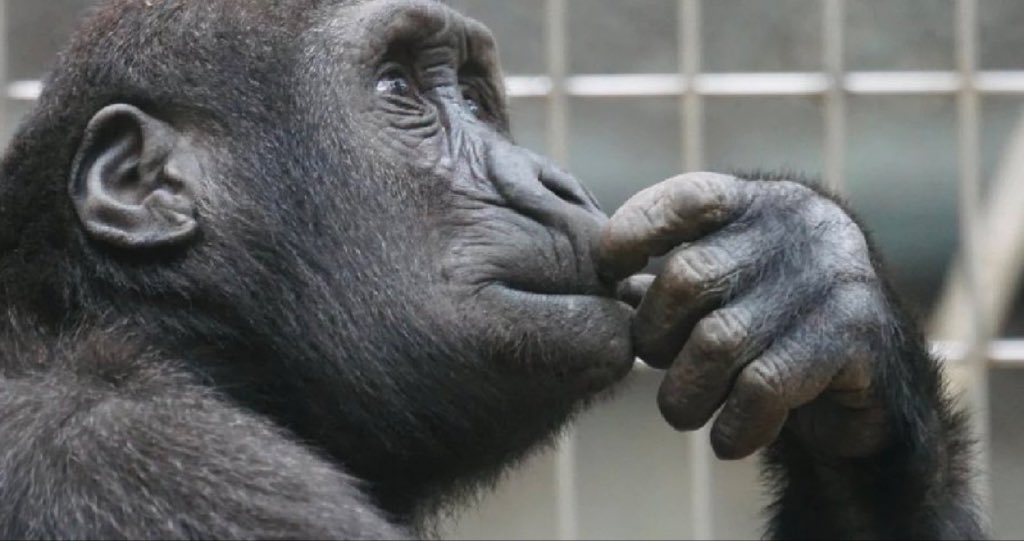
In the 1970s, David Premack wondered if a chimpanzee could be taught to ask a question. He taught Sarah 130 plastic word-tokens. She answered his questions easily. After years of work, she had never asked one of her own. Sixty years later, no signing ape has.
A four-year-old human asks about 25 questions an hour. Paul Harris at Harvard counted them: kids ask their parents around 40,000 questions between ages two and five.
Premack even worked out a method for teaching an ape to ask. Hide a snack the chimp expects. Wait for her to sign "where is it." He never bothered running it on Sarah. She spent her sessions answering his questions, never asking her own. A normal kid, he pointed out, asks "what that? who making noise? when Daddy come home?" on a loop.
Washoe the chimpanzee, the first one taught American Sign Language, knew 250 signs. She could request food. She could sign her name. She once saw a swan and called it "water bird," a sharp invention for an animal she had no sign for. She never asked what the swan was, or where it came from, or anything else.
Koko the gorilla knew about 1,000 signs. Kanzi the bonobo understands more than 3,000 spoken English words. Nim Chimpsky, Herbert Terrace's chimp at Columbia (named to mock the linguist Noam Chomsky), strung 125 signs into more than 20,000 combinations. His longest stretch was "give orange me give eat orange me eat orange give me eat orange give me you." He never asked a thing.
Joseph Jordania, a researcher in Melbourne, thinks this is the line between us and them. To ask a question, you first have to know that the person across from you knows something you don't. Apes do not seem to get to that step, even after a lifetime of being talked at by humans.
Human kids cross that line around their fourth birthday. Apes never do.

Scientists have been communicating with apes via sign language since the 1960s; apes have never asked one question.
339
1,384
10,709
1,504,261