Joined January 2012
- Tweets 165,102
- Following 832
- Followers 5,525
- Likes 172,163
20,925 Photos and videos

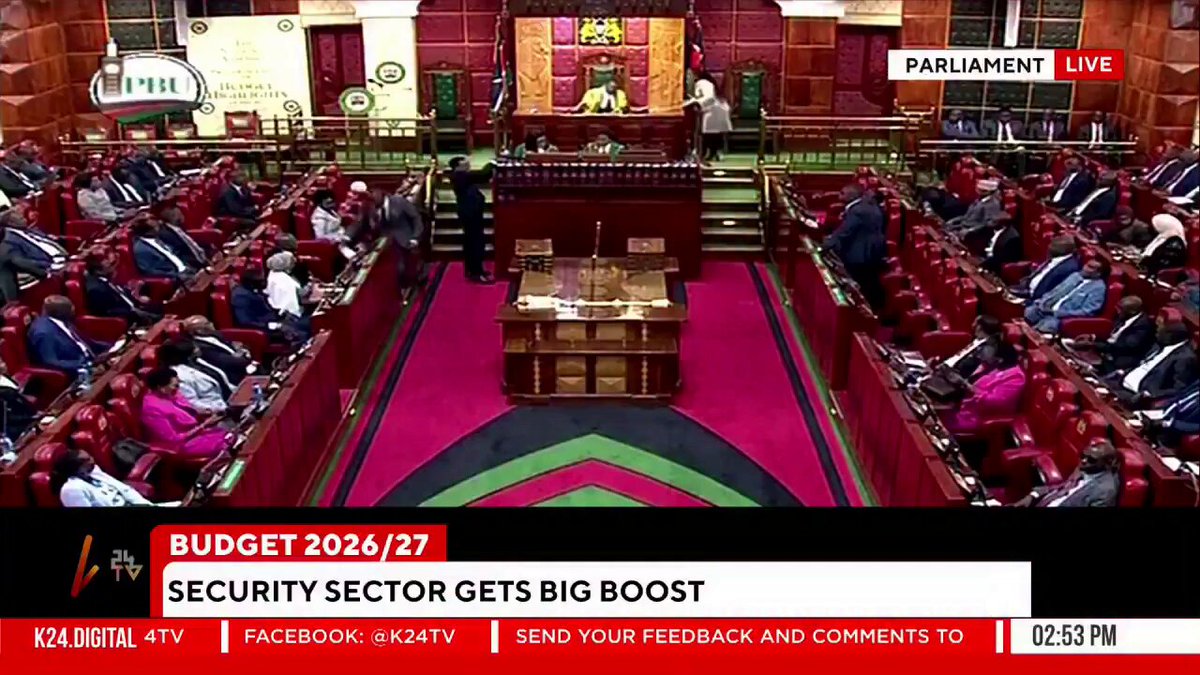
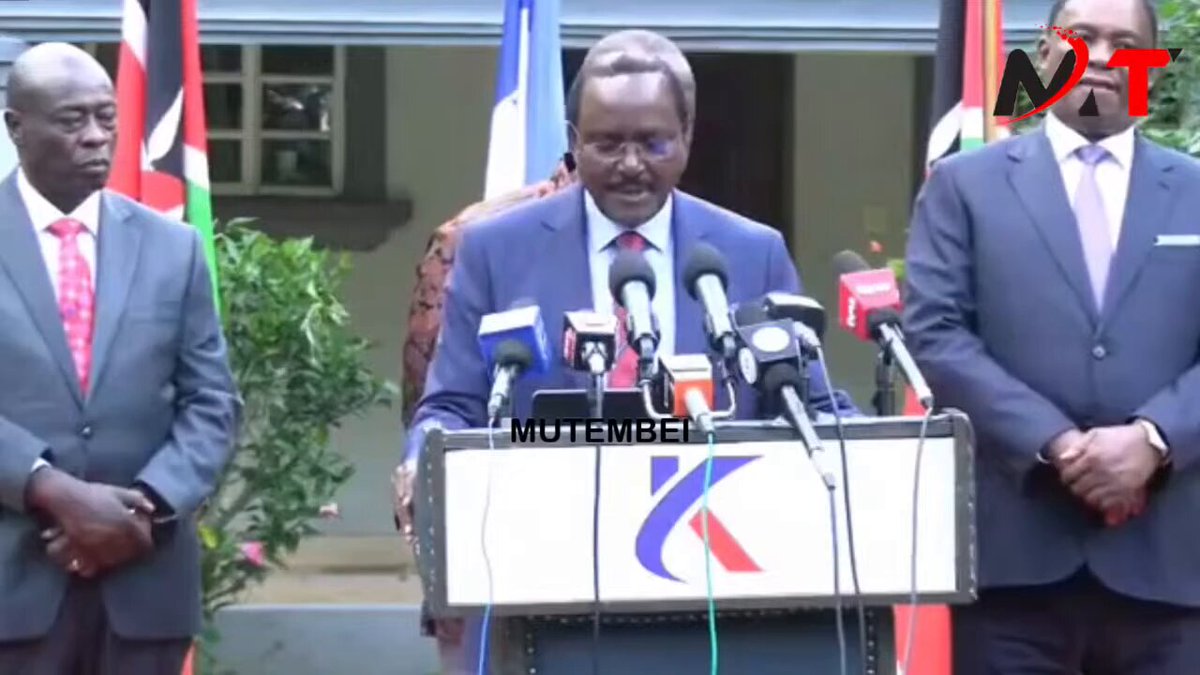
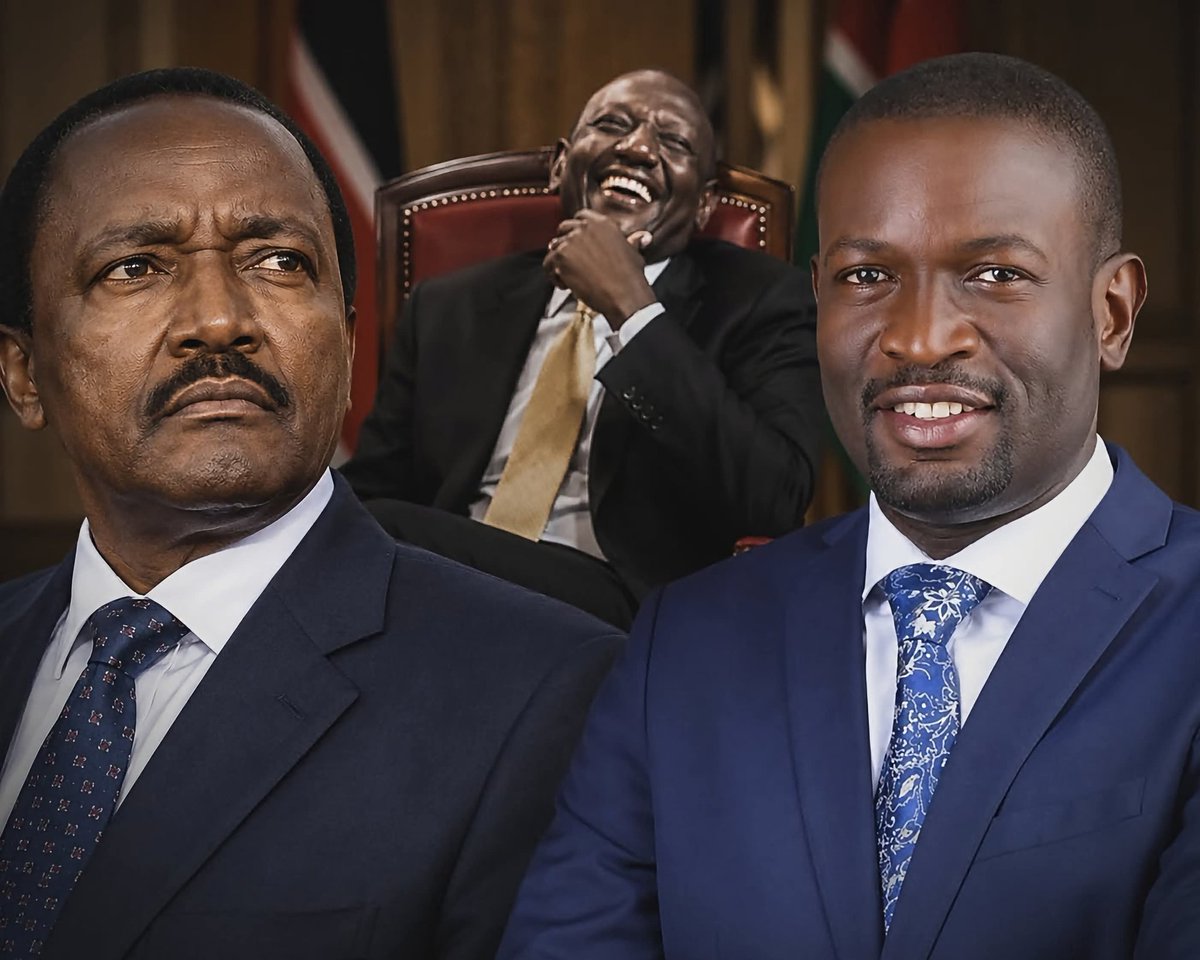
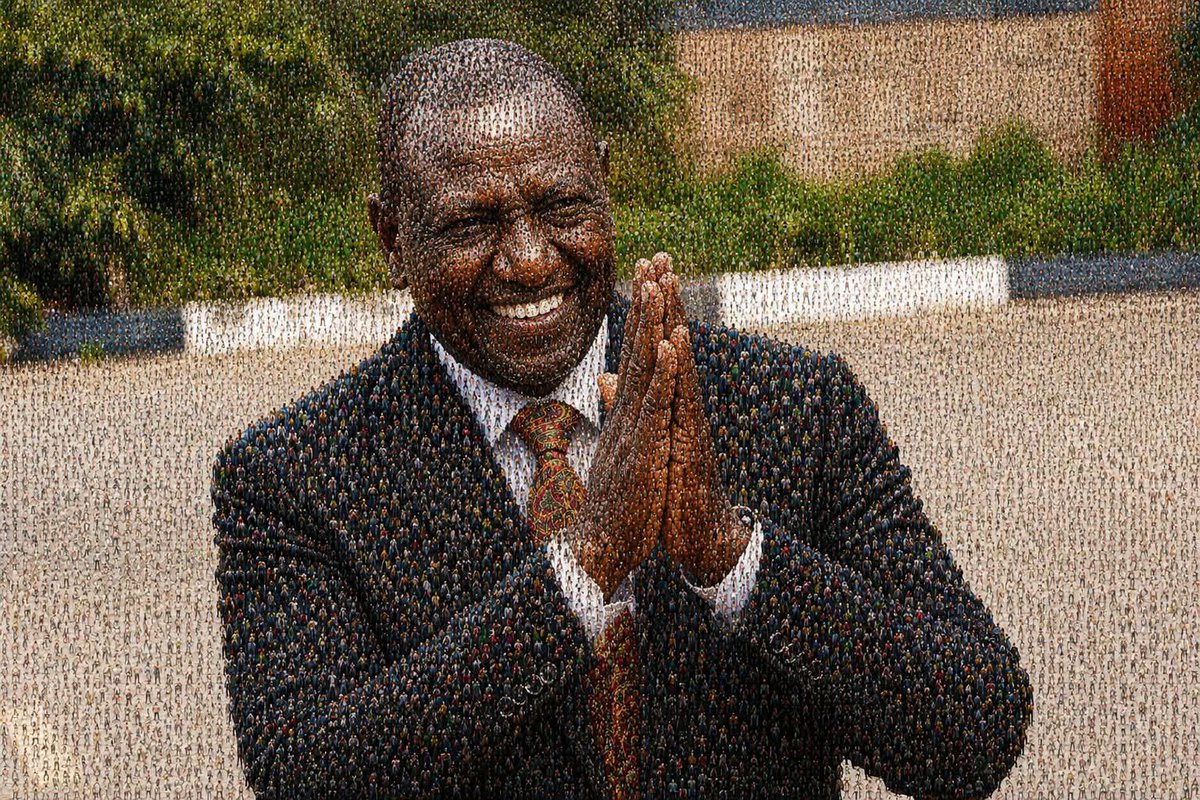
Going into politics without money is the worst thing that can happen to anyone.
You will be snatched by the sharks, and you will be misused.
Linda Mwanachi ( Linda Uhuru) collapsed after the founder, Caleb Amisi, refused to follow the path Sifuna, Baby, and Orengo took...
The path of bowing to Uhuru Kenyatta and the Mt Kenya Billionaires.
Amisi discovered that the people financing Sifuna, Babu, Orengo, and Natembea had only one mission...
Use them as access to the Luhyia votes, then take the votes to benefit the Kikuyu selected candidate.
Amisi is not like Sifuna...
He is in the cleaning cleaning business, and things like 100m do not scare him....
His latest car is worth 25m, in addition to 7 others he has.
Sifuna, on the other side, is still stuck in the ODM Prado...
And has to depend on the money carrier donated by Uhuru.
Sifuna ata aki enda ku susu, he must ask for permission...
Yaani ame tekwa Nyari juu ya kukosa pesa.
On the other hand, Amisi is financially independent, so hakuna kitu ita mu shtua.
Sifuna, Wamunyinyi, Eugene, Natembeya bado wana tegemea Pesa za Uhuru...
So hawawezi sema ng'wee kama Amisi.
1
247
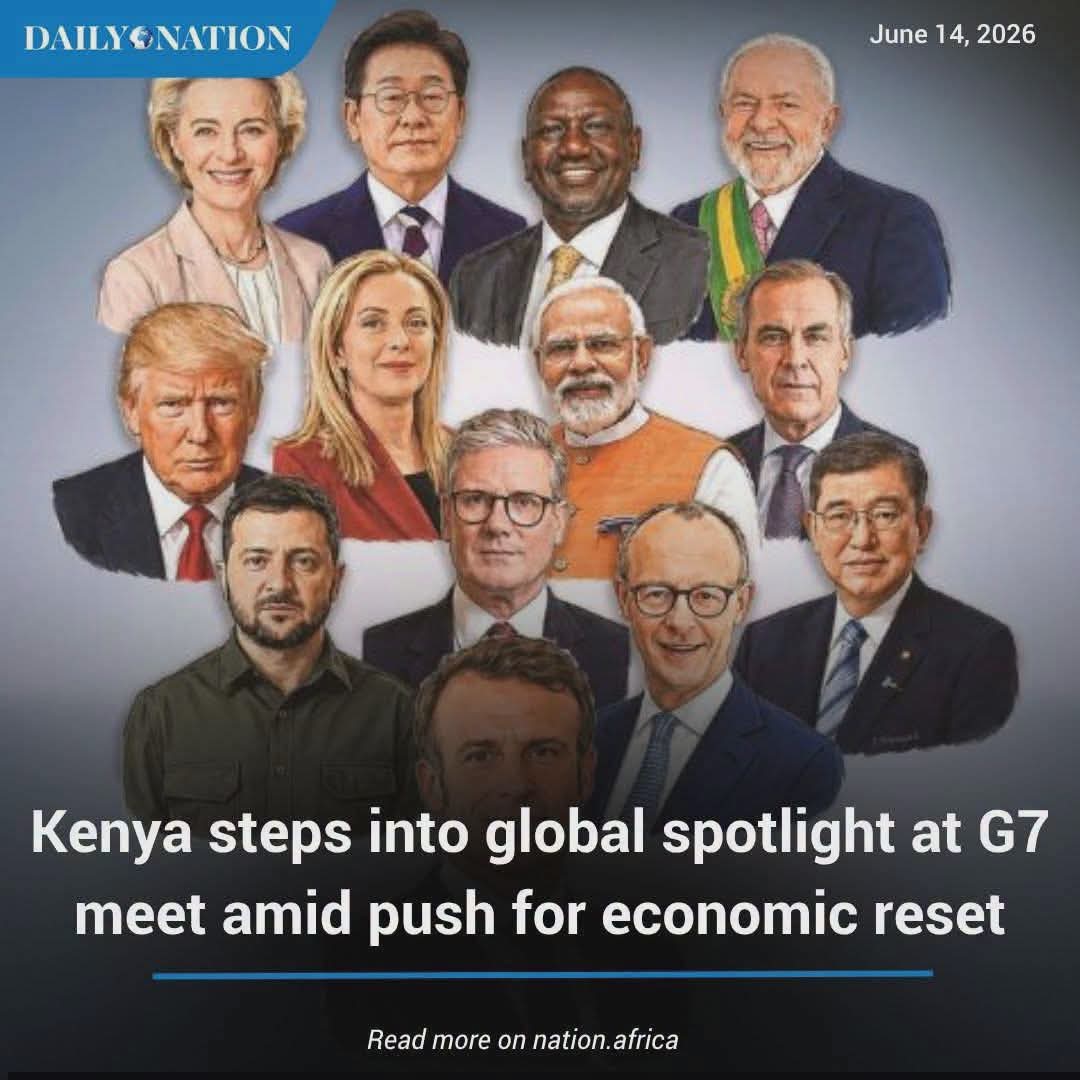
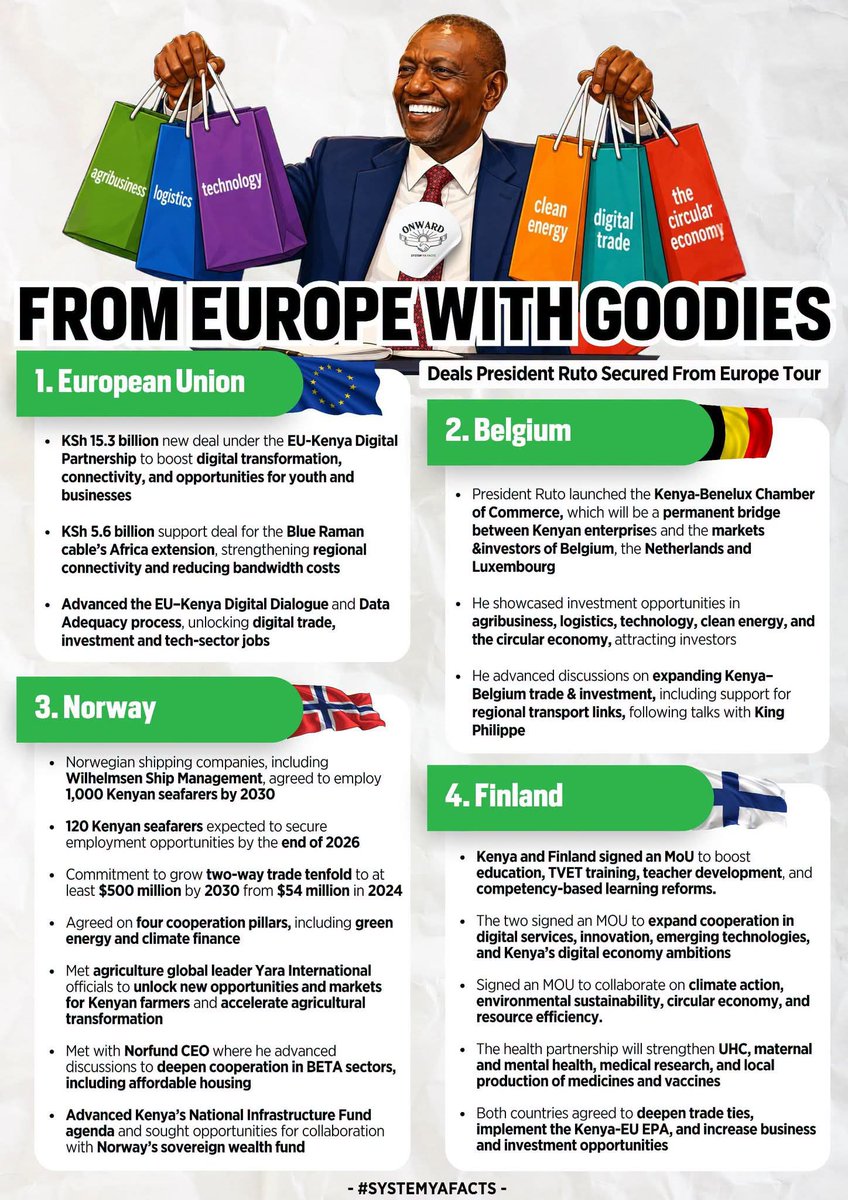
President William Samoei Ruto’s G7 moment is not about standing beside powerful leaders in Évian, France. It is about whether Kenya can convert presence into influence, access into opportunity, and visibility into tangible development.
That is the real test.
The G7 convenes at a moment when the old world order is under visible strain. Wars are disrupting food systems, energy markets and global security. Debt burdens are constraining developing economies. Climate finance remains more pledged than delivered. Critical minerals have become strategic assets in a new contest for influence. Artificial intelligence, green industry and digital markets are reshaping the geography of prosperity. The architecture built after the Second World War is increasingly inadequate for the demands of the twenty-first century.
Into that room walks President Ruto.
Not as a tourist. Not as a spectator. Not as a junior guest of the powerful. He enters as the leader of a nation that has deliberately positioned itself at the centre of the defining debates of our era: debt justice, climate finance, peace and security, green industrialisation, food security, digital transformation and reform of the global financial system.
That is why this moment matters.
The Africa Forward Summit in Nairobi was the opening movement. Kenya and France brought together Africa, Europe, investors, institutions and ideas around a new proposition: Africa is not a theatre of charity, extraction or geopolitical pity. It is a continent of capital, markets, minerals, youth, innovation, energy and solutions.
Évian is the next movement.
What was articulated in Nairobi must now be advanced in the arena of global decision-making.
This is the logic of serious diplomacy. Nations do not merely attend summits. They build continuity. They create platforms. They move ideas from Nairobi to Paris, from Addis Ababa to Brussels, from Africa’s challenges to the world’s balance sheet, and from rhetoric to instruments of finance, trade and production.
That is what President Ruto has begun to do with notable clarity.
Kenya’s foreign policy is moving beyond the diplomacy of flags, banquets and communiqués. It is evolving into a doctrine of national transformation. Economic diplomacy must attract investment. Climate diplomacy must create green jobs. Technology diplomacy must expand skills and innovation. Peace diplomacy must secure regions and markets. Diaspora diplomacy must convert Kenyan talent abroad into national advantage at home.
Foreign policy must ultimately reach the household.
It must be felt by the farmer seeking affordable credit, the graduate seeking opportunity, the trader seeking markets, the manufacturer seeking lower energy costs, the hustler seeking dignity, and the family seeking a country that works.
For Africa, President Ruto carries an even larger argument. Agenda 2063 envisions an Africa that is integrated, prosperous, peaceful, industrialised, self-confident and driven by its own citizens. Yet that future cannot be realised while the continent borrows at high cost, exports raw minerals with limited value addition, imports finished goods at a premium, and remains constrained by global risk models that too often treat African ambition as danger.
Africa is not asking for pity.
Africa is asking for fairness.
The continent does not arrive empty-handed. It brings the world’s youngest population, vast renewable energy potential, strategic minerals, expanding markets, growing digital talent, critical maritime corridors, climate solutions and the moral authority of a region that has contributed least to global warming while bearing some of its harshest consequences.
That is the case President Ruto must make.
And few leaders today are better positioned to make it.
President Ruto possesses intellectual confidence, diplomatic stamina, continental credibility, and political courage.
1
89
So long as Uhuru and Gachagua are fighting each other on who controls the opposition, Ruto is assured of a TUTAM by 6am in the morning...
While Gachagua's side of Opposition is in the Western Part of Kenya, Uhuru's side of the DISJOINTED OPPOSITION will be in Thika...
By the way, Matiang'i has been missing in the tour of Gachagua in the Western part of Kenya? WHY?
Even when Matiang'i recently toured Meru with Peter Munya, Gachagua's trusted ally Linturi organized Youths to heckle Matiang'i and Peter Munya in Munya yet they are all in Opposition..
If the opposition is one, why is Matiang'i NOT in Gachagua's tour of Western Kenya region??
And why can't the opposition hold joint rallies?
Why is Team Gachagua in Bungoma and Team Uhuru in Thika?
To prove to you that Linda Uhuru is funded by Uhuru , K24 will air Sifuna live from Thika Town, but won't air Gachagua's rallies in Bungoma.
1
111
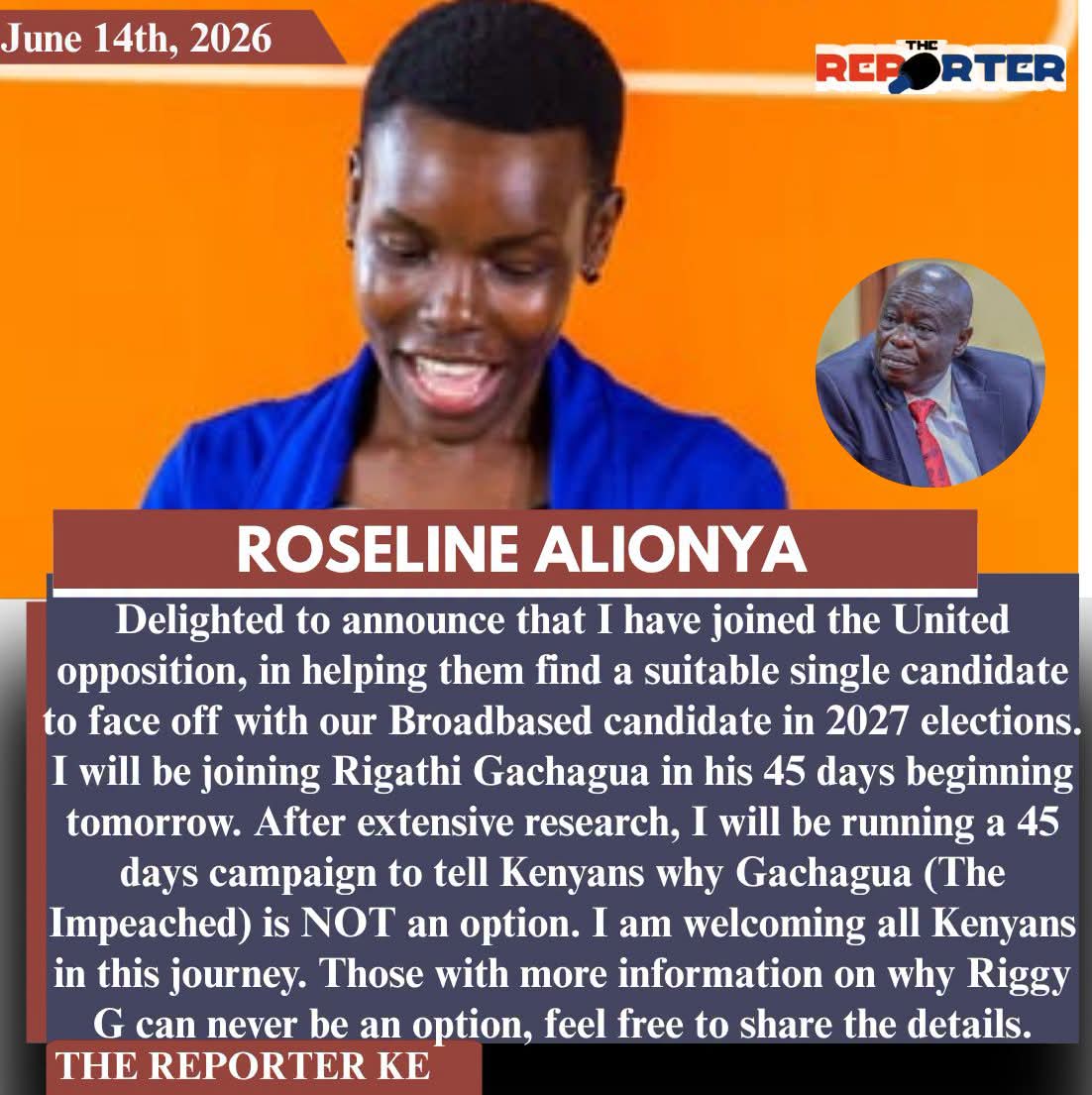
ODM's Roseline Alionya mocks Gachagua over his decision to spend 45 days at home contemplating his next step in politics.
Delighted to announce that I have joined the United opposition, in helping them find a suitable single candidate to face off with our Broadbased candidate in 2027 elections.
I will be joining Rigathi Gachagua in hi45-dayys beginning tomorrow.
After extensive research, I will be running a 45-day campaign to tell Kenyans why Gachagua (The Impeached) is NOT an option.
I am welcoming all Kenyans in this journey. With more information on why Riggy G can never be an option, feel free to share the details.
1
75
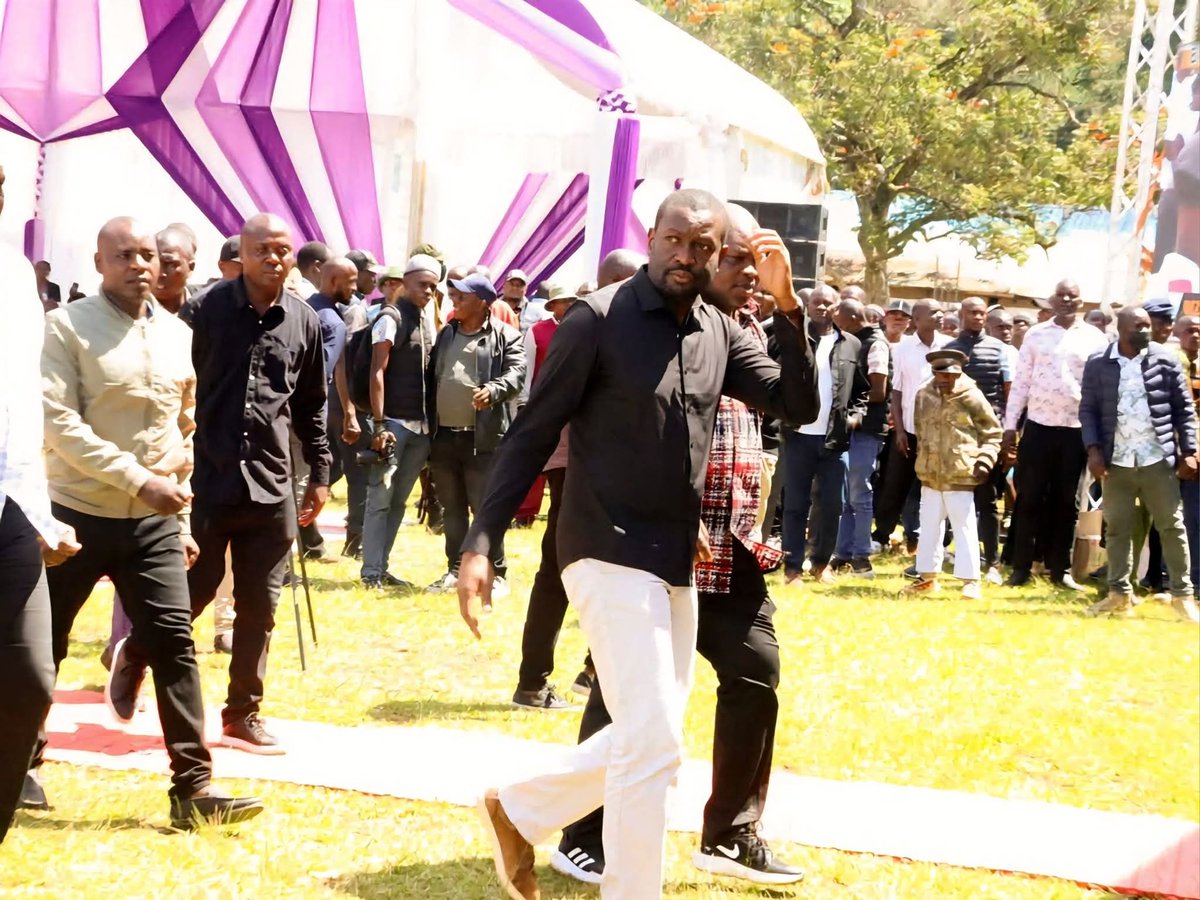
Angry AIPCA preacher lectures Edwin W. Sifuna and the Linda Mwananchi brigade at a church in Thika for interrupting Church service.
They were thrown out for a short period, but later were allowed in.
Pastor: Hapa ni kanisa, na kuna utaratibu wake. Wanasiasa yafaa wajipange wakati wanataka kuja kwa ibaada waje mapema na bila vurugu. Kwanza so wana AIPCA.
Tunataka heshima. Hapa AIPCA hatutakubali matusi na lugha ya uchochezi kamwe.
Kiburi itawaisha.
92
SPARTZ MEDIA retweeted

Jun 13
A GEN Z.
A 24 year old.
Queuing in the cold outside a village public primary school in Nyeri at 5.30am.
Waiting for the polling station to open
To vote for 74-yr old Kalonzo Musyoka as the 6th President of the Republic of Kenya.
Hope that all what the Gen Z has been demanding and clamouring for in his young life will be fulfilled by President Kalonzo and his kingmaker Rigathi Gachagua.
Apanaaa. Wacha ikae
200
61
265
48,419

Jun 12
DCI dismisses claims that Indian doctor was paid Ksh300 million to poison Raila.
They want us to believe that Ruto killed Baba, tunawaambia ng, oooo.
402
Jun 12
I am the chief diplomat of our country - President William Ruto
1
27
Jun 12
Kameme FM presenters, no one mentioned Former President Uhuru Kenyatta in this matter. We are addressing you as individuals, so stop hiding behind claims that people are criticizing you because you support Uhuru Kenyatta.
The real concern is why a whole broadcasting station dedicates 4–6 hours every day to presenters whose main agenda seems to be insulting leaders, spreading unverified stories, seeking clout, and chest-thumping with titles such as "Itungati." Media platforms should inform, educate, and unite people, not fuel division and hostility.
Now, some of you have even started creating narratives on the same programs claiming that you are being threatened, seemingly to gain sympathy and divert attention from the issues being raised. People today are more informed and can see facts for themselves without being told what to think. Kenyans are increasingly able to separate facts from propaganda and make their own judgments.
Mind your words and be responsible with the influence you have over your audience. We will not accept a situation where reckless rhetoric pushes this country towards hatred, division, or violence. Kenya belongs to all of us, and peace and unity must always come first.
1
84
Jun 11
Hon. Junet: The last president who attended parliament while we were reading the budget was President Kibaki.
1
3
241
Jun 11
Done and dusted! Angry Gachagua Endorses Kalonzo as the 2027 Presidential Candidate.
1
1
66
Jun 11
Why the Kalonzo Sifuna ticket would fail.
Let me say it plainly before the excitement around this pairing gets out of hand.
This ticket cannot win the 2027 presidential election. Not because Kalonzo lacks experience. Not because Sifuna lacks sharpness. But because a presidential election in Kenya is not won by two impressive individuals agreeing to run together. It is won by coalition mathematics. And the mathematics of this ticket do not add up.
The first problem is Sifuna and the assumption that he delivers Western Kenya. That assumption is dangerously wrong. Mudavadi is in government. Wetangula is in government. Oparanya is in government. These are not peripheral figures. These are the established political heavyweights who command real ground structures in Bungoma, Kakamega, Vihiga and Trans Nzoia. Sifuna is a senator from Nairobi whose Luhya credentials are contested by the very men who actually control the community's political machinery on the ground. Putting Sifuna on a ticket and expecting Western Kenya to follow him over Mudavadi and Wetangula is not a strategy. It is a wish. And wishes do not win elections.
Now before I go further let me say something that many analysts avoid because it sounds uncomfortable.
We cannot ignore tribal politics in Kenya. As much as we wish elections were decided purely on policy, on vision, on track record — the reality on the ground tells a different story. Tribal politics has always played a role in Kenyan elections. It played a role in 1992. In 2007. In 2013. In 2017. In 2022. And it will play a role in 2027.
Not because Kenyans are primitive. But because identity politics is a universal human phenomenon that operates in every democracy on earth. In America it is race. In India it is caste. In Kenya it is community. Pretending otherwise does not make you sophisticated. It makes you wrong.
So let us be honest about what that means for this ticket.
Kalonzo is banking on Gachagua's endorsement to deliver Mount Kenya. That logic is understandable. Gachagua commands enormous emotional loyalty in the region. His endorsement carries real weight. But endorsement and delivery are two completely different things.
The Agikuyu community has a deeply ingrained political culture of voting for their own.( president or DP)Asking Mount Kenya to vote for a Kamba presidential candidate with no Kikuyu, Meru or Embu running mate is a significant emotional and political ask. Even with Gachagua's blessing.
If Ruto retains Kindiki as Deputy President heading into 2027 or picks a Running mate for My.Kenya he neutralises the Mount Kenya grievance narrative almost completely. Kindiki is from Tharaka Nithi. He is Mount Kenya. A Ruto Kindiki ticket goes to the region with one simple and powerful message. You have one of your own in the second seat. Whatever anger you feel about the impeachment, whatever Gachagua tells you, there is a Mount Kenya face on this government ticket.
The only way this Ticket gets massive support in Mt.Kenga is is Ruto doesn't pick a Running mate from the region.
Luhya votes are split or held by Ruto's established allies. Mount Kenya is uncertain without one of their own on the ticket and becomes even more uncertain if Kindiki remains in place. Rift Valley is firmly behind Ruto. Coast is contested. Northern Kenya just watched Ruto cry in Wajir.
The Kalonzo Sifuna ticket is essentially Ukambani plus hope.
Ukambani is real. It is loyal. It delivers.
But it has never been enough on its own.
And hope without a coalition structure to back it is just a press conference waiting to be forgotten.
The opposition that defeats Ruto in 2027 must solve the Mount Kenya equation first. Everything else is secondary.
Kalonzo Sifuna does not solve that equation.
It avoids it.
43
5
43
13,134
Jun 10
Some people may think this man doesn't
have his own community who can fight back for him..
Some people may think he doesn't have genuine supporters who can die with him...
They may think those who love him don't feel the pain of insults towards him...
They may think his supporters are weak.
They may think this silence is stupidity.
They can also be mistaken for the silence as a lack of ideas.
They may also say they don't have numbers or they are cowards.
They can go deeper and call them fools.
Little do they don't know we have the secret .... numbers to vote.
Being a keyboard warrior doesn't mean you're the winner...
Watch this space
Ruto, you're not alone. We love you genuinely.
Tutam.
1
51
Jun 10
In all honesty...
Can you imagine Kalonzo and Gachagua negotiating for this...
1
35
Jun 10
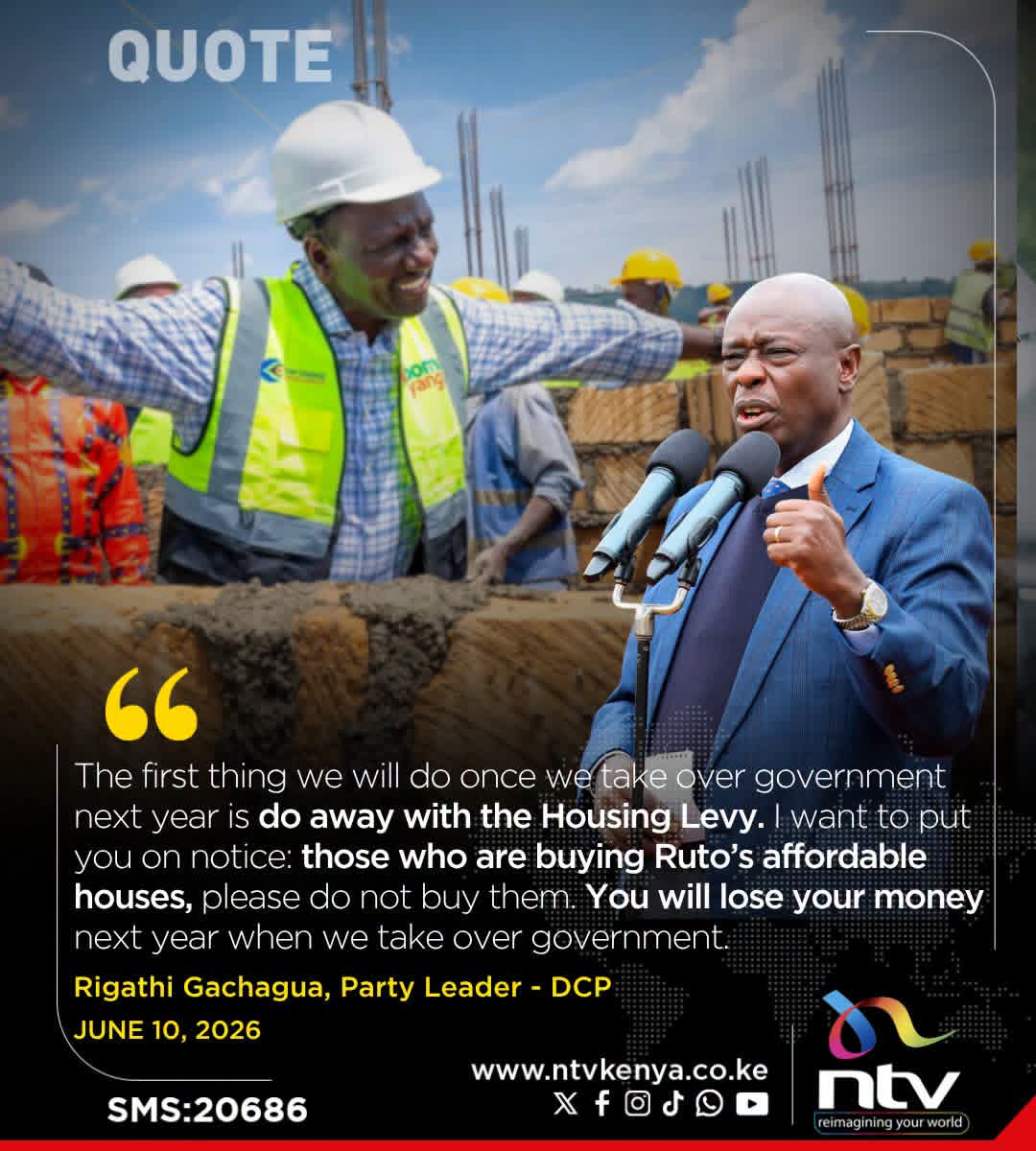
What's your take on this?
Rigathi Gachagua: Those who are buying Ruto’s affordable houses will lose their money next year when we take over government.
154
Jun 10
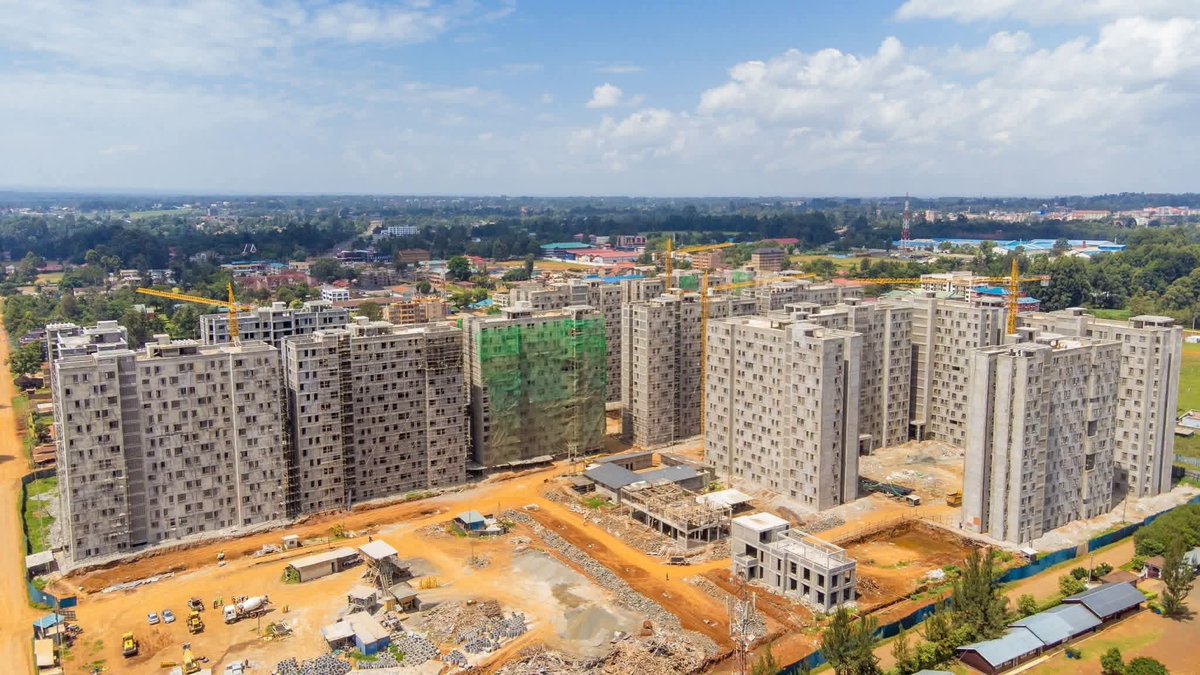
Leaked data from the Kenya National Bureau of Statistics has left many Kenyans shocked after it emerged that the Affordable Housing Project, though facing criticism from those being deducted housing levy, it has created a ripple effect and employed over 500, 000 Kenyans.
According to data, over five hundred thousand Kenyans have so far worked under the AHP, almost doubling the number of people who worked under economic stimulus projects, popularly referred to as Kazi Mtaani.
Those employed cut across through all sectors, including experts, jua kali, and those in masonry. To spice it up, AHP is also offering internships to recent graduates for up to one year.
The leaked data also shows that programme has made over 6000 kenyans homeowners within a period of one year whilst in the next one year, over 100K citizens living in deplorable state in informal settlements are also expected to join the league of home owners.
1
1
83
Jun 10
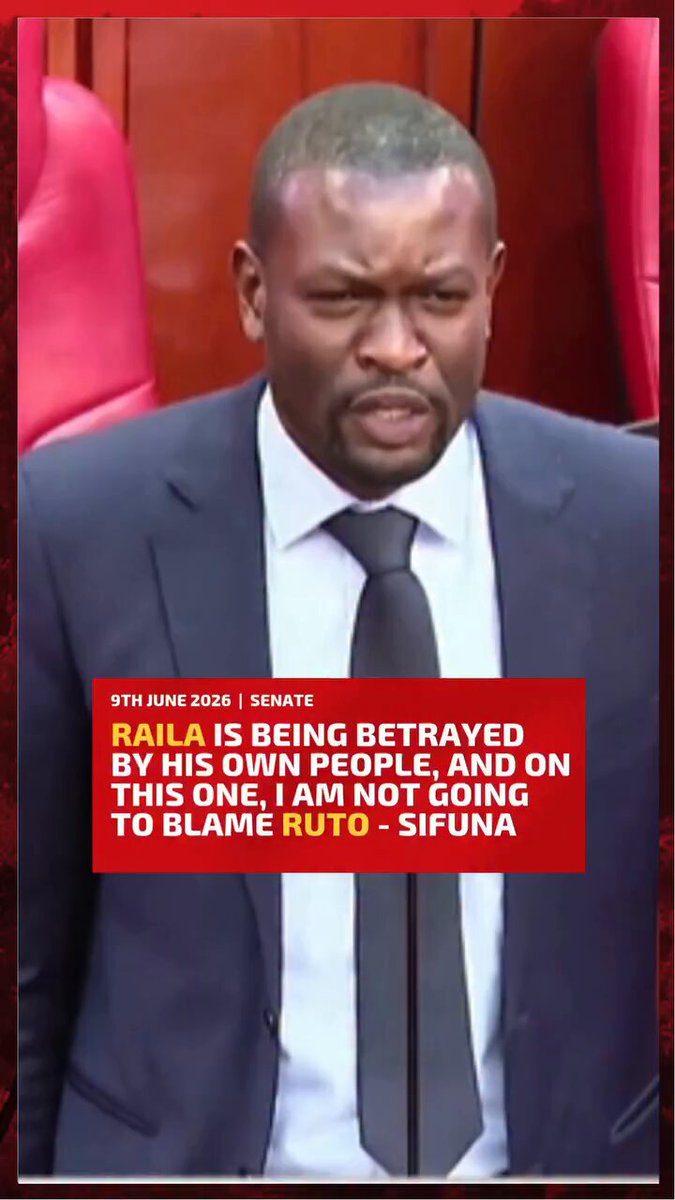
Raila is being betrayed by his own people, and on this one, I am not going to blame Ruto - Sifuna
103
Jun 10
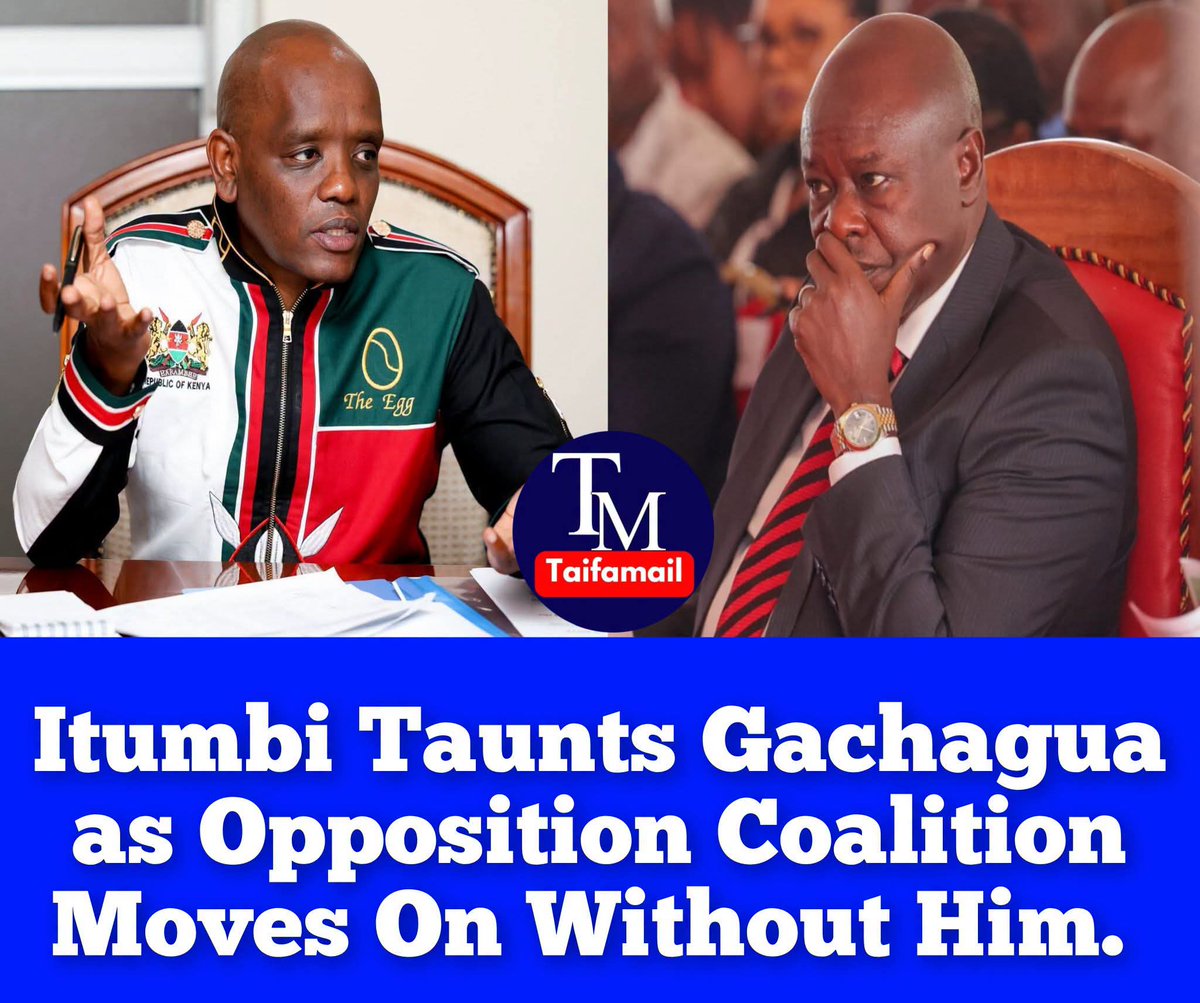
Dennis Itumbi has sparked fresh political debate after appearing to shower praise on opposition leader Kalonzo Musyoka, a move that left many observers wondering how a close ally of President William Ruto could publicly congratulate one of the President's fiercest rivals while simultaneously launching a blistering attack on former Deputy President Rigathi Gachagua.
In a lengthy statement directed at Gachagua, Itumbi sarcastically wished the former Deputy President well as he allegedly prepared for the June 24 and 25 protests and the upcoming Saba Saba demonstrations.
However, the communication quickly shifted focus to Kalonzo, whom Itumbi said had finally reached agreement with his running mate, Edwin Sifuna, on the name of their political coalition, the Ukombozi Linda Mwananchi Alliance.
Itumbi further claimed that the coalition had settled on its preferred Nairobi leadership lineup, with Babu Owino earmarked for the governor's race, Irungu Nyakera for senator, and another candidate for the women representative position.
The digital strategist also revisited previous political positions he attributed to Gachagua, alleging that the former Deputy President had preferred a different political arrangement in Nairobi.
According to Itumbi, the coalition leadership had rejected those suggestions and opted to proceed with its own strategy.
In the statement, Itumbi further claimed that opposition figures were increasingly moving ahead without seeking Gachagua's approval, arguing that political activities in the Mt Kenya region would continue regardless of whether the former Deputy President endorsed them.
He pointed to planned political engagements in Thika and Meru as evidence that the opposition's outreach efforts were already underway.
The remarks also suggested that Kalonzo's presidential ambitions were gaining momentum, with Itumbi claiming that the opposition leader was preparing to unveil his presidential bid in August.
He further alleged that several political figures, including Eugene Wamalwa, Justin Muturi, Lenny Kivuti, Kawira Mwangaza, Nyakera and Kalonzo, were preparing to bring their parties together under a common political vehicle.
Adding to the mockery, Itumbi recounted an alleged conversation involving opposition figures who reportedly laughed about Gachagua's frequently cited 45-day political timeline, interpreting it as an ultimatum that was rapidly running out.
He concluded by taking another swipe at the former Deputy President, claiming that Gachagua had developed a predictable political pattern involving periods of retreat, silence and re-emergence after key political events.
The statement has since generated discussion online, with critics and supporters alike questioning whether Itumbi's unusually warm words for Kalonzo reflected mere political sarcasm or an attempt to deepen divisions within the opposition while isolating Gachagua from emerging anti-government alliances.
Is opposition isolating Gachagua?
2
732
SPARTZ MEDIA retweeted

Jun 9
Kenyans will travel everywhere to admire how systems work until they find a leader who wants to make systems work here…then it’s all war.
Jun 9

I have been taking night walks in Ethiopia Addis Ababa and Hawassa city. The development is marveling. Clean wide streets complete with lights and bike lanes. Clean beautiful parks. Underground viaducts and underpasses. Electric train. Expressways.
Its beyond my expectation.
4
12
34
2,528
Jun 10
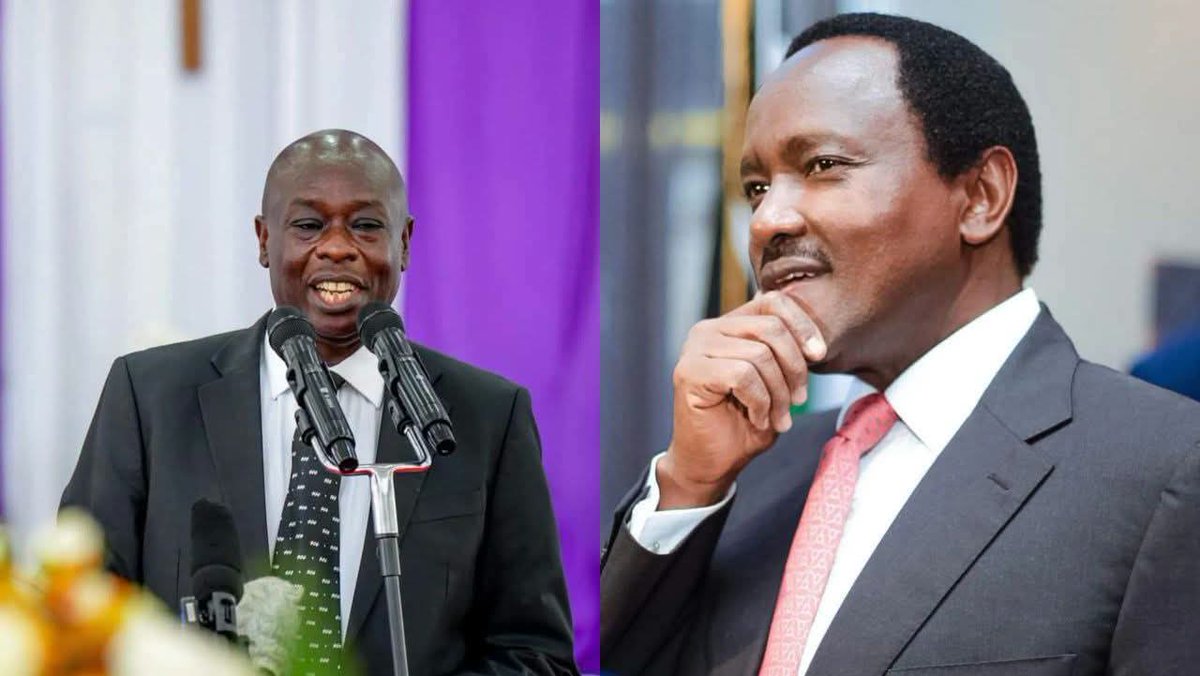
Our moles within DCP are reporting that the reason Gachagua said yesterday that he is now retreating for 45 days in Wamunyoro to "restrategize" is because it now emerging that Uhuru Kenyatta has fully captured Kalonzo and is dictating who will be Kalonzo's running mate and the Governor of Nairobi..
So far, Uhuru has presented to Kalonzo that one Sifuna should be the running mate while Babu Owino will be the Nairobi Governor as per the proposal by Uhuru inorder to fund Kalonzo..
BUT Gachagua is NOT comfortable with such because DCP is not featuring in any of these arrangements...
DCP cult is now eyeing either President or Deputy President or Nairobi seat with Gakuya as Gachagua's preferred choice...
Uhuru is for Babu, DO Gachagua is for Gakuya...
8
5
101
40,936