
CTO @ Narnium. "Average statisticians are the worst. Half of them confuse the mean with the median."
Joined March 2011
- Tweets 76,134
- Following 86
- Followers 1,380
- Likes 101,417
1,664 Photos and videos









Pinned Tweet

16 Sep 2025
New post just landed at the #Narnium blog: Type-Safe Dynamic Mappings in Swift — narnium.com/posts/2025-09-16…
#swift #swiftlang #apple #programming #statictyping
1
1
3
1,709
Universally-Quantified Type Variable retweeted

How lucky that "real love" just happened to be with a jacked Chad

Women are genuine in relationships.
While men just crave your body parts.
Know the difference, queens.

13
85
3,156
32,818

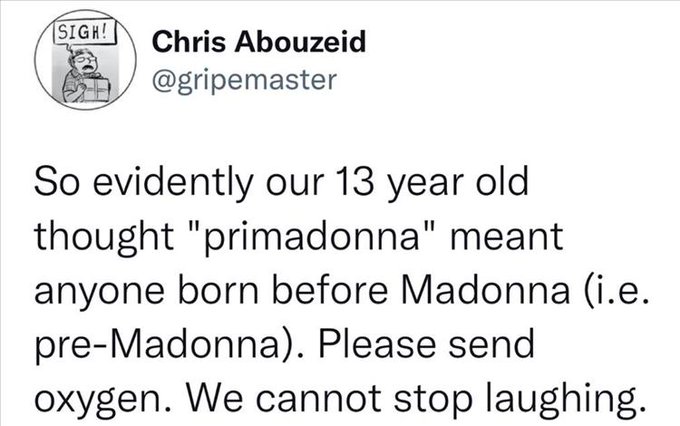
Universally-Quantified Type Variable retweeted

6h
He knows 😭

39
739
29,798
307,798
Universally-Quantified Type Variable retweeted

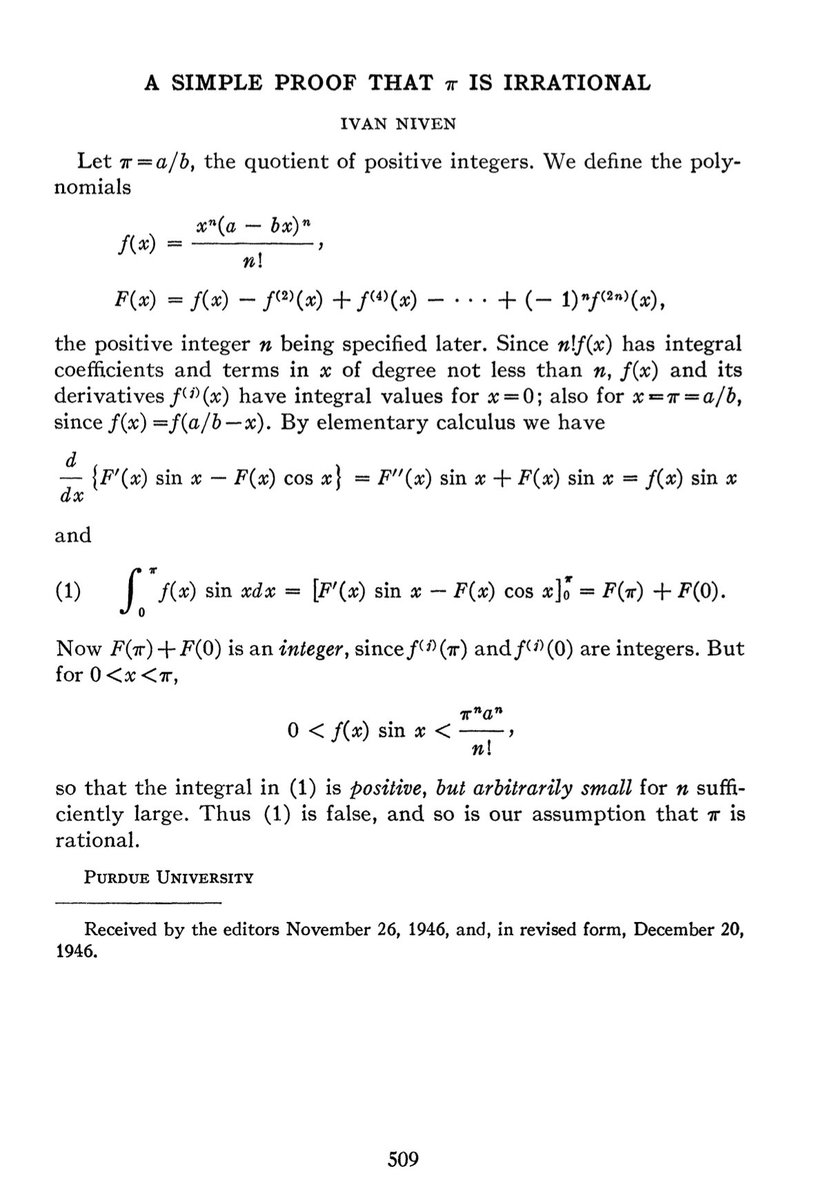
A simple proof that π is irrational.
2
32
222
10,623



Universally-Quantified Type Variable retweeted

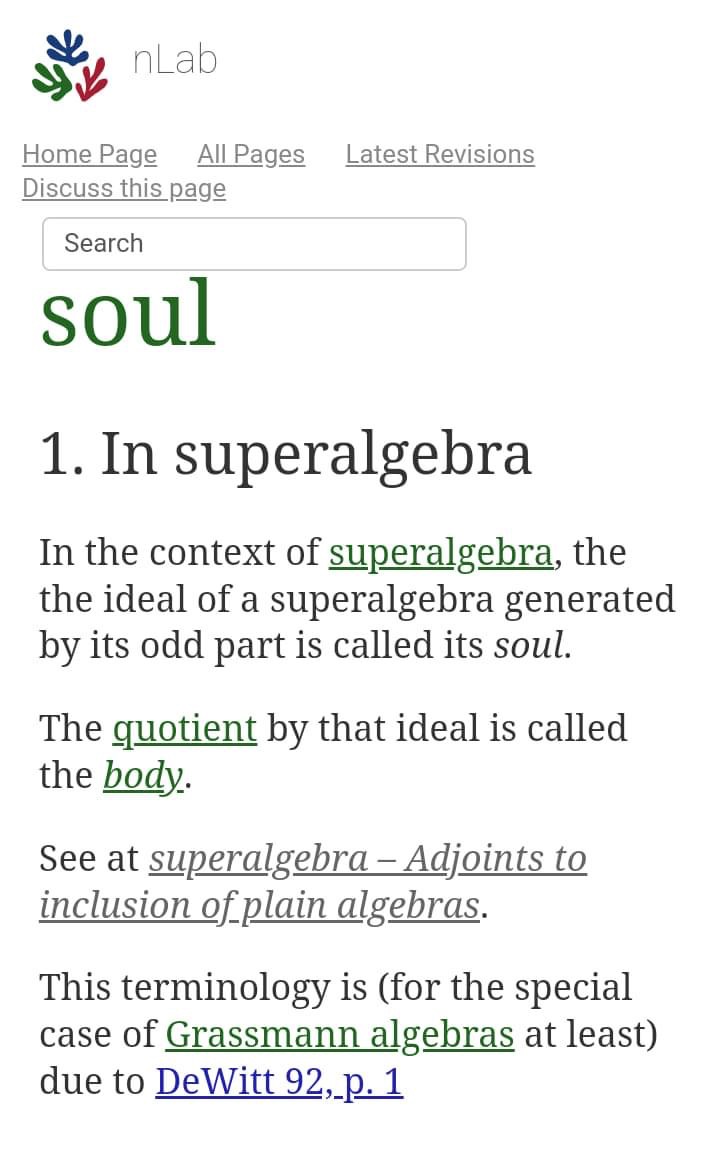
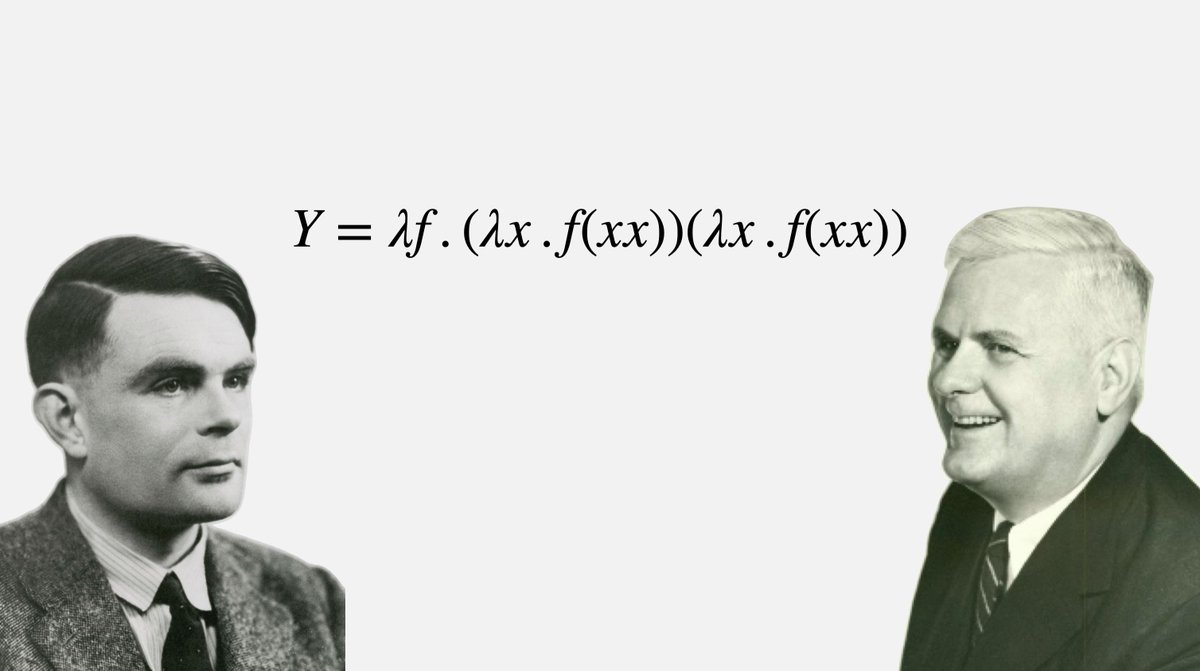
In 1936 Alonzo Church tackled a question logicians had circled for decades: is there a method that can decide for any mathematical statement whether it is provable?
To make the question precise he invented a tiny language where everything is a function: the lambda calculus. He used it to prove that no such method exists. Months later a student of his named Alan Turing reached the same conclusion with an imaginary machine. The two proofs were equivalent, and together they drew the line between what a computer can and cannot do.
Church built half the foundation of computer science to settle a question about logic. The lambda calculus he invented is still running today, inside every functional programming language.
4
50
272
21,726
Universally-Quantified Type Variable retweeted

POV: You started a towel war with the cleaner at your hotel
[📹evinmaz]
111
810
6,901
241,555
Universally-Quantified Type Variable retweeted

10
703
33,763
181,286


Universally-Quantified Type Variable retweeted

Jun 13
tf that got to do with me?!



662
18,960
394,224
7,059,240
Universally-Quantified Type Variable retweeted

If only there was a language that made it harder to create some types of vulnerabilities in large cooperative projects while still being very fast and flexible and more suited for concurrent programming.
If only
”any C codebase, if it gets big enough with enough people, it is going to have vulnerabilities. It's not a skill issue in my opinion. It's just a language that allows that kind of thing to happen” youtu.be/QGC40AfmgY0?is=7pR3…
39
7
289
32,137



Universally-Quantified Type Variable retweeted

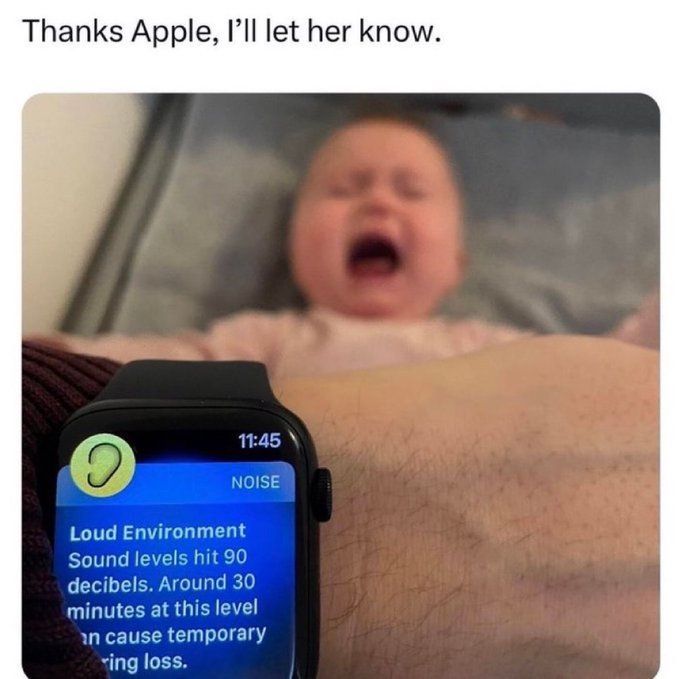
me tome la temperatura y me dio 90 grados

94
3,665
37,195
500,443
Universally-Quantified Type Variable retweeted

It be like that

38
287
5,552
49,208
Universally-Quantified Type Variable retweeted

Jun 13
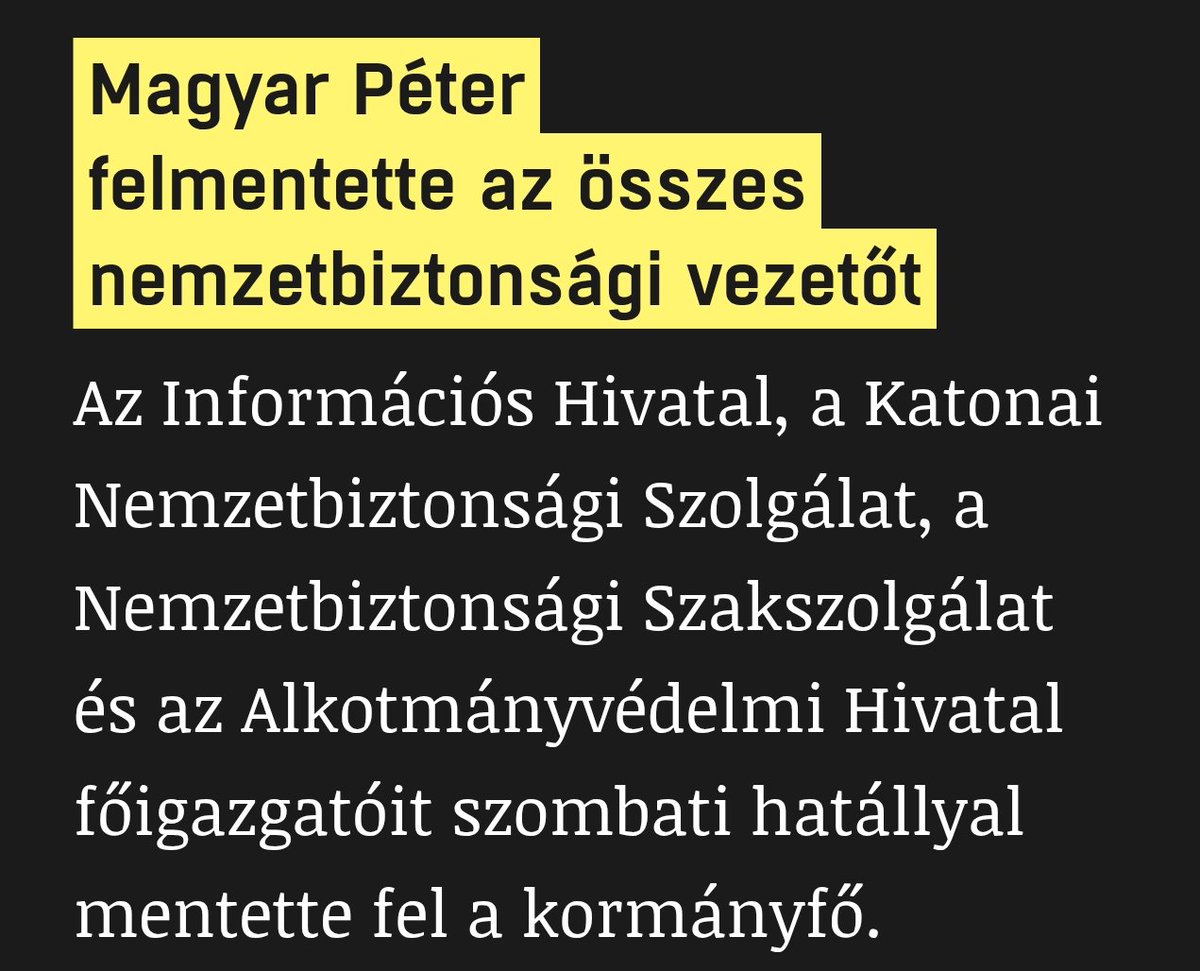
Miután kiderült, hogy több shady ügyben is benne voltak,nem csodálom
2
6
114
1,325
Universally-Quantified Type Variable retweeted

Most men can't get a date so they have next to zero experience talking to a woman.
Jun 10

why is the dating pool full of men who are so shy and awkward
31
103
5,005
138,794
”any C codebase, if it gets big enough with enough people, it is going to have vulnerabilities. It's not a skill issue in my opinion. It's just a language that allows that kind of thing to happen” youtu.be/QGC40AfmgY0?is=7pR3…
8
8
106
59,947

???

Jun 13

It's crazy how most men think they don't deserve love just because they aren’t financially stable
1,090
12,421
109,577
2,585,858