
Home for Life Animal Sanctuary is a care for life sanctuary for animals with special needs. HFL is a 501(c)3 Loving care, a place to belong, a Home for Life
Joined January 2010
- Tweets 12,335
- Following 555
- Followers 1,715
- Likes 35,429
2,111 Photos and videos









HomeforLifeSanctuary retweeted

Jun 16
Rare “mutualistic feline behavior” has local college experts in a whirlwind.
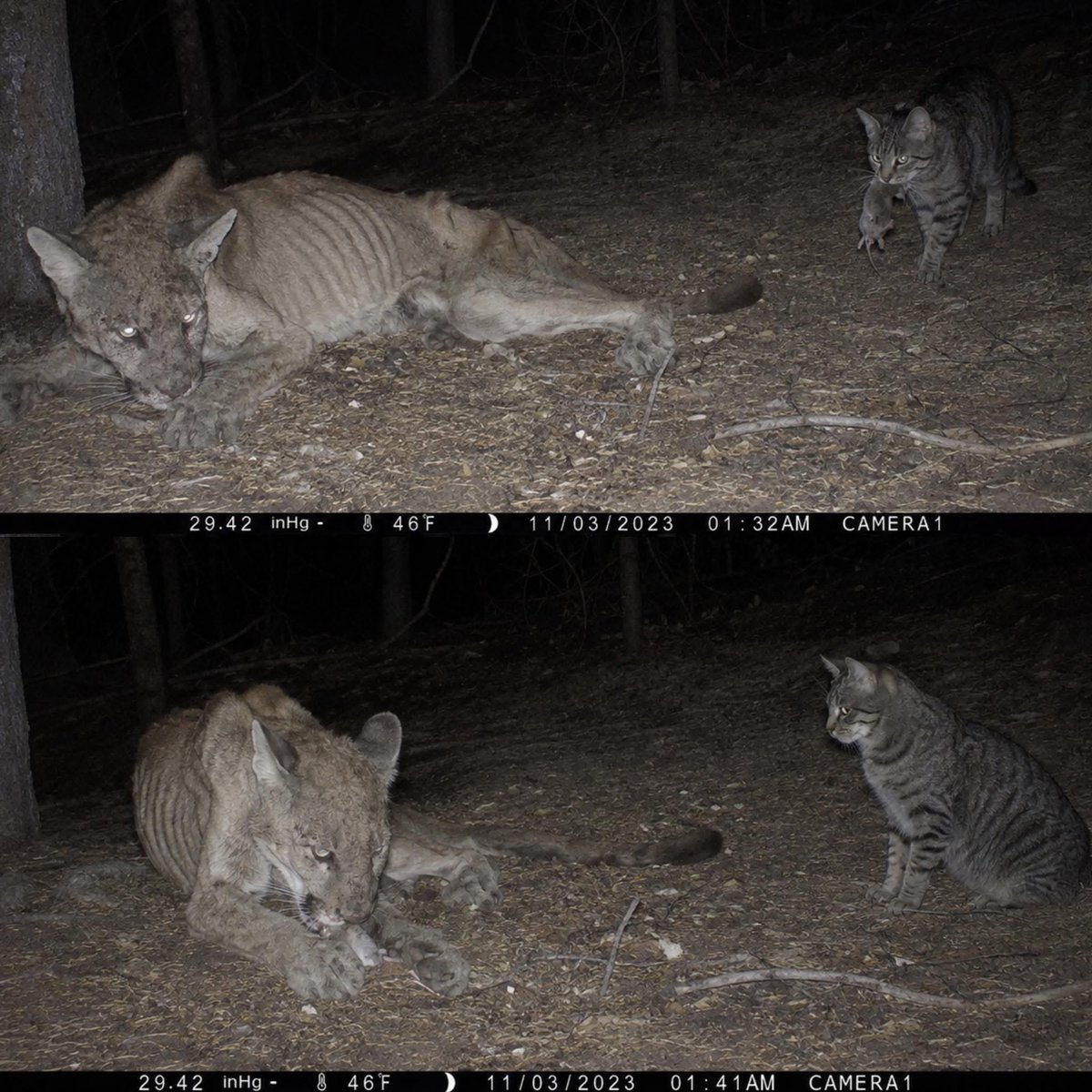
A farmer said he first knew something was wrong when his barn cat stopped coming home for milk. The cat had followed the same routine for years, but suddenly he was hunting at strange hours and slipping into the same patch of woods over and over. When the farmer checked his trail cameras, he saw the reason. His cat was carrying mice to a thin, injured mountain lion that looked too weak to hunt on its own.
Wildlife officers were called, and the mountain lion was safely taken in for treatment. Local college animal behavior experts later weighed in, saying the footage was extremely unusual because the cat appeared to return repeatedly, keep a careful distance, and still leave food close enough for the mountain lion to eat. One professor said, “That kind of repeated behavior is hard to ignore. It makes you wonder how much animals notice when another animal is struggling.”
Community note
This is a fictional story, as stated by the author. x.com/MrPitbull07/st…
103
1,294
7,807
196,932



HomeforLifeSanctuary retweeted

Jun 13
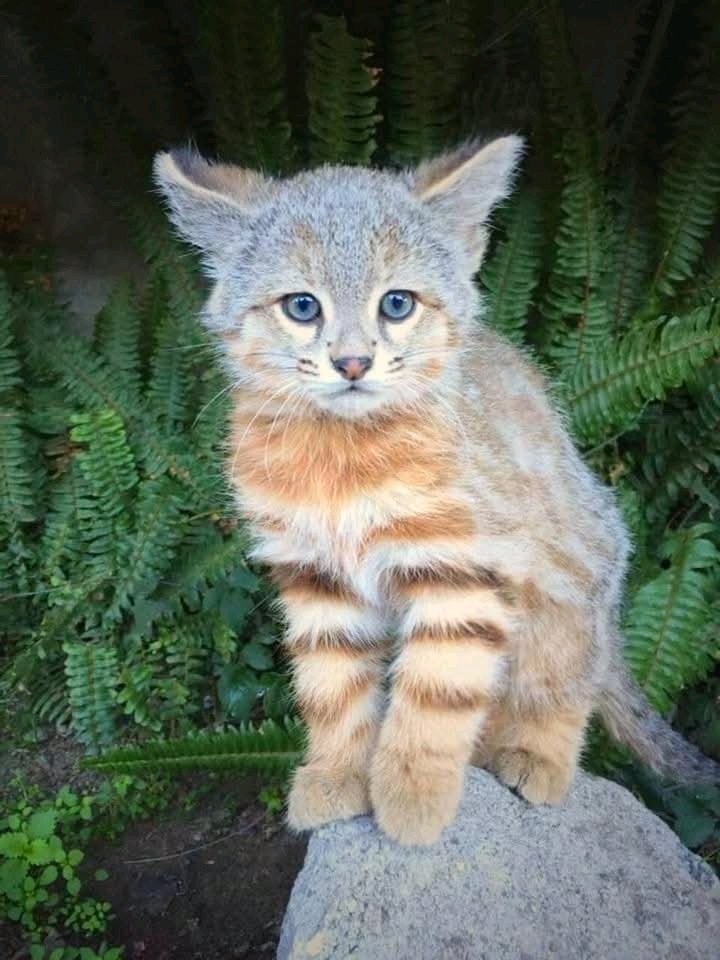
A rare Pampas cat, also known as a colocolo, that lives in the forests of Chile.
With fewer than 100 individuals left in the wild, experts call Muñoa's pampas cat one of the most endangered felines in the world and warn it go extinct within 10 years as its natural habitat is cleared for cropland.
3
58
196
4,508

HomeforLifeSanctuary retweeted

Jun 13
A critically endangered Diademed sifaka hanging on for dear life—but losing grip on existence in this world.
Madagascar is stricken with extreme poverty, so hunting these large sifakas for bushmeat has soared, even in protected areas. Slash-and-burn for timber and sugar cane plantations for illegal rum is destroying their food trees.
Touchingly, they diligently patrol their territory every morning, carefully scent marking their trees to protect it—but they are defenseless against the ravages we inflict on them.
Long-lived and slow-to-reproduce, now also with high infant mortality (50%), wasting in adults and stunting in immatures as we systematically remove their means to exist.
The tiny, isolated groups in the fragmented reserves may already be genetically non-viable long-term.
It will take a miracle—or someone with enormous wealth— to save this spectacular species from extinction within my lifetime.

79
991
1,573
21,032

Jun 13
Jun 12

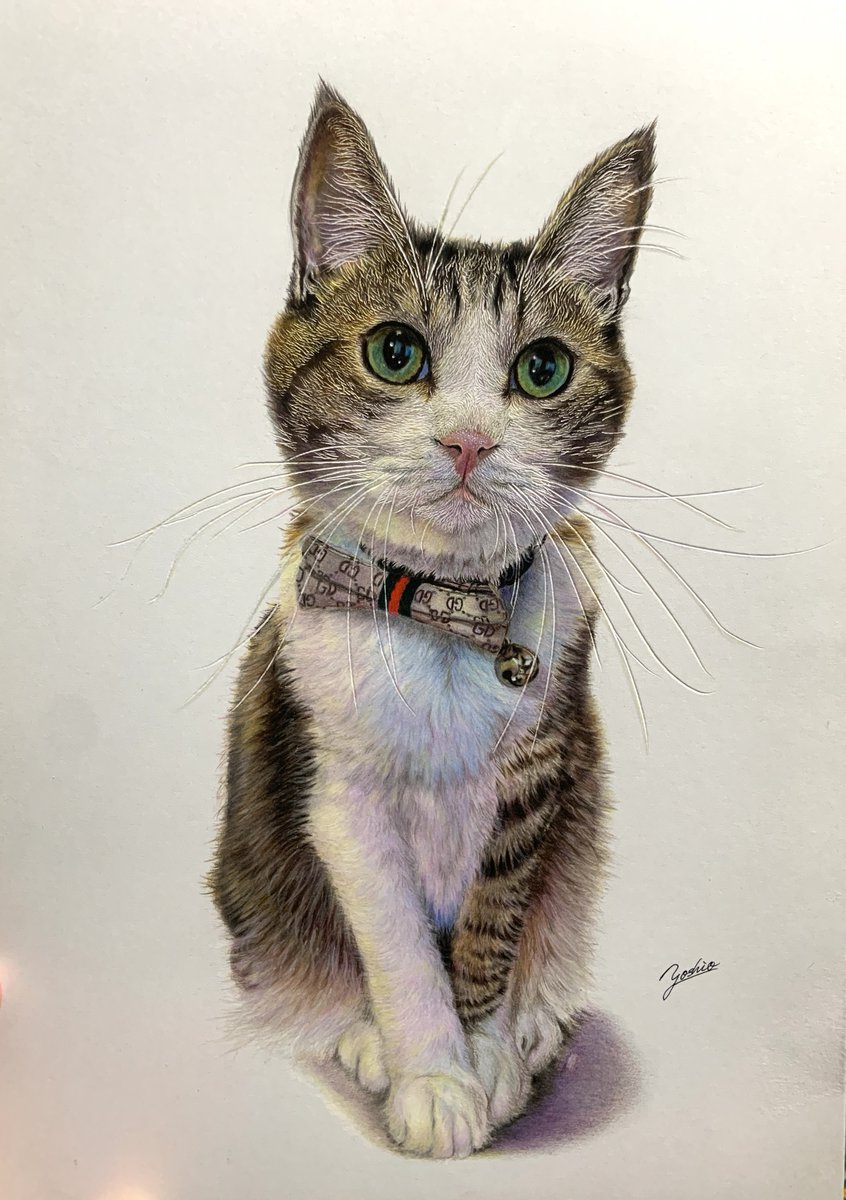
Even if you are a dog person you can’t fail to see how charming this one is
Kaoru Yamada.
In her quest to make everyone happy and content.
She produces fine work
‘Whisper to the Moon ‘
Thanks my XTwitterarty
Back tomorrow with more
Missing Hockney already
Helen🙂🌷Max🐶❤️

25
HomeforLifeSanctuary retweeted

Jun 12
ぶちカッコいい


1
1
7
246
HomeforLifeSanctuary retweeted
Jun 11
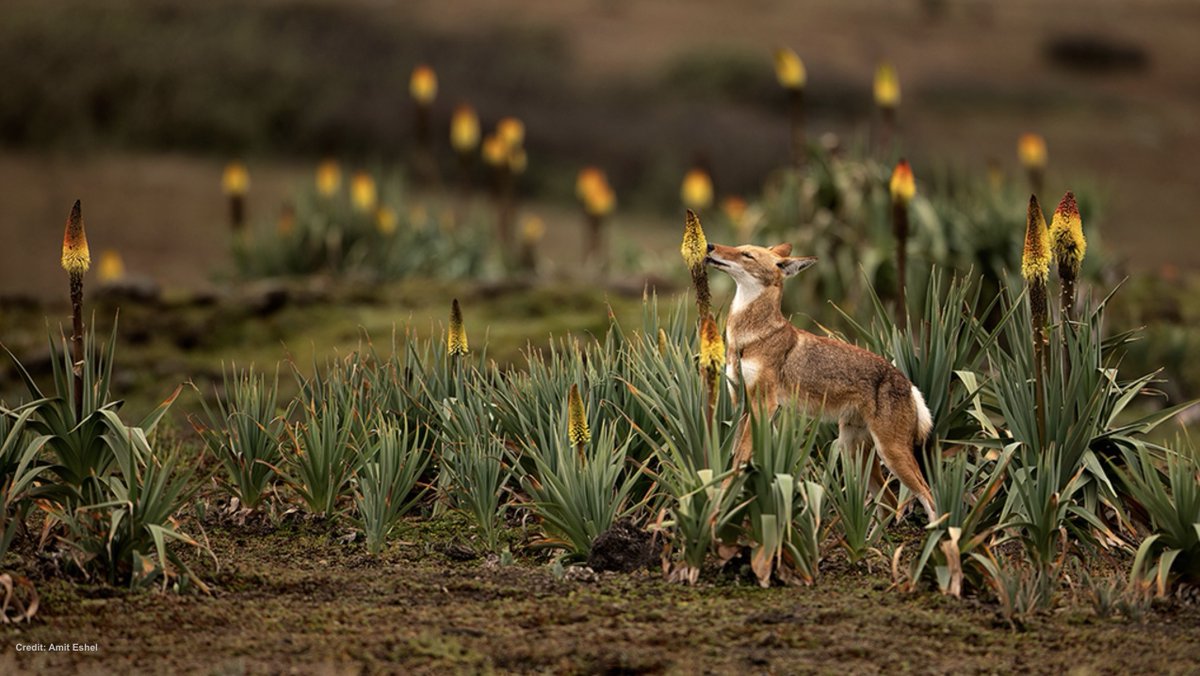
#Extinction
A magical but fast-disappearing scene.
An Ethiopian wolf, one of only about 440 left on Earth, feeding on the nectar from the flaming torches of Kniphofia foliosa, Bale Mountains, Ethiopia.
13
424
1,220
10,836
HomeforLifeSanctuary retweeted

Jun 9

4
28
392
3,842
HomeforLifeSanctuary retweeted

Jun 11
🐕Choe de 3 años se perdió durante un paseo familiar y la buscaron por varios días sin tener éxito al ser un bosque muy amplio, denso y con abundante fauna nativa.
Su familia perdió la esperanza y después de 2 años fue captada por una cámara trampa con su nueva familia 🐺
118
2,237
30,352
875,882
HomeforLifeSanctuary retweeted

Jun 8
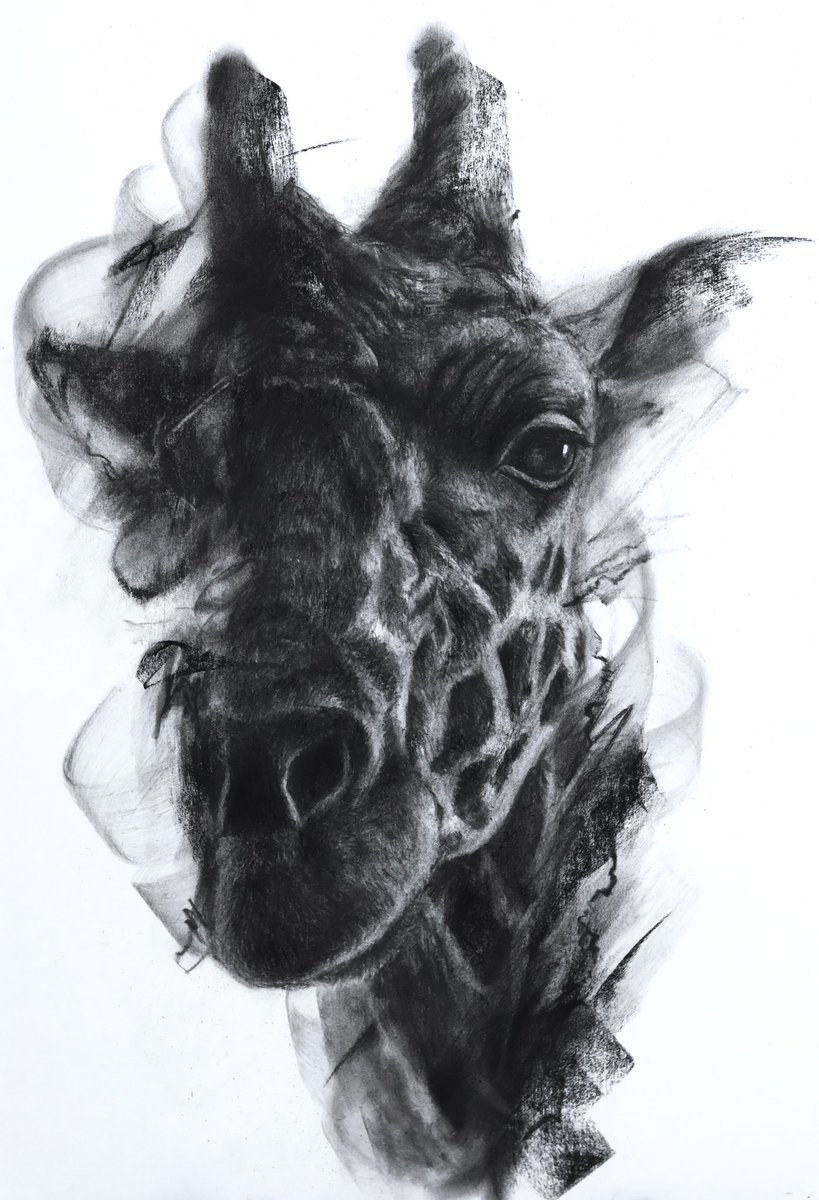
😲おお〜 シンプルで綺麗〜🥰 いいですね こう言う絵💕✨👍
1
1
21
1,054
HomeforLifeSanctuary retweeted

Jun 6
🟣これは青紫色のブルーベルの中央に
⠀⠀横たわる白いシカを撮影した写真。
⠀⠀白いシカは非常に珍しくヨーロッパでは
⠀⠀神話や伝説の題材としても扱われている
⠀⠀ため、非常に幻想的な1枚となっている。
⠀⠀さらに春にはイングランド各地の
⠀⠀落葉樹林の林床を青紫色に覆うことで
⠀⠀知られ、英国では象徴的な春景観の一つ
⠀⠀となっている。
⠀⠀📷 Kristina Makeeva⠀⠀ ⠀⠀ ⠀⠀ ⠀⠀ ⠀⠀ ⠀⠀ ⠀⠀ ⠀⠀ ⠀⠀ ⠀⠀
⠀⠀#雑学 #フォローしてくれたら嬉しいです

11
819
4,320
60,359
HomeforLifeSanctuary retweeted

One man in California has spent 57 years recording the sounds of natural places. Much of what he's recorded no longer exists.
His name is Bernie Krause. He started as a folk musician and an early pioneer of the Moog synthesizer. In 1968, he began carrying recording equipment into rainforests, deserts, coral reefs, African savannas, and research sites associated with scientists like Jane Goodall and Dian Fossey.
The Wild Sanctuary archive now contains more than 5,000 hours of recordings and over 15,000 identified species. Krause coined the term "biophony" to describe the collective sound of living organisms in a habitat and helped establish the field of soundscape ecology.
Through thousands of recordings, he observed that healthy ecosystems often partition acoustic space, with different species occupying different frequencies and times of day. On a spectrogram, an intact habitat can resemble a densely layered musical score.
When Krause revisited many of the places he had recorded decades earlier, he found that over half had become silent, severely degraded, or so altered by human activity that their original biophonies could no longer be heard. His archive preserves sounds from ecosystems that have been transformed or lost.

33
706
2,417
28,011
HomeforLifeSanctuary retweeted

Jun 5
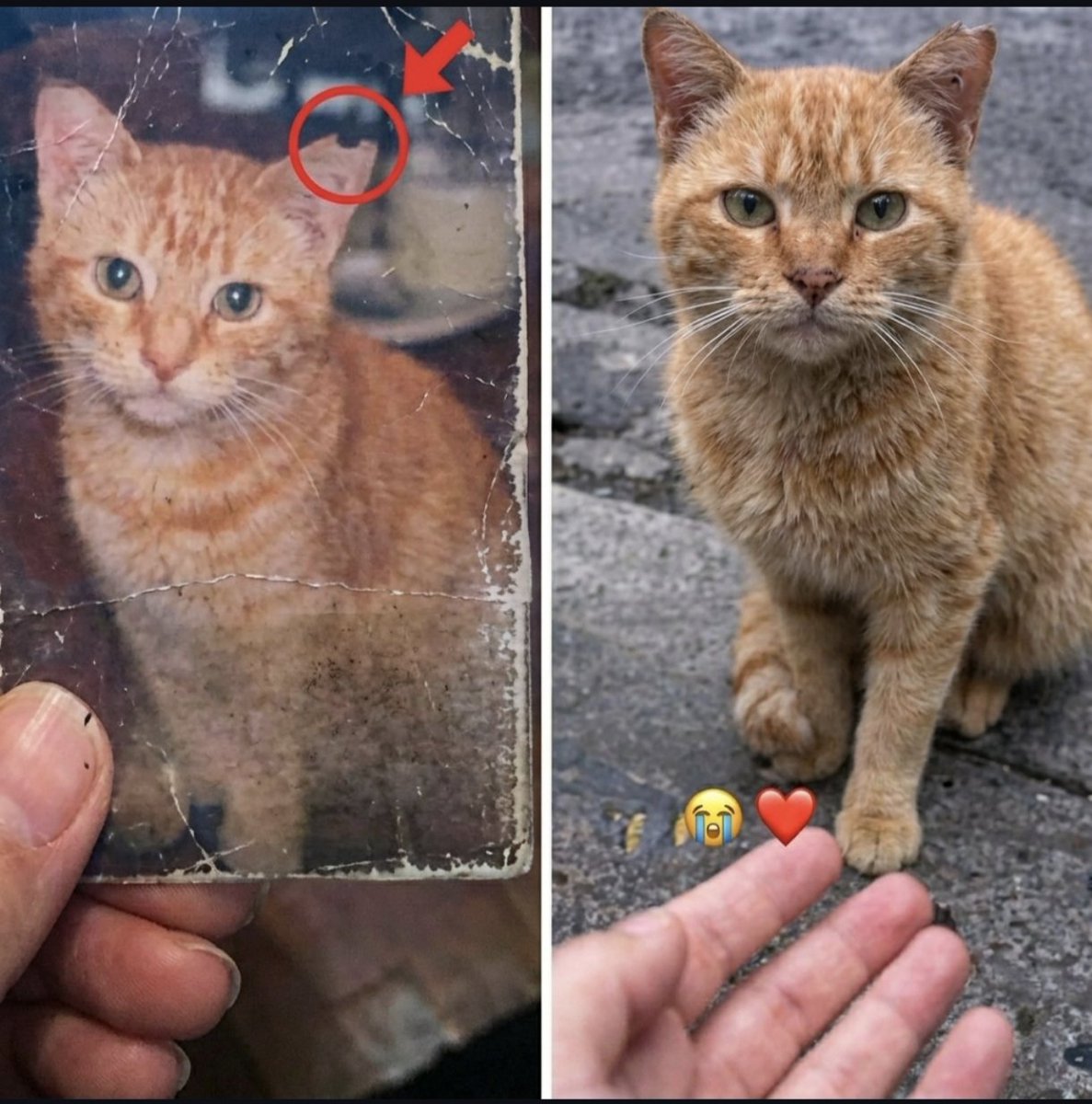
Four years after going missing, a cat named Nacho was finally reunited with his owner.
After escaping through a door left open by a burglar, Nacho disappeared without a trace. Despite the years that passed, his owner never gave up searching for him.
Four years later, the man happened to come across an orange cat and noticed a small mark on its left ear. That’s when he realized it was Nacho.
The moment became even more emotional when Nacho immediately walked over to him after hearing his owner's voice.
After surviving on the streets for four years, Nacho finally returned home. ❤️🐾
İG📸: pattesdoucess
46
430
4,250
61,115
HomeforLifeSanctuary retweeted

This black squirrel sitting in the snow in Canada is absolutely beautiful
51
472
3,156
57,204
HomeforLifeSanctuary retweeted
Jun 6
There are cat therapy centers in Japan.
If you're tired of life, things aren't going well for you, and it feels like life is coming down on top of you, you can visit these centers.
Here, cats spend time with you, helping to reduce your stress, lift your mood, and restore your energy.
Honestly, it wouldn't be a bad thing if these therapy centers spread all around the world 🐱❤️😹
83
697
3,544
105,305
HomeforLifeSanctuary retweeted

Jun 5
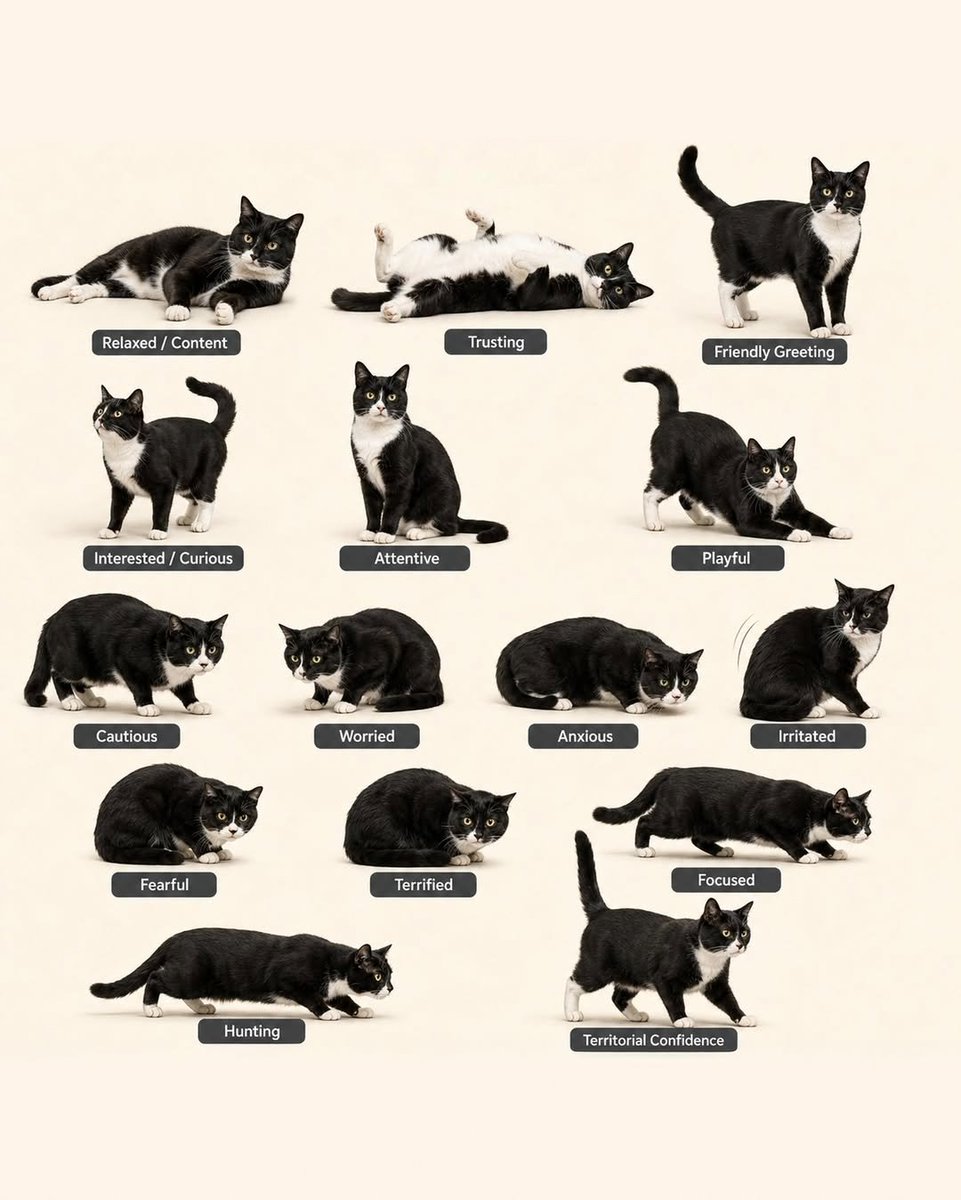
How Cats Communicate Through Body Language
6
173
738
17,029

HomeforLifeSanctuary retweeted
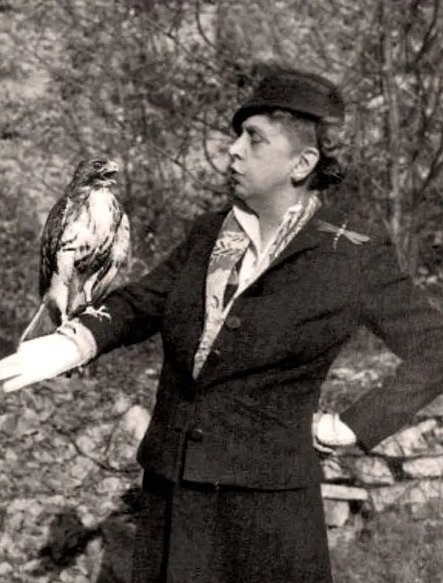
A 56-year-old New York City activist saw a photograph in 1930 and bought a mountain to stop a slaughter.
Her name was Rosalie Edge. She was a suffragist with no scientific training. The photograph she saw showed hundreds of dead hawks lined up on the forest floor in eastern Pennsylvania.
Pennsylvania's 1929 bounty on goshawks had turned a ridge of the Kittatinny Mountains into a recreational shooting site where men gathered every autumn to kill migrating raptors by the thousand.
In 1934, Edge borrowed $500 from a friend and leased 1,400 acres of Hawk Mountain. She hired two wardens, Maurice and Irma Broun, who lived on the property and kept the hunters off. Within a single migration season, observers recorded dramatic increases in the numbers of raptors passing the ridge as the shooting ended.
In 1938 she bought the land outright and deeded it to a new nonprofit. Hawk Mountain Sanctuary is now the world's first refuge for birds of prey. It still runs raptor migration counts that began in 1934, the longest-running such record on Earth.

16
424
2,040
40,283