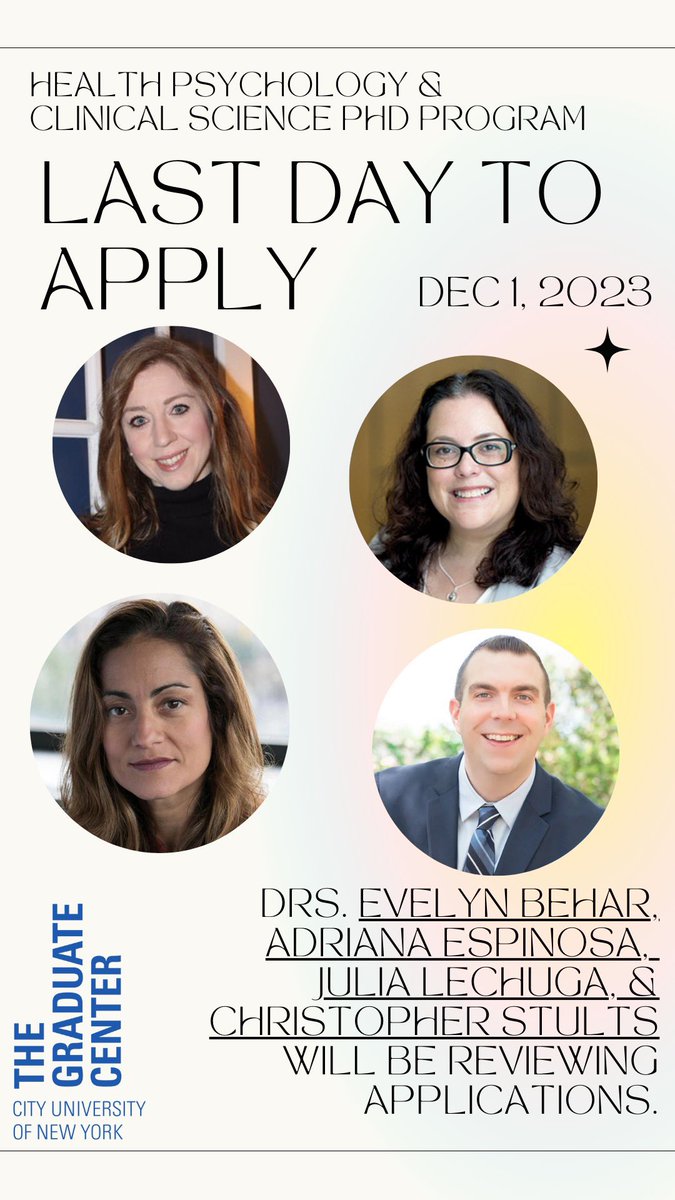
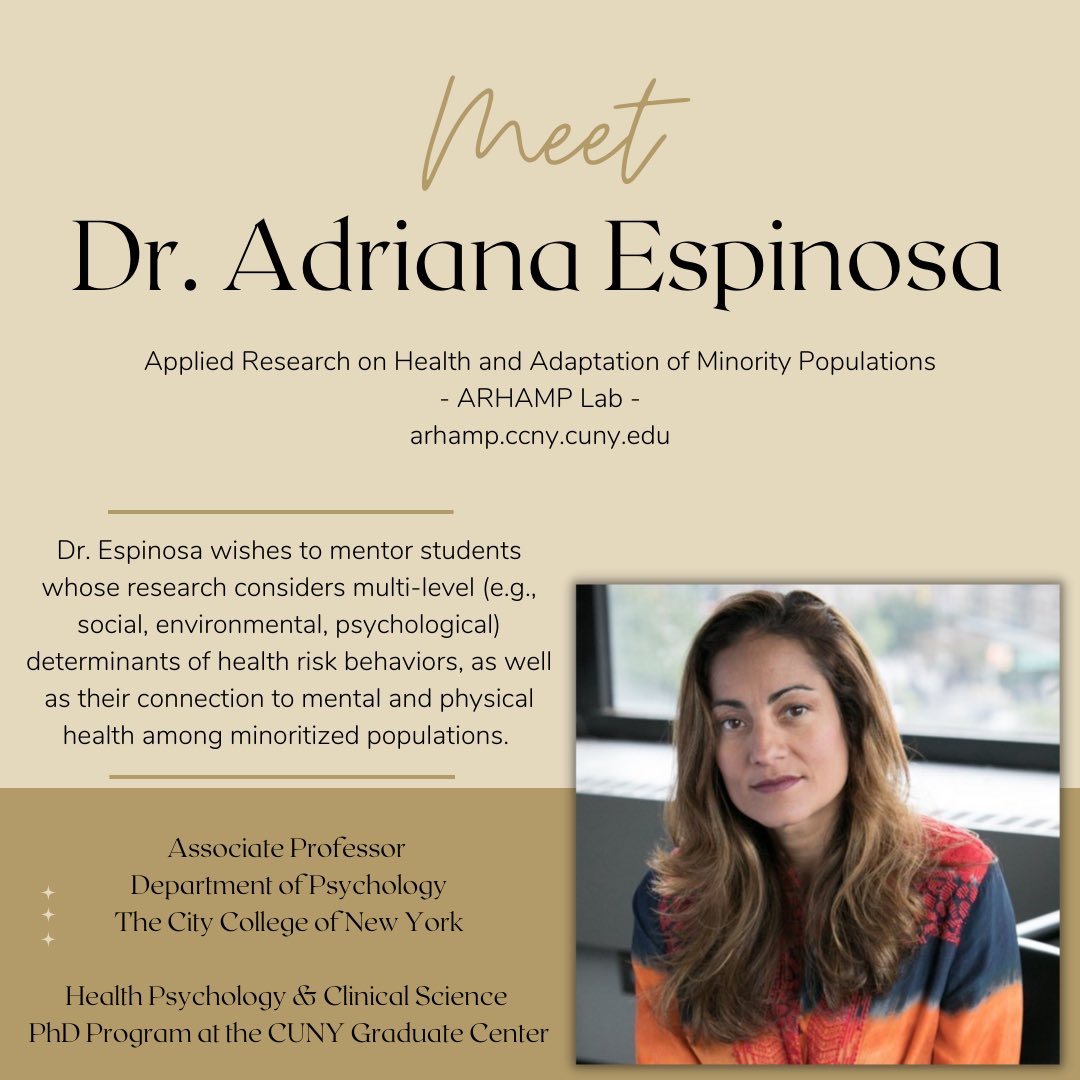
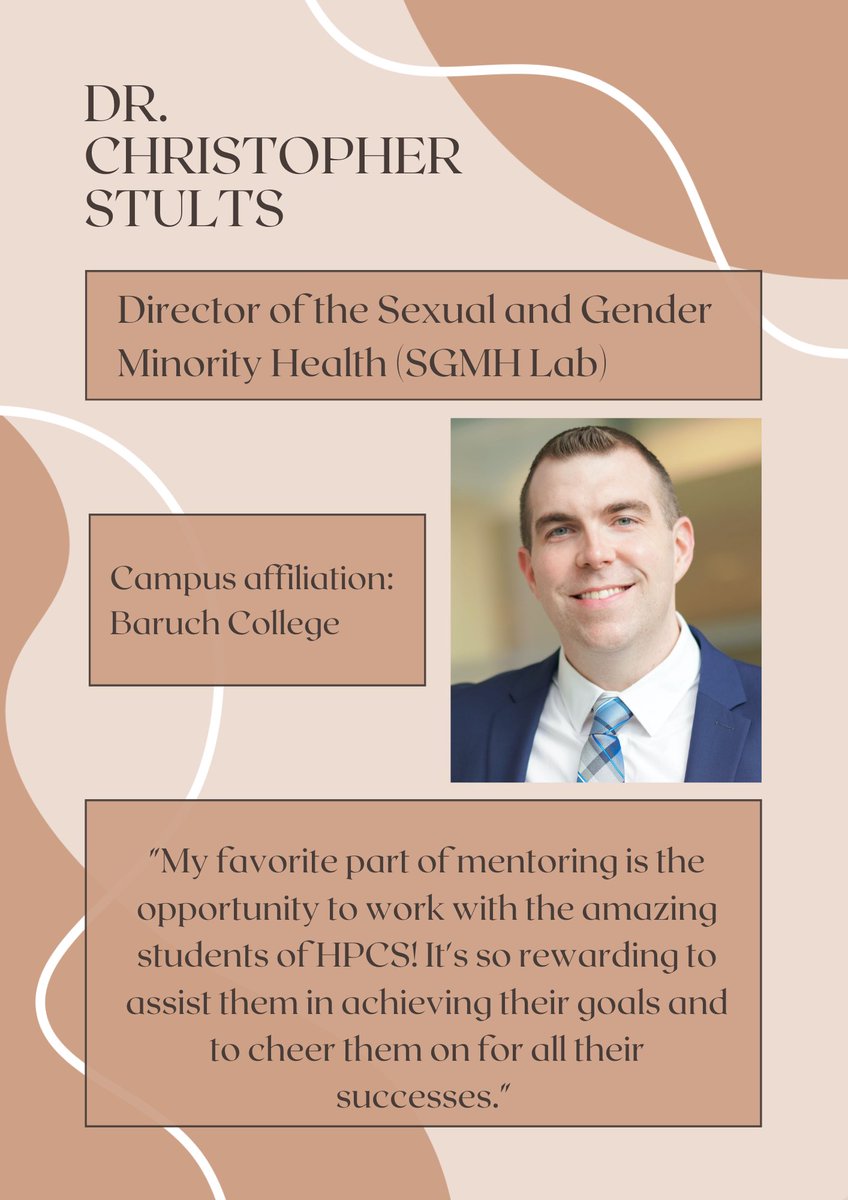
HPCS is an innovative doctoral training program that provides a thorough grounding in both #healthpsychology and #clinicalscience at the @GC_Cuny.
Joined October 2018
- Tweets 340
- Following 423
- Followers 383
- Likes 315
127 Photos and videos
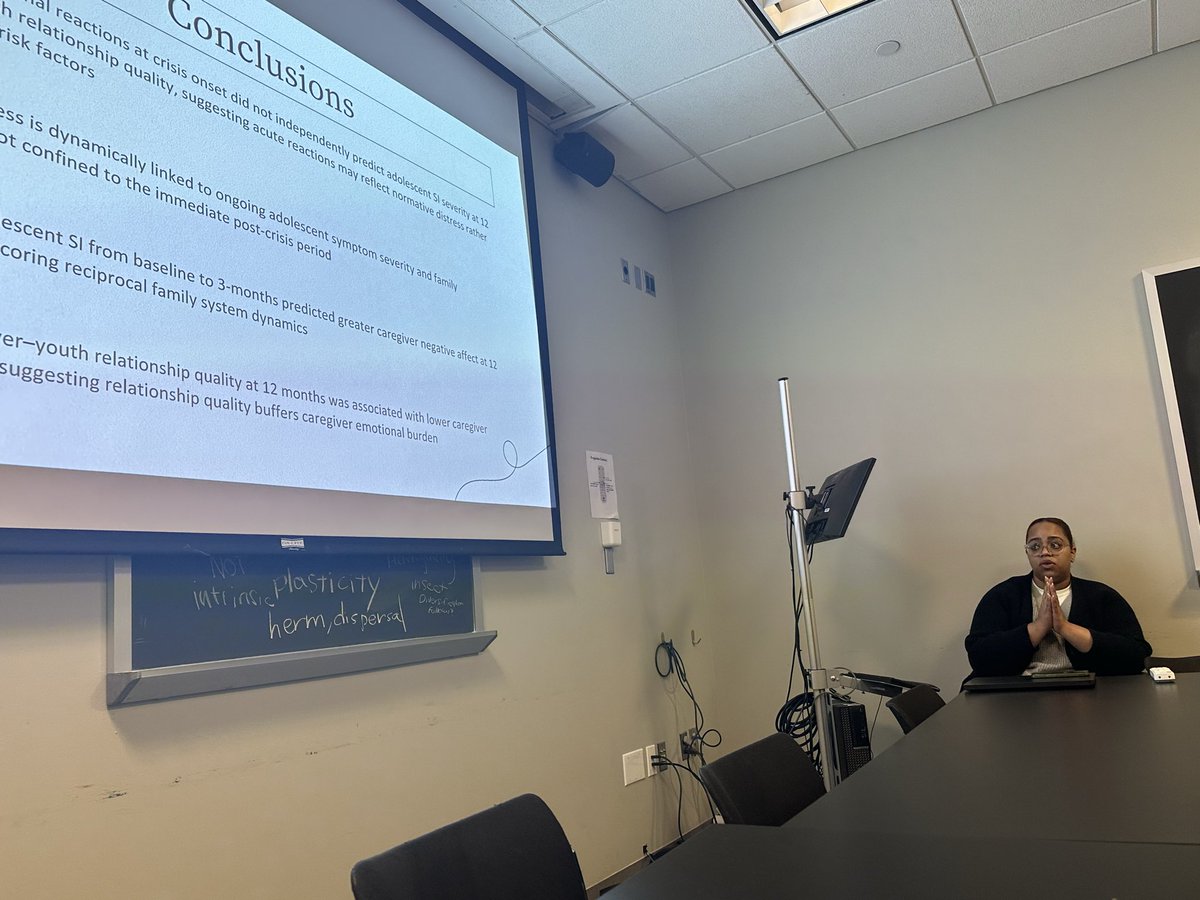
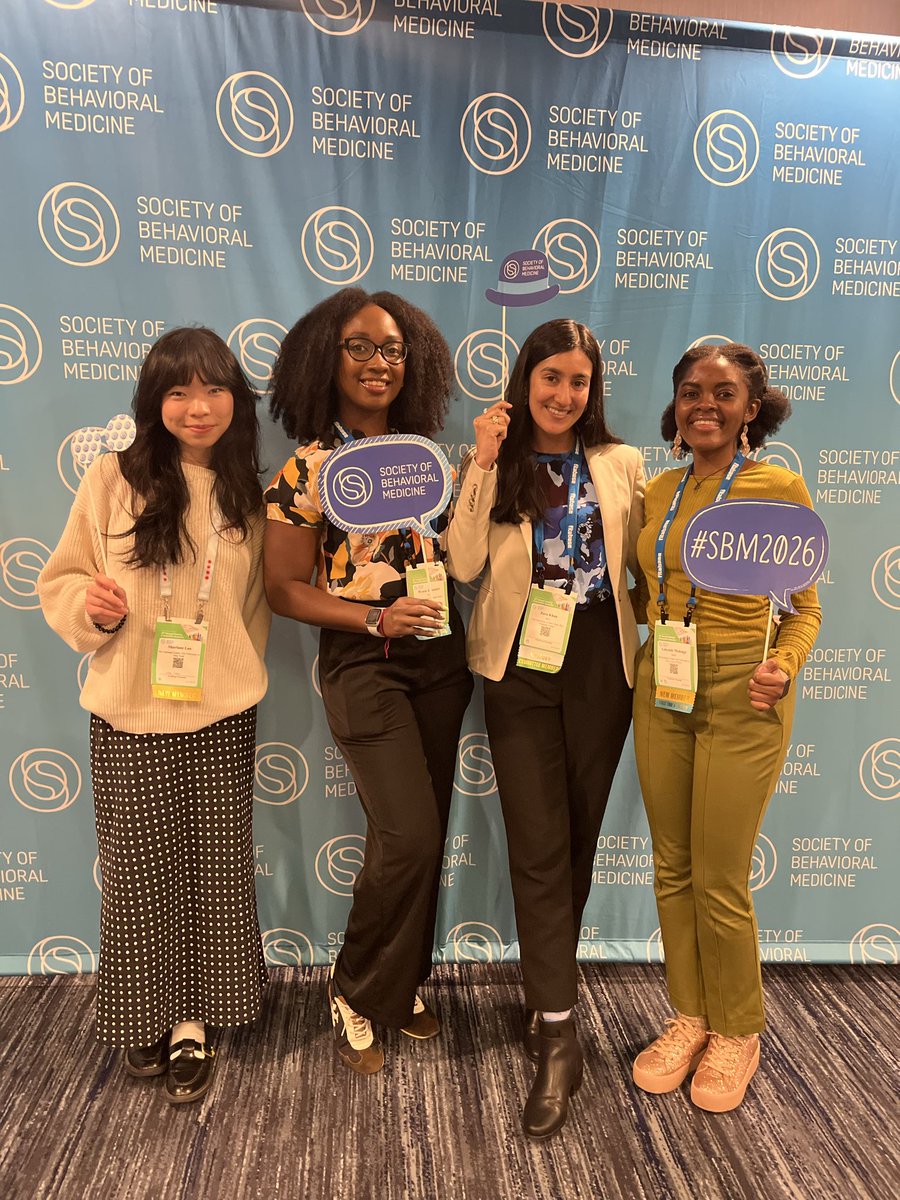
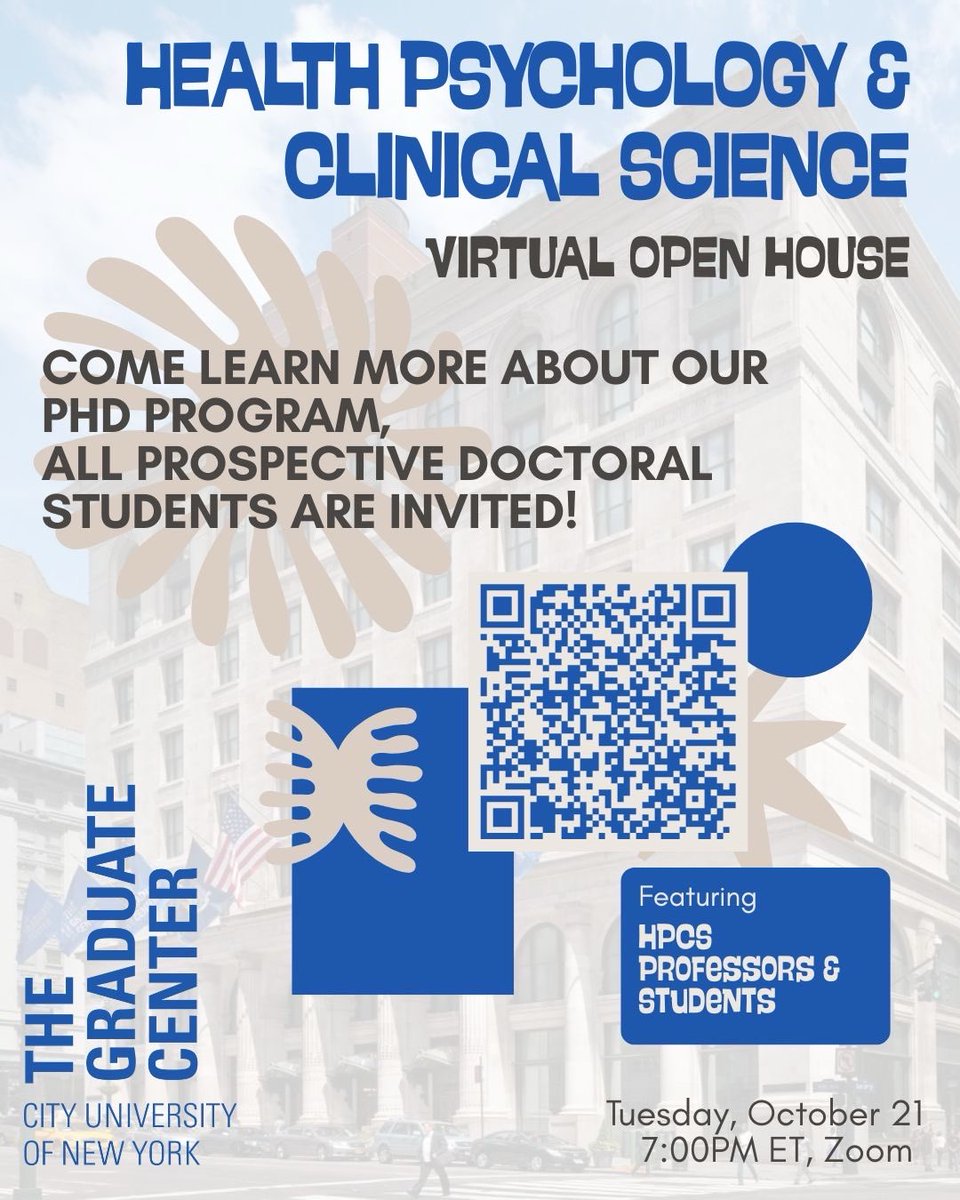
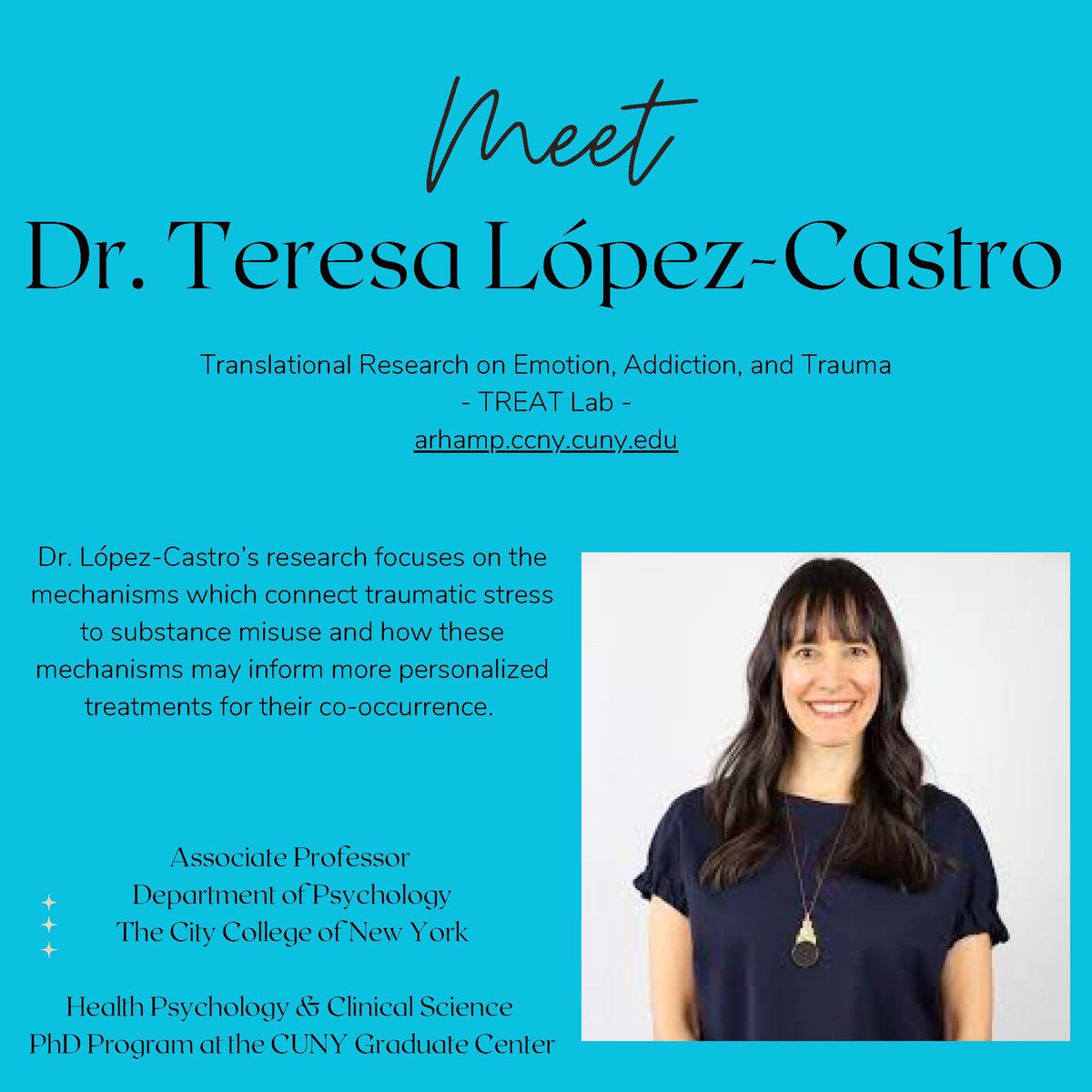
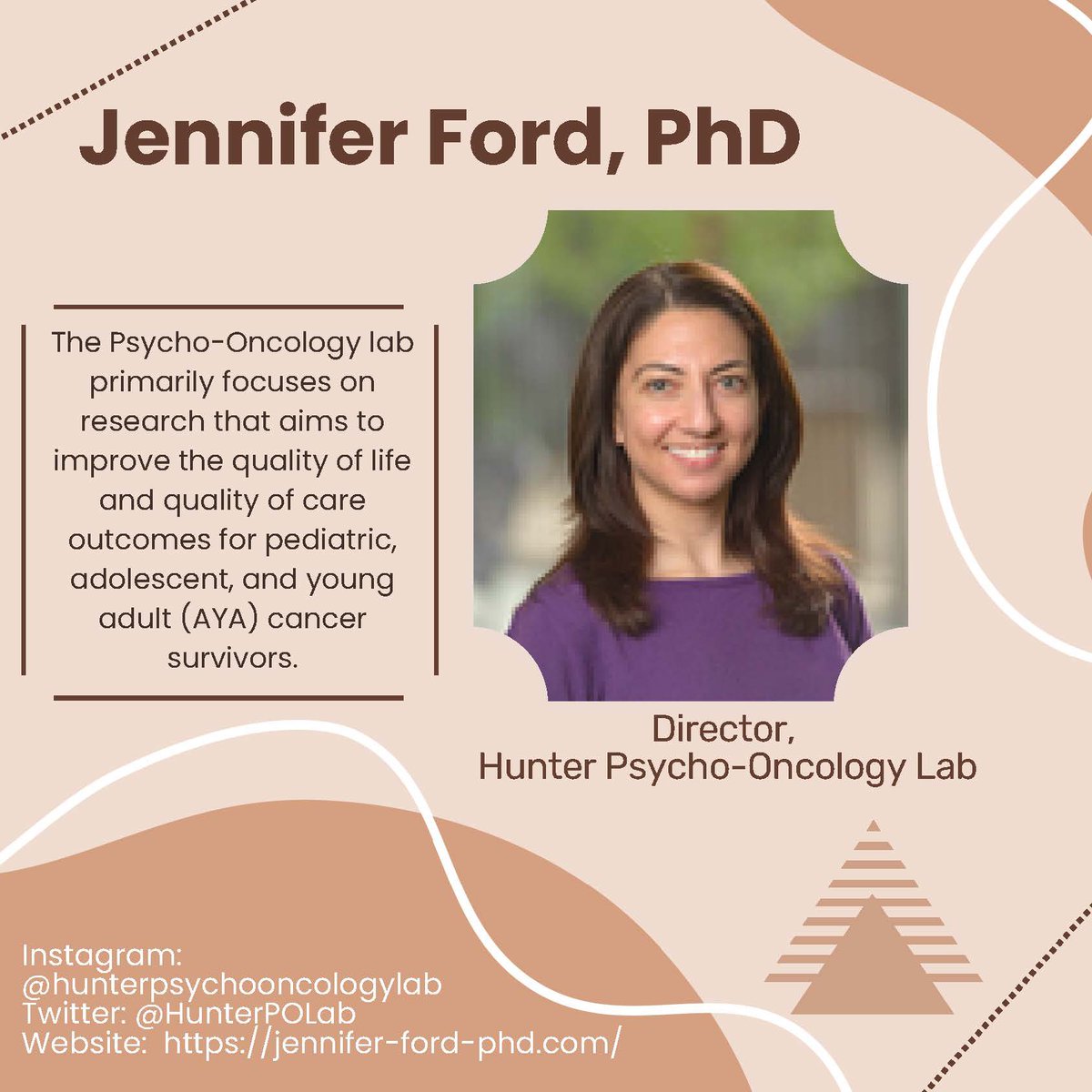
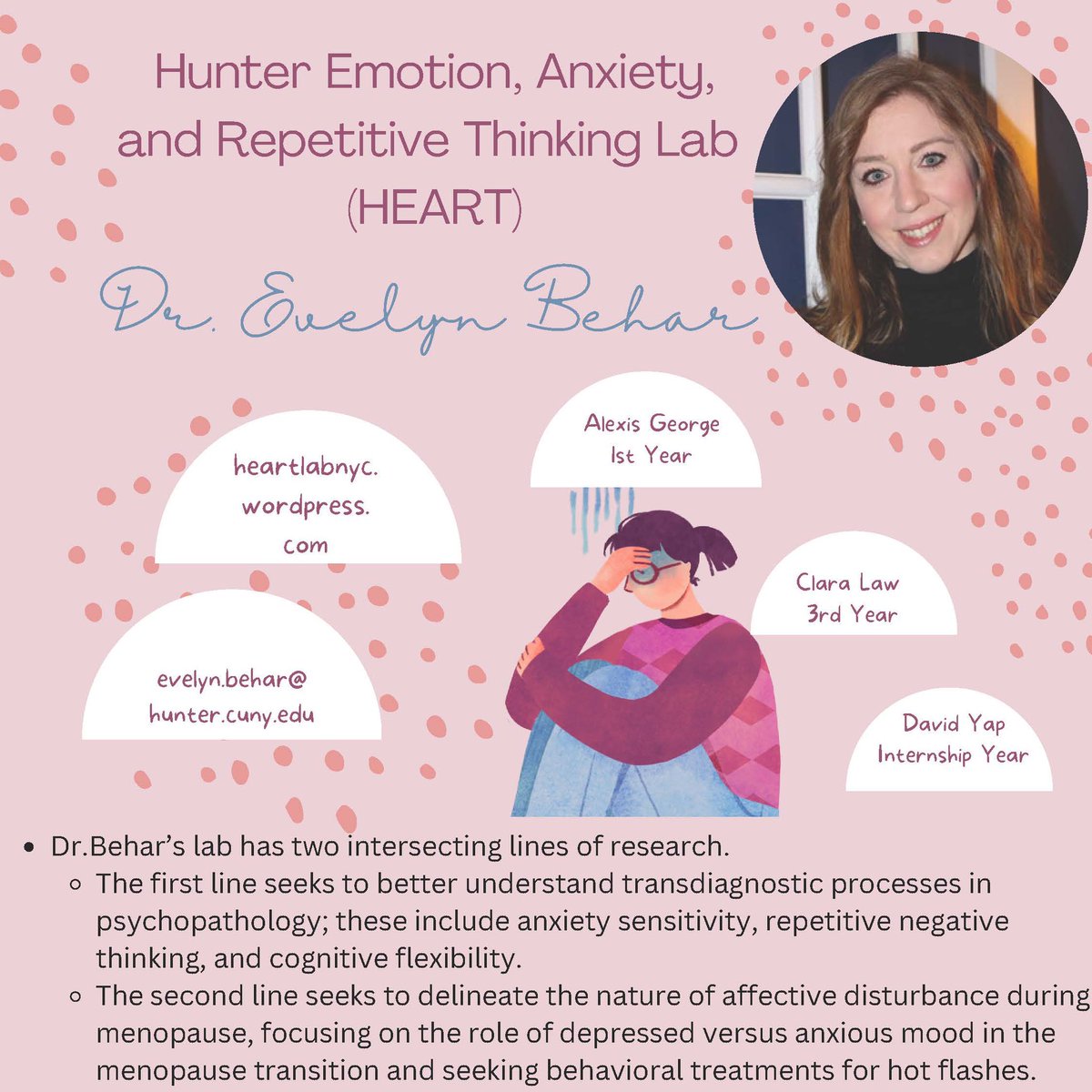
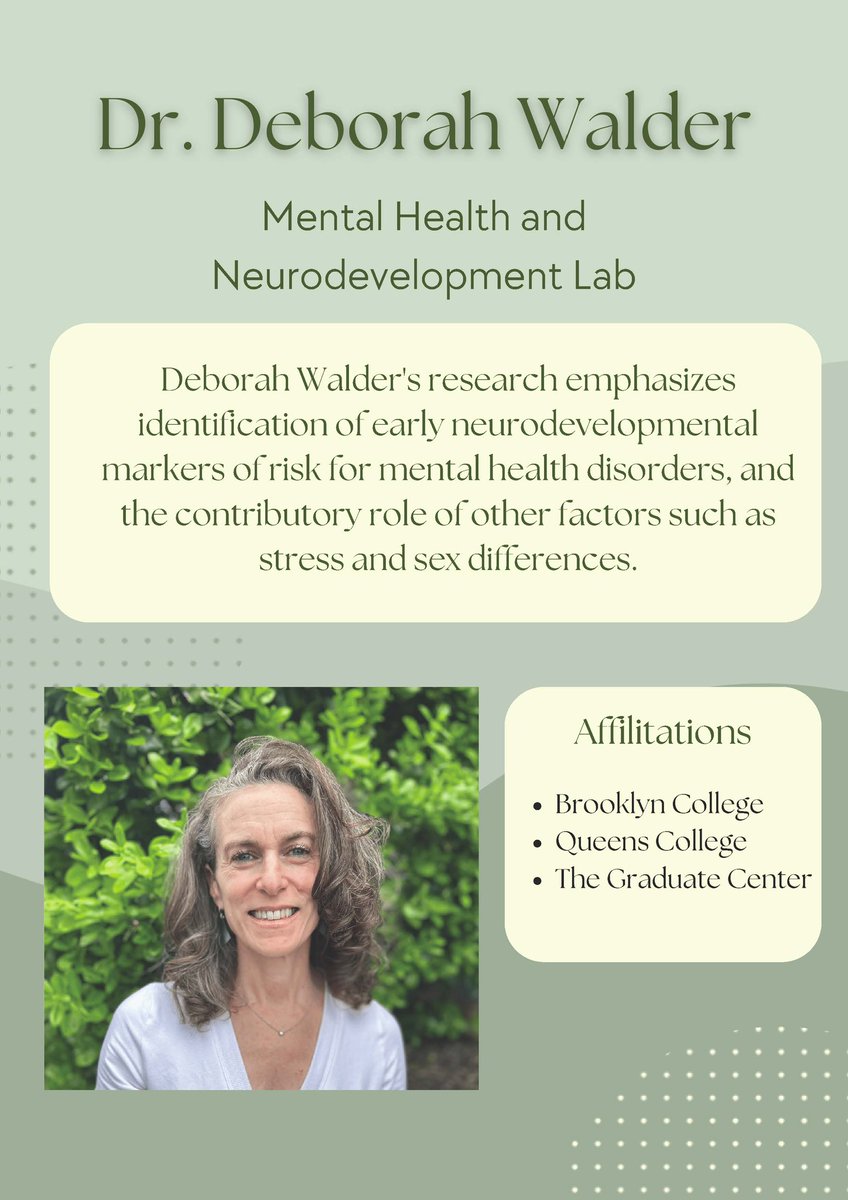

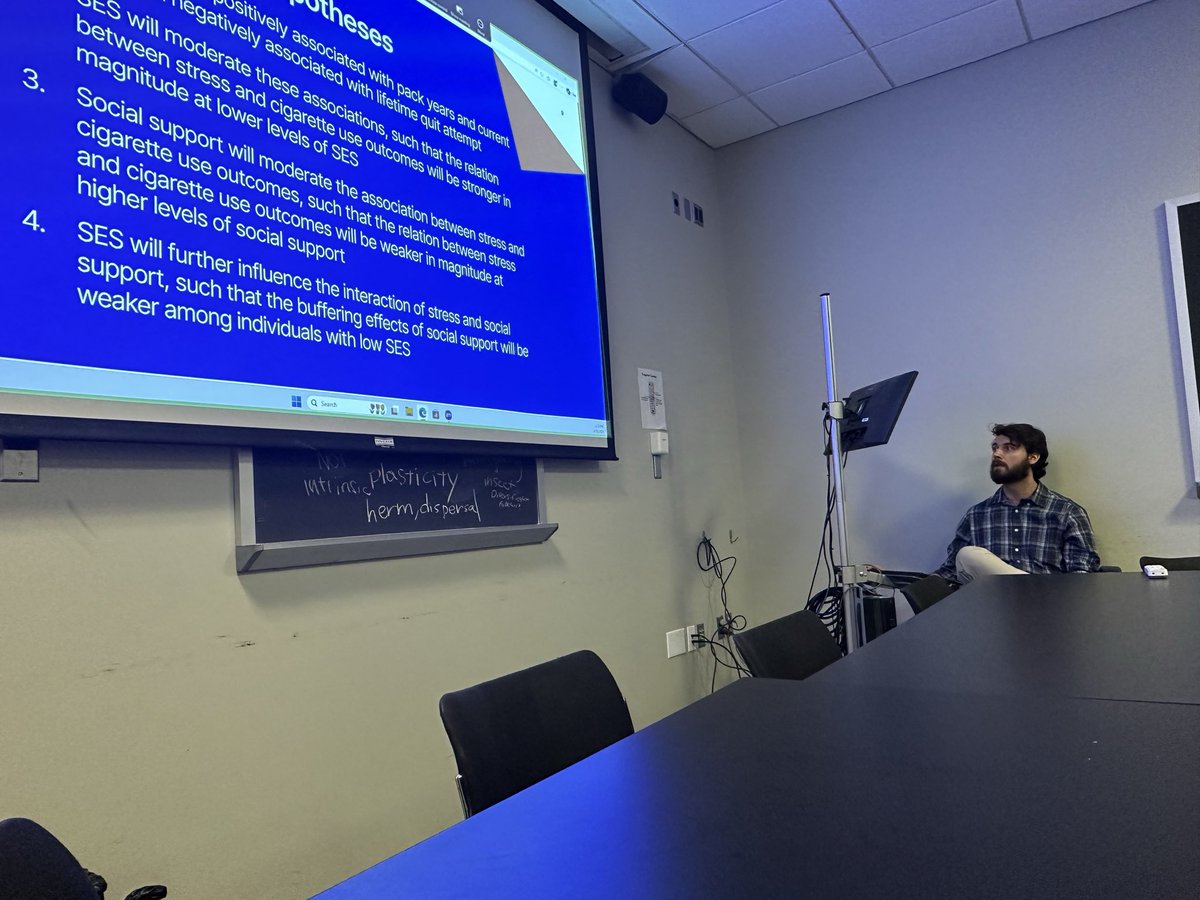
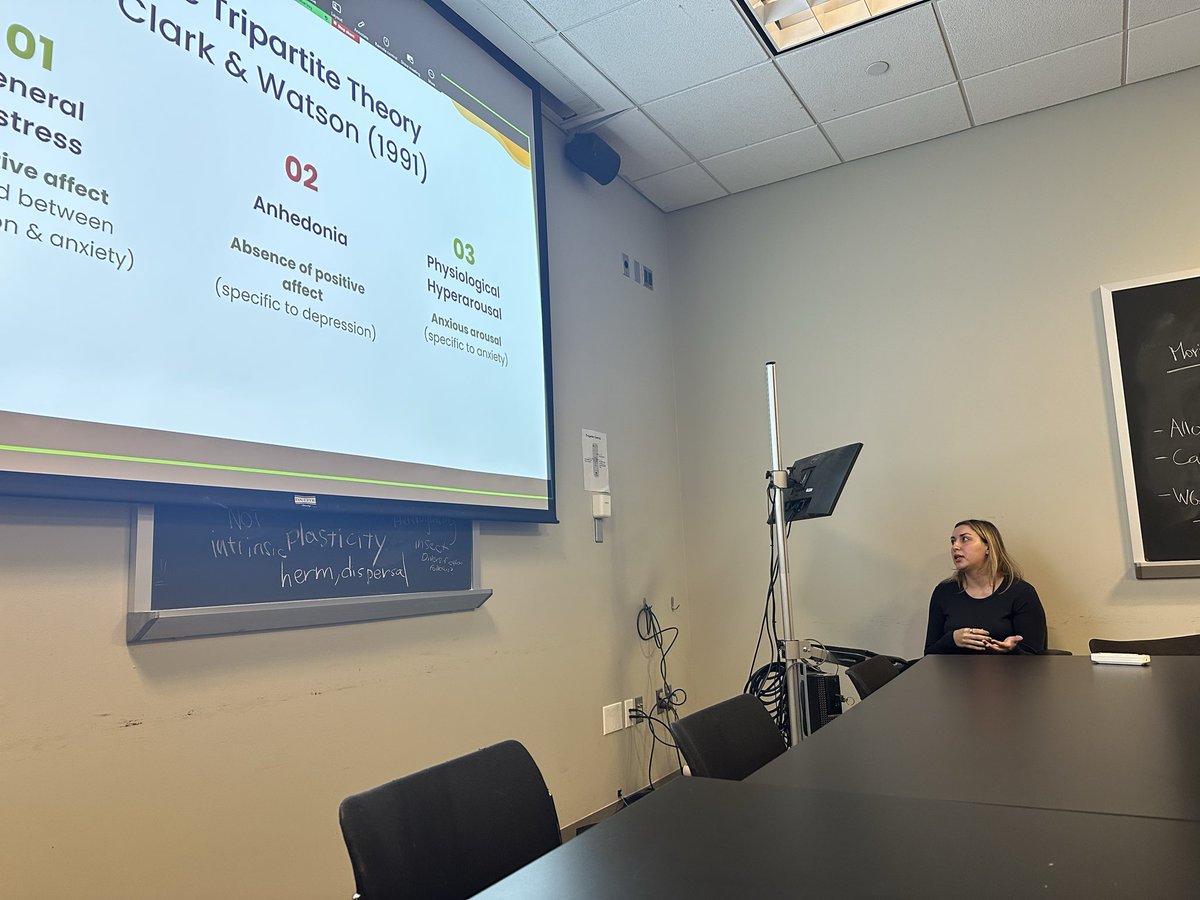
Reminder that the Big Apple Conference is this Sunday March 23rd from 1-5PM! Location: Graduate Center, CUNY (365 5th Ave., New York, NY 10016; Room 6304.01) & via Zoom. FREE LUNCH for all in-person attendees! Click the link to register gccuny.az1.qualtrics.com/jfe…
36
4
2
677
Alumna and current students share their experiences at HPCS! Check out the video below:
youtu.be/zMi42waMATE?si=Zl0S…
138
HPCS retweeted

21 Oct 2024
Questions about applying to the clinical #PsychInternship? Supported by #APCS, a group of us training directors - together w/a stellar grad student support team - put together a Q&A webinar with supporting materials. Accessible ⬇️ @cudcp_dcp
osf.io/r35z7/
23
49
5,347
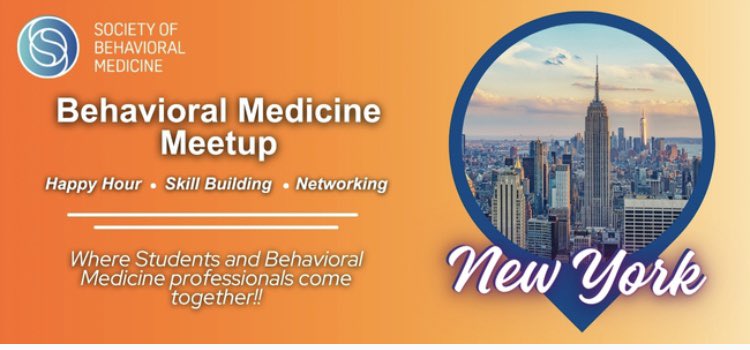
‼️ SBM @BehavioralMed meetup in NYC, organized locally by our very own Dr. Tracey Revenson @meganrwirtz and HPCS aluma @IrinaMindlis
Date: Wednesday, October 23, 2024
Time: 5:30 - 7:30 p.m. ET
Location: OASIS
315 W 35th Street, 15th Floor
New York, NY, 10001
Free!!
1
1
3
943
67
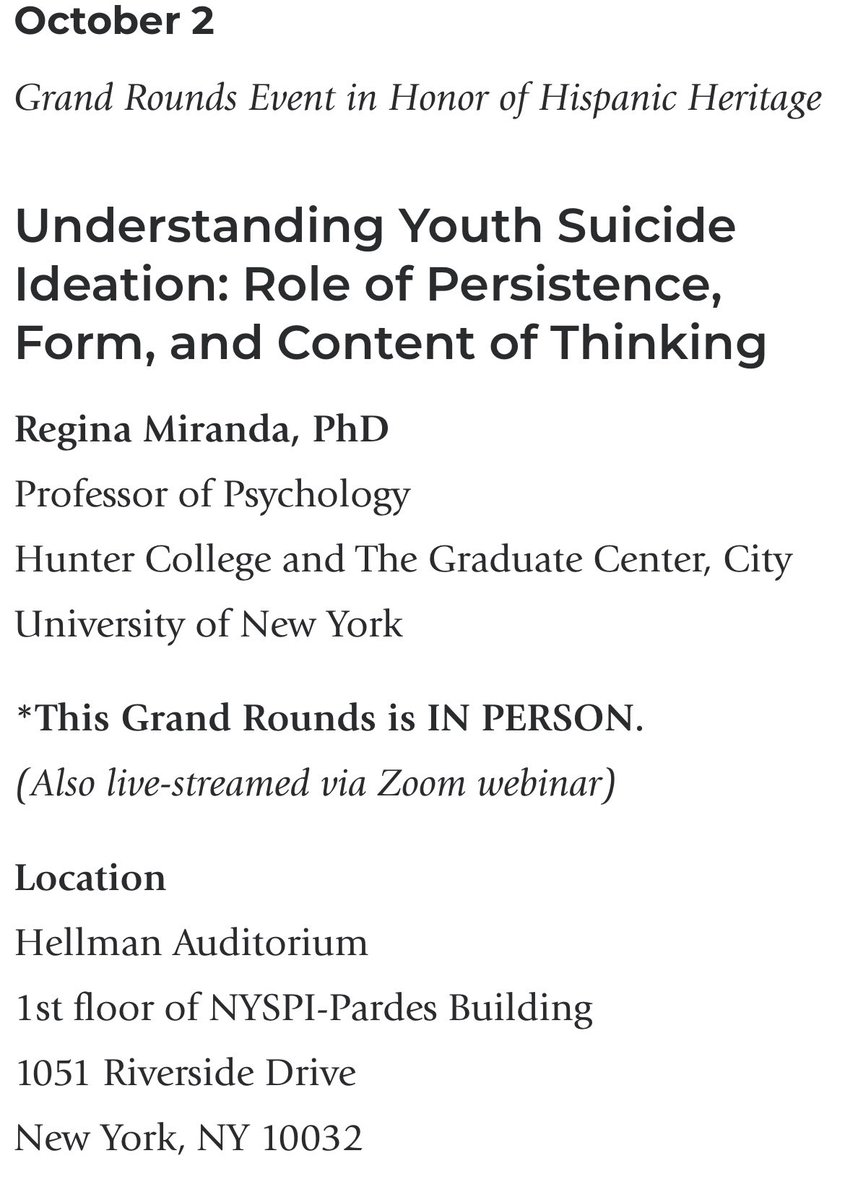
Log on to watch one of our DCTs giving Grand Rounds at @ColumbiaPsych 👇

Will be giving Grand Rounds tomorrow at @ColumbiaPsych. columbiapsychiatry.org/about…
2
215
HPCS students from @MirandaLabCUNY presenting their research at @GradCenterPsych Research Day!
An array of topics in youth suicide were presented:
- emotion regulation & adverse experiences
- interpersonal risk factors in SGM youth
- reasons for not engaging in treatment
2
260
HPCS students at the poster presentation of the @GradCenterPsych Research Day!
@jenderutte @_ClaraLaw @GC_CUNY
3
226