
Anthropologist. PI Human Systems and Behavior Lab. Co-Director of the Omo Valley Research Project @theOVRP
Joined August 2018
- Tweets 1,897
- Following 664
- Followers 4,083
- Likes 12,053
295 Photos and videos


Jun 12
Thank goodness Fuentes is on the scene telling us not to believe what we can see with our own eyes about the demise of anthropology. Believe it or not folks, anthropology is alive and epistemologically healthy. All the thoughtful critiques are just wild rumours.

My assessment of the “Report” and its misrepresentation of anthropology in @chronicle … a mini 🧵
chronicle.com/article/are-le…
2
9
2,391
Jun 12
I write this as an anthropology professor who thinks the field has lost almost all of its credibility and relevance but yet still believes in it. Instead of doubling down in denial, let's steelman the critique and see if we can improve the field.
2
1
12
499
Jun 12
Fuentes might think anthropology is still alive and well but the fact that most people don't is a problem if anthropology as a discipline is to survive.
3
246
Jun 10
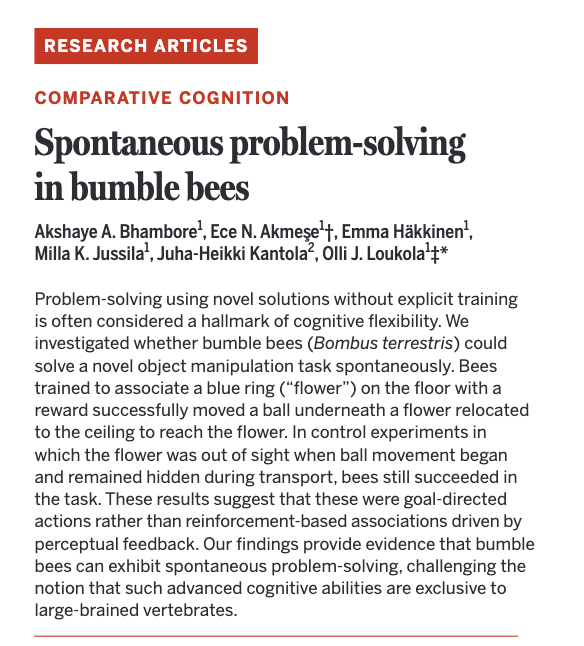
Really incredible how much we are learning about insect cognition that 20 years ago 99% of biologists would have said wasn't possible.
5
115
845
38,626
Jun 10
1
13
891
Luke Glowacki retweeted

Jun 5
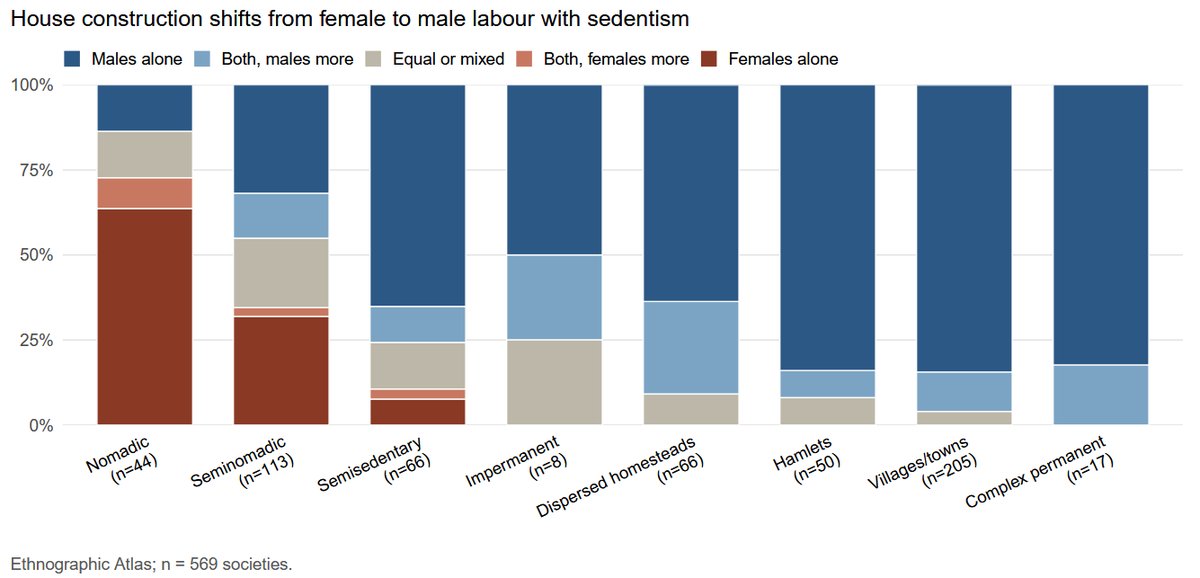
The sexual division of labour regarding house construction shows a very consistent pattern cross-culturally: women usually construct the shelters in nomadic societies, while in sedentary societies men do it.
15
52
450
23,961
Jun 4
This is a very way to analyze the Margret Mead - Derek Freeman debate. It also will give you some insight into the methods of contemporary evolutionary cultural anthropology. Great piece!
Jun 3

Sexual Permissiveness in Polynesia: Was Margaret Mead Right? traditionsofconflict.substac…
2
1
13
2,250
Luke Glowacki retweeted

May 22
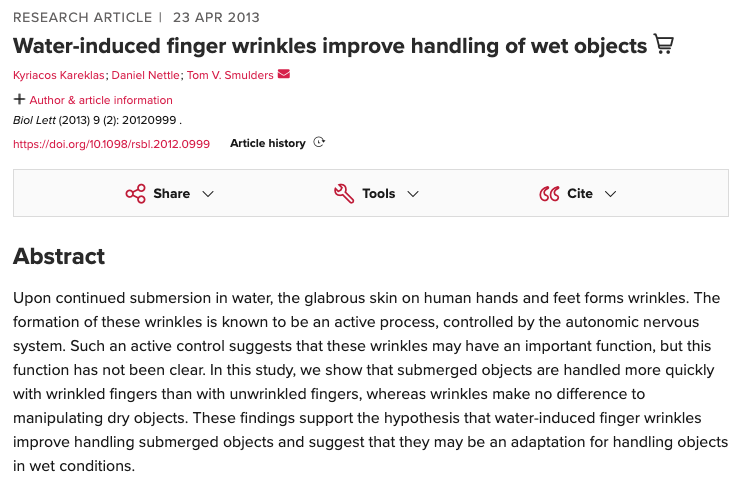
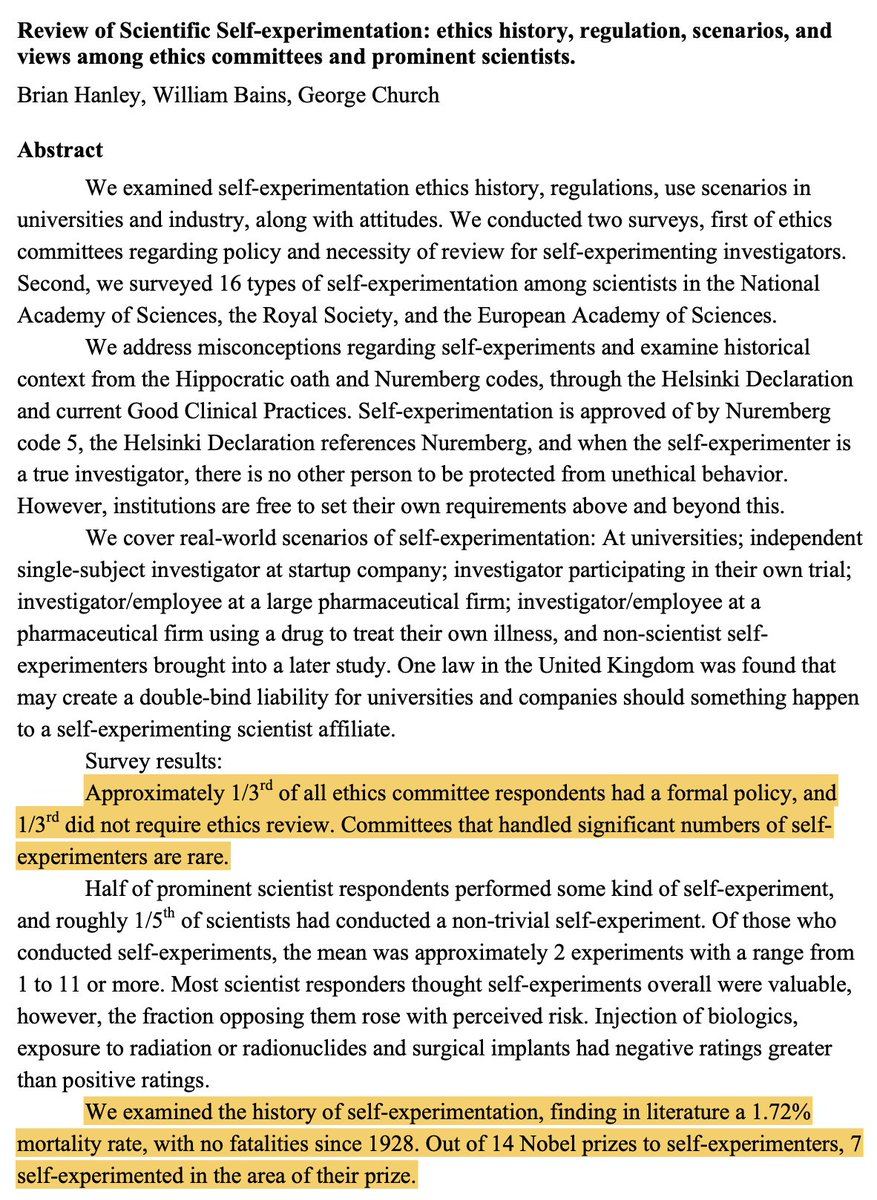
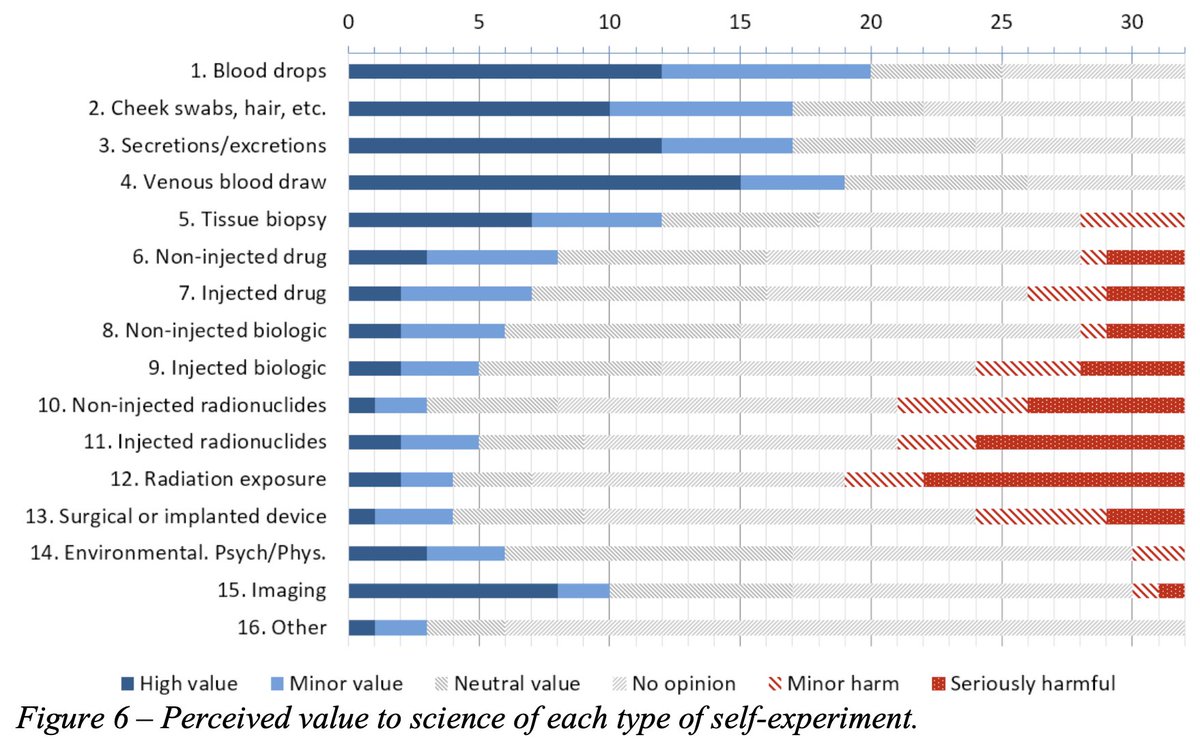
This paper is a goldmine on scientific self-experimentation.
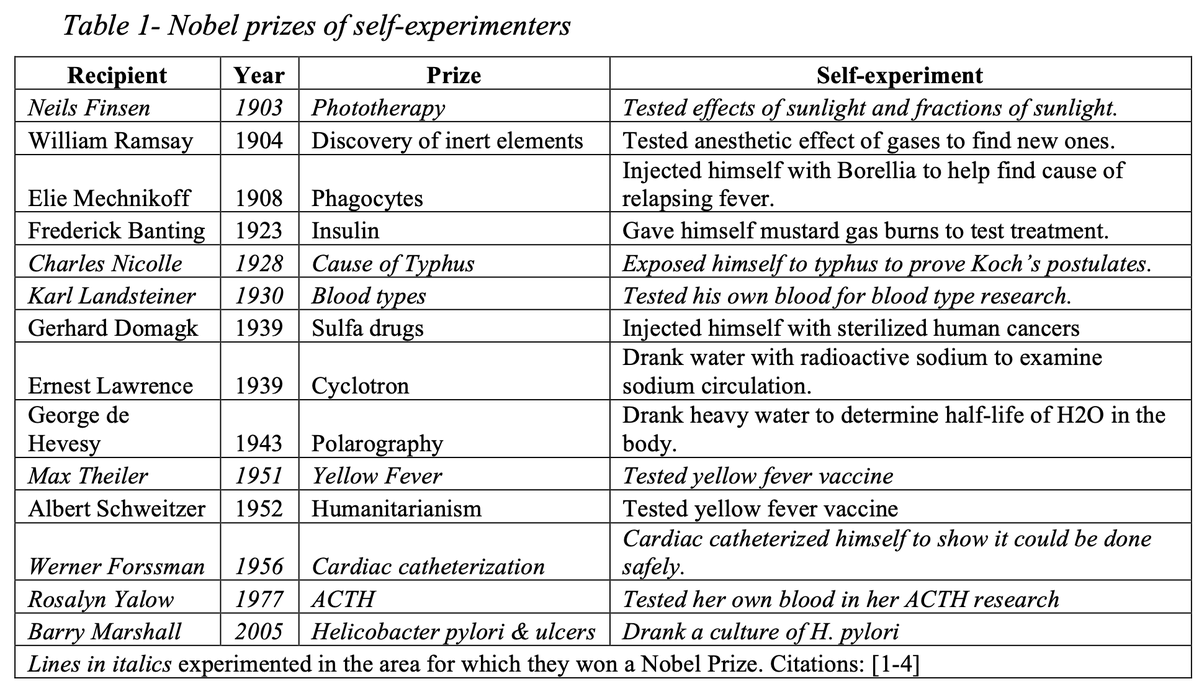
-14 Nobel Prizes have gone to self-experimenters.
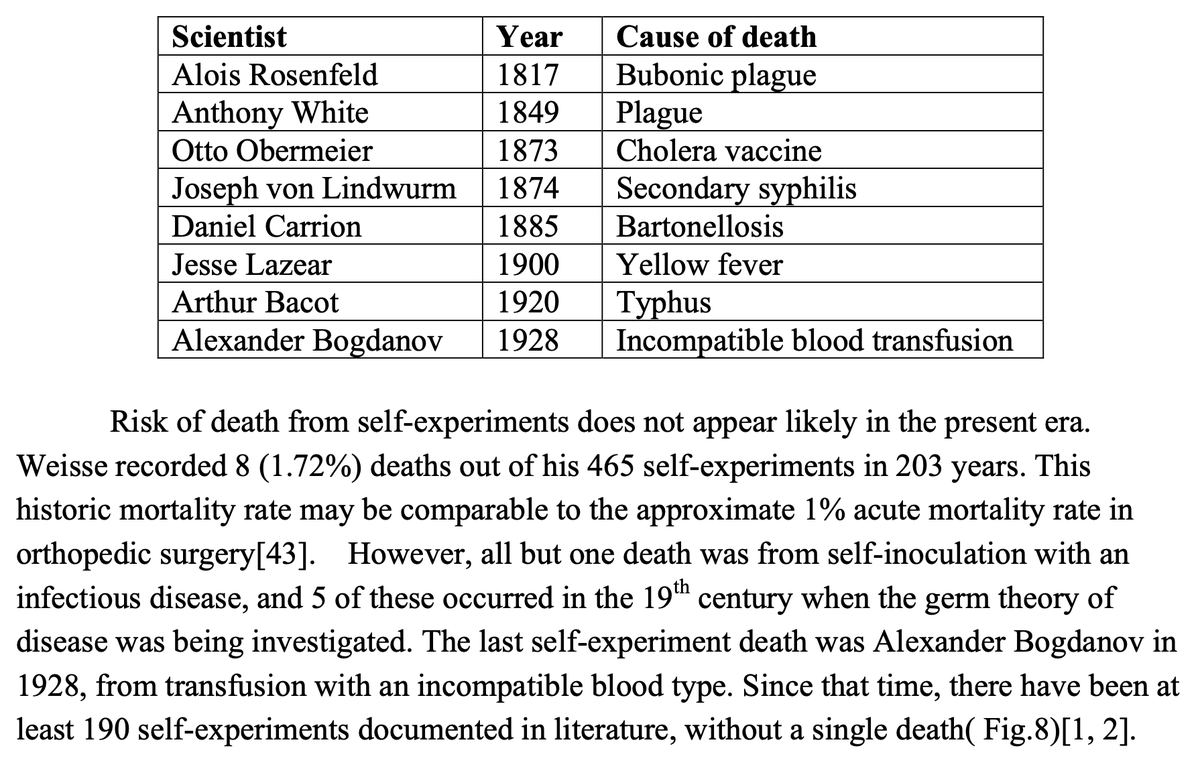
- Of 465 scientific self-experiments documented over a 203-year period, there have been 8 deaths.
- The most recent recorded death from a self-experiment was in 1928, when Alexander Bogdanov injected himself with an incompatible blood type.
- Many universities say that self-experimentation would require IRB approval because it violates "ethical norms for medical research," which is not true; the Nuremberg Principles make an explicit exception for people experimenting on themselves, and the Declaration of Helsinki just says the subject must consent. Also, "there is no law nor regulation identified that requires investigators experimenting on themselves to consult an ethics committee."
- There are lots of recent self-experiments; "In 2014, Philip Kennedy had electrodes implanted into his speech center to further his research on direct brain interfaces. In 2016, Alex Zhavoronkov self tested drugs which his software algorithms identified as likely candidates."
12
108
465
36,228
May 22
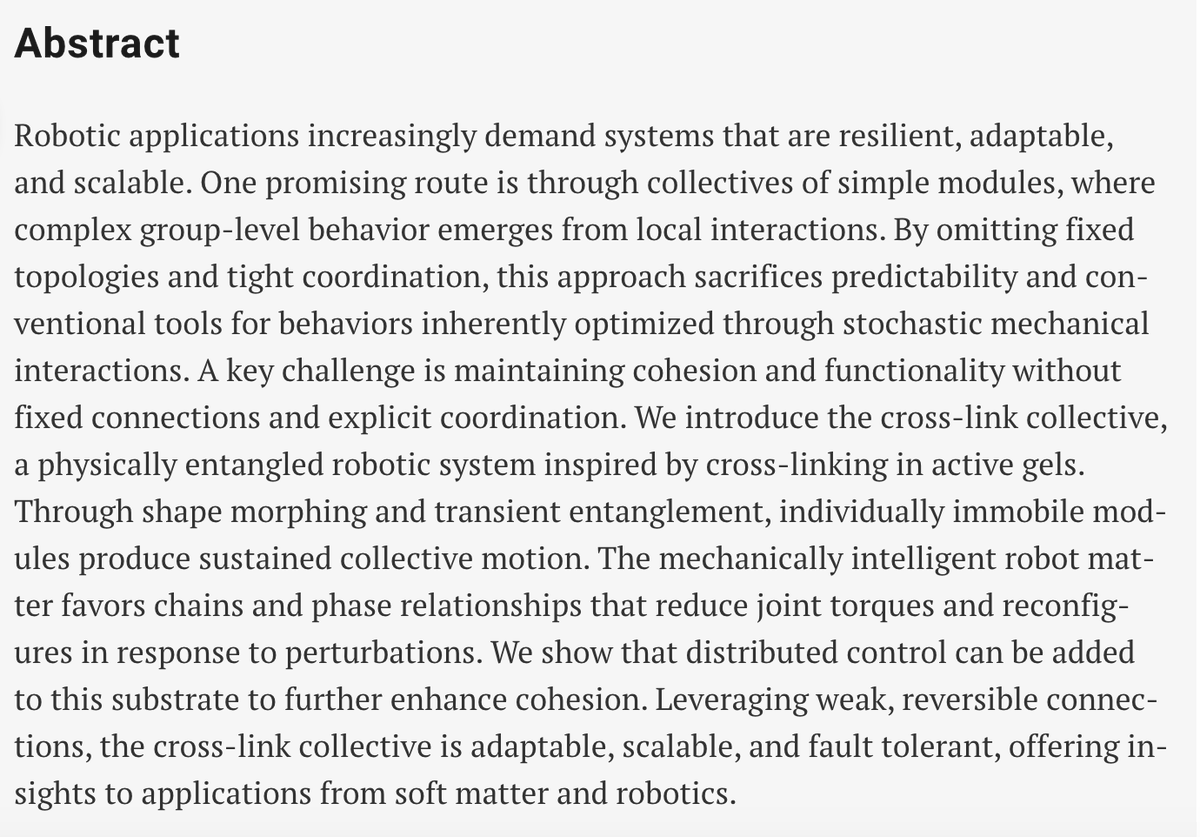
The future is going to be wild. Cross-link collective: Entangled robotic matter with cohesive motion science.org/doi/10.1126/scir…
1
4
405
May 22
Lots of good tips in here on improving your reading and writing habits
May 22

I wrote a short personal essay about reading and writing that is definitely not an ad for the Daylight Computer (link in next tweet)
3
393
Luke Glowacki retweeted
May 21
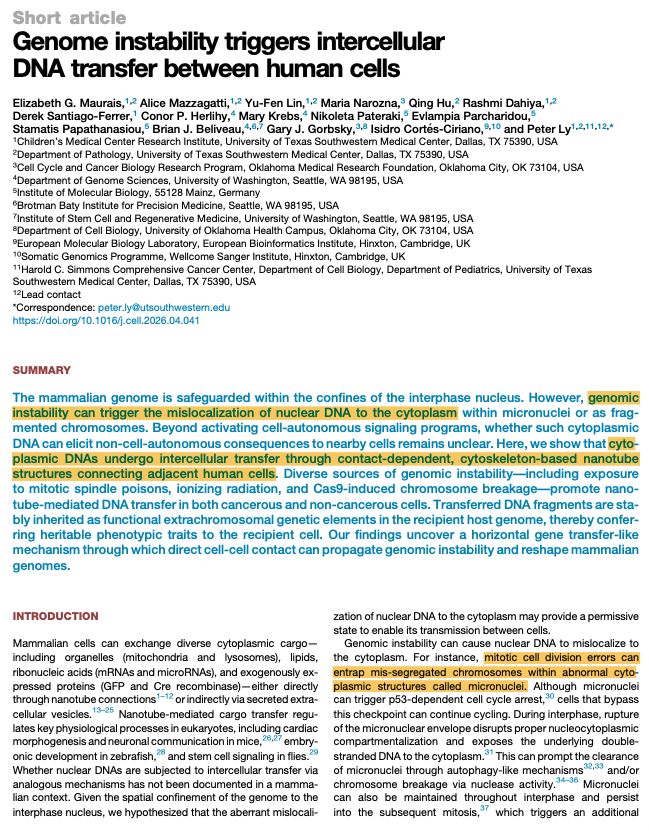
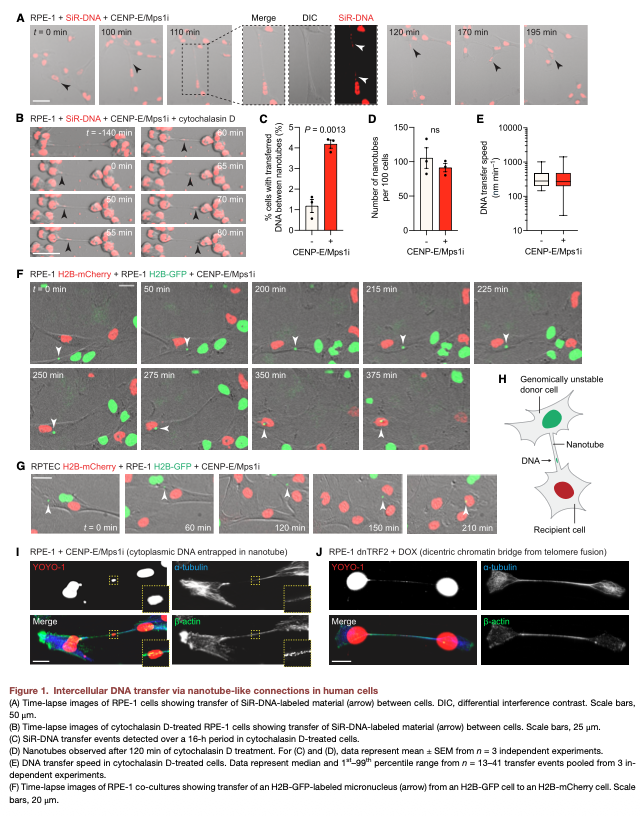
My favorite paper this week: Human cells with damaged genomes (from cancer, radiation, or even CRISPR editing) grow tube-like bridges to their neighbors and send them broken chromosomes. The transferred DNA sticks around in the receiving cell and remains functional.
This paper is really cool, and hints at *so many* interesting questions, but it’s important to caveat that it isn’t the first time people have seen DNA moving between human cells! There’s a 2013 paper (Jin Cai et al.) that shows extracellular vesicles (membrane-enclosed bubbles that bleb off cell membranes) can also carry DNA between cells. A similar thing happens with “apoptotic bodies.” Basically, when a cell dies, pieces of that cell will form into little spheres, some of which contain DNA. These “apoptotic bodies” are then engulfed by neighboring cells, which take up their DNA and (sometimes) incorporate the sequences into their own genomes. (See the Holmgren et al. paper from 1999.)
People had even shown that nanotubes can swap DNA between cells! They hadn’t seen this with nuclear DNA, though; mostly mitochondrial DNA and various RNAs. This paper, then, is extremely original and exciting, yet sits within a rich subfield of cell-cell DNA transfers.
The experiment was extremely simple. The researchers grew two types of human cells together in a dish. They tagged the histones in each cell type with a different fluorescent color; one green and the other red. Next, they exposed the cells to drugs that interfere with mitosis and recorded time-lapse videos. In one of these videos, they literally watched as DNA tagged with one color moved — through the thin nanotubes — into a cell with the other color. This happened not only with mitosis-blocking drugs, but also with CRISPR-induced chromosome breaks and radiation. The transferred DNA remained functional, too; they were transcribed into RNA and translated into protein.
(Sidebar: It seems like this whole discovery was an accident. The group behind this paper had previously studied what happens to nuclear DNA when chromosomes break using exactly the same techniques and drugs. But it seems like they never expected to see this transfer happen between cells. They write in the paper: “Surprisingly, using live-cell imaging to monitor cytoplasmic DNA labeled with a double-stranded DNA-specific fluorescent dye, we observed the apparent transfer of DNA from the cytoplasm of donor cells to neighboring recipient cells.”)
It’s not clear to me how important this might prove for, say, cancer. But the authors point at some intriguing ideas. Maybe the transfer of DNA between cells “mimics” some of the genome architectures we see in cancer cells, for example. Perhaps “DNA transfer could generate genomic alterations in recipient cells that resemble whole-chromosome gains or non-tandem duplications, challenging the assumption that these changes originate exclusively from cell-autonomous mitotic defects.”
The researchers also speculate that DNA transfers could “potentially enable genomically unstable cancer cells to disseminate oncogenic alleles, deleterious mutations, and/or regulatory elements to neighboring non-cancerous cells.” If this turns out to be true, nanotubes could be a useful target for cancer therapies.
Anyway, I love papers like this, where it feels like a whole swath of questions suddenly arises from beneath your feet. There is so much work to be done, and biology goes ever deeper.
13
69
348
21,945
May 19
This is a lot of fun to play with. Check it out!
May 19

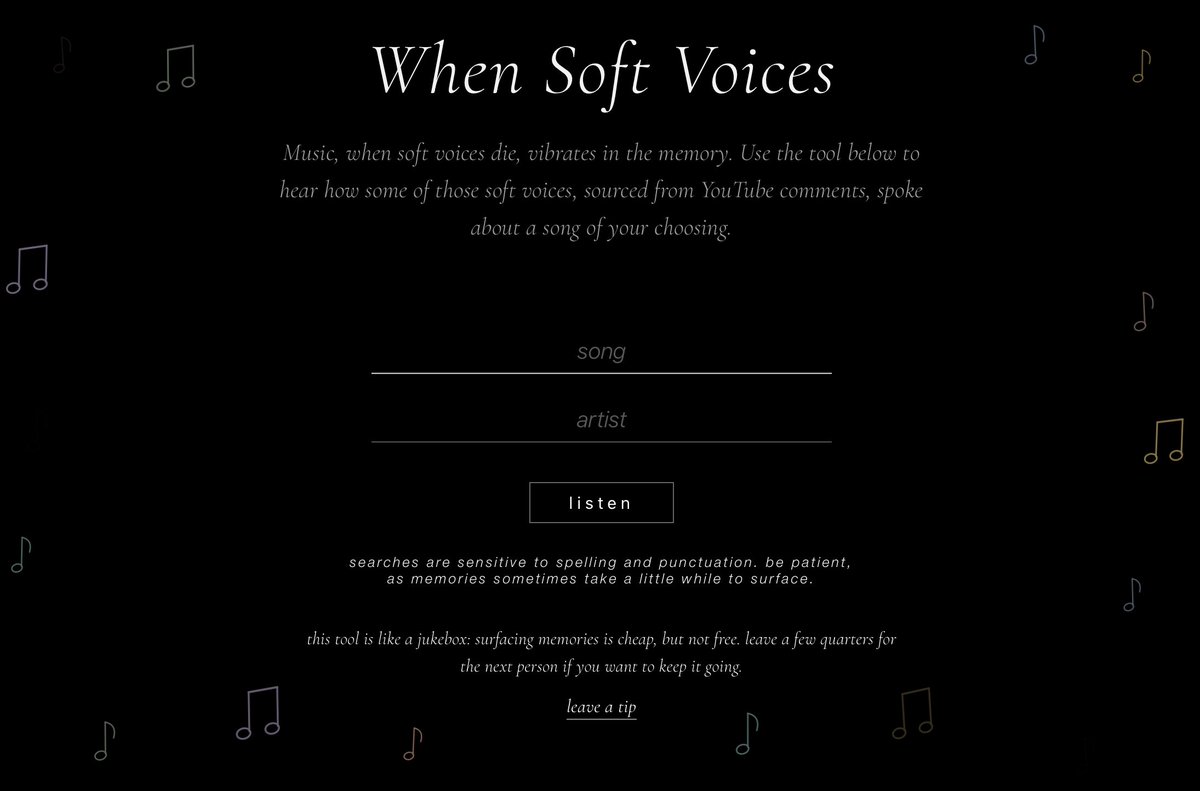
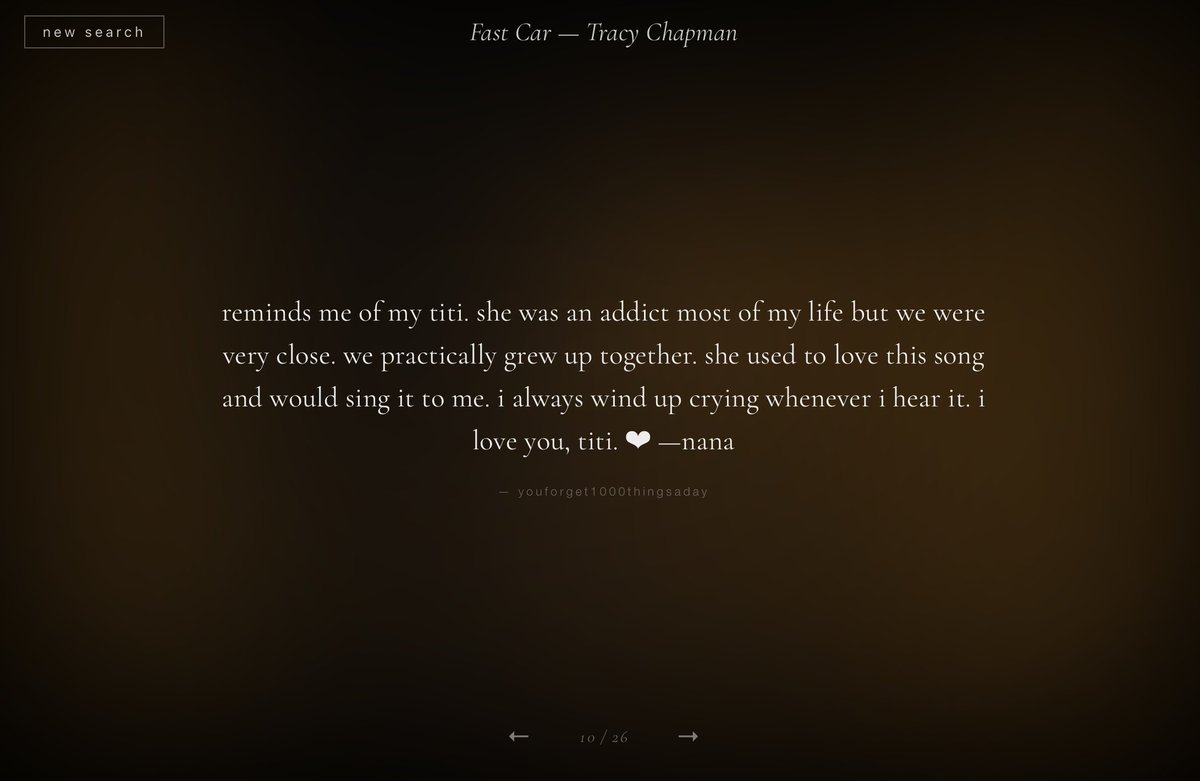
I made a tool for finding the memories people share in the comments on Youtube music videos. Lots of grief, but lots of joy too. Link in 🧵
1
1
289
May 16
You can give a kidney away but you can't sell it despite the fact it would save numerous lives. Insane.
May 16

Al Roth on Why People Should Be Free to Sell Their Kidneys. (Any "yuk" reaction should be weighed against the hundreds of thousands of lives that could be saved, just as in the past we overcame our "yuk" reactions to blood transfusions, life insurance, organ transplants, IVF, and other innovations with massive benefits and no tangible costs.) writing.yaschamounk.com/p/al…
1
1
381
May 16
Most of the natural world is invisible to us unless you watch carefully.
May 16

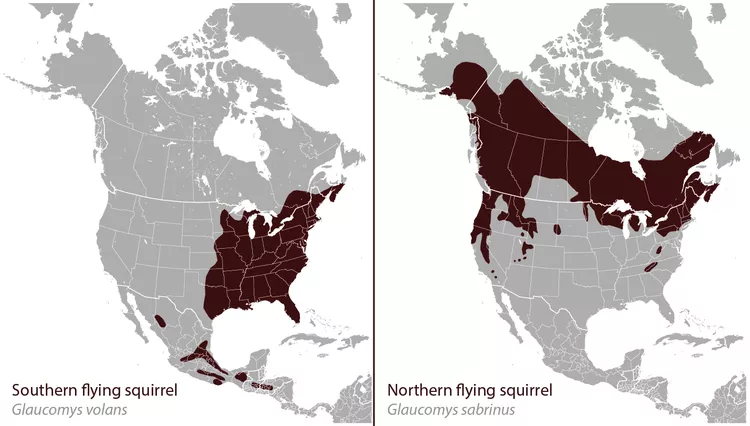
It turns out that flying squirrels live in most of the continental US, but you almost never see them because they are 100% nocturnal.
I learned this recently because as I knocked down a dead tree in my backyard a family of squirrels flew out and I thought I was going insane.
1
9
428
Luke Glowacki retweeted

May 16
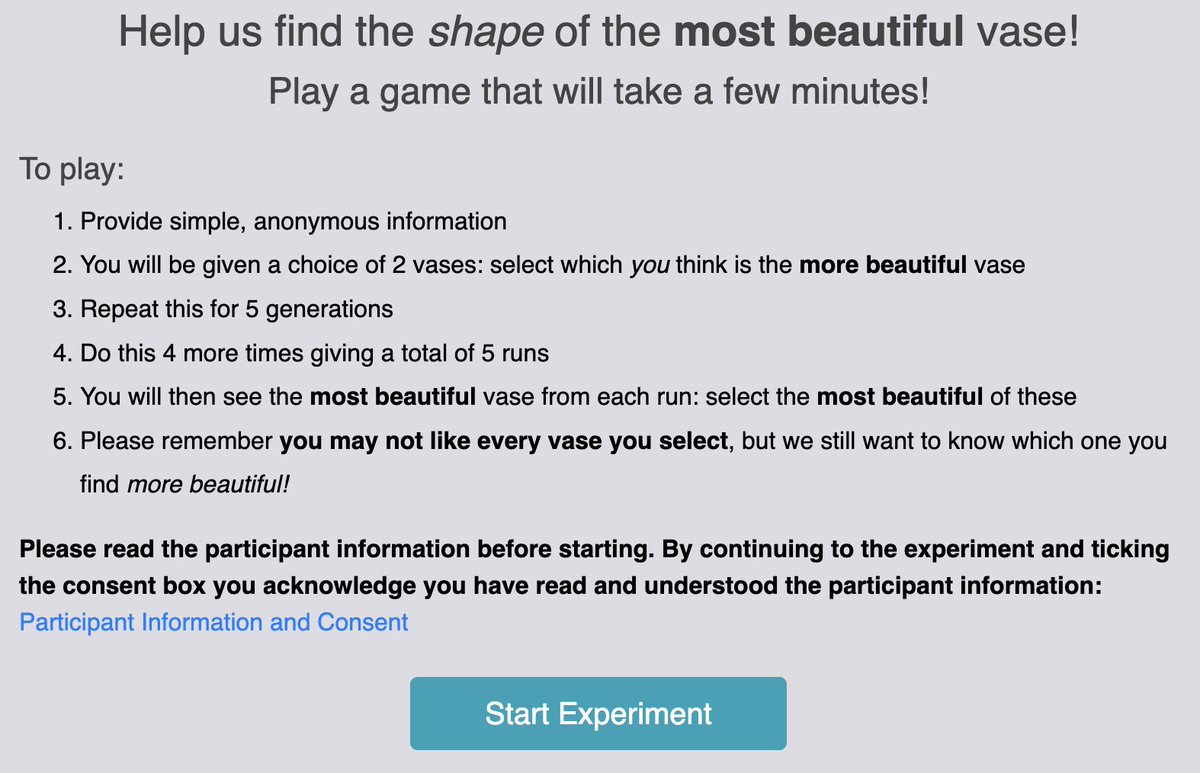
Could you help me collect data?
It's a fun game that takes only a few minutes, but it will really help my colleagues and I to better understand human beauty preferences.
Please share to help increase sample size; I'm grateful for your support for science.
10
23
73
22,775
May 14
3
132