an Institute of the University of Hamburg
Joined December 2014
- Tweets 3,009
- Following 366
- Followers 939
- Likes 16,033
384 Photos and videos


7 Aug 2024
Alright, we’re out of here. This platform and the recents comments by its owner have become too problematic. In fact, we should have left some time ago. You will find us on LinkedIn. See ya.
5
375
6 Aug 2024
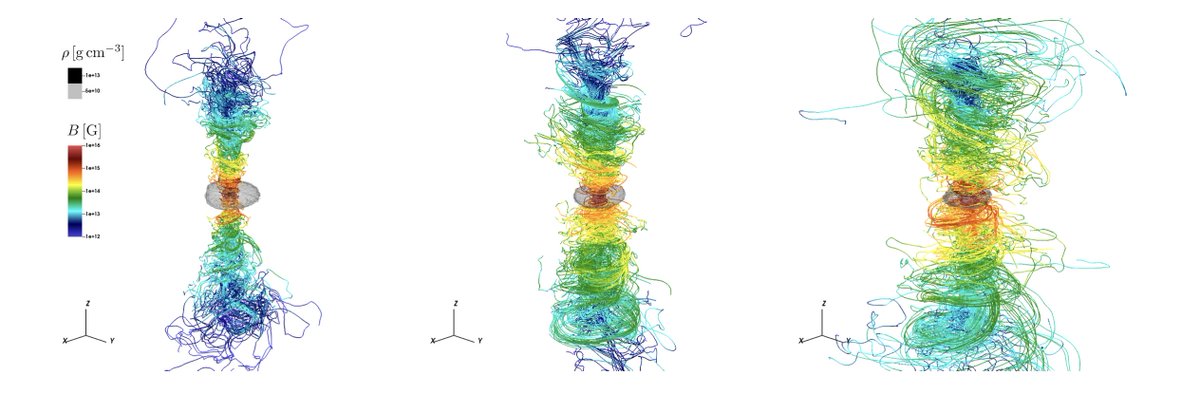
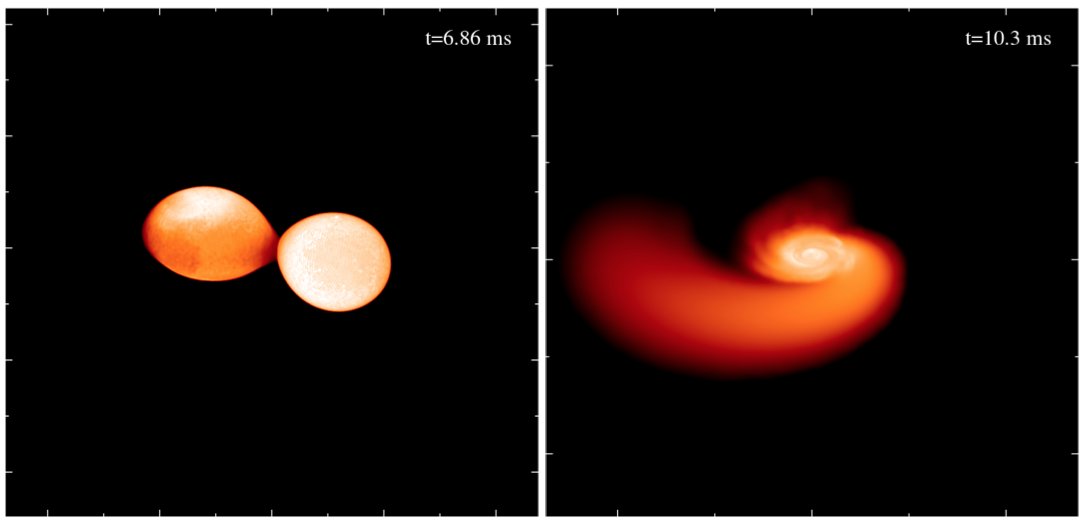
New simulations of magnetic fields in neutron stars just dropped. Delayed jet launching in binary neutron star mergers with realistic initial magnetic fields led by our postdoc R. Aguilera-Miret.
arxiv.org/abs/2407.20335
1
2
11
625
31 Jul 2024
Today on arxiv: Probing the Magnetised Gas Distribution in Galaxy Groups and the Cosmic Web with #POSSUM Faraday Rotation Measures led vy C. Anderson.
arxiv.org/abs/2407.20325
2
8
438
@HambObs@mastodon.social retweeted

22 Jul 2024
Hamburg is shaking it off! ✨Diese Woche gibt Taylor Swift zwei Konzerte im Hamburger Volkspark. Seismische Wellen, die dabei entstehen nimmt auch die Geophysik der Uni Hamburg genauer unter die Lupe: uni-hamburg.de/newsroom/pres…
4
13
1,534
25 Jul 2024
Machine learning can help extract information about magnetic fields in radio observations: Semi-Supervised Rotation Measure Deconvolution and its application to #MeerKAT observations of galaxy clusters led by our student V. Gustafsson with @TorstenEnsslin arxiv.org/abs/2407.16762
2
9
387
4 Jul 2024
Popular science article on S. Rosswog’s ERC grant on colliding neutron star, gravitational waves and flashes came out here: edition.pagesuite.com/html5/… @UHHMIN
4
190
@HambObs@mastodon.social retweeted

3 Jul 2024
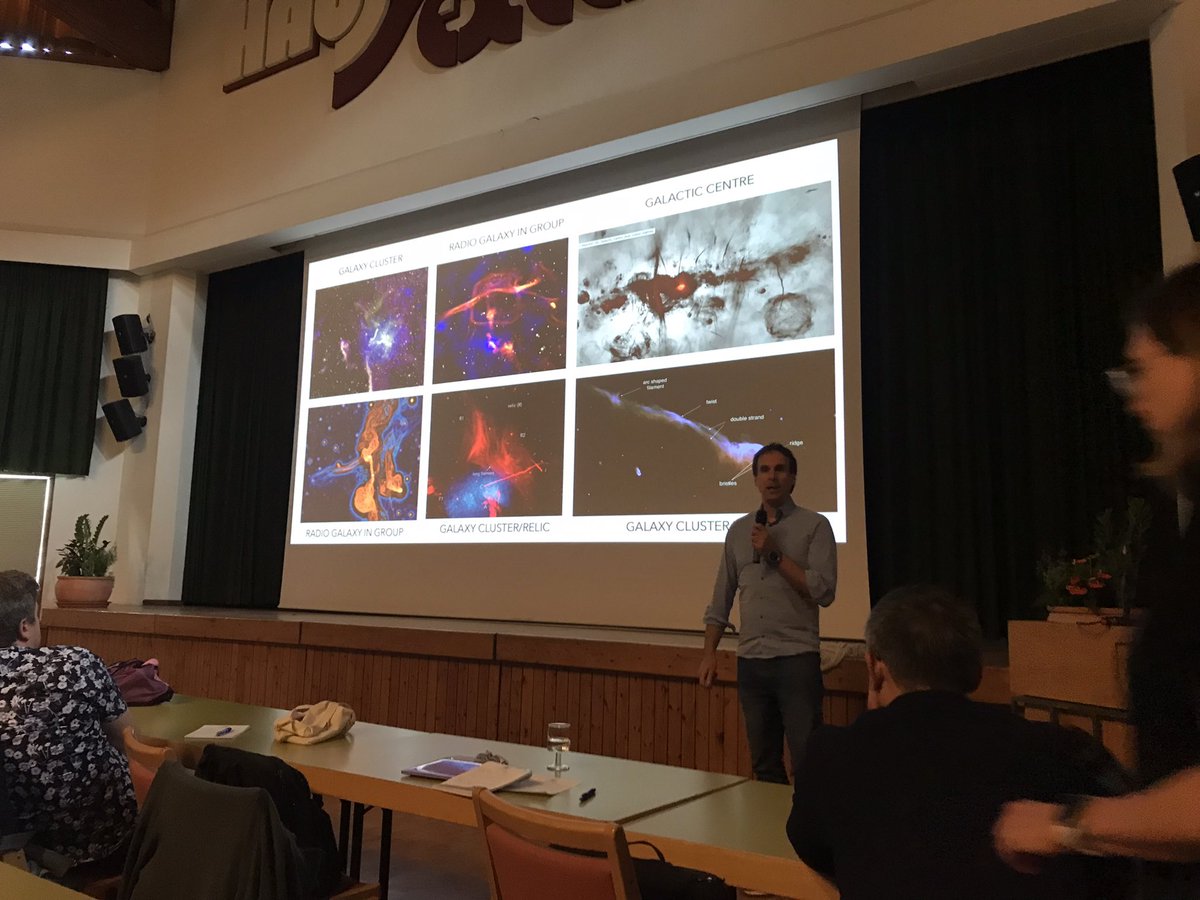
Bruggen unveils the non-thermal side of groups #Sestogroups24
3
17
807
2 Jul 2024
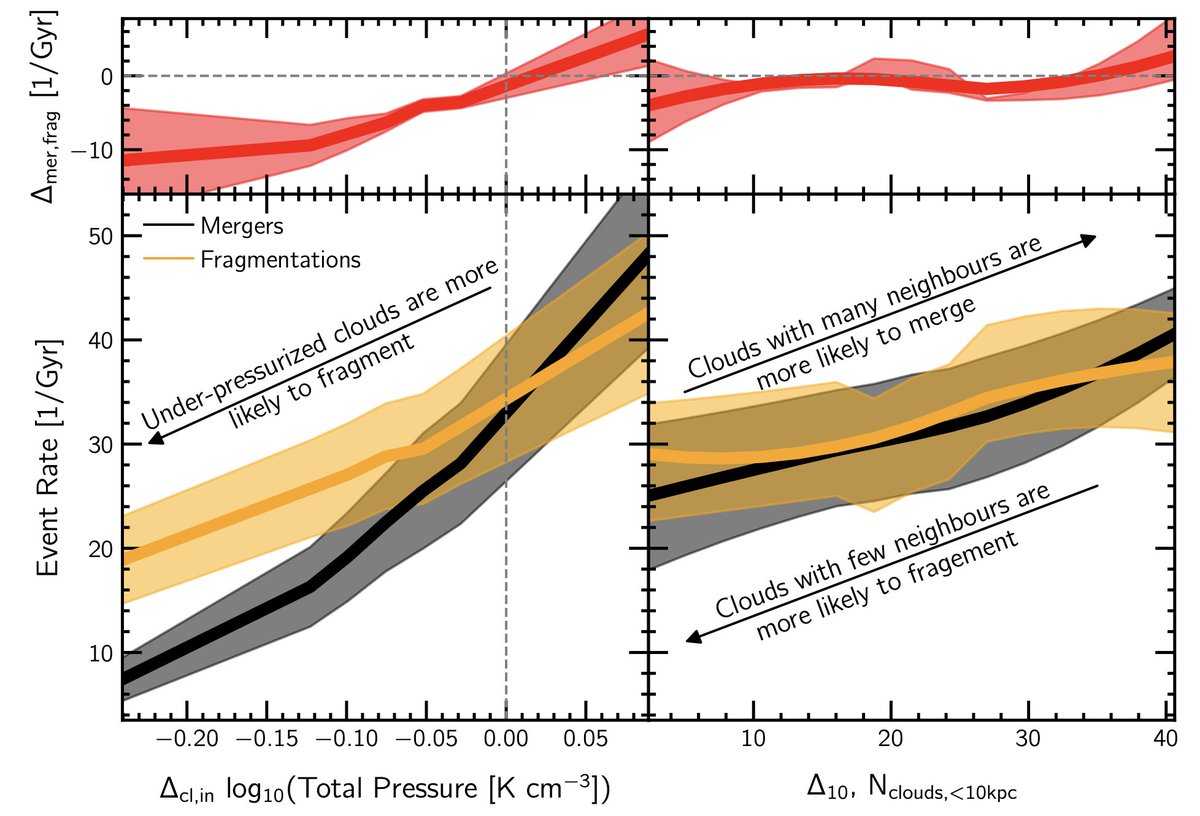
Out today: Zooming in on the Circumgalactic Medium with GIBLE: Tracing the Origin and Evolution of Cold Clouds led by R. Ramesh with @DrummondBField et al. Cold clouds do not live very long & collective cloud-cloud dynamics is crucial to their evolution. arxiv.org/abs/2407.00172
2
6
335
19 Jun 2024
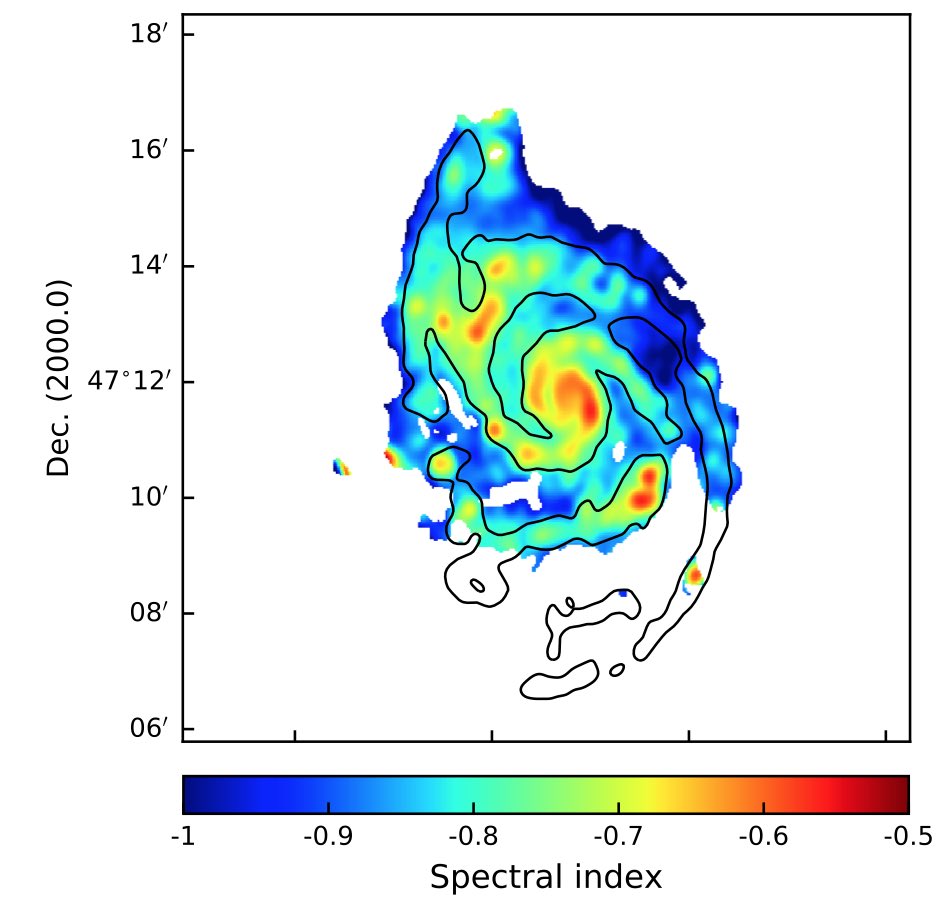
Out today: Ultra-low frequency @LOFAR spectral indices of cluster radio halos led by @ThomasPasini94 w @roxycas @and_botteon @hen_edler et al. Main result: more massive clusters host flatter-spectrum halos
arxiv.org/abs/2406.12005
6
17
891
@HambObs@mastodon.social retweeted

14 Jun 2024
Need to get this flag for my office

140
7,575
113,310
10,315,178
17 Jun 2024
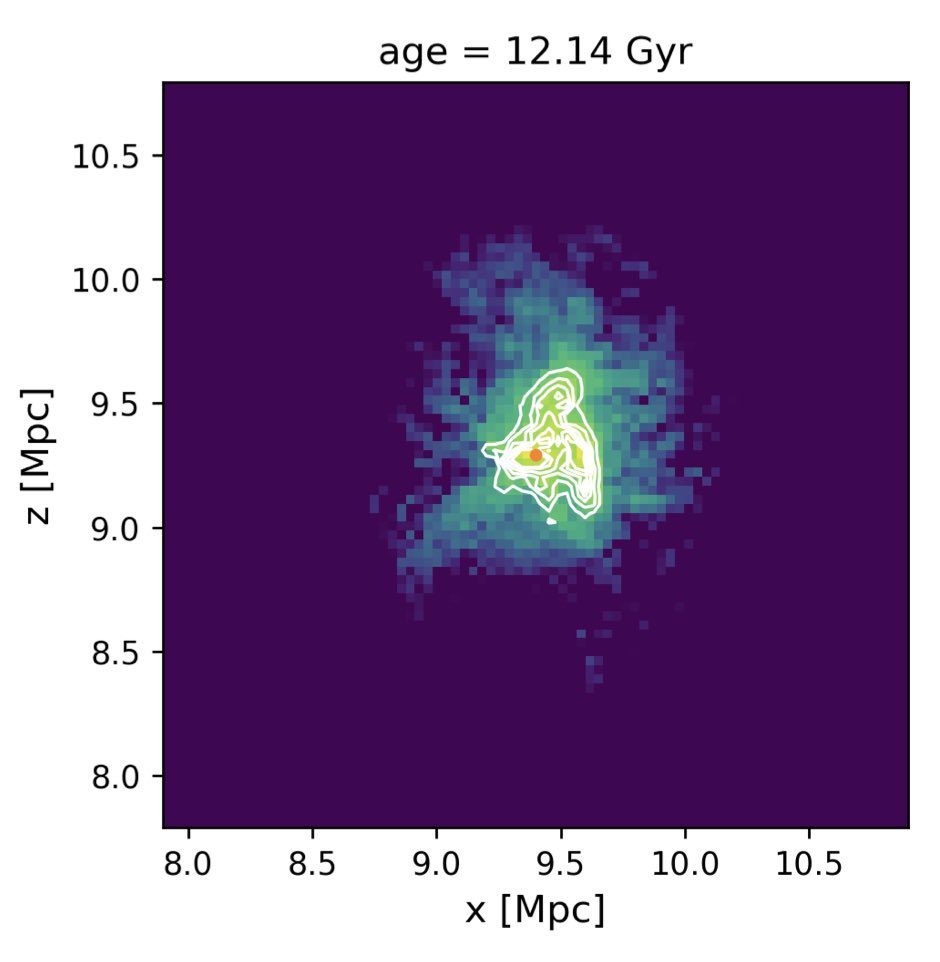
On astro-ph today: Cosmological simulations of the generation of cluster-scale radio emission from turbulent re-acceleration led by L. Beduzzi. Shows that radio megahalos can be powered by turbulence. arxiv.org/abs/2406.09859
1
3
19
1,021
@HambObs@mastodon.social retweeted

15 Jun 2024
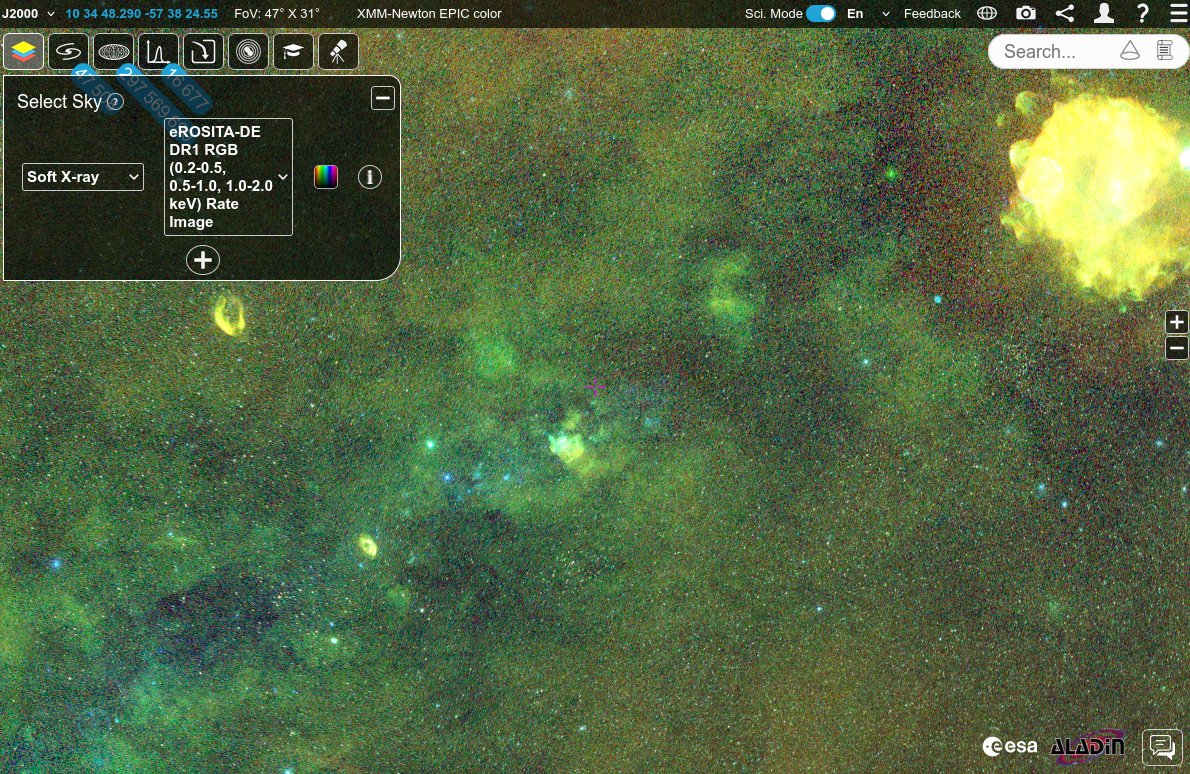
eROSITA DR1 maps and catalogues are now available in ESASky! sky.esa.int/esasky/
2
11
34
2,150
@HambObs@mastodon.social retweeted

12 Jun 2024
Published in #MNRAS: "MeerKAT discovery of a double radio relic and odd radio circle: connecting cluster and galaxy merger shocks", Koribalski et al. This is Fig. 3: for the caption & to read the paper please visit academic.oup.com/mnras/artic…
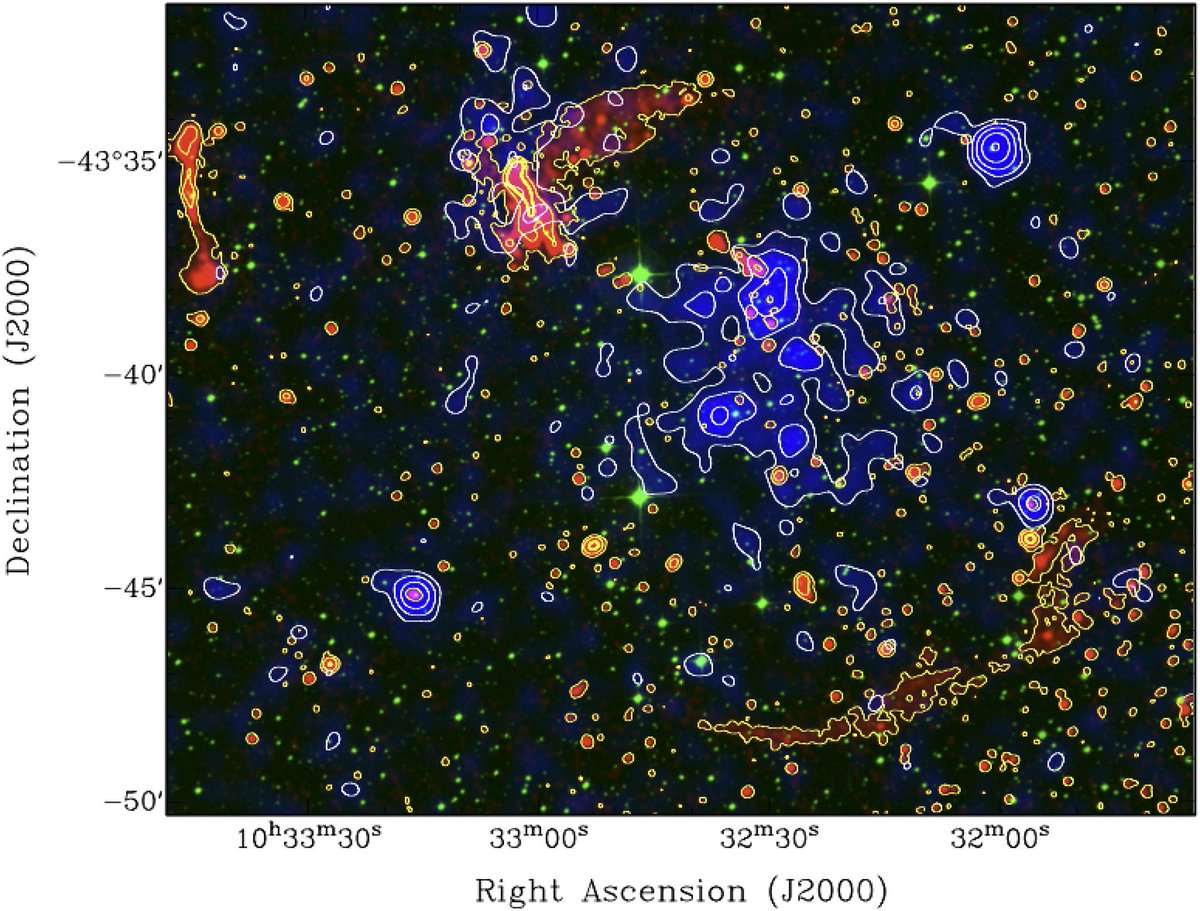
ALT RGB colour image of the double relic cluster PSZ2 G277.93 12.34. The MeerKAT 1.3 GHz radio continuum emission is shown in red plus yellow contours (0.01, 0.1, and 1 mJy beam^(−1)), the eRASS:3 X-ray emission in blue plus white contours (same levels are as in Fig. 2), and the DSS2 optical R-band image in green. For display purposes, we show the radio emission without primary beam correction.
7
22
1,103
13 Jun 2024
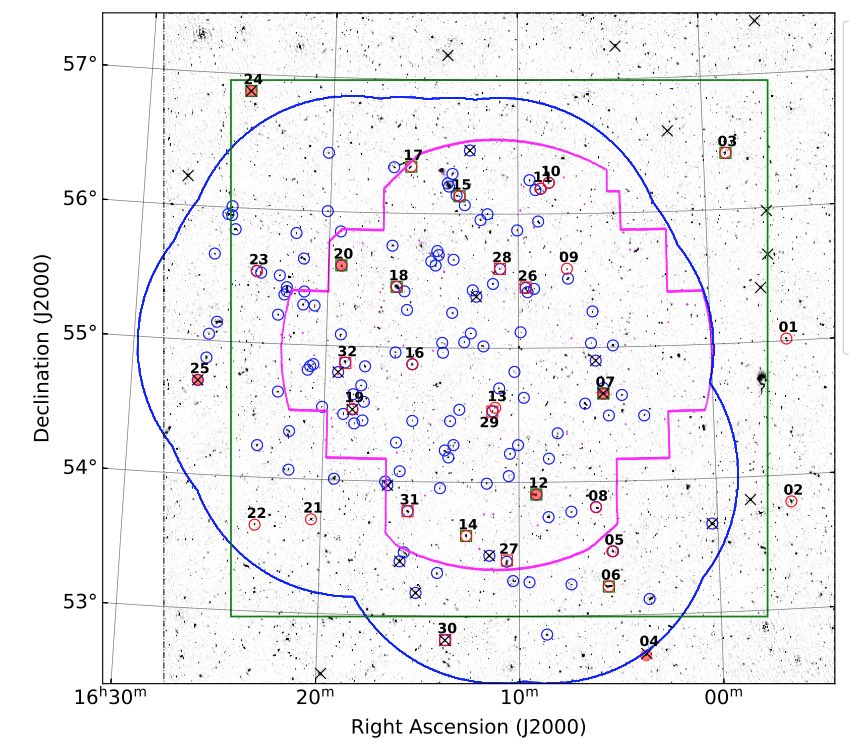
And another paper of ours came out today: @LOFAR Deep Fields: Probing the sub-mJy regime of polarized extragalactic sources in ELAIS-N1. led by S. Piras with @aghatubrid and others. Deepest and highest-resolution polarization study at 150 MHz to date. arxiv.org/abs/2406.08346
4
9
634
12 Jun 2024
If you want to check out what our two postdocs Sarah and Pia have to say about their journey in astronomy, watch this clip produced for national tv. #dasrotesofa @ndr
ndr.de/fernsehen/sendungen/d…
1
10
289
@HambObs@mastodon.social retweeted

10 Jun 2024
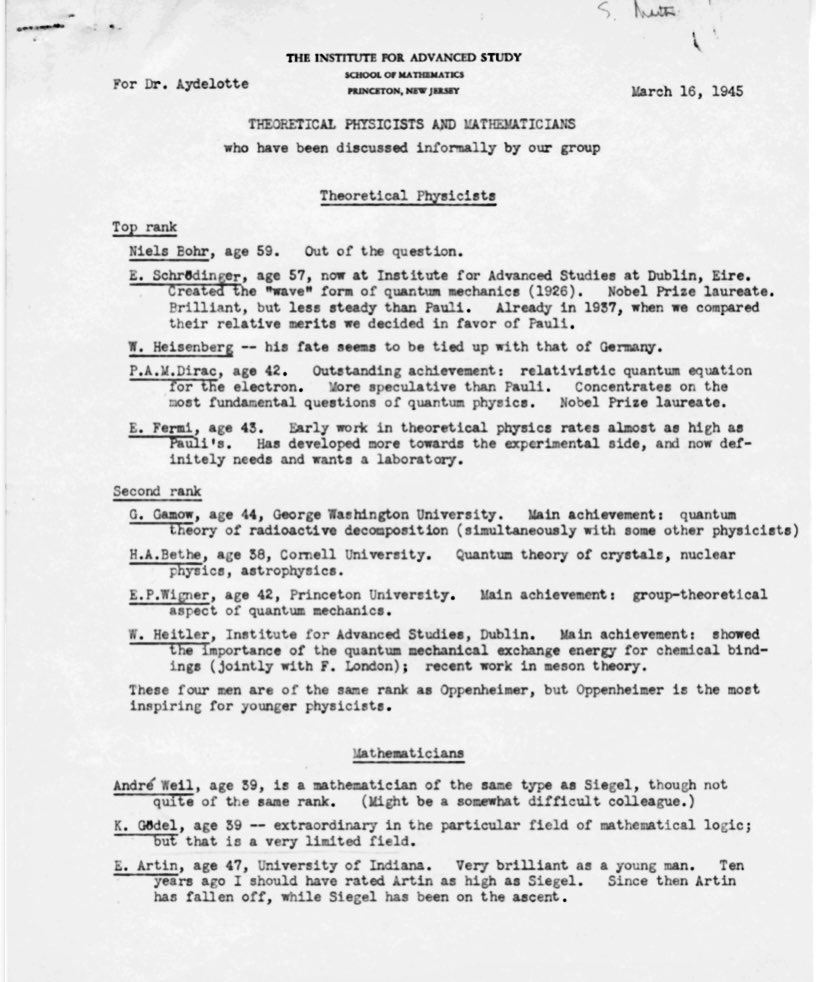
The ultimate faculty recruitment list: Hermann Weyl recommending physicists and mathematicians as directors for the IAS in 1945. The competition is so stiff that Wigner and Bethe are considered second-tier. Oppenheimer is the "most inspiring for younger physicists."
32
99
654
111,769
@HambObs@mastodon.social retweeted

10 Jun 2024
Great paper and some amazing visualisations! @PlotAstro
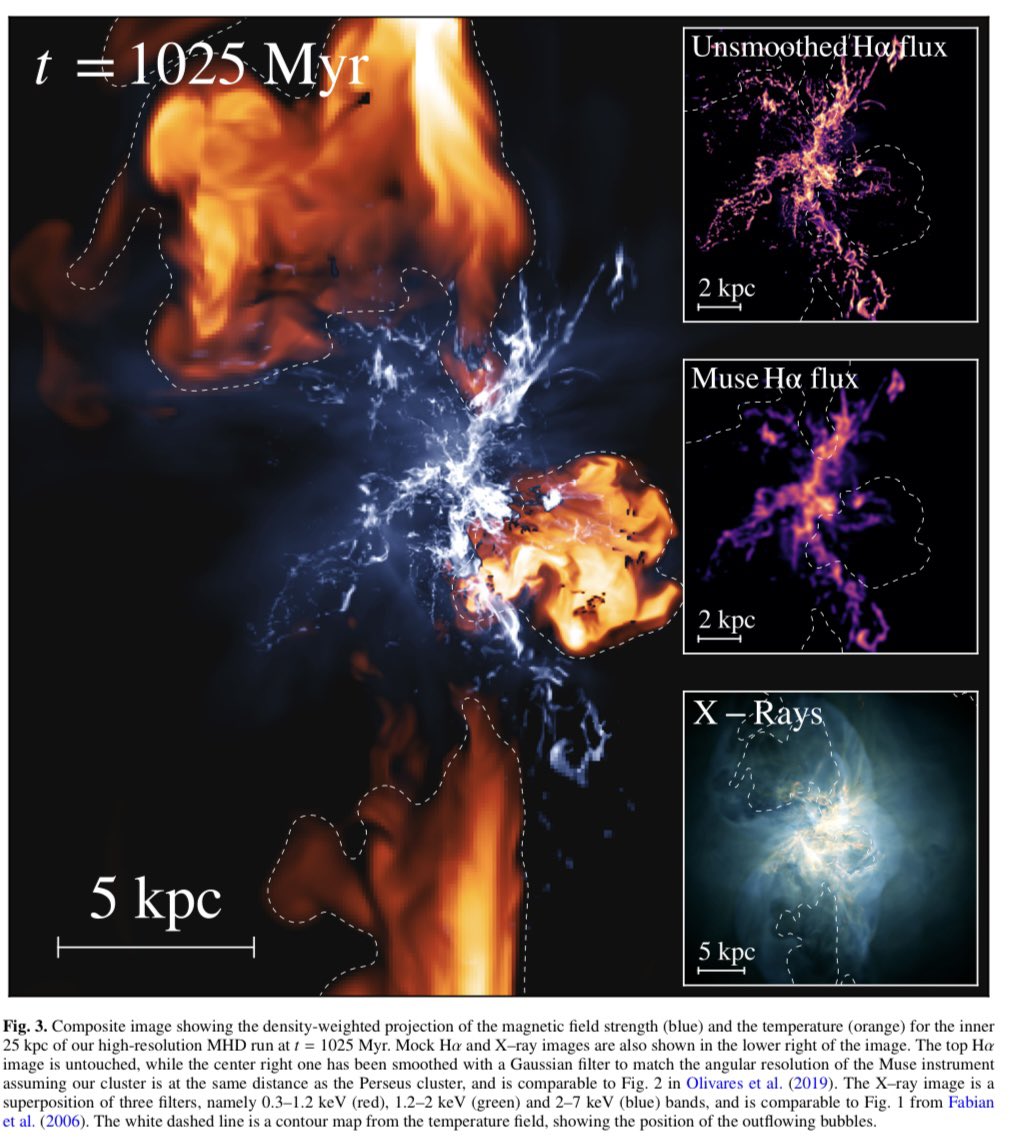
10 Jun 2024

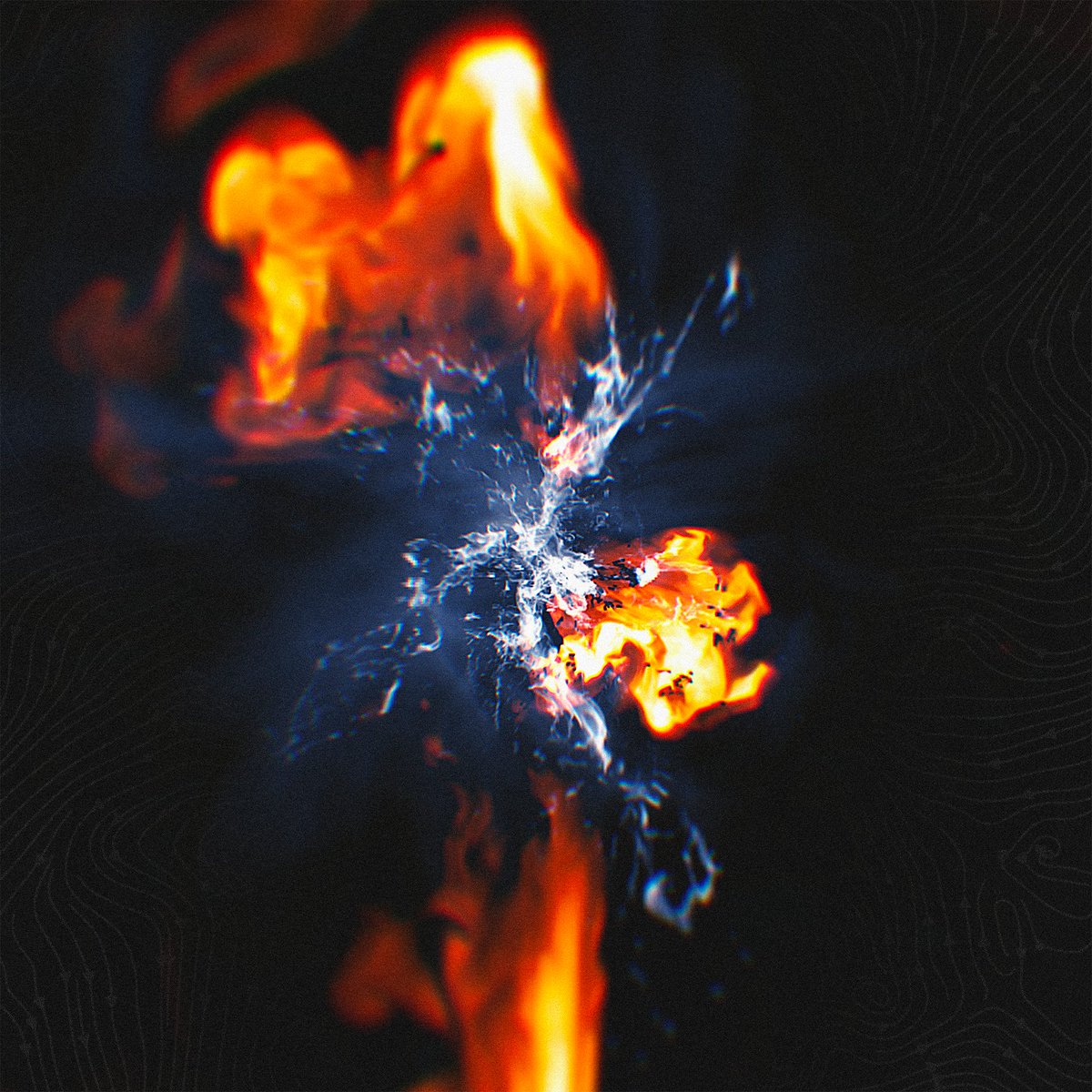
My second paper is on ArXiv today!
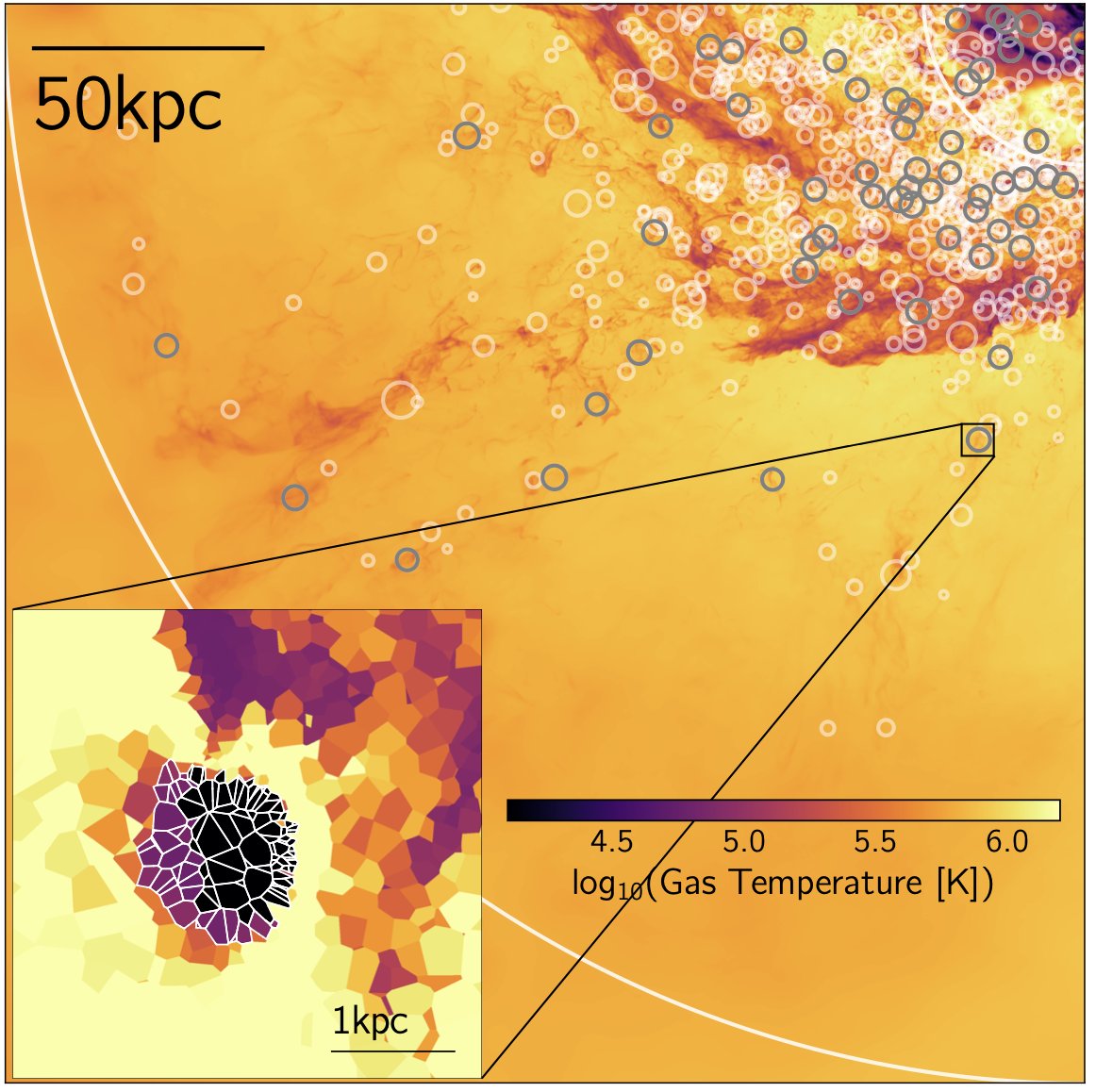
We performed MHD simulations of NGC1275, the brightest central galaxy of the Perseus cluster to study the formation and evolution of cold gas filaments.
@HambObs
arxiv.org/abs/2406.05044
2
5
48
3,547
12 Jun 2024
Nice paper led by our student L. Gajovic on what happens if you observe galaxies at frequencies of 50 MHz @LOFAR . arxiv.org/abs/2406.06689 with @VolkerHeesen @fradega @hen_edler et al.
2
7
32
1,779